


- 20 Misprints or Errors That Changed What We Believe - July 22, 2026
- 14 Opening Chapters That Grabbed Readers and Never Let Go - July 22, 2026
- 20 Forgotten Rituals That Defined Entire Civilizations - July 22, 2026
There’s a particular ache that comes at the end of a great novel. Not grief exactly, but something close to it. You’ve spent hours inside someone’s head, watching them stumble and reconsider and grow, and now they’re just gone. The book is closed. There’s a strange intimacy in the way readers talk about fictional characters – we don’t say “I read about her,” we say “I miss her.” We don’t describe a character’s decision as interesting; we call it devastating, foolish, or brave, as though it were made by someone we actually know.
Neuroscientists have found that when we read emotionally charged fiction, our brains light up as if we’re living those moments ourselves. When a character runs, our motor cortex activates. When they cry, our limbic system echoes that pain. This phenomenon, driven by mirror neurons, allows us to feel empathy for imaginary people with startling authenticity. The characters below are proof of that. Each one has earned a place not just in literary history, but in the quiet corners of readers’ lives.
Elizabeth Bennet – Pride and Prejudice by Jane Austen
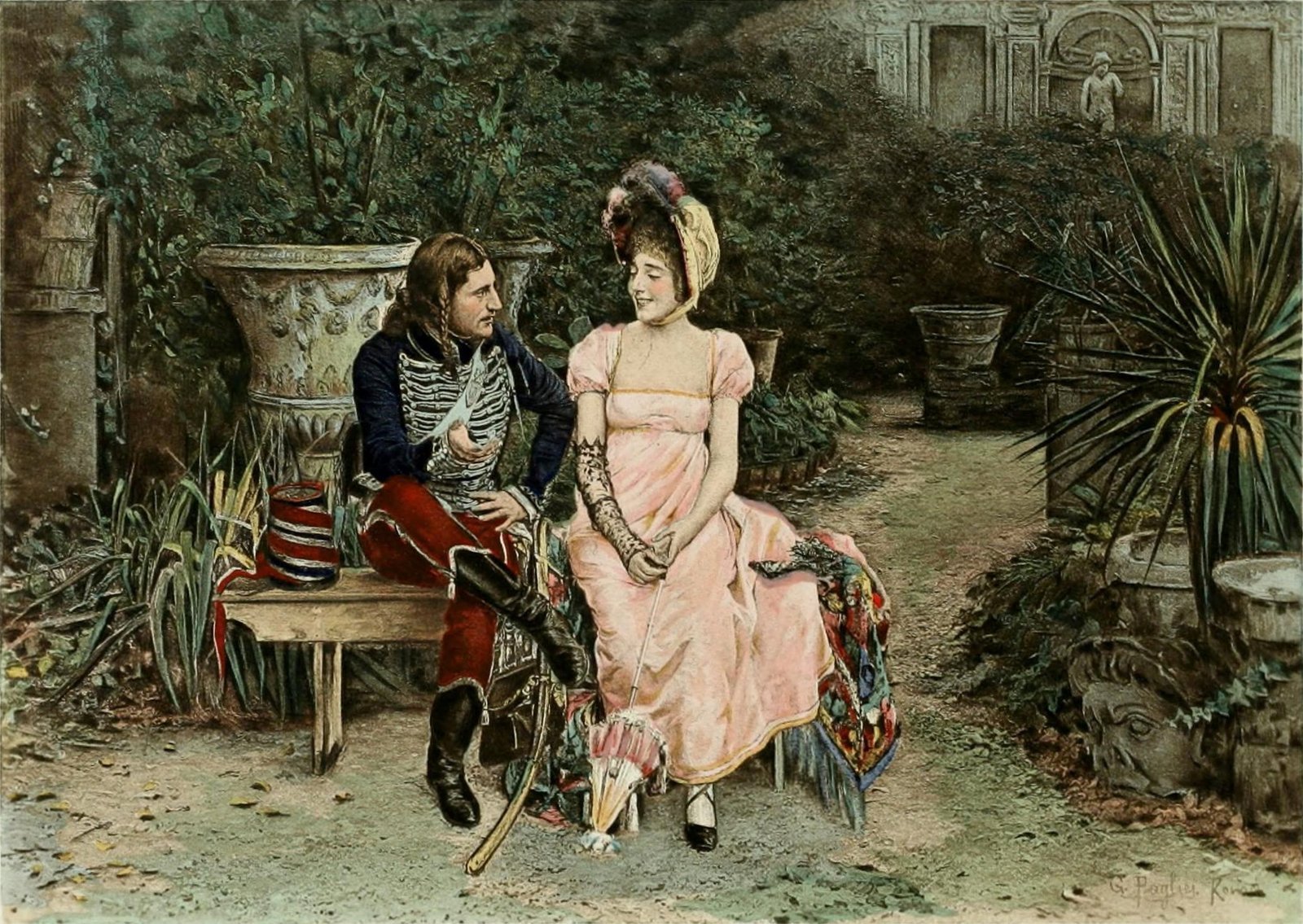
One of the most loved characters in classic literature, Elizabeth Bennet is the delightful heroine of Jane Austen’s Pride and Prejudice. With sharp wit and boundless charm, she navigates the social landscape of Regency-era England. What makes her endure isn’t just her cleverness. It’s her willingness to be wrong. She misjudges Darcy, holds her prejudices close, and has to reckon with her own blind spots in a way that feels uncomfortably familiar.
Elizabeth remains one of Austen’s most beloved creations for her pride, feistiness, and inner strength. Readers across centuries have seen themselves in her refusal to be reduced, her quiet defiance of social pressure, and her insistence on marrying for genuine feeling rather than security. She isn’t a fantasy of perfection. She’s a person, with real flaws and real fire, and that’s precisely why she never gets old.
Atticus Finch – To Kill a Mockingbird by Harper Lee
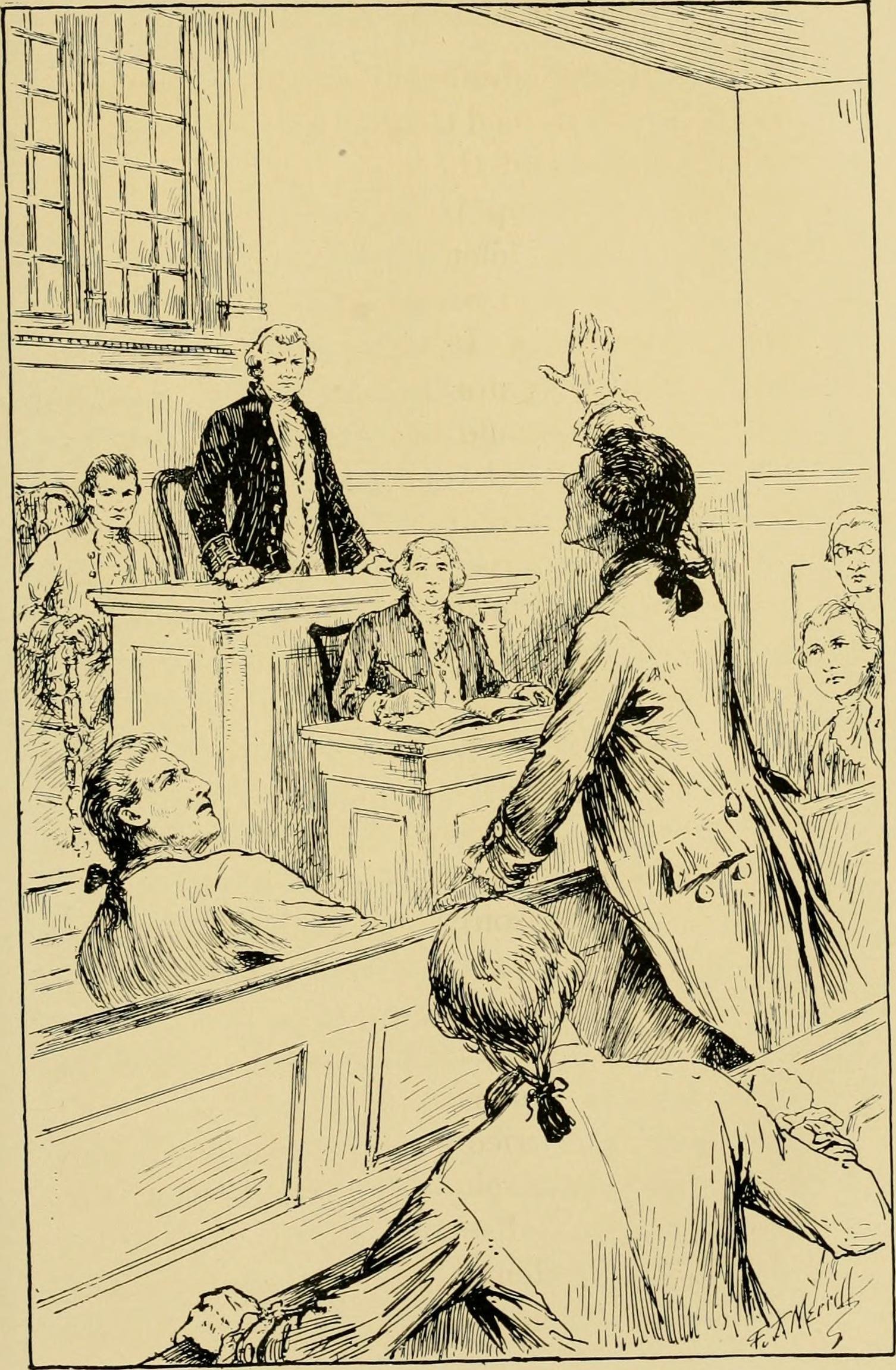
Atticus Finch occupies a rare place in literary culture. He’s not a hero in the action sense. He’s a widowed small-town lawyer in Depression-era Alabama, doing something that costs him socially and professionally, simply because it’s right. His unwavering sense of justice and moral courage serve as a guiding light in the face of adversity. That quiet moral certainty is what readers lean on.
What makes Atticus feel so real is that he’s seen through Scout’s eyes, filtered through childhood memory and admiration. We understand his heroism not through grand speeches but through small gestures: the way he reads to his children, the measured patience with which he handles hostility. He represents a version of decency that readers return to not as a fantasy, but as a reminder of what’s possible.
Holden Caulfield – The Catcher in the Rye by J.D. Salinger
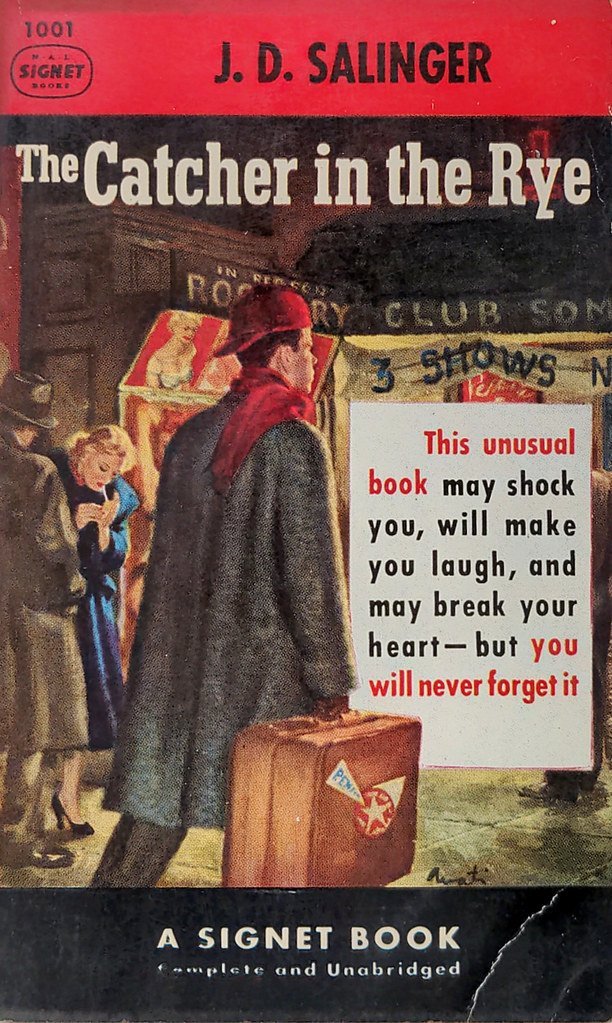
Holden Caulfield’s confusion and alienation resonate with anyone who’s ever felt lost in the transition from adolescence to adulthood. He’s abrasive, contradictory, and frequently unreliable as a narrator, which is part of why he sticks. There’s something deeply honest in his inability to reconcile what the world is with what he thinks it should be.
Generations of readers have found him infuriating and indispensable in equal measure. His grief over his younger brother Allie is buried under cynicism, only breaking through in unguarded moments. That grief is the truth beneath all the posturing. Readers who’ve felt that gap between performance and genuine feeling have recognized something real in Holden, even when he’s at his most difficult.
Anne Shirley – Anne of Green Gables by L.M. Montgomery
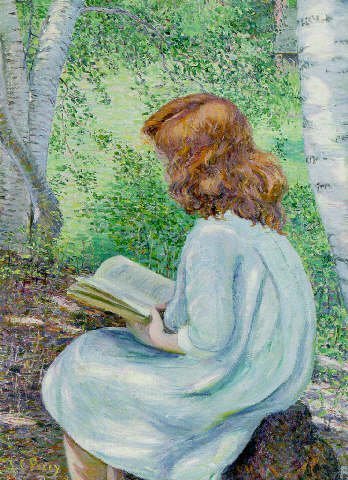
Anne Shirley’s longing for acceptance and her vivid imagination resonate with anyone who’s ever felt like an outsider. She arrives at Green Gables as an unwanted orphan, immediately begins renaming the landscape, and talks herself into entire inner worlds without apology. That refusal to dim herself, even when the world clearly prefers it, is quietly radical.
Readers see themselves in Anne Shirley’s stubborn idealism – in her tendency to catastrophize minor embarrassments, to find beauty in ordinary places, and to form fierce loyalties out of nowhere. She grows up across the series, but she never stops being essentially herself. That consistency over time is what makes her feel less like a character and more like someone you actually grew up alongside.
Samwise Gamgee – The Lord of the Rings by J.R.R. Tolkien

Samwise Gamgee’s loyalty and determination remind us of the value of steadfast friendship. He’s not the chosen hero of the story. He’s the gardener who decides to go along anyway, whose bravery comes not from destiny but from devotion. That distinction matters enormously to readers who have never felt like the main character of anything.
Sam is the kind of friend that most people aspire to have and very few manage to be. He carries Frodo when Frodo can’t carry himself, literally and emotionally. His moments of doubt make him credible; his persistence makes him beloved. In a story full of grand figures, it’s Sam who readers remember with the most warmth, because his heroism looks the most human.
Jo March – Little Women by Louisa May Alcott
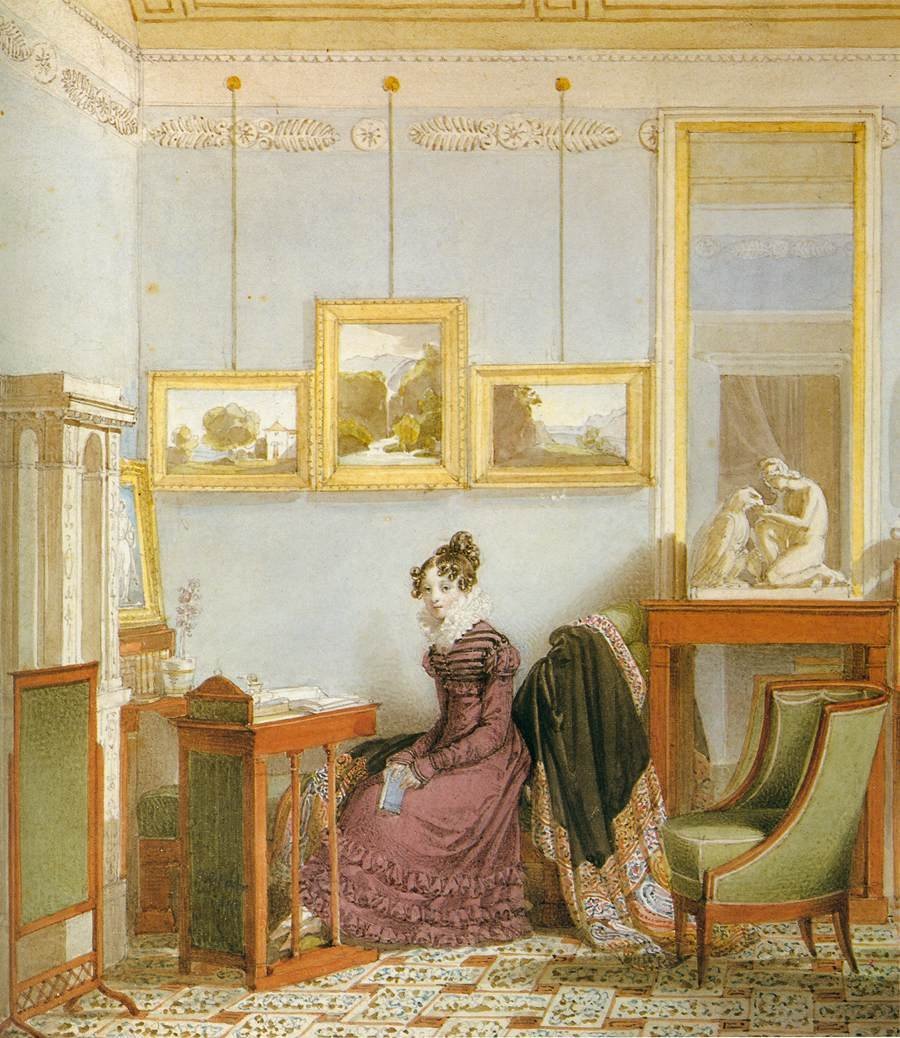
In nineteenth-century New England, tomboyish Jo is among the March sisters responsible for keeping a home while their father is off to war, and she must come to terms with her individual personality and make the transition from girlhood to womanhood. What distinguishes Jo from most heroines of her era is her raw ambition. She wants to write, to earn, to exist on her own terms, and she pushes against every constraint with visible impatience.
Readers have argued over her choices for well over a century, particularly whom she ends up with. That debate alone says something about how alive she feels. Jo isn’t a symbol. She’s a mess of contradictions: tenderness and temper, discipline and wildness, fierce independence alongside a deep need to belong. That combination refuses to flatten into archetype, which is why she has outlasted so many cleaner, simpler heroines.
Edmond Dantès – The Count of Monte Cristo by Alexandre Dumas
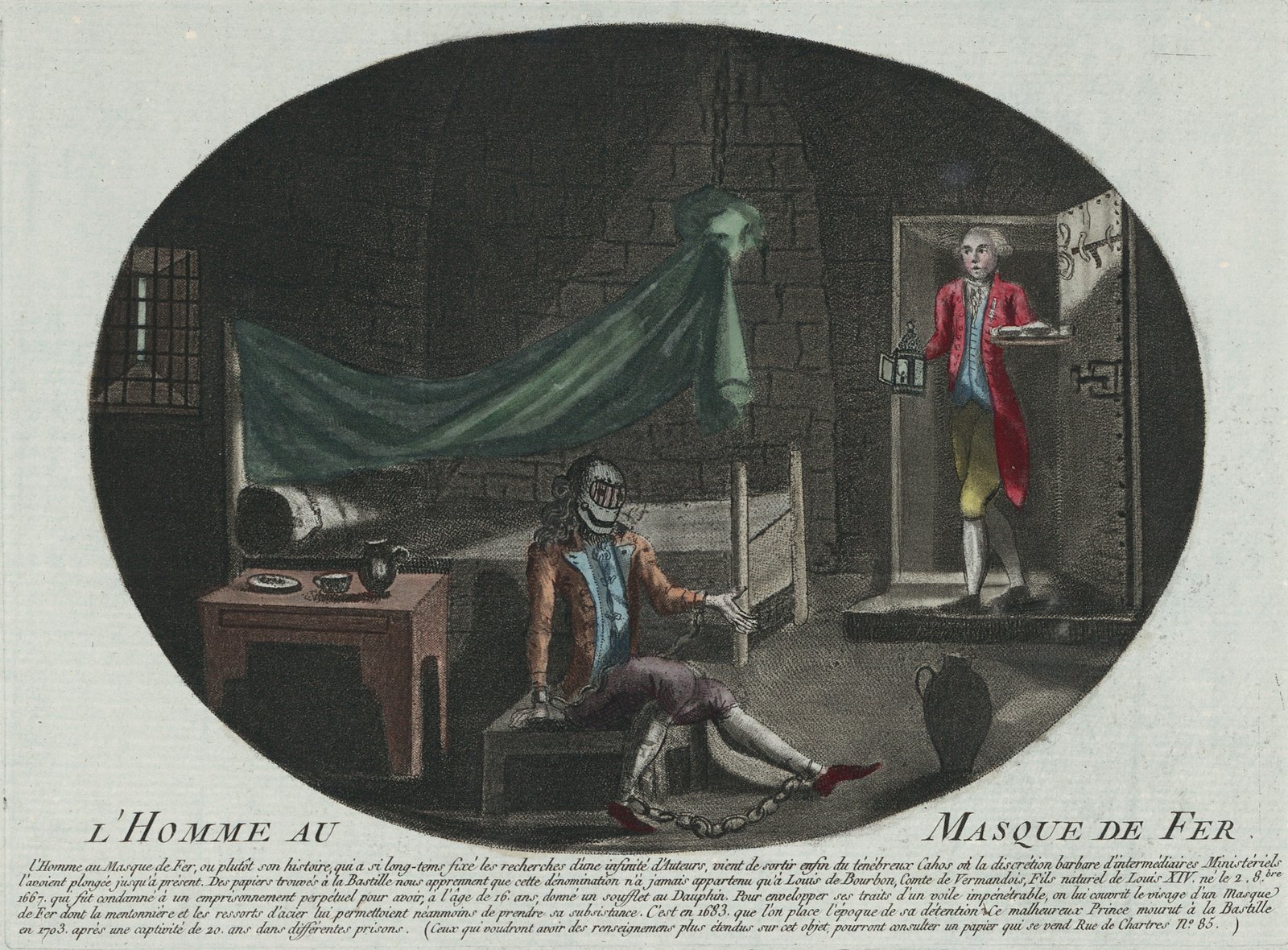
Framed by three jealous friends, Edmond Dantès finds himself imprisoned in an island fortress with no hope of getting out. But one conspiracy deserves another, and Dantès lives to escape and exact revenge. He’s an interesting character because he’s a mixture of rational and emotional impulses, pity and hatred, and ruthlessness and patience.
That internal tension is what keeps readers loyal across hundreds of pages. He isn’t simply a wronged man seeking justice. He’s someone who is changed, perhaps damaged, by what he becomes in pursuit of that justice. The novel quietly asks whether revenge and justice are ever truly the same thing, and Dantès embodies that question more fully than any of the plot’s events do. Readers root for him and worry about him simultaneously, which is exactly the condition of caring about a real person.
Raskolnikov – Crime and Punishment by Fyodor Dostoevsky

Rodion Raskolnikov is not a comfortable character to spend time with. He is arrogant, erratic, and capable of genuine cruelty, yet Dostoevsky makes it nearly impossible to disengage from him. The novel plunges readers inside his reasoning, his rationalizations, and his eventual unraveling, and that interiority is almost claustrophobically intimate.
Characters that undergo growth and transformation throughout the story are often the most relatable, and by portraying characters who learn from their mistakes, overcome obstacles, and evolve, authors inspire readers to reflect on their own personal growth and transformation. Raskolnikov’s arc is one of the most demanding in literature. He is not redeemed easily, and that resistance to easy resolution is what makes him feel psychologically true. Readers who have wrestled with guilt, pride, or self-deception tend to find something uncomfortably recognizable in him.
Scout Finch – To Kill a Mockingbird by Harper Lee
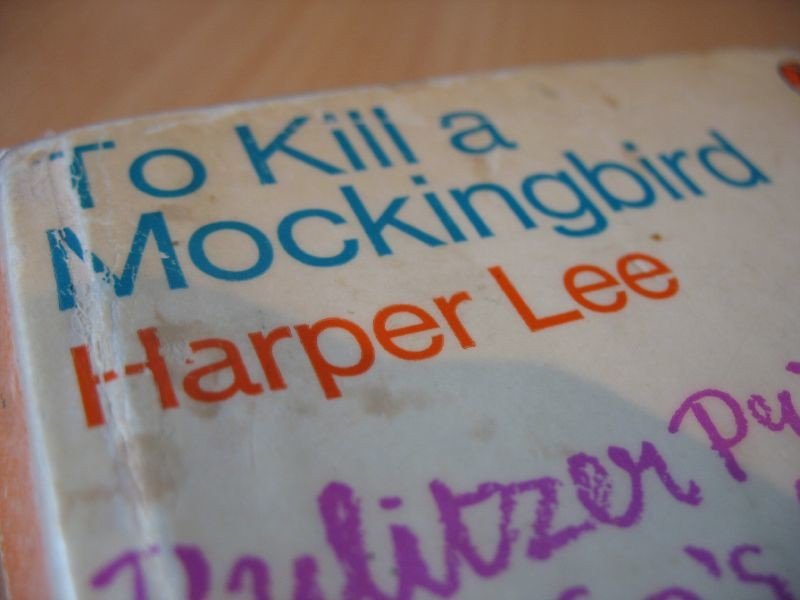
Scout is the eye through which readers first encounter Maycomb, Alabama, and she’s a more complex narrator than she initially appears. She’s curious, direct, and often baffled by adult behavior in ways that reveal more about adult hypocrisy than she intends. Her childhood perspective cuts through social performance with the kind of clarity that only innocence can manage.
By portraying complex dynamics, conflicts, and connections, authors create characters whose interactions mirror the complexities of real-life relationships, allowing readers to see themselves in the characters’ interactions and draw parallels with their experiences. Scout’s relationships with Jem, Dill, and Boo Radley carry the weight of real childhood – the loyalties, the cruelties, the moments of sudden understanding. She grows without losing her essential directness, and readers grow alongside her, often remembering her long after the moral lessons of the novel have blurred.
Jay Gatsby – The Great Gatsby by F. Scott Fitzgerald
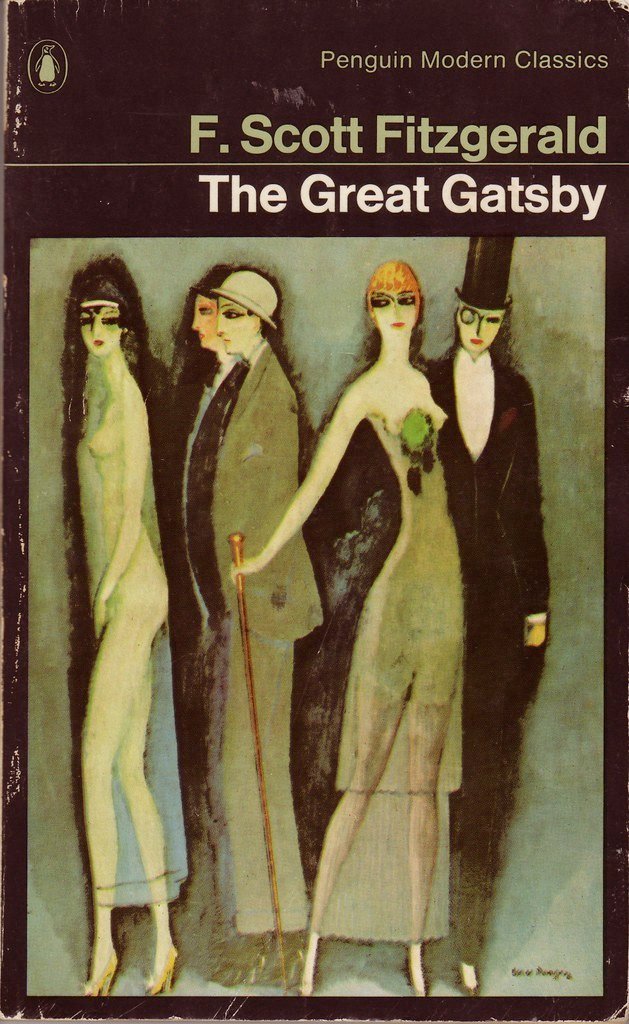
Gatsby is one of literature’s great self-inventions. He has constructed an entirely new identity around a single obsession, and readers watch him tend that obsession with almost religious discipline. What’s strange and moving about him is that his dream isn’t ultimately about wealth. It’s about recapturing a version of the past that probably never existed the way he remembers it.
A reader who has experienced loneliness may gravitate toward isolated characters. Someone navigating moral uncertainty may feel drawn to figures who struggle with right and wrong. We don’t relate to characters because they are perfectly written; we relate because they feel familiar. Gatsby’s loneliness, dressed up in extravagance, is deeply familiar. He gives the grandest parties, and he stands apart from all of them. That is a loneliness readers recognize immediately, even if they’ve never thrown a party in their lives.
Frodo Baggins – The Lord of the Rings by J.R.R. Tolkien
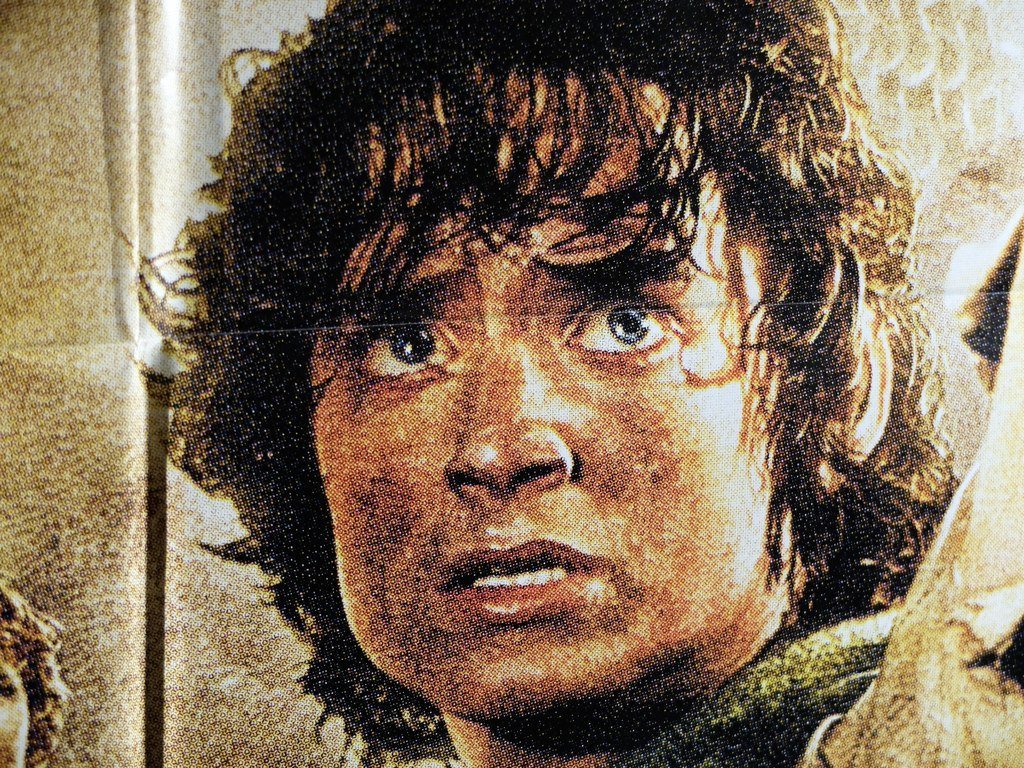
Frodo is frequently overshadowed in popular memory by more obviously heroic figures, which is part of what makes him interesting. He’s a homebody, thoroughly unsuited for adventure, who accepts an unbearable burden not because he’s the strongest candidate but because no one more qualified steps forward. His reluctance is part of his character, not a flaw to be overcome.
As the ring’s weight increases, Frodo doesn’t become stronger in the conventional sense. He becomes more damaged, more isolated, and more compassionate toward others who carry invisible burdens. The emotional journey that literature takes readers on often leads to catharsis, a release of pent-up emotions that provides relief and insight. Aristotle famously argued that tragedy, through the emotions of pity and fear, purges these feelings and brings about a sense of renewal. Modern literature continues to offer this cathartic experience, allowing readers to process their own emotions through the experiences of fictional characters. Frodo’s exhaustion, earned across thousands of pages, is one of literature’s most honest portrayals of what prolonged difficulty actually does to a person.
Eleanor Oliphant – Eleanor Oliphant Is Completely Fine by Gail Honeyman

Eleanor Oliphant’s loneliness and eventual path toward healing feel heartbreakingly real. She is precise, socially awkward, and armed with a dry literalness that serves as both armor and comedy. Readers initially laugh with her, then gradually understand that her strangeness is protective, and that something serious lives behind it.
What makes Eleanor so affecting is the pace of her opening up. It’s slow, credible, and sometimes painful to watch. Characters who are vulnerable, who share their fears and insecurities, make us feel seen. Their openness allows us to connect on an emotional level, as we recognize our own vulnerabilities in their struggles. By the time readers understand the full shape of Eleanor’s history, they have already committed to her entirely. That sequence, caring before fully understanding why, mirrors how real human connection actually forms.
The Permanence of People Who Never Existed
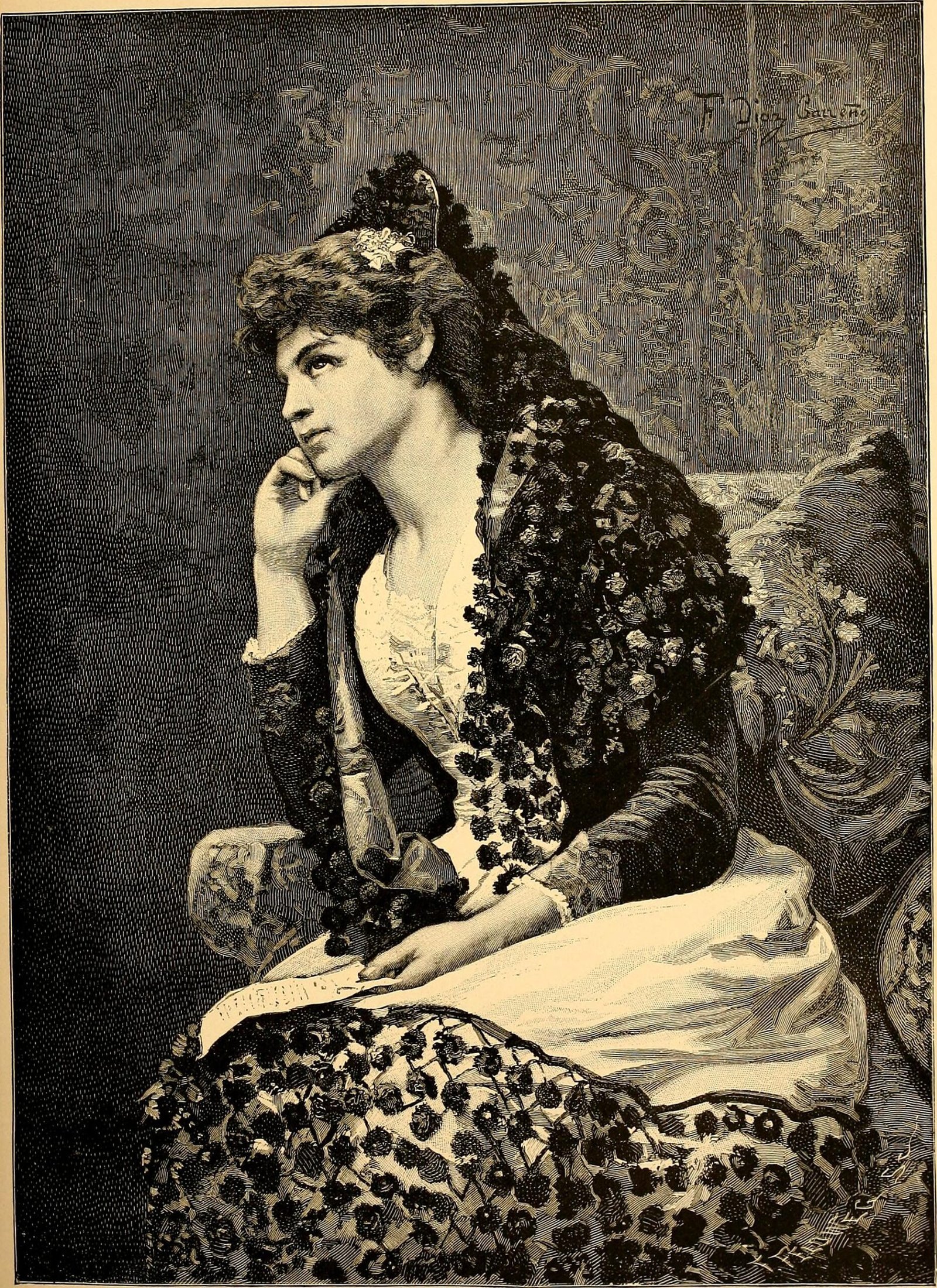
We connect with fictional characters because they reflect the human experience – the joys, struggles, and growth we all share. The twelve characters gathered here span centuries and continents, and yet each one manages to feel specific rather than universal. That specificity is the key. It’s not the broad arc of their stories that lodges in memory, but the small details: Gatsby’s green light, Sam’s steadiness, Anne’s refusal to be ordinary.
Our attachment to fictional characters reveals something essential about how humans understand each other. Stories train us in empathy. They stretch our capacity to sit inside someone else’s interior world, even when it’s uncomfortable. Character-driven storytelling, at its best, doesn’t just entertain. It expands what readers are able to feel for other people, real ones included.
The deepest compliment a reader can pay a character is a simple one: they think about them when the book is no longer open. By that measure, every character on this list has already earned a permanent place. Some friendships begin with the first page and never quite end.
CEO-Co-Founder
