
Critical reception is a snapshot in time, not a final verdict. What a reviewer decides on a Tuesday afternoon in 1851 or 1925 carries the weight of prevailing taste, cultural anxiety, and the simple human discomfort that comes with genuinely new work. The subjective nature of what makes a great book has led to a surprising number of classics initially receiving mixed or negative reviews from critics. Over time, the story often reverses itself entirely.
Many books that are now considered masterpieces got their fair share of scathing reviews when they first came out, and in reputable publications no less. The pattern repeats across centuries and genres: a novel arrives, disrupts the existing order, gets punished for it, and then decades later finds itself on required reading lists and university syllabi. These are ten of the most striking cases.
Moby-Dick by Herman Melville (1851)
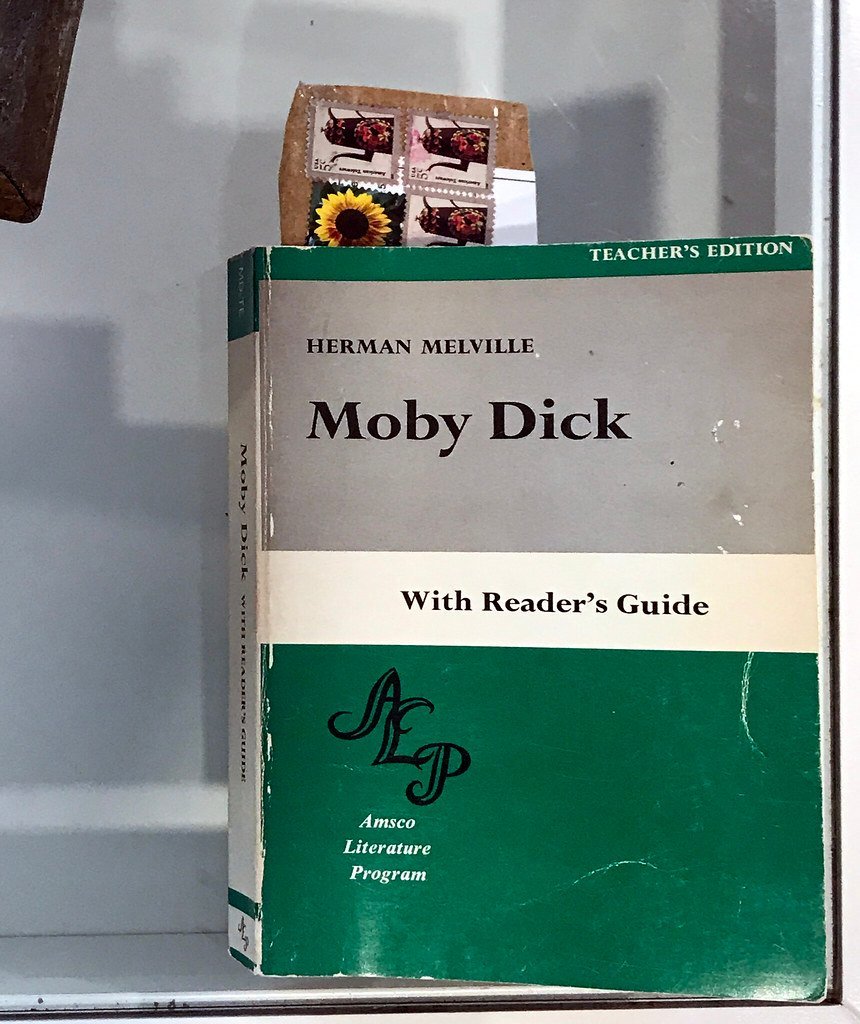
Moby-Dick was neither a critical nor a financial success for Melville when it was published. Its unconventional structure and style struck reviewers as “absurd,” “inartistic,” and “eccentric.” When Melville debuted the novel in the United Kingdom in October 1851, many British reviewers dismissed it. The London Athenaeum wrote that it was “an ill-compounded mixture of romance and matter-of-fact,” and that “the idea of a connected and collected story has obviously visited and abandoned its writer again and again in the course of composition.”
Despite Melville’s high expectations for Moby-Dick, literary critics largely disregarded the novel. During Melville’s entire lifetime, the book sold only 3,000 copies. The early twentieth century marked a dramatic reversal in the novel’s fortunes. The “Melville Revival” of the 1920s brought renewed critical attention and appreciation, with scholars recognizing the depth, complexity, and richness of the work. The novel’s reevaluation was part of a broader reassessment of American literature. Critics began to appreciate the ambitious scope of Moby-Dick, its profound exploration of the human condition, and its innovative narrative techniques.
Wuthering Heights by Emily Brontë (1847)
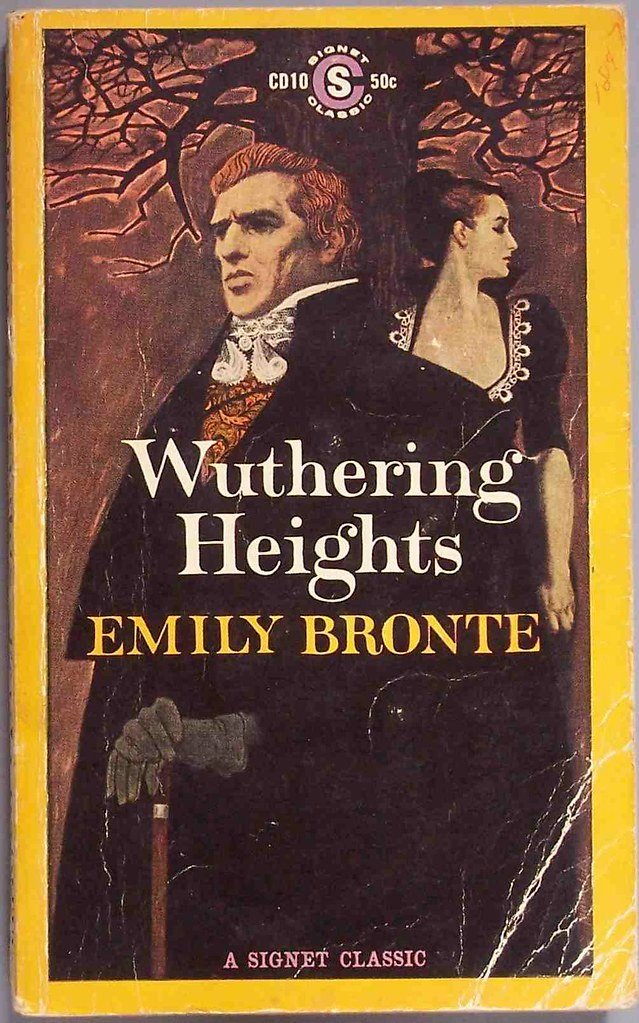
Early reviews of Wuthering Heights were mixed. Most critics recognised the power and imagination of the novel, but were baffled by the storyline, and objected to the savagery and selfishness of the characters. Graham’s Lady Magazine wrote: “How a human being could have attempted such a book as the present without committing suicide before he had finished a dozen chapters, is a mystery. It is a compound of vulgar depravity and unnatural horrors.”
Back in horse-and-buggy days, critical consensus gave the nod to Charlotte Brontë’s Jane Eyre as the best of the Brontë sister novels. But many book readers nowadays prefer Emily’s Gothic romance Wuthering Heights. Regardless of preference, the novel’s status as a landmark of Gothic romance and British literature classic is secure. It was even crowned the greatest love story of all time in a 2007 poll of Guardian readers. The qualities that disgusted early critics, the psychological intensity and moral ambiguity, are precisely what make it so enduring.
The Great Gatsby by F. Scott Fitzgerald (1925)
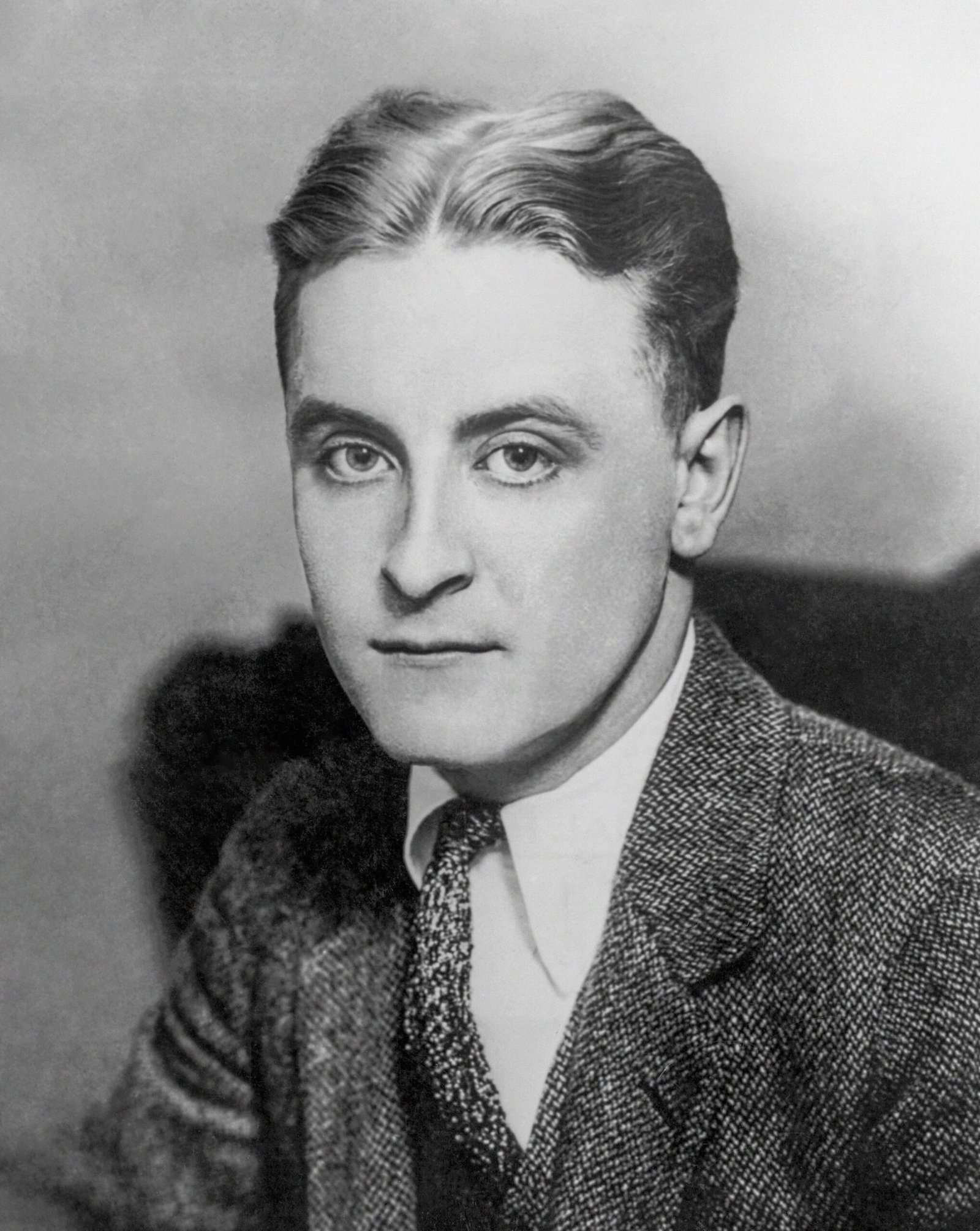
The Great Gatsby was initially seen as a disappointment compared to the young Fitzgerald’s earlier novels, which had launched him into literary stardom. Cited by many today as the Great American Novel, critic and journalist H.L. Mencken called it “no more than a glorified anecdote.” The novel’s restrained plot and its focus on the emptiness behind wealth struck many contemporary reviewers as thin rather than deliberately symbolic.
Later generations came to recognize exactly what early readers had dismissed. The spare, elegant prose and the novel’s quiet critique of the American Dream proved to be far more layered than its first reviewers acknowledged. Today it is a staple in classrooms worldwide, and its reputation as a defining portrait of 1920s America is unquestioned.
Brave New World by Aldous Huxley (1932)
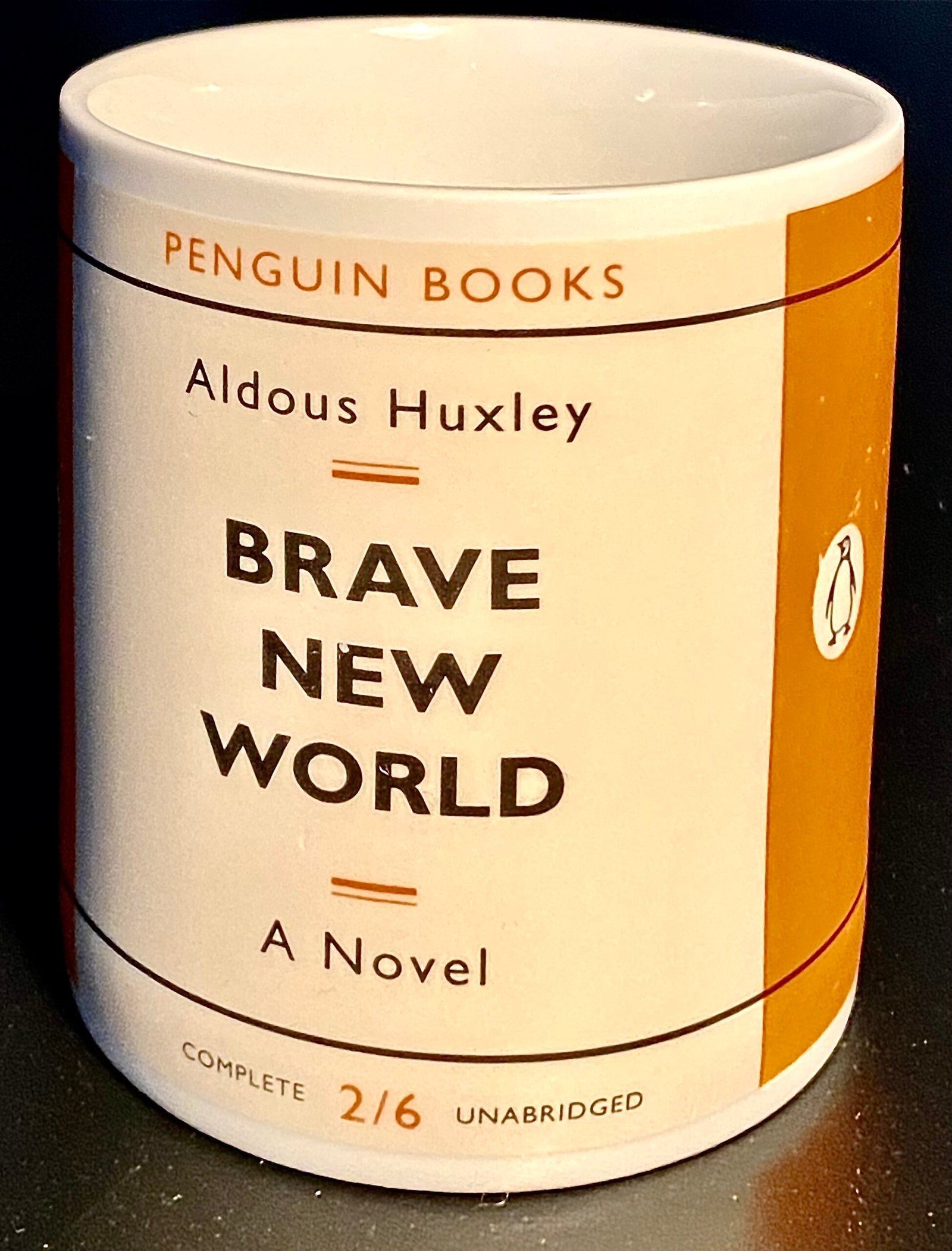
The world wasn’t ready for Aldous Huxley’s Brave New World at first. This dystopian masterpiece is regarded as timely and relevant today, but the critics of its era went so far as to call it a “heavy-handed piece of propaganda.” Even fellow futurists like H.G. Wells were shocked by the book’s dystopian landscape. Despite being the same man who wrote War of the Worlds, Wells described Brave New World’s bleak future as “a betrayal.”
The result was a wave of literary criticism which resulted in the book getting broadly panned, ultimately selling only a few thousand copies upon its release in the U.S. Everybody hated Huxley’s vision of the future. With time, however, the novel’s prescient warnings about consumerism, conformity, and the numbing effects of pleasure-driven culture have only grown more relevant. It now ranks among the most important novels of the twentieth century.
The Grapes of Wrath by John Steinbeck (1939)
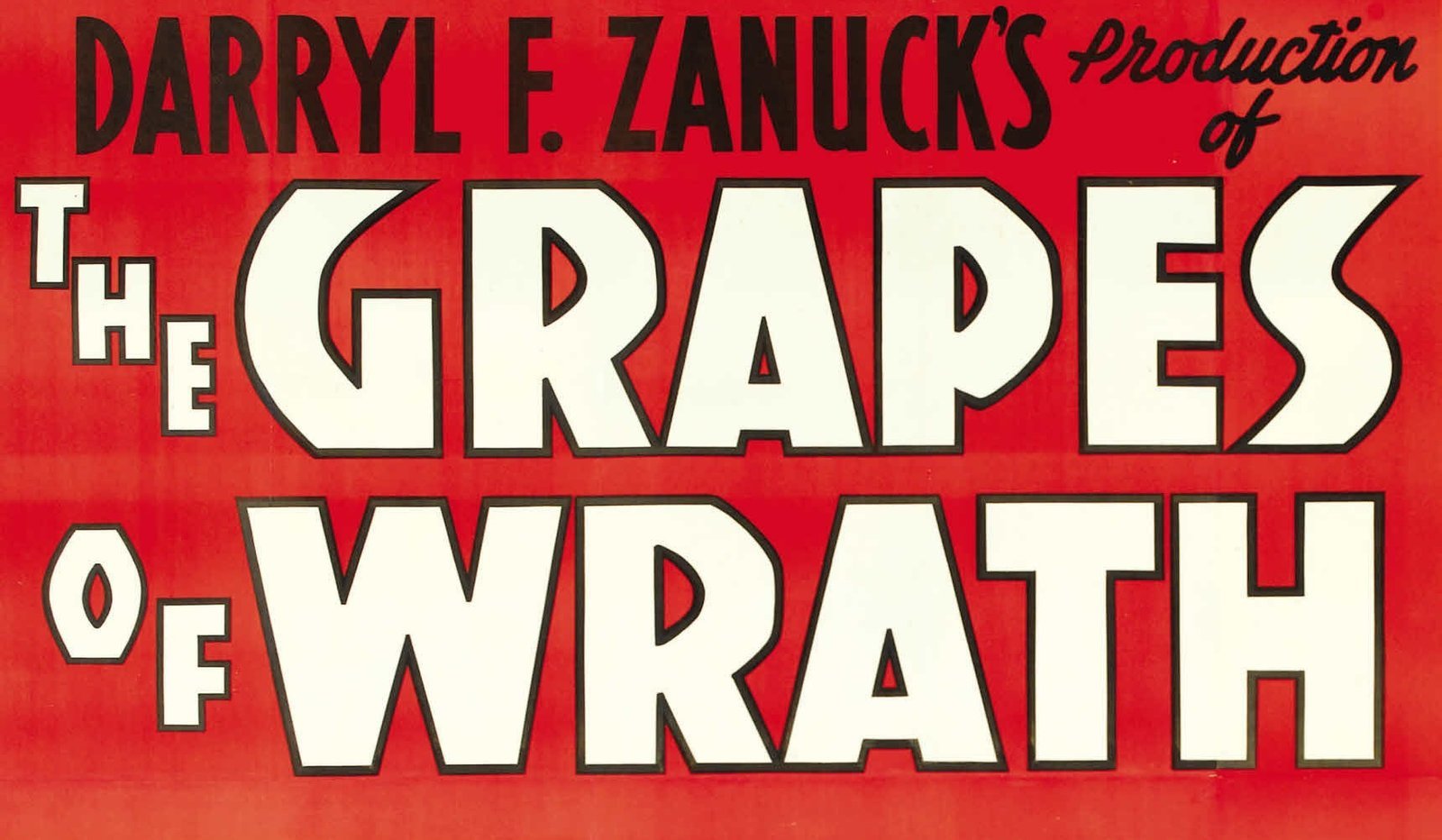
Seen as depressing and as promoting communism, Steinbeck’s novel was both banned and burned in its early days. The Grapes of Wrath has the distinction of actually being burned, happening back in 1939 when an Illinois public library found fault with its vulgar language. It was since banned and challenged across the country, including in Missouri, Iowa, and in Kern County, California, near where the novel is set.
The book is now considered a classic of American literature. It won the Pulitzer Prize and was cited as a factor in awarding Steinbeck’s Nobel Prize. Over time, The Grapes of Wrath has come to be celebrated as a shining achievement not only in Steinbeck’s work but in the entire American literary canon. The very rawness that offended early readers is now understood as one of its greatest strengths.
Lord of the Flies by William Golding (1954)
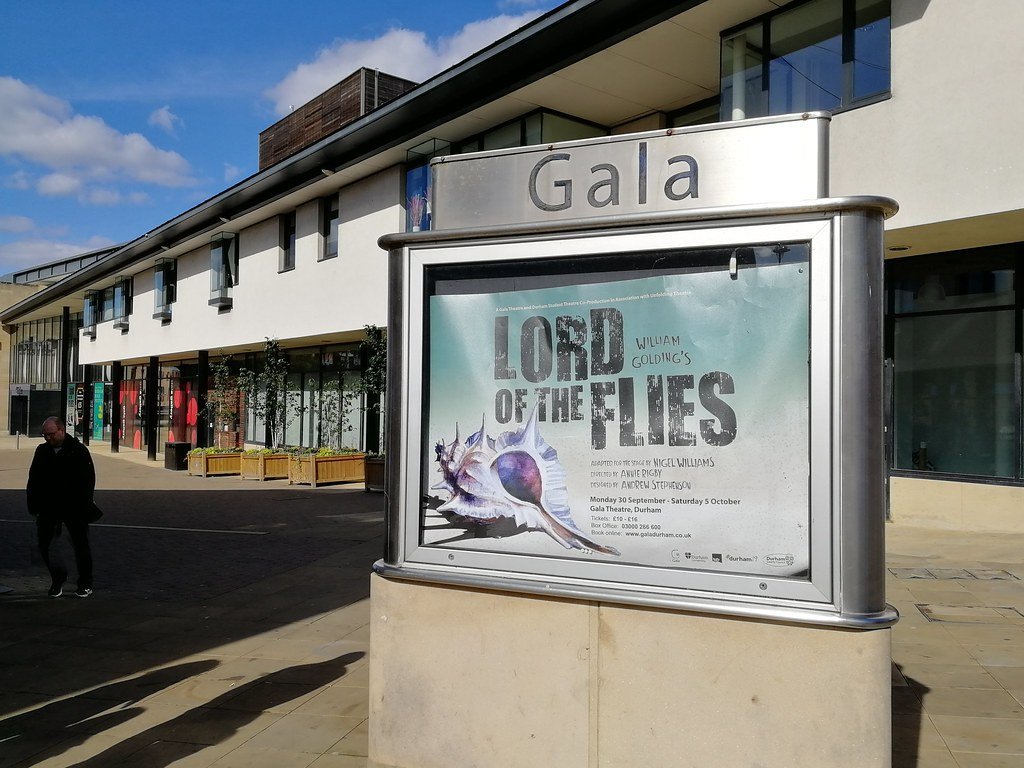
Golding had a difficult time even getting the book published because of what was seen as “excessive violence,” and initial sales were so dismal that it went out of print almost immediately. The novel’s unflinching portrait of boys descending into tribal savagery felt to many early readers like an exercise in nihilism, without the redemptive moral arc that conventional fiction of the era demanded.
It was reprinted decades later and somehow made it into the classroom, where generations came to read it. The very premise of Lord of the Flies, that man is not so different from the animals, which caused it to be challenged and censored, is the same quality that makes it such a powerful and lasting piece of literature. Golding went on to receive the Nobel Prize in Literature in 1983.
Catch-22 by Joseph Heller (1961)
Critic Richard Stern’s New York Times review called the book “an emotional hodgepodge,” adding “no mood is sustained long enough to register for more than a chapter.” The novel’s fractured timeline and circular, absurdist logic frustrated readers who expected war fiction to follow a more straightforward narrative. By the time Catch-22 came out in 1961, those who bought it thinking they were in for another “weren’t we great” novel about World War Two were in for a shock.
What confused its first critics was, of course, the point. The non-linear structure mirrored the senselessness of bureaucratic military life. Catch-22 is now a ubiquitous phrase for a situation in which there is no solution because the options are intrinsically tied. The novel’s influence on language and culture alone is a testament to how dramatically its fortunes reversed. It is now widely studied as one of the defining anti-war texts in American literature.
Ulysses by James Joyce (1922)
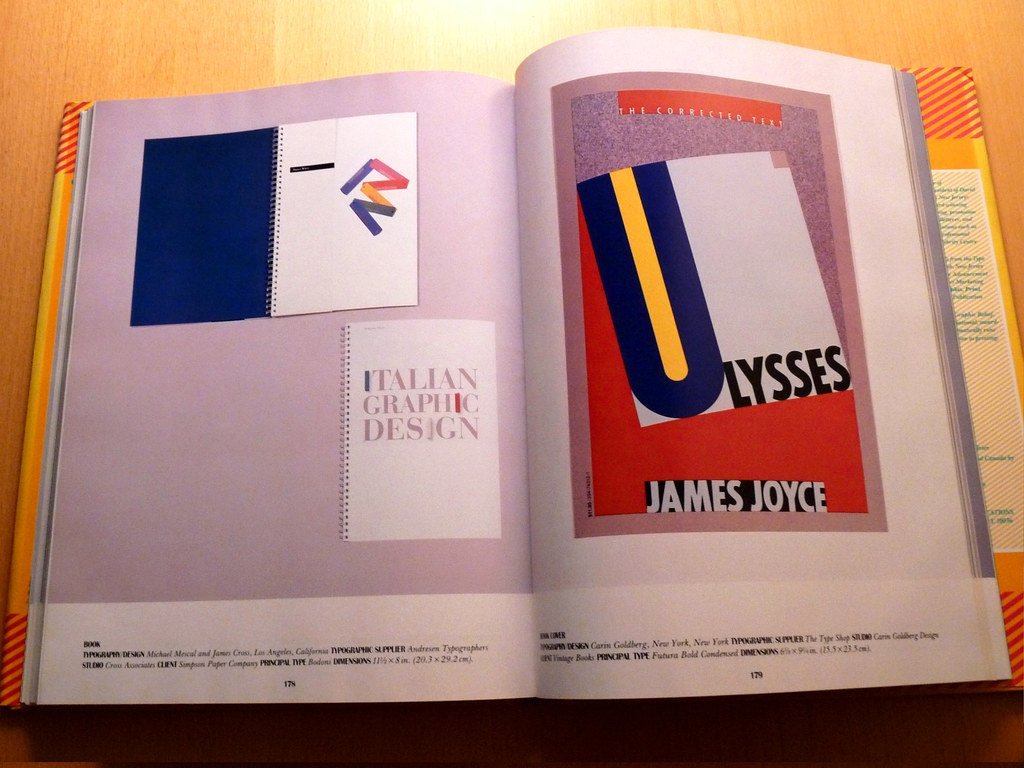
Seen as obscene and nonsensical, one editor from The Sporting Times referred to it as being “written by a perverted lunatic who has made a speciality of the literature of the latrine.” The novel’s stream-of-consciousness technique, its dense allusions, and its deliberate rejection of conventional narrative gave early critics very little to hold onto. Virginia Woolf herself, no stranger to experimental fiction, was deeply ambivalent, writing in her diary that she found the book diffuse and found its genius of “the inferior water.”
What those critics encountered was a novel operating on a register that simply did not yet have a critical vocabulary to support it. Woolf ultimately wrote in her diary that she “finished Ulysses and think it a mis-fire.” Today the novel is considered one of the greatest achievements in twentieth century fiction, and its innovations in language and form transformed how writers thought about the possibilities of prose.
One Hundred Years of Solitude by Gabriel García Márquez (1967)

While the book helped Márquez earn a Nobel Prize for Literature and praise as “The greatest Colombian who ever lived,” much of the initial critical reception to his masterpiece was negative. One review dismissed it as a “comic masterpiece” without seriousness, and Nobel Prize winner Octavio Paz deemed it “watery poetry.” The novel’s blend of the fantastical and the mundane, its sprawling multi-generational sweep, made it hard to categorize according to existing literary frameworks.
One Hundred Years of Solitude is now considered a classic of Latin American literature and one of the best examples of magical realism. The very qualities critics initially found too loose or too poetic became the defining features of an entire literary movement. García Márquez’s influence on writers across the globe is difficult to overstate.
Leaves of Grass by Walt Whitman (1855)
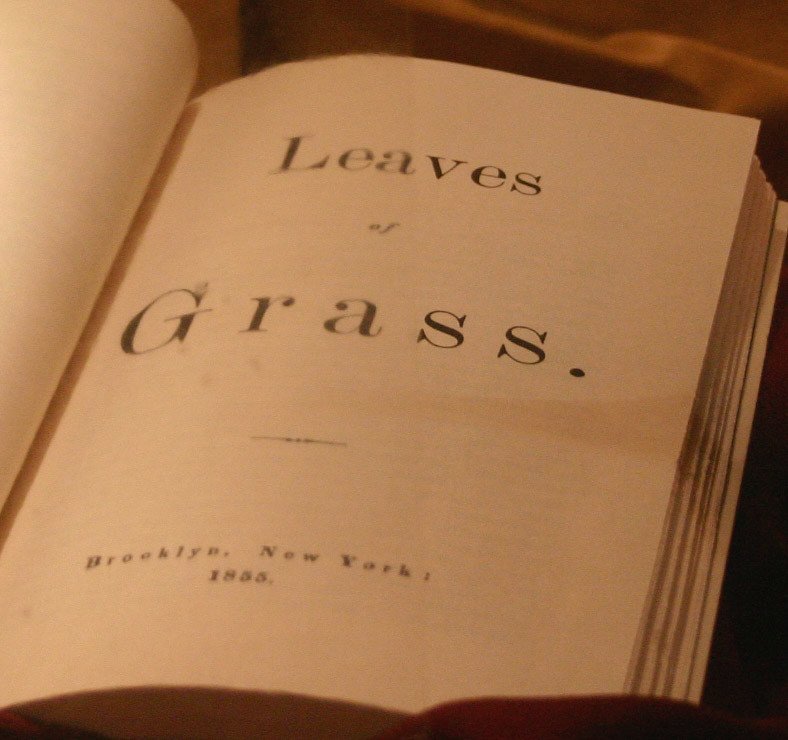
The New York Society for the Suppression of Vice was not a huge fan of Whitman’s Leaves of Grass. They pressured publisher James Osgood to cease distributing the work altogether, arguing that it violated “the Public Statutes concerning obscene literature.” The collection’s frank sexuality, its free verse form, and its radical democratic spirit collided with every prevailing literary convention of the mid-nineteenth century. One prominent critic wrote that “it is no discredit to Walt Whitman that he wrote Leaves of Grass, only that he did not burn it afterwards.”
Whitman was arguably America’s greatest poet and he pioneered free verse, the power of which was on full display in Leaves of Grass. Later generations came to understand that the very things that horrified early critics, the intimacy with the body, the ecstatic range of subject matter, the refusal of poetic decorum, were the foundations of an entirely new American literary voice. Today, Leaves of Grass is considered a cornerstone of American poetry.
Conclusion: The Limits of the Present Moment
What these ten books share is not simply bad luck with reviewers. Each of them broke a rule that critics at the time were not ready to see broken. Structure, morality, genre, style: the expectations in place at the moment of publication became the very standard against which truly original work was measured, and found wanting.
Literary standards are not fixed. They shift with culture, with politics, with the slow movement of collective consciousness. A novel that seems chaotic in one decade can look visionary in the next. The critics who dismissed Melville or Whitman were not necessarily poor readers; they were simply working within a framework that the book in question was quietly dismantling.
That’s perhaps the quieter lesson here. When a work resists easy judgment, that resistance itself might be worth paying attention to. The most important books rarely arrive with a neat label. Sometimes they arrive looking, to everyone at the time, like a mistake.

- 12 Classic TV Shows With Shocking Behind-the-Scenes Dramas You Never Knew - September 10, 2026
- 10 Novels That Were Initially Dismissed, Only to Become Timeless Masterpieces - September 10, 2026
- The ’80s Were a Wild Ride of Style and Sound That Changed Everything - September 10, 2026

