

For any feedback please reach out to info@festivalinside.com
- 15 Books That Documented America’s Greatest Corporate Scandals - October 3, 2026
- 22 Forgotten Political Songs That Changed U.S. Elections - October 3, 2026
- The Las Vegas Sphere: Why Everyone Wants to Perform There - October 3, 2026
Fashion cycles through bold trends every season, yet a select group of wardrobe essentials holds steady. These pieces persist because they rely on superior craftsmanship, simple silhouettes, and the ability to pair with almost anything. Rooted in practicality and elegance, they adapt to lifestyles without losing their core identity.
From early 20th-century innovations to modern wardrobes, these staples prove style favors substance over flash. Their relevance spans generations, offering reliability in an industry known for change.
Little Black Dress
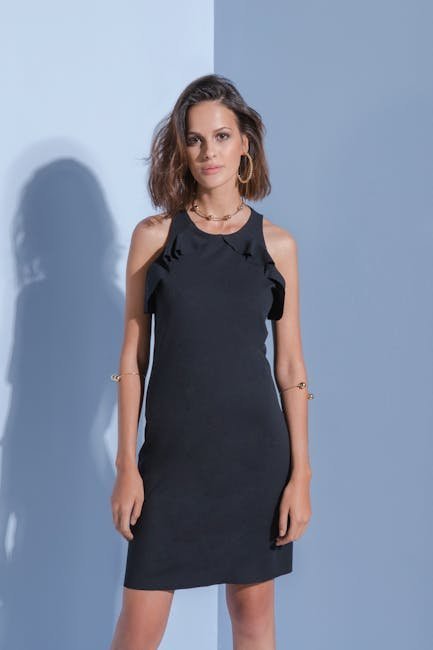
Coco Chanel introduced the little black dress in the 1920s, revolutionizing women’s fashion with its sleek, minimalist design. Originally crafted from simple crepe, it emerged as a mourning staple that quickly became evening wear. The piece symbolized liberation, allowing women to move freely without restrictive layers.
Its versatility shines in boardrooms with a blazer or at galas with heels and jewels. Tailored fits flatter most body types, while quality fabrics ensure longevity. Designers revisit it season after season, confirming its unmatched adaptability across occasions.
White Button-Up Shirt
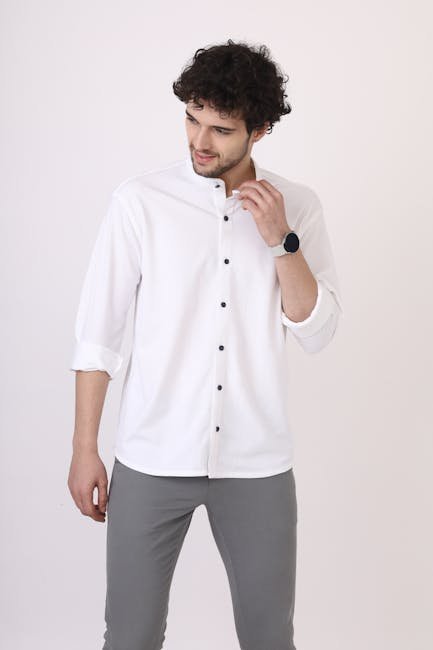
The white button-up shirt traces back to 19th-century menswear, evolving into a unisex essential by the mid-1900s. Crisp cotton poplin provided a clean canvas for formal attire. Icons like Audrey Hepburn popularized it for women, blending polish with ease.
Layer it under suits for work or knot it at the waist for casual days. It pairs seamlessly with jeans, skirts, or trousers in any fabric. The shirt’s enduring charm lies in its transformative power, elevating outfits without overpowering them.
Trench Coat
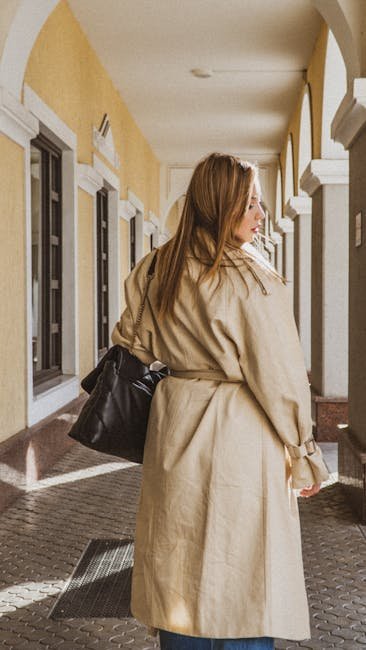
Thomas Burberry designed the trench coat during World War I for British officers, using gabardine to repel water. Its belted waist and epaulets offered functionality in trenches. Post-war, it transitioned to civilian fashion, embraced by both men and women.
Neutral tones like beige or navy make it a neutral layer over dresses or suits. The silhouette flatters various figures, from slim to structured. Rain or shine, its protective yet stylish form keeps it relevant year-round.
Straight-Leg Jeans
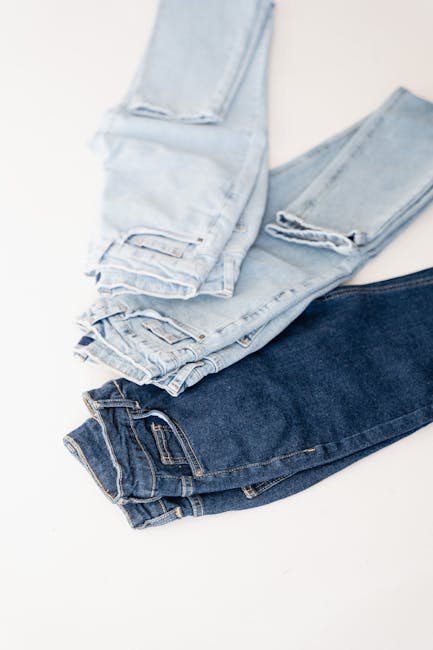
Levi Strauss patented riveted denim pants in 1873 for California gold miners, birthing modern jeans. Straight-leg styles gained traction in the 1950s through Hollywood rebels. They shifted from workwear to everyday icons over decades.
Dark washes tuck into boots or cuff over sneakers effortlessly. They balance casual tops or sharp blazers with equal poise. Timeless cuts resist fleeting flares, ensuring a flattering fit for all ages.
Leather Jacket

Aviators wore leather jackets like the A-2 model in World War II for warmth and durability. Post-war, motorcycle culture and films like “The Wild One” cemented its cool factor. Schott NYC’s Perfecto design from the 1920s set the moto standard.
Black leather edges up skirts or grounds flowy dresses. It layers over tees in winter or stands alone in fall. The jacket’s rugged patina improves with age, mirroring personal stories.
Cashmere Sweater
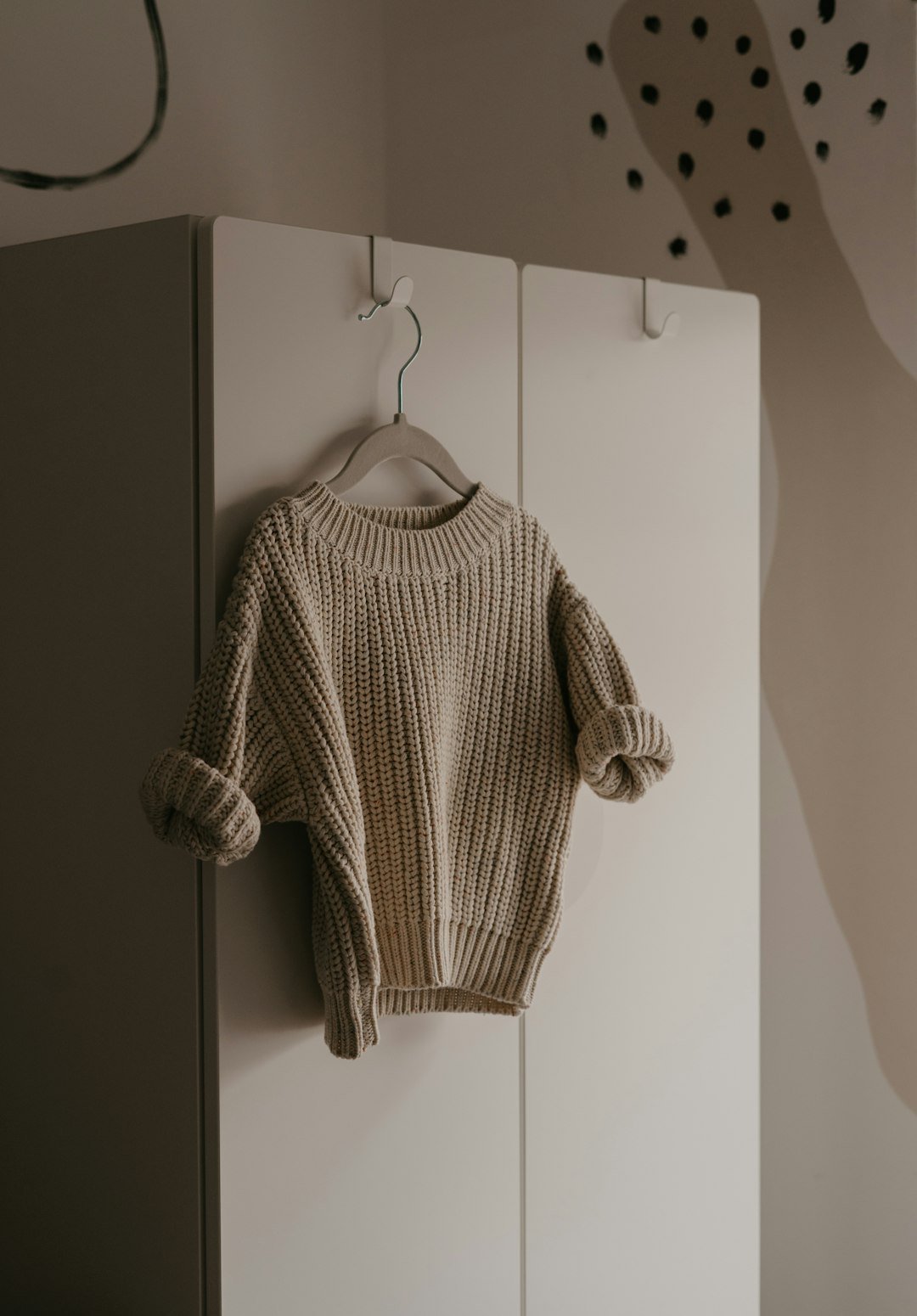
Cashmere hails from Himalayan goats, traded along the Silk Road for centuries. Western luxury houses like Pringle of Scotland popularized fine-knit sweaters in the early 1900s. Softness and warmth defined its rise among elites.
Crewnecks pair with chinos for offices or lounge pants at home. Neutral shades mix into any palette without clash. Its lightweight insulation travels from city streets to cozy evenings.
Tailored Blazer
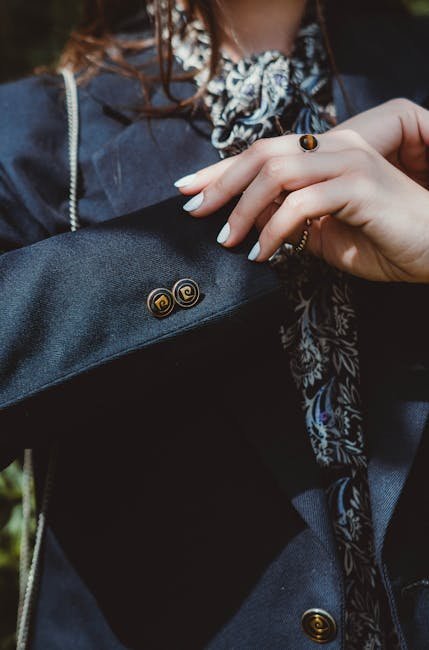
Blazers originated in 19th-century British rowing clubs, with naval influences shaping the double-breasted style. Coco Chanel refined it for women in the 1920s. Structured shoulders brought power to professional wardrobes.
Single-breasted navy versions smarten jeans or sheath dresses. Oversized fits nod to trends while classic cuts endure. It bridges casual and formal, adapting to slacks or skirts.
Pencil Skirt
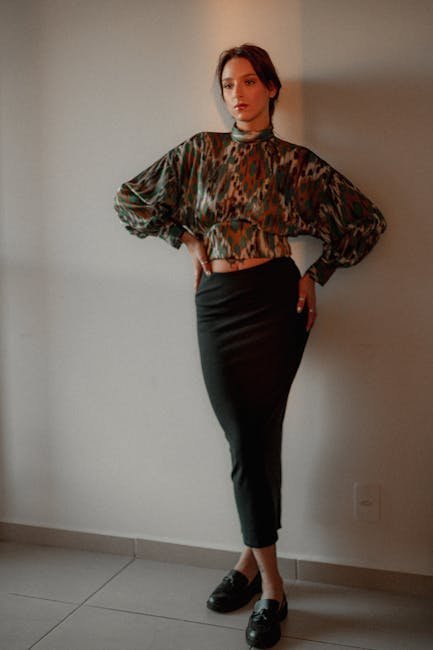
Christian Dior’s 1947 New Look featured the pencil skirt, narrowing post-war silhouettes. Wool or knit versions hugged curves modestly. It became office armor by the 1950s.
Mid-calf lengths suit heels or flats interchangeably. Patterns like houndstooth add interest without overwhelming. The skirt sculpts the body, offering confidence across decades.
Ballet Flats
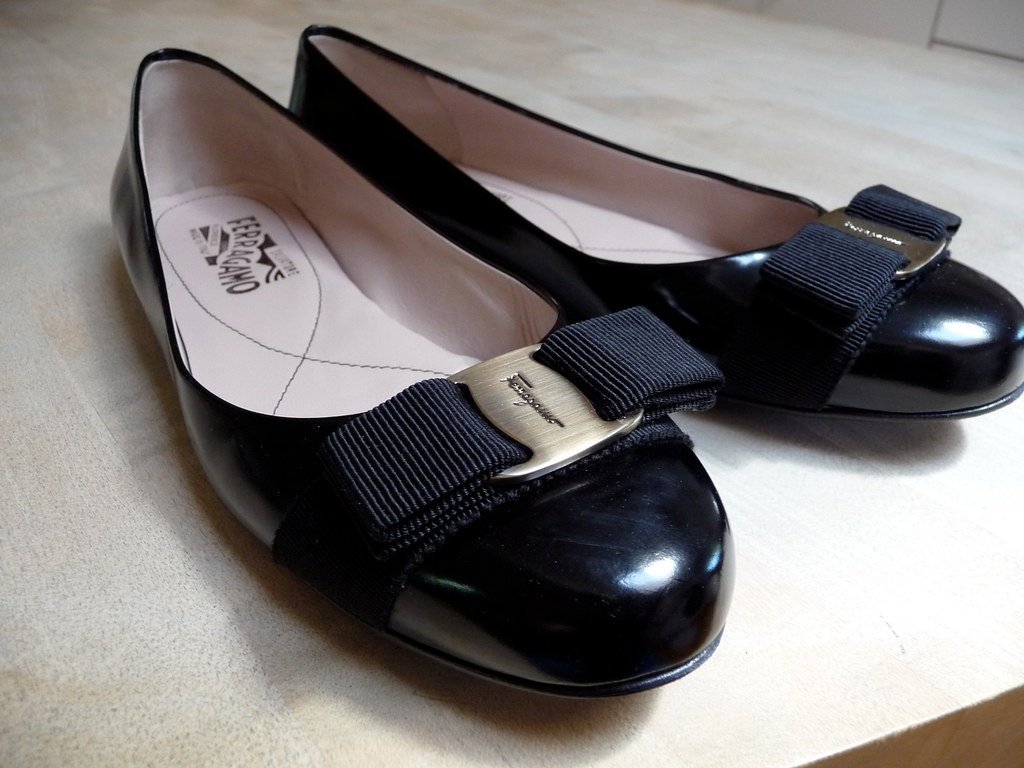
Emme patent leather flats debuted in 1947, inspired by dancers’ shoes. Chanel adopted them for everyday grace. Repetto crafted the first Cendrillon model for ballerina Brigitte Bardot.
Black leather versions slip under trousers or dresses seamlessly. Nude shades elongate legs visually. Comfort meets chic, making them walkable staples for all-day wear.
Pearl Necklace
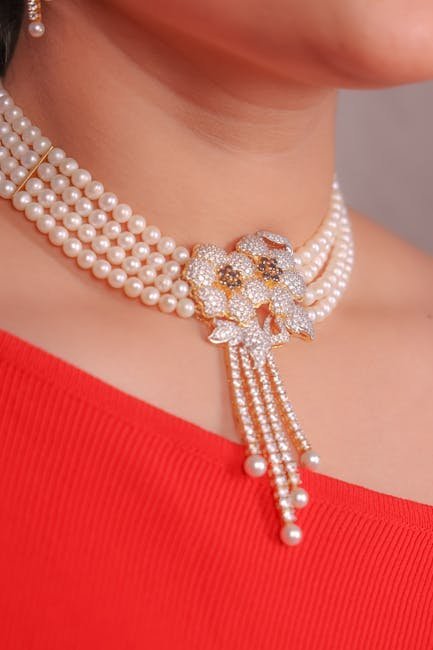
Natural pearls adorned royalty for millennia, with Mikimoto culturing them commercially in the early 1900s. Coco Chanel layered them casually in the 1920s. Single strands became versatile accents.
They elevate tees or polish suits without fuss. Heirloom quality passes through generations. Subtle luster complements skin tones universally.
Silk Scarf
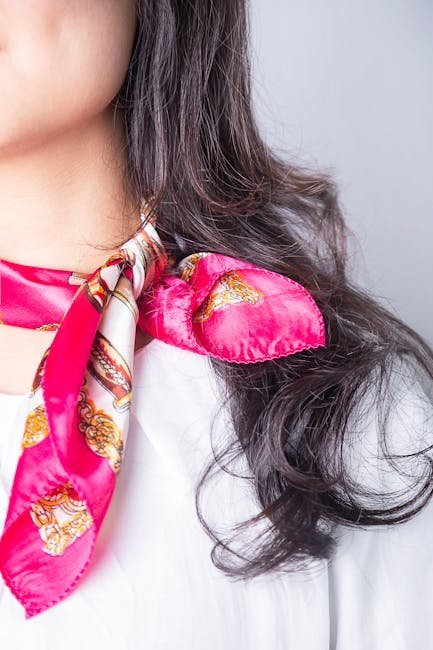
Prada printed luxury silk scarves in the 1910s, but Hermès elevated them with artist designs from 1937. Queens and stars knotted them as headwraps or neckties. Versatility drove their fame.
Tie around ponytails, bags, or wrists for instant flair. Patterns refresh solids effortlessly. Lightweight folds into any travel bag.
Loafer Shoes
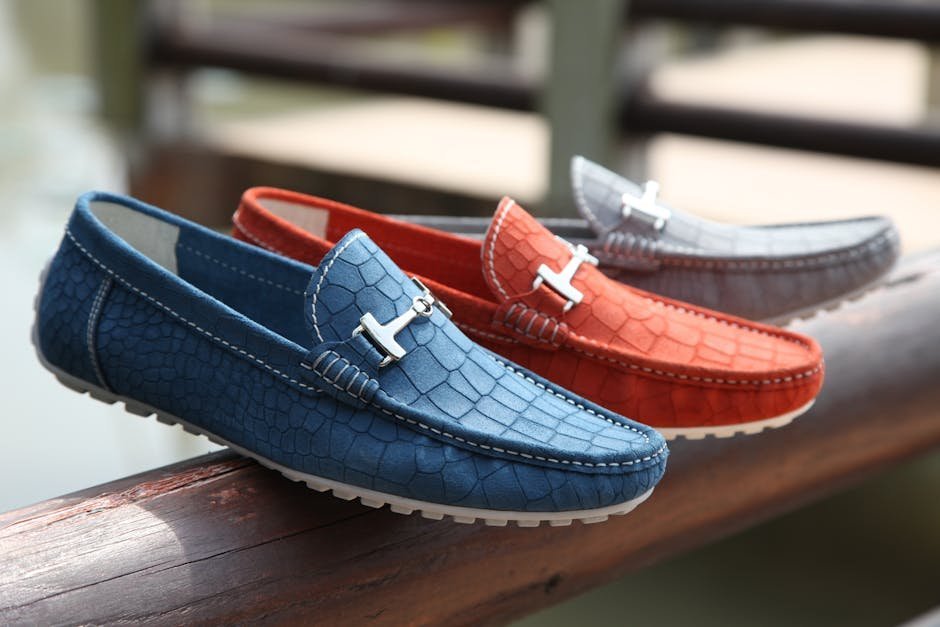
Norwegian fishermen inspired Gucci loafers in the 1950s, with moccasin toes and horsebit hardware. Ivy League students adopted penny loafers mid-century. They bridged preppy and polished.
Suede pairs with skirts, leather with suits. No-show socks keep them modern. Slip-on ease suits busy lives.
Breton Stripe Top

French navy uniforms featured Breton stripes in the 1850s for easy identification. Coco Chanel wore them seaside in the 1920s. Picasso’s muse popularized the look artistically.
Boatnecks layer under blazers or stand solo with denim. White-blue contrasts brighten neutrals. Cotton knits breathe through seasons.
A-Line Dress
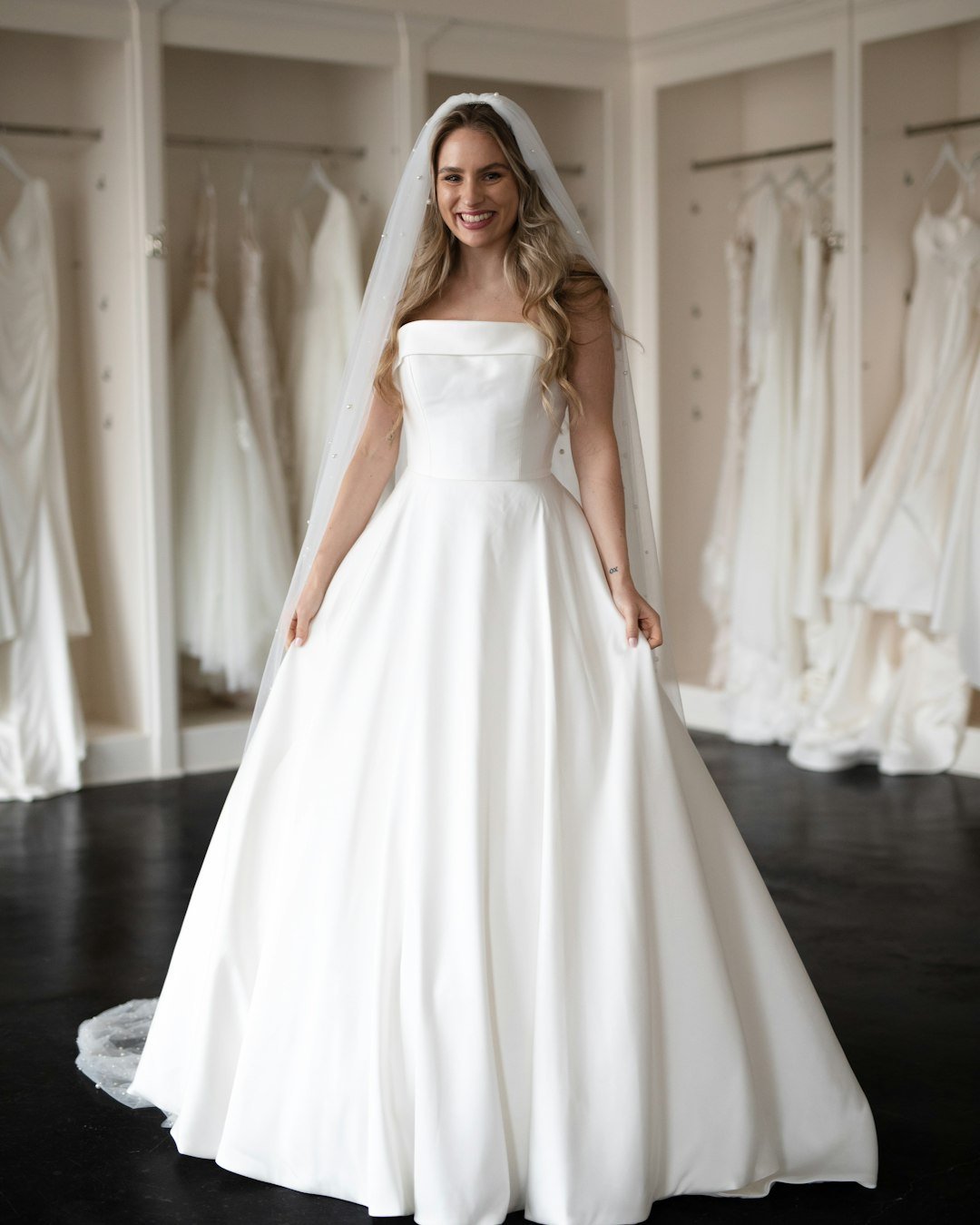
Christian Dior coined the A-Line in 1955, flaring from bust to hem like the letter A. It freed post-war figures from cinches. Simple shifts became daily uniforms.
Cotton for summer, wool for fall adapts climates. Knee-length flatters hips universally. Minimalist lines pair with bold accessories.
Tailored Trousers
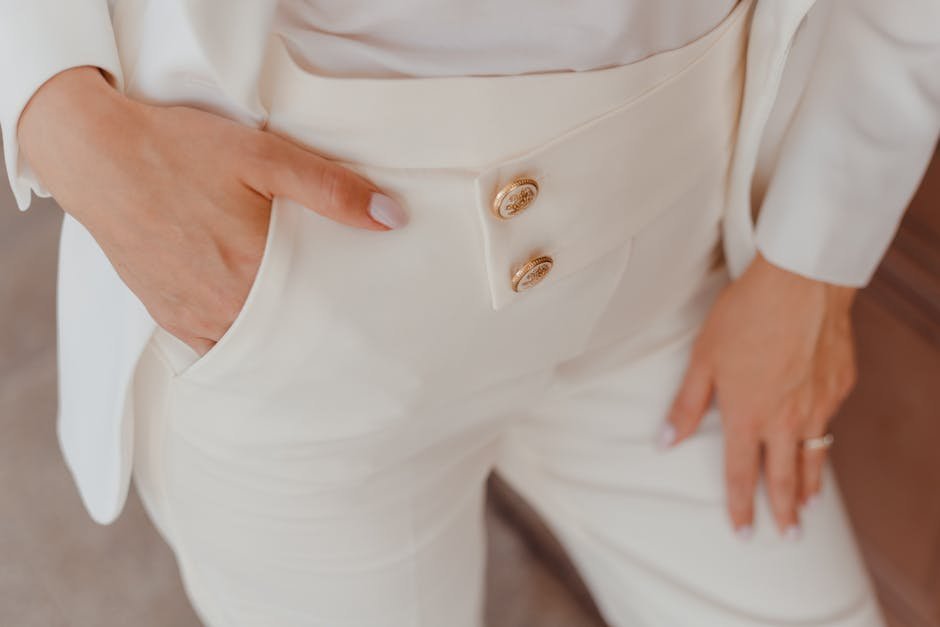
Menswear trousers influenced women’s high-waisted styles in the 1940s wartime factories. Yves Saint Laurent’s 1966 Le Smoking tuxedo pants broke gender norms. Flat-front designs streamlined silhouettes.
Cigarette cuts tuck into boots, wide-legs sway freely. Crepe or wool suits offices to evenings. They anchor outfits with structure.
The Principles of Timeless Style

Timeless pieces thrive on quality fabrics and thoughtful design that withstand trends. Versatility allows reinvention without replacement. Simplicity invites personal expression.
Investing in these builds wardrobes that age gracefully. They remind us style favors enduring over ephemeral. True elegance whispers through the years.

Christian Wiedeck, all the way from Germany, loves music festivals, especially in the USA. His articles bring the excitement of these events to readers worldwide.
For any feedback please reach out to info@festivalinside.com
