

For any feedback please reach out to info@festivalinside.com
- 31 ’70s Lyrics That Were Hiding in Plain Sight the Whole Time - September 9, 2026
- Iconic Speeches That Echo Through History, Still Stirring Souls Today - September 9, 2026
- 10 Underrated 80s Rock Bands Whose Music Deserves a Dramatic Revival - September 9, 2026
There’s something quietly remarkable about what happens when a city surrenders its streets to celebration. Sidewalks that usually belong to commuters fill with dancers, drummers, and strangers sharing food. The ordinary geometry of a block becomes a stage, and people who’d never interact on a regular Tuesday find themselves moving to the same rhythm. Street festivals do this better than almost any other form of public gathering.
What makes these events worth traveling thousands of miles for isn’t just the spectacle. It’s the layers underneath: the history, the community pride, the food that’s impossible to replicate outside its context. The ten festivals below span six continents and a dozen different traditions, yet they all share that same ability to transform public space into something that feels deeply, unmistakably human.
1. Rio Carnival – Rio de Janeiro, Brazil
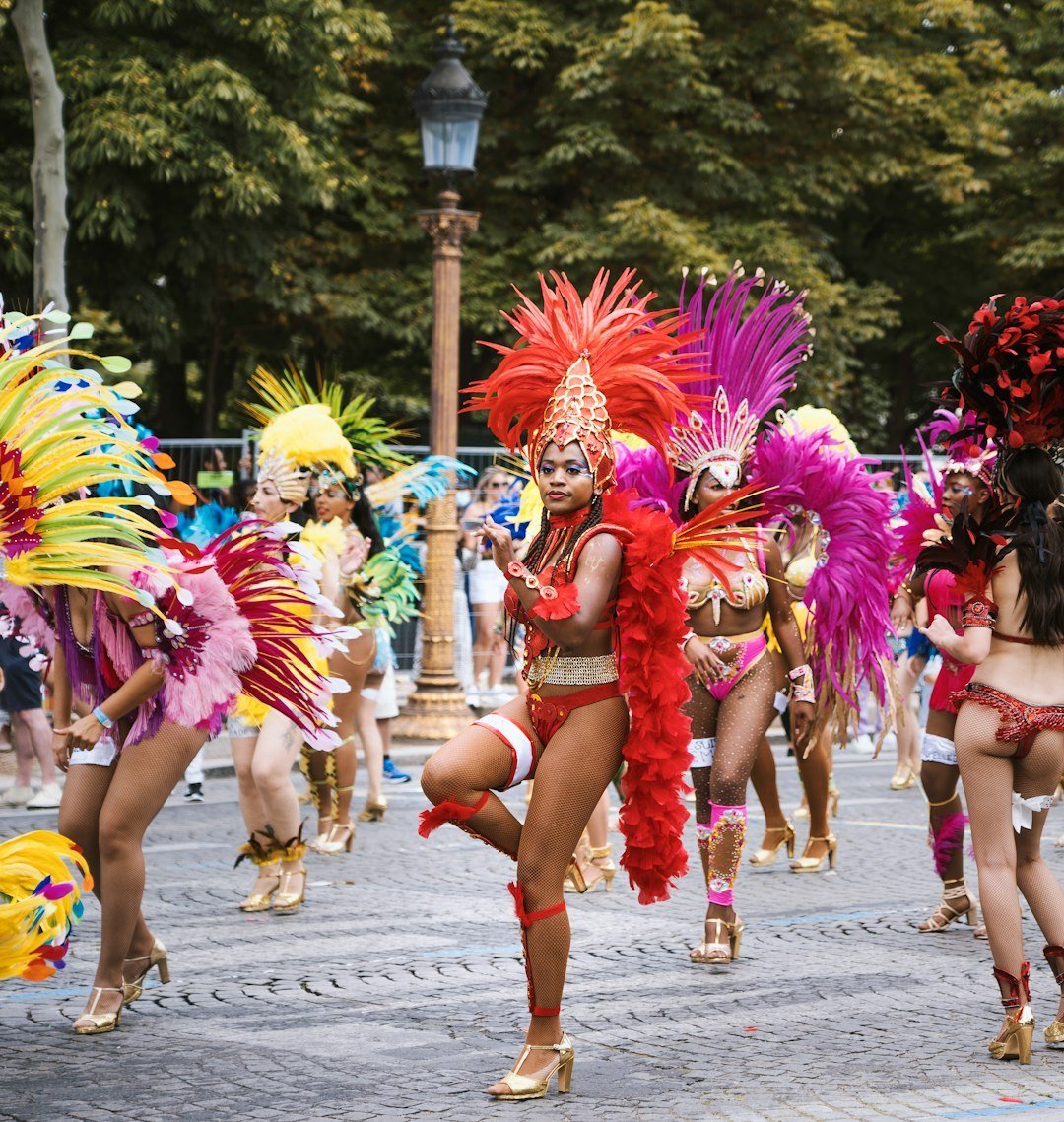
Rio Carnival is probably one of the most famous , and with good reason. It’s the biggest carnival in the world, with over two million people on the streets each day. In the early 20th century, samba and batucada rhythms, introduced by Afro-Brazilians, assumed the position as the defining sounds of what became the biggest popular festival in Brazil.
Beyond the main parade, there are around 600 block parties called “blocos” taking place throughout the city. Street vendors on every corner dish out traditional Brazilian foods, and the air fills with the scent of fried pastels, coxinhas, and espetinhos. The famous Samba parade at the Sambadrome isn’t just for show – samba schools prepare all year for the competition, with extravagant floats and costumes costing millions. Few celebrations anywhere in the world match this combination of competitive precision and spontaneous street joy.
2. Notting Hill Carnival – London, United Kingdom
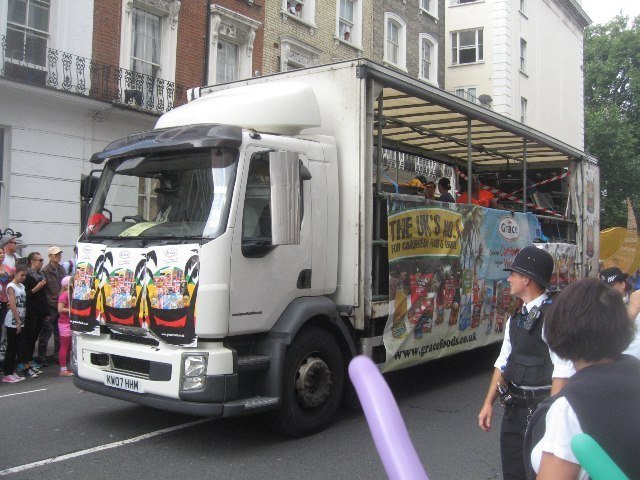
The Notting Hill Carnival is an annual Caribbean Carnival event that has taken place in London since 1966 on the streets of the Notting Hill area of Kensington, over the August Bank Holiday weekend. Now part of London’s cultural calendar, this annual expression of identity began with the Windrush Generation – Caribbean people who, from 1948, came to help rebuild post-war Britain.
It attracts around two million people annually, making it one of the world’s largest street festivals, the largest in Europe, and a significant event in British African Caribbean and British Indo-Caribbean culture. Notting Hill Carnival represents the “five disciplines of carnival”: masquerade, calypso, soca, steelpan, and sound systems. The result is a celebration that carries real historical weight without ever losing its ability to make a street corner feel like the best place on earth.
3. Mardi Gras – New Orleans, USA
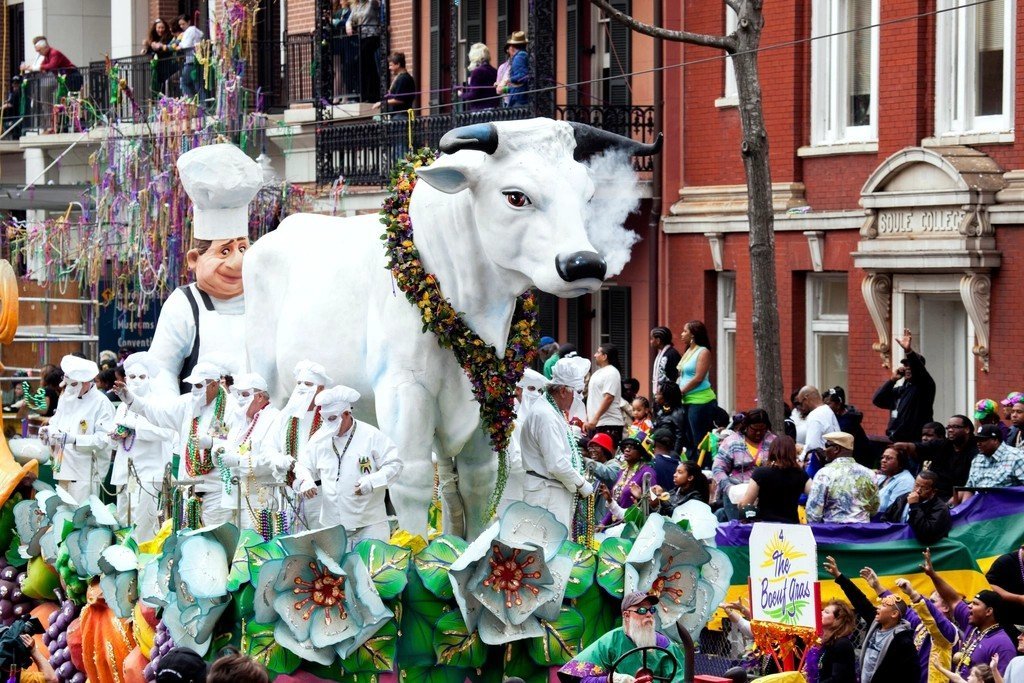
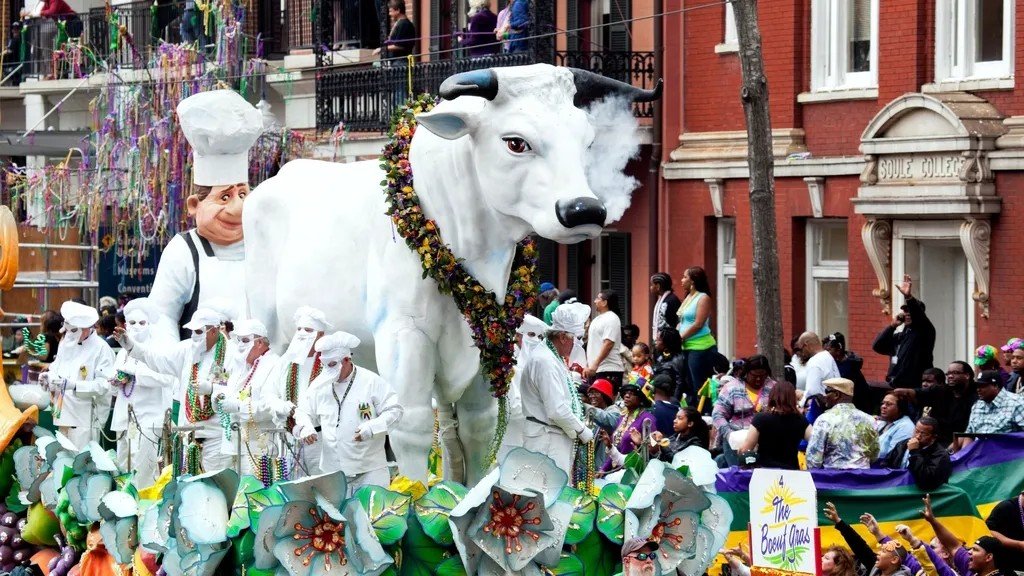
Mardi Gras in New Orleans is an exuberant festival filled with parades, masquerade balls, and the famous tossing of beads. Rooted in French Catholic traditions, it’s a time of indulgence, celebration, and merriment before the fasting of Lent. The festival has a rich history that dates back to the 1600s, when it was initially brought over by French settlers as a way of celebrating life during Carnival season.
Parades take over the city, and one of the most popular traditions is for the costumed performers to throw beads, doubloons, or other trinkets, known as “throws,” into the crowd. In New Orleans, a long-standing tradition involves catching beads thrown from parade floats, but the rarest and most prized throw is the elusive “golden coconut” from the Zulu krewe. Beyond Bourbon Street, neighborhood krewes, jazz bands, and Indian tribes all hold their own processions, giving the festival a depth that rewards repeat visitors.
4. Venice Carnival – Venice, Italy
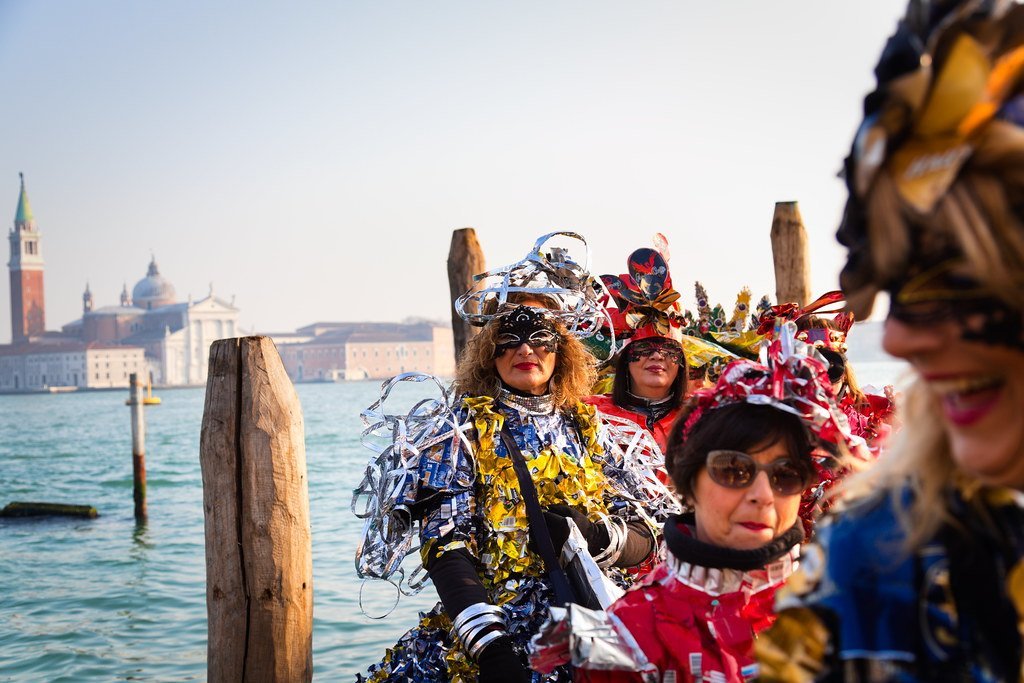
Since its origin in the 12th century, Venice Carnival has gained recognition through its celebrated masquerade balls, elegant costumes, and extravagant masks. The city of Venice establishes itself as an enchanting theatrical realm during this season, with masquerade parades, canal gondola processions, and street art shows. The Carnival of Venice was, for a long time, the most famous Carnival, although Napoleon abolished it in 1797, and only in 1979 was the tradition restored.
The iconic masks worn during the Venice Carnival have real historical significance. In the past, they allowed people of all social classes to mingle freely without revealing their identity. Today, artisans still craft these masks by hand, keeping the tradition alive. The festival features parades, street performances, and various events, including the “Flight of the Angel.” Walking across the Piazza San Marco during Carnival week, surrounded by people in elaborate 18th-century dress, is one of those experiences that feels genuinely otherworldly.
5. Holi – India
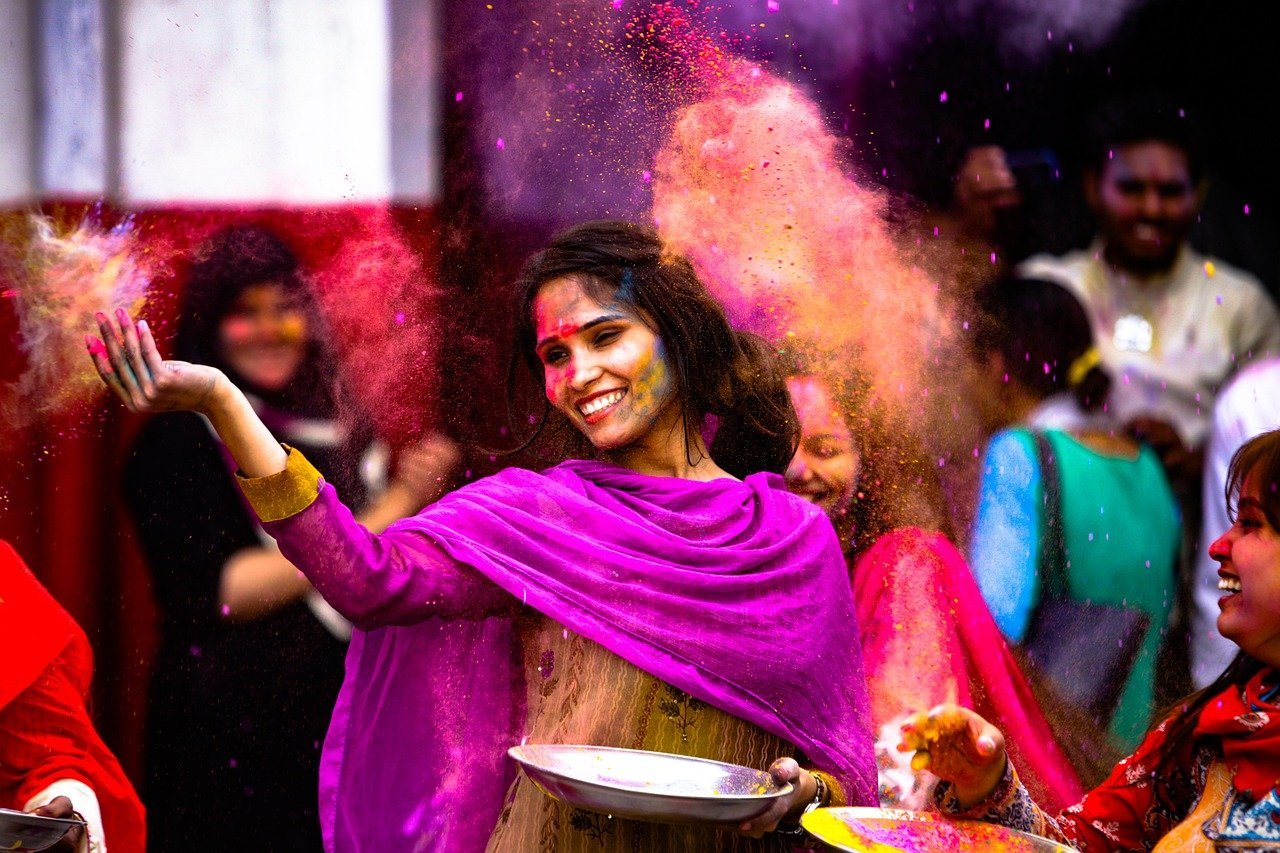
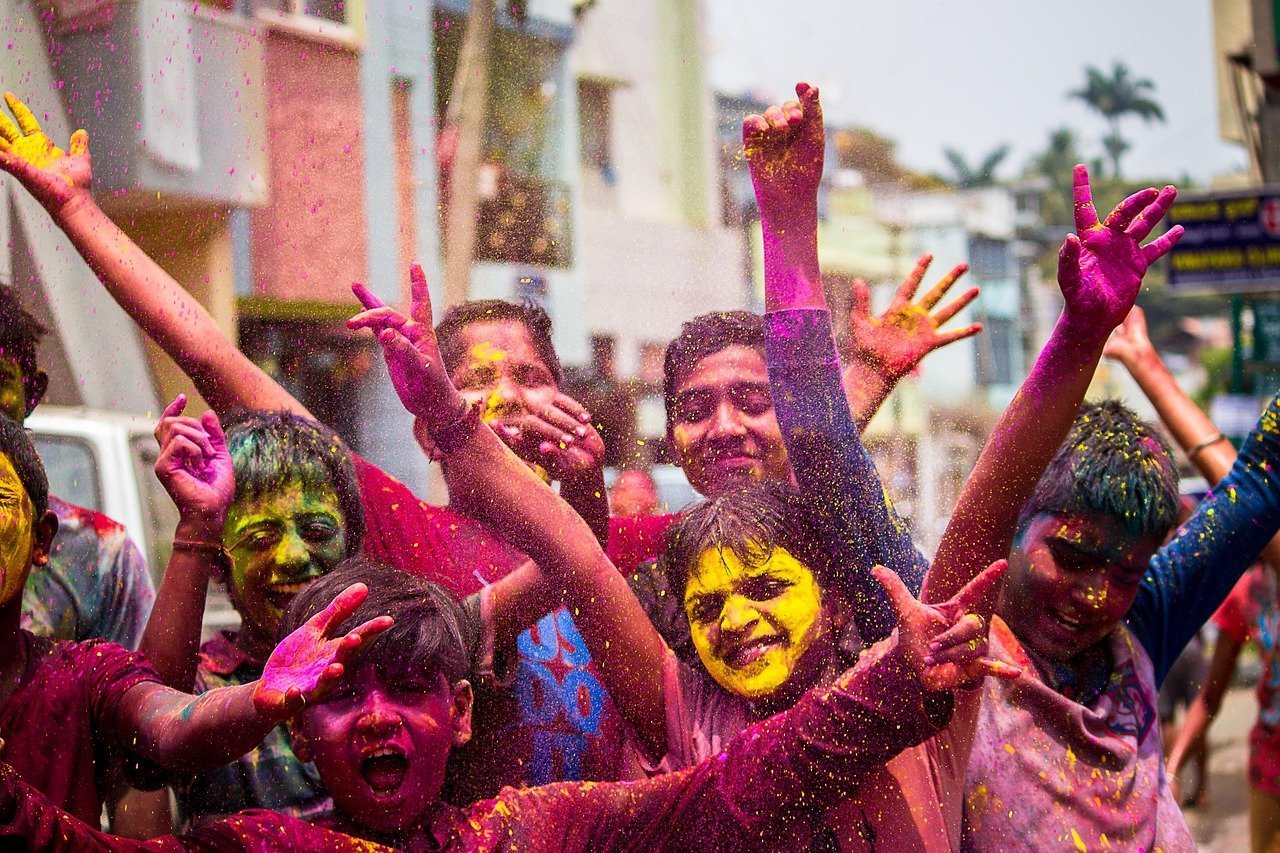
Holi, celebrated in March, is known as the Festival of Colors. Across India, people come together to throw vibrant colored powders, dance, and sing in celebration of the arrival of spring. It symbolizes the victory of good over evil and is a joyful, chaotic celebration of life and love. Major celebrations take place in cities like Mathura and Vrindavan, believed to be the birthplace of Lord Krishna.
The Holi Festival of Colors marks the arrival of spring and celebrates love, renewal, and unity. It is especially vibrant in Mathura, Vrindavan, Jaipur, and Delhi, where participants throw colored powder into the air and dance in the streets. Holi holds religious significance in Hindu tradition, with temples organizing special prayers and rituals, and families gathering to share sweets and traditional dishes. The combination of the sacred and the spectacularly messy is what sets it apart from any other color celebration on the planet.
6. Songkran – Chiang Mai and Bangkok, Thailand
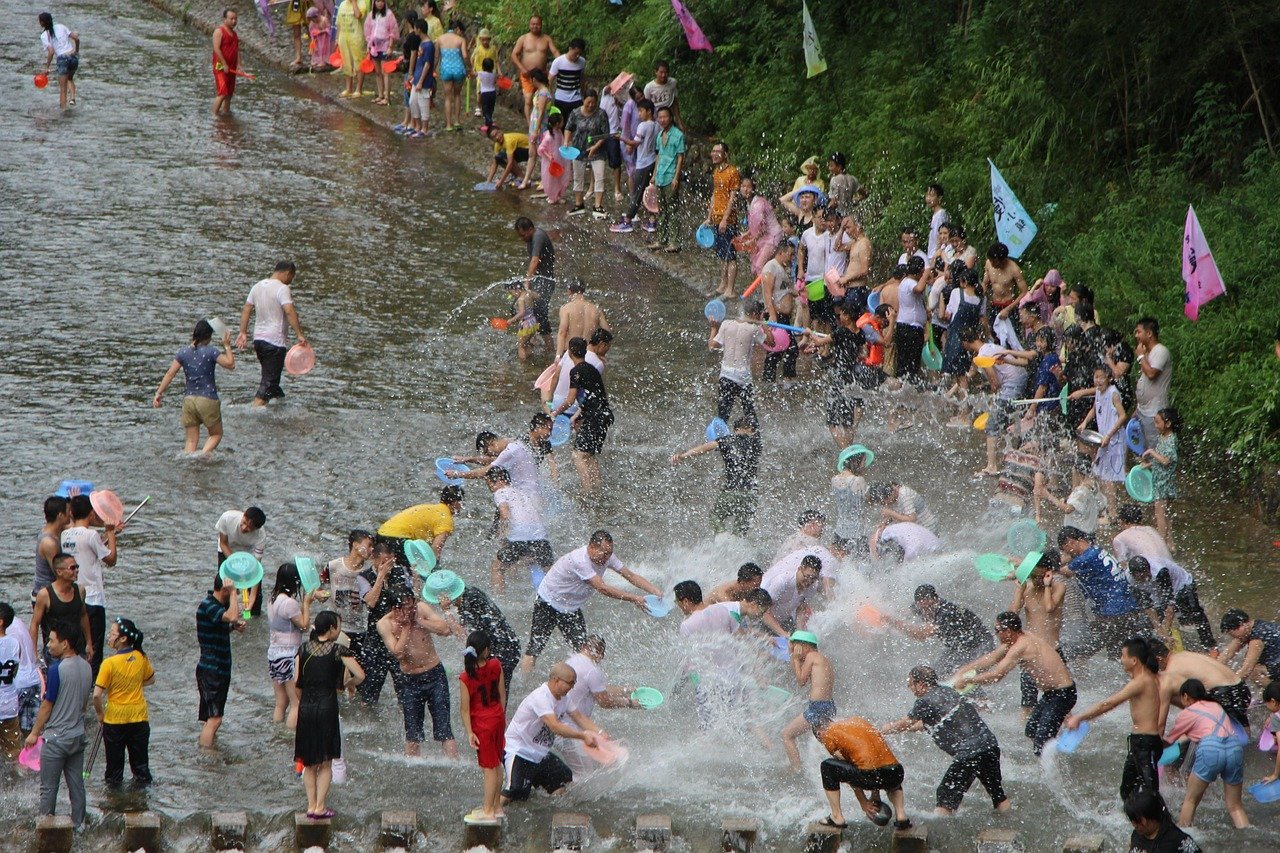
Songkran, celebrated in April, marks the Thai New Year with a unique tradition of water fights. While it is known for its playful splashing in the streets, Songkran also involves more meaningful rituals, such as visiting temples and spending time with family, symbolizing purification and renewal. Originally, people gently poured water over elders as a blessing, but today the tradition has evolved into a massive street party with water guns, buckets, and even elephants spraying water.
Streets turn into water fights, but there are also calm temple rituals earlier in the day. You hear laughing, splashing, and music from trucks rolling past, and mango sticky rice is everywhere. Chiang Mai is considered the most immersive place to experience the festival, with celebrations that stretch across multiple days and spill into every corner of the old city. Songkran’s genius is that it manages to feel both spiritually grounded and completely unhinged at the same time.
7. La Tomatina – Buñol, Spain
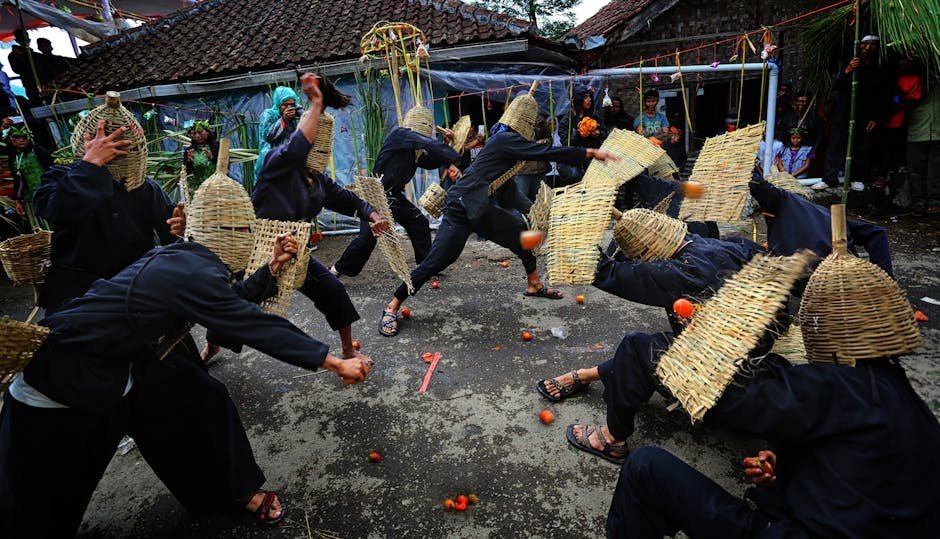
La Tomatina is a Spanish festival in Buñol, Spain, where participants throw tomatoes at each other. It is said to be the biggest food fight in the world. From its origin as a food fight between friends in the 1940s, it has become a famous tourist attraction. Until 2013 there was no limit to the number of participants; in 2013 the festival became a ticketed event for no more than 20,000, so as not to overwhelm Buñol’s population of about 9,000 people.
Events during the days before the fight include a paella contest near the town’s square, tomato fireworks, and different music bands and parades. On Wednesday morning, the first event before the tomato battle is the “Palo Jabón,” centered on a long greased pole with a piece of ham at its top. The goal is for participants to climb the pole and make the ham drop, while other celebrants sing and dance in circles, and everyone is doused with water from hoses. It’s one of those festivals that sounds absurd on paper and makes complete sense once you’re standing in the middle of it.
8. Edinburgh Hogmanay – Edinburgh, Scotland
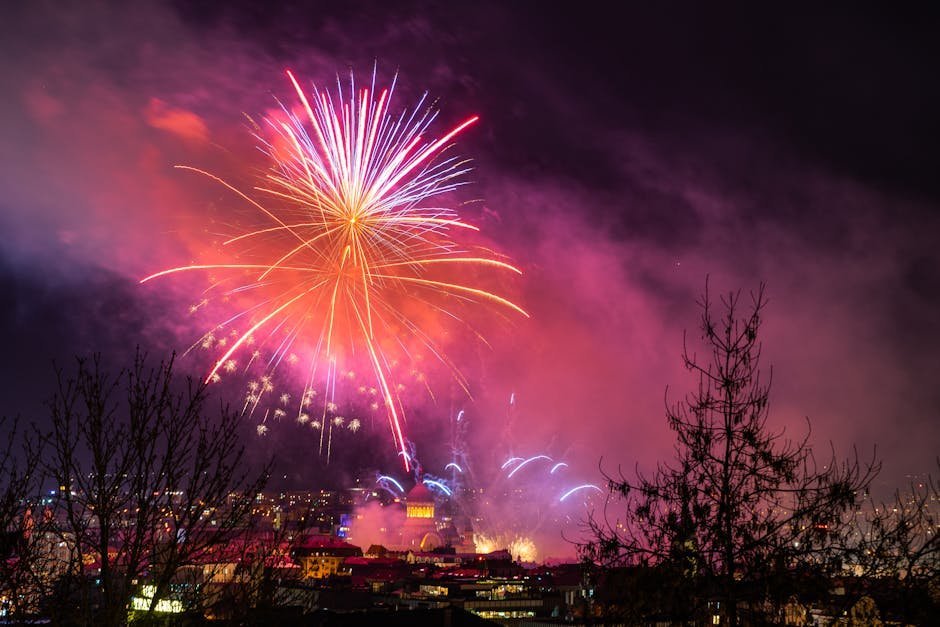
Scotland’s legendary New Year celebration transforms Edinburgh into a city-wide party. Expect torchlight processions, street parties, live music, and spectacular fireworks over Edinburgh Castle. There are many celebrations in the city on New Year’s Eve including a torchlight procession creating a river of fire down the historic Royal Mile. Party-goers gather at Princes Street for the world-famous Edinburgh Hogmanay street party, and at midnight there is a spectacular firework display on and above Edinburgh Castle. The fireworks are followed by a national sing-along to Robert Burns’ Auld Lang Syne.
The street party can draw crowds up to 80,000 revellers, who have all come to enjoy the live music, light and laser shows, and fireworks. Hogmanay stands apart from New Year celebrations elsewhere because of how deeply local it feels. The songs, the processions, and the castle backdrop all make it feel less like a countdown and more like a genuine communal ritual that Edinburgh has been performing for centuries.
9. Diwali Street Celebrations – Jaipur and Delhi, India
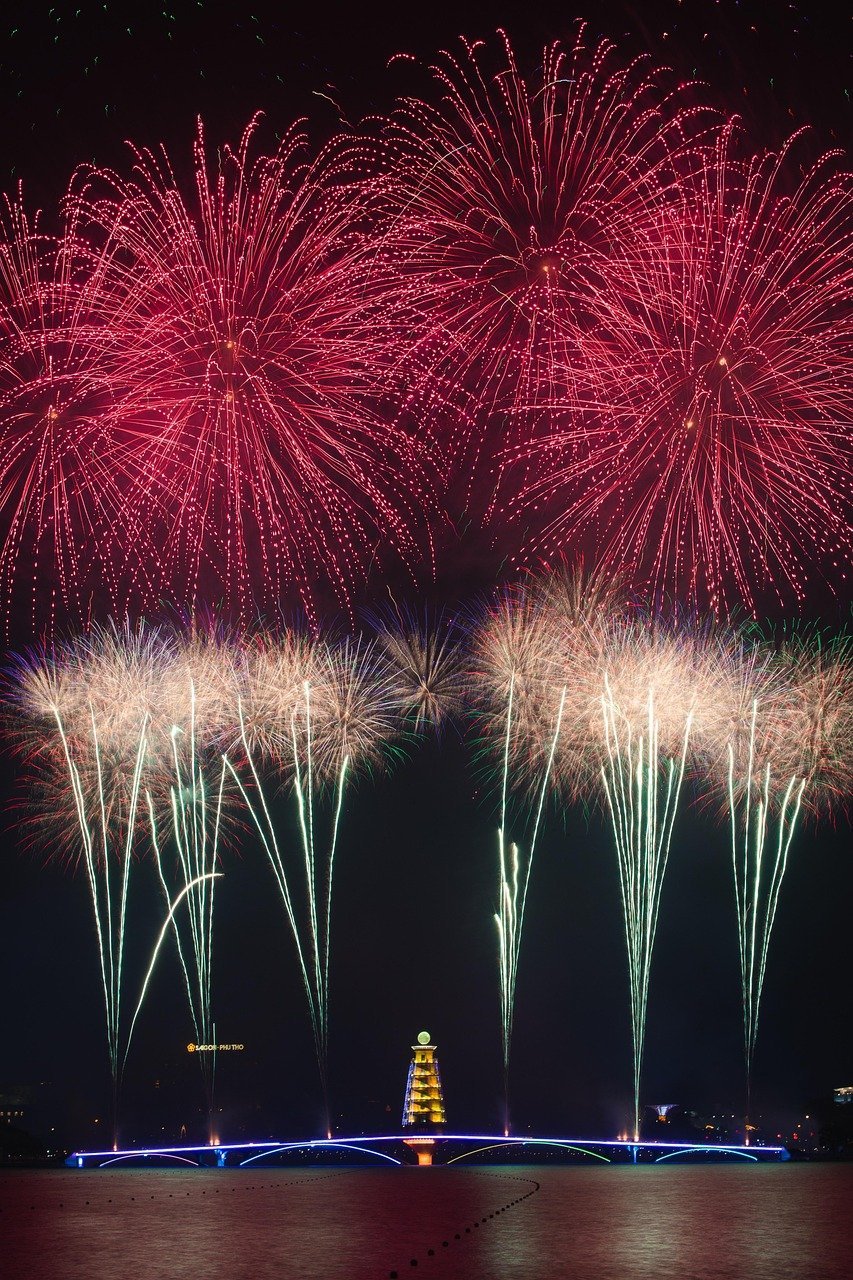
Diwali, the Festival of Lights, is celebrated in October or November, depending on the lunar calendar. This Hindu festival signifies the victory of light over darkness. Families illuminate their homes with oil lamps, exchange gifts and sweets, and enjoy fireworks as part of the festive celebrations. The city of Jaipur, with its illuminated palaces and lively markets, stands out as one of the top destinations during this festival.
What makes Diwali remarkable as a street festival is the sheer scale of what happens outdoors. Markets overflow into the streets, rangoli patterns cover public plazas, and the night sky is punctuated by fireworks across entire city neighborhoods simultaneously. Diwali brings vibrant festivities across all of India and international territories, showcasing fireworks, diyas, delectable sweets, and vibrant family traditions. The atmosphere in cities like Jaipur and Varanasi during Diwali is less like an event and more like a city remembering something essential about itself.
10. Día de los Muertos – Oaxaca and Mexico City, Mexico
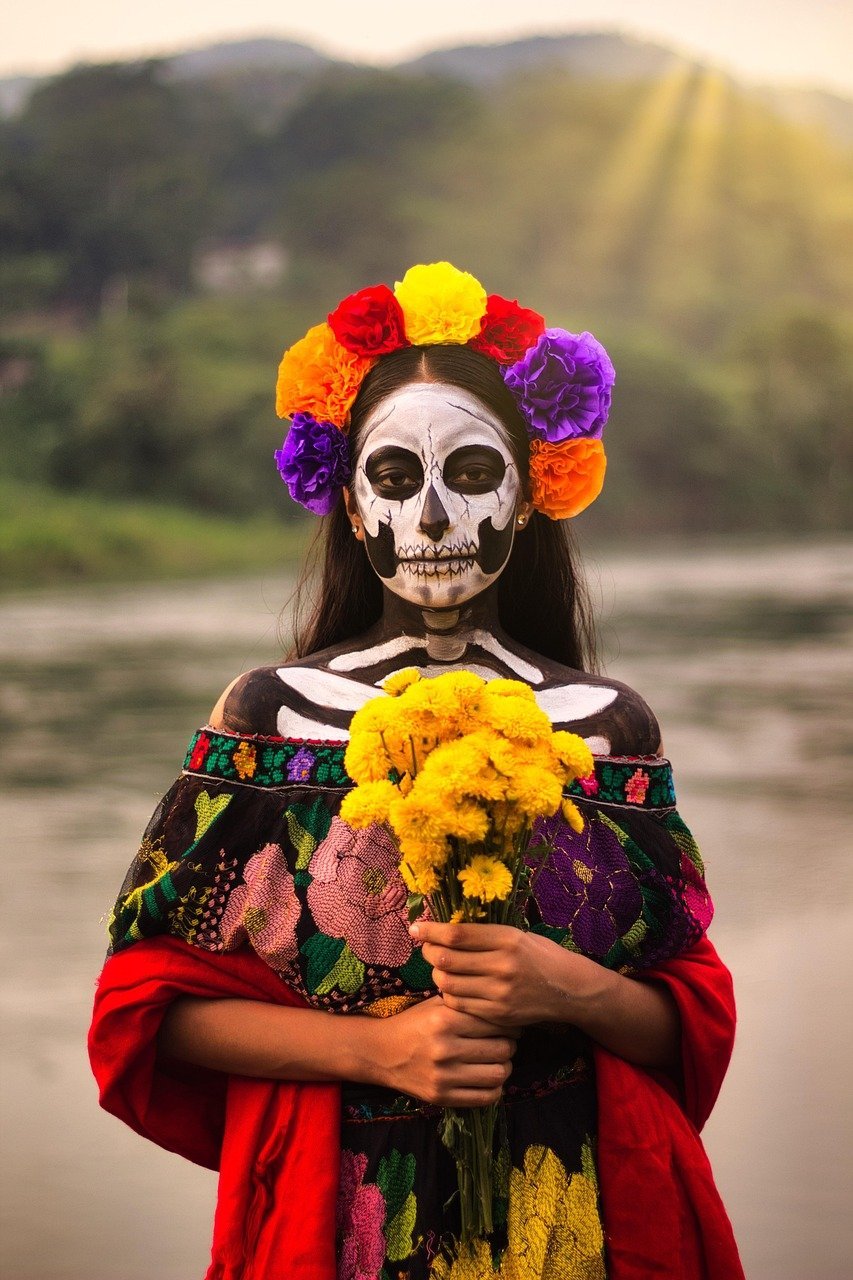
Among all , Día de los Muertos in Mexico stands unique for its vivid customs through which people celebrate their departed family members. Family members construct ofrendas, which are altars using marigolds, candles, and foods that their departed ones enjoyed. The ceremonial celebrations activate both Oaxaca and Mexico City through parade processions, artistic multicolored festivities, and musical performances.
The marigold, known as cempasúchil, is strongly associated with Mexico’s Day of the Dead, and its bright orange carpets line the streets and cemeteries of Oaxaca in a way that is immediately, visually unlike anything else on the calendar. The festival is observed on November 1st and 2nd and blends indigenous Aztec traditions with Catholic All Saints’ Day observances, producing a celebration that is simultaneously mournful and joyful. It’s a rare festival that asks visitors not just to watch but to genuinely reflect.
A Final Thought on Open-Air Celebration
These ten festivals come from different hemispheres, different religions, and entirely different histories. Some grew from resistance. Others from ancient ritual. A few started as accidents. What they share is the way they claim public space as something that belongs to everyone at once.
Street festivals resist the idea that celebration should be ticketed, contained, and observed from a distance. They insist that the street itself is the venue, and that the crowd is both audience and performer. That insistence, it turns out, is something people across every culture seem to understand instinctively.
The world’s best street festivals are not just destinations. They’re reminders that the most powerful thing a community can do is simply show up together and make noise.

Christian Wiedeck, all the way from Germany, loves music festivals, especially in the USA. His articles bring the excitement of these events to readers worldwide.
For any feedback please reach out to info@festivalinside.com
