

- 15 Hit Singles From the Last Three Decades That Still Get You Dancing. - August 12, 2026
- Taylor Swift’s Impact on the Music Industry Is Truly Unprecedented - August 12, 2026
- 8 Poets Whose Lives Were More Tumultuous Than Their Most Dramatic Verses - August 12, 2026
Picture a world where the roar of a crowd or the glow of a screen captures hearts overnight. Yet those electric moments rarely spring from thin air. They bubble up from the churning undercurrents of history, like social upheavals or tech leaps that prime society for the next big thing.
Think about it. A war’s shadow lingers, and suddenly heroes dominate the box office. Protests rage, and music festivals become battle cries. These threads pull tight, shaping what we laugh at, dance to, and obsess over. Ready to unravel a few?
The Beatles on Ed Sullivan: Baby Boomers Break Free
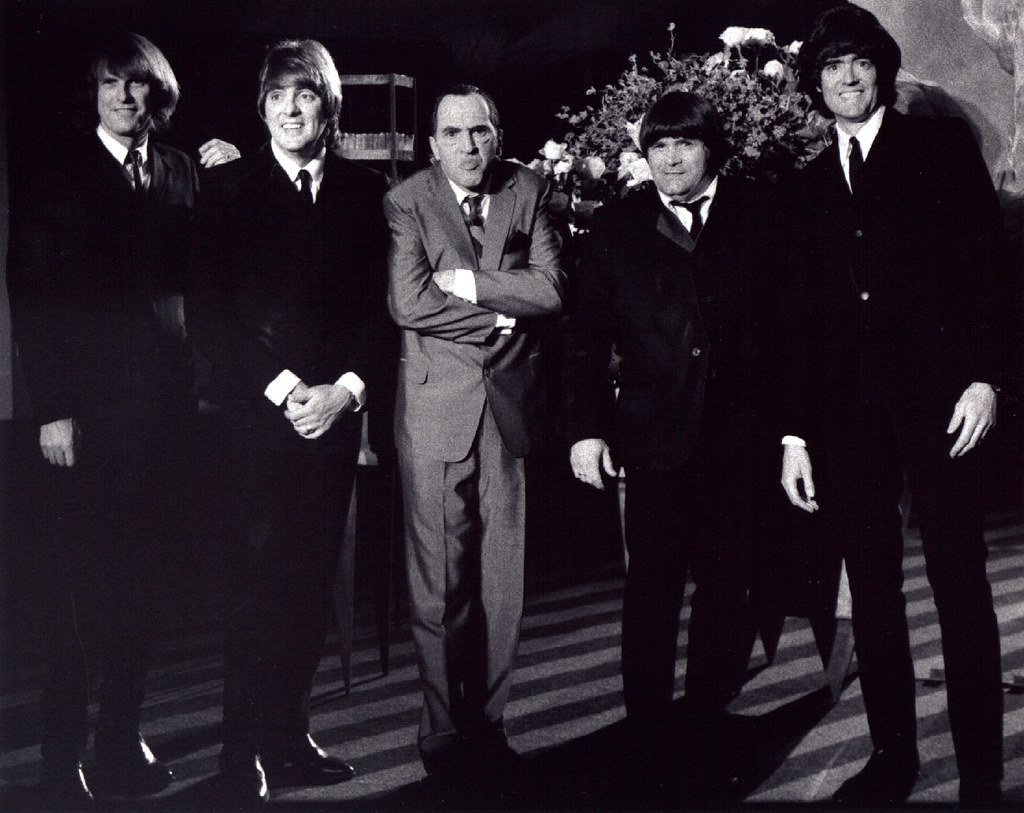
The Ed Sullivan Show in 1964 drew a staggering crowd, with over a third of Americans tuning in to watch the Beatles shake up living rooms nationwide.[1][2] Post-World War II prosperity had swelled the baby boomer generation, kids raised in suburbs craving rebellion against their parents’ rigid conformity. That mop-top energy hit like a thunderclap, channeling youthful defiance into a global phenomenon.
Here’s the thing. The Cold War loomed large, but these British invaders offered harmless fun amid nuclear fears. Their sound fused rock’s raw edge with melody, perfectly timed for a generation hitting adolescence. No wonder it sparked Beatlemania, forever altering music’s grip on culture.
Woodstock 1969: Counterculture Clashes with Vietnam
https://web.archive.org/web/20180920173114/https://ricmanning.blogspot.com/2009/08/remembering-woodstock.html
https://archive.ph/jeKD7
https://web.archive.org/web/20200212121812/http://ricmanning.blogspot.com/2019/08/heres-my-blockbuster-video-that-only.html
https://archive.ph/u53fo
https://web.archive.org/web/20190811080854/https://www.tribstar.com/features/valley_life/peace-music-rain-mud/article_b5daf3df-b4d7-5182-ba9f-e2f3635b4791.html
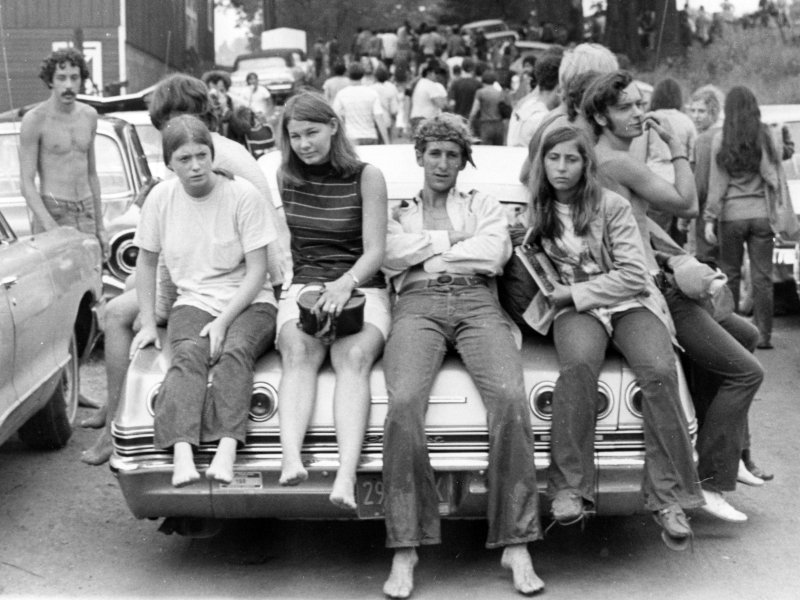
Ric Manning narrates the story of eight friends from Indiana University who went to the Woodstock music festival in 1969 youtube
https://www.legacy.com/us/obituaries/louisville/name/jeannene-manning-obituary?id=8086656, CC BY 3.0)
Mud-soaked fields in upstate New York hosted half a million souls in 1969, turning Woodstock into a symbol of peace and love. The Vietnam War dragged on, drafting young men and fueling massive protests across campuses. This festival crystallized the hippie movement, blending folk, rock, and calls for withdrawal from a hated conflict.
Social currents ran deep. Civil rights battles had cracked open doors for free expression, while sexual revolution whispers grew louder. Jimi Hendrix’s fiery guitar wailed over “The Star-Spangled Banner,” a raw nod to national division. Woodstock didn’t end the war, but it etched counterculture into history’s fabric.
Apollo 11 Moon Landing: Space Race Triumph on Live TV
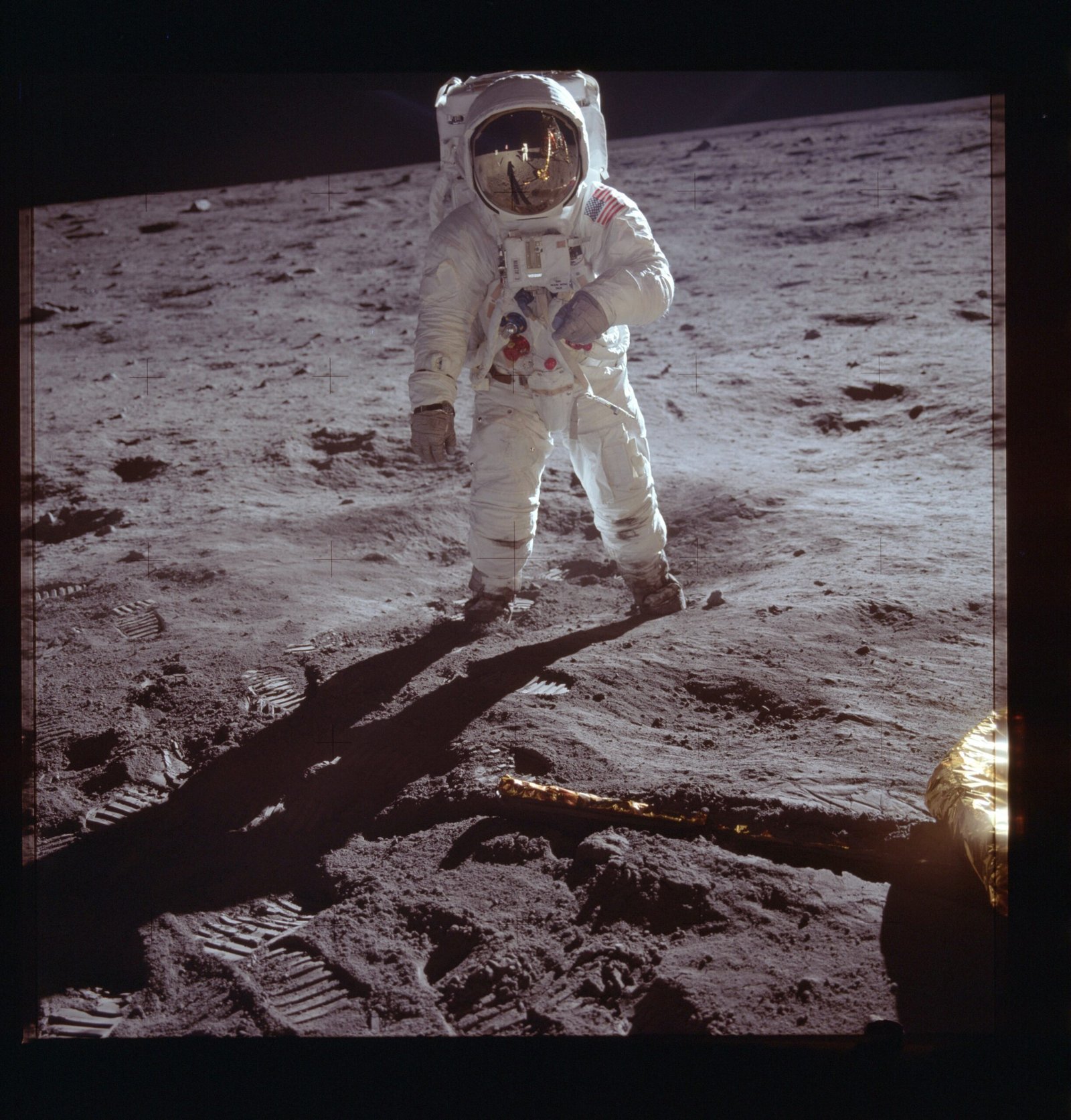
July 20, 1969, glued families to black-and-white screens as Neil Armstrong stepped onto the lunar surface. The Cold War’s Space Race pitted U.S. ingenuity against Soviet might, pouring billions into rocketry after Sputnik’s shock. This wasn’t just science; it was propaganda gold, proving democracy’s edge in innovation.
Technology made it pop culture magic. Instant global broadcasts via satellite turned a technical feat into shared awe. Kids dreamed of stars, while adults pondered humanity’s place. That giant leap echoed through sci-fi films for decades, fueling endless wonder.
Star Wars Release: Escapism After Vietnam’s Scars

George Lucas unleashed Star Wars in 1977, right when America nursed wounds from Vietnam’s quagmire. Defeat bred cynicism; Watergate eroded trust in leaders. Enter Jedi knights and rebels toppling empires, a mythic tale restoring faith in good triumphing over evil.
Special effects breakthroughs amplified the spell. Industrial Light & Magic pioneered visuals that immersed viewers in galaxies far away. It tapped post-war optimism’s remnants, offering heroes untainted by real-world mess. Blockbuster cinema was born, reshaping Hollywood’s gamble on spectacle.
MTV Launch: Cable Deregulation Sparks Video Fever
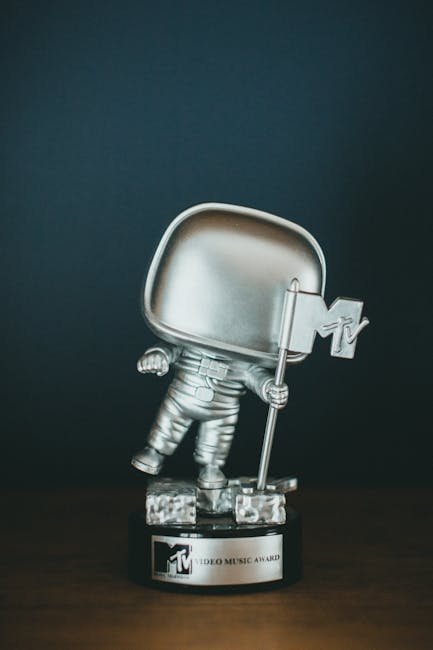
August 1, 1981, MTV flickered on with a NASA clip and Buggles’ “Video Killed the Radio Star.” Reagan-era FCC deregulation unleashed cable TV, fragmenting networks’ monopoly. Music videos exploded as cheap promo tools, turning songs into visual feasts for a MTV generation.
Youth culture shifted gears. Remote controls empowered channel surfing; suddenly, rockers became directors. This tech pivot democratized fame, paving roads for reality TV empires. MTV didn’t just play music; it wired visuals into our brains forever.
Michael Jackson’s Thriller: Racial Barriers Shatter on Screen
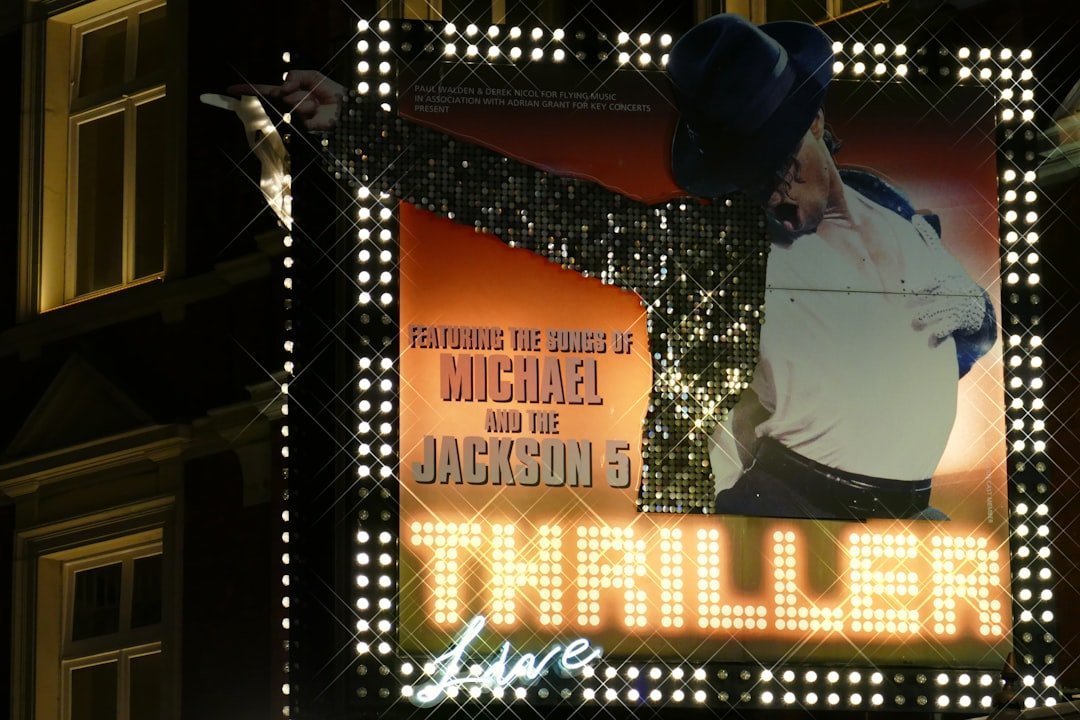
Thriller dropped in 1982, with its title track’s zombie epic video premiering on MTV in 1983. Civil Rights victories opened doors, yet black artists rarely cracked video rotation. Jackson’s crossover appeal, backed by Quincy Jones, forced MTV to integrate, mirroring broader societal shifts.
The King of Pop embodied fusion. Funk, rock, and dance merged amid Reagan conservatism’s pushback on progress. That 14-minute short film grossed millions, proving videos as art. It crowned Jackson global icon, threading history’s equality fight into entertainment gold.
Live Aid Concerts: Famine Crisis Goes Global via Satellite
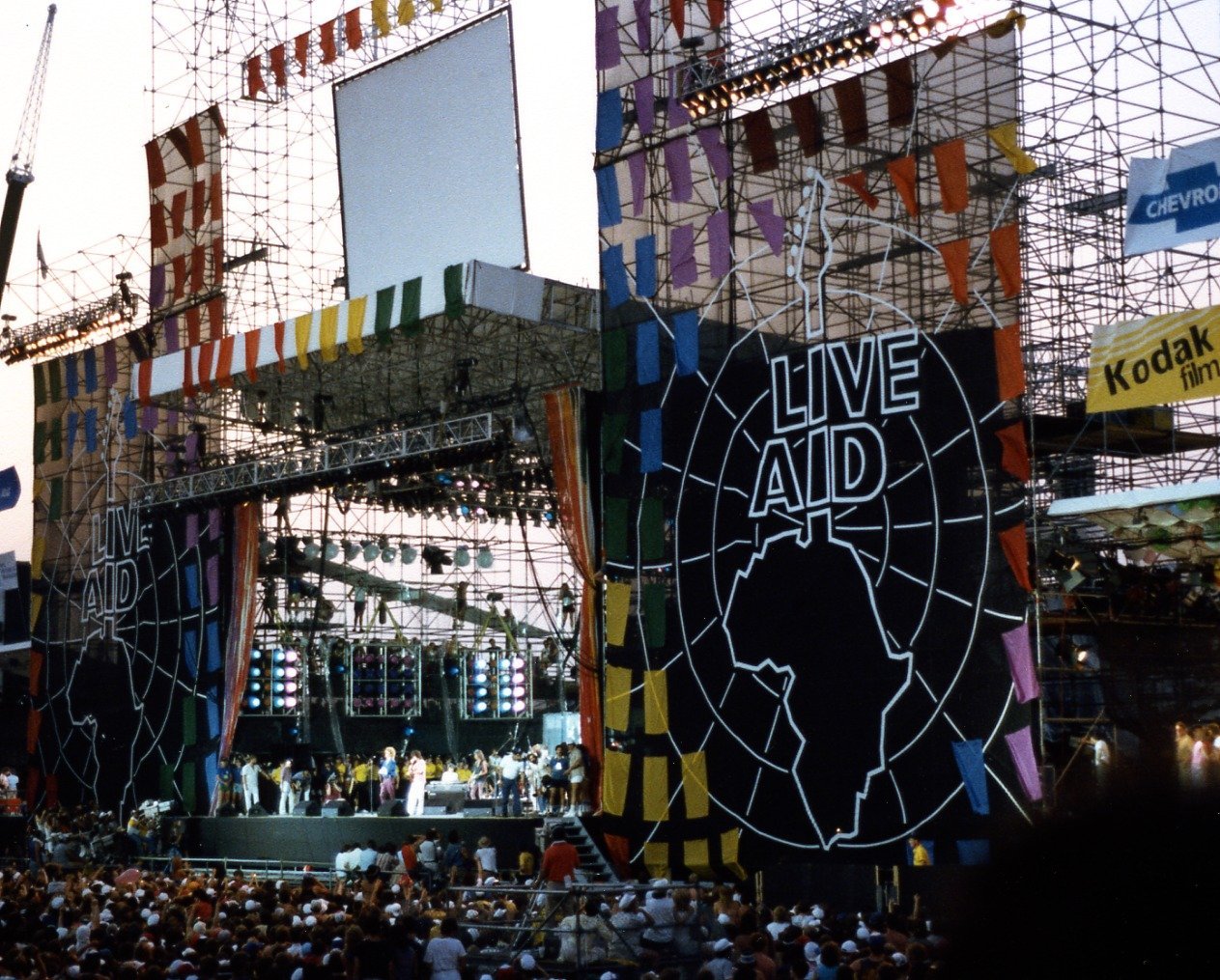
July 13, 1985, rocked Wembley and Philly with Live Aid, raising millions for Ethiopia’s famine. TV satellites linked the world live, a tech marvel amplifying Band Aid’s “Do They Know It’s Christmas?” Cold War thawed slightly; this showed unity transcending borders.
Political will stirred. Bob Geldof’s outrage over ignored starvation sparked celebrity firepower, from Queen to U2. It highlighted 1980s excess against Third World plight, boosting awareness. Pop stars became activists, weaving charity into culture’s core.
Conclusion: History’s Grip on Our Screens
These moments prove entertainment never floats in a vacuum. Wars, tech jumps, and movements tug the strings, birthing icons that define eras. Spotting those threads deepens our love for the stories.
Next time a blockbuster hits or a viral hit drops, pause and trace its roots. What historical force fueled it? Share your take in the comments – what pop moment surprises you most?

Besides founding Festivaltopia, Luca is the co founder of trib, an art and fashion collectiv you find on several regional events and online. Also he is part of the management board at HORiZONTE, a group travel provider in Germany.
