

- 12 Bestselling Books That Were Initially Rejected by Dozens of Publishers - September 9, 2026
- Your Dramatic Life Story Told Through 10 Classic Novels (Based on Your Zodiac Sign) - September 9, 2026
- 18 Classic Rock Songs That Change Completely After One Lyric Is Explained - September 9, 2026
Picture this: a writer hunched over a dim lamp, words flowing amid waves of despair, poverty gnawing at their edges. Adversity shadows the creative path like an uninvited guest, testing resolve with illness, rejection, and inner turmoil. Yet these trials often forge the raw power in timeless works.
Let’s be real. The muse rarely visits without scars. These stories reveal how suffering birthed brilliance, urging us to dive deeper.[1][2]
Franz Kafka
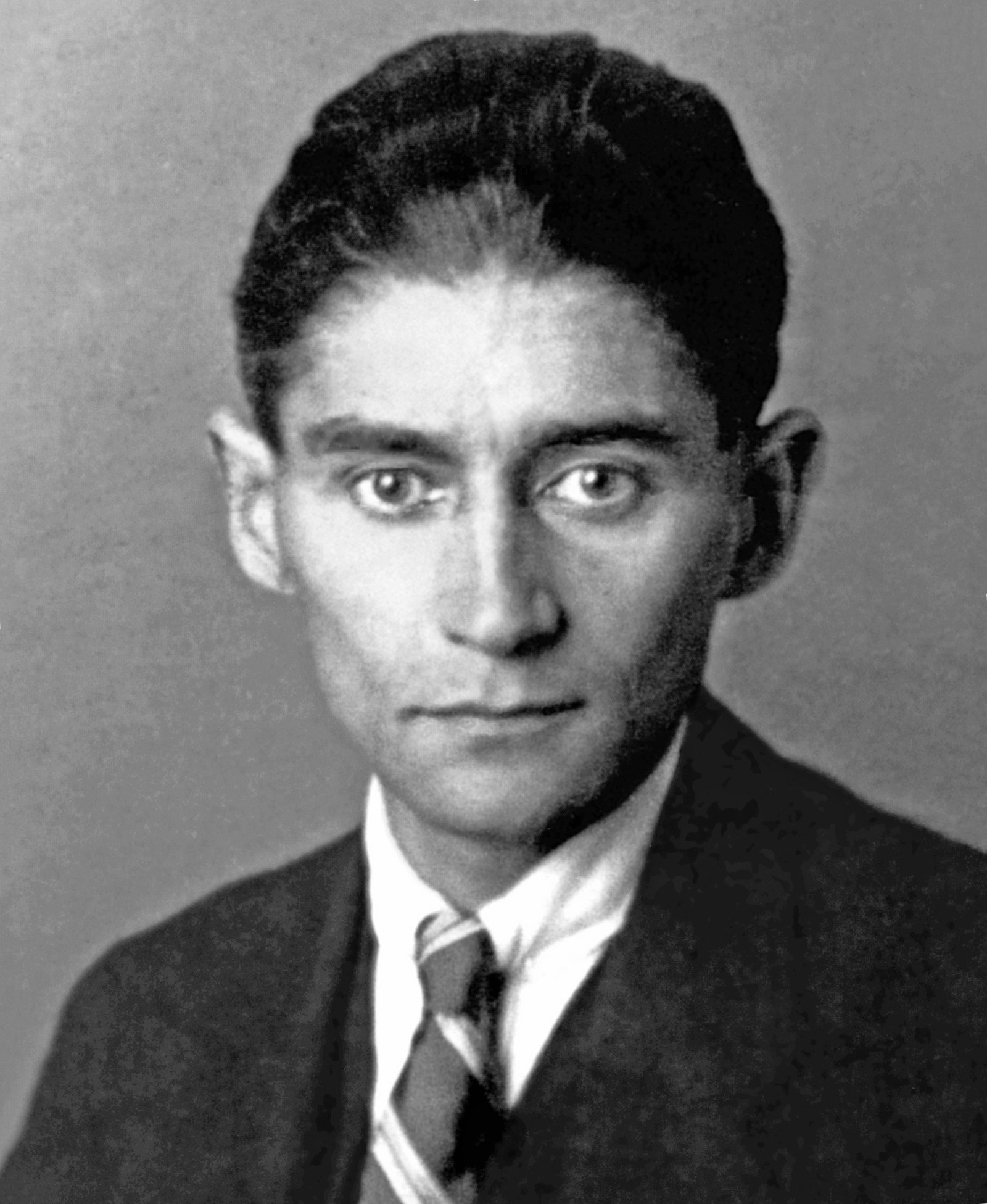
Exhibition Kafka: Making of an Icon, Morgan Library & Museum (PDF, page 25), Public domain)
Kafka toiled endlessly at a draining insurance job in Prague, his days consumed by bureaucracy that mirrored his nightmares. A domineering father crushed his spirit, while tuberculosis slowly eroded his health, leaving him frail and isolated. He published little in his lifetime, haunted by self-doubt that made him urge his friend Max Brod to burn his manuscripts after death.
Still, Kafka gifted us “The Metamorphosis,” where Gregor Samsa wakes as a giant insect, capturing alienation in stark prose. “The Trial” and “The Castle” followed posthumously, defining absurd existential dread. His works now influence generations, proving torment can echo eternally.[3]
Emily Dickinson
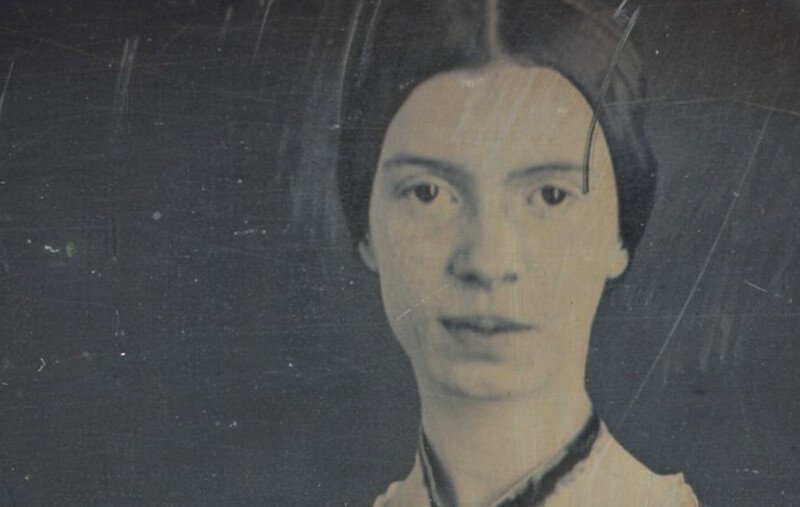
Dickinson withdrew into seclusion in her Amherst home, shunning society amid mysterious health woes like severe eye afflictions and possible agoraphobia. Family losses piled on, including her mother’s stroke and deaths of loved ones, deepening her isolation. Only a handful of her nearly 1,800 poems saw print during her life, dismissed or altered by editors.
Her verses burst with innovative dashes and slant rhymes, exploring death, nature, and immortality in “Because I could not stop for Death.” Posthumous discovery revealed a genius ahead of her time. Today, she stands as America’s premier poet, her seclusion a crucible for profound insight.[4]
Virginia Woolf
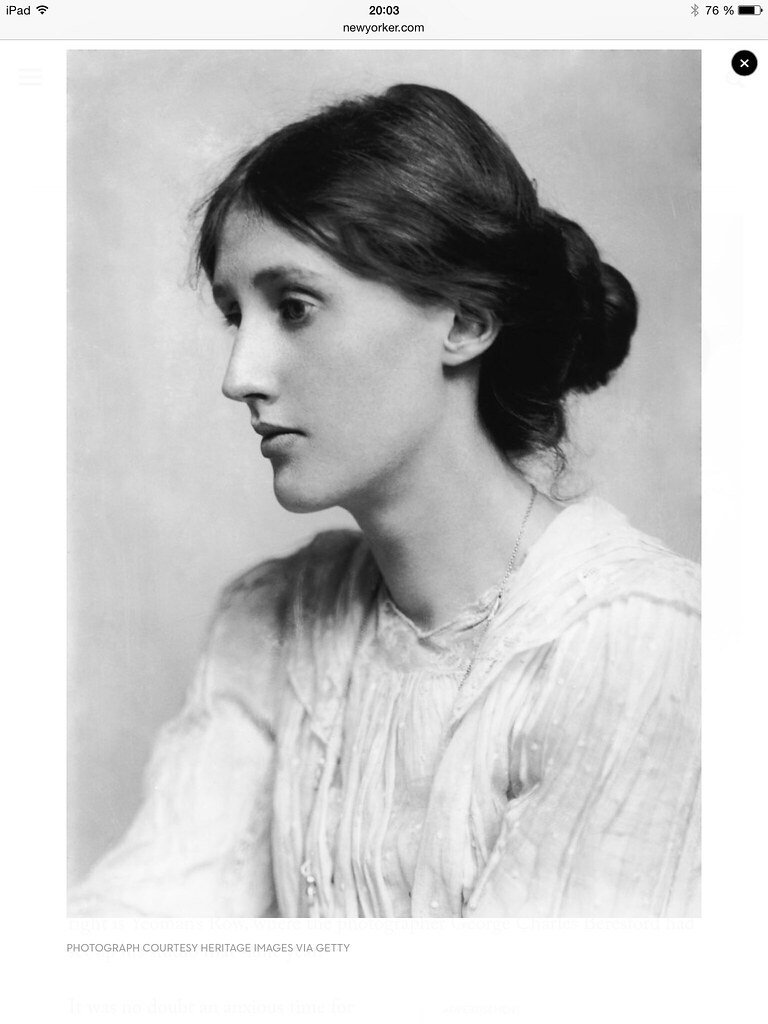
Woolf battled bipolar disorder from youth, enduring manic highs and crushing depressions, compounded by childhood sexual abuse from her half-brother. Multiple breakdowns led to suicide attempts and institutionalization, her mind a storm she chronicled in diaries. World War II’s shadows and personal losses pushed her to drown herself in 1941.
From this chaos emerged “Mrs. Dalloway,” a stream-of-consciousness mosaic of one day in London lives. “To the Lighthouse” probes family and time’s passage with luminous prose. Woolf pioneered modernist fiction, her voice reshaping how we see inner worlds.[5]
Charles Dickens
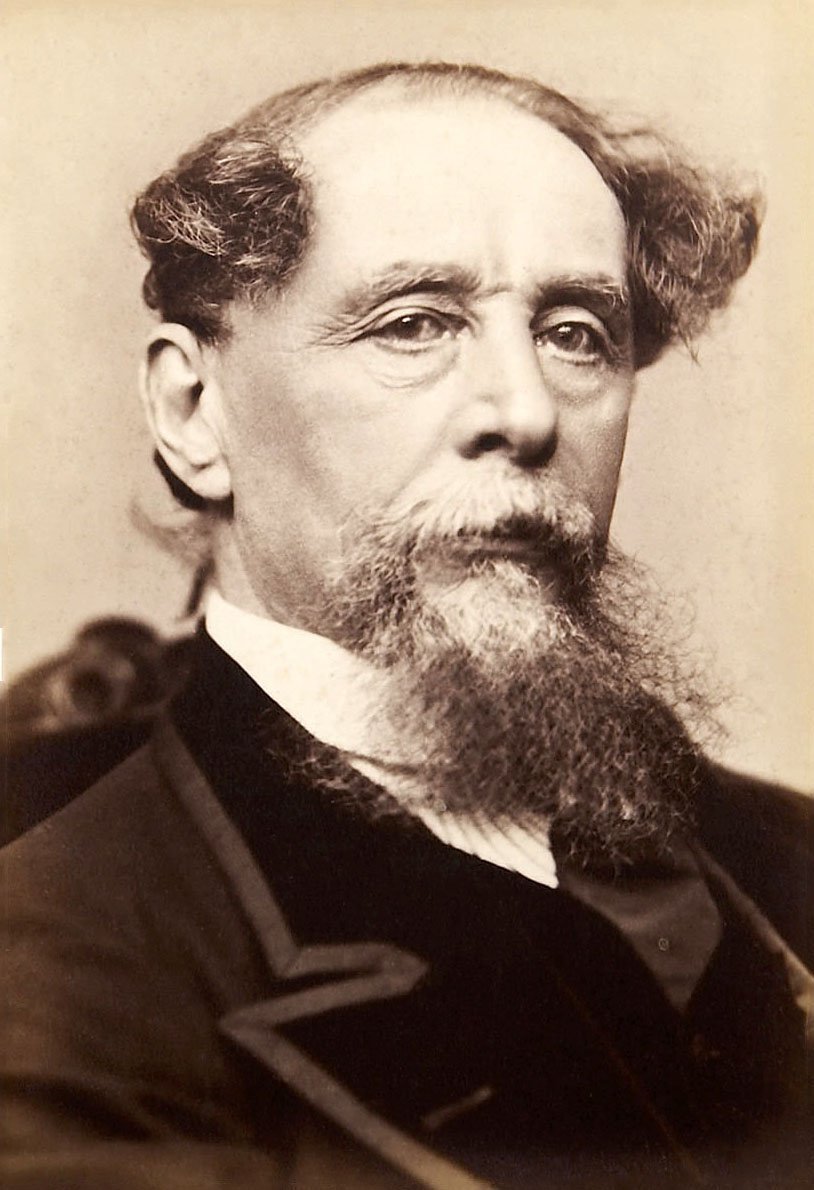
Dickens knew hunger young when his father landed in debtors’ prison, forcing 12-year-old Charles to paste shoe polish labels in a rat-infested factory for meager pay. Scarce education followed, yet he hustled as a clerk and reporter amid grueling poverty. Family demands and relentless touring later wore him down physically.
He channeled pain into “Oliver Twist,” exposing workhouse horrors, and “David Copperfield,” his veiled autobiography of resilience. “A Tale of Two Cities” and “Great Expectations” critiqued society with vivid characters. Dickens became Victorian England’s conscience, his tales still stirring empathy.[2]
John Kennedy Toole
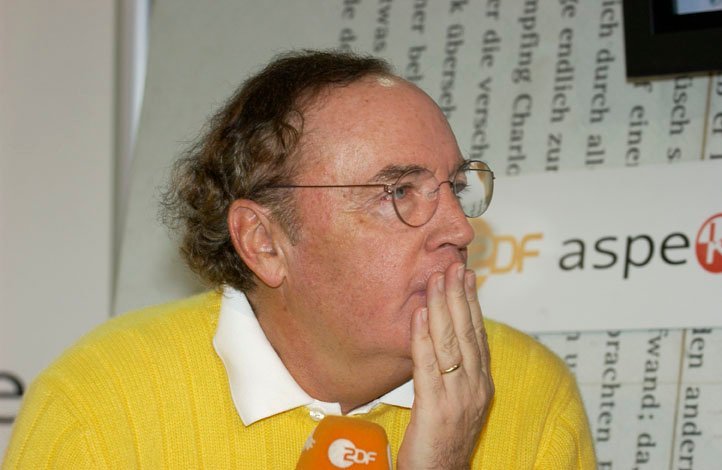
Toole poured his soul into “A Confederacy of Dunces,” only to face brutal rejections from publishers like one calling it pointless. Despair spiraled into paranoia and depression; at 31, he ended his life by carbon monoxide poisoning in 1969. His mother, undeterred, championed the manuscript for years.
Published in 1980, the novel won the Pulitzer Prize, its picaresque Ignatius J. Reilly a comic triumph of eccentricity. Toole’s sole major work endures as a cult classic, blending satire and pathos. Tragedy underscores its brilliance, a gift wrested from oblivion.
Sylvia Plath
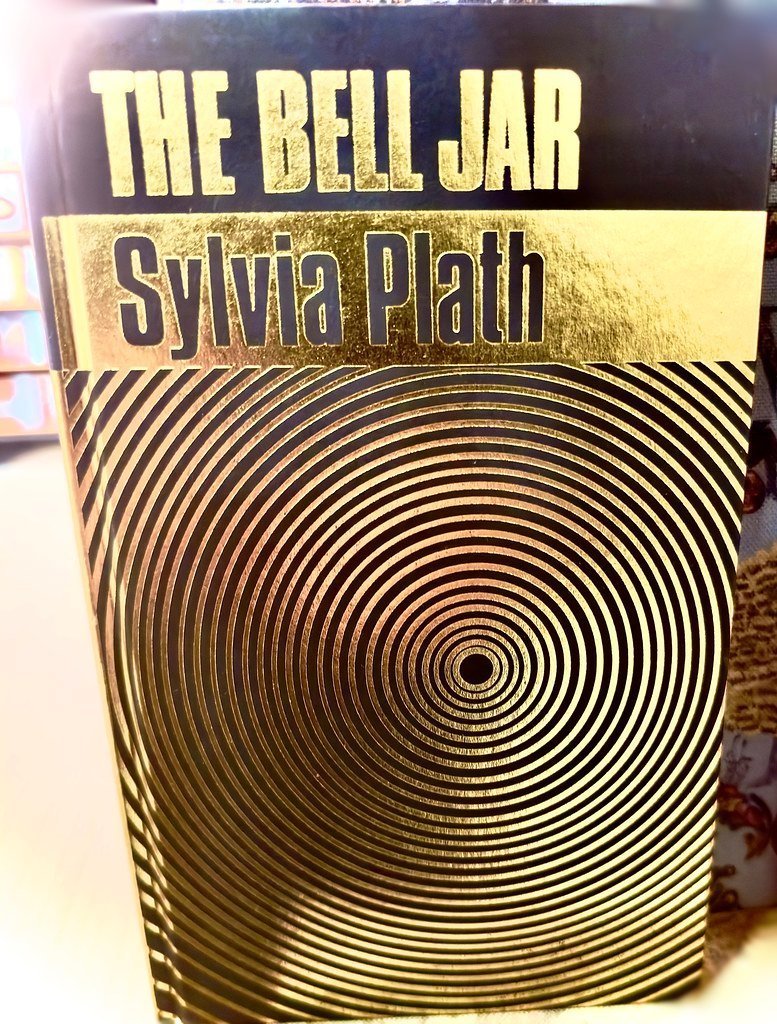
Plath wrestled severe depression, amplified by a failed marriage to Ted Hughes and societal pressures on women. Electroshock therapies and suicide attempts marked her turmoil, culminating in her oven death at 30 in 1963 amid London winter. Perfectionism fueled her relentless output, yet eroded her fragile hold.
“The Bell Jar” lays bare mental collapse with searing honesty, while “Ariel” poems rage with vivid imagery. Her confessional style shattered taboos, influencing feminist literature. Plath’s raw voice resonates, turning personal hell into universal fire.[6]
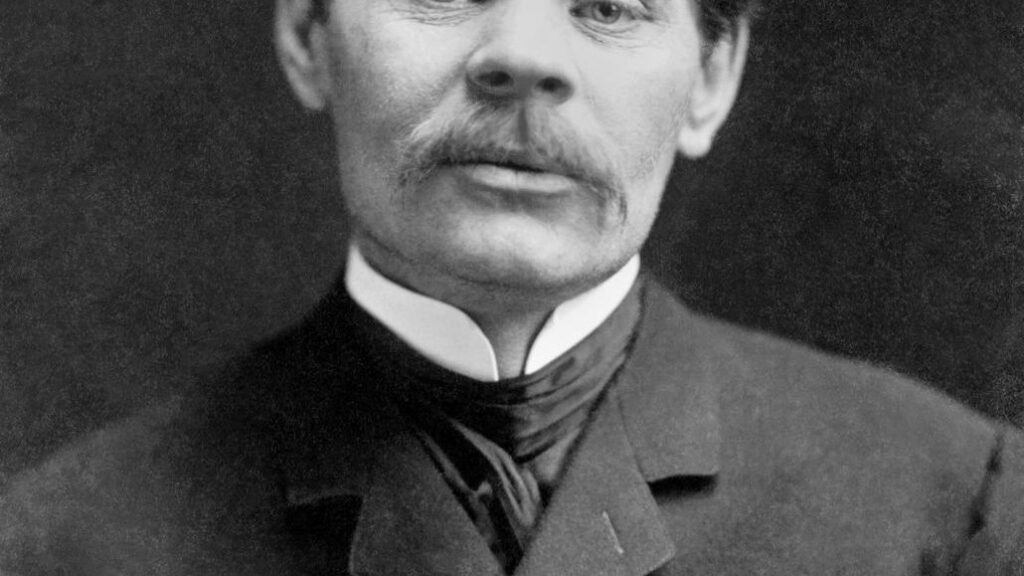
Maxim Gorky
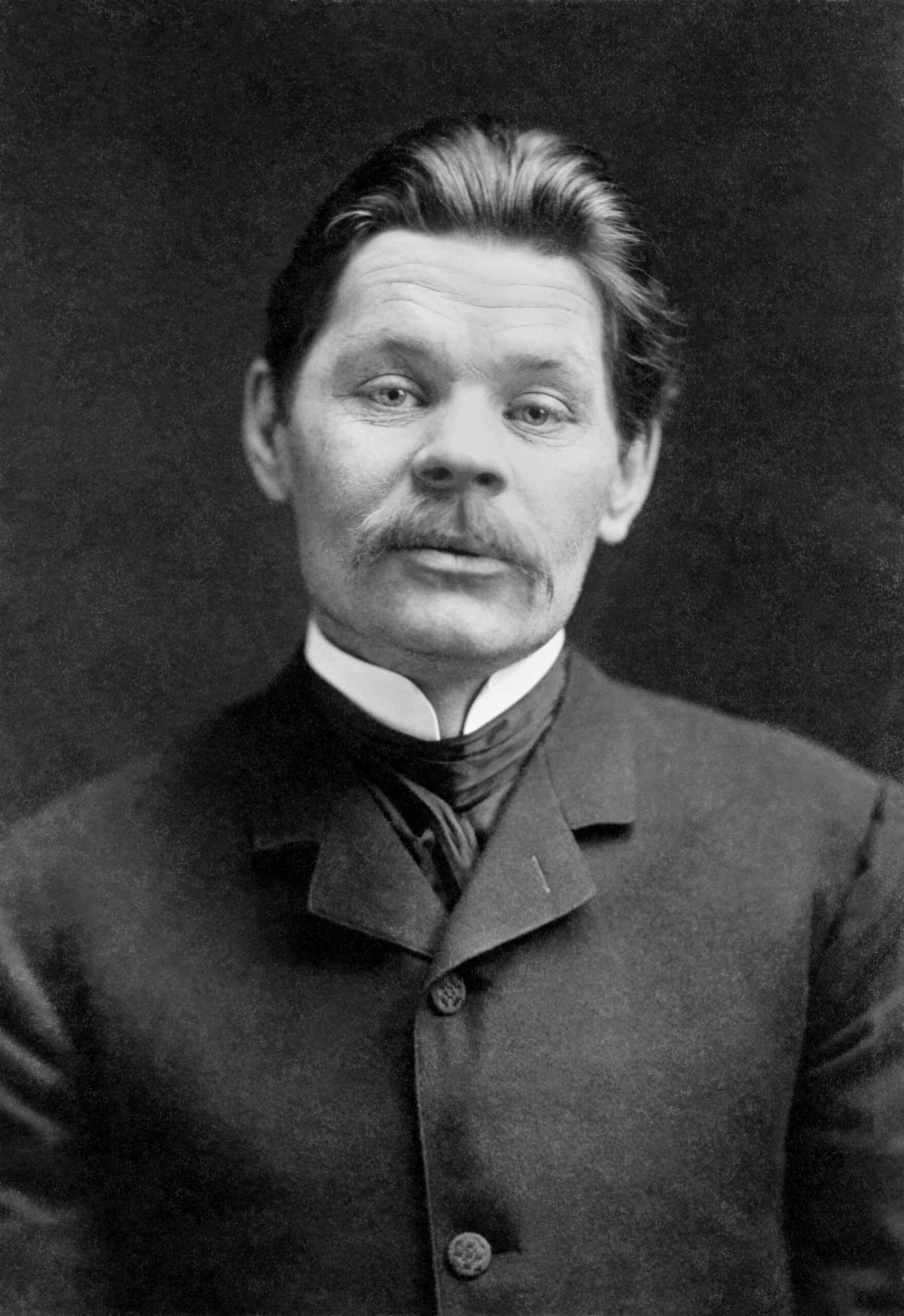
Gorky lost parents early, beaten by his grandfather and roaming as a tramp across Russia from age 12, surviving by wits amid starvation. Suicide attempt at 19 scarred him, yet he immersed in radical politics and poverty’s underbelly. Harsh winters and illnesses tested his endurance.
He rose to pen “The Lower Depths,” portraying society’s dregs with unflinching realism. As Socialist realism founder, his memoirs and novels inspired revolutions. Gorky’s lifeblood fueled works that championed the oppressed, enduring as Russian literary pillars.[1]
Conclusion: Resilience’s Lasting Echo
These figures stared into abysses, emerging with masterpieces that light our own dark corners. Their endurance whispers that hardship hones the sharpest pens. Literature thrives on such grit.
Honestly, it humbles me. What trials might your story hold? Share below.[7]
CEO-Co-Founder
