

- The Stories Behind 12 Iconic Movie Props You Never Knew Existed. - August 12, 2026
- 10 Concerts So Legendary, They Defined the Sound of a Generation. - August 12, 2026
- 10 Heavy Metal Rock Songs of The 70’s That Still Dominate Charts Today. - August 12, 2026
There’s something almost magical about opening a novel written centuries ago and finding yourself reflected back in its pages. The world has changed beyond recognition, yet the questions these books ask remain hauntingly familiar. Who holds power, and how do they abuse it? What do we owe each other? What price does the soul pay for transgression?
The themes and issues addressed in classic works are often universal and timeless. That is not a coincidence. It is a testament to the depth of storytelling at its best. No matter how much life has changed, certain things stay the same: people continue to suffer loss, hardship, self-doubt, and societal conflicts. In every era, literature is an attempt to make sense of a confusing world. So whether you are a seasoned reader or someone who hasn’t picked up a classic since high school, be surprised by what these novels still have to say. Let’s dive in.
Pride and Prejudice by Jane Austen: The Politics of Love and Society
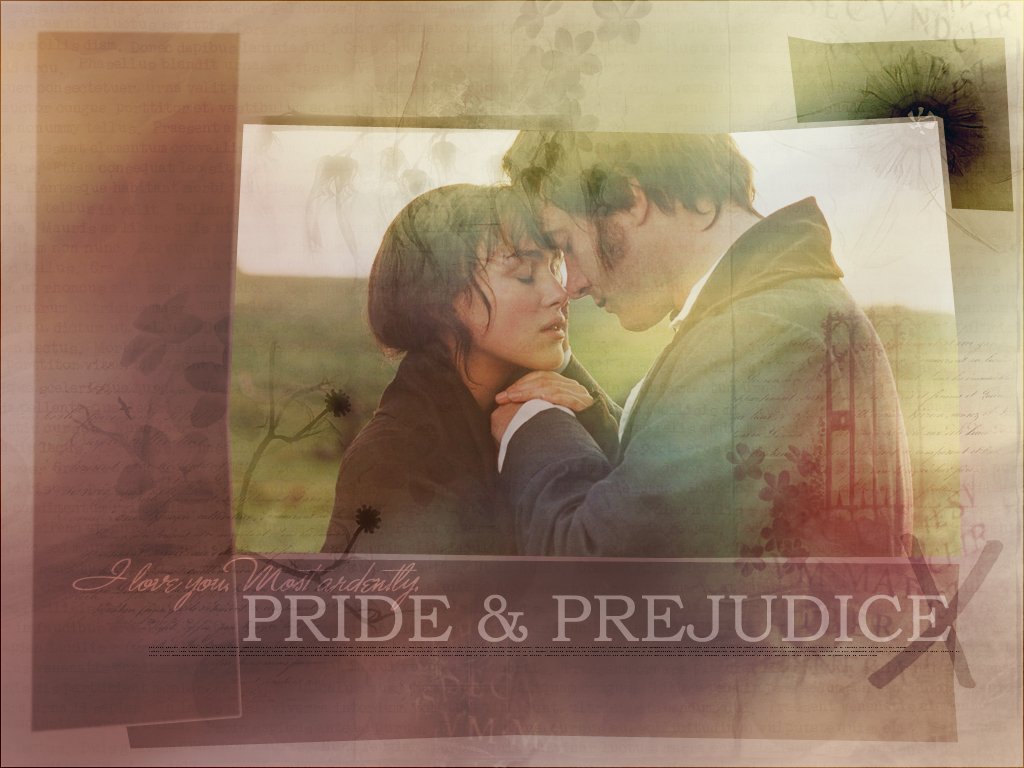
Honestly, it would be easy to dismiss Jane Austen’s most beloved novel as a charming romance from a simpler time. That would be a mistake. Beneath the genteel surface of Regency England, Pride and Prejudice unfolds a sharp, witty exploration of love, class, and character. Elizabeth Bennet, a spirited and intelligent young woman, clashes with the seemingly aloof Mr. Darcy in a tale where first impressions often deceive. As their interactions evolve from misunderstanding to mutual admiration, Austen masterfully critiques societal expectations, revealing the complexities of pride, prejudice, and personal growth.
What makes Austen’s novel feel almost startlingly modern is how its social commentary maps onto today’s world without losing a single step. From reflections on personal growth and mature love in Pride and Prejudice, classical literature offers a wide range of explorations of this feeling. Think about it: the pressure to marry for financial security, the way social class shapes opportunity, the snap judgments we make on social media before we even know someone. Austen was writing about all of this, just with better manners. Love, sorrow, hope, fear, ambition, and betrayal are as potent today as they were in Jane Austen’s England. That is why novels such as Pride and Prejudice remain popular.
1984 by George Orwell: A Warning We Keep Ignoring

Few books have been invoked more urgently in the twenty-first century than Orwell’s dystopian masterpiece. George Orwell’s 1984 presents a dystopian vision of a totalitarian state where surveillance, propaganda, and control dominate every aspect of life. It was published in 1949. It reads like tomorrow’s headlines.
By analyzing Orwell’s concepts of Big Brother, telescreens, Thought Police, and Newspeak, researchers have highlighted parallels with modern-day CCTV surveillance, mass data collection, social media monitoring, and AI-driven facial recognition. That is not a stretch. That is an almost literal description of the world in 2026. Orwell’s novel is a timeless warning, a cautionary tale about how easily freedom can erode when power becomes absolute. It shows how control over truth, language, and loyalty can turn citizens into tools of the state. The scariest thing about this novel is not its fiction. It’s how much of it has already come true.
Frankenstein by Mary Shelley: The Ethical Ghosts of Creation
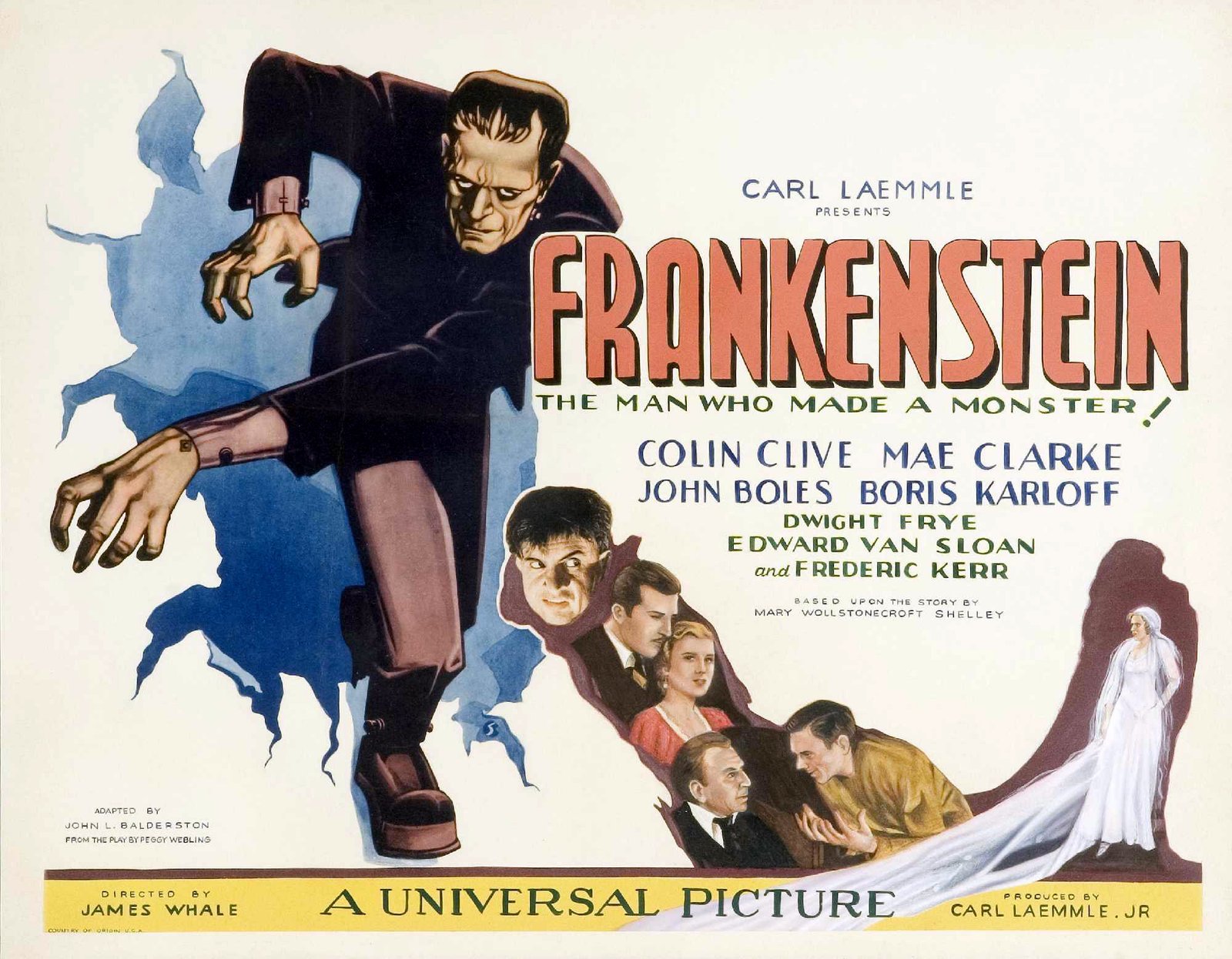
Written by a nineteen-year-old in 1818, Frankenstein remains one of the most philosophically charged novels ever produced. Victor Frankenstein’s reckless pursuit of knowledge leads to terrifying consequences. Obsessed with unlocking the secrets of life, the young scientist creates a living being from the dead, only to recoil in horror at his creation. It sounds like a horror story. It is actually a meditation on responsibility.
In a world where AI is accelerating faster than our ethical frameworks can keep up, this novel feels less like literature and more like prophecy. Orwell and Shelley both use their works as precautions to potential disasters in society. While Orwell warns humanity of the hazards of totalitarian rule, Shelley forewarns the danger of science becoming too powerful for mankind’s own good. Shelley’s tale reminds us that innovation without ethical responsibility will lead to negative consequences. While Shelley couldn’t have predicted the technologies we possess today, she understood that it could be a double-edged sword. Every conversation happening right now about gene editing, artificial intelligence, and synthetic biology is an echo of the question Shelley posed two hundred years ago.
Crime and Punishment by Fyodor Dostoevsky: The Mind as Its Own Courtroom

Here is the thing about Dostoevsky’s most celebrated novel: it is not really about a crime. Not at its core. The real focus of the novel is not on the crime and its punishment but on an in-depth exploration of the psychology of a criminal. The inner world of Raskolnikov, with all of its doubts, deliria, second-guessing, fear, and despair, is the heart of the story. The murder happens early. Everything afterward is the unraveling of a mind.
Dostoevsky’s writing style is marked by a unique blend of introspection and philosophical inquiry, which invites readers to ponder profound questions about morality, society, and the nature of existence. In an age where mental health conversations are finally becoming mainstream, his portrayal of psychological breakdown feels remarkably accurate. The existential dilemmas, the struggle for meaning, and the confrontation with the self that Dostoevsky so masterfully depicted in Crime and Punishment remain central to the human experience. His exploration of existential questions and the psychological depths of his characters have influenced the development of existentialism and modernism. Raskolnikov is not a villain in any comfortable sense. He is every person who has ever convinced themselves that the rules do not apply to them.
To Kill a Mockingbird by Harper Lee: A Mirror for Justice and Empathy
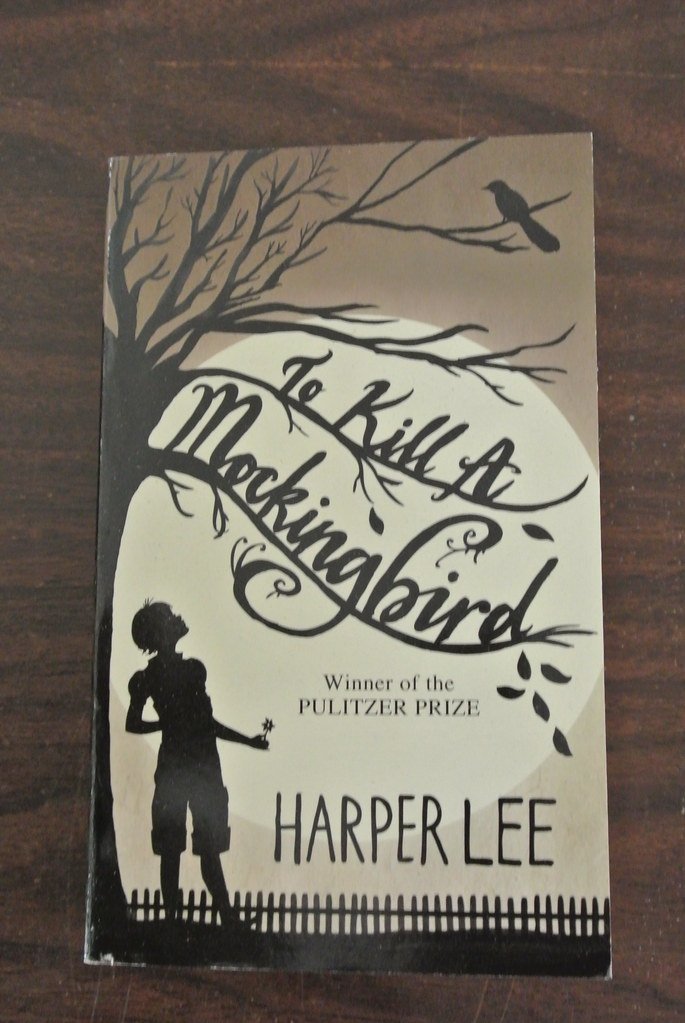
First published in 1960, To Kill a Mockingbird remains a powerful exploration of racial injustice in the American South. Through the eyes of young Scout Finch, Harper Lee addresses themes of morality, empathy, and systemic prejudice. It is a coming-of-age story, yes. It is also a courtroom drama, a study in moral courage, and a devastating portrait of how societies protect injustice behind veils of respectability.
The character of Atticus Finch stands as a literary symbol of integrity and justice, making this novel a cornerstone of American literature. What continues to strike readers across generations is how Lee frames injustice through the eyes of a child. There is something about that perspective that strips away all our sophisticated rationalizations. In Harper Lee’s To Kill a Mockingbird, readers develop a profound empathy for the young Scout as she navigates the complexities of racial injustice in the Deep South. By forming emotional bonds with these characters, readers are able to develop a greater understanding of the human condition and cultivate empathy, a crucial trait in our interconnected world.
The Great Gatsby by F. Scott Fitzgerald: Dreams, Illusions, and the Cost of Wanting More
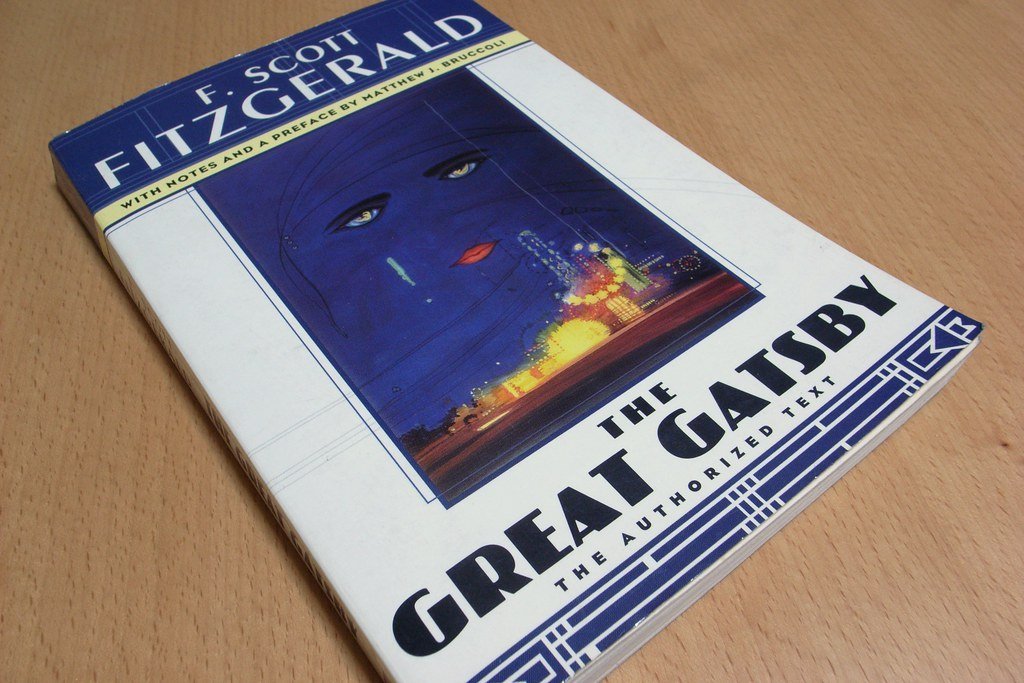
Let’s be real: the American Dream has never been as golden as it looks. Fitzgerald knew that in 1925, and his novel remains perhaps the most precise literary autopsy of the dream ever written. F. Scott Fitzgerald’s The Great Gatsby delves into the pursuit of the American Dream and the emptiness that can accompany material success. Although set in the 1920s, the themes of unfulfilled desires and the hollowness of wealth are still relevant in today’s society.
Think of Jay Gatsby as a metaphor. Not just for one man chasing one woman, but for every person who has built a self-image on wealth, status, and the belief that money can rewrite the past. Memorable characters such as Jay Gatsby from The Great Gatsby continue to make an impact, as they resonate with new readers and remain emblematic of the human experience. In a culture saturated with curated social media profiles, influencer personas, and get-rich-quick mythology, Gatsby’s green light feels less like a symbol from a literature class and more like a cautionary tale about the stories we tell ourselves. The parties are louder now. The emptiness is the same.
Frankenstein by Mary Shelley and the Question of Who Deserves Compassion
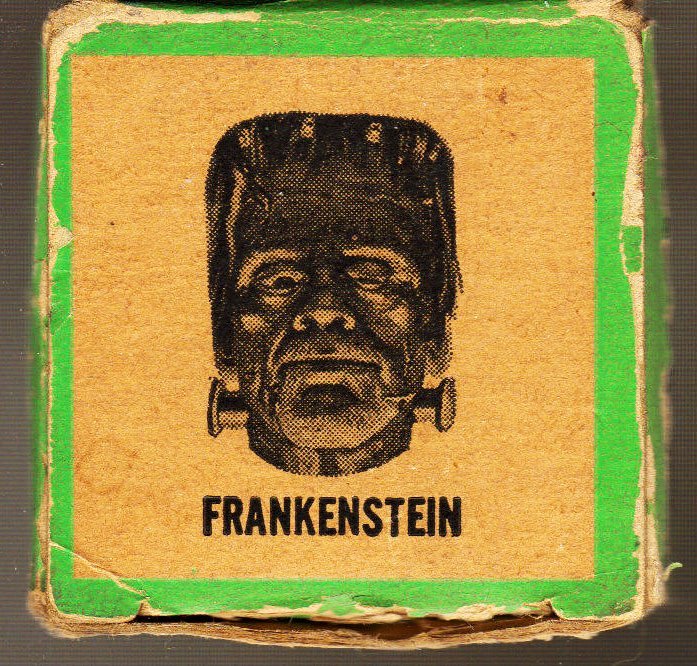
It is worth returning to Frankenstein from a different angle, because the creature at its center is one of the most misunderstood characters in all of literature. He is not a monster from the start. He is abandoned, isolated, and denied the compassion that every conscious being needs. The lack of social interactions alongside geographical isolation propelled the creature to be alienated from society, ultimately resulting in a lack of morals and an underdeveloped psyche. By being a culmination of his surroundings and experiences, it is revealed that the true monstrous entities are the factors that leave the creature predisposed to fail in modern society. Arguably, Victor created a being, while the circumstances that said being was placed in created a monster.
This resonates deeply today. Frankenstein teaches that one must take responsibility for one’s own creations or actions. We are building systems, from algorithms to AI to social platforms, that shape human behavior and then expressing surprise when things go wrong. Shelley was asking who bears responsibility for the consequences of creation. That question is more urgent today than it has ever been. It is hard to say for sure where the line between creator and monster lies, but Shelley insists we at least ask the question.
One Hundred Years of Solitude by Gabriel García Márquez: History as a Cycle We Cannot Escape

A masterpiece of magical realism, One Hundred Years of Solitude tells the multigenerational saga of the Buendía family in the mythical town of Macondo. Gabriel García Márquez masterfully blends reality with the fantastical, exploring themes of fate, love, solitude, and human nature. It is a novel of extraordinary beauty and, underneath that beauty, quiet horror.
This novel has influenced countless writers and remains one of the most celebrated books of the twentieth century. The cyclical nature of history, the consequences of political ambition, and the deep emotional landscapes of its characters create a richly layered narrative. What García Márquez captures with almost supernatural clarity is how societies repeat their mistakes across generations. Wars, power grabs, forgetfulness, the erasure of inconvenient truths. The novel grapples with the urgent issues of our time, from racial inequality to the fate of democracy, as well as the ever-evolving nature of the human experience. Every generation believes it is different. One Hundred Years of Solitude insists, gently but firmly, that it is not.
Mrs. Dalloway by Virginia Woolf: The Interior Life in a Fragmented World
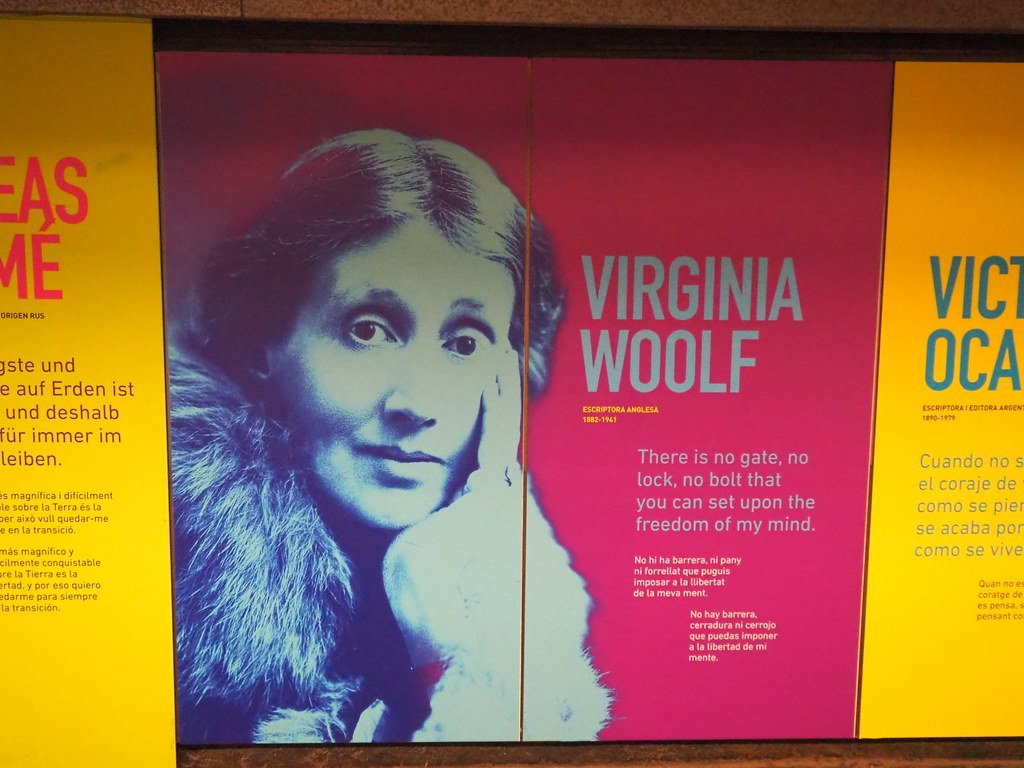
A defining work of literary modernism, Mrs. Dalloway follows Clarissa Dalloway over the course of a single day. With its stream-of-consciousness style, Woolf’s novel explores mental health, social structure, and the impact of World War I. Nearly a century after its publication, it remains a masterful study of interior life and temporal perception.
There is something almost radical about spending a whole novel inside someone’s head over the course of a single afternoon. Woolf treats the interior world as just as important, maybe more important, than what happens externally. Classic literature often dives deep into the human experience, offering unique perspectives on love, life, and the world. These works of art possess a timeless quality because they tap into the complexities and nuances of emotions and relationships. In a world where everyone is performing a version of themselves for an audience, Woolf’s insistence on the private, unspoken inner life feels quietly revolutionary. We still live in Clarissa Dalloway’s world, just with more notifications.
Les Misérables by Victor Hugo: Social Justice Has Always Been a Fight
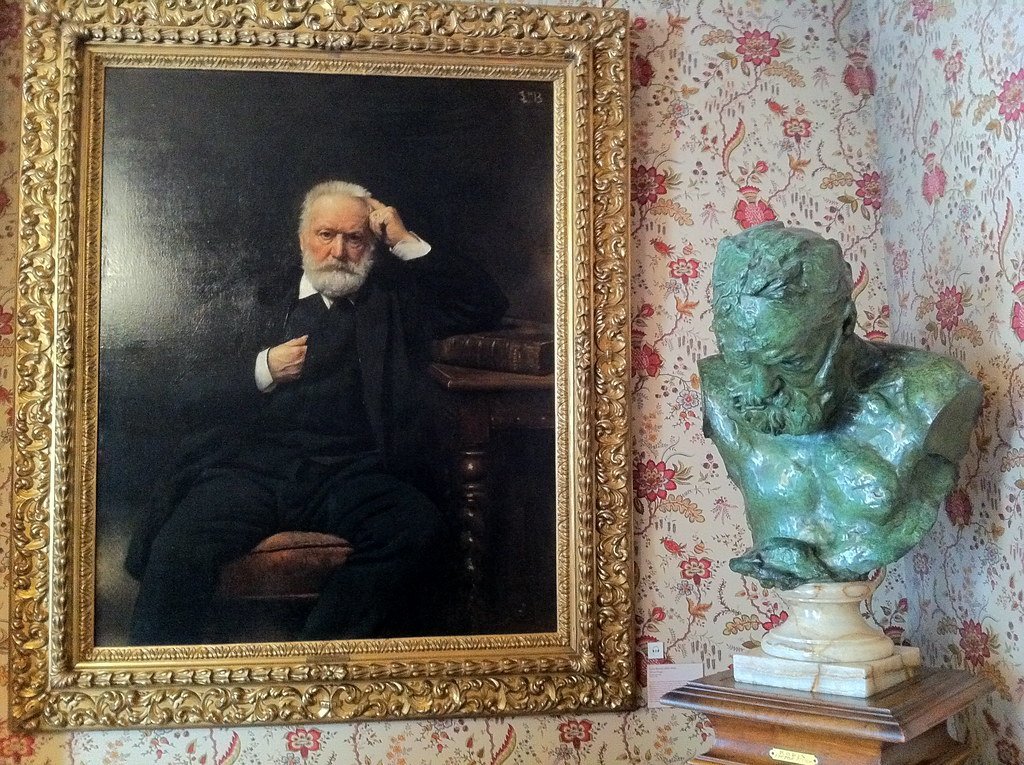
Few novels wear their moral ambitions as openly as Hugo’s sprawling masterpiece. Les Misérables explores social injustice and the humanity of those less fortunate. Jean Valjean’s story, hunted by the law for stealing bread to feed a starving child, is not just melodrama. It is a structural argument about poverty, punishment, and the cruelty of systems that punish desperation.
Classical authors addressed fundamental issues of the human condition, such as love, death, justice, power, identity, and freedom. These themes are still central to our existence today, and their treatment in classical works continues to offer food for thought for modern readers. Today, debates about mass incarceration, the criminalization of poverty, and systemic inequality are front and center in public discourse. Hugo was having this conversation in 1862. The specific language has changed. The moral stakes have not. The timeless themes of the classics guide modern readers with morality stories and serve as a reminder that humans are not alone in their struggles.
Conclusion: The Books That Know Us Better Than We Know Ourselves

Reading the classics today is not just about returning to the past, but discovering how these works can still speak to the heart of our modern challenges and aspirations. That is the quiet miracle of great literature. It does not age the way trends age. It ages the way wisdom ages, slowly, gracefully, always revealing something new depending on who is holding it.
Classic literature often dives deep into the human experience, offering unique perspectives on love, life, and the world. These works of art possess a timeless quality because they tap into the complexities and nuances of emotions and relationships. Surveillance, injustice, the ethics of creation, the hollow chase of status, the weight of guilt. Every novel covered here addresses something we are still wrestling with in 2026.
Classics are important because they serve as a reminder of what it is to be human. They pose timeless questions like: How should we live? What are our mutual obligations? These are not small questions. They are the only questions that really matter. The writers who asked them first may be long gone, but their words are still in the room with us. The stories are not over. They are still being lived.
What book from this list changed the way you saw the world? Tell us in the comments.
CEO-Co-Founder
