

- The Stories Behind 12 Iconic Movie Props You Never Knew Existed. - August 12, 2026
- 10 Concerts So Legendary, They Defined the Sound of a Generation. - August 12, 2026
- 10 Heavy Metal Rock Songs of The 70’s That Still Dominate Charts Today. - August 12, 2026
Cities pulse with life, their skylines a testament to human ambition. Yet few forces transform urban landscapes as profoundly as visionary architecture. These designs don’t merely stand; they redefine how millions move, gather, and dream amid steel and glass.
One groundbreaking structure can spark economic booms, cultural shifts, or even social revolutions. The architects behind them blend audacity with precision, turning chaotic metropolises into harmonious icons. Ready to explore these trailblazers? Let’s uncover their stories.
Le Corbusier
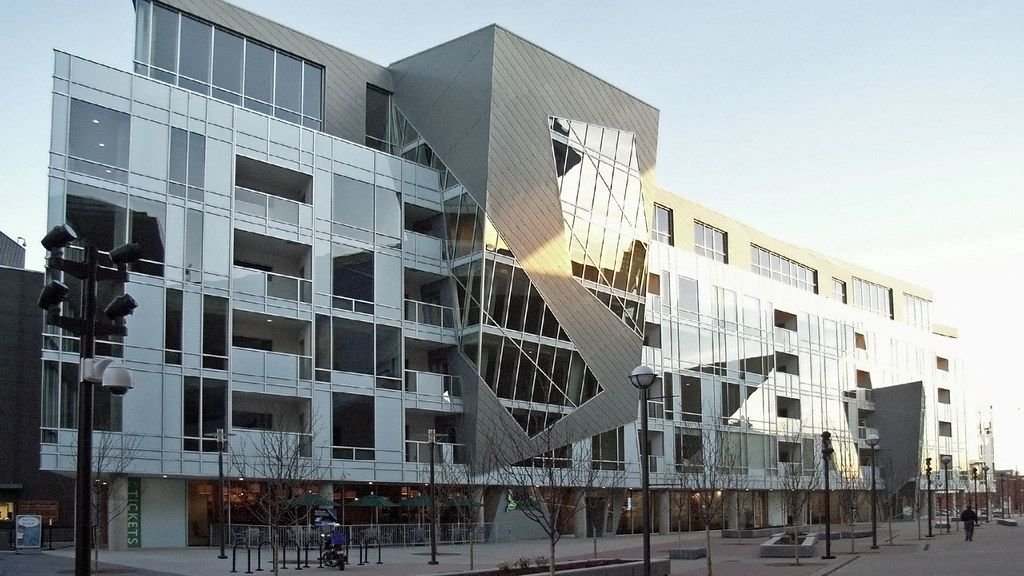
Le Corbusier championed modernism as a “machine for living,” insisting buildings should serve people with ruthless efficiency. He rejected ornate facades for clean lines, elevated structures on pilotis to free the ground for gardens, and zoned cities into functional layers. This philosophy stemmed from his belief that architecture could heal post-war chaos, promoting light, air, and order in dense urban cores. Honestly, his ideas feel like a radical detox for overcrowded streets.
His masterplan for Chandigarh, India’s new capital, sprawled with monumental government buildings and gridded neighborhoods that influenced global planning. The Unité d’Habitation in Marseille stacked apartments like a vertical village, complete with shops and rooftop gyms, proving high-rises could foster community. These projects etched modernist principles into city fabrics worldwide, from Brasília’s curves to countless housing blocks. Their scale still dwarfs passersby, demanding attention.
Ludwig Mies van der Rohe
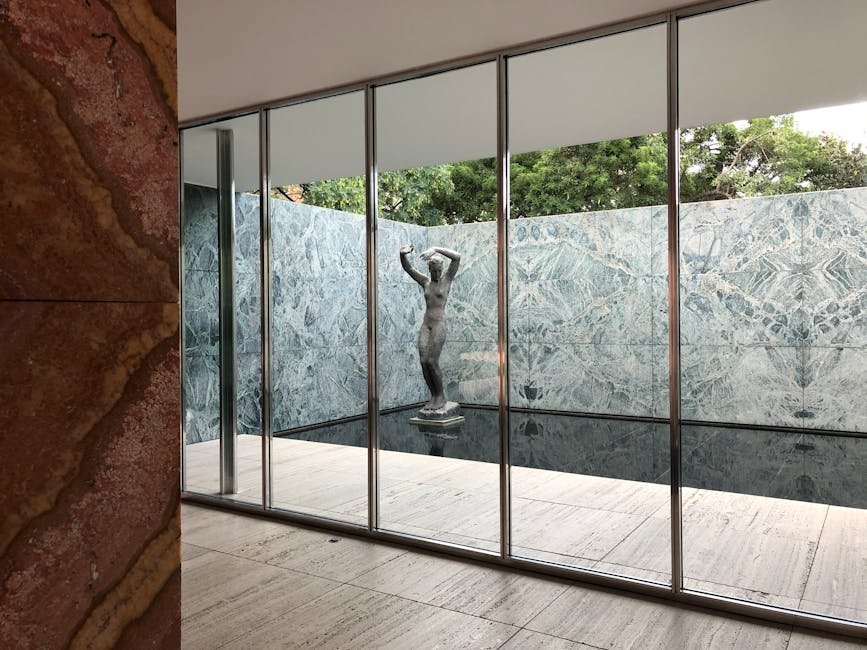
Mies van der Rohe distilled architecture to its essence with “less is more,” embracing steel frames and glass walls for transparent, universal spaces. He saw buildings as frameworks where structure and skin merged seamlessly, free from superfluous decoration. This minimalist ethos prioritized open plans and industrial materials, reflecting a faith in technology to elevate everyday life. It’s stark, almost monastic, yet profoundly liberating.
The Seagram Building in New York set the gold standard for corporate towers, its bronze sheath and plaza creating a dignified urban pause amid Midtown frenzy. His Neue Nationalgalerie in Berlin floated a glass pavilion on a pedestal, blending art with public realm. These icons reshaped skylines, inspiring sleek high-rises from Chicago to Dubai. Mies’s influence lingers in every glassy facade catching the sun.
I. M. Pei
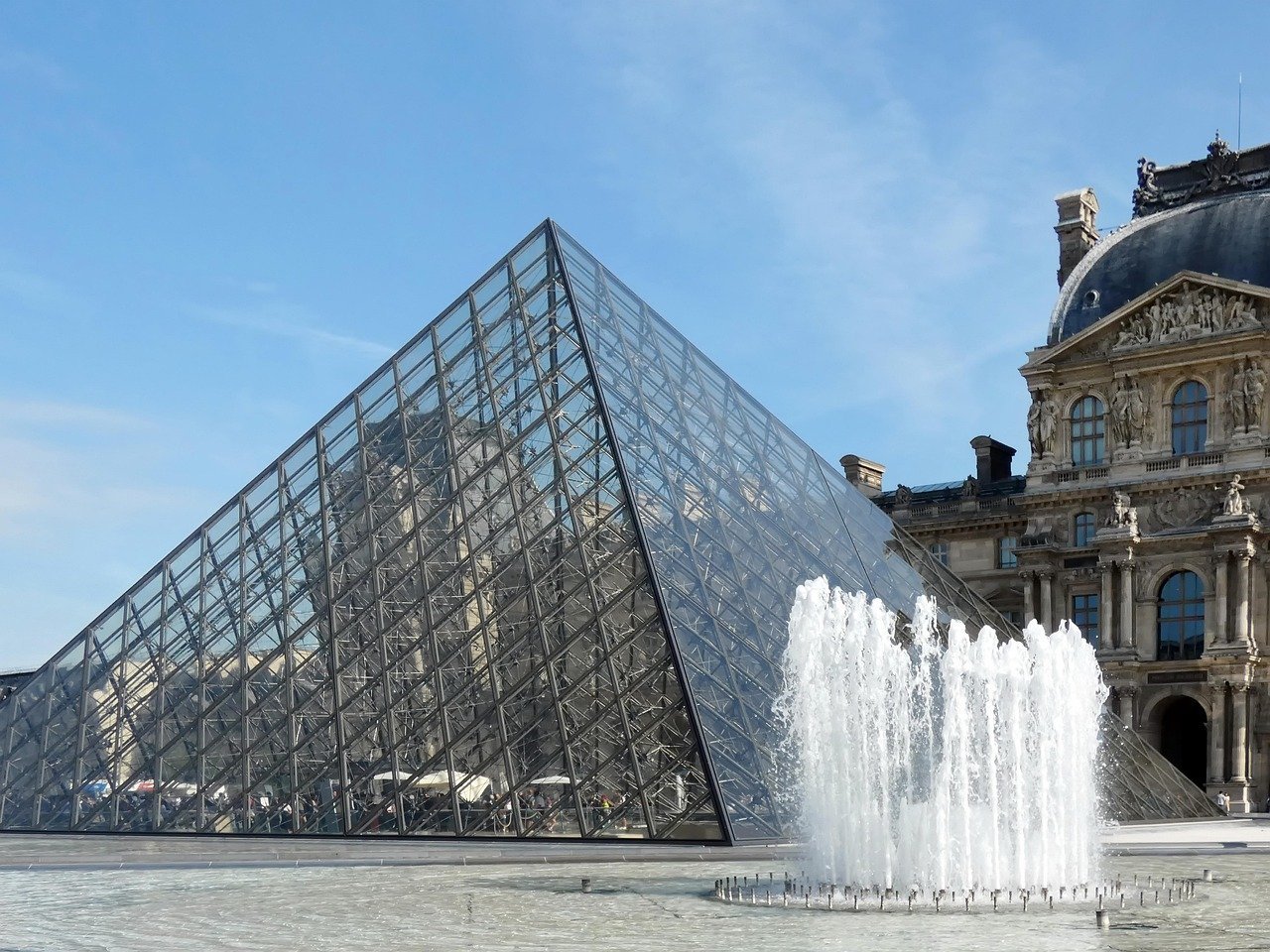
I. M. Pei fused modernism with cultural sensitivity, wielding geometry like a scalpel to honor context while pushing boundaries. He favored crisp forms – triangles, pyramids, prisms – that evoked timelessness amid rapid urbanization. Pei’s philosophy balanced innovation with respect for heritage, ensuring new structures dialogued with their surroundings. Think of it as architecture whispering secrets across eras.
The Louvre Pyramid in Paris thrust a glass spike into historic courtyards, tripling visitor space without overwhelming the palace. His Bank of China Tower in Hong Kong sliced the sky with bamboo-inspired edges, symbolizing growth in a financial hub. The Rock and Roll Hall of Fame in Cleveland cantilevered over Lake Erie, energizing a rusty industrial waterfront. Pei’s works turned museums and towers into urban beacons, blending old worlds with new.
Frank Gehry
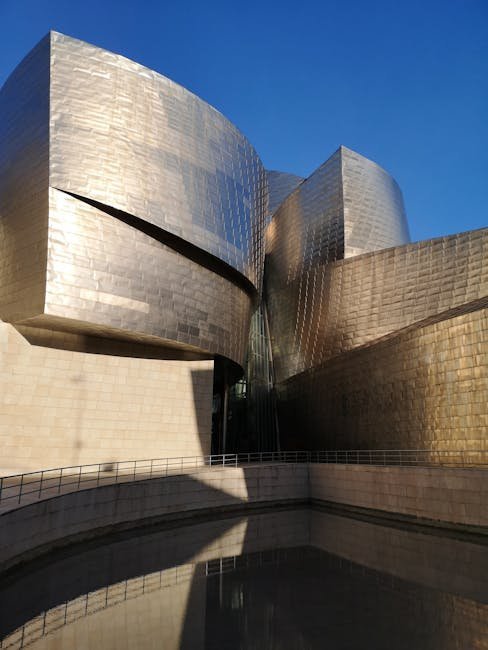
Frank Gehry shattered conventions with sculptural chaos, using software to twist metal into fluid, deconstructed forms. His philosophy treated buildings as art installations, defying gravity and symmetry for emotional impact. Gehry believed architecture should surprise and delight, injecting whimsy into rigid city grids. It’s like handing a kid a wrecking ball and calling it creativity – pure, unfiltered joy.
The Guggenheim Museum in Bilbao revived a fading port city, its titanium sails drawing millions and birthing the “Bilbao effect” for cultural regeneration. Walt Disney Concert Hall in Los Angeles shimmered with curved steel, acoustically flawless inside. These landmarks cluster-dropped into skylines, sparking tourism and debate. Gehry’s wild shapes now define how cities chase iconic status.
Zaha Hadid
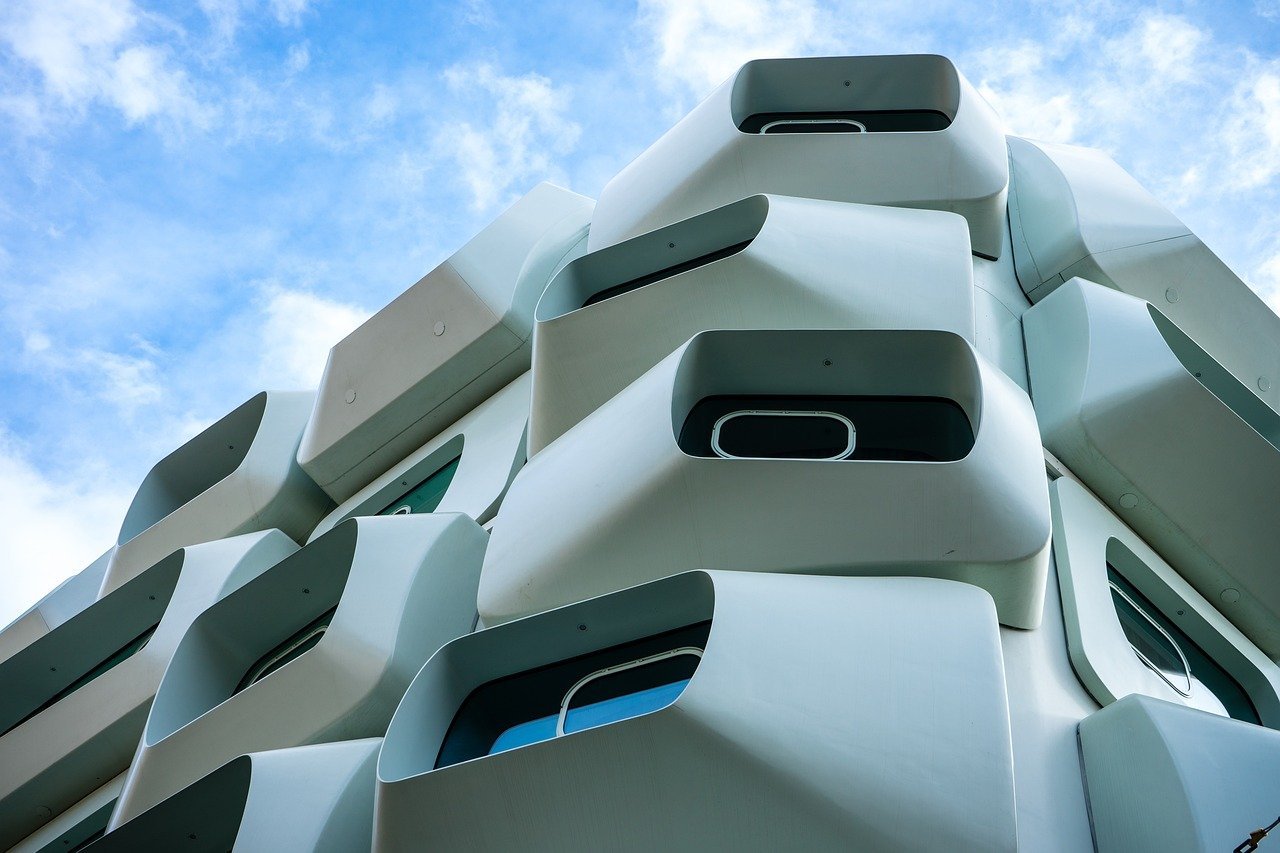
Zaha Hadid pioneered parametric design, where curves flow like frozen motion, erasing corners for seamless continuity. Her philosophy drew from futurism and Suprematism, envisioning architecture as dynamic landscapes rather than static boxes. Hadid rejected right angles, favoring algorithms to sculpt responsive forms that adapt to human flow. Her visions feel alive, almost breathing with the city’s rhythm.
The Heydar Aliyev Center in Baku swept across its site like a white wave, hosting arts under undulating roofs. Beijing’s Galaxy Soho looped offices into porous clusters, reimagining commercial density. Her London Aquatics Centre arched for the Olympics, fluid yet functional. These projects liquefied urban rigidity, influencing a generation of blob-like megastructures worldwide.
Norman Foster
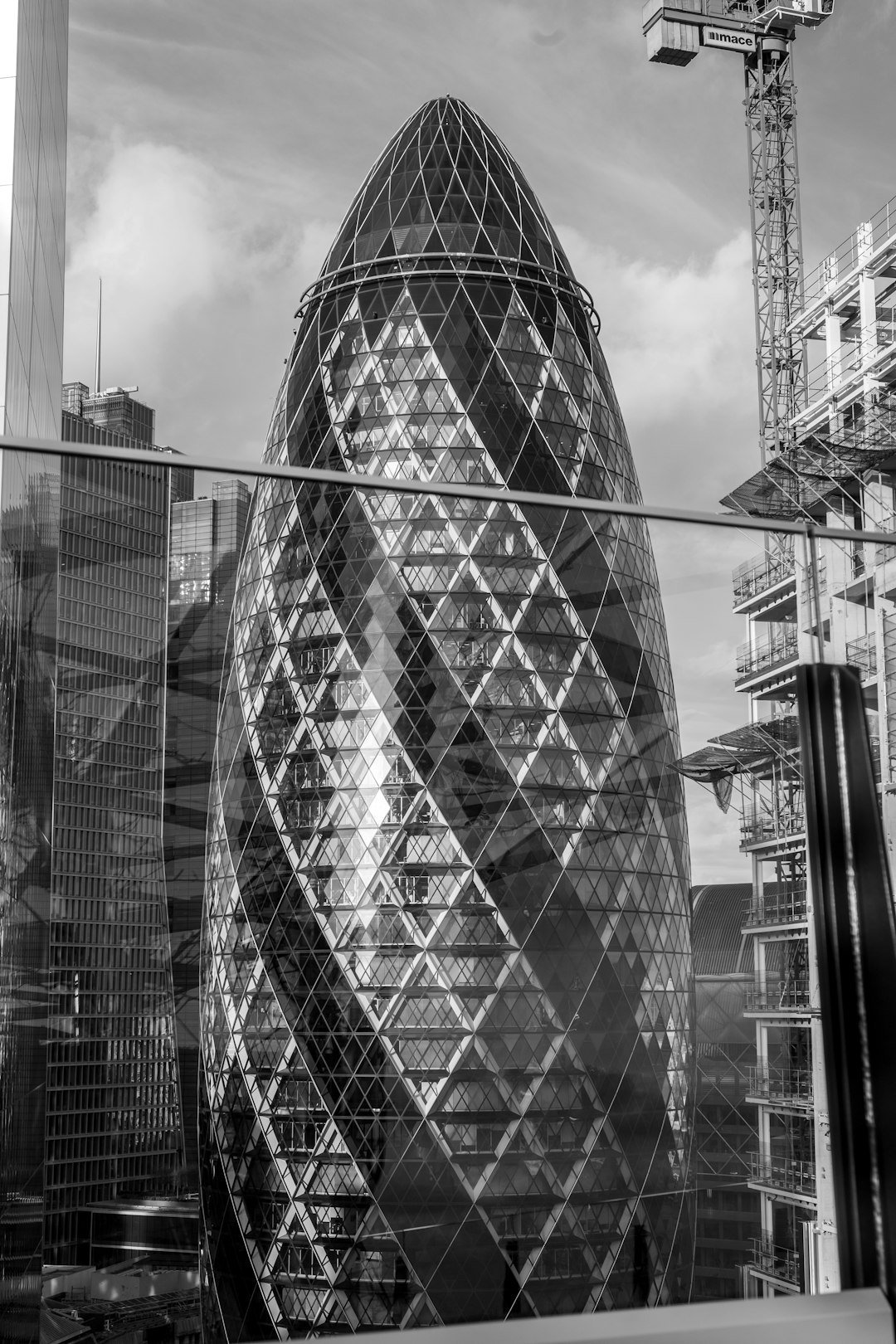
Norman Foster engineered high-tech humanism, wrapping advanced systems in elegant skins for sustainable urban living. His philosophy integrated structure, environment, and user needs, often with atriums flooding light into deep plans. Foster saw cities as ecosystems, demanding energy-efficient icons that evolve with climate challenges. Practical yet poetic – architecture as smart infrastructure.
The Gherkin in London pierced the skyline with a spiraling glass bulb, cutting wind and boosting natural ventilation. Hearst Tower in New York triangulated its facade for daylight and rainwater harvest. Apple’s Cupertino headquarters ringed a vast park under glass, redefining campus-city hybrids. Foster’s towers foster work-life harmony, greening concrete jungles one innovation at a time.
Renzo Piano
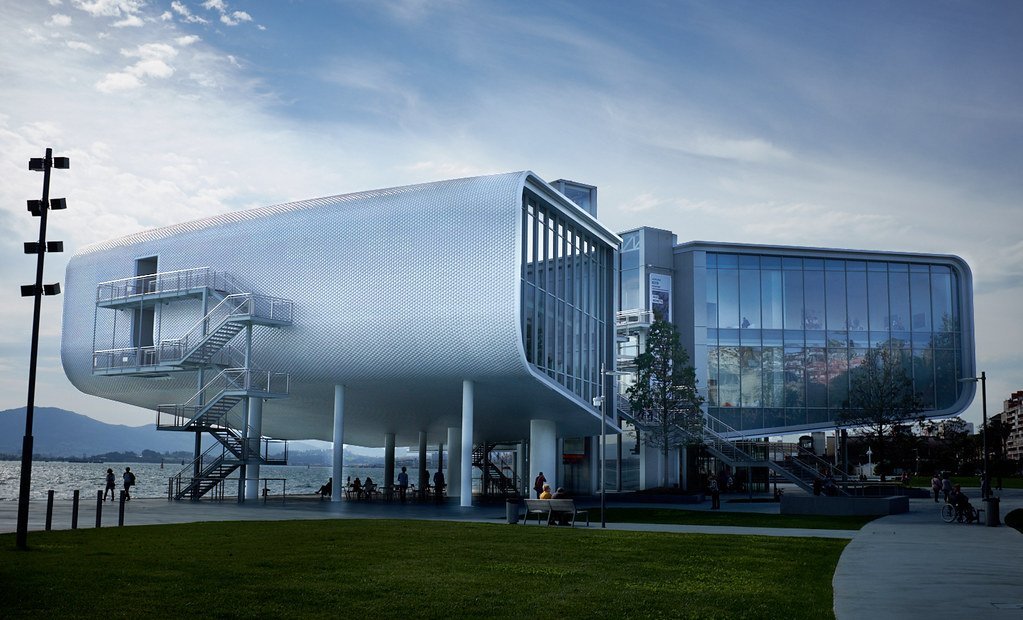
Renzo Piano blended engineering poetry with civic generosity, prioritizing public space within high-tech shells. His philosophy emphasized lightness and transparency, using materials like steel cables to dematerialize mass. Piano viewed buildings as stages for social interaction, bridging technology and humanity. It’s understated genius, letting the city shine through.
The Pompidou Centre in Paris exposed guts on the outside, liberating galleries inside and flipping urban norms. The Shard in London speared south bank views, mixing offices, homes, and a vertigo-inducing lounge. Kansai Airport floated on artificial islands off Osaka, a beached whale serving millions. Piano’s hybrids knit culture into commercial cores, vitalizing neglected zones.
Santiago Calatrava
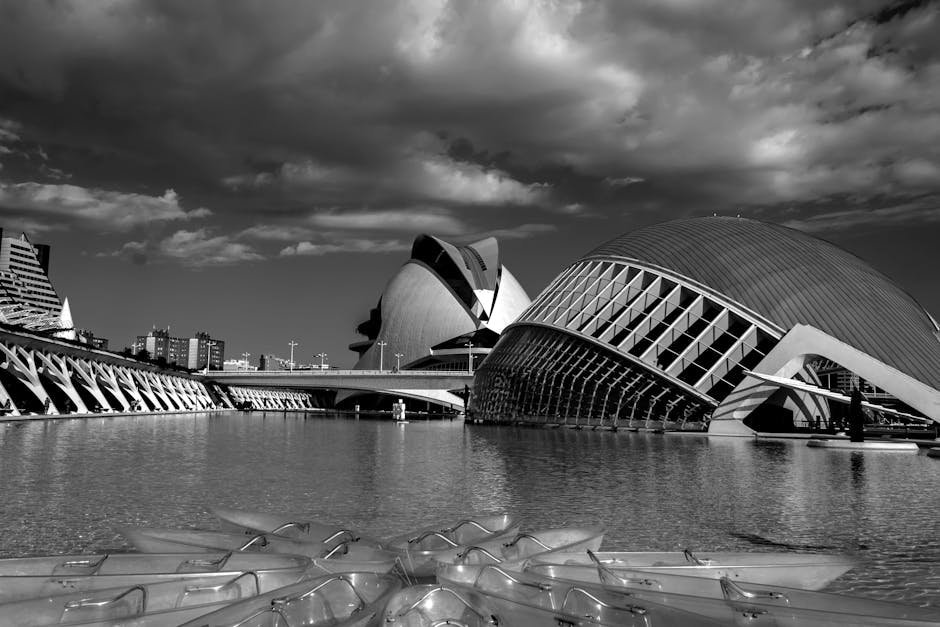
Santiago Calatrava merged sculpture and structure, animating buildings with organic, bone-like forms inspired by biology. His philosophy treated architecture as kinetic poetry, where movement and light evoke emotion. Calatrava engineered spectacles that respond to wind or sun, turning infrastructure into landmarks. Bold, almost mythical – cities as living organisms.
Turning Torso in Malmö twisted a residential spine skyward, pioneering supertall homes in Europe. The Oculus at New York’s World Trade Center ribbed like a dove’s skeleton, healing post-9/11 wounds with transit grandeur. Lisbon’s Oriente Station billowed into a steel forest, easing commuter flows. His bridges and hubs pulse with drama, elevating the mundane to monumental.
Rem Koolhaas
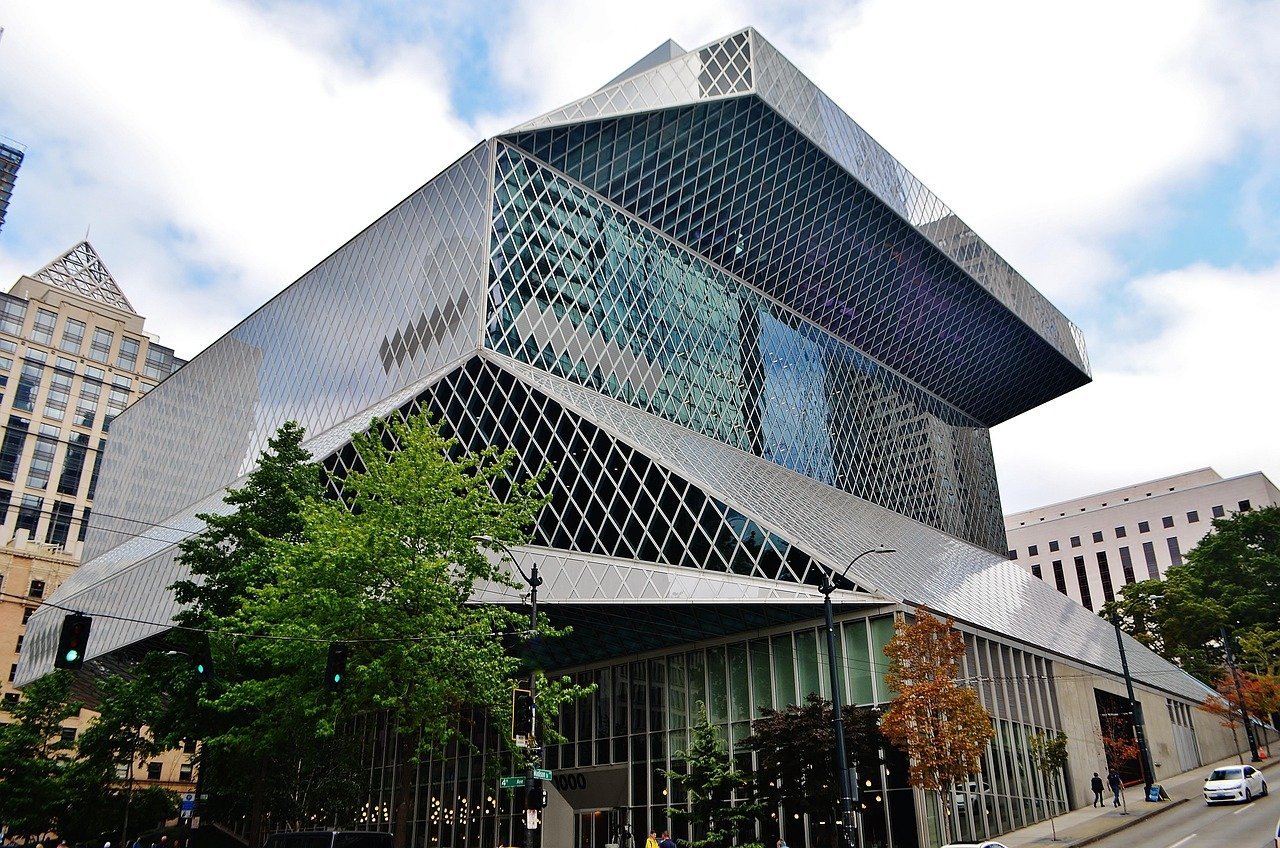
Rem Koolhaas dissected urban frenzy with provocative theory, designing for density and contradiction rather than purity. His philosophy, outlined in “Delirious New York,” celebrated the chaotic energy of megacities, looping programs into labyrinths. Koolhaas provoked with scale and hybridity, challenging norms of comfort. Disruptive, intellectual – architecture as urban manifesto.
CCTV Headquarters in Beijing looped horizontally, defying gravity with a daring cantilever over chaotic streets. Seattle Central Library stacked diamonds into a public jewel, mixing media with lounges. Qatar National Library buried books under a glowing sphere. Koolhaas’s enigmas force cities to confront their sprawl, birthing conversation pieces that redefine public architecture.
Daniel Libeskind
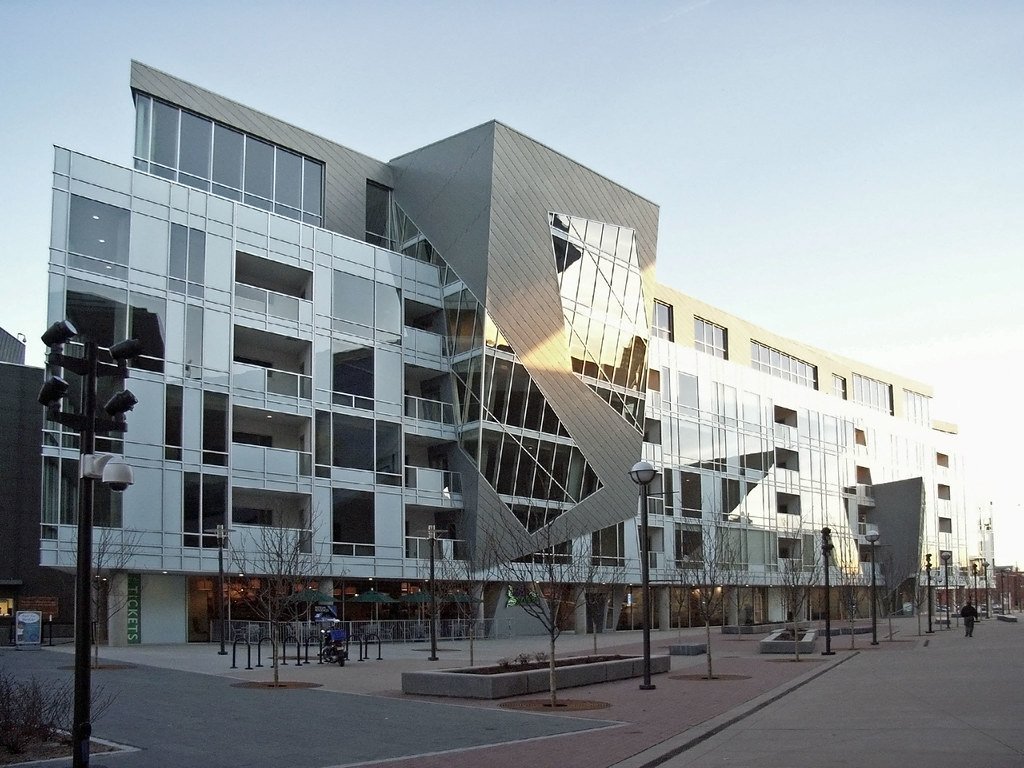
Daniel Libeskind wove memory and jagged geometry into deconstructed forms, confronting history’s scars head-on. His philosophy pierced facades with symbolic voids, using angles to evoke tension and resilience. Libeskind saw architecture as narrative therapy for fractured urban psyches. Raw, emotional – buildings that wound and heal simultaneously.
The Jewish Museum in Berlin zigzagged with zinc gashes, empty spaces echoing absence amid exhibits. His masterplan for Ground Zero in New York spiraled towers around a memorial pit, reclaiming tragedy. The Royal Ontario Museum in Toronto crystalized its facade into a cultural shard. Libeskind’s interventions scar skylines purposefully, reminding cities of their layered souls.
The Enduring Echoes of Visionary Architecture
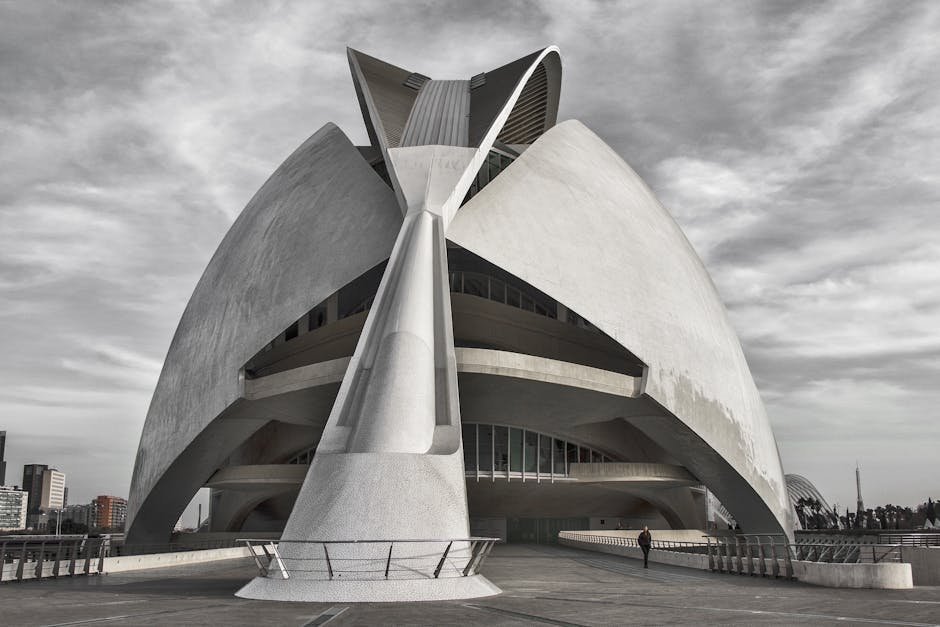
These architects didn’t just build; they scripted urban destinies, proving one bold stroke can ripple for generations. Their legacies crowd horizons today, from fluid towers to introspective plazas, challenging us to demand more from our surroundings. In 2026’s megacity rush, their influence urges sustainability and soul amid the steel.
Modern cityscapes owe them their magnetism, blending function with fantasy. What hidden gem in your skyline carries their spark? Spot it next time you look up.
CEO-Co-Founder
