

- The Stories Behind 12 Iconic Movie Props You Never Knew Existed. - August 12, 2026
- 10 Concerts So Legendary, They Defined the Sound of a Generation. - August 12, 2026
- 10 Heavy Metal Rock Songs of The 70’s That Still Dominate Charts Today. - August 12, 2026
Music has always been alive. But at some point in human history, it was also dangerously temporary. You had to be in the room to hear it. You had to be standing right there, or the moment was simply gone forever. That fragility is hard to imagine in 2026, when a tap on a glass screen unlocks virtually every song ever recorded.
The way we consume music has evolved dramatically over the past century, driven by technological innovation, social trends, and shifting industry models. Every decade has brought something jaw-dropping. Something that made the previous generation say “that will never catch on” and the next generation say “how did anyone live without it?” From spinning cylinders to artificial intelligence curating your morning mood, the ride has been genuinely astonishing. Let’s dive in.
1. The Phonograph: The Moment Sound Became Immortal
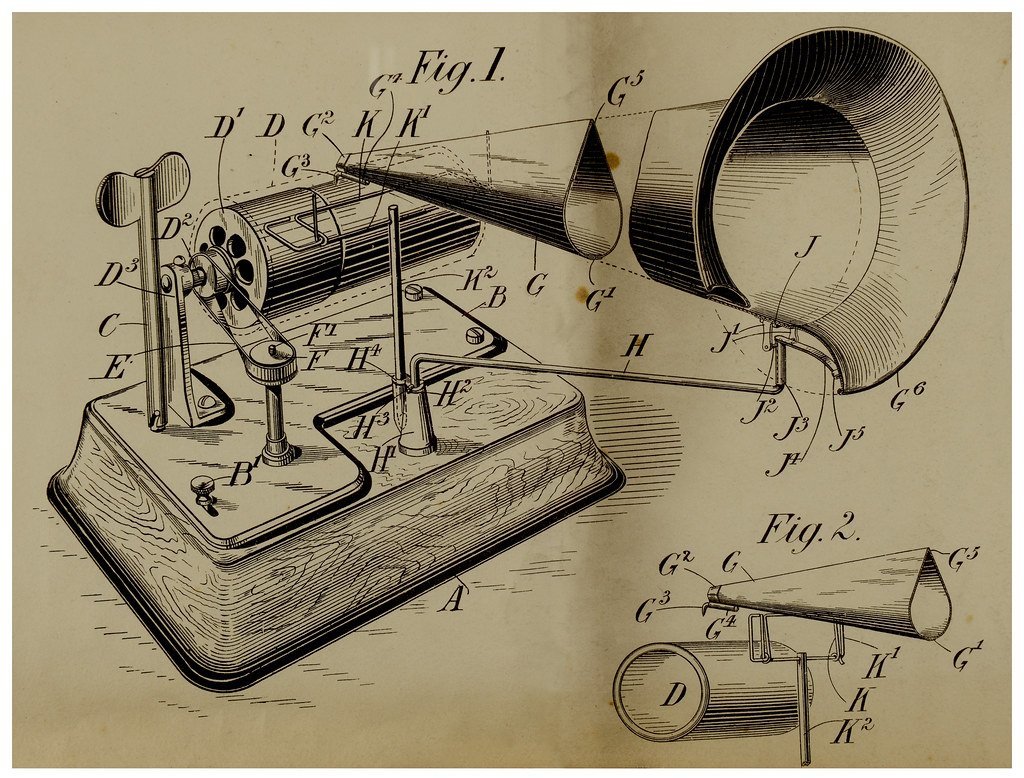
Here’s a fact that still blows my mind. Before the late 19th century, music was an event. You had to be there. It happened in a room, with people, and when it was over, it was gone. A performance was a moment in time. That reality ended in 1877 and nothing was ever the same again.
Invented by Thomas Edison in 1877, the phonograph was the first device capable of recording and playing back sound. This invention paved the way for the modern music industry by making it possible to capture performances and distribute music to listeners. Remarkably, Edison thought it would be useful for taking dictation or recording last words, not for unleashing a global music revolution.
Phonograph recordings were placed on city sidewalks in a pay-to-listen fashion. People could stop and listen to audio, including music, jokes, and monologues at their leisure. Think of it as the first jukebox. With the ability to record sound, artists could now reach audiences far beyond the concert hall, leading to the rise of record labels and commercial music distribution.
2. The Gramophone and Disc Records: Mass Production Meets Music
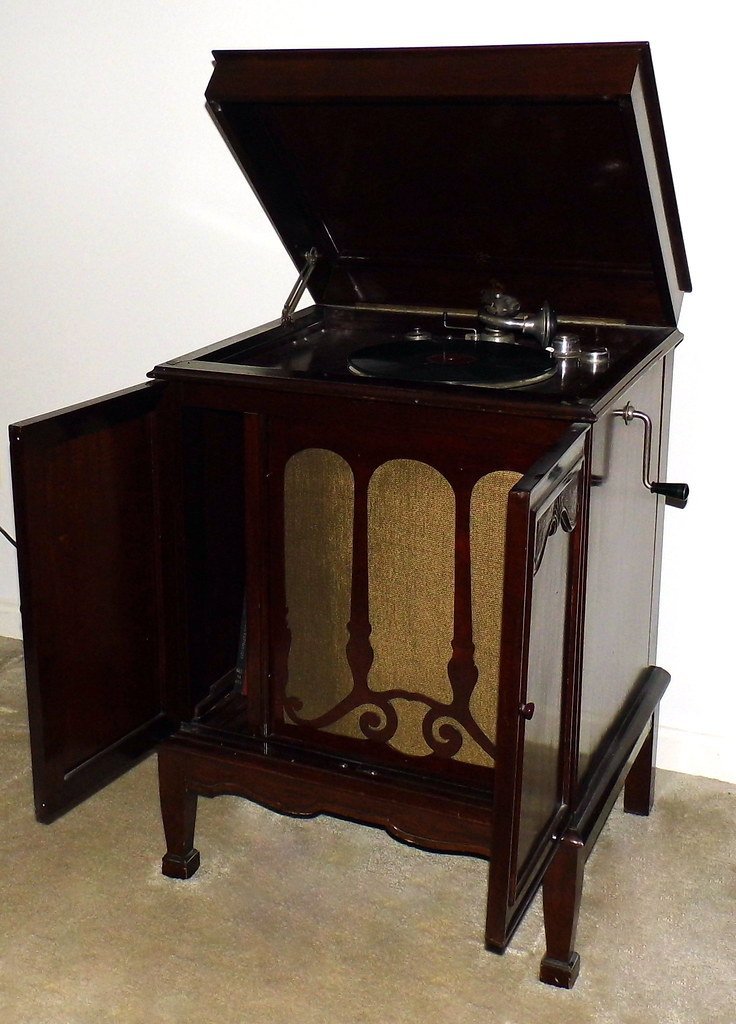
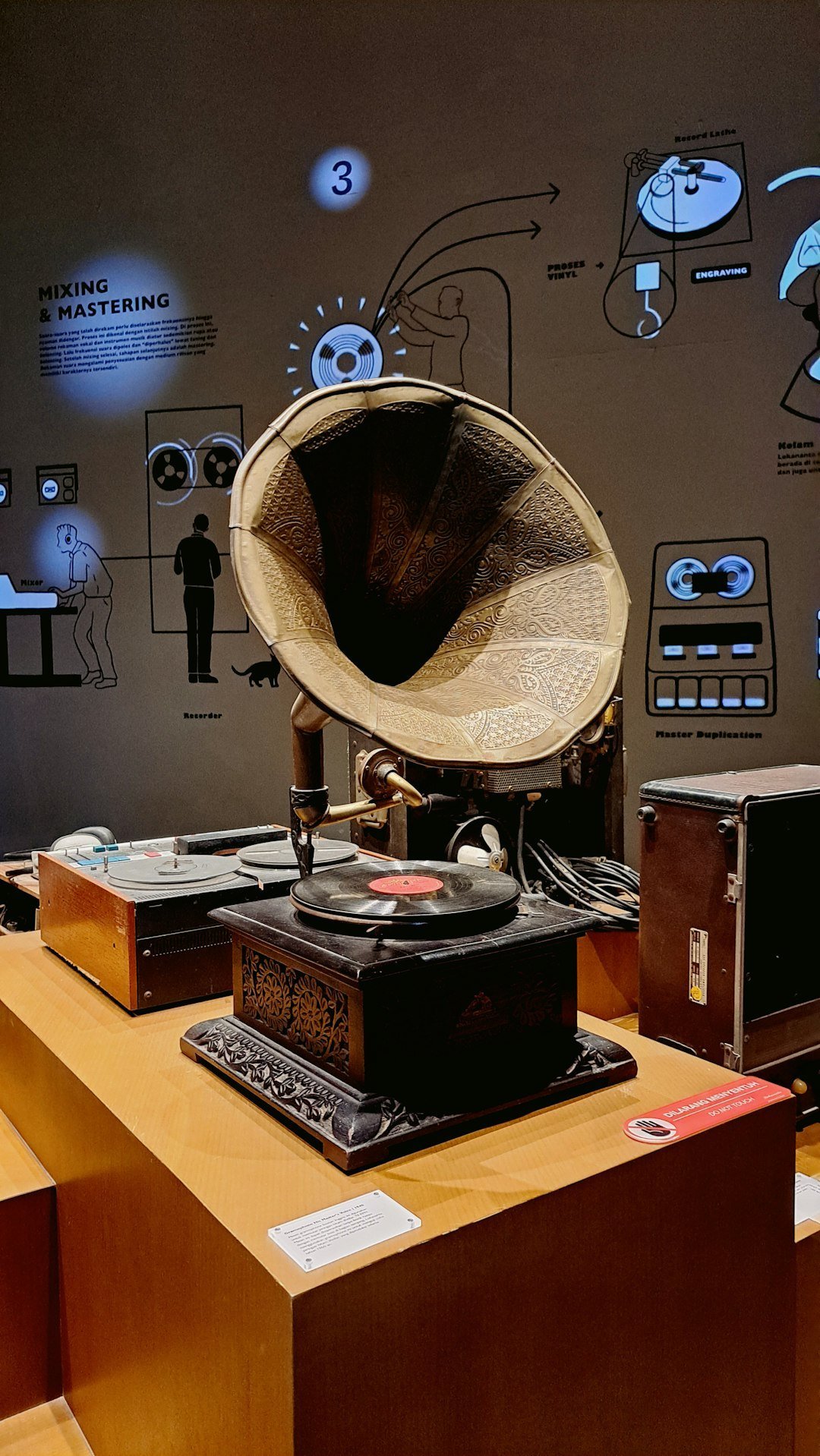
One significant invention that followed the phonograph was the gramophone, developed by Emile Berliner in the late 19th century. The gramophone utilized a flat disc instead of a cylinder, allowing for easier mass production and distribution of recorded music. This innovation played a big role in popularizing recorded music and contributed to the music industry’s growth.
Early gramophones boasted an amplification horn and played rubber discs. In 1906, Johnson’s Victor Talking Machine Company introduced the sleek Victrola, a machine in your home that played back discs that were now made of shellac, which contained about four and a half minutes playing time per side. Victrolas looked like a luxe piece of furniture with cabinet space to store these discs. For the first time, having a music “collection” in your living room was a real thing. People weren’t just listening; they were curating.
3. Radio Broadcasting: Music Enters the Home for Free
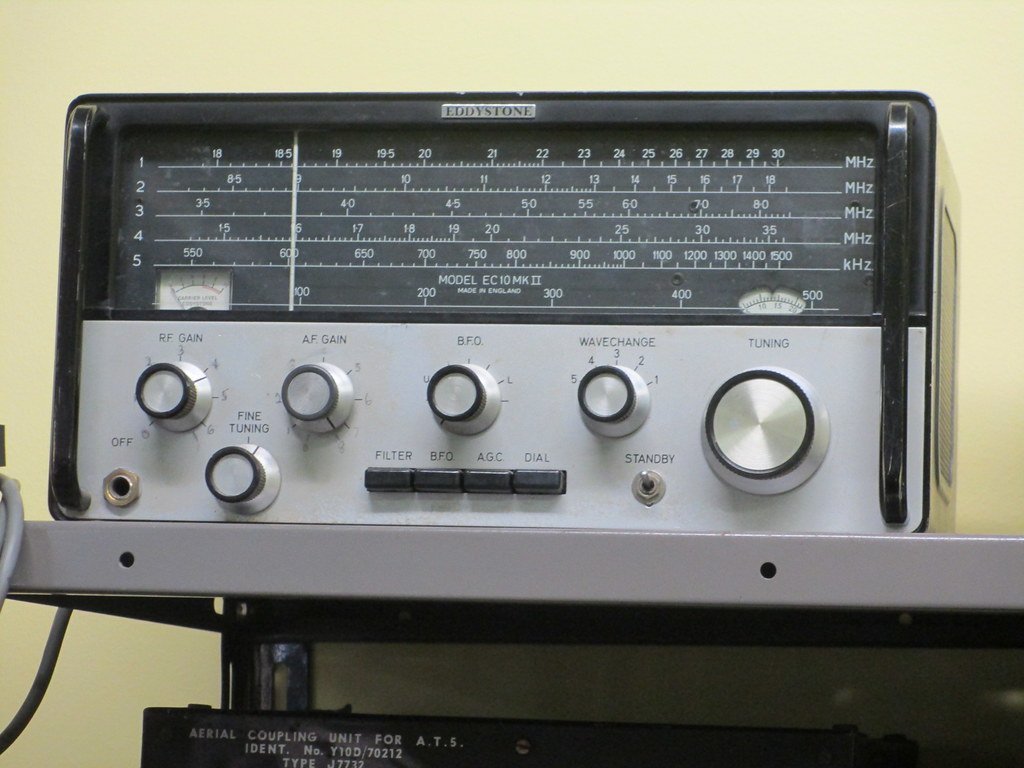
After nearly thirty years of experimentation in wireless telegraphy, the identification of radio waves in 1886 by Heinrich Hertz, and developments in valve technology, radio broadcasting finally became viable in 1920. This was a staggering shift. Suddenly, music wasn’t something you owned or paid to experience on a sidewalk. It was just there, floating through the air into your home.
By 1925, the American public had a variety of new technologies to entertain them, including 78 rpm records and amplified radio sets where they could listen as a group rather than individually under crystal-set headphones. The new technologies had brought the actual performances of bands and orchestras into the household. Radio democratized music listening in a way nothing else had. Listening to the radio on the move became possible after the invention of the transistor in 1947, and the transistor radio was at its most popular in the 1960s and 1970s.
4. Magnetic Tape Recording: The Birth of the Studio Era
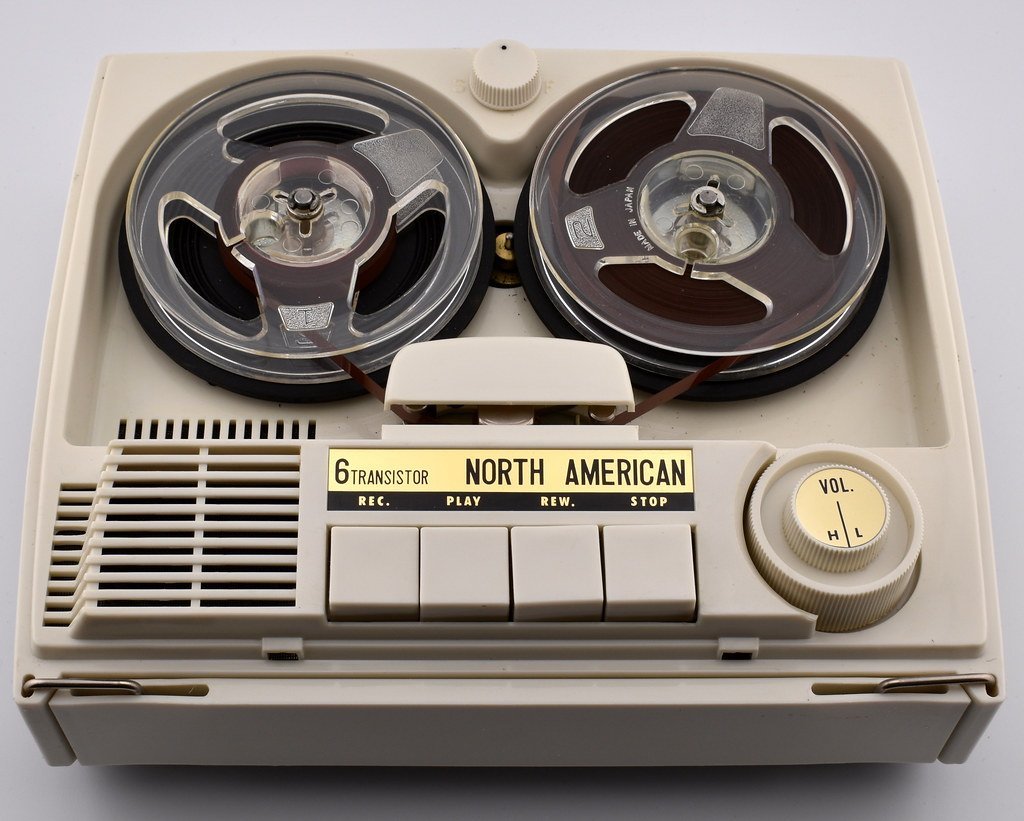
The 1940s saw a big change in the music industry with the introduction of the reel-to-reel tape recorder. This technology, using magnetic tape to record audio, offered better sound quality and made editing and playing back easier. It swiftly became the norm for professional recording studios. This was the moment where music could be shaped, tweaked, and perfected before anyone ever heard it.
In the early 20th century, inventors like Valdemar Poulsen and Fritz Pfleumer built upon the principles of the phonograph to create magnetic tape recorders. These devices revolutionized audio recording and offered improved sound quality and greater flexibility in editing and playback. Think about what that flexibility means in practice. A wrong note no longer meant starting from scratch. This made sound and music not only reproducible but also alterable. This made the audio engineers’ role very crucial to the recording. Today, we hear unaltered music very rarely, and that revolution began here.
5. The Vinyl Long-Play Record: Albums as an Art Form
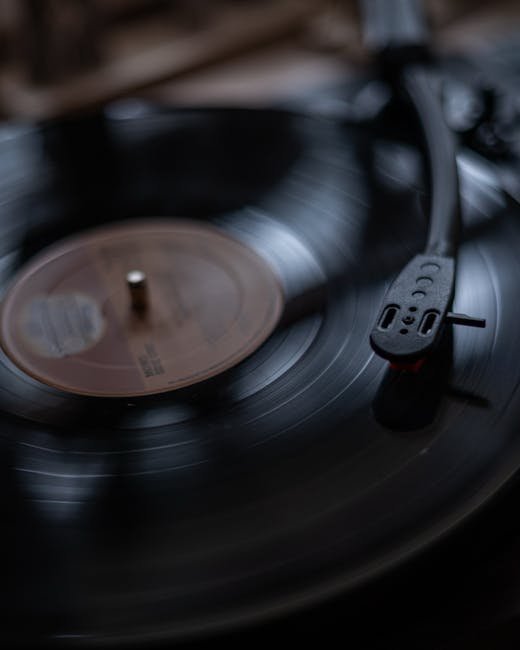
While gramophone technology continued to develop, the next major technical advance was the creation of the Long Play “microgroove” disc developed by Columbia Records in 1948. Before this point, a listener was lucky to get four and a half minutes of music per side. The LP changed the entire artistic conversation. Suddenly, a musician could tell a bigger story.
Engineer Peter Goldmark invented long-play vinyl records, which were more durable and had higher-quality recordings. These records provided a better listening experience with improved sound quality and the ability to enjoy music for longer periods without worrying about damage. Vinyl also had something subtle but powerful going for it. The purity of listening to records makes an impact even decades later. The sound quality lends itself to a different listening experience than hearing songs through a computer or smartphone screen. That’s why vinyl never truly died.
6. Stereo Sound: Music Gets a Whole New Dimension
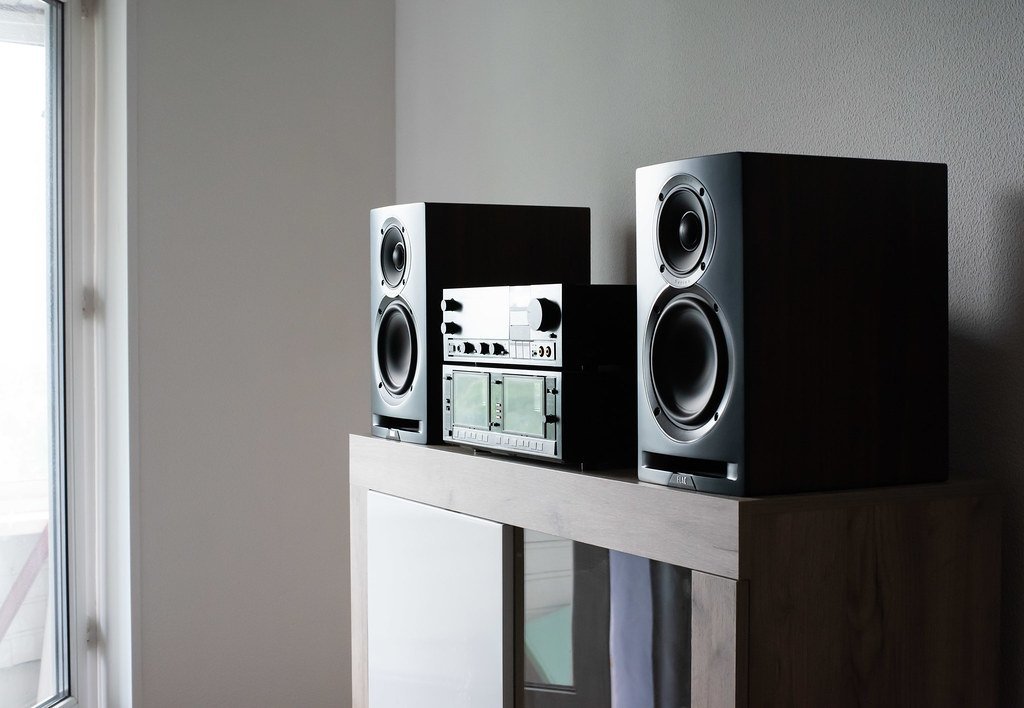
The shift from mono to stereo sound was a significant milestone in music recording. It brought about a paradigm shift in how people interacted with audio content. This evolutionary leap, which spatially separated sound channels, not only enriched the auditory experience but also fundamentally transformed how music was produced, consumed, and appreciated.
Bell Labs used a 1937 demonstration film to show off their two-channel innovation, which split up multiple tracks from a single source recording. The primary intent was to optimize movie soundtracks and enhance the theatrical experience, in a sense opening up another cinematic dimension. Only three years later, Disney seized on the technology and released Fantasia, the first commercial studio film amplified by high-fidelity stereo sound. Honestly, stereo sound is one of those things you can’t un-hear once you’ve experienced it. Mono just sounds flat by comparison.
7. The Cassette Tape: Music Becomes Personal and Portable
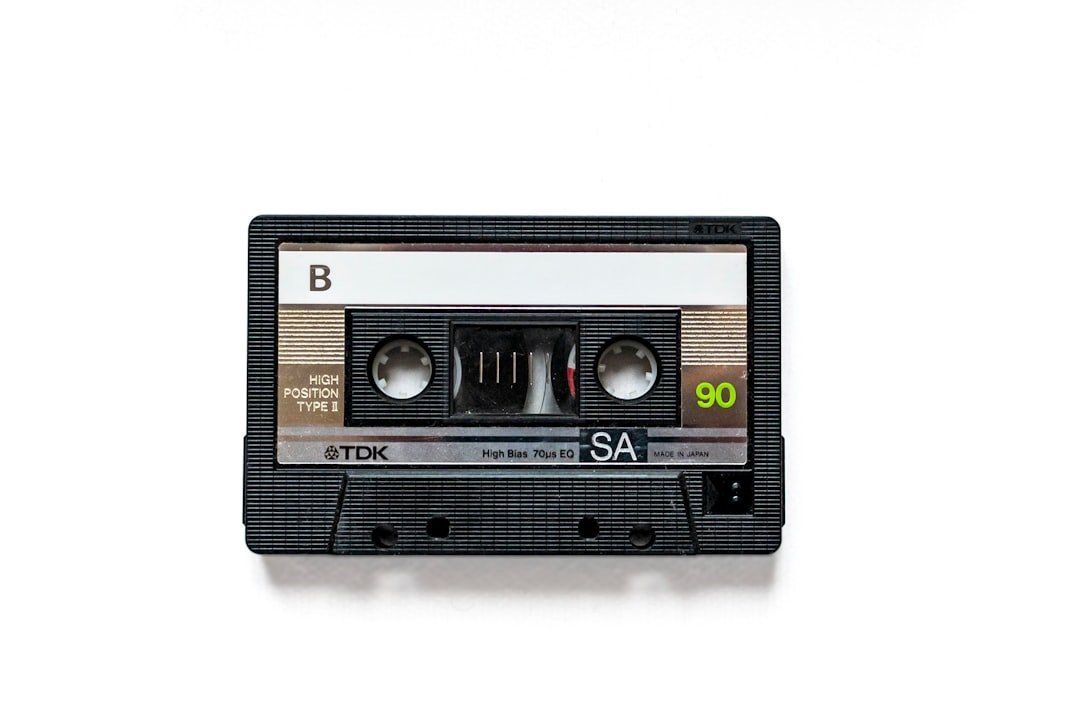
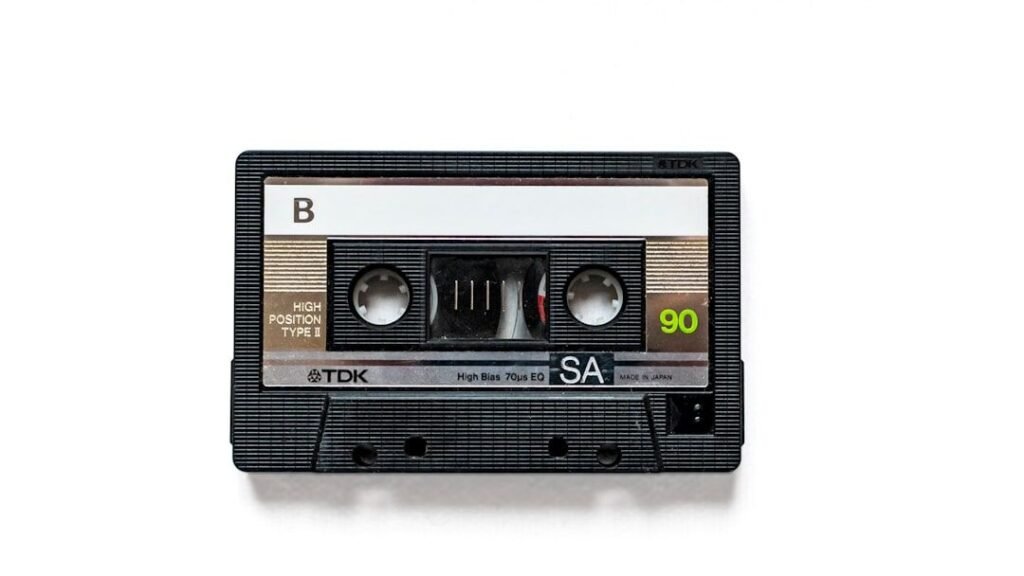
Philips consolidated the hulking reel-to-reel and revealed the first cassette tape at a 1963 fair in Berlin. Its actual tape was just more than three millimeters wide, but the product’s impact was vast. Cassettes would become the chief mode for distributing albums alongside vinyl and CDs before the digital revolution, not to mention a beloved means of self-expression via mixtapes for millions of heart-aching teens.
Consumers, not labels, could control how they experienced music. Fans could create their own mixtapes by dubbing songs onto a blank tape. Artists, meanwhile, didn’t need studios to make music and could record at home. The power dynamic in music shifted, even if just slightly. Fans preferred the smaller, portable size of the cassette tape compared with the clunkier shape and size of the 8-track cartridge. People were so quick to make the switch because of the limited sound quality of 8-track tapes.
8. The Sony Walkman: The Private Listening Revolution
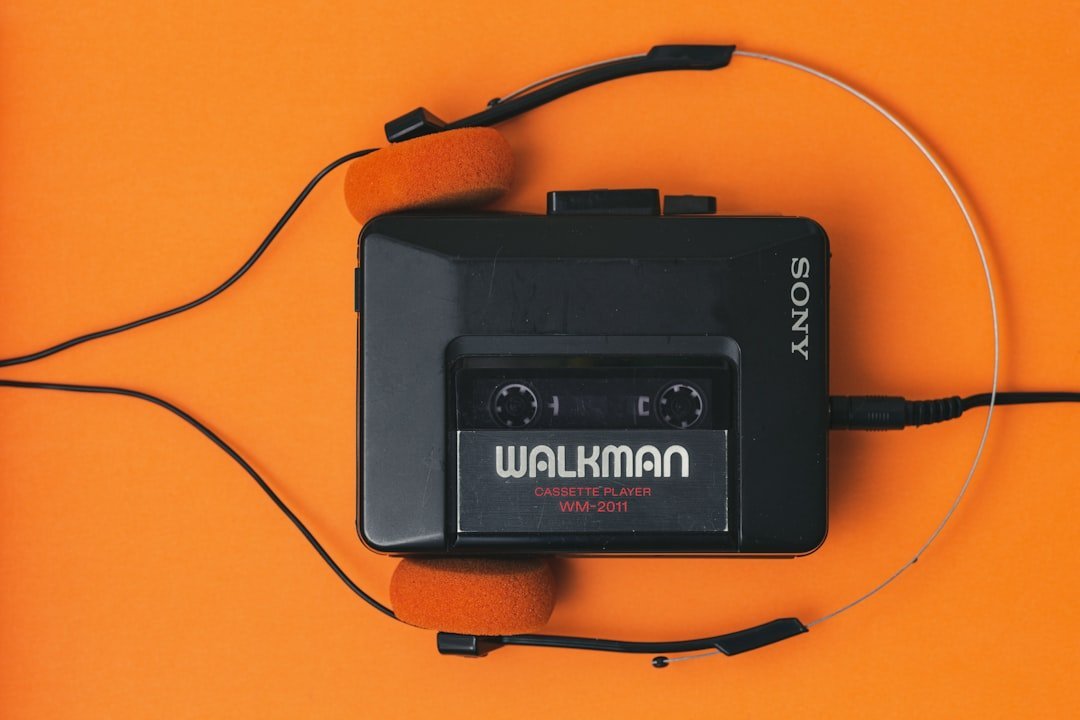
I know it sounds crazy now, but before 1979, walking down the street while listening to your own personal soundtrack simply wasn’t a thing. The Sony-manufactured Walkman was revolutionary. Introduced in 1979, the portable tape player offered an intimate, individual connection with music thanks to its use of headphones. That intimacy was genuinely new. Music went from a shared social experience to something profoundly private and personal.
The Walkman coincided with the rise of sophisticated multitrack recording studios, which led to shifts in songwriting and stereo recordings. Artists began crafting music specifically for headphone listening, with spatial details and subtle layers that only revealed themselves through earphones. The portable stereo, or boombox, with a cassette player also became more popular in the 1980s, bringing music into the public sphere in a very different, communal way. Two opposite trends, born from the same little plastic tape. Fascinating, really.
9. The Compact Disc: Crystal-Clear Sound in a Silver Circle
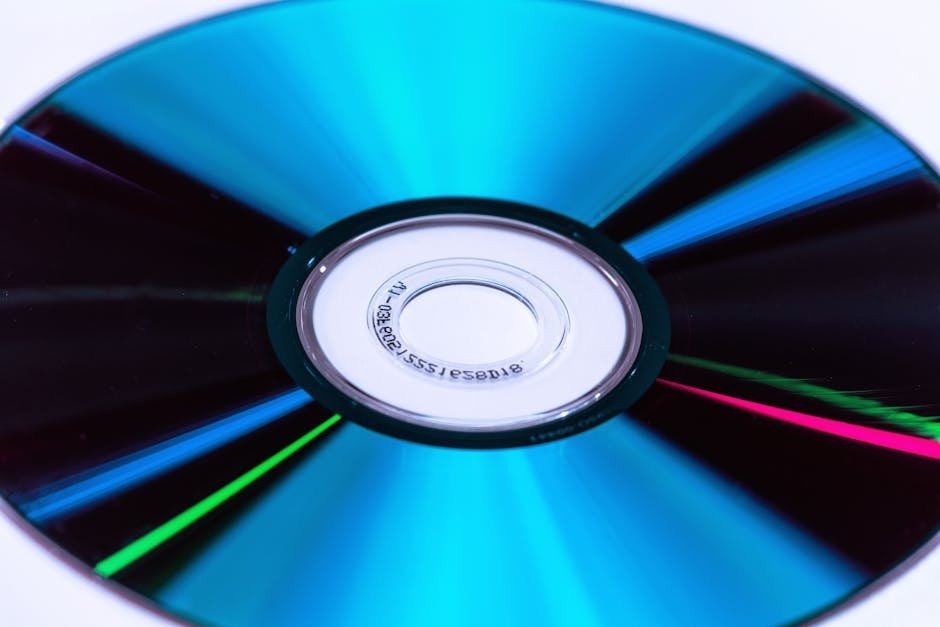
In the early 1980s, compact discs began to replace vinyl records and cassette tapes as the dominant format for music distribution. Developed by Sony and Philips, CDs offered better sound quality, longer playtimes, and increased durability compared to vinyl or tape. The transition to CDs not only improved the listening experience for consumers but also led to a massive boom in album sales during the late 80s and 90s.
The 1980s started the era of digital music with compact disc introduction. Philips and Sony created this new technology, which provided clear sound quality in digital form and was more sturdy than vinyl records or cassette tapes. The record labels adored CDs, and honestly, why wouldn’t they? This shift had a profound impact on the music industry’s revenue model, creating a golden age for record labels. People were buying their entire record collections all over again in a shiny new format. Pure profit.
10. The MP3 and Digital Downloads: The Great Disruption
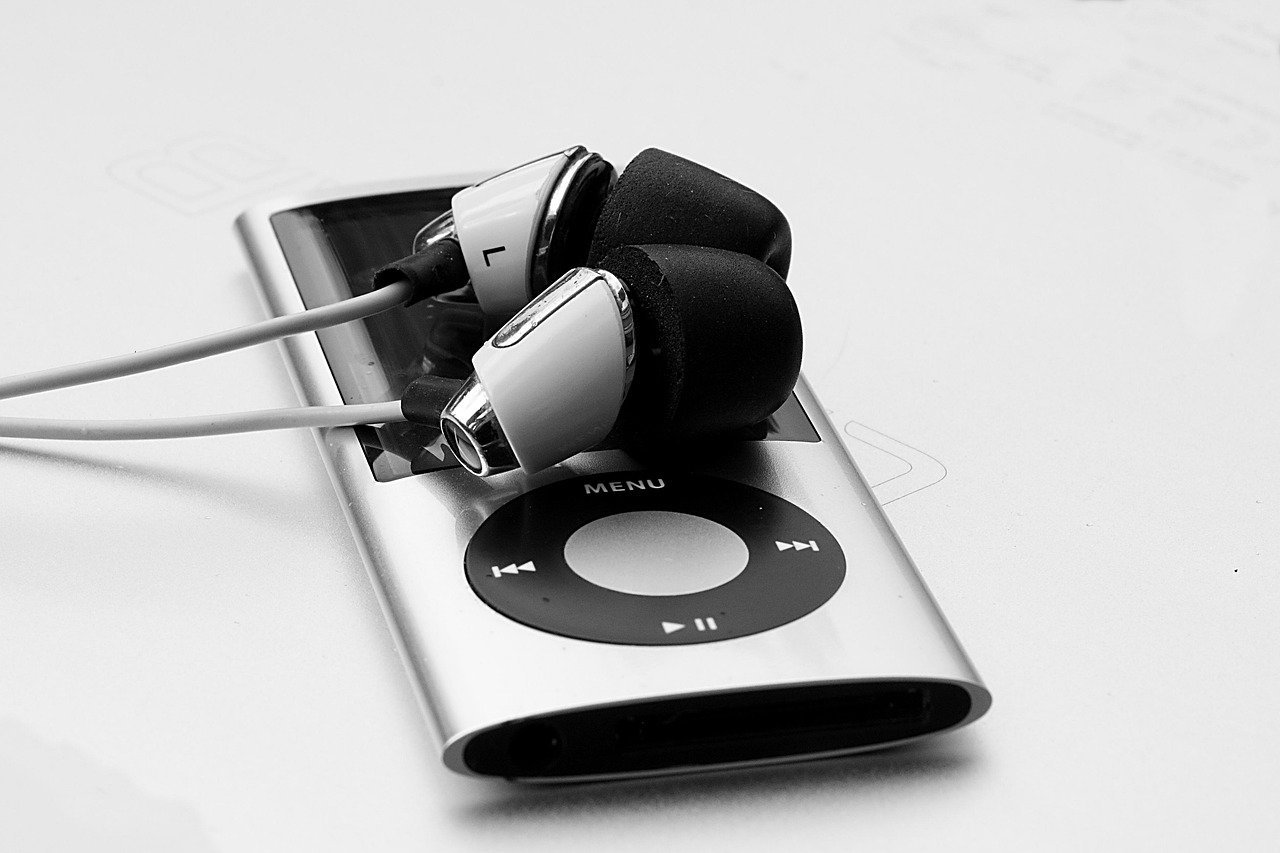
The revolutionary audio file’s journey actually commenced in 1982, when German audio engineer Karlheinz Brandenburg helped a professor search for ways to apply digital-phone technology to music transmission. What followed was more than a decade of refinement. In collaboration with the Moving Picture Experts Group, standards were set, and thanks to the internet, a proper host had emerged. The extension .MP3 was selected and cemented in July 1995.
The MP3 format allowed independent musicians access to legions of listeners without having to rely on record labels, distributors, and retail stores. Music production has now truly been democratised, and this little compression algorithm was largely responsible. The industry, however, was not thrilled. The traditional industry, built on physical sales, suffered major losses. Piracy became a global issue, prompting lawsuits, new legislation, and a scramble for alternative business models. The genie was out of the bottle, and there was no pushing it back in.
11. Music Streaming Platforms: Ownership Is Out, Access Is Everything

With the rise of Spotify and other digital streaming platforms, the way we consume music fundamentally shifted once again. Launched in 2006, Spotify allowed users to stream millions of songs on-demand, replacing the need to own physical albums or download individual tracks. Let’s be real, this was a psychological earthquake as much as a technological one. The idea of “owning” music suddenly seemed strange and unnecessary.
For many of us, streaming services like Spotify, Apple Music, and YouTube Music have become our go-to music sources. These platforms not only give us access to massive libraries of songs but they also use AI-powered algorithms to deliver personalized listening experiences. The tradeoff, though, remains controversial. Many artists say it impoverishes them, as the relatively fat royalties of radio and CD give way to laughably tiny micropayments from streaming companies, where a band might get mere thousandths of a penny from their label when a fan streams its song.
12. Spatial Audio and AI-Powered Music: The Frontier We’re Living In

Music streaming has been going through a major transformation in recent years, thanks to the introduction of spatial audio and 3D sound technologies. These advancements improve the sound quality and transform our auditory experiences by providing a new sense of depth, immersion, and realism. This isn’t just a marginal upgrade. It’s a complete rethinking of how sound can surround and envelop a listener.
Spatial audio and 3D sound technologies, like Dolby Atmos Music and Sony 360 Reality Audio, are changing the way we perceive music. Traditional stereo audio confines sound to a two-dimensional plane, but spatial audio breaks these boundaries, creating a three-dimensional soundscape. This technology places individual sounds and instruments around the listener, crafting a truly immersive experience. Meanwhile, artificial intelligence has entered the picture in a massive way. Artificial intelligence is not only shaping how we listen to music but also how music is created. AI-generated music is becoming a legitimate part of the industry, with programs capable of composing entire tracks on their own.
The Long and Winding Road of Sound
It’s worth pausing to absorb just how extraordinary this journey has been. From a hand-cranked cylinder capturing a scratchy nursery rhyme in 1877 to an AI generating a full orchestral composition in 2026, the span of transformation is almost too large to grasp in a single breath. Each technology on this list didn’t just change a format. It changed behavior, culture, artistry, and the very relationship between a human being and sound.
The history of music consumption reflects broader technological, cultural, and economic trends. Each era has brought new possibilities and new challenges for artists, listeners, and the industry itself. The real lesson might be this: technology doesn’t just deliver music more efficiently. It reshapes how we feel about it.
While the recording medium may constantly change, one thing won’t: our love of listening to it. That love is the constant. The technology is just the vehicle, and it keeps getting faster, stranger, and more thrilling. Which of these 12 innovations surprised you the most? Drop your thoughts in the comments.
CEO-Co-Founder
