

For any feedback please reach out to info@festivalinside.com
- These 20 Books Had Different Titles Until the Last Minute - September 22, 2026
- The 20 Most Famous Songs Written in Under 15 Minutes - September 22, 2026
- 10 Albums You Shouldn’t Shuffle - September 22, 2026
The written word carries a kind of sacred authority. When something is published, bound, and placed on a shelf, we tend to believe it. That trust is the secret weapon every great literary hoaxer has ever wielded. From ancient Greece to the twenty-first century, writers have invented identities, forged manuscripts, fabricated memoirs, and concocted entire literary movements – all with a straight face and a remarkably bold pen.
What drives someone to deceive the entire literary establishment? Money, ego, ideology, artistic mischief – the motivations are as varied as the hoaxes themselves. Whether hoaxing for fame, money, politics, or simple amusement, each perpetrator represents something unique about why we write. The stories that follow are not just tales of deceit. They are uncomfortable mirrors held up to publishing, criticism, and the very idea of what makes a story worth telling. Be prepared to question everything you thought you knew about authenticity. Let’s dive in.
1. James Macpherson and the “Ossian” Poems (1760s)
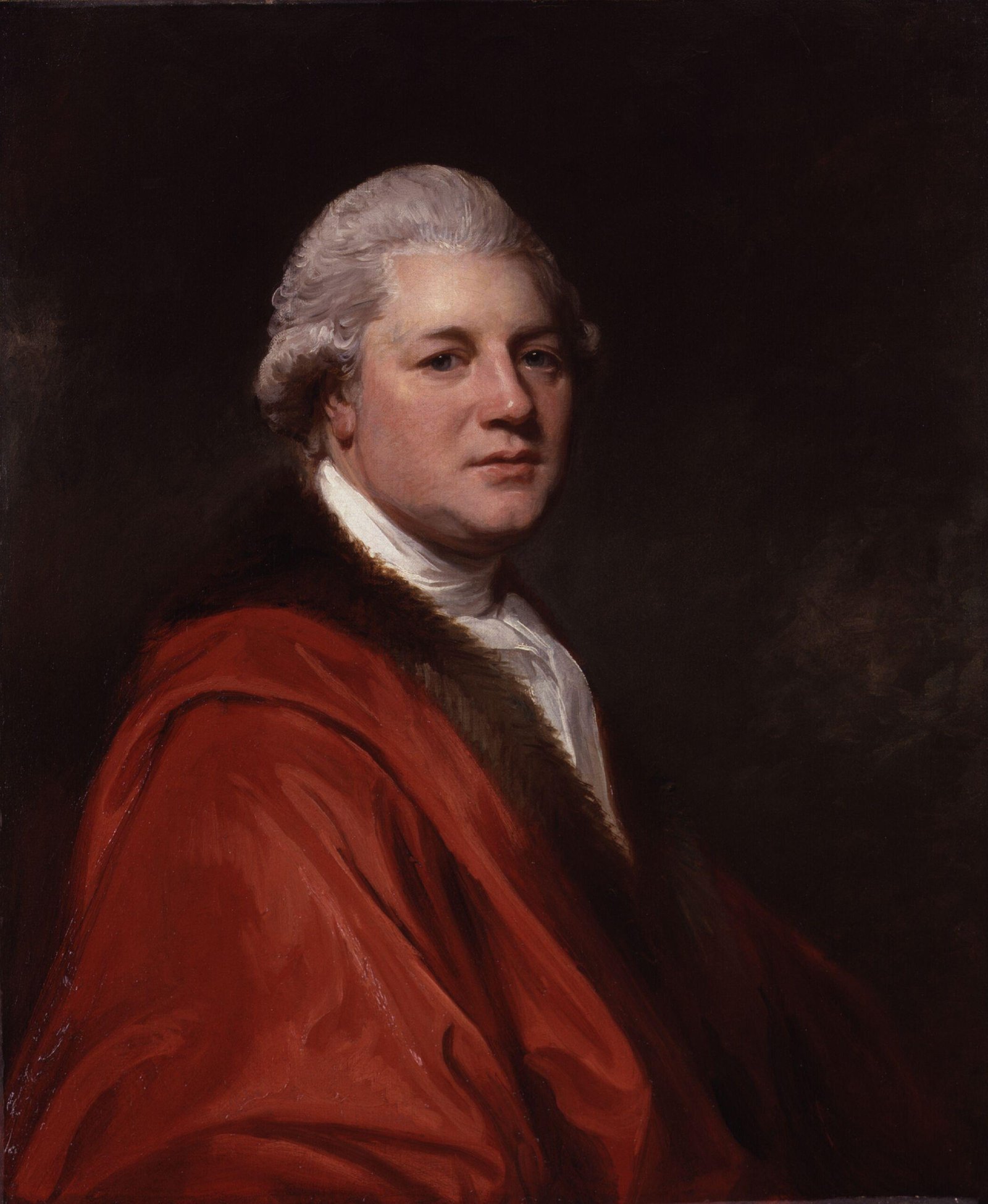
As such, use of this image in the jurisdiction of the claimant or other countries may be regarded as copyright infringement. Please see Commons:When to use the PD-Art tag for more information., Public domain)
Few literary frauds have ever been as culturally consequential as this one. James Macpherson, one of the first professors of a modern language at the University of Edinburgh, claimed to have gathered fragments of a Gaelic epic tradition rivaling that of ancient Greece. Its greatest poet was a bard named Ossian, the Celtic Homer, supposedly the son of the mythic Irish hero Fionn mac Cumhail. The poems were presented as long-lost Scottish national treasures, and people across Europe were desperate to believe them.
These works were hailed as national treasures and even influenced writers like Goethe and Napoleon. However, doubts quickly arose about their authenticity, and scholars eventually proved that Macpherson had largely invented the poems himself, taking only fragments from authentic sources. The literary establishment had been utterly seduced. The ancient poet may never have lived, but Macpherson constructed a hoax so powerful that it arguably triggered that mishmash of nationalism, folklore, nostalgia, and spontaneous overflow of powerful feelings that we have come to call the Romantic era. Honestly, that might be the most impressive collateral damage in literary history.
2. Thomas Chatterton and the Rowley Poems (1767)
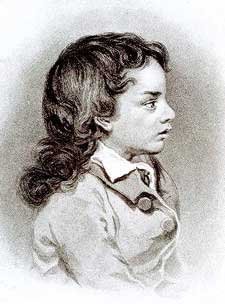
Here is a story so tragic it borders on myth. At the age of twelve, Thomas Chatterton began writing poems in the style of old manuscripts he came across in his uncle’s church. Eventually he turned out a group of poems that he claimed were the work of a 15th-century priest named Thomas Rowley. The poems attracted attention and praise. This was a teenager fooling the literary world with what were essentially glorified school projects.
Encouraged, Chatterton left for London at the age of 17, hoping to make it as a writer on his own terms. Four months later, unable to find work, he committed suicide by poisoning himself with arsenic. The Rowley poems were only recognized as forgeries when they were republished after Chatterton’s death. The most bittersweet irony? Upon his death, Chatterton’s work was discovered and published. It ended up becoming enormously popular and exerted a strong influence upon the later Romantic poets. Wordsworth, for instance, referred to him as the “marvellous boy” and Keats dedicated Endymion to him. Fame arrived – just far too late.
3. William Henry Ireland’s Shakespeare Forgeries (1794)
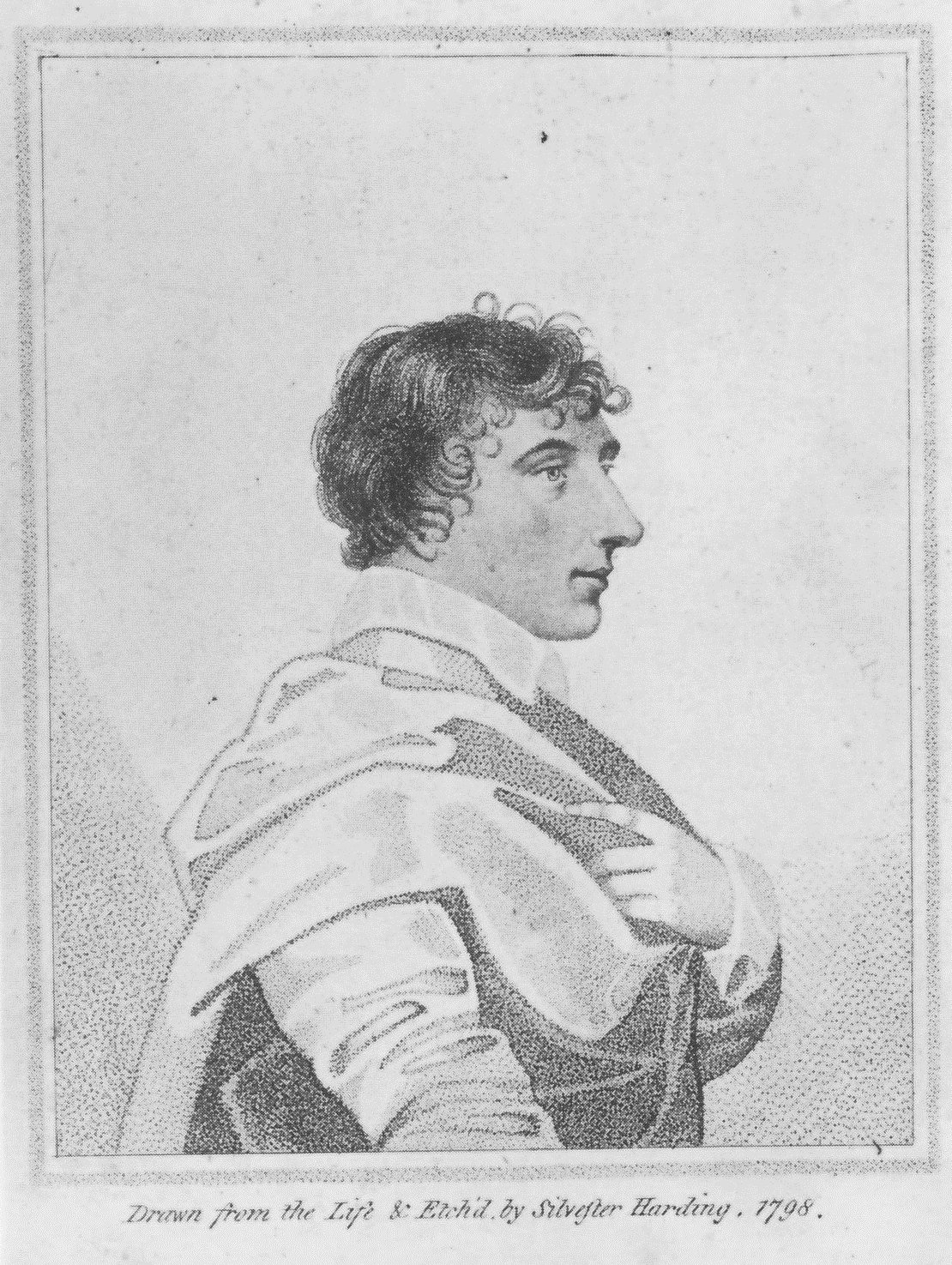
Imagine a teenager with a pen and a stack of old parchments deciding to invent lost documents by William Shakespeare. That is exactly what happened. In 1794, William Henry Ireland, the teenaged son of British engraver and Shakespeare aficionado Samuel Ireland, presented his father with a startling discovery – a mortgage deed supposedly signed by William Shakespeare himself. The elder Ireland was understandably thrilled; even today remarkably little of Shakespeare’s life has been documented. William claimed he had discovered the document in a friend’s collection and hinted that there was more to come.
Such respected literary figures as James Boswell and poet laureate Henry James Pye pronounced the documents genuine, as did various antiquarian experts. Richard Brinsley Sheridan, the leading theatre manager of his day, agreed to present one of the newly discovered plays with John Philip Kemble in the starring role. The whole thing collapsed when scholar Edmond Malone published a devastating analysis exposing the forgeries. After Malone’s book was published, Ireland Sr. was accused of all the forgeries, so William Henry publicly confessed, although initially nobody believed him because they thought he was too young to be a cold-blooded forger. Not only did Ireland Sr.’s reputation never recover from the scandal, but legend says that he went to his grave believing his son’s forgeries to be authentic Shakespearean documents.
4. The Ern Malley Affair (1943)
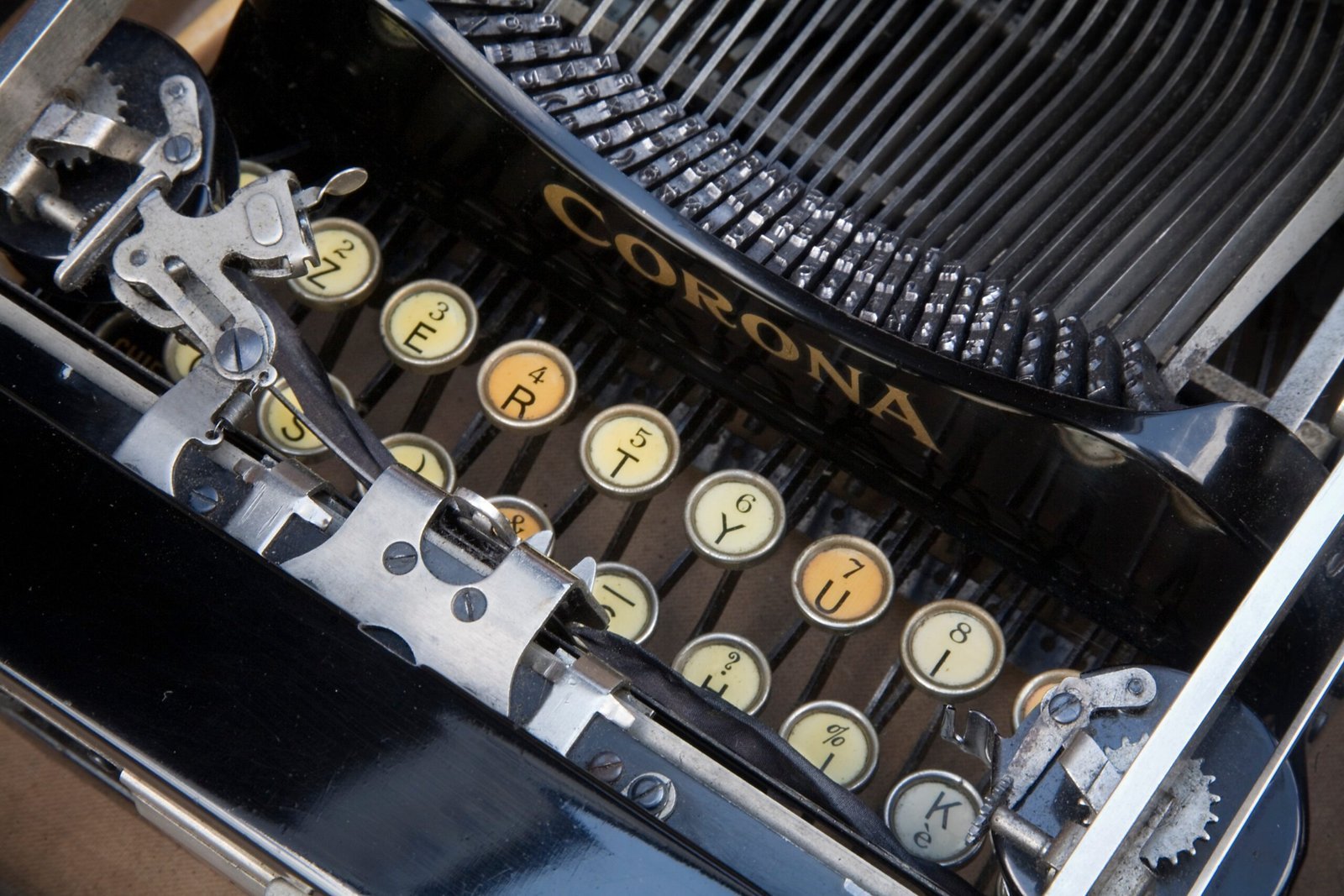
Let’s be real – this one is genuinely hilarious, even if its targets were mortified. The Australian poets Harold Stewart and James McAuley disliked modernist poetry and hatched a plot to see if they could get its supporters to embrace “deliberately concocted nonsense.” They sent some strange, surreal poems of their own creation to Max Harris, editor of the cutting-edge Angry Penguins literary magazine, claiming they were the work of Ern Malley, an unknown poet who had recently died. Harris liked the poems so much that he devoted a special issue to them. At which point, Stewart and McAuley revealed that Malley didn’t exist.
Embarrassed, Reed hired a private detective to investigate Malley, with McAuley and Stewart ultimately admitting that they were the actual authors. Believing that modernist poetry “rendered its devotees insensible of absurdity and incapable of ordinary discrimination,” they argued that they had demonstrated just how vapid, empty, and incoherent contemporary poetry was. The prank backfired in the strangest possible way. Despite this, the poet Robert Hughes, who was totally aware of the hoax, celebrated their poems as “icons of literary value.” The fake poet outlasted the critics who were supposed to be humiliated. Wonderful.
5. Clifford Irving and the Howard Hughes “Autobiography” (1971)
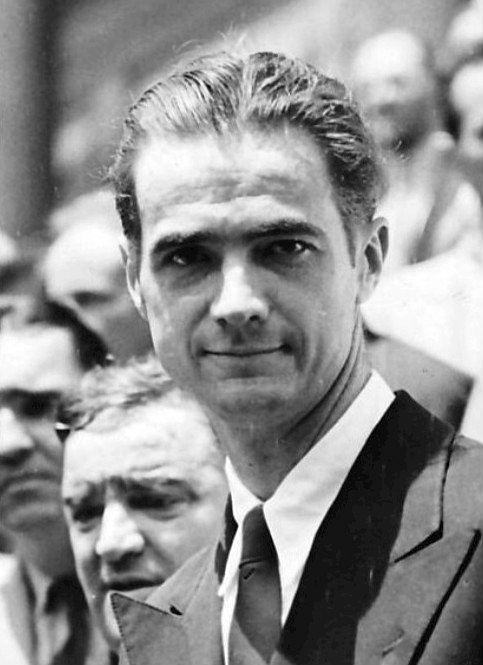
front
back, Public domain)
Of all the sheer audacities collected here, this one takes the cake. In one of the most brazen literary hoaxes of all time, Clifford Irving forged the “autobiography” of the eccentric billionaire Howard Hughes, while Hughes was still alive. Irving’s hope was that the famously reclusive billionaire would be unwilling to emerge from his seclusion to expose the fraud. It was a gamble of truly staggering proportions.
In 1971, when author Clifford Irving approached McGraw-Hill with the news that he had been hired by Hughes to co-author his memoirs, the publishers, sensing the potential for a massive bestseller, jumped at the chance. Irving’s claims were backed up by a series of letters and “interviews” between the two men, which Irving and an accomplice had forged after studying examples of Hughes’ handwriting. The scheme unraveled when Hughes himself broke his famous silence to denounce the book. Shortly after Irving’s deception was revealed, both he and his wife Edith were indicted on charges of fraud and conspiracy. After confessing, both were given prison sentences. After serving just over a year and a half, Irving was released and went on to publish a memoir chronicling the Hughes affair. The book was later adapted into a film starring Richard Gere as Irving.
6. The Protocols of the Elders of Zion (Early 1900s)
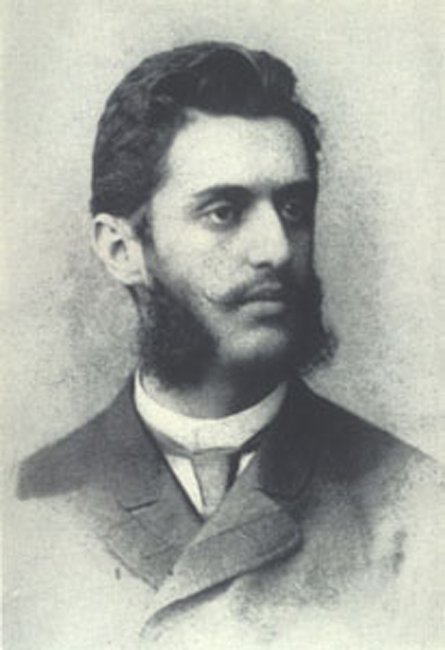
Some hoaxes are not pranks. Some are weapons. The Protocols of the Elders of Zion was published and distributed under the guise of being written by a secret cabal of Jewish financiers who were plotting to take over the world. It was, from the outset, a vicious fabrication designed not to amuse but to incite.
The document was created by a member of the Russian secret police around the turn of the 20th century and cobbled together from a variety of unrelated sources including a book by Jewish author Theodore Herzl, an anti-Semitic German novel and a French satire that was actually an attack on Napoleon III. The Protocols were claimed to be the top-secret records of a meeting of Zionist leaders in 1897, during which a conspiracy was launched for a socialist, Jewish-led takeover of power. Despite the fact that the document was found to be a hoax written in Russia in 1921, the conspiracy theories laid out in it continue to encourage closed-minded groups and individuals. This is the hoax with genuine blood on its hands, and its legacy remains a chilling reminder of how fabricated text can reshape reality.
7. James Frey’s “A Million Little Pieces” (2003)
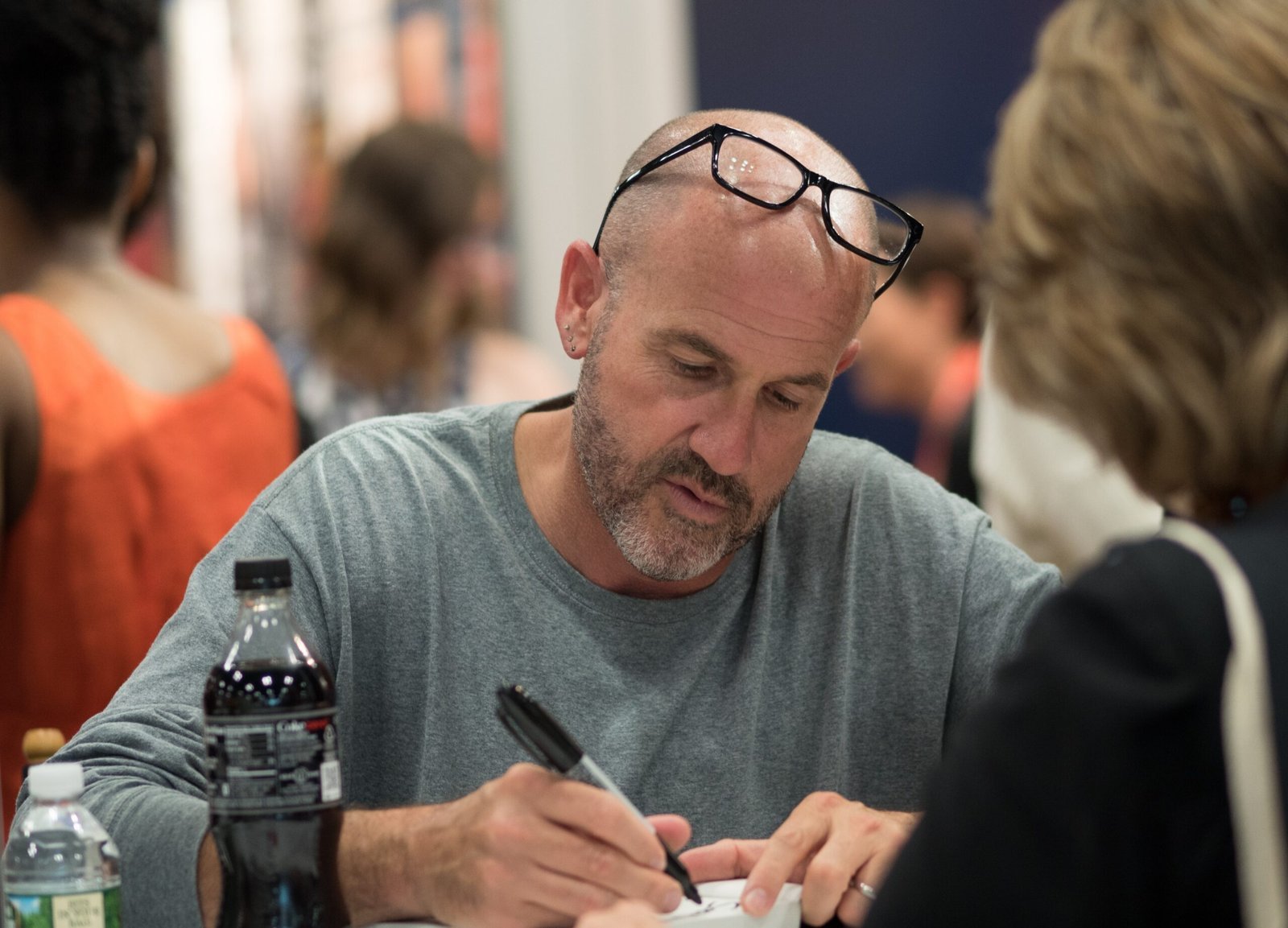
This one stings a little differently because so many people genuinely loved this book. Frey’s New York Times best-selling “memoir,” a chronicling of his life-shattering drug addiction and subsequent recovery, was promoted by Winfrey through her book club in 2005, just a few months before a scathing exposé published by The Smoking Gun revealed Frey had fabricated or exaggerated significant portions of the book. The publishing world – and Oprah’s living room – collectively gasped.
After it was revealed Frey had lied about being incarcerated and had seriously embellished key details surrounding his arrest, Frey was dropped by his literary manager, reportedly losing out on a lucrative seven-figure deal he’d secured prior to the controversy. Oprah summoned Frey back for a televised scolding. Sales dipped – but the book stayed in print. That last detail tells you everything about how publishing really works. The scandal sold nearly as many copies as the original confession.
8. JT LeRoy – The Invention of a Literary Icon (2000)

In an elaborate scheme that lasted nearly seven years and fooled countless reporters, editors, publishers, filmmakers, and fans, Laura Albert, a middle-aged woman from San Francisco, not only created a fake persona to publish books, but also enlisted a friend to do in-person interviews as JT LeRoy, the former prostitute, crossdressing, HIV-positive teenage boy who used his “life” as a basis for the book Sarah, which became a national bestseller. The literary world was not just fooled – it was devoted.
She even convinced her sister-in-law to appear at events as the slight and effeminate LeRoy, with Albert as LeRoy’s assistant, which ultimately led to her identity being revealed by an investigative reporter at New York magazine in 2005. Lawsuits followed. The fallout spawned documentaries and even more memoirs. Under the guise of LeRoy, Albert also wrote two novels, a novella, a book of short stories, numerous articles, and even a screenplay for a Gus Van Sant film. The sheer productivity of the lie is almost admirable.
9. Binjamin Wilkomirski’s “Fragments” (1995)
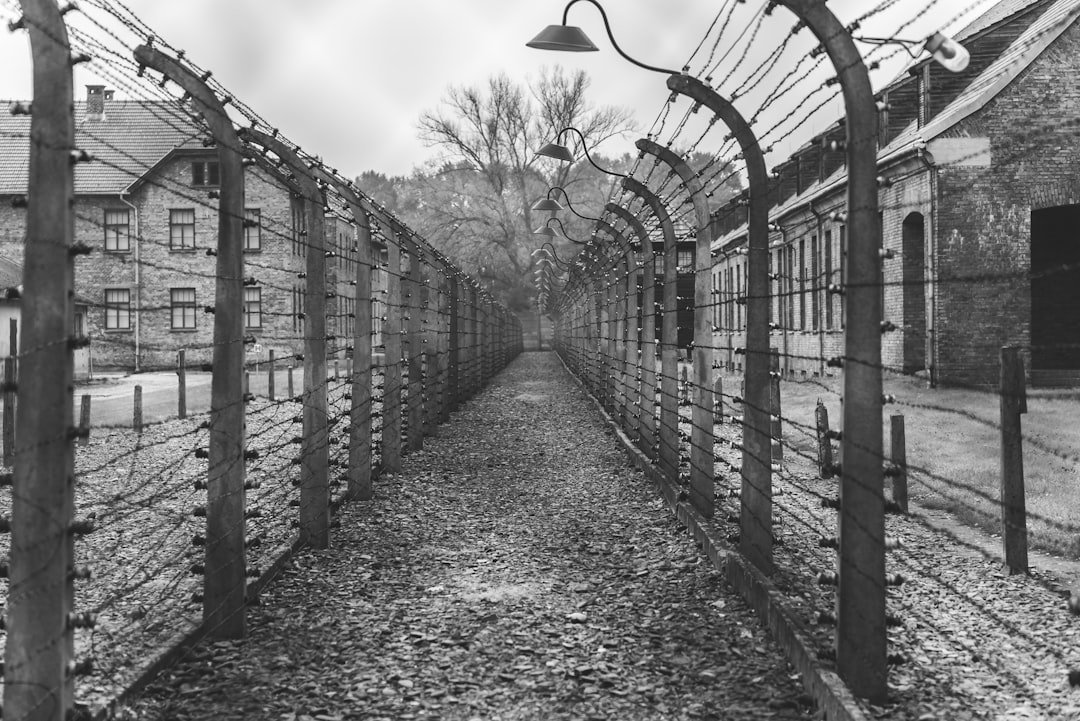
I think this may be the most psychologically complex hoax on this entire list. Fragments: Memories of a Wartime Childhood is a 1995 book whose author used the pseudonym Binjamin Wilkomirski, purporting to be a memoir of the Holocaust. It was debunked by Swiss journalist Daniel Ganzfried in August 1998. The subsequent disclosure of Wilkomirski’s fabrications sparked heated debate in the German- and English-speaking world.
Wilkomirski claimed that he was born a Jew in Latvia, separated from his parents at age three and incarcerated in Auschwitz and Majdanek camps. The book won a raft of glittering awards including the National Jewish Book Award, Prix Memoire de la Shoah, and the Jewish Quarterly Prize. It was then revealed that Wilkomirski, who was not Jewish, spent the entire war in Switzerland. The exposure devastated Holocaust survivors and scholars, who felt the hoax undermined genuine testimony. The controversy reignited debates about memory, trauma, and the ethics of representation.
10. Misha Defonseca and the Wolf Memoir (1997)
A Jewish girl wandering wartime Europe, raised by wolves. It reads like folklore. It was. Misha: A Mémoire of the Holocaust Years was published as a memoir telling the claimed true story of how the author survived the Holocaust as a young Jewish girl, wandering Europe searching for her deported parents. The book sold well in several countries and was made into a film, named after the claim that Misha was adopted by a pack of wolves who protected her.
On 29 February 2008, Defonseca publicly admitted what many had already suspected – that her book was false. Her real name was Monique de Wael; while her parents had been taken away by the Nazis, they were not Jews but Roman Catholic members of the Belgian Resistance. She also did not leave her home during the war, as the book claims. In 2014, a US court ordered Defonseca to repay her US publisher $22 million that she had been awarded in an earlier legal suit against the publisher. The story went from a Holocaust memoir to a courtroom drama – which, in its own way, was even stranger.
11. “The Education of Little Tree” by Forrest Carter (1976)

There are hoaxes that deceive, and then there are hoaxes that reveal something deeply uncomfortable about who the reading public wants to hear from. When it was first published in 1976, “The Education of Little Tree,” a supposed memoir of its orphaned author’s poor childhood spent with his Cherokee grandparents, became a huge financial and critical success. The book sold more than 9 million copies and was on school reading lists across the country.
Imagine the shock then, when in 1991 it was revealed that the author, Forrest Carter, was in fact Asa Carter: former George Wallace speechwriter, member of the Ku Klux Klan and White Citizens Council, and a 1970 Georgia white supremacist gubernatorial candidate. In fact, it was Carter who likely penned one of Wallace’s most famous and incendiary lines, pledging “Segregation today, Segregation tomorrow, Segregation forever.” According to family members the Carters had no Native-American blood and the book’s depiction of the Cherokee language and traditions came under fire from tribe members. The distance between the book’s warm, pastoral tone and its author’s actual views is almost incomprehensible.
12. Jean Shepherd’s “I, Libertine” (1956)
Here is a hoax that requires genuine appreciation, because it was essentially a social experiment with a punchline built right in. Jean Shepherd, an American writer and radio host, expressed contempt for booksellers and bestseller lists on his show. He thought some readers liked whatever other people told them to like, rather than thinking for themselves. He decided to prank the public, with his listeners in on the joke. Shepherd convinced his audience to go to bookstores and request a novel that didn’t exist.
Listeners followed Shepherd’s lead, and soon bookstores were flooded with customers asking for I, Libertine. These requests happened abroad, too, since some of the night people traveled for work. Confused booksellers began contacting publishing houses to find out more about this mysterious book, and libraries began placing orders for it. A student wrote a paper on I, Libertine and received a “B+.” The night people created card files for the book and placed them in libraries all over the country. A New York gossip columnist said he’d had lunch with the author. The novel even hit The New York Times Book Review – and all that time, it didn’t even exist. The hoax proved its point so completely that the stunt ironically created demand for a real book, which was eventually published.
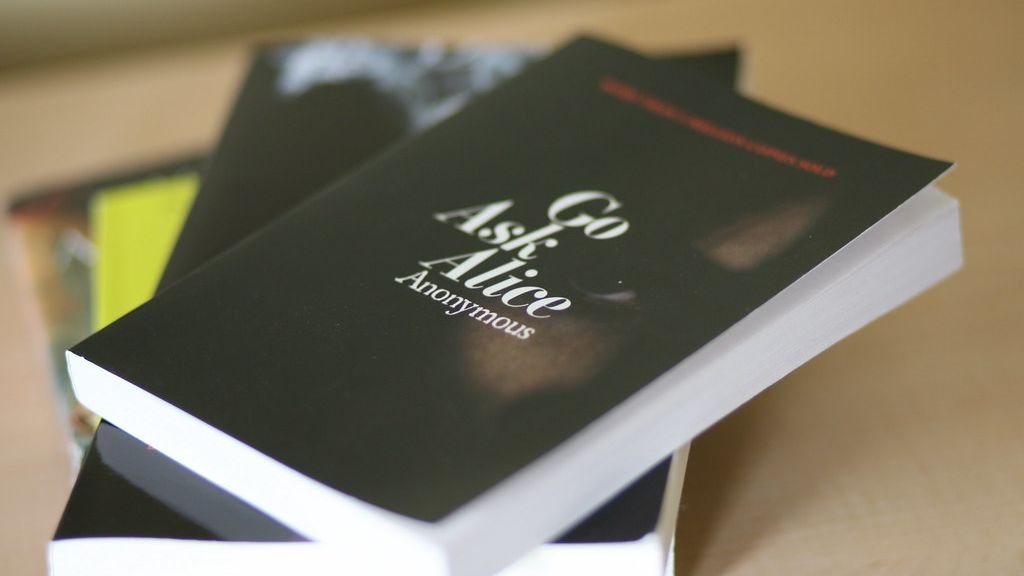
13. “Go Ask Alice” – The Fake Diary (1971)
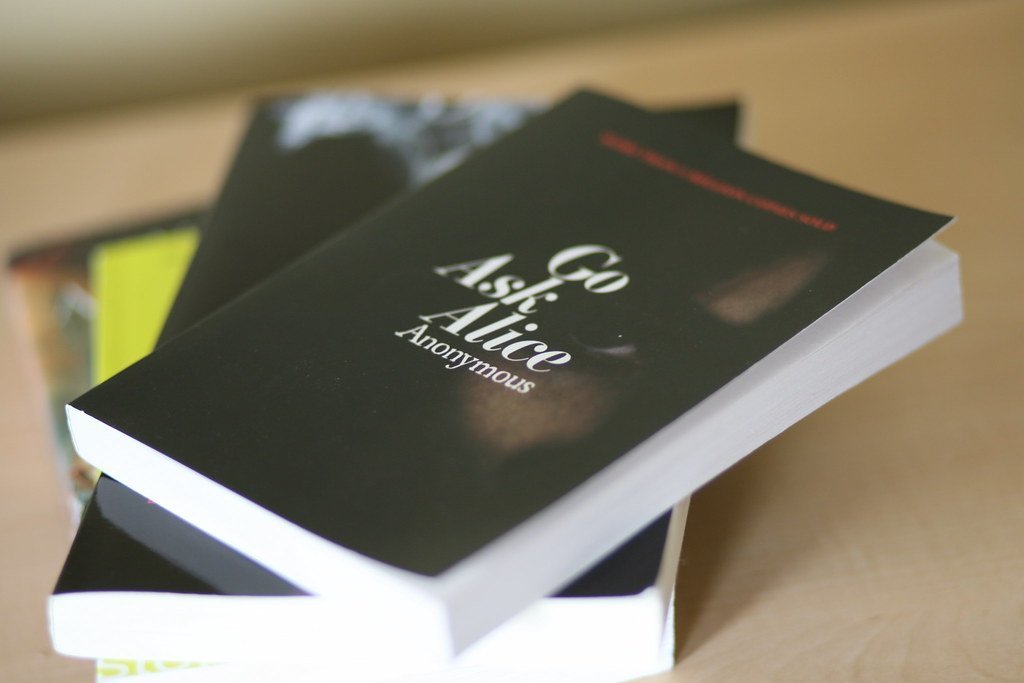
Millions of teenagers read this book as though their lives depended on it. Some school counselors handed it out like medicine. Originally published and presented as the actual diary of a young, drug-addicted teenage girl, Go Ask Alice is a 1971 book chronicling the unnamed protagonist’s gradual descent into substance abuse. It was initially published anonymously, but questions about the true identity of the author led many to believe the book was authored by Beatrice Sparks, a con artist notorious for publishing fabricated “diaries” of troubled teens.
This book was published as a found document: supposedly the diary of “Alice,” a teen girl who died soon after trying LSD and other drugs. Its author, Beatrice Sparks, called herself an editor who “found” the diary. She also sometimes fraudulently posed as a psychotherapist. Sparks’ books contributed to the War on Drugs of the 1980s and beyond. The book sometimes appeals to loved ones of people with substance use disorder, but offers only rumors and misinformation. It’s hard to say for sure where performance ends and exploitation begins – but this case leans uncomfortably far in one direction.
14. Konrad Kujau and the Hitler Diaries (1983)
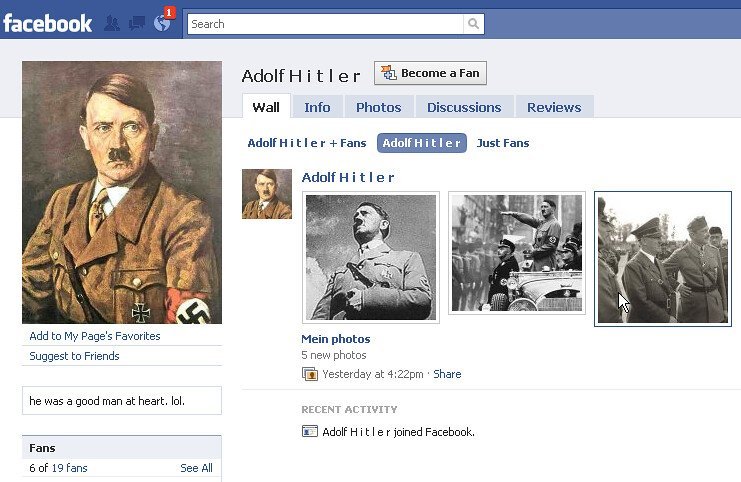
When Stern magazine announced in 1983 that it had obtained Adolf Hitler’s personal diaries, the world stopped. Historians trembled at the implications. The supposed treasure trove promised to rewrite history with first-hand accounts from the dictator himself. The diaries caused a media frenzy, with major publishers vying for rights and historians itching to analyze the texts. The excitement was staggering – and almost entirely misplaced.
Forensic experts soon discovered the truth: the paper and ink used were decades too new to be authentic. The diaries were in fact the handiwork of Konrad Kujau, a skilled forger with a history of counterfeiting Nazi memorabilia. The exposure of the hoax embarrassed journalists, publishers, and historians worldwide, serving as a painful lesson in the need for skepticism and rigorous verification. The scandal still stands as one of the most spectacular literary deceptions of the twentieth century. Think of it as the publishing industry’s most expensive reminder that wanting something to be true is not the same as it being true.
15. “Naked Came the Stranger” – A Deliberately Bad Novel (1969)
This hoax was not born of ambition or greed. It was born of pure, professional contempt. Naked Came the Stranger was a novel written in 1969 by a group of reporters at Long Island Newsday. These journalists were sick of poorly written, smutty novels becoming bestsellers. Wanting to prove a point about the public’s appetite for trash, editor Mike McGrady developed the idea for the hoax, coming up with the novel and its tawdry plot.
Each of the reporters involved knew the main outline of the story and wrote one chapter each, making the plot deliberately inconsistent. In fact, submissions that were written too well were immediately rejected. McGrady’s sister-in-law played the part of the book’s author, Penelope Ashe, a demure Long Island housewife. She even posed for photographs and met with the publishers. The book ended up selling 20,000 copies before McGrady and his colleagues came clean. The journalists set out to prove that the public would buy anything titillating. The public proved them entirely right. Nothing changed. Somehow that is the funniest and most depressing part of the whole story.
Conclusion: What Does Authenticity Really Mean?
After spending time with fifteen of the most extraordinary literary deceptions in history, one question keeps surfacing. What exactly are we looking for when we read? The Ern Malley poems became celebrated after they were exposed as nonsense. James Frey’s readers still defended him even after the lies were confirmed. Rather than discrediting certain styles or people the hoaxer dislikes, pranks can make the targeted styles even more influential. Because literature is subjective, people always read what they want into it, even after frauds have been revealed.
There is a genuine philosophical puzzle buried in all of this. Whether hoaxing for fame, money, politics, or simple amusement, each perpetrator represents something unique about why we write. Their stories speak volumes about how reading, writing, and publishing have grown out of the fine and private places of the past into big-business, TV-book-club-led mass-marketplaces which, some would say, are ripe for the ripping. The publishing world, for all its gatekeeping and editorial process, remains profoundly susceptible to a good story told with conviction.
Some of these hoaxes were harmless wit. Others caused genuine harm to real communities. The line between them matters enormously. Still, they all share one uncomfortable truth: readers, critics, editors, and scholars are all capable of being swept away by a story they want to believe. Perhaps the most important question is not whether these authors lied, but why we were all so willing to listen. What do you think – is it the story that matters, or who tells it? Share your thoughts in the comments.

Christian Wiedeck, all the way from Germany, loves music festivals, especially in the USA. His articles bring the excitement of these events to readers worldwide.
For any feedback please reach out to info@festivalinside.com
