


- 10 Iconic Movie Props That Dramatically Shaped Film History - August 25, 2026
- 10 Classic Sitcom Episodes That Dramatically Tackled Serious Issues. - August 25, 2026
- 15 Unforgettable Concerts That Dramatically Defined Music Festivals of the Past. - August 25, 2026
There’s something almost magical about a movie prop. It starts as an object – sometimes cheap, sometimes bizarre, sometimes improvised from whatever happened to be lying around – and then a camera rolls, and suddenly it becomes unforgettable. Think about it: we’re talking about physical things, made of plaster or lead or rubber, that somehow lodge themselves permanently into the collective imagination of millions of people.
While iconic movie props make us laugh, gasp, scream, or sit in absolute silence, they rarely start iconic. As a property master will tell you, the best on-screen objects go unnoticed, silently winning you over with truth. What lies behind them, though – the scrambling, the improvising, the near-disasters and happy accidents – is often more extraordinary than anything that ends up on screen.
These are seven of the most iconic movie props ever created, and honestly, their real stories are something else. Let’s dive in.
The Maltese Falcon: A $15 Statuette That Sold for Millions
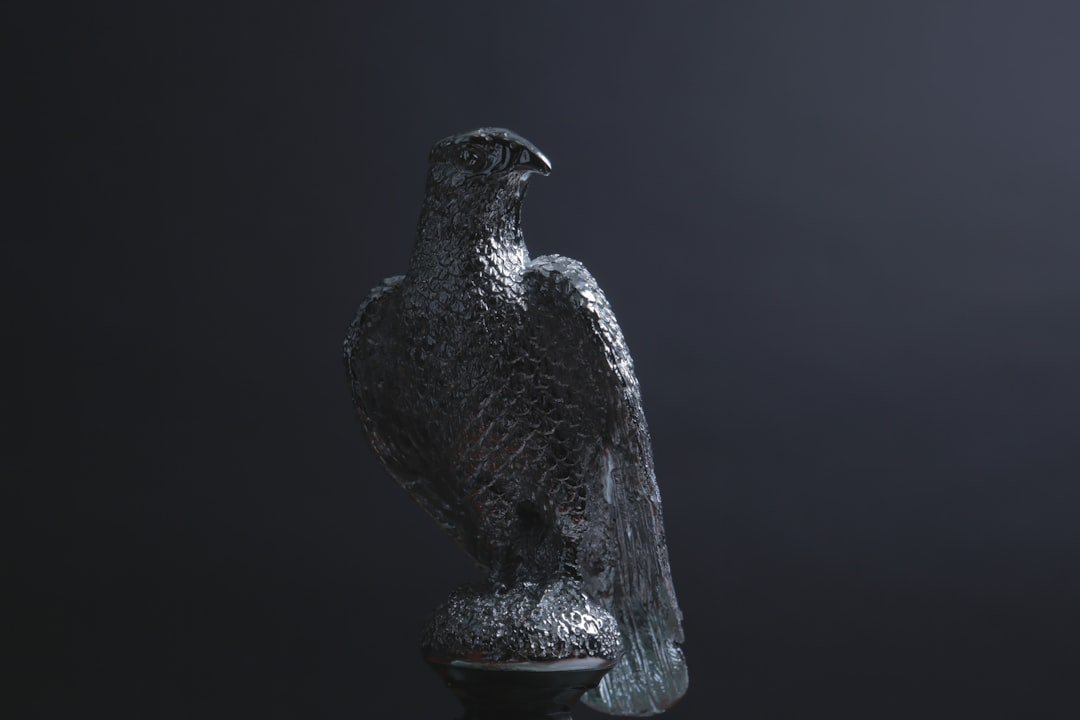
If there’s one prop that mirrors its movie’s plot almost perfectly, it’s the black bird statuette from John Huston’s 1941 noir masterpiece “The Maltese Falcon.” In the film, Humphrey Bogart plays private detective Sam Spade, offered a large sum of money to find “a black figure of a bird.” The statuette becomes the priceless object of desire at the heart of the film, inspiring passion and greed as it is fervently hunted by all principal cast members. Fittingly, real life decided to imitate art.
New evidence emerged substantiating the theory that the Maltese Falcon statuette was more than a simple movie prop, but rather an original sculpture by noted 20th-century modern artist Fred Sexton. Three copies are known to exist today: two made out of lead weighing 47 pounds, and one six-pound resin version that was used in scenes when the bird is being carried. The prop’s real-world value turned out to be just as contested as the fictional one.
On November 25, 2013, Bonhams in New York sold the iconic lead statuette of the Maltese Falcon from the classic 1941 film noir for $4,085,000. The figurine ranks as one of the most expensive pieces of film memorabilia ever sold at auction, beating the $2 million paid for Judy Garland’s ruby slippers from The Wizard of Oz in 2012. Yet the mystery doesn’t end there. Several plaster copies of the falcon were made for a 1975 spoof sequel called “The Black Bird,” and with too many copies made from the statue mold, it is impossible to confidently determine which statues were used on which set, and meticulous cross-examination has only deepened the mystery.
The Lightsaber: An Elegant Weapon Built from a Dusty Camera Shop
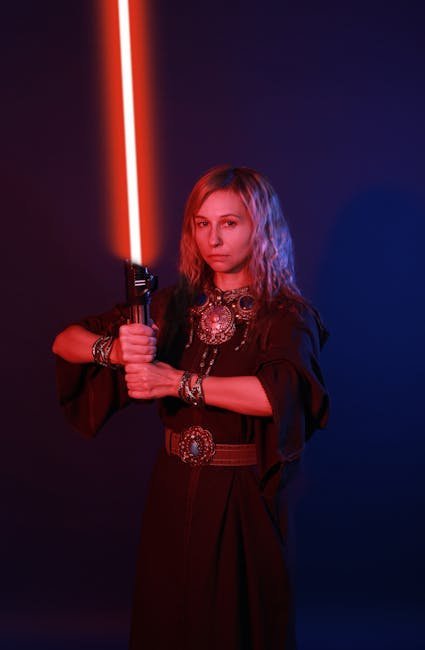
Here’s one that I genuinely love. The most iconic weapon in science fiction history – the lightsaber from “Star Wars” – wasn’t born from some high-tech design lab. An antique Graflex camera and flash handle became the basis of Luke Skywalker’s infamous lightsaber. Think about that for a second. A tool built for photography in the 1940s became the symbol of an intergalactic battle between good and evil.
When production began on Episode IV: A New Hope, director George Lucas wanted everything on screen to look weathered and real. To create this sense of authenticity, set decorator Roger Christian hunted through London’s antique and second-hand shops in search of unusual materials, and in a dusty photography store on Great Marlborough Street, he found a 1940s Graflex camera fitted with a 3-cell flash handle. Christian removed the circular bulb housing, added a black grip, then modified the handles by attaching cabinet T-tracks with Super Glue. Based on a suggestion by George Lucas himself, a clip was also added so it could be carried on Luke’s belt.
The entire thing cost only $15 to build, though it sold in 2012 for $250,000 – making it one of the most expensive movie weapon props ever sold. Camera collectors have had difficulty getting their hands on Graflex flash handles since so many were bought by Star Wars prop collectors and cut up to become lightsabers, and a genuine original Graflex can cost thousands of dollars at this point – with collectors saying that valuable antiques are getting destroyed in the process. A $15 junk-shop find causing an entire antique market crisis? That’s wild in the best possible way.
The Godfather’s Horse Head: Sickeningly Real
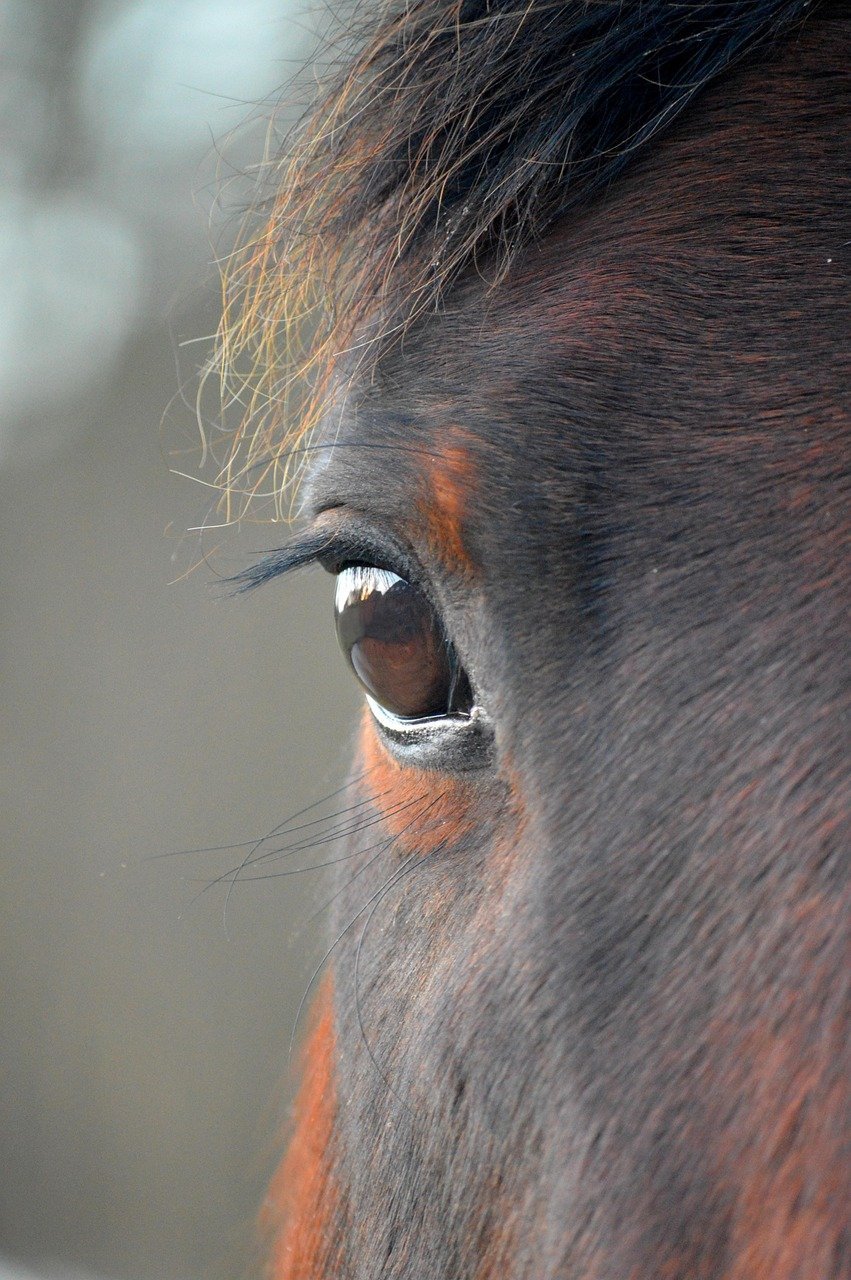
Most people assume the horse head in “The Godfather” was a prop. A rubber mold, maybe some fake blood, a little movie magic. Nope. The horse’s head that appeared in an iconic scene in the film “The Godfather” was real. Turns out, Francis Ford Coppola looked at the fake prop his team made and simply didn’t think it was convincing enough.
It was in fact a real head, from a slaughterhouse where horses were being destroyed for dog food. A member of the production went to the company, chose a horse that resembled Woltz’s prized thoroughbred and asked that when the time came, the head be sent to the filmmakers. Shortly thereafter, the company sent them a box with the head wrapped in ice. The detail is almost as chilling as the scene itself.
Despite its iconic nature, no one had an issue with the fact that the prop went straight to the incinerator after the scene was completed. Unsurprisingly, many animal activists were pretty upset about the film’s grisly devotion to realism, firing off angry letters to Coppola. Honestly, it’s hard to argue with their reaction. Still, the end result produced one of the most unforgettable moments in cinema history, a scene that has been referenced in pop culture hundreds of times since.
Bruce the Jaws Shark: From Hollywood Icon to Junkyard Dog
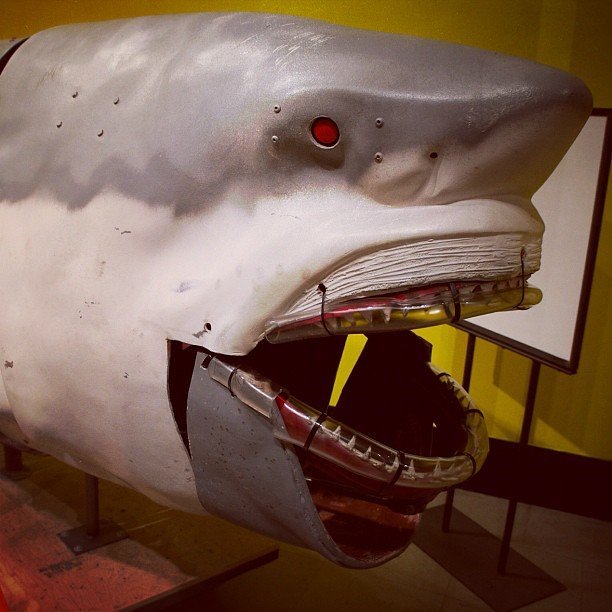
The mechanical shark from Steven Spielberg’s 1975 blockbuster “Jaws” is one of the most famous props ever made. The 17-foot prop, nicknamed Bruce after Spielberg’s lawyer Bruce Ramer, has become a fixture at theme parks and film exhibitions around the world. What most people don’t know is just how troubled, neglected, and ultimately heroic Bruce’s post-filming life turned out to be.
The rubber, plastic, wood, and pneumatic hose sharks were notorious for breaking down on set, increasing delays and the film’s budget. What was left of the three mechanical Great Whites designed by art director Joe Alves and his team for the 1975 summer blockbuster were destroyed when production wrapped. After the film’s great success, a fourth shark was made from the original mold and proudly displayed at Universal Studios Hollywood as a photo opportunity for visitors for 15 years, until he wound up at a Sun Valley junkyard.
In 2016, when Nathan Adlen decided to close his father’s junkyard, he donated the shark to the forthcoming Academy Museum of Motion Pictures. The very last remaining mechanical shark model from “Jaws” has since been rescued, restored, and relocated to hang in the museum. It’s almost poetic: a prop that terrorized beach-goers for generations wound up in a junkyard before being saved by a museum. Not exactly the dignified ending you’d imagine for a Hollywood legend, but somehow it makes the story even better.
The Michael Myers Mask: Captain Kirk’s Face in Disguise
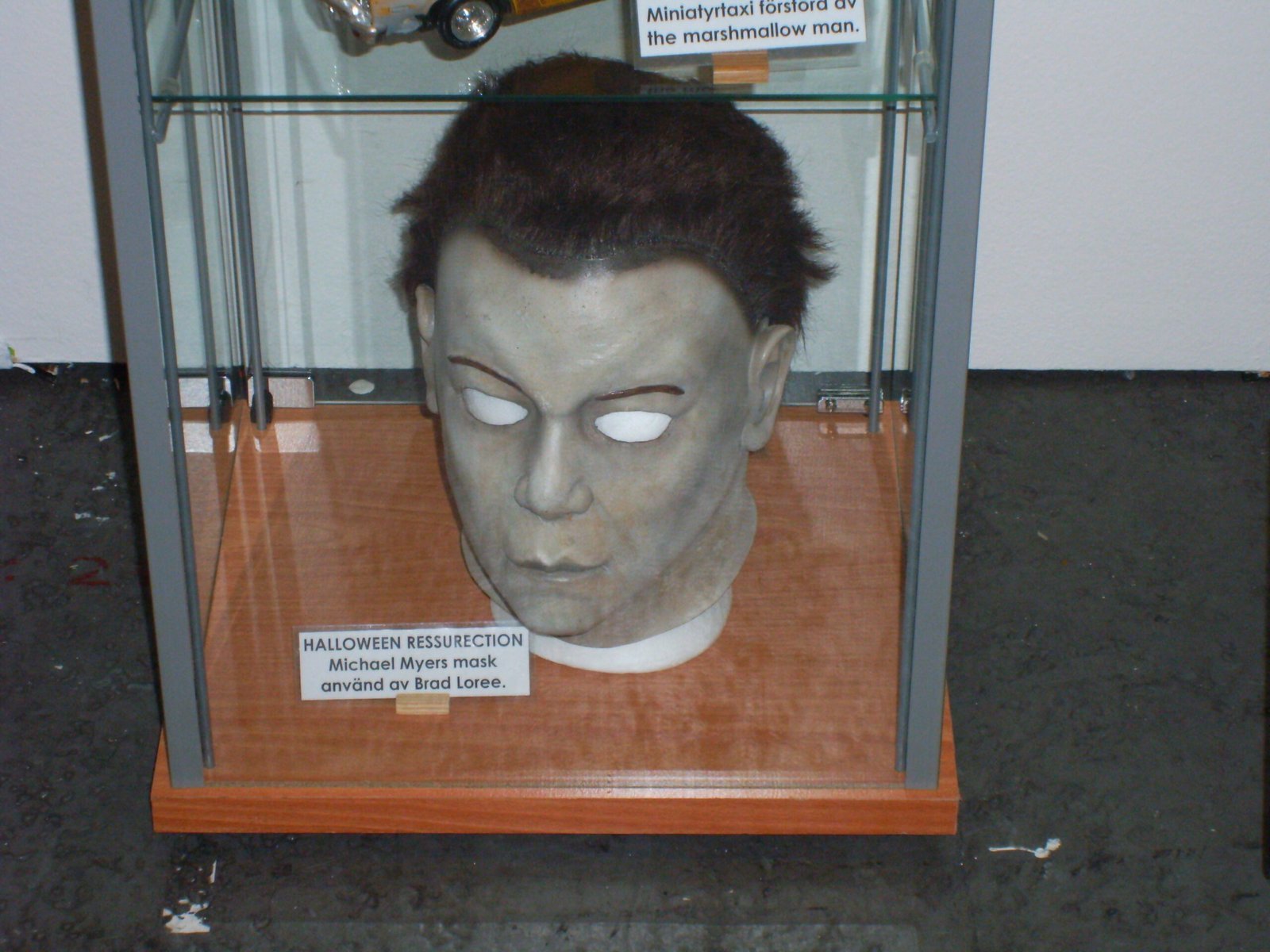
This one might be the most delightfully strange origin story on this entire list. The mask worn by unstoppable killing machine Michael Myers in John Carpenter’s “Halloween” (1978) has terrified audiences for decades. Michael Myers’s mask may be the most iconic horror movie prop ever. The mask was actually a store-bought William Shatner mask made by Don Post Studios. Yes, Captain Kirk of the Starship Enterprise became the face of one of horror’s greatest monsters.
Don Post Studios made several molds of actors’ faces for the Satanist film “The Devil’s Rain” (1975), and these molds were then used during the movie’s melting scenes. Actors like John Travolta, Ernest Borgnine, and Ida Lupino all had replica mask molds made for their faces. However, it was the replica of Shatner’s face that became the Mike Myers mask. The production team painted it white, teased out the hair, and darkened the eye holes – and somehow created pure nightmare fuel.
The budget for “Halloween” was so tight that the prop team simply walked into a costume shop and grabbed whatever was cheapest. The Shatner mask reportedly cost somewhere around two dollars. Two dollars! That’s less than a coffee. It went on to define an entire subgenre of horror and launched one of the most commercially successful franchises in film history. The lesson there is almost too absurd to process.
The Red Stapler from Office Space: A Prop That Created a Product
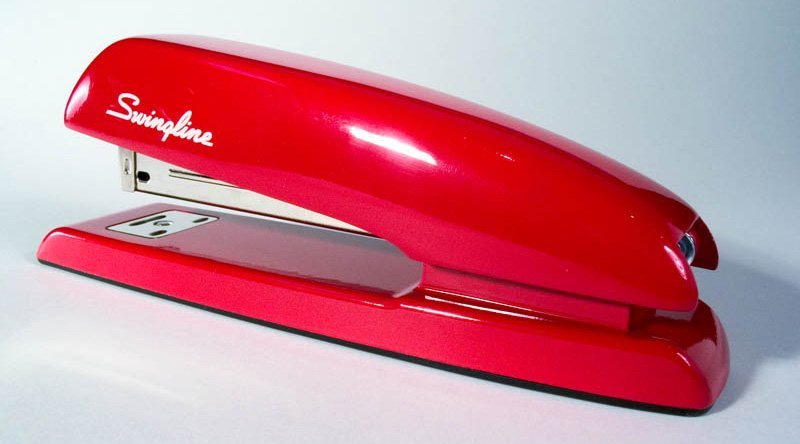
Most props exist because the movie needs them. The red Swingline stapler from “Office Space” (1999) is one of the only props that literally created a real-world product that didn’t exist before the film. It was just a regular off-the-shelf Swingline stapler. They didn’t make them in red back then, so the production team had them paint it red and put the Swingline logo on the side. Simple enough, right? Except what happened next is genuinely remarkable.
Since Swingline didn’t make one back then, people were calling them trying to order red staplers. Then people started making red Swinglines and selling them on eBay, making considerable money, so Swingline finally decided to start making red staplers themselves. A movie prop drove a corporation to manufacture an entirely new product line. That’s about as powerful a cultural footprint as a piece of office equipment can leave.
Of the original props, the burnt one from the last scene, and another that was in the cubicle, are accounted for – only three total were made. The fate of the third remains unknown, lost somewhere in the mists of prop-room history. There’s something perfectly “Office Space” about that. A symbol of workplace misery, half-accounted for, somewhere in a box.
The One Ring from Lord of the Rings: Deceivingly Simple, Wildly Complex
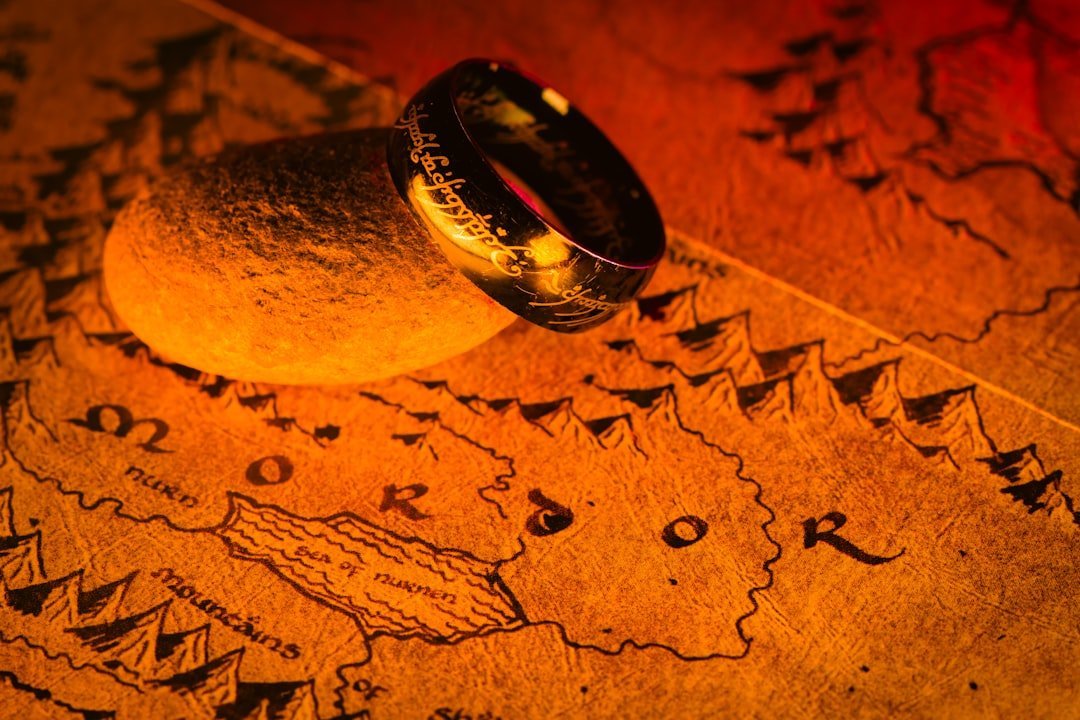
Tolkien described the One Ring as a simple golden band. Just a ring. No jewels, no ornament, no obvious grandeur. So you might assume it was the easiest prop job in Hollywood. You would be wrong. Production designer Grant Major noted that Tolkien’s ring, though highly descriptive in its origin and the terrible power it has over its wearer, was physically described as a simple golden band – one able to expand and shrink to fit the hand that wears it and that reveals a phrase in Black Speech when heated. When first tasked with designing this most important prop, he thought it would probably take forever to agree on its look with the director, producers, the studio, experts, and fans all weighing in.
Props like the One Ring from “The Lord of the Rings” become more than just set pieces – they become an unforgettable part of the story. Some props are so legendary that even the actors can’t resist taking them home. On a 2015 episode of “Conan,” “Lord of the Rings” actor Elijah Wood revealed that he had been gifted the original One Ring upon the commencement of filming. One of cinema’s most coveted artifacts, handed to its wearer as a gift. There’s a beautifully symmetrical quality to that.
What makes the One Ring’s legacy so enduring is precisely its simplicity. It doesn’t flash or roar or move. It just sits there, gleaming, and somehow convinces every character – and every viewer – that it holds the weight of the world. Rings of similar design have sold at auction for extraordinary sums, and replica makers continue to produce versions to this day. For a thin band of gold with some script on the inside, it has proven extraordinarily hard to let go of. Tolkien would probably have found that fitting.
Conclusion: The Small Things That Make History
Props are found on dusty warehouse shelves, buried under flea market knick-knacks, Googled, eBayed, begged for, commissioned from blacksmiths, painters, and model makers for one-time use, and constructed from whatever five dollars can buy at the local craft store. They are sketched out, improvised, or placed in scenes by the fate of logic, existing to serve the performances or action around them.
That’s the remarkable thing about all of this. None of these objects were designed to become icons. A flash handle from an old camera. A horse head from a dog food factory. A painted store-bought mask. They were practical solutions to immediate problems, and somehow they transcended every expectation anyone had for them.
Movie props shape stories, carry cultural impact, and what makes a prop truly iconic is rarely obvious at the time of creation. The stories behind them remind us that the movies we love were made by human beings under pressure, with tight budgets, impossible deadlines, and a lot of improvisation. Cinematic storytelling lives in those details. The magic isn’t just on screen – it’s in the strange, scrambling, gloriously imperfect process of getting it there.
What’s the most surprising origin story here for you? Tell us in the comments – I’d genuinely love to know.

Besides founding Festivaltopia, Luca is the co founder of trib, an art and fashion collectiv you find on several regional events and online. Also he is part of the management board at HORiZONTE, a group travel provider in Germany.
