

- 20 Forgotten Writers Who Invented Modern Genres - September 21, 2026
- 10 Opening Lines That Were the Author’s Second Choice - September 21, 2026
- The 20 Quietest Songs That Leave the Loudest Impression - September 21, 2026
There is a persistent myth about classical music. Many people picture it as a noble, orderly tradition – a world of powdered wigs, rigid rules, and polite applause. The reality is something far more turbulent and fascinating. The composers we celebrate today were, in their own eras, the misfits, the provocateurs, and the dreamers who refused to stay inside the lines drawn for them.
History has a funny way of polishing rebellion into respectability. The same music that once caused riots, scandalized courts, and made critics spit venom now plays softly in elevators and wedding halls. Somewhere in that transformation, we lose the sheer audacity that made it revolutionary in the first place. Let’s dive in.
Johann Sebastian Bach: The Counterpoint Maverick Who Rewrote the Rules of Sound
Here’s the thing about Bach – he was never supposed to be a pioneer. He was a church employee, writing music on a weekly deadline for Sunday services in Leipzig. Not exactly the image of a radical thinker. Many of the composers we consider to be “the greats” were great because they mastered their respective styles, building on what came before. Bach, for instance, is considered the greatest Baroque-era composer of all time, yet he didn’t invent the conventions of Baroque music – he was simply extremely well trained in the tradition, a style of music that was considered old-fashioned by the end of his life.
Bach’s mastery in fusing the intricate counterpoint of the Renaissance with the expressive melodies of the Baroque era set new standards in musical form. His work on the Brandenburg Concertos and The Art of Fugue are prime examples of his innovative approach to musical structure. These compositions not only showcased his skill in blending various musical elements but also served as influential blueprints that many composers emulated. His development of the twelve-equal law of the keyboard instrument was revolutionary, paving the way for future generations to explore a wider array of harmonic possibilities.
The Well-Tempered Clavier exploited equal temperament to treat all keys as expressive options, influencing later tonal practice for centuries to come. Think of it like a master chef who doesn’t just cook better than everyone else – he completely redefines what ingredients are even usable. While it’s true that stylistic elements were typical of what we have come to call the Baroque style, which Bach shared with his contemporaries, nobody practiced them with the depth and perfection that Bach did. Bach’s compositions are more grandly conceived, more thoroughly written, more replete with musical ideas than those of any composer of his time.
Bach exercised a profound and acknowledged influence directly on Haydn, Mozart, and Beethoven. What is astonishing is how long it took the world to notice. Bach was significantly neglected after his death. His polyphonic music and grand art were criticized for being pedantic and heavy in the new artistic climate of the time. During the 18th century, his four sons gained greater fame due to their delicate Rococo style. It took generations, and a passionate revival led by Felix Mendelssohn, for the full scale of Bach’s unconventional genius to be truly recognized.
Ludwig van Beethoven: The Angry Idealist Who Exploded the Symphony
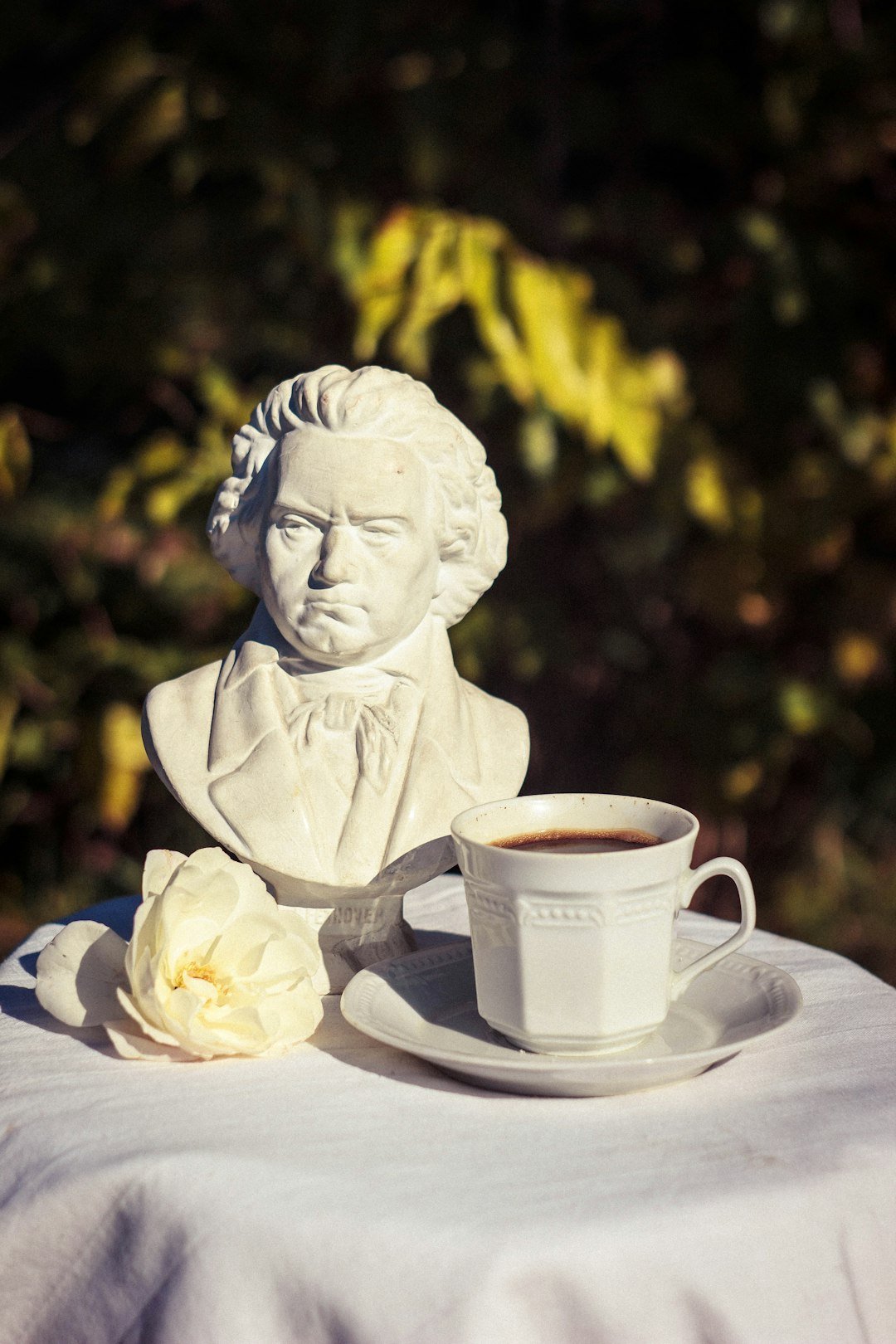
If anyone in music history deserves the word “revolutionary,” it is Beethoven – and I mean that in the most literal, thunderous sense. If any composer deserves the name of revolutionary it is Beethoven. He carried through what was probably the greatest single revolution in modern music and changed the way music was composed and listened to. He did not simply write beautiful pieces. He demolished the walls of an entire era.
Before Beethoven, music was largely seen as a pleasant pastime, a diversion. After Beethoven, music would be increasingly considered the most profound of the arts. He took the refined, elegant, “powdered-wig” musical style of the eighteenth century and exploded it with unpredictable rhythms, daring harmonies and a broader scope. His critics were not amused. The composer Carl Maria von Weber suggested that Beethoven was “ripe for the madhouse” and wondered if his symphony was a joke. The composer Clara Schumann suggested that it only could have been composed while drunk. Such harsh criticism only served to increase Beethoven’s momentum.
Before Beethoven, the symphony was a fairly mundane genre, often produced quickly and in large quantities – Haydn wrote 107. Beethoven tapped the symphony’s potential in a way no one had before. His Symphony No. 3 (Eroica) in particular expanded our idea of what is possible in a symphony and, for that matter, in music. Not only was it longer, but it also pushed the boundaries in its form, harmonies, and emotional content.
Beethoven is an example of a great composer who was on the cutting edge of music, the avant-garde of his time. Before Beethoven, there was no Romantic Era, but after him, few wanted to write in the Classical style any longer. His was also deeply political work. We have forgotten, and no longer seem to hear, the intensely political nature of Beethoven’s music – its subversive, revolutionary, passionately democratic, and freedom-exalting nature. A profoundly deaf man writing odes to human brotherhood. It’s hard not to be moved by that.
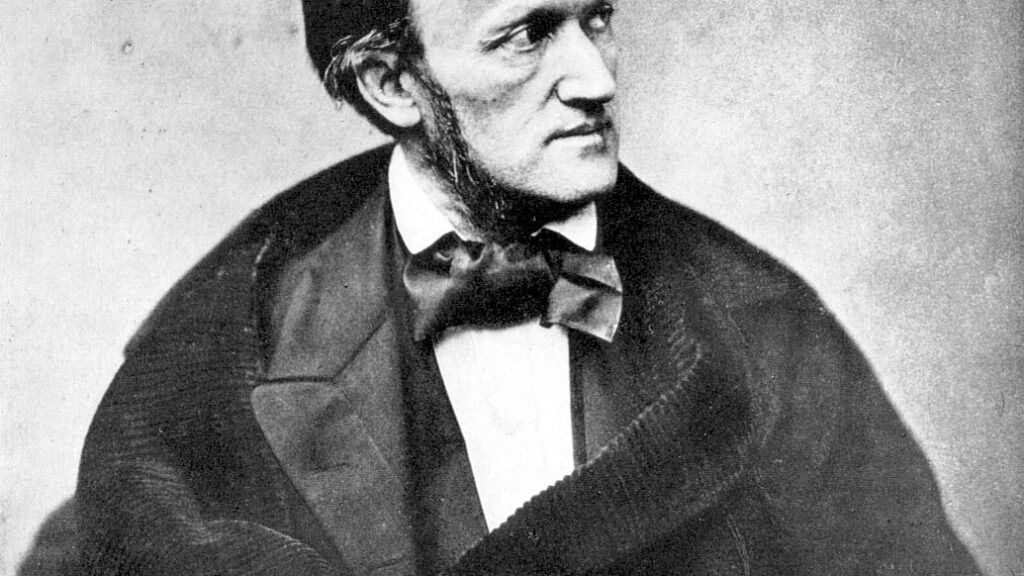
Richard Wagner: The Totalizing Visionary Who Invented the Future of Opera
![Richard Wagner: The Totalizing Visionary Who Invented the Future of Opera (Third party reproduction from Die Bildnisse Richard Wagners (The Portraits of Richard Wagner), a 1970 publication reproducing all the known portraits (photographs, drawings, paintings, likenesses) of Wagner made during his lifetime (1813-1883); Charles Ferdinand Reinwald, commissioner of the French Library wrote that this photo was first published in Théodore Pelloquet (ed), Galerie des hommes du jour (Gallery of the Men of the Days).[3], Public domain)](https://festivaltopia.com/wp-content/uploads/2026/04/1775049210111_1775049205511_richard_wagner-2c_paris-2c_1861.jpeg)
Many historians regard Richard Wagner as the principal precursor of musical modernism. Not content with writing the music of his time, Wagner proposed that his job as a composer was to write Zukunftsmusik – the music of the future. Honest opinion? Wagner is one of those figures who is almost impossible to assess calmly. His music is staggering, his ideas were groundbreaking, and his personal beliefs were reprehensible. Holding all of that together at once is uncomfortable. But musically, his impact is simply undeniable.
Wagner’s concept of the total work of art, the integration of music, drama, and poetry, transformed opera into a captivating and immersive experience. He invented what he called the Gesamtkunstwerk – a synthesis of all creative arts into one unified dramatic vision. In works like Tristan und Isolde, Wagner used unresolved dissonances and chromatic progressions to create a sense of continuous tension and ambiguity. The famous Tristan chord – a dissonant, unresolved sonority – was a watershed moment in the breakdown of traditional tonal harmony.
From revolutionary harmonic and melodic initiatives, to a unique approach to multi-medium art, and of course a sense of grandeur which pushed the limits of orchestral writing, Wagner forced musicians to expand their boundaries. Without Wagner, there is no Debussy, Satie and Ravel, and there is no Schoenberg either. That is an astonishing chain of influence for one composer to claim. Wagner popularized the use of leitmotifs, short musical themes representing characters, objects, or ideas, which recur and evolve throughout his operas to create dramatic cohesion. That structural idea, a theme carrying identity across a vast narrative canvas, would later define film music entirely.
Claude Debussy: The Impressionist Who Shattered Three Centuries of Harmonic Tradition
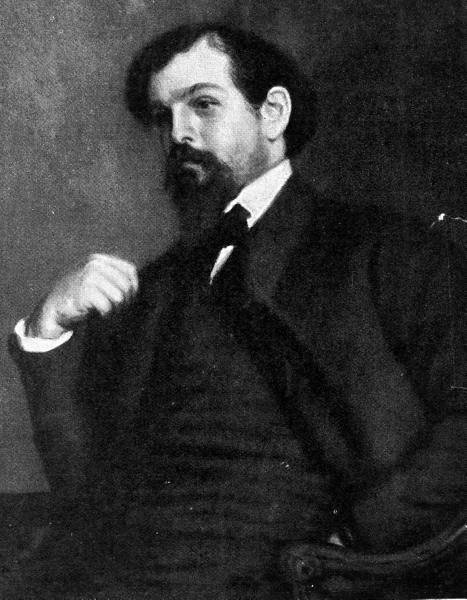
This tag does not indicate the copyright status of the attached work. A normal copyright tag is still required. See the copyright section in the template documentation for more information., Public domain)
Debussy is widely regarded as one of the most influential composers of the 20th century. Yet the world he came from still operated under centuries of rigid tonal rules. Debussy looked at those rules the way a painter looks at a fence – as something to paint around, not follow. He heard sounds differently from almost everyone around him and had the audacity to write exactly what he imagined.
In 1889, at the Paris Exposition Universelle, Debussy first heard Javanese gamelan music. The gamelan scales, melodies, rhythms, and ensemble textures appealed to him, and echoes of them are heard in “Pagodes” in his piano suite Estampes. It’s hard to overstate how unusual this was – a European composer of that era deliberately absorbing non-Western musical thinking. That kind of open-minded curiosity was not the norm. It was radical.
Debussy’s music was to a considerable extent a reaction against Wagner and the German musical tradition. He regarded the classical symphony as obsolete and sought an alternative in his “symphonic sketches,” La mer. His harmonic innovations went even deeper. Bartók first encountered Debussy’s music in 1907 and later said that “Debussy’s great service to music was to reawaken among all musicians an awareness of harmony and its possibilities.” That is essentially one genius telling another: you changed how we all think.
Igor Stravinsky: The Shape-Shifter Who Started a Riot
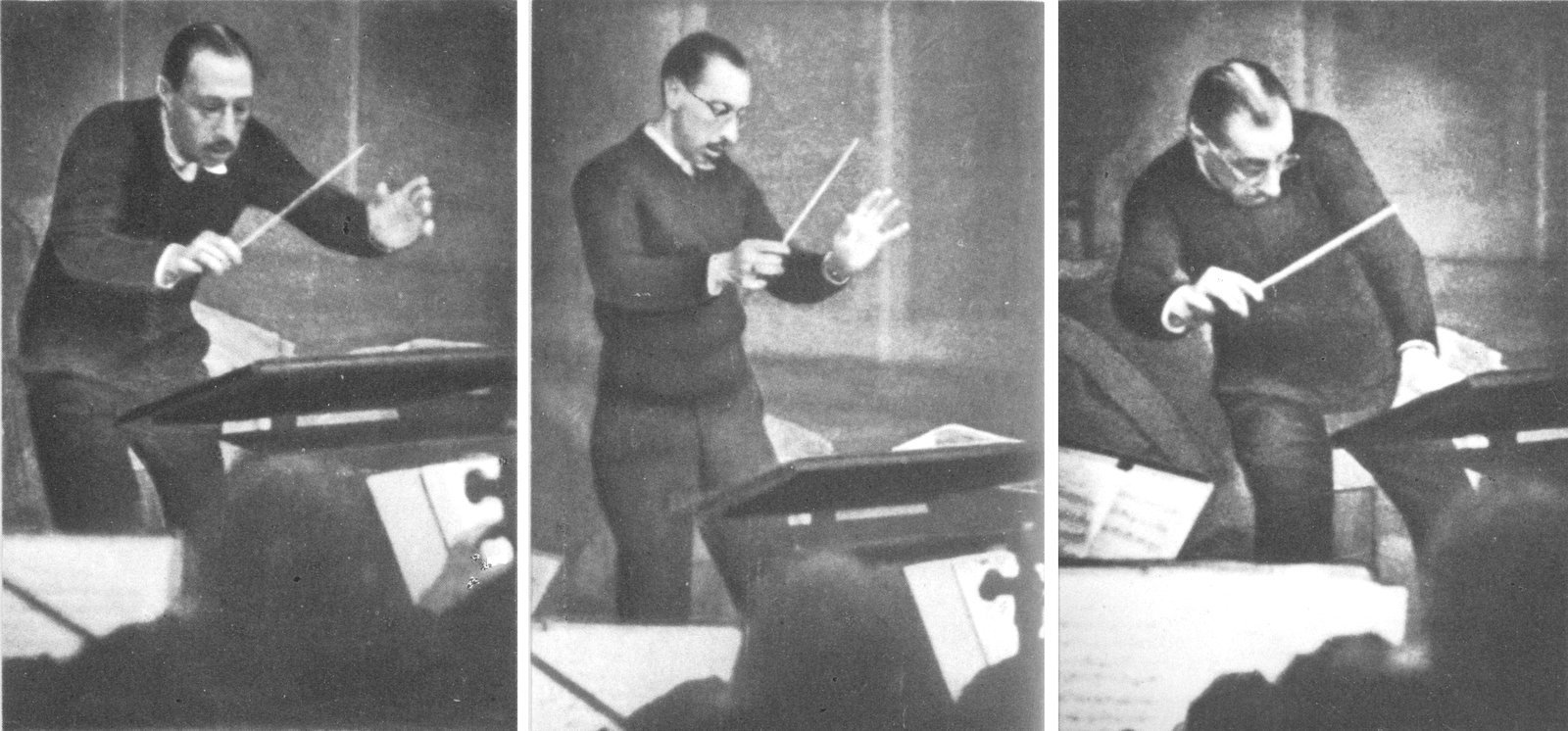
Stravinsky is genuinely one of the most fascinating cases in all of music history. Not only was he radical – he was radically different across multiple phases of his career, constantly reinventing himself when other composers were content to refine their established voice. Stravinsky’s music is often divided into three periods of composition: his Russian period (1913–1920), where he was greatly influenced by Russian folklore and style; his neoclassical period (1920–1951), where Stravinsky turned towards techniques and themes from the Classical period; and his serial period (1954–1968), where he used serial composition techniques pioneered by composers of the Second Viennese School. Three careers in one lifetime. Extraordinary.
The Rite of Spring premiered in 1913 and shocked audiences with its dissonant harmonies, irregular rhythms, and primal energy. The performance ignited a riot, a testament to the profound effect Stravinsky’s music had on its listeners. A riot. In a concert hall. Over music. You don’t get a stronger signal that someone has just done something genuinely unprecedented. The last of these ballets transformed the way in which subsequent composers thought about rhythmic structure and was largely responsible for Stravinsky’s enduring reputation as a musical revolutionary who pushed the boundaries of musical design.
Never bound to one style, Stravinsky moved from Russian nationalism to neoclassicism to Serialism, each time challenging conventions. His fearless innovation and stylistic versatility made him one of the most influential composers of all time. The ripple effects were immense. By challenging the very foundations of Western music, Stravinsky opened the door for future composers to experiment and innovate in ways that were once considered unthinkable. There is something almost philosophical about that – one person’s refusal to stand still creates freedom for everyone who comes after.
Arnold Schoenberg: The Most Misunderstood Revolutionary in Music
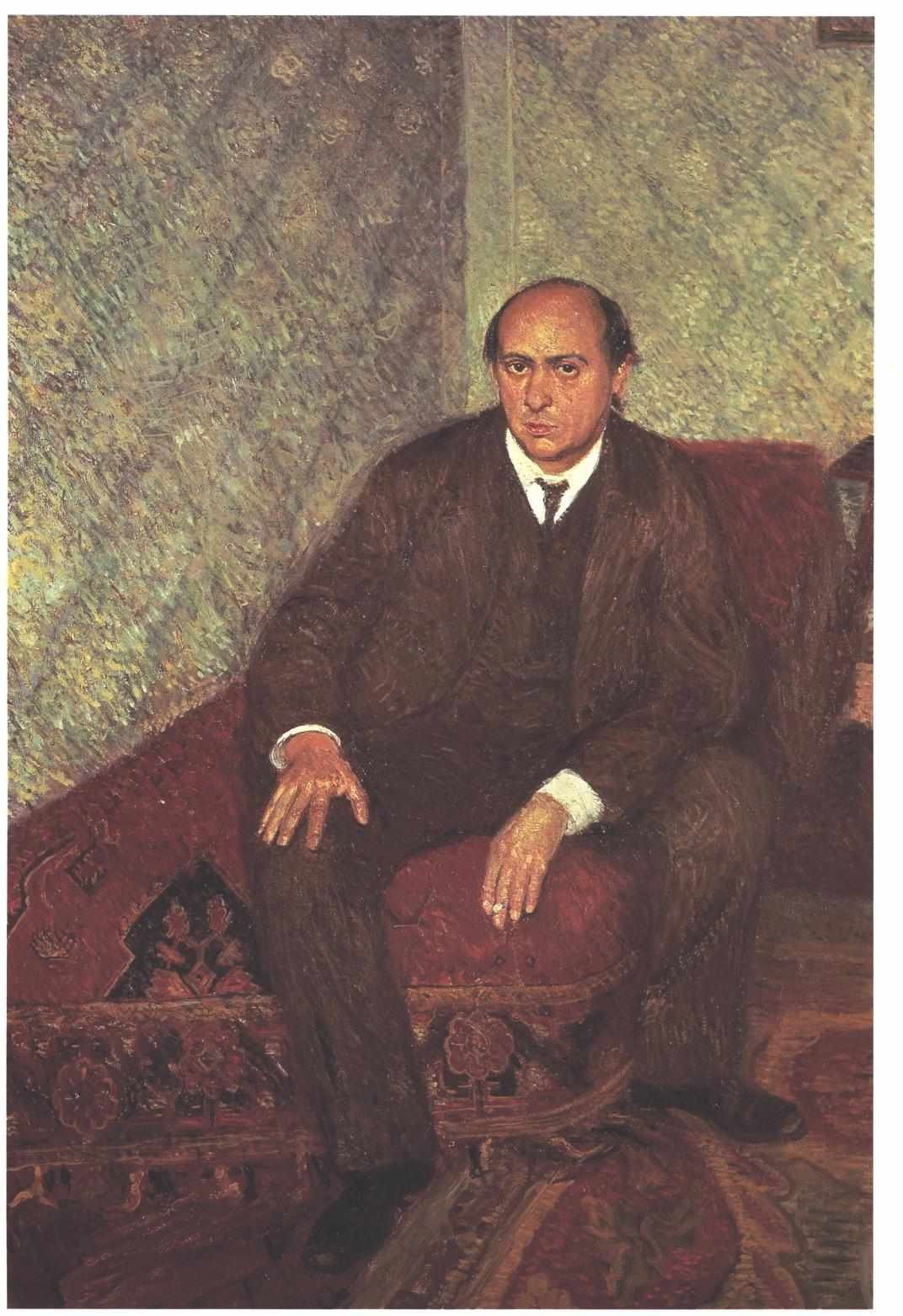
Let’s be real – Schoenberg is probably the composer on this list whose music the fewest people actually enjoy listening to. That doesn’t make him less important. If anything, it makes his story more remarkable. Out of the three composers Beethoven, Wagner, and Schoenberg, Schoenberg is perhaps the most radical in his approach to change and breaking with tradition. This is also why he is the least popular. His music is often difficult to comprehend and challenges the ear.
Arnold Schoenberg and the Second Viennese School took Wagner’s chromaticism to its extreme, leading to atonality and the twelve-tone method. This was not just a new style – it was a philosophical overhaul of what music fundamentally is. Schoenberg saw himself as a traditionalist and a Romantic who saw himself as the next logical step in German music after Mozart, Beethoven, Brahms, and Wagner. Yet his new atonal language sparked a revolution of cool, intellectual, mathematical precision, well-suited for the atomic age.
What I find genuinely moving about Schoenberg is his courage. The immediate public response to his actual music was to reject it outright. Complex historical and social reasons lay behind this reception; those on the Brahms side of the musical rift had become so entrenched that they reacted adversely to any innovation. He pressed on regardless. Although in retrospect this does not hold true for his own music and that of his leading adherents, such as Alban Berg and Anton von Webern, the idea of generating music from an arbitrary sequence of tones treated as a fixed melodic and harmonic unit struck most listeners as mechanical and sterile. History, as always, proved the skeptics wrong – or at least complicated.
Gustav Mahler: The Bridge Between Two Worlds
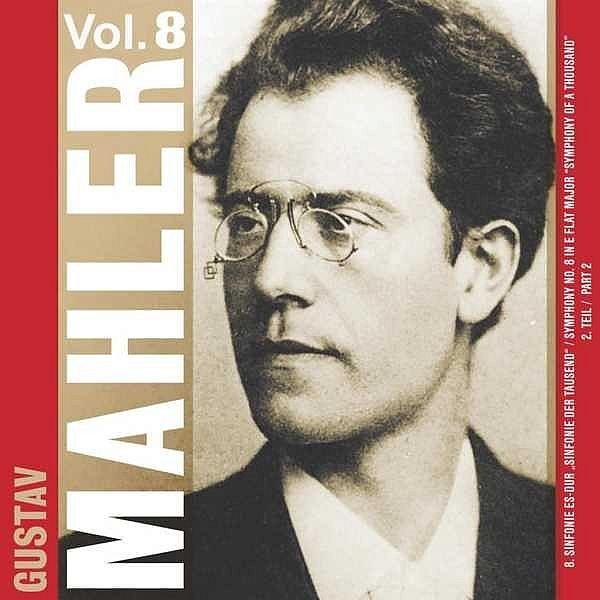
Mahler occupies an almost uniquely poignant place in the story of classical music. He was simultaneously the last great voice of Romantic tradition and the first troubled prophet of modernism. As a late-Romantic composer, Mahler fused the grandeur of the 19th century with forward-looking ideas, such as unconventional structures and expanded orchestral palettes. His Symphony No. 1, often called the “Titan,” captures a journey from nature’s tranquility to triumphant heroism, while his Symphony No. 8, the “Symphony of a Thousand,” explores themes of universal unity. Mahler’s music bridges the emotional depth of Romanticism and the experimentation of modernism, making him a profound influence on 20th-century composers.
Think of Mahler as a man standing at a doorway. Behind him was Beethoven’s legacy – that grand tradition of music as personal and philosophical statement. Ahead of him lay Schoenberg’s atonal revolution. New composers such as Anton Bruckner, Richard Strauss, and Gustav Mahler – to say nothing of the Frenchman Claude Debussy – aggressively sided with Wagner in expanding the standard harmonic range. He belonged to neither camp fully. That unresolved tension is precisely what makes his symphonies so emotionally devastating.
The Romantic Movement: When Composers Became Heroes and Rebels
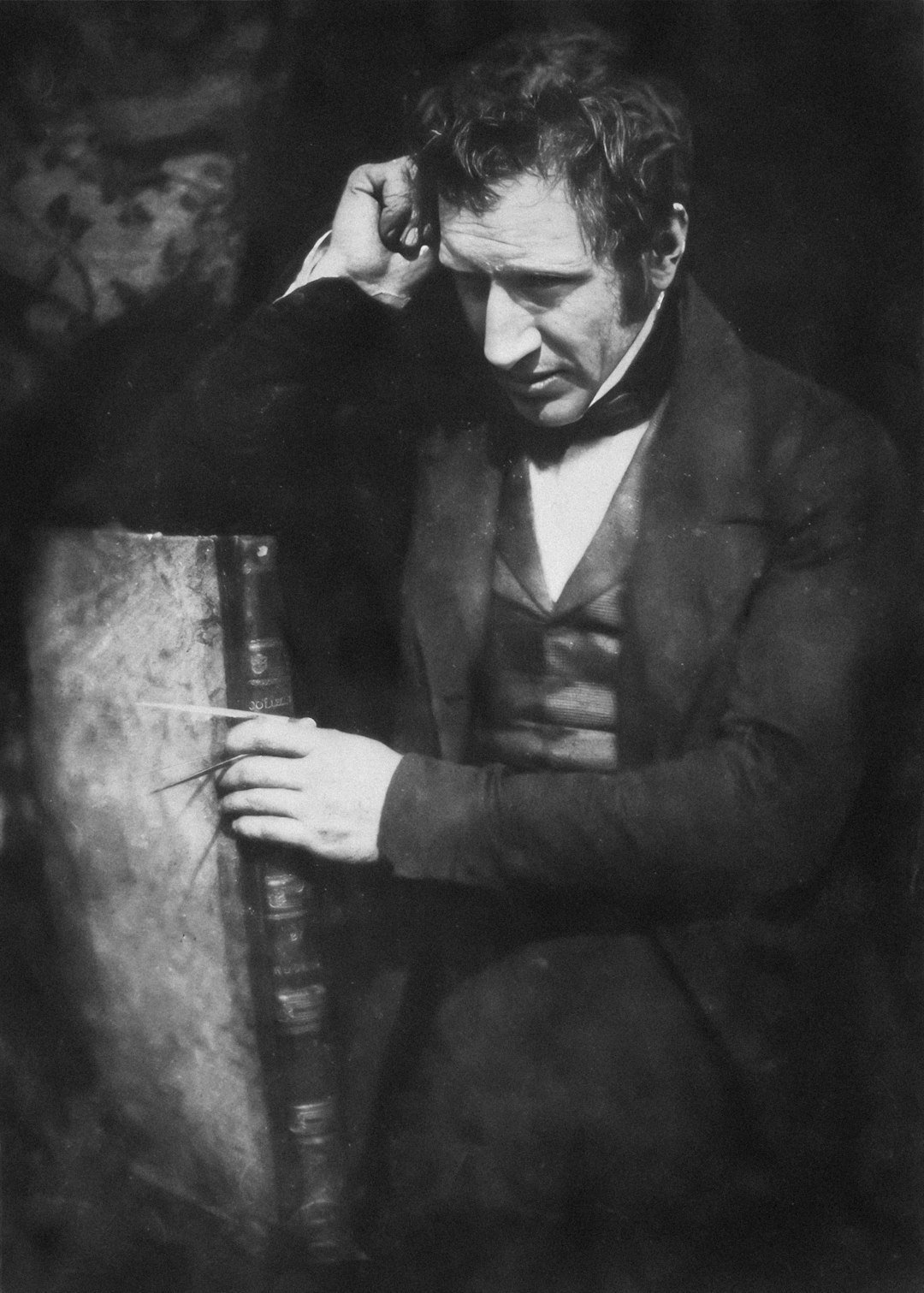
It’s easy to forget just how radical the broader Romantic movement was as a collective intellectual project. The shift from classical traditions to modern composition began in the late 19th and early 20th centuries, when composers began to break away from the strict rules of classical music. New ideas such as dissonance, atonality, and unconventional rhythms started to emerge, paving the way for a new era of musical exploration. Composers began to experiment with form and structure, shifting from the symphonic model to more innovative and experimental approaches.
Musicians began to rely on public and individual patronage rather than commissions from the nobility, freelancing in their growing art. Compositions became stories, representing emotions, ideas, and even nationalist pride. Historic legends, tales, and folk songs became the inspiration behind the works of non-Germanic composers who wanted to express the pride of their homeland in song. This was a seismic cultural shift. Music was no longer wallpaper for aristocratic dining rooms. It had become a vehicle for identity, protest, and transcendence.
Composers such as Franz Schubert, Frédéric Chopin, and Franz Liszt stretched melodies, tempos, and dynamics to greater extremes than ever before, creating powerful emotion through dissonant harmonies and dramatic tension. Liszt, in particular, was an extraordinary case. Liszt transformed performance into a spectacle by establishing the concept of public “recitals,” and his extraordinary skill left audiences in awe, leading many to almost worship him. The concept of the virtuoso superstar performer – yes, that idea began here, in the 19th century, with Franz Liszt essentially inventing a form of celebrity culture that rock musicians would later inherit entirely.
John Cage and the Avant-Garde: When Silence Became a Statement
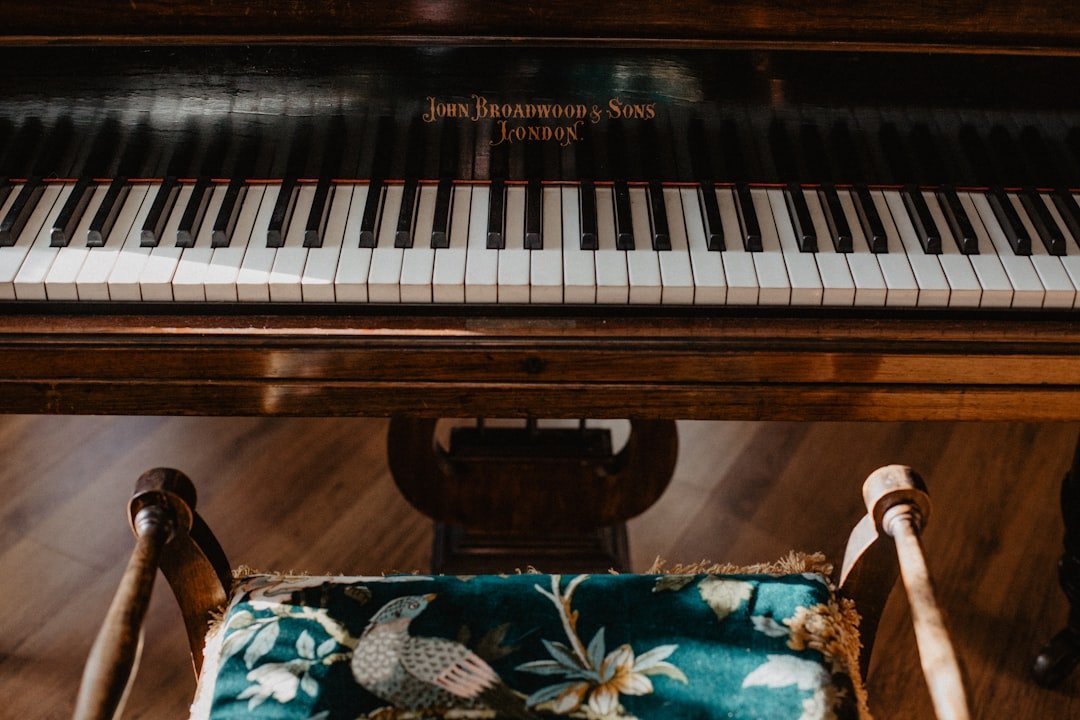
Some composers break rules. John Cage asked whether the rules themselves had any right to exist. His thinking was genuinely unlike anything that had come before in the Western tradition. The seemingly simple question “What is music?” propelled John Cage to rethink the very foundations of sound and auditory experience. Cage’s exploration led him toward radical and avant-garde compositions, with none more iconic than “4’33’.” Cage, influenced by Eastern philosophies – particularly Zen Buddhism – believed that sound is ubiquitous and that embracing silence can unlock profound insights.
Cage embraced chance operations, the prepared piano, and Zen philosophy, rejecting control in favour of unpredictability and presence. His radical ideas dismantled traditional boundaries, forever transforming how composers, performers, and audiences think about sound, silence, structure, and the nature of artistic intention. It’s hard to say for sure exactly where his influence ends – electronic music, ambient music, conceptual art, even the way modern experimental musicians work all carry traces of his thinking.
Erik Satie, a precursor to this tradition, was a musical revolutionary who defied the grandiosity of Romanticism with simplicity, wit, and irony. His minimalist piano pieces, like the Gymnopédies and Gnossiennes, paved the way for ambient and modernist music. Rejecting conventional structures, he embraced repetition, unconventional harmony, and absurdity. Satie’s work influenced composers from Debussy to Cage, challenging what music could be and sounding decades ahead of his time in both style and spirit. The thread running from Satie through Cage to modern ambient music is a single, quietly defiant line.
Conclusion: Originality Was Never Comfortable
It Was Necessary
Looking at the full arc of classical music history, a pattern becomes impossible to ignore. Every leap forward came at personal cost. Beethoven was called mad. Stravinsky caused riots. Schoenberg was rejected outright. Bach was dismissed as old-fashioned in his own lifetime. The composers we now enshrine in concert hall programs were, in their own time, the uncomfortable ones – the people who kept asking questions no one else wanted to answer.
A “great” classical composer is someone who has significantly contributed to the evolution of music, often by introducing innovative ideas or mastering existing styles. They create works that resonate emotionally and intellectually with listeners across generations. Great composers often influence not only their contemporaries but also future musicians, leaving an enduring legacy in the world of music. The curious thing is that this definition is really a description of nonconformity dressed in formal language.
There is something deeply reassuring – and challenging – in that history. Every era has its conventions, its consensus, its unspoken rules about what is acceptable and what is too strange. Every era has also produced at least one person who heard something different in the silence and had the courage to write it down. The music that survives longest is almost always the music that, in its moment, sounded wrong to someone. What does that tell us about how we listen to the unconventional voices in our own time?

Besides founding Festivaltopia, Luca is the co founder of trib, an art and fashion collectiv you find on several regional events and online. Also he is part of the management board at HORiZONTE, a group travel provider in Germany.
