
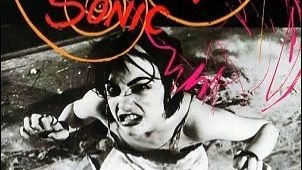

For any feedback please reach out to info@festivalinside.com
- These 20 Books Had Different Titles Until the Last Minute - September 22, 2026
- The 20 Most Famous Songs Written in Under 15 Minutes - September 22, 2026
- 10 Albums You Shouldn’t Shuffle - September 22, 2026
There’s a version of rock history most people know. The stadium shows. The Rolling Stones on magazine covers. The platinum records. The MTV rotation. It’s a clean, well-lit story, and honestly, it’s mostly a lie of omission. Because the music that actually bent the shape of rock – that redrew the entire genre’s DNA – almost never happened in front of a crowd of thousands. It happened in damp basements, converted warehouses, and dive bars where the bathrooms had no stall doors.
While bands like The Beatles, The Beach Boys, and The Jimi Hendrix Experience created the most influential music of the period in the mainstream, much of the most meaningful development occurred underground in local art scenes. These underground groups tended to conduct more radical experiments than their mainstream contemporaries and scared more traditional audiences. That’s the thread this article pulls. Ignored, overlooked, and sometimes genuinely weird, the underground scenes of rock history deserve a serious reckoning. Let’s dive in.
The New York Art Scene and the Velvet Underground: Where It All Began
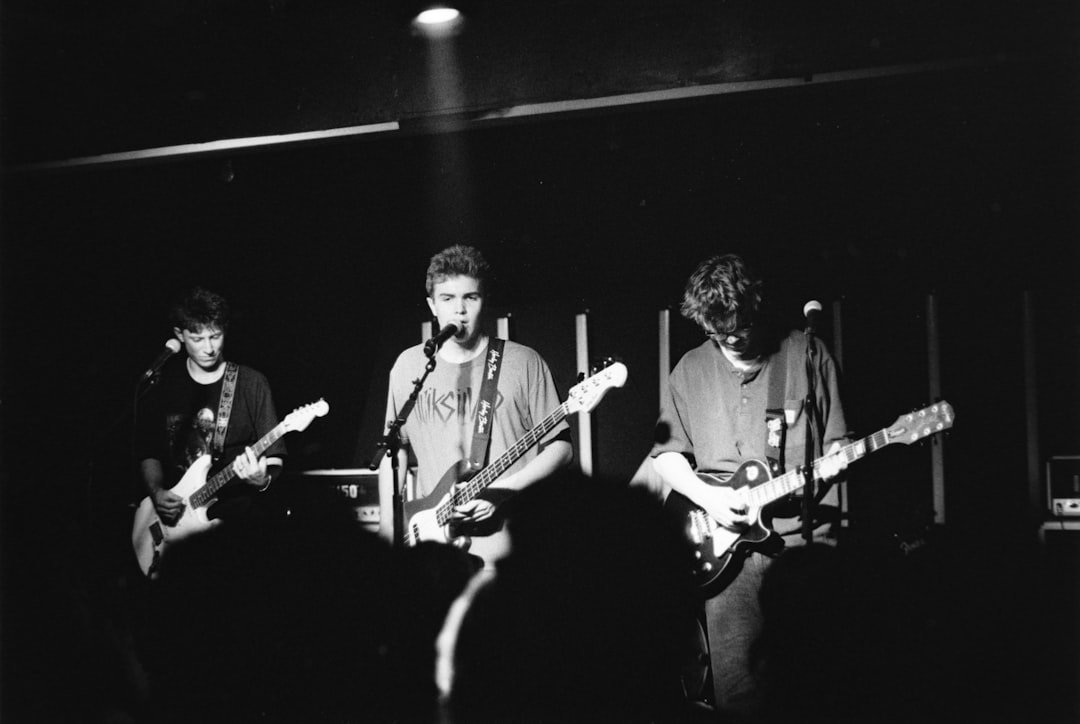
Here’s the thing about the Velvet Underground – they sold almost nothing in their time. Their debut album barely registered on the charts. Yet, the ripple effect they caused was enormous, arguably the biggest in American rock history.
One of the earliest major underground experiments was The Velvet Underground, born out of New York’s art scene; guitarist and songwriter Lou Reed, multi-instrumentalist John Cale, guitarist Sterling Morrison, and drummer Moe Tucker rounded out the band’s core lineup. They played for art crowds, not rock fans. They weren’t trying to be famous.
With Lou Reed’s evocative storytelling and John Cale’s avant-garde twists, The Velvet Underground remains a staple in underground music history. Their influence was so deep and so quiet that it took decades for the world to catch up. Every alternative rock band, from Nirvana to Sonic Youth to R.E.M., takes something from The Velvet Underground.
The raw edge and avant-garde instrumentation led the record to flop commercially. The joke that circulated for years was that only a few thousand people bought their debut album, but every single one of them started a band. I think that might be the most accurate description of underground influence ever written.
CBGB: A Filthy Room That Changed Rock Forever
Picture a bar that smelled like old beer and ambition in equal measure. No glamour. No guest lists. Just bands playing original music to whoever showed up. That was CBGB on the Bowery in New York City, and honestly, few places in the history of Western music punched harder above their weight.
CBGB was founded in 1973 at 315 Bowery, in a former nineteenth-century saloon. The legendary music venue fostered new genres of American music, including punk and art rock, that defined the culture of downtown Manhattan in the 1970s, and that still resonate today. The irony? CBGB became the birthplace of punk because its cheap rents, rough neighborhood, and lack of money pushed Hilly Kristal to book original bands instead of cover acts, creating a space for raw, rebellious creativity.
CBGB became famed for Misfits, Television, Patti Smith Group, Mink DeVille, Dead Boys, the Dictators, the Fleshtones, the Voidoids, the Cramps, the B-52’s, Blondie, Joan Jett and the Blackhearts, the Shirts, and Talking Heads. That list is staggering. Almost every name on it went on to reshape what rock could be.
Television unwittingly sparked New York’s punk scene after convincing Kristal to let them play at CBGB. A mixture of Velvet Underground art-rock and garage rock, the band was led by Tom Verlaine. His guitar work was exploratory, poetic, nothing like what was on the radio. The club’s gritty atmosphere and its commitment to showcasing original music helped to create an environment where creativity could thrive. By fostering a sense of community among musicians, artists, and fans, CBGB played a crucial role in the growth of the punk rock movement.
The Proto-Punk Pioneers Nobody Talks About Enough

Before the Sex Pistols made headlines and before the Ramones played their legendary 12-minute first set at CBGB, there were artists brewing something even rawer in Detroit and beyond. Before the Sex Pistols or The Ramones hit the scene, three African-American brothers from Detroit were making raw, fast, and heavy music under the name Death. Their 1970s recordings, largely ignored at the time, are now recognized as some of the earliest examples of punk rock.
Decades later, their album “…For the Whole World to See” finally reached ears hungry for origin stories and authenticity. It’s shocking, honestly. A band that essentially invented a genre, completely erased from the mainstream record for decades. That’s the underground story in its most painful form.
The Fugs, who formed in 1964, were described as “arguably the first underground rock group of all time.” These were poets and provocateurs making noise before anyone even had a framework for it. Underground artists influence mainstream music in subtle yet seismic ways – through riffs stolen, styles adopted, aesthetics imitated, and attitudes replicated. They represent the soul of creativity: uncompromising, unfiltered, and often uncredited.
The Mothers of Invention and Frank Zappa’s California Chaos
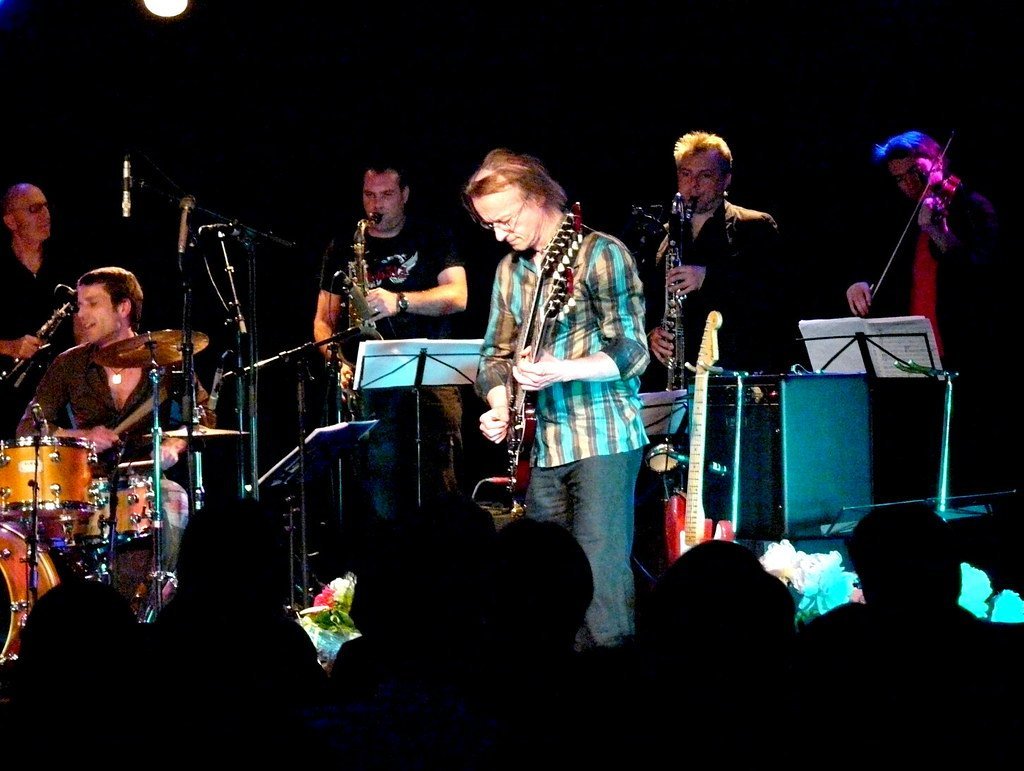
Let’s be real, Frank Zappa is one of the strangest and most important figures in rock history, and he spent most of his career being either ignored or dismissed by mainstream audiences. That’s exactly what made him so influential.
The Mothers of Invention started as a local band, then named The Soul Giants, playing small clubs. When the guitarist quit, everything changed for the group; this opened the doors for Frank Zappa, a mountain of hair with a mustache and an immense talent for guitar, to join the band. What followed was a decade-plus of some of the most compositionally daring rock music ever recorded.
Zappa attempted to define “underground” by noting that “the mainstream comes to you, but you have to go to the underground.” That’s a razor-sharp distinction. Zappa-inspired improvised live acts, such as Phish and King Gizzard and The Lizard Wizard, consistently selling out consecutive nights at massive venues, and Zappa’s experiments have inspired countless other bands. The man built an entire architecture of influence from a stage that very few people attended at first.
The 1970s Punk Explosion: Anger as Innovation
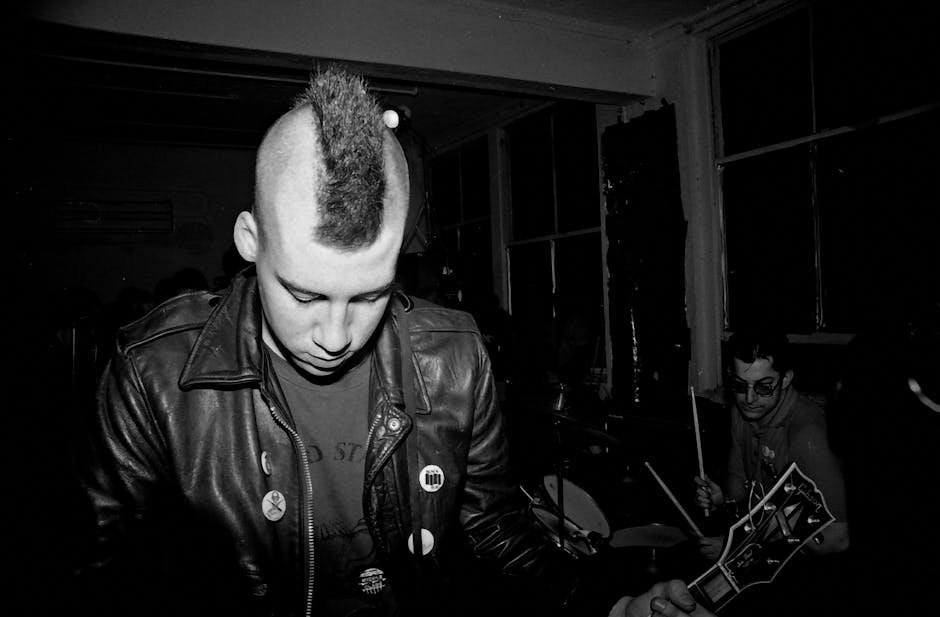
The economic depression in New York during the 1970s fueled the anger and DIY mindset of young musicians, who used music and zines to express frustration and build their own counterculture. This is so important to understand. Great underground music rarely comes from comfort. It comes from friction.
By the mid-1970s, the term “punk rock” had become associated with several regional underground music scenes, including the MC5 and the Stooges in Detroit; Television, Patti Smith, Suicide, the Dictators, Richard Hell and the Voidoids, and the Ramones in New York City; Rocket from the Tombs, Electric Eels, and Dead Boys in Ohio; the Saints and Radio Birdman in Australia; and the Sex Pistols, The Clash, the Damned, and the Buzzcocks in England. The sheer geographic spread of this is remarkable. The underground wasn’t one scene. It was dozens of scenes, all exploding at once, completely independent of each other.
The genre of post-punk is often considered a “catchall category for underground, indie, or lo-fi guitar rock” bands which “initially avoided major record labels in the pursuit of artistic freedom, and out of an ‘us against them’ stance towards the corporate rock world.” Post-punk then became its own creative engine. Post-punk bands like Talking Heads, Joy Division, and The Cure expanded punk’s ideas into new artistic directions, blending experimentation with emotional depth.
The Women Who Smashed Rock’s Walls Before Anyone Noticed

Rock history has a bad habit of centering men. The underground scenes were often the spaces where women built something genuinely revolutionary, and the mainstream simply failed to keep up.
All-female punk band The Slits smashed gender norms and musical expectations in the late 1970s with their chaotic, reggae-infused punk. Their debut album “Cut” is now a cult classic, but at the time, they were met with resistance from an industry unwilling to embrace their defiant energy. They opened doors for riot grrrl, post-punk, and feminist punk movements that followed.
While many recognize the rise of post-punk and goth through bands like The Cure or Joy Division, Siouxsie Sioux helped define the aesthetic and sound years earlier. Her influence on everything from alternative fashion to dark pop runs deeper than most people credit. These women weren’t waiting for permission. They were building scenes before the scenes even had names.
The 1980s Underground: When the Mainstream Went Stale

The 1980s was a decade of cultural transformation and musical innovation. While mainstream pop and rock dominated the airwaves, a vibrant underground music scene was thriving beneath the surface. The contrast couldn’t have been sharper. Stadium rock grew bigger and more polished, while the underground went noisier and stranger.
The 80s underground music scene served as a breeding ground for innovation and experimentation. Artists pushed the boundaries of sound and style, blending genres and incorporating new technologies to create music that was truly groundbreaking. Think of it like two parallel universes. One was Bon Jovi in a stadium. The other was Black Flag in a VFW hall at 3pm on a Sunday.
As the 1980s began, mainstream rock was losing commercial steam, its sound growing stale. In such a creatively stagnant environment, subgenres started to assert their dominance. Inspired by punk’s outsider status and industrial’s eclectic instrumentation, keyboard-driven English bands such as Depeche Mode demonstrated a more introverted songwriting style, creating post-punk, also described as new wave. Every major creative mutation in rock during the 1980s came from the underground, almost without exception.
Sonic Youth and the No Wave Underground
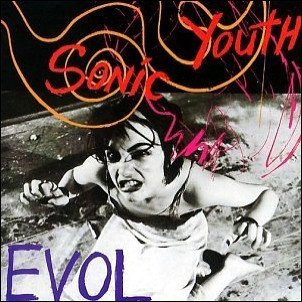
Sonic Youth emerged from the experimental no wave art and music scene in New York before evolving into a more conventional rock band and becoming a prominent member of the American noise rock scene. They are maybe the purest example of how an underground band quietly rewires an entire generation of music without most people realizing it while it’s happening.
Sonic Youth has been praised for having “redefined what rock guitar could do,” using a wide variety of unorthodox guitar tunings while preparing guitars with objects like drumsticks and screwdrivers to alter the instruments’ timbre. Playing guitars with screwdrivers. That’s not a gimmick. That’s a philosophy. Their inventive use of alternate tunings, dissonance, and feedback, which they combined with the intensity of hardcore punk and the performance art aesthetic of New York’s avant-garde, created a new sonic landscape with an impact that lasted for decades.
Sonic Youth greatly influenced the grunge band Nirvana, both in their musical style and their decision to sign with DGC Records for the release of Nevermind. Through their patronage of Seattle bands, Sonic Youth “inadvertently nurtured” the grunge scene, and reinforced the fiercely independent attitudes of its musicians. It’s hard to say for sure, but grunge as the world came to know it might simply not exist without Sonic Youth’s years of underground groundwork.
Seattle’s Isolation and the Grunge Underground
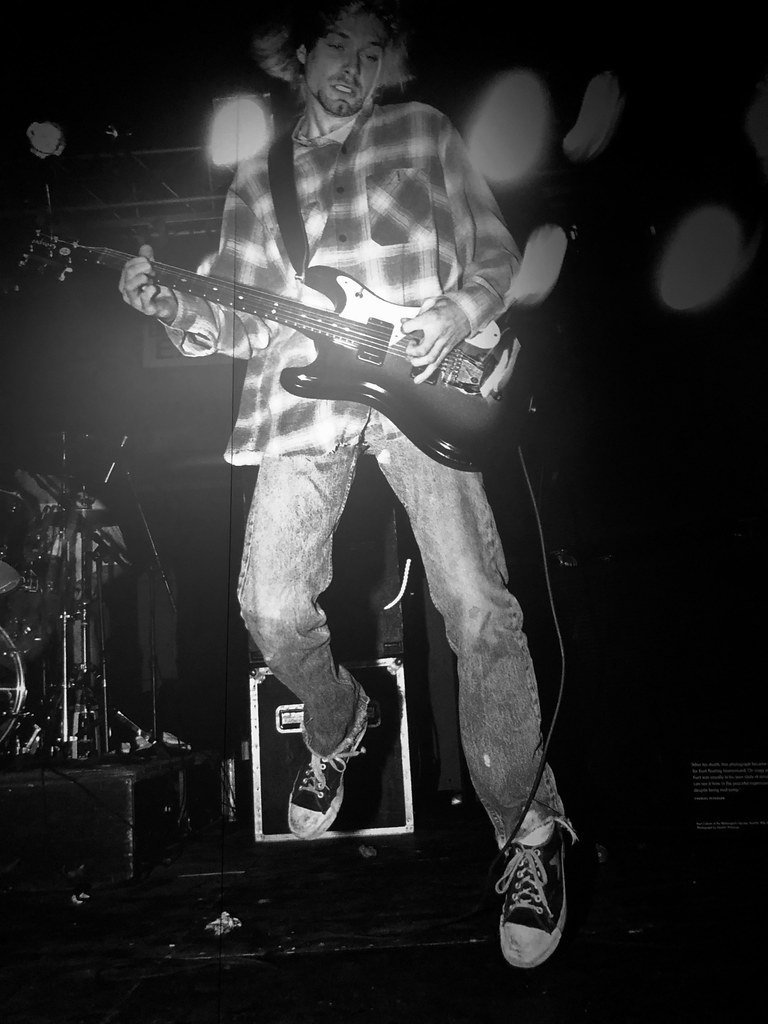
Grunge is often told as a story about overnight success. Nirvana appears, everything changes, end of story. The actual history is far messier and more interesting than that.
Grunge’s sound partly resulted from Seattle’s isolation from other music scenes. As Sub Pop’s Jonathan Poneman noted, “Seattle was a perfect example of a secondary city with an active music scene that was completely ignored.” That isolation was a laboratory. When nobody from the music industry is watching, bands get genuinely weird with their sound.
The early grunge movement revolved around Seattle’s independent record label Sub Pop and the region’s underground music scene, with local bands such as Green River, the Melvins, and Mudhoney playing key roles in the genre’s development. These bands existed in a world without hype, without industry attention, without a roadmap. Roy Shuker states that grunge’s success built on the “foundations laid throughout the 1980s by earlier alternative music scenes.” When the mainstream finally came looking, the scene had already been cooking for years.
The Post-Punk Architecture That Built Alternative Rock
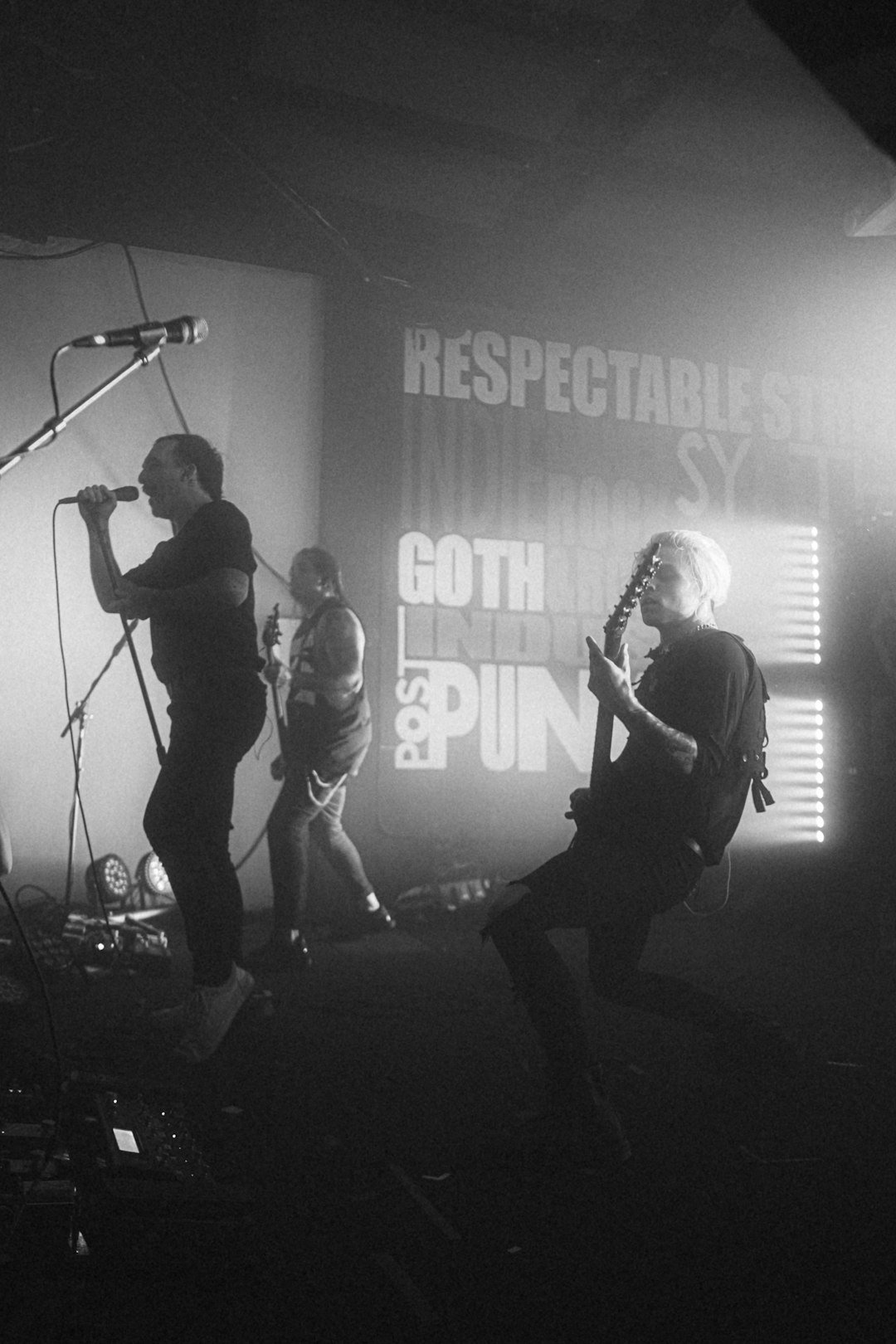
The 1980s saw the rise of alternative rock, a genre that served as a counterpoint to the polished, commercially-driven sound of mainstream rock. Alternative rock was diverse, encompassing a wide range of styles from the jangly guitar pop of R.E.M. to the dark, brooding post-punk of bands like Joy Division and The Cure. It’s easy to forget now, when all of these bands are classics, just how stubbornly uncommercial they were at the time.
One of the most influential developments in alternative rock during the 1980s was the emergence of the indie rock scene. Independent labels and artists began to gain more visibility, often operating outside the traditional music industry. This era also saw the rise of college radio stations, which played a crucial role in promoting alternative rock bands that would otherwise have been overlooked by mainstream media.
College radio was the algorithm before algorithms existed. It was human curation, passionate and local, and it gave bands like R.E.M. years of underground development before the mainstream ever caught on. As in earlier eras, mainstream trends quickly spawned movements of artists seeking to distinguish themselves as different. Though it began mainly in local scenes and was distributed by independent record labels, “alternative” rock was soon itself a major force in the music industry, particularly entering the 1990s.
The DIY Ethos: Why Freedom Produced the Best Sounds

There’s a pattern across all of these movements. Commercial pressure produces formula. Remove that pressure, and something genuinely new can grow. The DIY scene proved this over and over again.
One of the most significant ways underground music scenes influence local culture is by fostering creativity and innovation. Free from commercial pressures to conform to popular trends, underground artists can push boundaries in sound, performance, and lyrical content. This isn’t abstract. It’s observable in band after band across every decade of rock history.
Underground music may be perceived as expressing sincerity and creative freedom in opposition to those practices deemed formulaic or market-driven. There’s something deeply magnetic about music made without any expectation of commercial return. You can feel it. Beneath the polished beats of mainstream hits lies the soul of rebellion – sounds born in dimly lit basements, obscure radio stations, warehouse raves, and DIY studios. The listener always knows the difference between music made for a market and music made because someone had to make it.
Conclusion: Authenticity Was Never Made for the Spotlight
Looking at the full sweep of rock history, the same truth keeps surfacing. The music that lasts, the music that opens new doors and rewires what a genre can be, almost never comes from the center. It comes from the margins. It comes from people who had nothing to lose and no blueprint to follow.
History often favors the loudest names, but true innovation frequently starts on the fringe. Underground artists influence mainstream music in subtle yet seismic ways – through riffs stolen, styles adopted, aesthetics imitated, and attitudes replicated. They represent the soul of creativity: uncompromising, unfiltered, and often uncredited.
Still, the underground adapts. Every time it gets absorbed, it regenerates – finding new forms, new sounds, new ways to stay one step ahead. This regenerative quality ensures that rebellion, in one form or another, remains alive in music. because that’s the only time it could be completely honest.
The irony of all this is beautiful. The moment a scene gets discovered, it usually starts to die. The cameras arrive, the labels swoop in, and something essential gets packaged and sold back to the people who never even knew it existed. Maybe that’s not a tragedy. Maybe it just means the real work is always happening somewhere else, in some basement you haven’t heard of yet. What underground rock moment do you think deserves far more recognition than it gets? Tell us in the comments.

Christian Wiedeck, all the way from Germany, loves music festivals, especially in the USA. His articles bring the excitement of these events to readers worldwide.
For any feedback please reach out to info@festivalinside.com
