

For any feedback please reach out to info@festivalinside.com
- The 20 Most Famous Songs Written in Under 15 Minutes - September 22, 2026
- 10 Albums You Shouldn’t Shuffle - September 22, 2026
- The 10 Most Powerful Speeches in Pop Culture - September 22, 2026
Heavy metal didn’t explode out of nowhere in the late 1970s. Lesser-known rock tracks from earlier in the decade laid the groundwork with crushing riffs, dark atmospheres, and relentless energy that metal pioneers quietly absorbed.
These hidden gems flew under the radar, overshadowed by giants like Black Sabbath and Led Zeppelin. Yet they injected raw power into the genre’s veins. Let’s uncover how these forgotten cuts forged the sound of tomorrow’s legends.[1]
Population II by Randy Holden (1970)
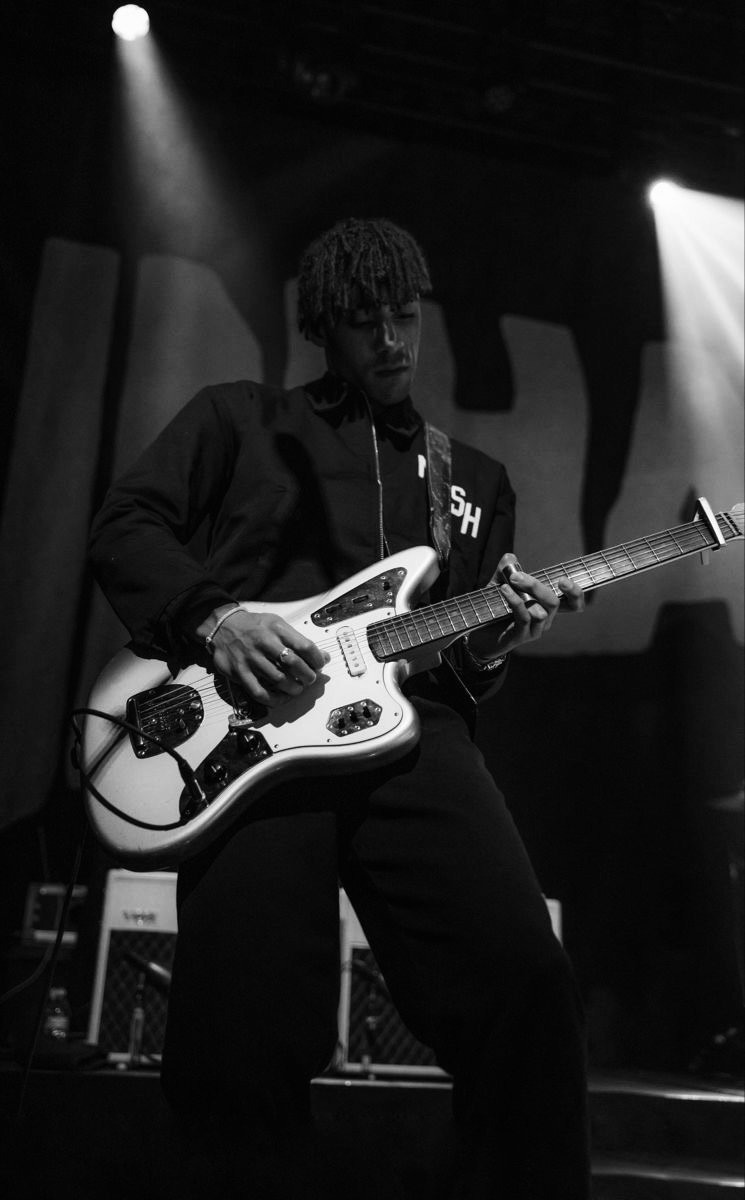
Randy Holden’s “Population II” crawls with glacially paced tempos and doomy riffs that feel like a narcotic haze. Bluesy hard rock melts into pentatonic guitar spasms over a power duo setup. The track’s stoned intensity echoes Blue Cheer’s volume wars fused with Sabbath’s gloom.
This obscurity directly fed into doom metal’s birth. Bands chasing that heavy, sludgy vibe drew from its blueprint. Later acts in stoner rock circles nodded to its pioneering weight, proving one guitar could summon apocalypse.[1]
La Leyla by Ramses (1976)
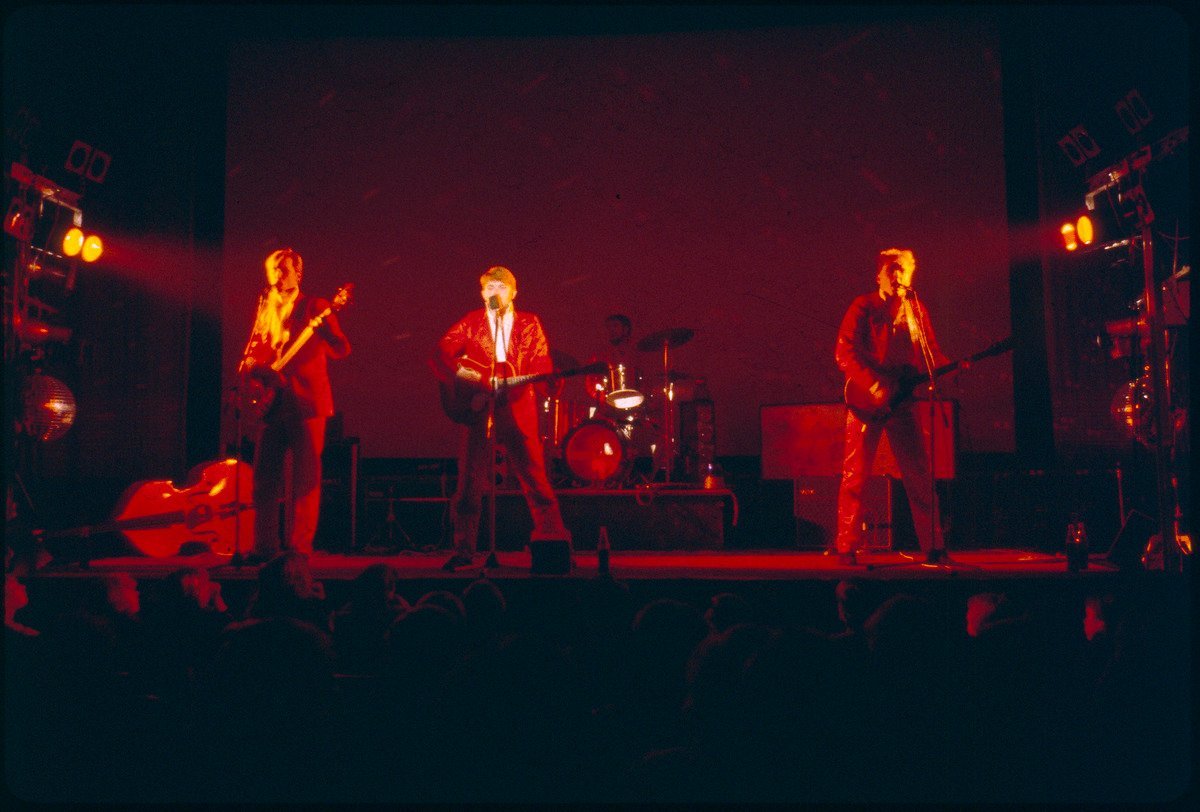
Ramses deliver “La Leyla” with heavy organ prog and cartoonish synth wizardry. Over-the-top trills clash with Byzantine structures in relentless prog excess. Picture Deep Purple stretched into a self-serious marathon minus the soul.
Its blend of heaviness and keyboard flair inspired prog-metal hybrids. Thrash and power metal outfits borrowed the dramatic flair for epic builds. Honestly, this track’s wild ambition lit a spark for theatrical metal stages.[1]
Stray by Stray (1970)
Stray’s self-titled opener blasts fuzzed-out guitar assaults laced with close-harmony choruses. Hooks collide in sloppy, exuberant rave-ups like Hawkwind crashing into Amboy Dukes territory. The raw adolescent thrill screams underground British grit.
Proto-metal energy here primed speed and thrash riffing. NWOBHM bands echoed its unpolished fury in early demos. Here’s the thing: its hooks showed metal aggression could stick in your head forever.[1]
Lucifer’s Friend by Lucifer’s Friend (1970)

“Ride the Sky” from Lucifer’s Friend roars with Sabbath-esque bluster and twin-guitar harmonies. Falsetto vocals soar over battle-cry horns in occult-tinged heaviness. German rockers nailed a Dio-like proto-power punch early on.
Judas Priest mirrored its twin-lead attack years later. Power metal speedsters like Helloween lifted the soaring riff blueprint. This track’s anthemic charge became a secret weapon for arena metal anthems.
Lux by Traffic Sound (1971)
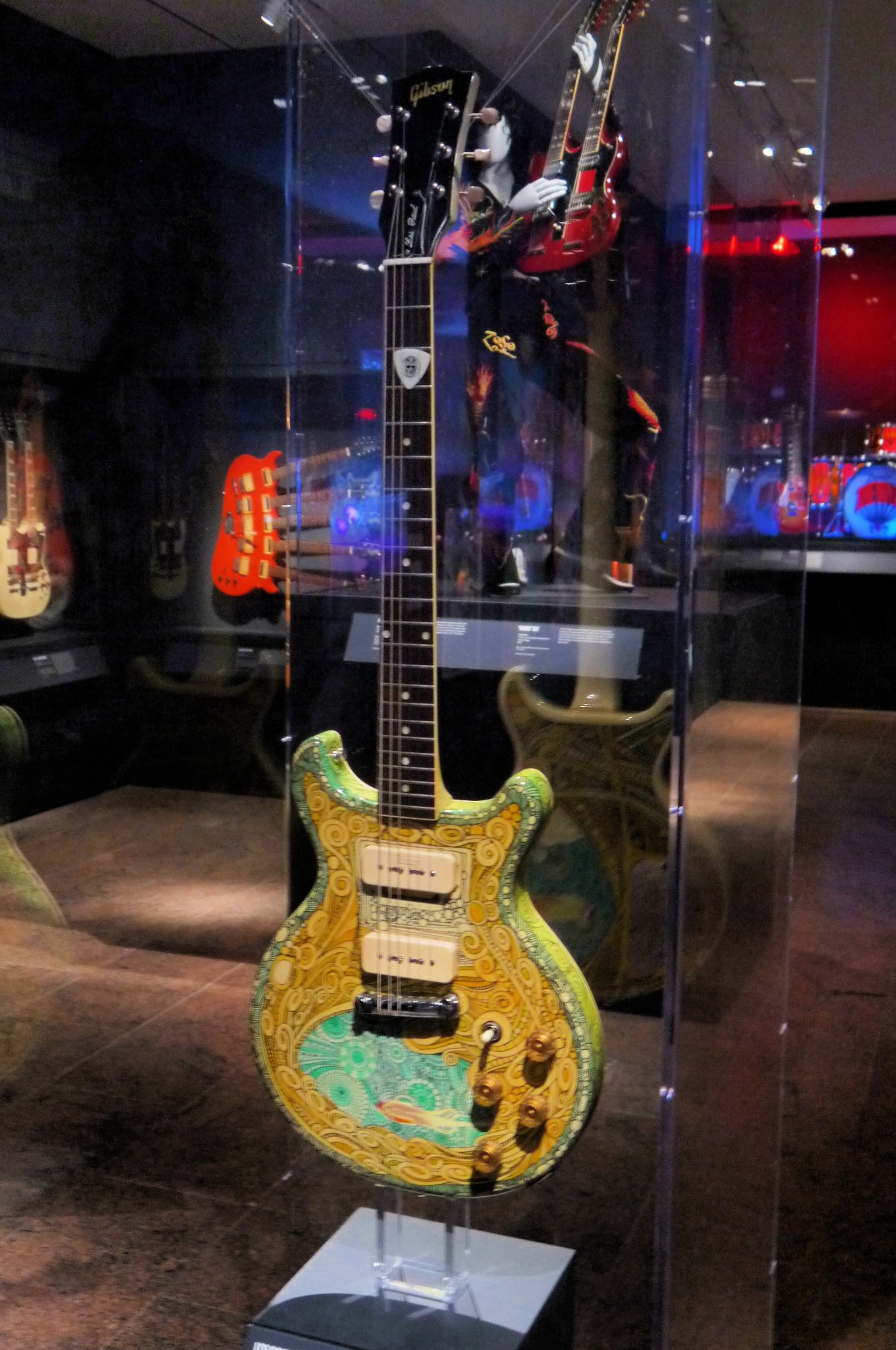
Traffic Sound’s “Lux” fuses psychedelia with fuzzed bass, cumbia rhythms, and wild sax. Flutes weave through Santana-meets-Tull grooves in a global freakout. Nuanced heaviness punches without raw overkill.
Its worldly edge influenced fusion-metal experiments. Progressive thrash acts grabbed the rhythmic twists for complexity. Obscure yet vital, it proved metal could groove beyond Anglo riffs.[1]
666 by Aphrodite’s Child (1972)
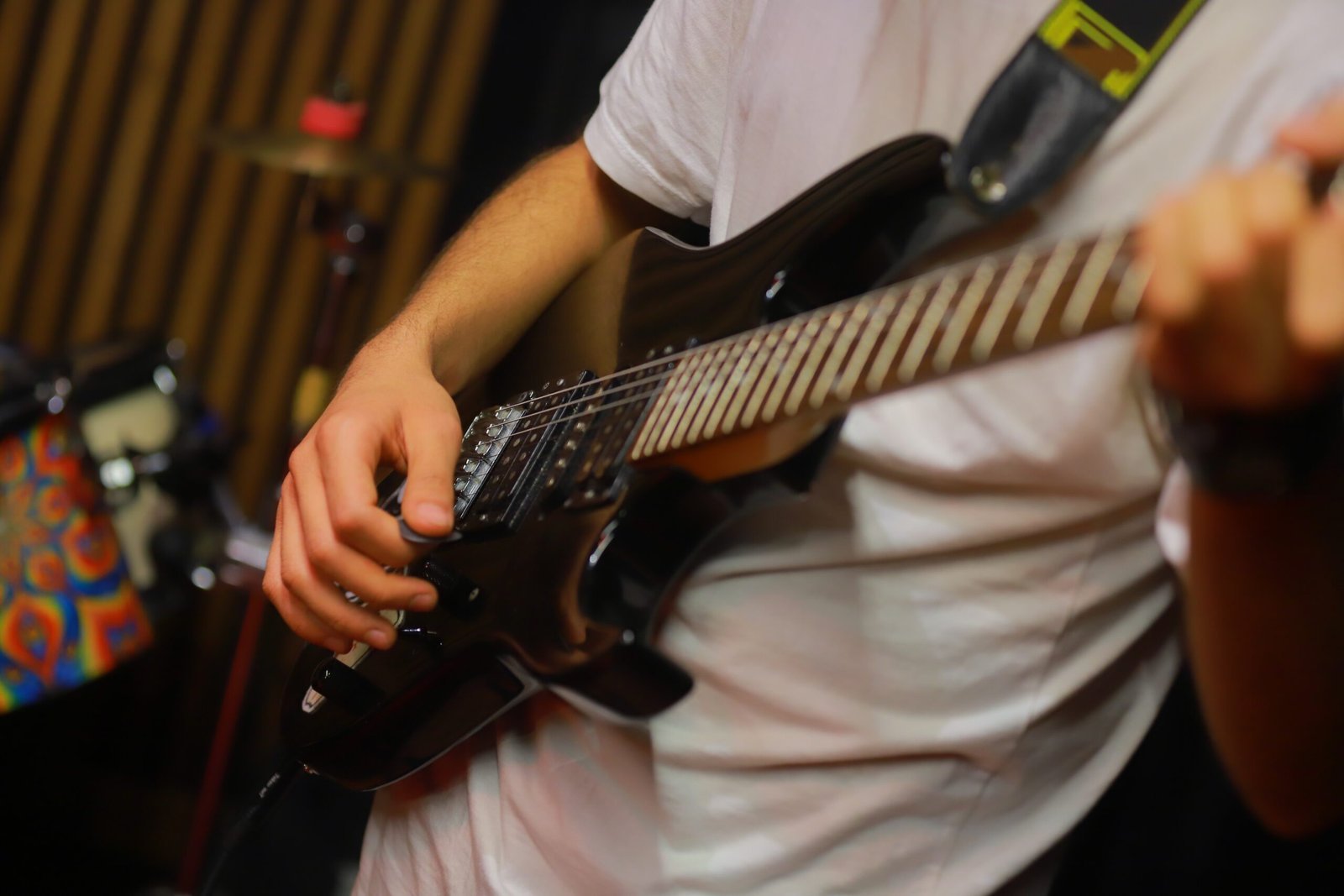
Aphrodite’s Child unleash apocalyptic crushes on “666,” blending hard rock with proggy keys and ominous chants. Nightmare instrumentals sprawl in high-production madness. Unchecked ambition births heavy prog relics.
Doom and black metal drew its end-times vibe. Symphonic metal borrowed the choral drama for grandeur. I know it sounds crazy, but this Greek epic hid metal’s theatrical future.
Armageddon by Armageddon (1975)
front
back, Public domain)
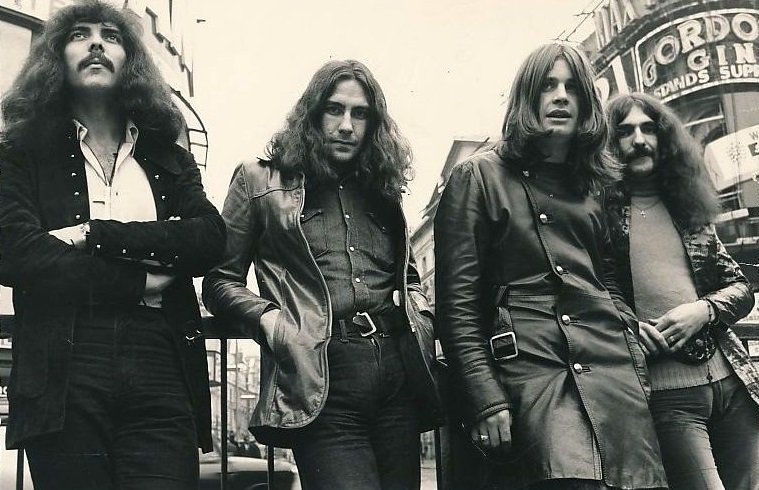
Armageddon hammers muscular riffs with pummeling rhythms and prog tinges. Extended epics unfold like Tolkien sagas, heavier than tame prog peers. Taut hard rock avoids noodling pitfalls.
Supergroup heft shaped epic metal quests. Power and folk metal echoed its narrative drive. Failed stardom aside, it fueled metal’s storytelling muscle.
Kingdom Come by Sir Lord Baltimore (1970)
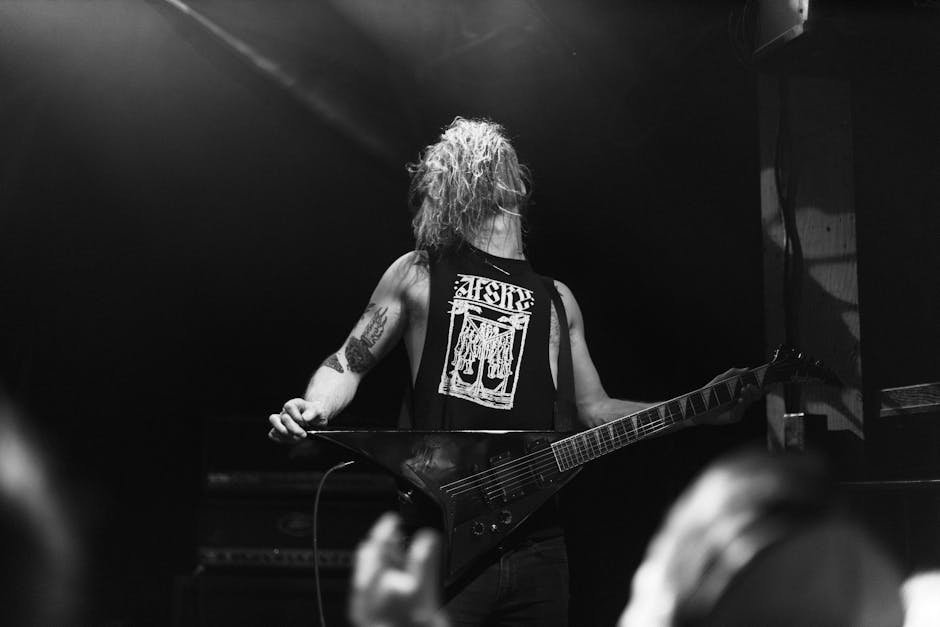
Sir Lord Baltimore charge with amphetamine fury, MC5 energy meets KISS bombast. Breakneck paces and harpsichord quirks pack no dull seconds. Over-the-top testosterone defines proto-speed.
Speed metal pioneers aped its relentless drive. Thrash bands cranked the aggression higher. This gem’s fun heaviness proved metal could thrill crowds raw.[1]
Captain Beyond by Captain Beyond (1972)
Captain Beyond cycles big riffs, bubbly bass, and stomping drums in proggy psych. Tightly wound motifs shred with unfulfilled promise. Supergroup polish elevates heavy rock.
Prog-metal titans like Dream Theater traced its precision. Stoner prog outfits revived the cosmic punch. Obscurity masked its role in metal’s technical evolution.
Freelance Fiend by Leaf Hound (1971)
Leaf Hound’s “Freelance Fiend” mashes Zeppelin swagger with Free blues and Hendrix psych. Jazz chords, organ growls, and throat-shred vocals dominate. Cowbell adds clever grit to juggernaut riffs.
NWOBHM heroes worshipped its riff mastery. Doom revivalists echoed the bluesy bite. Bungled fame couldn’t dim its proto-metal swagger.[1]
The Hidden Foundations of Metal
These obscure ’70s tracks whisper the real origin story of heavy metal. Giants stand on shoulders of forgotten riffs and wild experiments. Metal’s roar hides quiet influencers that dared heavy first.
Next time a shred fest erupts, tip your hat to these ghosts. What overlooked gem shaped your favorite riff? Drop it in the comments.

Christian Wiedeck, all the way from Germany, loves music festivals, especially in the USA. His articles bring the excitement of these events to readers worldwide.
For any feedback please reach out to info@festivalinside.com
