


For any feedback please reach out to info@festivalinside.com
- The 20 Best Albums to Listen to Alone - September 21, 2026
- The 20 Most Famous Lines in Literature — And Who Almost Wrote Them - September 21, 2026
- How 20 Vinyl Got Its Groove Back - September 21, 2026
Writers are supposed to be civilized, thoughtful, gracious people. The kind who sip tea and exchange pleasantries. Let’s be real, though – the history of literature is absolutely soaked in jealousy, contempt, legal battles, and in at least one case, an actual headbutt backstage on a national television program.
A literary feud is a conflict or quarrel between well-known writers, usually conducted in public view by way of published letters, speeches, lectures, and interviews. What makes these clashes so fascinating is not just the gossip. Literary history is brimming with feuds, spats, and clashes that have not only entertained readers but have also significantly influenced the trajectory of literature itself. From poets to novelists, these rivalries illuminate the competitive nature of creativity and the profound impact of personal relationships on the literary landscape.
Some of the most celebrated novels, essays, and poetic movements we know today were born not from quiet inspiration, but from pure, unfiltered rivalry. You might be surprised at what rage, envy, and wounded pride can produce. Let’s dive in.
1. Ernest Hemingway vs. F. Scott Fitzgerald: The Original Frenemies
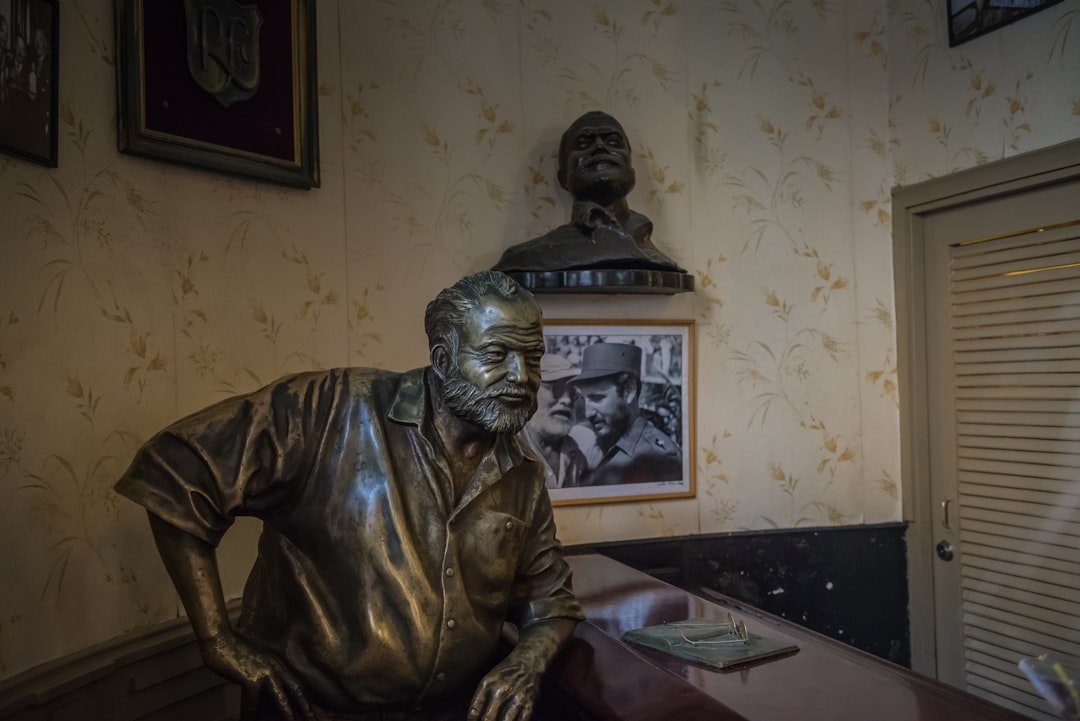
It’s likely restlessness that F. Scott Fitzgerald and Ernest Hemingway saw in each other when they met at a bar in Paris in 1925. Fitzgerald was 29. Hemingway was 26. Fitzgerald had published “This Side of Paradise” in 1920 and had lived as a celebrity author for five years. Honestly, this is one of those origin stories that feels almost too dramatic to be real. Two literary giants, two enormous egos, one city, and an infinite supply of wine.
In the early years of their friendship, the pair edited one another’s work, shared story ideas, and debated literary styles late into the night. Hemingway wrote in “A Moveable Feast” that Fitzgerald was hurt he never shared the manuscript of “The Sun Also Rises” with him prior to its publication, when in fact Fitzgerald had read and revised it. Hemingway even took Fitzgerald’s suggestion to cut the first two chapters. Yet as Hemingway’s star rose, so did his cruelty. In “A Moveable Feast,” Hemingway spoke openly of Fitzgerald’s marital difficulties and artistic struggles, and publicly called Fitzgerald a moaner and a sissy. What makes it sting even more is that Hemingway later wrote to their mutual editor, Maxwell Perkins, to say he had been way too hard on Fitzgerald and that when he reread “Tender is the Night,” it was almost frightening how good it was. Two towering reputations. One complicated, bitter, deeply human friendship.
2. Ernest Hemingway vs. William Faulkner: The War Over Words
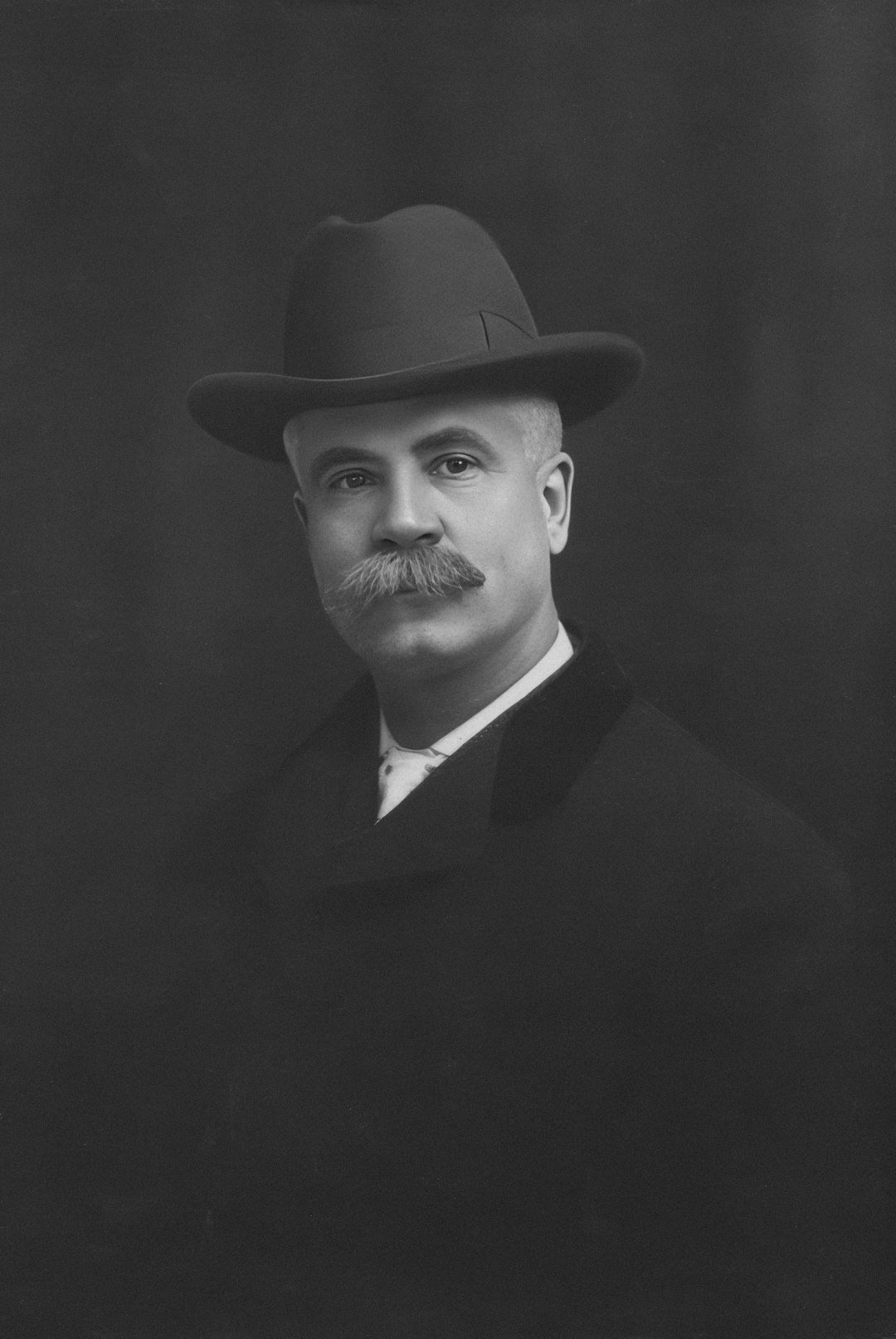
In April 1947, the lifelong rivalry between William Faulkner and Ernest Hemingway reached its climax. Asked during a creative writing class to name the five most important contemporary writers and then rank them, Faulkner put himself first among living writers on his own list. Hemingway ended up fourth. Fourth. Imagine how well that went over.
After Faulkner said of Hemingway that “he has never been known to use a word that might send a reader to the dictionary,” Hemingway responded with trademark bluntness: “Poor Faulkner. Does he really think big emotions come from big words?” This was, at its core, a philosophical war about what literature was supposed to be. Faulkner championed elaborate, dense, almost baroque sentences. Hemingway stripped everything down to its bones. Their feud essentially forced readers to pick a side, and in doing so, it defined two competing styles of American prose that still influence writers today.
3. Norman Mailer vs. Gore Vidal: The Backstage Headbutt Heard ‘Round the World
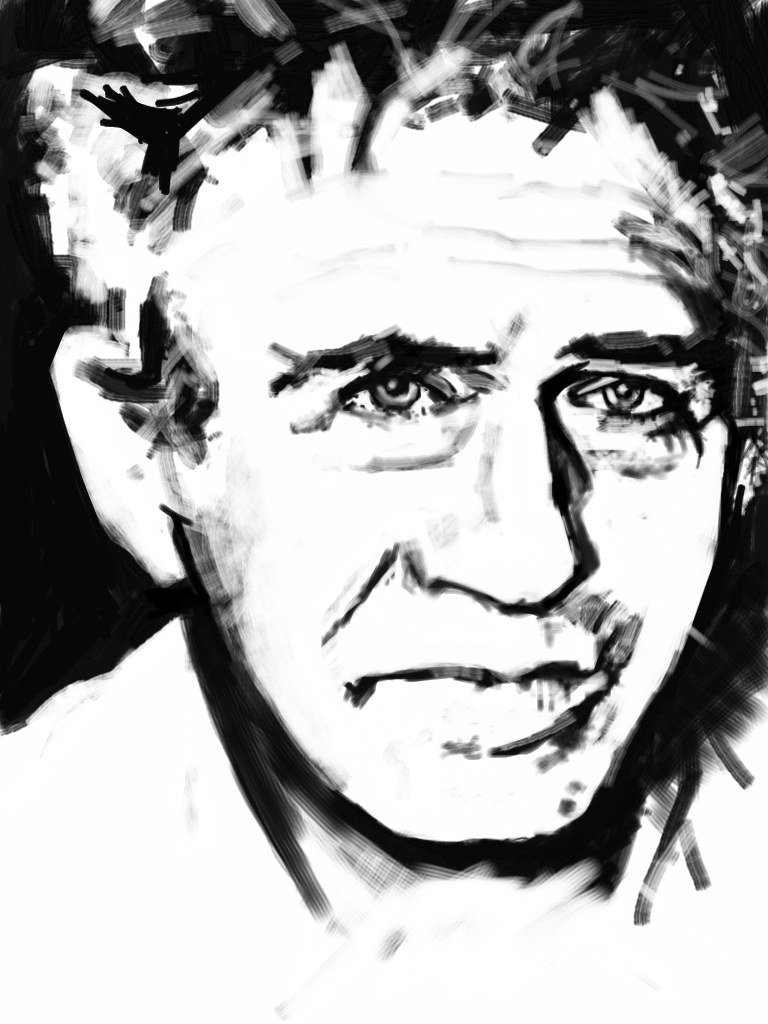
On December 1, 1971, the most belligerent episode of “The Dick Cavett Show” aired. As host Dick Cavett introduced the episode, Norman Mailer headbutted Gore Vidal backstage. Minutes later, the two writers walked on stage. Mailer refused to shake Vidal’s extended hand. I know it sounds crazy, but this is entirely real. The literary world had its own version of a boxing match, and it was broadcast on primetime television.
In 1971, relations between the two rivals hit a nadir, which played out publicly in incidents that have become the stuff of American literary folklore. Amid a fierce debate about the rise of feminism, Vidal and Mailer became engaged in a feud over their opposing beliefs, with Vidal skewering Mailer in an article that compared the writer to Charles Manson. Mailer’s most famous feud with Gore Vidal has been called the Ali vs. Frazier of letters. The feud did something remarkable in literary terms: it dragged questions about masculinity, gender politics, and the role of the male author squarely into public discourse, forcing American literature to confront issues it had long preferred to sidestep.
4. Mary McCarthy vs. Lillian Hellman: When Words Became a Lawsuit

Mary McCarthy characterized playwright Lillian Hellman during an episode of “The Dick Cavett Show” broadcast in January 1980 as “tremendously overrated, a bad writer, and dishonest writer… every word she writes is a lie, including ‘and’ and ‘the.'” What followed was a ferocious legal battle between the two American writers. A few weeks after the episode aired, Hellman sued McCarthy, Dick Cavett, and the producer and the broadcaster of Cavett’s show for $2.25 million, claiming defamation.
Here’s the thing about this feud: it was not simply personal. It was deeply political. Hellman had a complicated history connected to leftist politics, and McCarthy viewed her as fundamentally dishonest about her past. Rarely will a feud between authors result in a lawsuit, but Hellman responded through her lawyers. The legal battle would last for five years, ending only due to Hellman’s death. The case became a landmark discussion of free speech, critical honesty, and just how far writers can go when attacking one another in public forums. It’s the kind of feud that made people nervous about what they said on television, and that is a strange but genuine influence on culture.
5. Virginia Woolf vs. Arnold Bennett: The Modernist Revolution’s Opening Shot
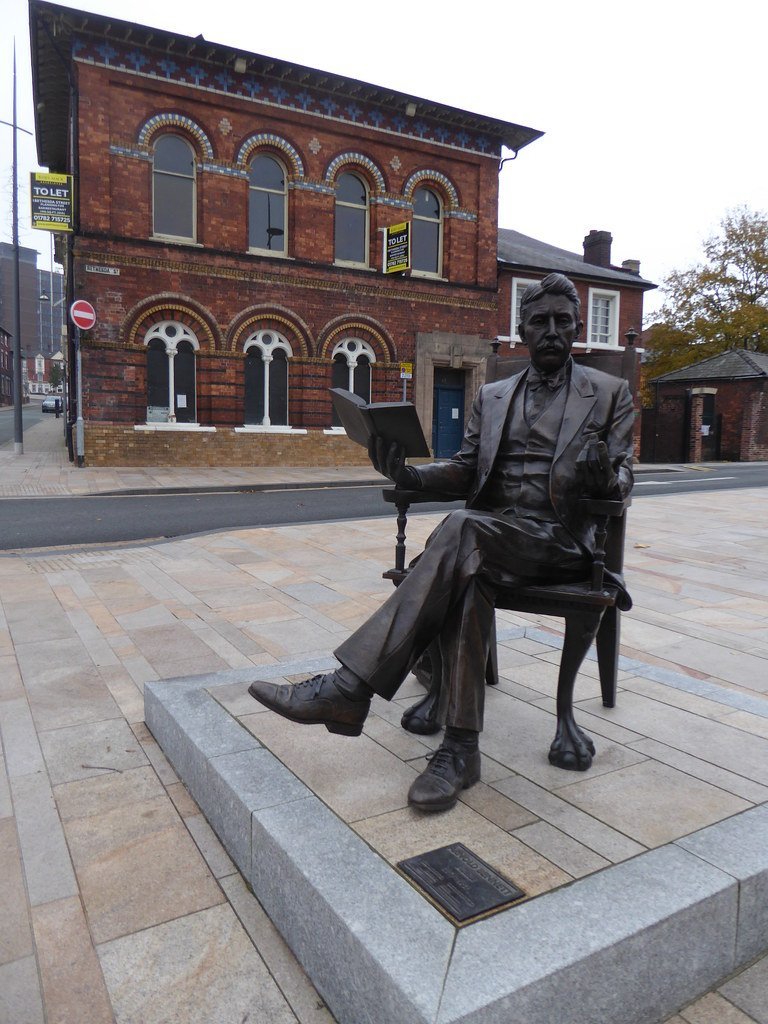
The writer Arnold Bennett had written a review of Woolf’s “Jacob’s Room” in Cassell’s Weekly in March 1923, which provoked Woolf to rebut it. She recorded in her diary that Bennett accused her of writing about characters that couldn’t survive. Her response was published in “Nation and Athenaeum” in December as “Mr. Bennett and Mrs. Brown.” The response encouraged her to develop her ideas of cultural relativism further.
At the time of the dustup, it was Bennett who was the more famous and successful of the two. Their situations were then very publicly reversed: Woolf damaged his reputation and emerged seemingly the victor. On the face of it, this was a quarrel about character and realism in literature, a public face-off between old and new ways of writing fiction. What Woolf did was nothing short of audacious. In her famous essay “Mr. Bennett and Mrs. Brown,” she positioned Bennett as everything modernism needed to reject. The essay eventually contributed to a decline in Bennett’s reputation. The entire trajectory of twentieth-century literary modernism owes a debt to this simmering dispute between two writers who fundamentally disagreed about what a novel should do.
6. Leo Tolstoy vs. Ivan Turgenev: The Duel That Nearly Happened
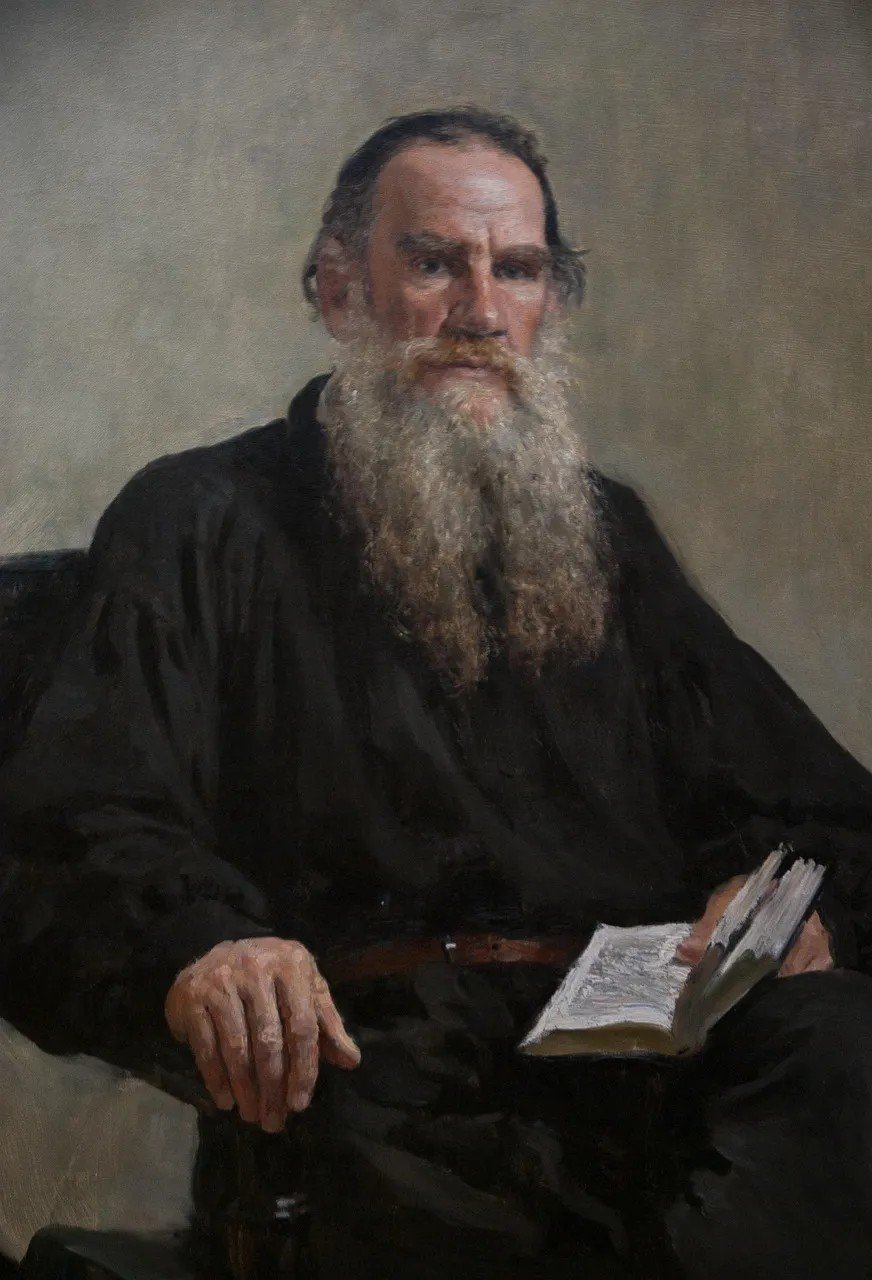
In 19th-century Russia, a country roiling with political change, philosophical debates, and an explosion of literary talent, two towering figures found themselves not just standing side by side in greatness but often nose-to-nose in tension: Ivan Turgenev and Leo Tolstoy. Their relationship was as complicated as the characters they created – filled with admiration, jealousy, intellectual sparring, and moments of outright hostility.
Turgenev found Tolstoy’s moral fervor excessive and even judgmental, while Tolstoy thought Turgenev was too detached and elitist. Their arguments were legendary – so intense that at one point Tolstoy challenged Turgenev to a duel, though he later apologized and withdrew the challenge. The two did not speak for 17 years, but never broke family ties. The reconciliation eventually came, and in one of literature’s most touching deathbed moments, Turgenev on his deathbed pleaded with Tolstoy: “My friend, return to literature!” After this, Tolstoy wrote such works as “The Death of Ivan Ilyich” and “The Kreutzer Sonata.” A feud that nearly ended in blood somehow helped produce two of the greatest novellas ever written.
7. Fyodor Dostoevsky vs. Ivan Turgenev: An Ideological War in Print
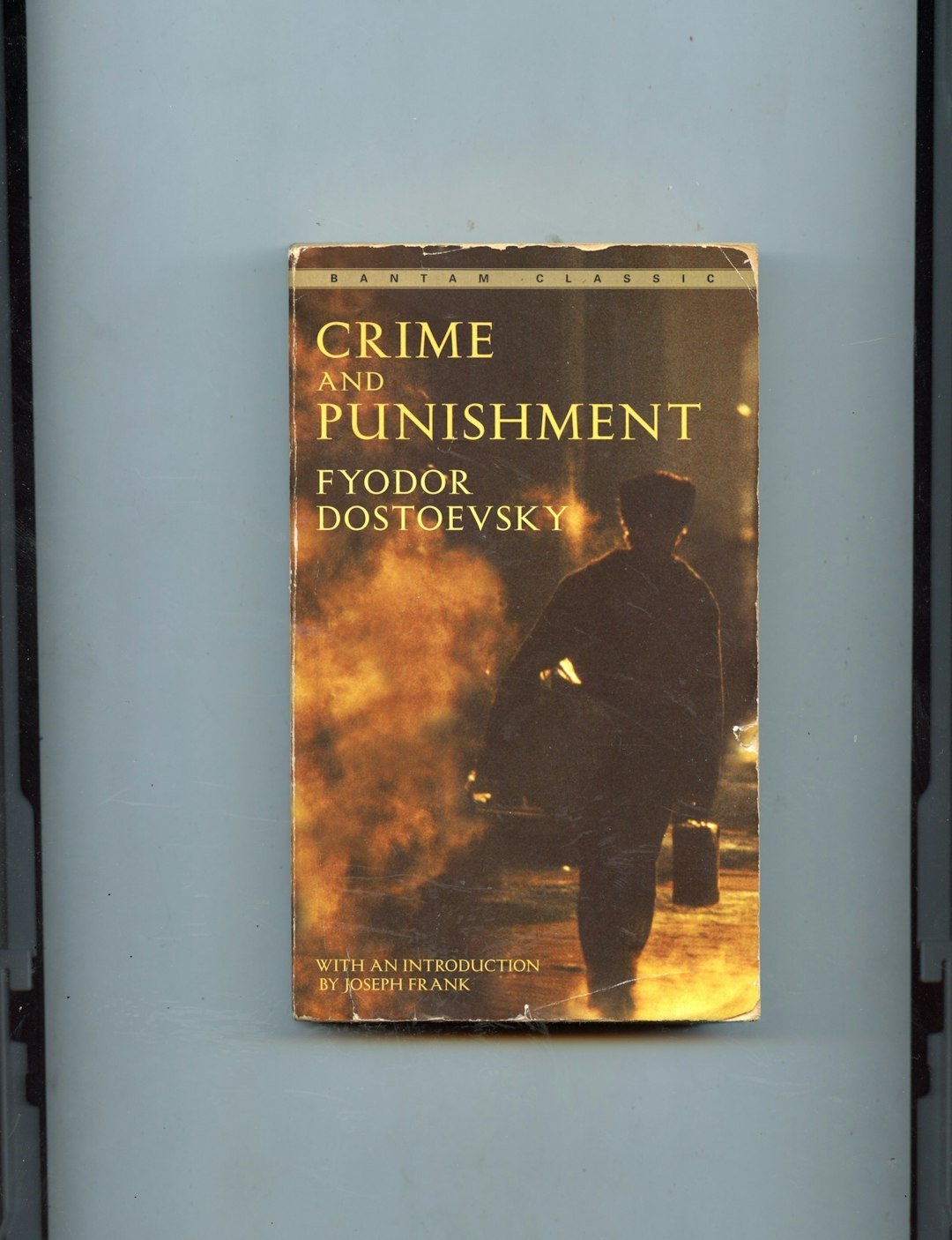
The two great writers of the 19th century had completely different ideologies. Ivan Turgenev, author of the novel “Fathers and Sons,” was a convinced Westernizer and a liberal. Fyodor Dostoevsky was a conservative nationalist. In his novels “The Idiot” and “The Possessed” he preached that liberals had corrupted Russia. It’s not surprising that the two authors did not like each other.
The contest worked itself out through literature – Dostoevsky satirized Turgenev in his novel “The Possessed.” Dostoevsky parodies Turgenev through the character of the vain novelist Karmazinov, who is anxious to ingratiate himself with the radical youth. Yet despite all this venom, in 1880, Dostoevsky’s Pushkin Speech at the unveiling of the Alexander Pushkin monument brought about a reconciliation of sorts with Turgenev, who, like many in the audience, was moved to tears by his rival’s eloquent tribute to the Russian spirit. It’s a reminder that even the bitterest enemies in literature can be brought together by a shared love of something greater than themselves.
8. Vladimir Nabokov vs. Edmund Wilson: Fighting Over Pushkin

This feud is about as literary as a feud can get: fighting over Pushkin. In 1965, Nabokov published a four-volume translation of the Russian writer’s “Eugene Onegin” – and his friend “Bunny” panned it in “The New York Review of Books.” Edmund Wilson, the most respected literary critic in America at the time, was Nabokov’s close friend. Was, being the operative word.
The exchange that followed was extraordinarily vicious. Nabokov responded in the same publication with something that mixed wounded pride, aristocratic disdain, and surgical condescension in near-perfect proportions. He wrote: “In the 1940s, during my first decade in America, he was most kind to me in various matters. I have always been grateful to him for the tact he showed in refraining from reviewing any of my novels. We have had many exhilarating talks, have exchanged many frank letters. A patient confidant of his long and hopeless infatuation with the Russian language, I have always done my best to explain to him his mistakes of pronunciation, grammar, and interpretation.” That is some of the most elegant devastation ever committed to print. The feud shattered one of American letters’ most celebrated friendships and raised lasting questions about the nature of literary translation itself.
9. Truman Capote vs. Gore Vidal: The Petty Art of Social Warfare
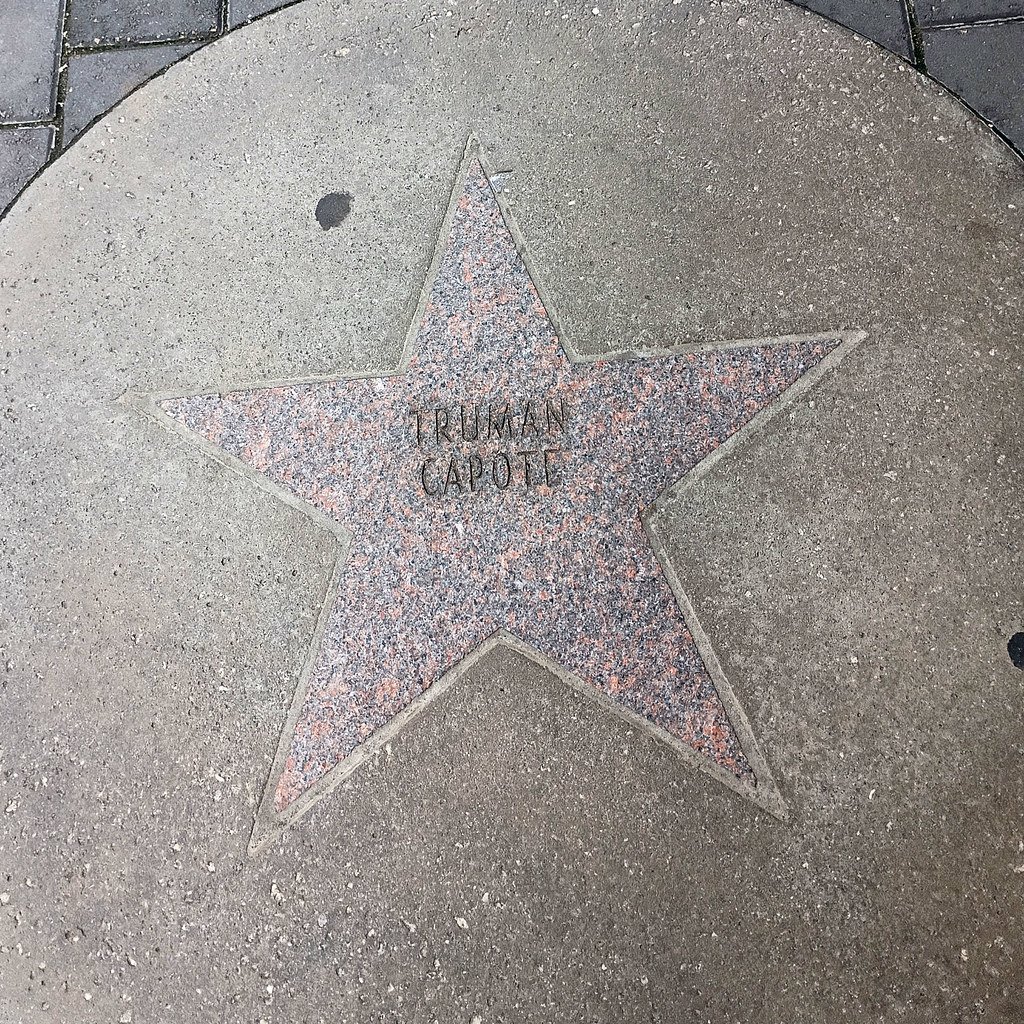
This feud was all about literary jealousy. Early on, Vidal was disgruntled at the appearance of a “Life” magazine photo spread entitled “Young U.S. Writers.” It’s not that Vidal wasn’t included – he was, in a tiny, awkward photo. Capote rated three-quarters of the first page. A tiny photo versus three-quarters of a page. That is all it took to ignite a decades-long war.
Socially, they were cordial, but Vidal was offended by Capote’s manner and irritated by his name-dropping. The rivalry was mostly made up of petty things – a comment here, a snub there, a bad review whenever called for. Yet this seemingly superficial feud did something significant. It exposed the deeply social, almost territorial nature of the American literary scene. The New York literary world of the mid-twentieth century operated like a court, complete with favored courtiers and exiled rivals, and Capote vs. Vidal was its most glittering drama. Their war illuminated how much literary reputation depended on social performance, not just the quality of the page.
10. John le Carré vs. Salman Rushdie: Fourteen Years of Newspaper Wars
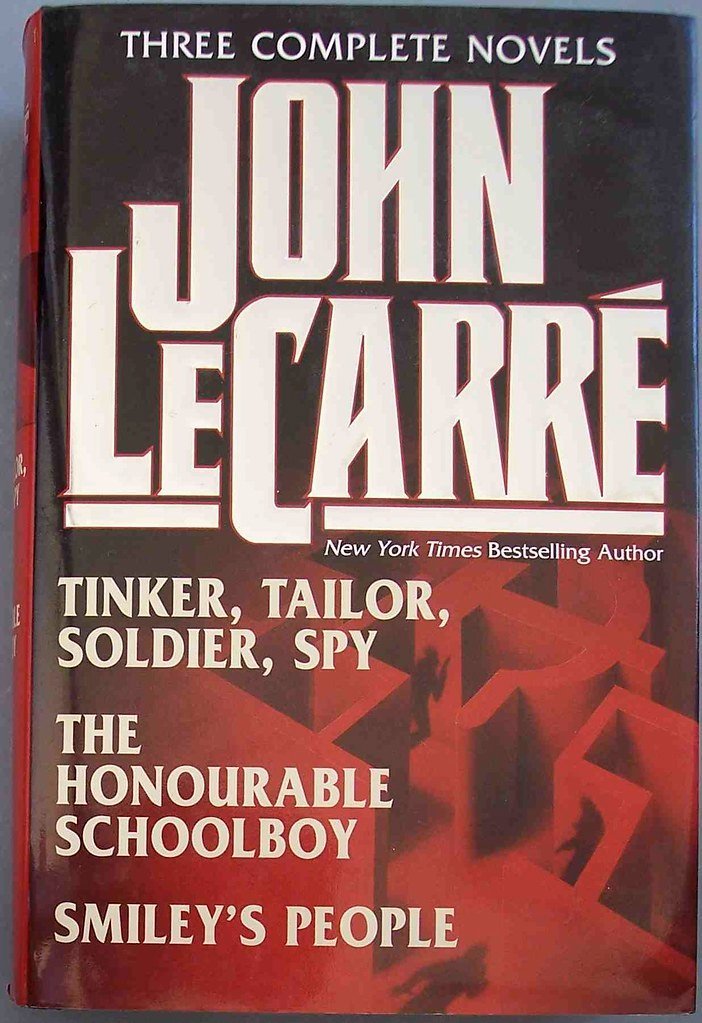
The John le Carré versus Salman Rushdie feud was described by both “The Guardian” and “The New York Times” literary writers using the adjective “vituperative,” yet another case of two British authors who famously enjoy their country’s verbal wit descending into schoolyard insults and damaging their own reputations in the process.
This fourteen-year feud began in 1997, with le Carré writing in the letters section of “The Guardian,” complaining that he had been unfairly attacked for alleged anti-Semitism. Rushdie waded in immediately, and the battle escalated into one of the ugliest public disputes in modern British letters. The feud lasted fifteen years, until the writers were reconciled at the 2011 Hay Literary Festival, although there is some speculation that the reconciliation was engineered by their agents and publishing houses to increase sales. Regardless of how it ended, their public clash forced genuine conversations about political responsibility, creative freedom, and what obligations a writer owes to their community, questions that still feel urgent today.
11. Derek Walcott vs. V.S. Naipaul: Two Nobel Laureates, Zero Common Ground

Derek Walcott and V.S. Naipaul were both from the West Indies, and each was a recipient of the Nobel Prize in Literature. Walcott was critical of Naipaul’s work, viewing him as a sellout for crafting a persona that rejected his Indo-Caribbean roots. Think about that for a moment. Two Nobel Prize winners, both from the same region, both representing postcolonial literature on the world stage, locked in a brutal argument about authenticity and belonging.
Walcott reviewed Naipaul’s “The Enigma of Arrival” in 1987, writing “The myth of Naipaul…has long been a farce.” Naipaul countered in 2007, praising Walcott’s early work, then describing him as “a man whose talent had been all but strangled by his colonial setting” and saying “He went stale.” Walcott famously criticized Naipaul in his poem “Mongoose,” which he read aloud at the Calabash International Literary Festival in 2008. The feud is intellectually extraordinary because it isn’t just about two men who disliked each other. It is a debate about the entire postcolonial literary identity, about who gets to define belonging, and about what the Caribbean writer owes to their origins.
12. A.S. Byatt vs. Margaret Drabble: When the Rivalry Begins in Childhood
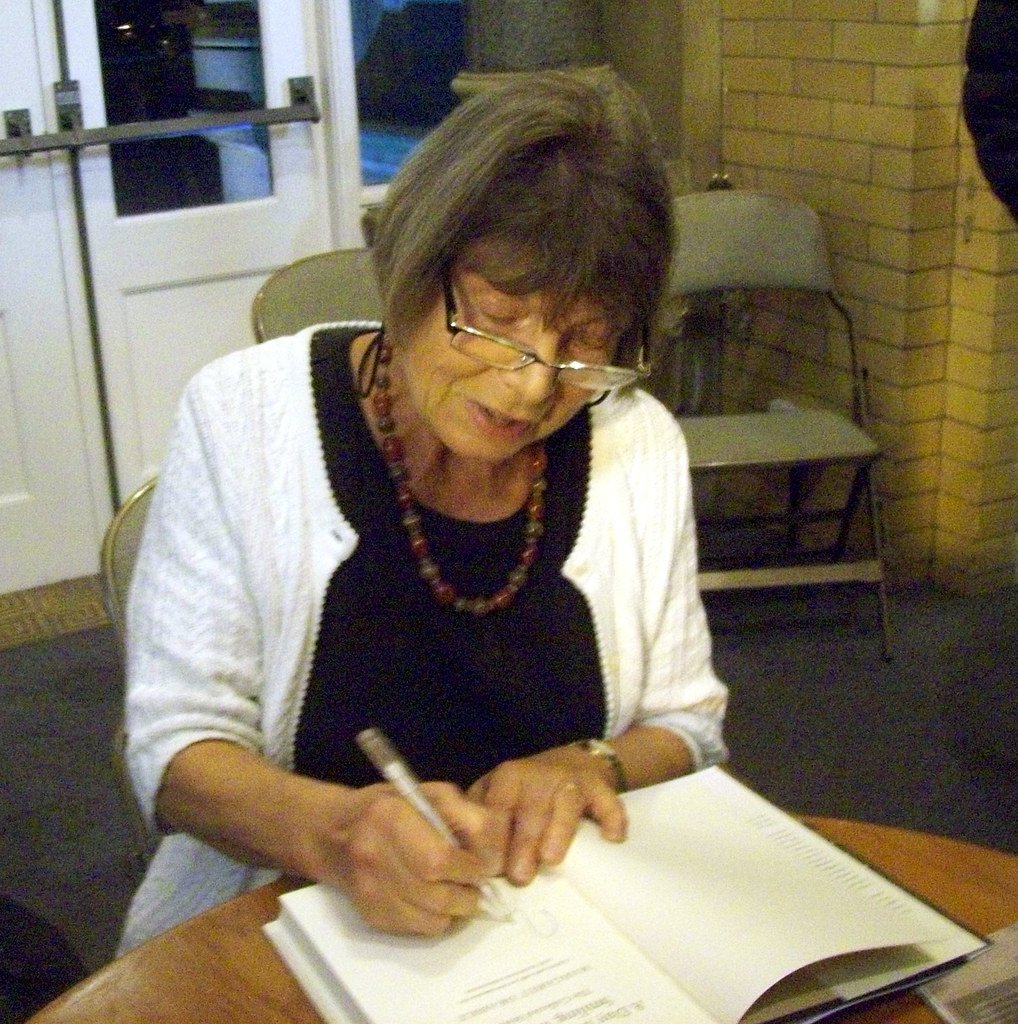
A.S. Byatt and Margaret Drabble brought an added dimension to their literary squabble, because they are sisters. The rivalry started in childhood, and their mother is to blame because she encouraged them to be fiercely competitive with each other. Honestly, this might be the most painfully human feud on this entire list. Because you can walk away from a colleague. You can’t walk away from your sister.
Byatt was always passionate about her desire to write, but Drabble was the first to publish. It wasn’t just accolades and book sales that resulted in rivalry. The sisters showed that even shared memories can be a source of jealousy and conflict. When Byatt published her novel “The Game,” depicting the unhappy relationship between a set of siblings, she sent a copy to her sister with a note. The feud demonstrated something that literary history rarely admits openly: that the deepest creative rivalries are almost never purely professional. They are saturated with personal history, old wounds, and the kind of intimate cruelty that only people who once loved each other can truly inflict. Their work, shaped by tension and competition, produced two remarkably distinct literary voices, proof that rivalry doesn’t just wound – it also defines.
Conclusion: Rivalry as the Hidden Engine of Great Literature

Here’s what strikes me most after looking at all twelve of these feuds. None of them were simply about bad blood. Every single one – from Hemingway’s condescending letters to Fitzgerald, to Woolf’s essay that rewrote the rules of fiction, to two Russian giants who nearly killed each other over table manners – produced something of lasting cultural value.
Their rivalry, far from diminishing their achievements, actually enriched the literature around them. By challenging each other, by embodying two different visions of what literature could and should be, they expanded the possibilities of the novel as a form. Competition, it turns out, is not the enemy of art. Sometimes it is the very thing that forces an artist to dig deeper, sharpen their argument, or invent an entirely new way of writing just to win an argument.
Literary rivalries provide us with a fascinating glimpse into the minds of the authors, revealing the intense passion that fuels their creativity. The feuds and tensions between legendary writers have shaped not only their own careers but also the broader landscape of literature. Each rivalry has contributed to a rich dialogue that continues to inspire new generations of writers and readers alike.
So the next time you read a masterpiece, it’s worth asking: what argument was the author trying to win? What rival were they trying to outlast? The answer might surprise you.

Christian Wiedeck, all the way from Germany, loves music festivals, especially in the USA. His articles bring the excitement of these events to readers worldwide.
For any feedback please reach out to info@festivalinside.com
