

For any feedback please reach out to info@festivalinside.com
- 10 Music Videos That Changed How We See the Song - September 20, 2026
- 20 Books That Went Viral Before Going to Print - September 20, 2026
- Top 10 Movie Soundtracks of All Time - September 20, 2026
Picture this: a backyard barbecue loaded with classics that scream American freedom. Yet, many of those dishes trace their roots far beyond U.S. borders, thanks to waves of immigrants blending their traditions into the melting pot.
Migration and globalization turned foreign recipes into everyday staples here. Ships, trains, and dreams carried flavors across oceans, reshaping what we call our own. Ready to rethink your next meal? Let’s dive in.[1][2]
Apple Pie
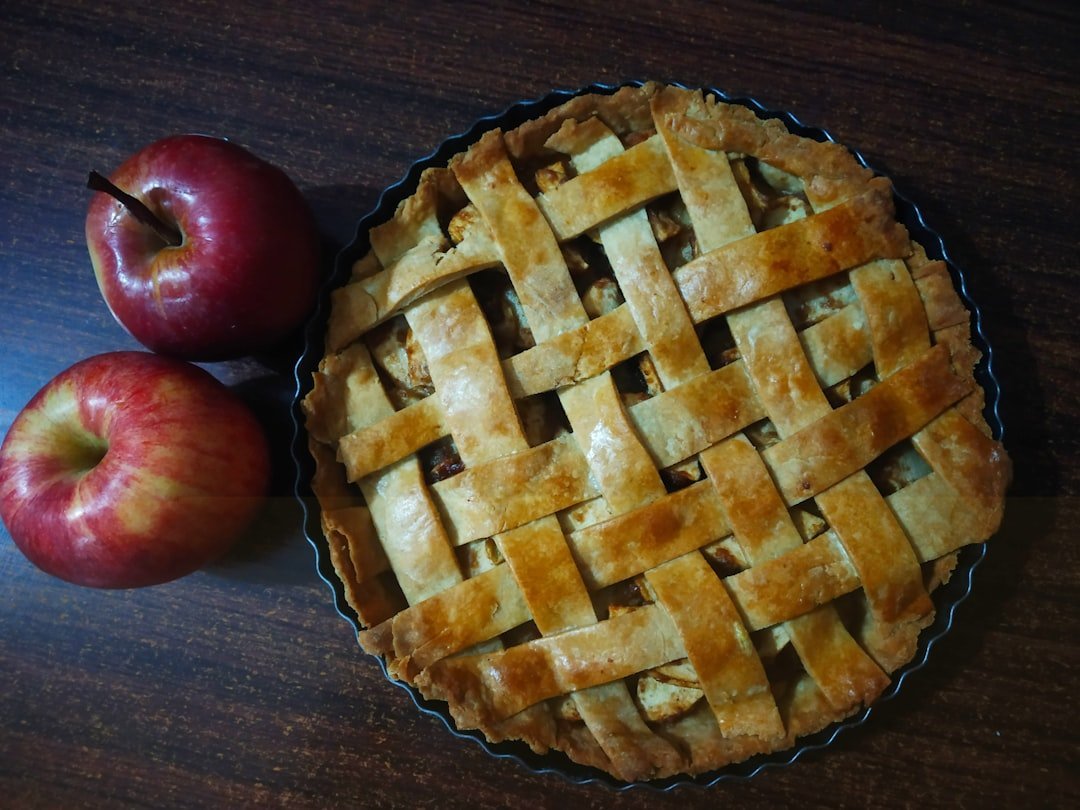
Apple pie’s story starts in medieval England, where recipes for “p yes” mixed fruit with meat fillings. Dutch bakers refined the lattice crust in the 15th century, long before colonists arrived.[1]
European settlers brought apples and the pie to America, planting orchards everywhere. It became a symbol of home and comfort, etched into folklore as “as American as apple pie.” Here’s the thing: without those imports, no slice of nostalgia.[1]
Hamburgers
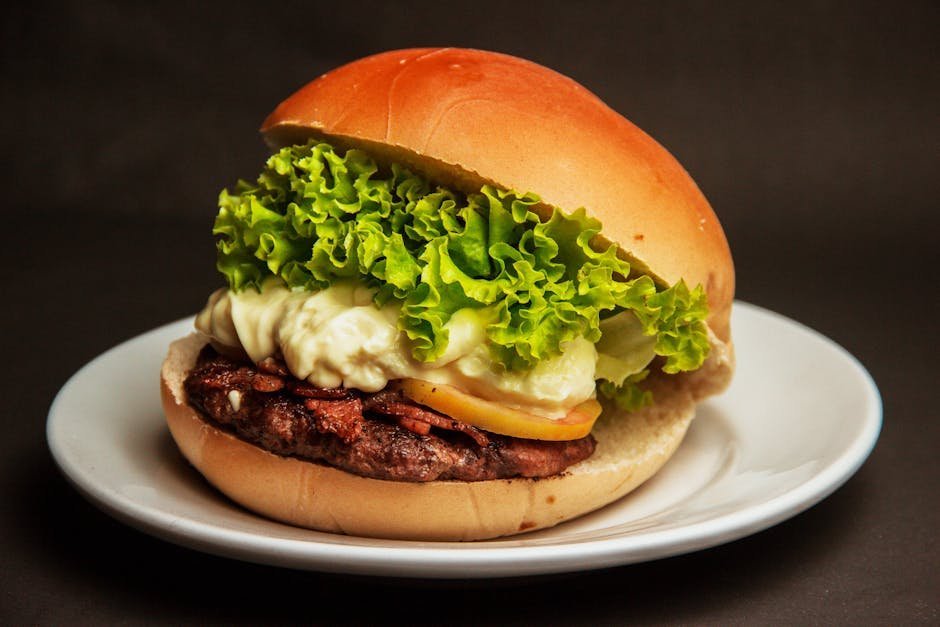
The hamburger emerged in 12th-century Hamburg, Germany, as frikadellen or buletten, simple meat patties from cattle trade hubs. German immigrants hawked “Hamburg-style” steak in 19th-century U.S. beer gardens.[1]
At the 1904 St. Louis World’s Fair, someone slapped it on a bun, sparking fast-food frenzy. Drive-thrus and diners made it the ultimate American grill icon. Still, that patty’s heart beats German.[1]
Fast forward, and it’s everywhere from diners to global chains.
Hot Dogs
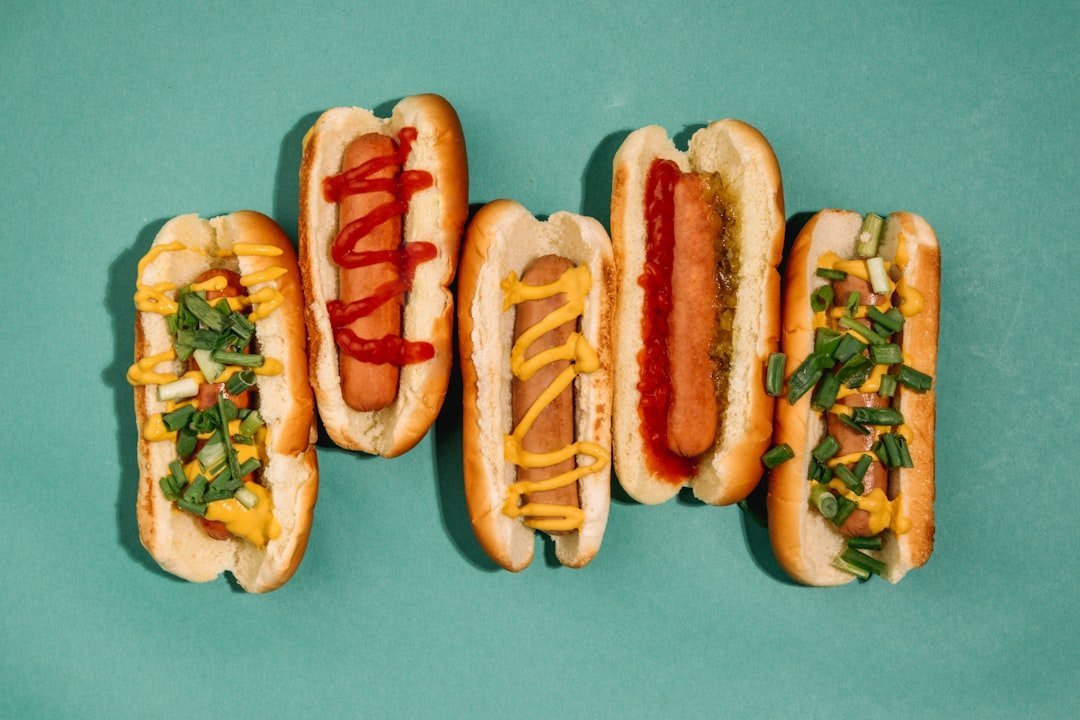
Sausages akin to hot dogs hail from Frankfurt and Vienna in Germany and Austria. Butchers crafted frankfurters and wieners centuries ago, perfect for on-the-go eating.[3]
German immigrants packed them to America in the 1800s, pairing with buns for ballpark bliss. Street carts in New York turned them into a gritty urban legend. Today, they top July Fourth grills, pure red-white-and-blue magic.[2]
French Fries
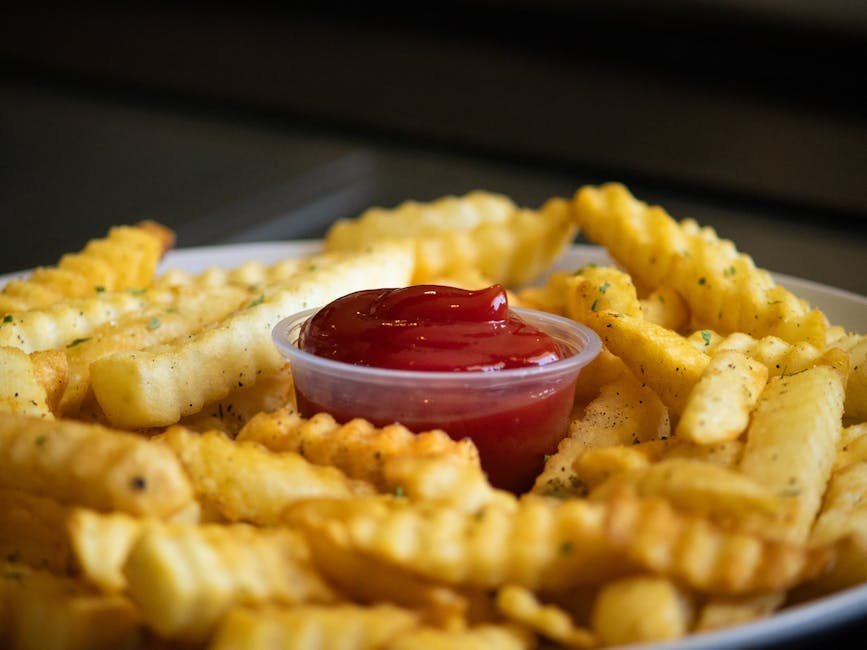
Belgian fishermen fried thin potato slices in the late 1600s to fight winter chills. French “pommes frites” popped up by 1780s, but Belgium claims the real birthright.[1]
U.S. soldiers tasted them in Belgium during World War I, dubbing them “French” fries back home. Thomas Jefferson sampled earlier, but fast food sealed the deal. Now, they’re burger buddies nationwide, crispy patriotism in every bite.[1]
Doughnuts

Dutch settlers fried “olykoeks,” or oily cakes, in 17th-century New York, then New Amsterdam. These dense treats sold hot from markets, a breakfast revolution.[1]
One tale credits Hanson Gregory with punching the hole in 1847 to cook evenly. Chains like Dunkin’ exploded the ring shape into coffee-run royalty. I mean, who doesn’t crave that glazed perfection on a rough morning?[1]
Ketchup
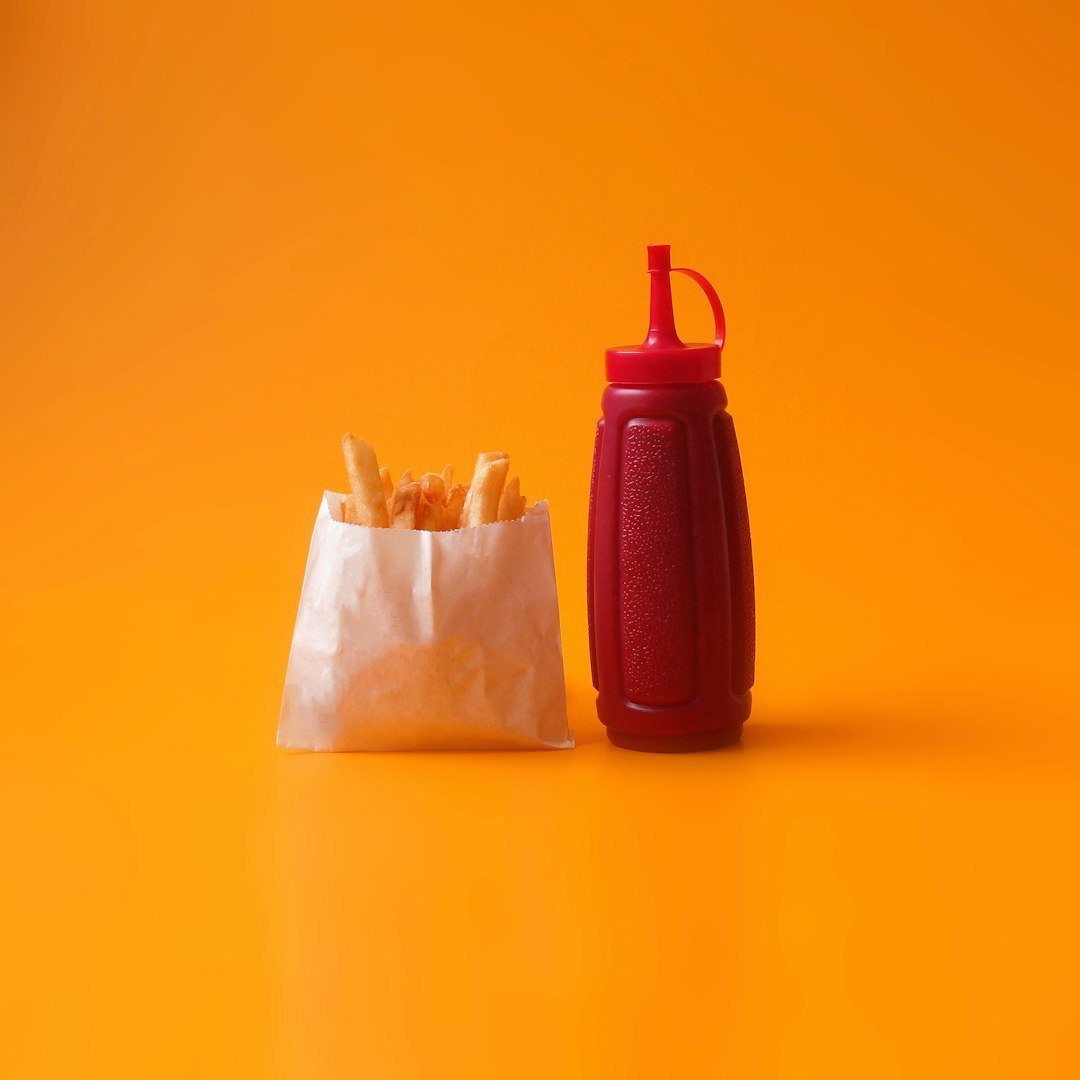
Ketchup began in China as “kê-tsiap,” a fermented fish sauce from Hokkien roots. Brits adapted it with mushrooms or oysters in the 1700s, tweaking for empire tastes.[1]
Tomatoes entered in 1817 America, with H.J. Heinz bottling the red gold by 1876. It squirted onto fries and dogs, becoming fridge essential. Without Asia’s start, no condiment king rules the table.[1]
Fried Chicken
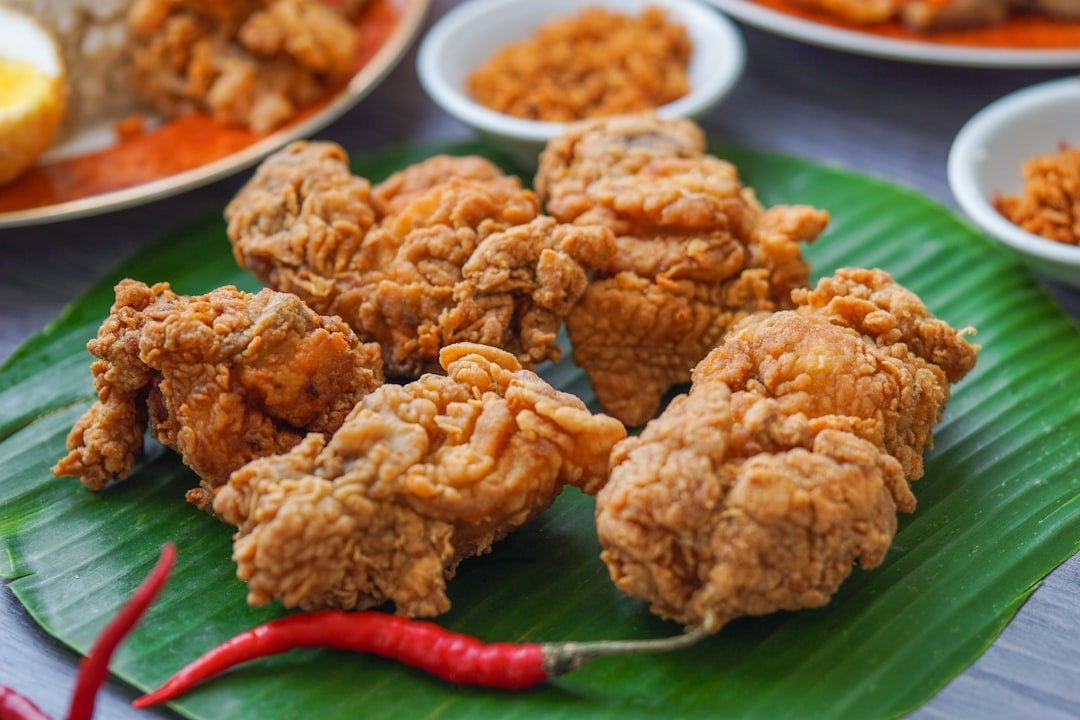
Deep-frying chicken traces to West Africa, where it spiced up meals before the slave trade. Techniques crossed oceans, merging with local flavors.[1]
Southern U.S. cooks elevated it with buttermilk and spices in the 19th century. KFC and church suppers made it picnic perfection. It’s hard to imagine Sundays without that crunch, yet Africa’s legacy lingers.[1]
Macaroni and Cheese
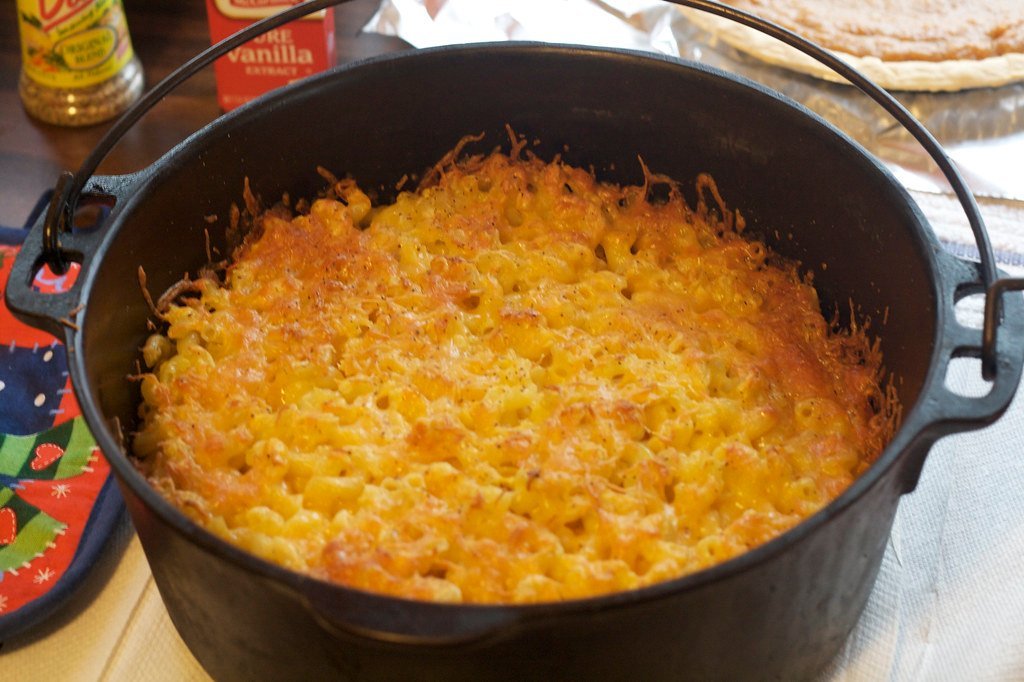
Italy’s 14th-century “Liber de Coquina” baked macaroni in cheese sauce first. Pasta roots run deep there, “maccheroni” meaning any noodle.[1]
Jefferson imported a pasta machine, but Kraft’s boxed blue version hit Depression-era shelves. Comfort food for kids and adults alike. Elbow noodles bubbling gold? Total American hug in a dish.[1]
Meatloaf
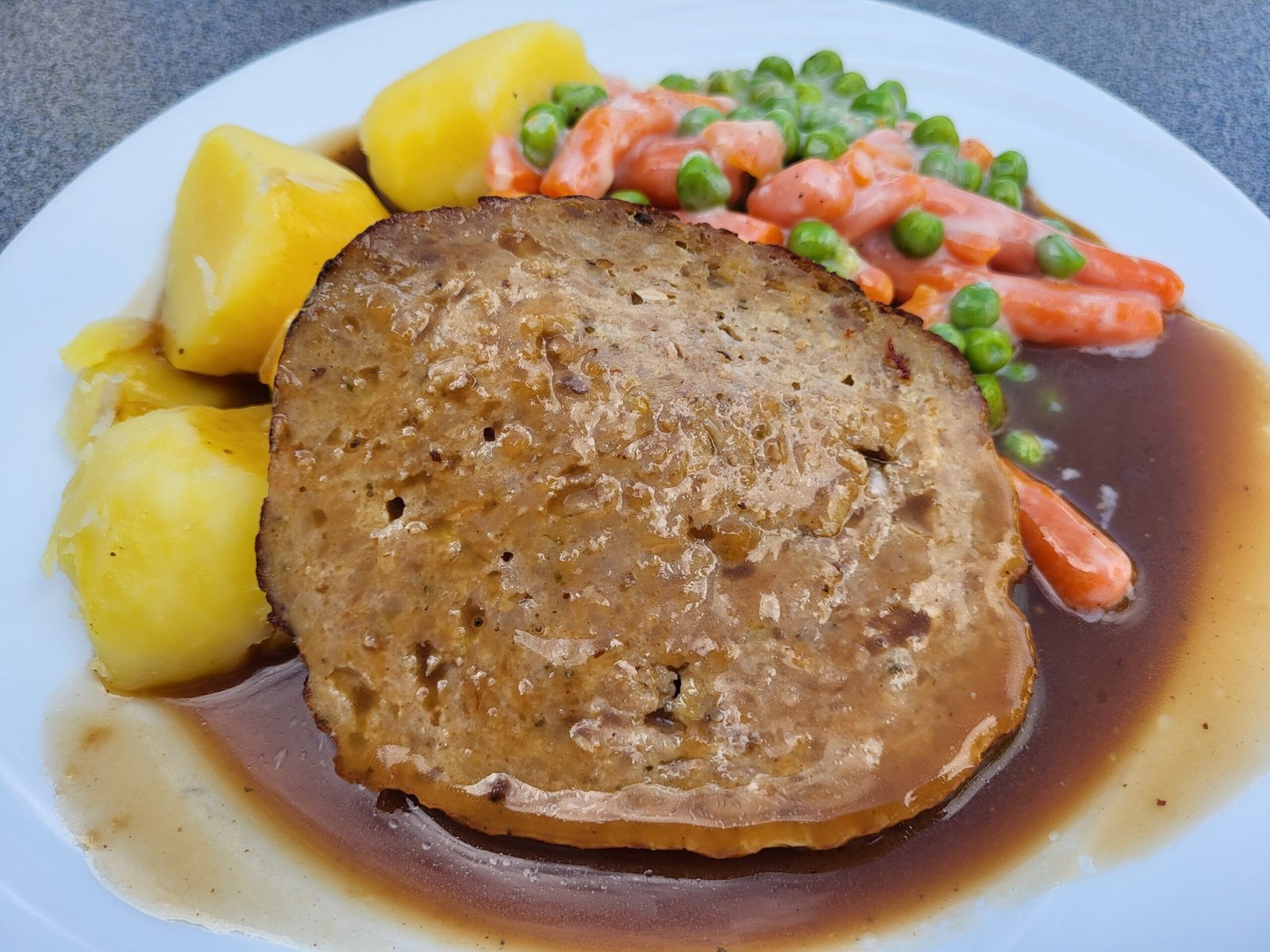
Europe’s medieval scraps formed loaves with fruits and nuts to feed masses. Italy’s polpettone mirrored the ground mix.[1]
By 1870s America, it graced breakfast plates with onions and bread. Mom’s kitchen staple, thrifty and hearty. Like a cozy blanket from the old world, remade for new.[1]
Variations keep it fresh across states.
Bagels

Eastern European Jews in Poland boiled and baked bagels for centuries, chewy loops for holidays. Tough dough symbolized life’s endurance.[2]
Immigrants hit New York, where delis scaled up production. Cream cheese and lox turned breakfast elite. Massive chains now sling flavors galore, but that boil? Pure Old World craft.[2]
Conclusion
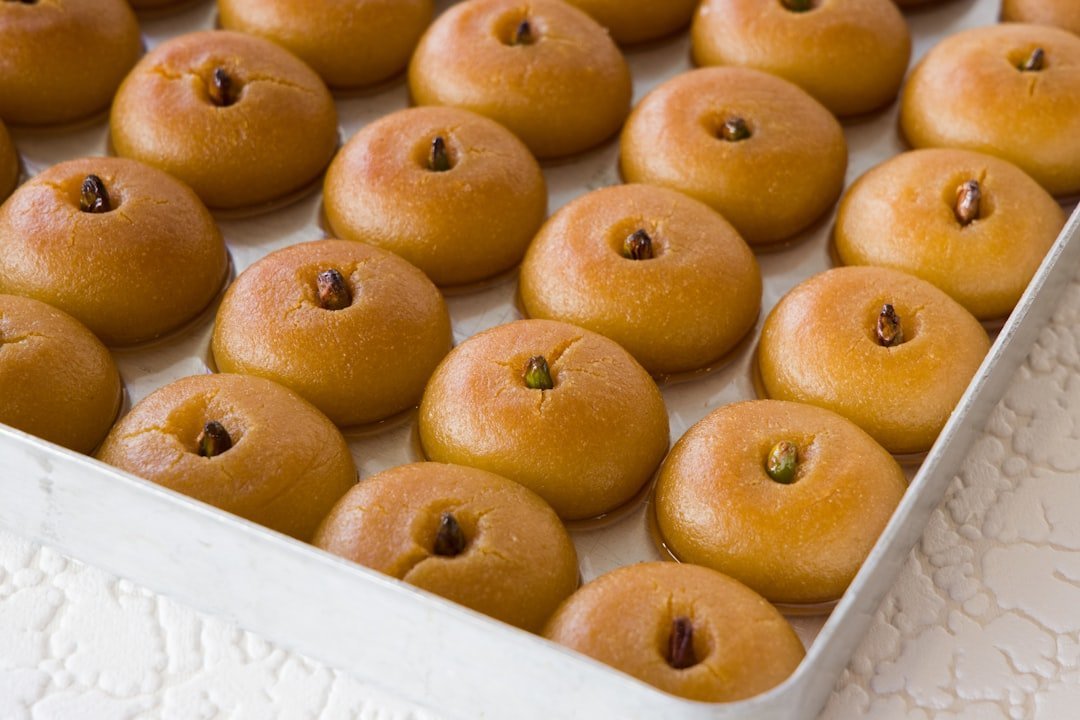
These dishes prove our plates are global tapestries, woven by travelers and dreamers. What we cherish as homegrown owes debts to distant kitchens.
Next bite, savor the journey. Which surprise hit you hardest? Share below – what’s your take on food’s hidden passports?[1][2]

Christian Wiedeck, all the way from Germany, loves music festivals, especially in the USA. His articles bring the excitement of these events to readers worldwide.
For any feedback please reach out to info@festivalinside.com
