

- The 20 Musicians Who Said No to Fame - September 21, 2026
- 20 Novels You’ll Think About Every Time You Travel - September 21, 2026
- 15 Festivals Happening This June You’ll Wish You Knew About Sooner - September 21, 2026
There is something deeply human about wanting to see, touch, and experience the world’s greatest places firsthand. Millions of people each year board flights, rent cars, and trek for hours just to stand in the presence of something ancient and extraordinary. That impulse is beautiful. Honestly, it is one of the better things about us as a species.
Yet here is the uncomfortable truth lurking beneath all those Instagram posts and souvenir magnets: the very act of visiting these places is slowly destroying them. Overtourism happens when a destination experiences too many visitors for its infrastructure to handle, leading to environmental, social, and cultural strain. What is perhaps more startling is how often the damage is completely unintentional. Travelers are not always careless vandals. Sometimes they are just breathing wrong.
From ancient cave paintings in France to coral reefs beneath tropical waters, the threats are as varied as they are alarming. Environmental degradation, damage to monuments or works of art, disruption of ecosystems, and displacement of local people are all potentially negative consequences of too many visitors, and the symptoms of overtourism can threaten the very existence and integrity of the sites being visited. So let’s dive in, because some of what follows may genuinely surprise you.
1. Tourists Are Literally Breathing Prehistoric Paintings to Death
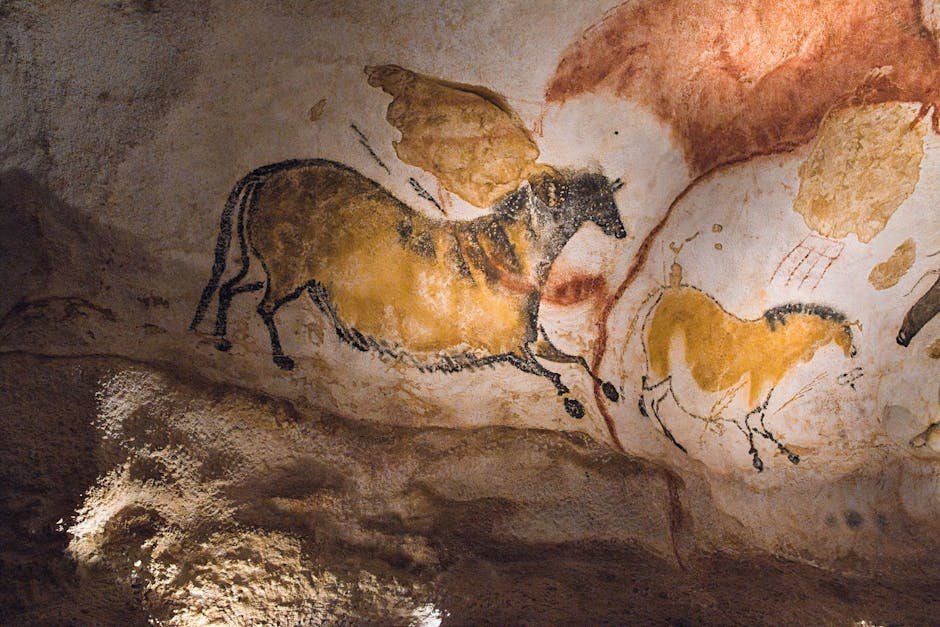
It sounds almost too strange to be true, but human breath has been one of the most destructive forces in the history of art preservation. The Lascaux Cave in southwestern France is the most chilling example. The cave contains paintings estimated to be around 17,000 years old, and for the first decade after it opened to visitors, it seemed like an incredible triumph for public access to culture.
Then things started to go very wrong. At its peak during the 1960s, the Lascaux Cave paintings experienced more than 1,500 visitors every day. The amount of heat, humidity, and microbes brought into the space during this time was so significant it led the cave’s natural ecosystem to become out of balance, causing green mold, white fungus, and later black fungus to appear, ultimately forcing the cave to close its doors to the general public for good. That’s right. People’s breath, body heat, and the spores on the soles of their shoes were enough to devastate art that had survived 170 centuries completely undisturbed.
It was determined by a scientific commission that the problems had arisen primarily from the size of tourist groups, the time spent by humans in the cave thus raising its temperature and altering its humidity, and by the introduction of pollen and spores, usually on footwear. The fungi were subsequently treated with fungicides and antibiotic compresses, and UNESCO placed the site on its World Heritage in Danger list. The long-term consequences are sobering. Signs of damage to the pigmentation of the paintings are still visible today.
2. Name-Carving Vandals Are Defacing Ancient Monuments at Alarming Rates
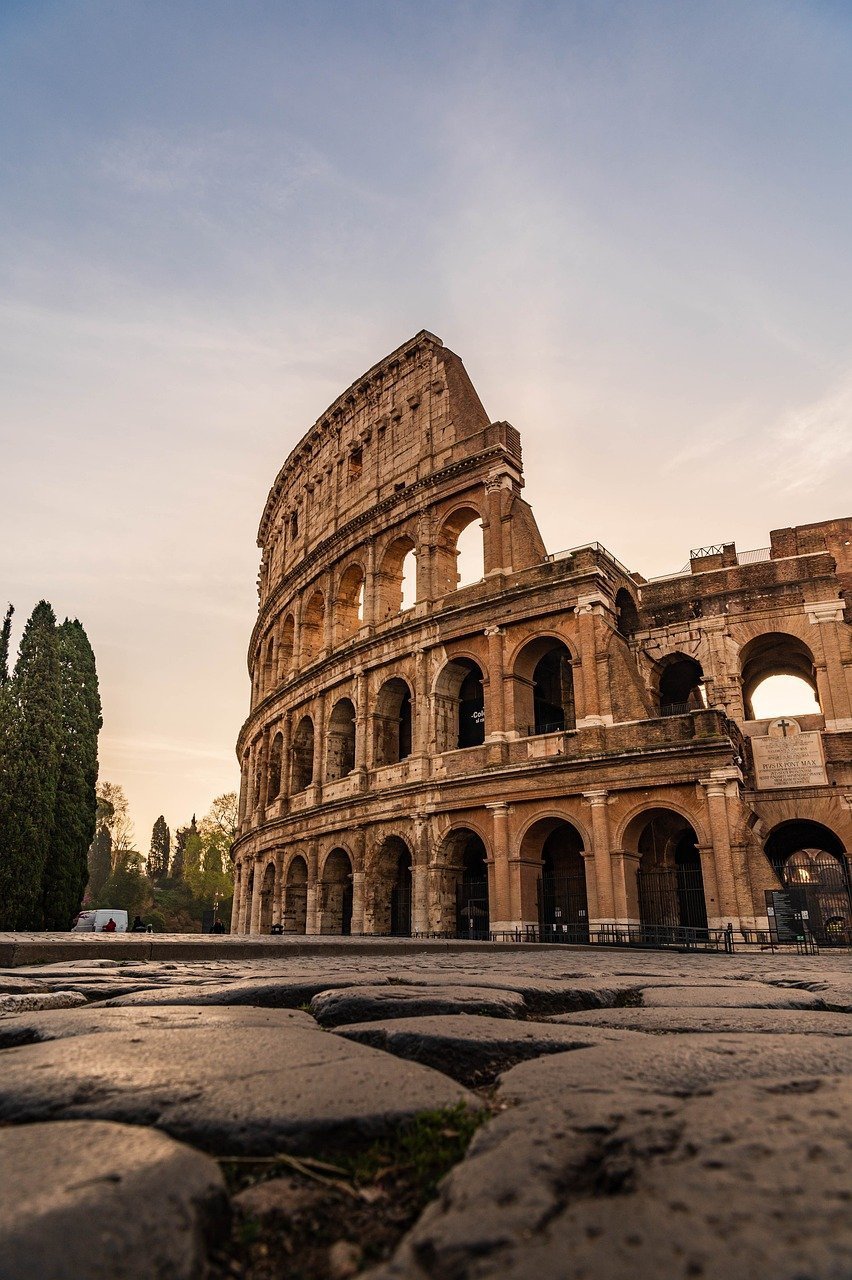
Here is the thing about carving your name into a 2,000-year-old wall: it is not romantic, it is not clever, and it is actually a criminal act. Yet it keeps happening. The Colosseum in Rome has become a kind of global symbol for this particular brand of tourist self-absorption. In 2023, a spate of incidents saw tourists making headlines for all the wrong reasons, with several different people carving their names or initials into multiple landmarks in Italy alone.
Two European tourists were caught defacing the nearly 2,000-year-old Colosseum, coming only weeks after a 27-year-old British tourist was filmed using a key to carve his and his apparent girlfriend’s names into the side of the historic amphitheater. The viral video, which showed the “Ivan+Haley 23” inscription, triggered international outrage. The audacity is almost hard to fathom. High profile acts of vandalism at the Rome landmark have included an Israeli woman who scraped the initials of her husband and children into the amphitheater, and a man from Uruguay who used a key to write his name on a Colosseum wall.
The long-term damage goes beyond the superficial scratches themselves. The act of casually and unthinkingly defacing iconic sites is so common that the reasons behind it and the possible ways to stop it have been studied by researchers. Unfortunately, it is not easy to get excited visitors to stop etching their names into ancient stones and buildings, because there is not just one reason they do it. Each inscription, no matter how small, removes original material from a structure that cannot be truly repaired or restored to its original state.
3. Foot Traffic Is Eroding Ancient Stone Faster Than Weather Ever Could
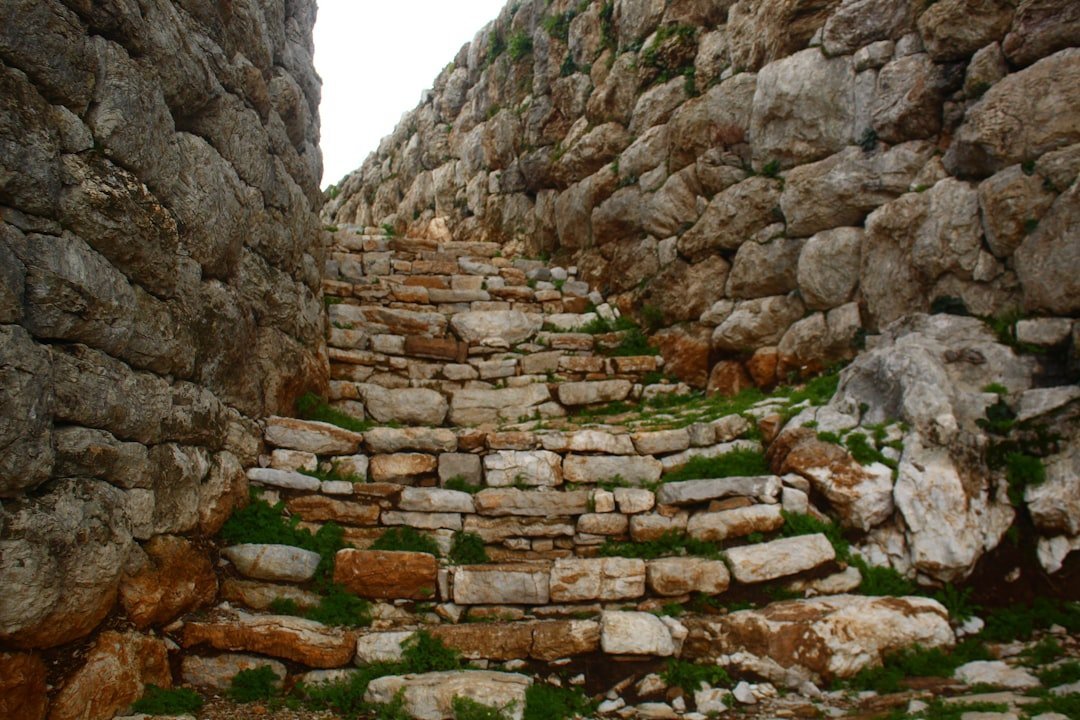
Think about the last time you visited a famous ruin and walked across its original floor. You probably were not alone. Multiply your footsteps by a few million visitors per year, and suddenly you have a geological-scale problem unfolding across delicate, centuries-old surfaces. Cambodia’s 900-year-old Angkor Wat temple complex attracts millions of visitors annually. Heavy foot traffic erodes the ancient stone floors and steps, while touching and climbing damage the intricate carvings.
Angkor Wat is not alone. Physical degradation at heritage sites can occur through direct damage caused by the sheer volume of visitors, such as wear and tear on structures, littering, and vandalism. The ancient city of Petra in Jordan, for instance, has experienced significant erosion due to the millions of tourists that visit each year. The tragedy here is the slow, grinding nature of the destruction. It does not happen in a single dramatic event. It happens one quiet footstep at a time, season after season, until the original surface is simply worn away.
Archaeological heritage sites are particularly vulnerable to the physical and cultural damages caused by overtourism. Physical damages include the wear and tear of historical artifacts, degradation of structures due to overuse, and vandalism. The constant visits by large tourist groups weaken the physical integrity of the sites, increasing the need for repairs and restoration. Think of it like a pencil eraser pressed to a page. Light strokes seem harmless, but eventually, you go right through the paper.
4. Cruise Ship Tourism Is Literally Shaking Historic Cities Apart
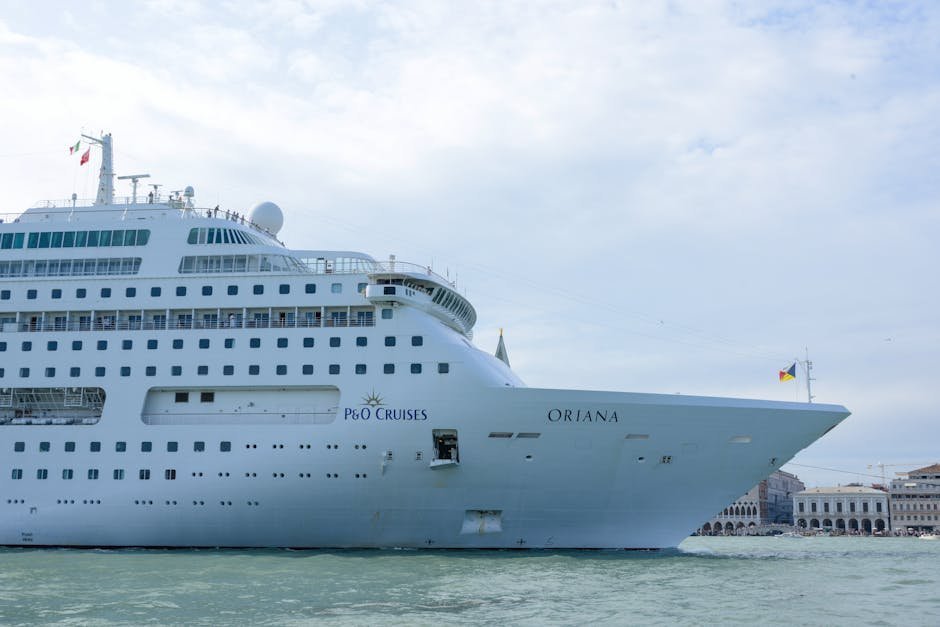
Venice is perhaps the most dramatic case study in what mass tourism can do to a living, breathing historic city. Overtourism in Venice is eroding the city’s foundations, with frequent flooding, the infamous “acqua alta,” exacerbated by climate change and human activity. The sheer scale of visitor numbers is staggering. Forbes reported that the problem stems from the sheer number of visitors who flock to the city daily, over 20 million tourists a year for a city with just over 50,000 residents.
The fragile relationship between the city and the lagoon into which it is slowly sinking is becoming ever more tenuous as large ships disrupt the waterways and the building foundations, and as more tourists bring more waste. Pollution from boats and industrial activities also threatens the marine ecosystem while large cruise ships raise serious concerns about environmental and structural impacts. Imagine a city that has survived plagues, wars, and centuries of storms, now threatened by its own tourism industry.
Massive cruise ships once docked close to the historic center, disgorging thousands of tourists at a time. Although new regulations have moved these ships further away, the city still struggles under the weight of tourists who visit for just a day, adding to overcrowding but contributing little to the local economy. Venice is not a theme park. It is a UNESCO World Heritage Site, and treating it like one is costing it dearly.
5. Sunscreen Is Bleaching Coral Reef Heritage Sites Into Oblivion
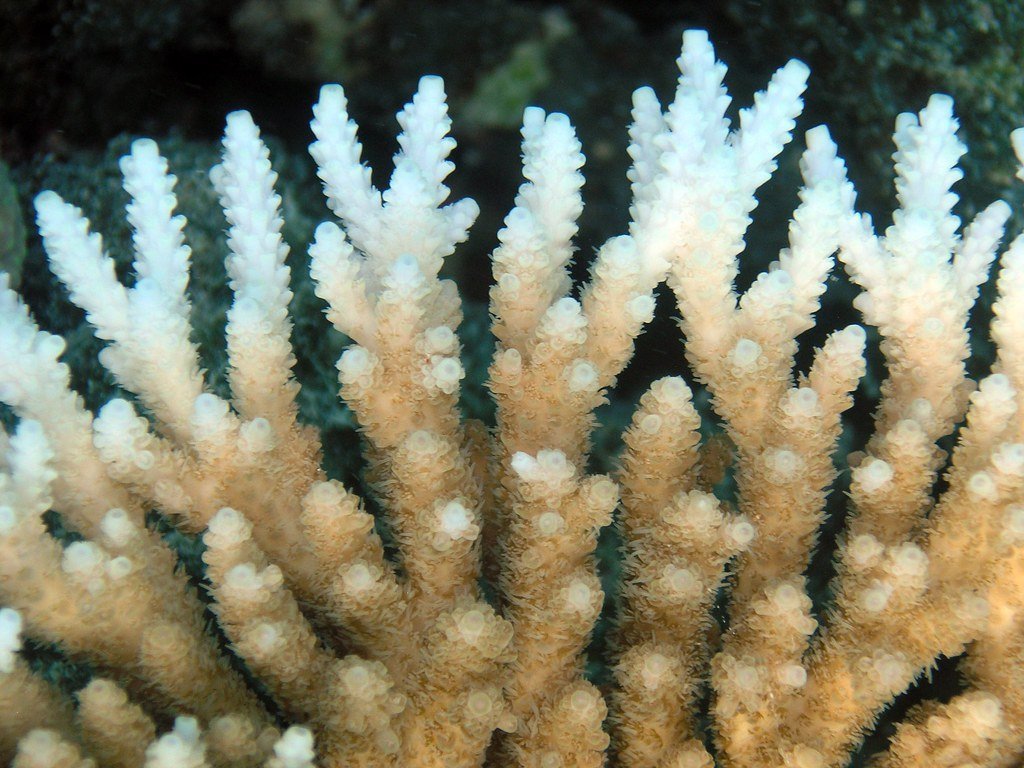
This one tends to catch people off guard. You pack your sunscreen, you protect your skin, you jump into the crystal-clear water near a historic reef ecosystem, and somewhere in your backpack is a tube of something that is quietly participating in an ecological catastrophe. Research found that chemical compounds in sunscreen products can cause abrupt and complete bleaching of hard corals, even at extremely low concentrations.
Among the several brands of sunscreen tested, four commonly found ingredients, including paraben, cinnamate, benzophenone, and camphor derivatives, can stimulate dormant viral infections in the symbiotic algae that corals depend on. The sunscreen chemicals caused viruses within those algae to replicate until their hosts exploded, spilling viruses into the surrounding seawater, which could then spread infection to nearby coral communities. It reads like something from a sci-fi horror novel, but it is entirely real.
Researchers estimate that approximately 10% of the world’s coral reefs are potentially threatened by sunscreen that washes off swimmers in reef waters, and as tourism continues to increase in tropical reef areas, the impact of sunscreens on coral bleaching could rise significantly in the future. Many reef ecosystems are UNESCO-protected and hold deep cultural, historical, and ecological significance for local communities. The irony of tourists damaging them while trying to enjoy their beauty is almost too painful to sit with.
6. Social Media Fame Is Driving Dangerous Overcrowding at Fragile Sites
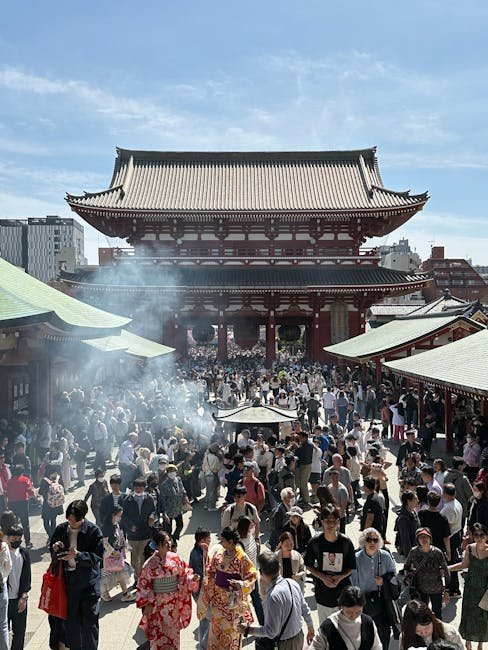
Let’s be real for a moment. The “Instagrammable” destination is one of the most destructive forces in modern travel culture. When a location goes viral, it can go from quiet sanctuary to overwhelmed tourist hotspot almost overnight. The cult classic Leonardo DiCaprio movie “The Beach” turned a remote location in Thailand into a major tourist trap. As more and more tourists flocked to the sandy shores, Maya Beach became nearly impossible to enjoy.
The same social media engine that makes these places famous makes preservation nearly impossible to manage. Overcrowding, a direct consequence of overtourism, makes emergency management extremely more difficult. In the event of an earthquake, fire, or flood, the presence of an excessive concentration of tourists in confined spaces such as museums, galleries, or densely populated historic centers can hinder evacuation and rescue operations. Overcrowding at a site is not just a preservation problem. It is a safety one too.
Thailand was forced to close Maya Beach in 2018, but after a massive rehabilitation and conservation program, the beloved beach reopened to tourists in January 2022. While recovery is possible, it takes enormous resources and years of closure. Most heritage sites cannot simply “bounce back.” The damage accumulates across decades and generations, and the clock ticks relentlessly.
7. Souvenir-Chipping Has Been Stealing Pieces of History for Centuries
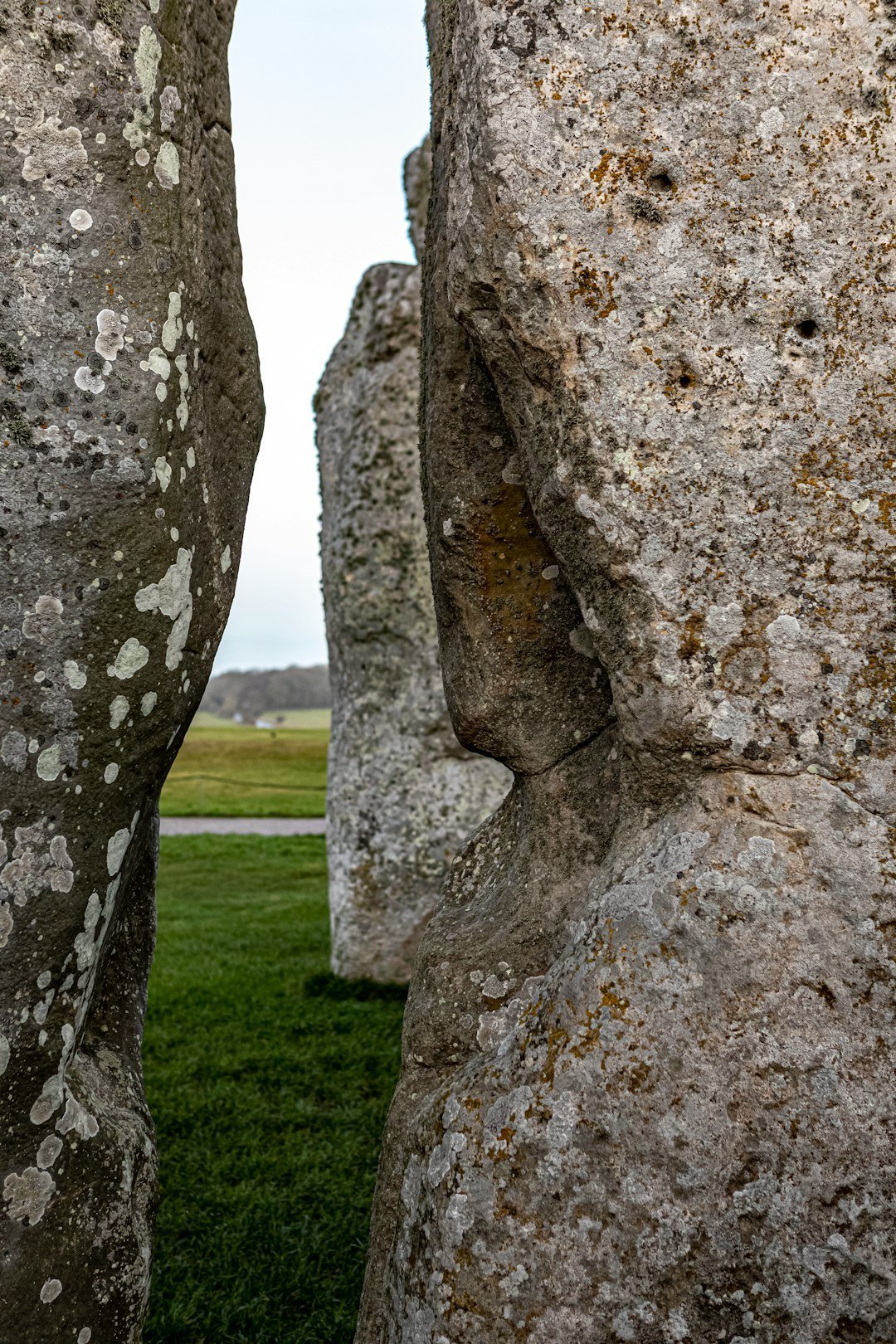
You might assume that taking a chip off a historic monument is a modern problem, born of reckless entitlement. Surprisingly, the practice has a very long and well-documented history, and it is still happening. Stonehenge, one of the most recognizable prehistoric structures on earth, has been quite literally picked apart by visitors over the centuries. Tourists frequently chipped off small fragments of stone to keep as souvenirs, steadily eroding surface details and contributing to long-term weathering.
In 1860, a concerned tourist wrote to the London Times decrying the “foolish, vulgar and ruthless practice of the majority of visitors” to Stonehenge “of breaking off portions of it as keepsakes.” Today, taking a hammer to a Neolithic monument is unthinkable to most people. But smaller-scale pilfering, pocketing rocks, breaking tiny fragments, lifting stones from archaeological sites, remains a widespread enough issue that Greek authorities have reportedly had to crack down on visitors leaving with rocks in their pockets. Each fragment removed is a fragment of history that belongs to everyone, taken by one person, and gone forever.
Easter Island’s mayor once called for a tourist to lose his ear in return for chipping an ear off one of the island’s famous stone statues. The tourist kept his ear but still had to pay a $17,000 fine. The response is almost darkly humorous, but it speaks to the genuine anguish communities feel when outsiders treat irreplaceable cultural artifacts as personal keepsakes. The problem is not new. The urgency, however, very much is.
8. The Great Wall of China Is Being Lost to Graffiti and Erosion
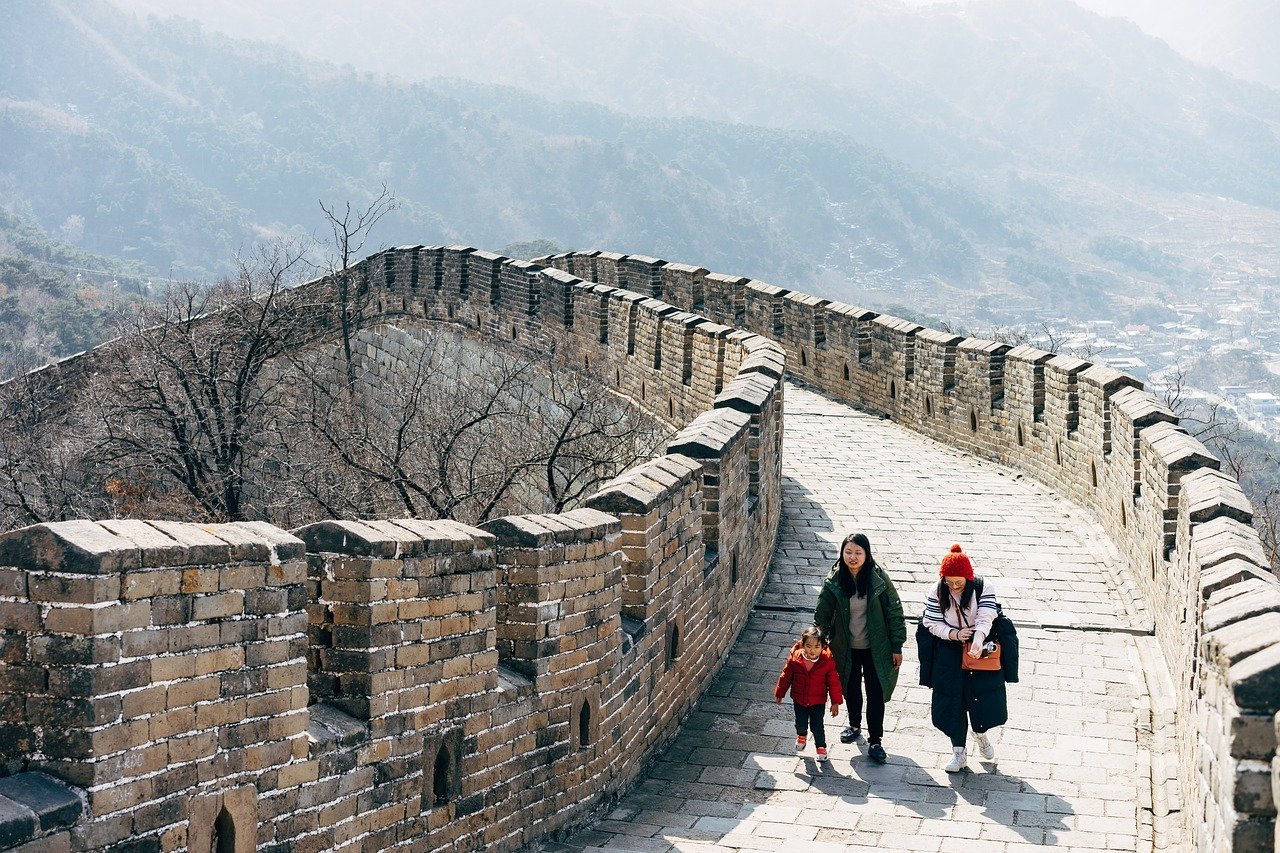
The Great Wall of China stretches across thousands of kilometers and represents one of the most extraordinary human engineering achievements in history. It has survived invaders, dynasties, and natural forces for centuries. Now it is battling tourist graffiti, commercial development, and the constant grinding pressure of millions of feet. Booming tourism has inevitably led to damage along the wall as locals compete for tourist dollars. Graffiti and erosion have been documented at increasing rates.
The Great Wall is not a single preserved monument. Much of it remains unrestored and extremely vulnerable. Some sections receive enormous visitor numbers while others crumble quietly without any protective management at all. Graffiti carved into the old brick surfaces is particularly problematic because brickwork from ancient dynasties cannot simply be replaced. Every inscription is a permanent scar on a structure that took generations of human labor to build.
Tourists can leave traces of their visit unintentionally, but graffiti can also be a reaction of tourists to the local population opposing tourism and trying to reduce it. That complexity is worth sitting with. The relationship between tourists and the communities that host them is far more fraught than most travel brochures let on. Sometimes the damage is defiance. Sometimes it is sheer ignorance. Either way, the wall pays the price.
9. Mass Tourism at Machu Picchu Is Threatening Its Very Foundations
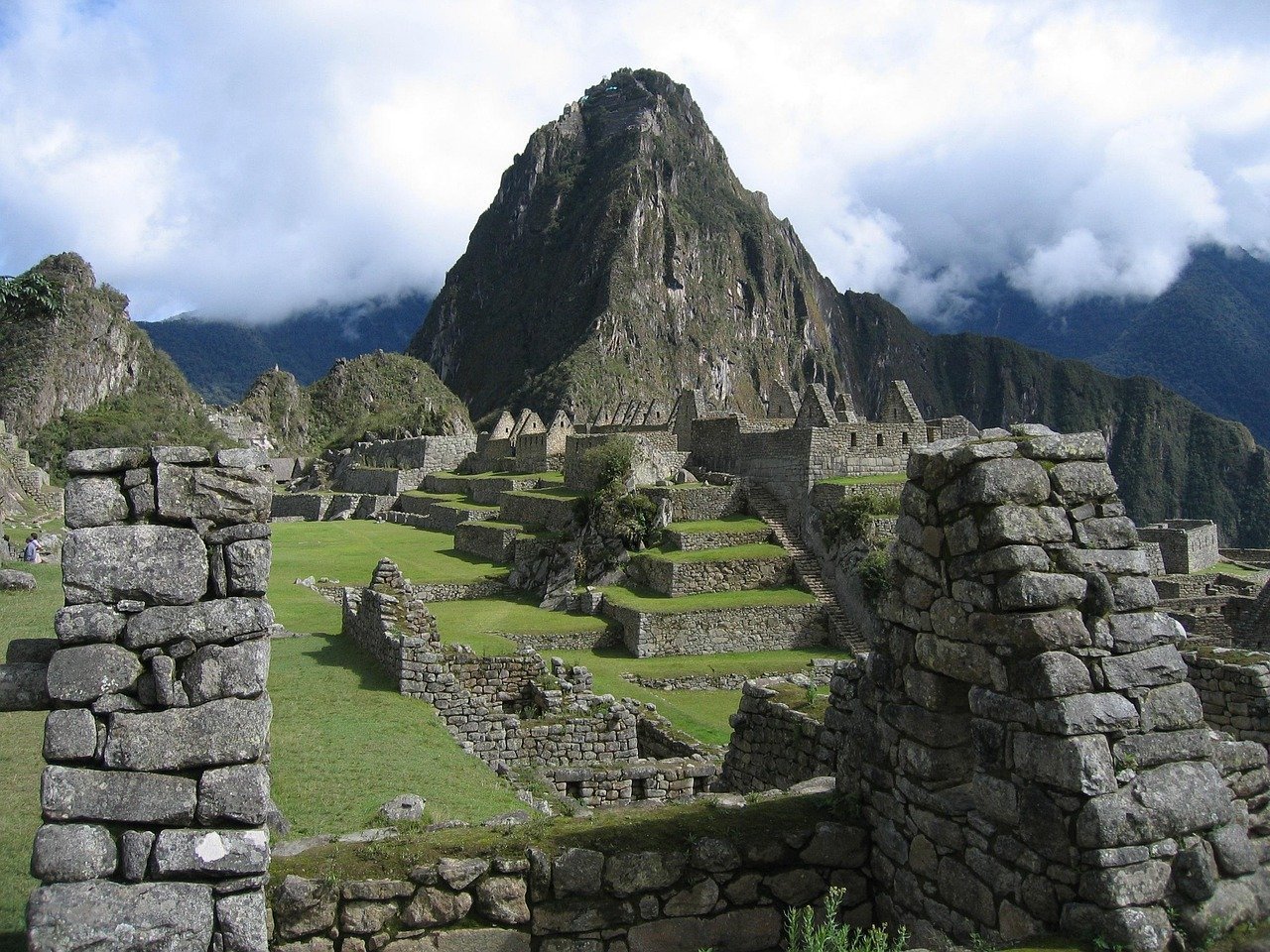
Machu Picchu is the kind of place that people save for years to visit. Its position high in the Peruvian Andes, its extraordinary Inca stonework, its cloud-shrouded mystique. It is genuinely one of the most breathtaking places on earth. It is also, honestly, under serious threat. Machu Picchu is dealing with a lot of damage from tourists, including erosion, trash, and harm to the ruins.
Managing visitors is tough, with long lines and too many people. There is also real worry about the ruins’ stability, with some parts showing visible signs of wear. The Peruvian government and international conservation bodies have struggled for years to balance the economic lifeline that tourism provides against the slow structural damage it causes. Machu Picchu is introducing new rules and regulations in 2025 to protect the site from tourism impact, and limits on daily visitors are being implemented to control crowds and minimize damage.
Rediscovered in the early 20th century, Machu Picchu has steadily attracted more and more visitors. Weak local government and a strong influx of tourism has caused damage to the site, damage that guides and conservationists are having a hard time containing. It is a painful paradox. The more iconic a site becomes, the more people want to see it, and the more endangered it grows from that very desire.
10. Cultural Disruption Is Erasing Living Heritage in Historic Communities
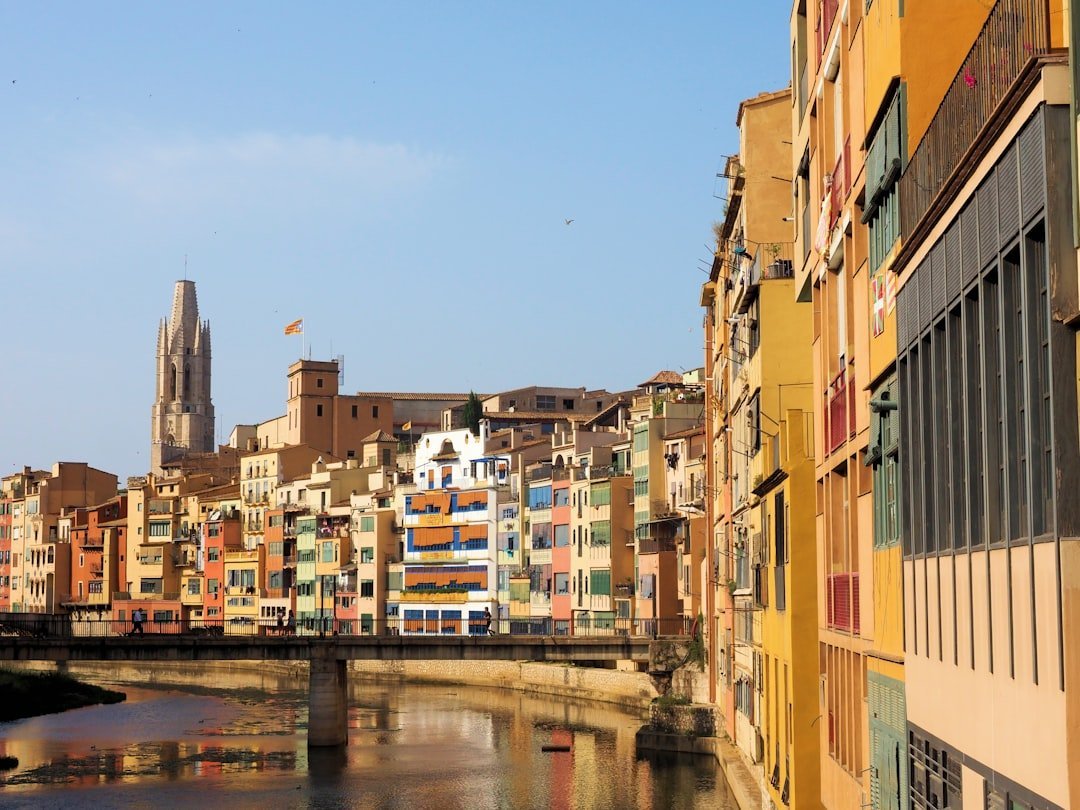
Not all tourist damage is physical. Some of the deepest harm done to historic sites happens on a cultural and social level, and it is far harder to photograph or measure. In addition to physical damage, over-tourism can lead to cultural erosion. This happens when the influx of tourists disrupts local traditions and ways of life, leading to a loss of cultural authenticity.
In Kyoto, Japan, the problem has become so severe there is a specific word for it. Kyoto’s rich cultural heritage has led to the emergence of kankō kōgai, or “tourism pollution,” where the city is challenged with trying to control visitor flows and manage tourism adequately. Enthusiasm to consume the city has overwhelmed it. Women still training as traditional geishas have become as much a tourist attraction as the buildings where they live, and to try and cut back the flow of “geisha paparazzi,” the Gion local council voted to block off many of the side streets and alleys.
In Venice, the massive influx of tourists has led to a decrease in the local population, as many residents have been forced to move due to rising living costs and the transformation of residential areas into tourist accommodations. This has resulted in a loss of local culture and community, with the city increasingly resembling a theme park rather than a living, breathing city. When the people who give a place its living culture are pushed out, the site itself becomes a hollow museum, a pretty shell of what it once was.
A Final Word: We Can Do Better
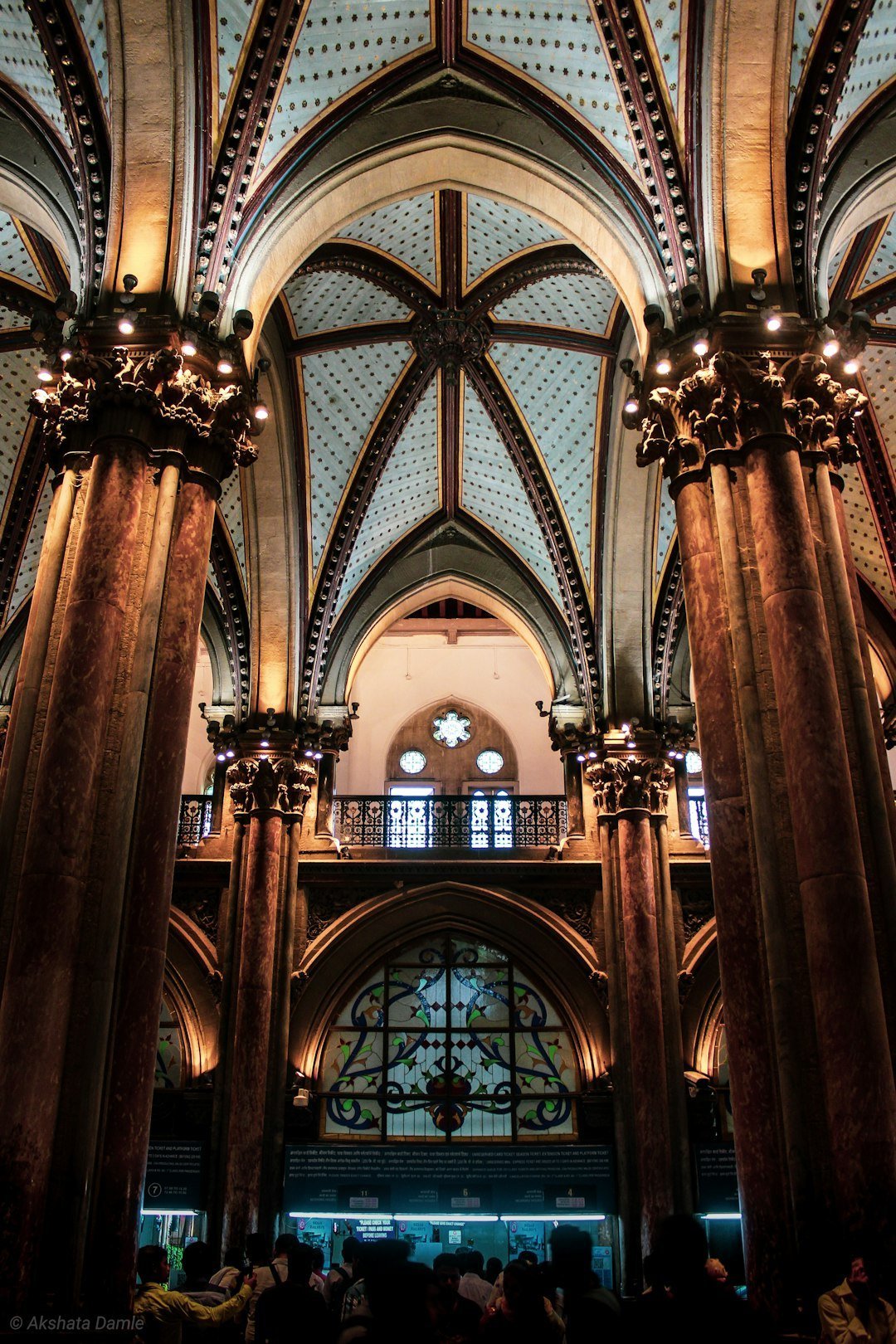
It would be easy to walk away from this list feeling guilty about ever wanting to travel. That is not the point. Travel, done thoughtfully, is one of the most enriching things a person can do. Tourism can stimulate economic growth, foster cultural exchange, and support conservation efforts that protect the world’s most remarkable places. However, when tourism development is poorly managed, unchecked growth can overwhelm destinations and detrimentally impact the environment, local communities, and the visitor experience.
Visitors can take action by staying informed about overtourism issues, making conscious travel decisions that help distribute tourist traffic, and engaging in sustainable behaviors. Simple actions like visiting at off-peak times, respecting cultural norms, reducing waste, and supporting local businesses can make a real difference. These are small adjustments with outsized consequences.
Maintaining the integrity of World Heritage Sites is the responsibility of everyone who travels to see them. By spreading the word about ethical tourism practices and the dangers of overtourism, and by modeling appropriate behavior to your fellow travelers, you are taking important steps in helping to preserve these sites for generations to come. The world’s most extraordinary places do not belong to any single generation. They belong to all of us, including the people who have not been born yet. How we treat them right now will determine whether those future travelers get to experience them at all. So, the next time you stand before something ancient and irreplaceable, ask yourself: what kind of footprint am I leaving behind?
CEO-Co-Founder
