

- 15 Books That Feel Like Talking to Your Smartest Friend - September 22, 2026
- Why Some Voices Are Instantly Recognizable — Even Whispering - September 22, 2026
- 20 Authors Who Use Music to Outline Their Plots - September 22, 2026
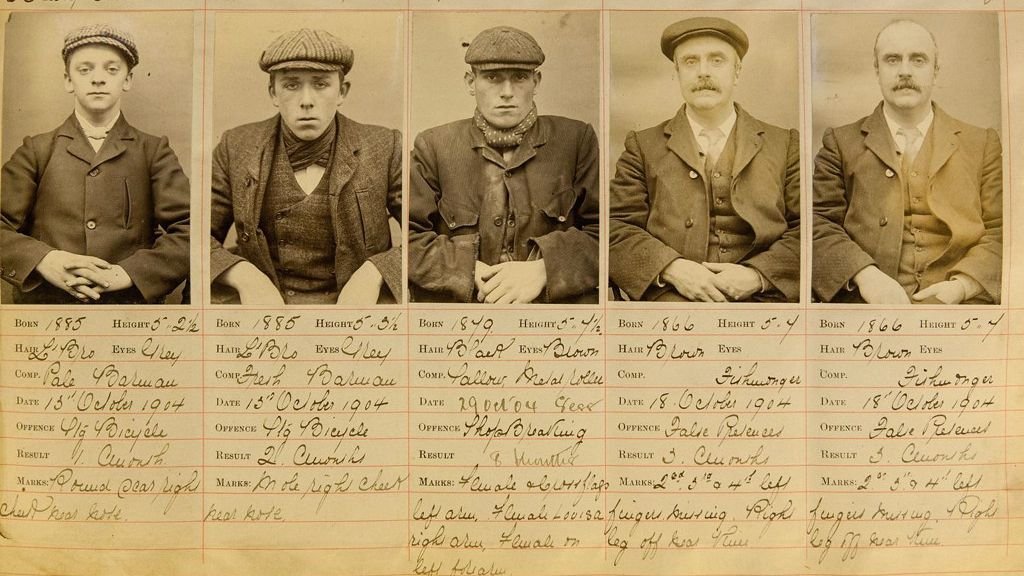
Soundtracks have always been the secret weapon of great television, weaving emotion into every scene and etching stories into our minds. Peaky Blinders mastered this art, pairing gritty 1920s gangsters with blistering modern rock that amplified the raw fury of Tommy Shelby’s world. Yet, with the recent Netflix film The Immortal Man, one track stands out for all the wrong reasons – it promises immortality but delivers a whisper where the series roared.
Let’s dive into why “Immortal Man,” the instrumental opener from the film’s soundtrack, falls short of the legacy it inherits.[1][2]
Tonal Mismatch
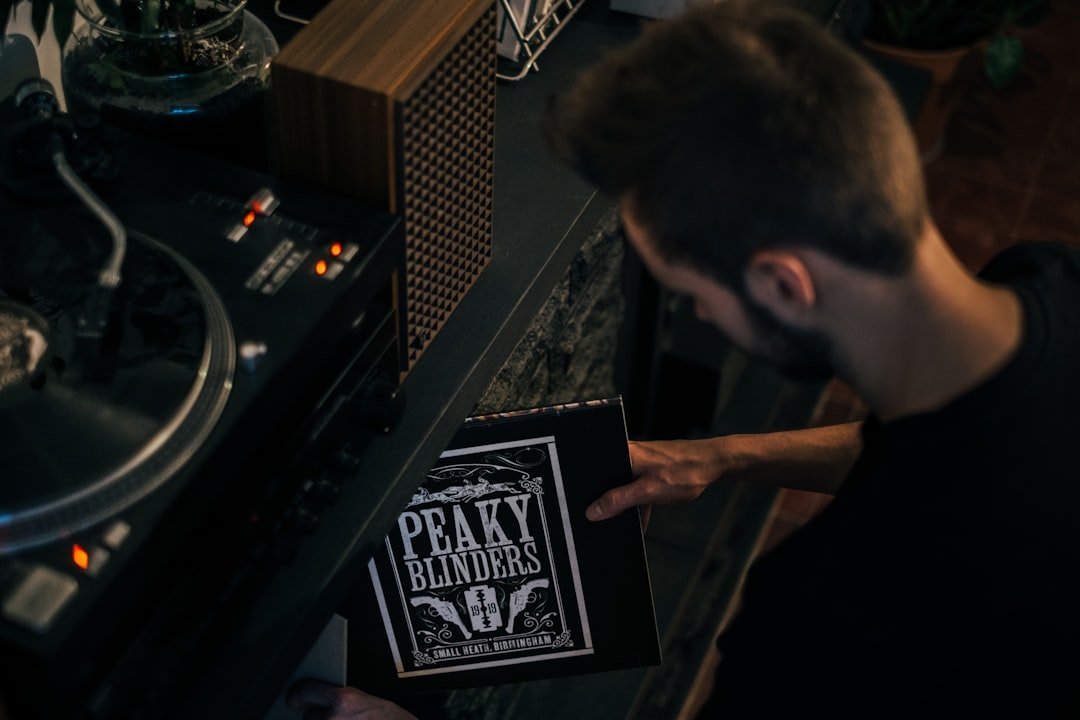
The Peaky Blinders series thrived on a soundtrack that punched you in the gut – think Nick Cave’s haunting baritone or Fontaines D.C.’s snarling post-punk energy clashing against flat caps and razor blades. “Immortal Man,” crafted by Antony Genn, Martin Slattery, and Carlos O’Connell, opts for a subdued instrumental swell, more like a brooding film score than the defiant anthems fans crave. It lacks that electric tension, the kind that made slow-motion walks feel like war marches.
Honestly, it feels safe. Where the series used music to shatter historical boundaries, this track tiptoes around them, diluting the explosive mix of menace and melody that defined the show. The result? A tone that’s atmospheric but forgettable, missing the visceral kick that turned episodes into events.[3]
Lyrical Interpretation
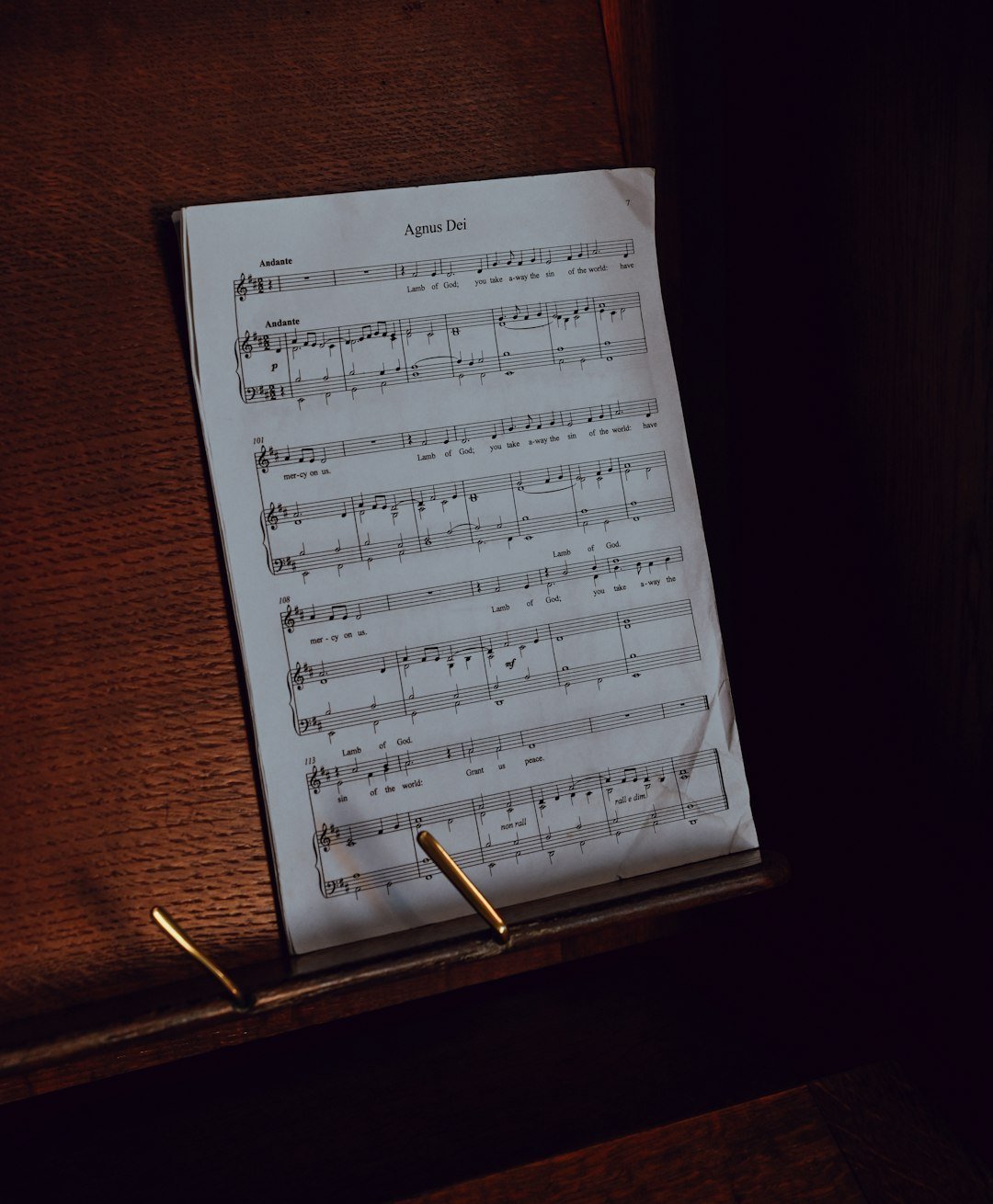
Without a single word to its name, “Immortal Man” forces us to read between silent notes, but that’s exactly where it stumbles. The series layered lyrics like “Red Right Hand” with poetic threats and existential dread, mirroring Tommy’s inner demons through vivid storytelling. Here, the absence of vocals leaves interpretation hollow – no snarling defiance or whispered regrets to echo the Shelby saga’s soul.
It’s like handing a ghostwriter a blank page. Fans dissect lines from past tracks for hidden meanings about family, power, and loss; this instrumental offers only vague swells that hint at immortality without the bite. In a franchise built on words as weapons, silence just isn’t enough.
Historical Atmosphere
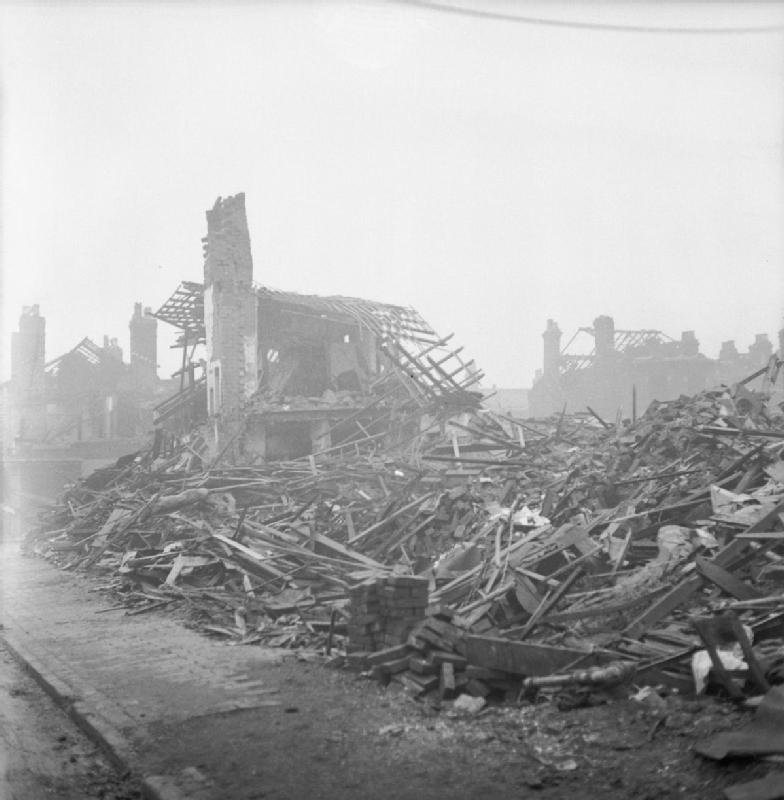
Peaky Blinders bent time with its soundtrack, dropping 21st-century bangers into Edwardian grit to heighten the chaos of Birmingham’s underbelly. Set in the 1940s Blitz for the film, “Immortal Man” should evoke wartime shadows and counterfeit schemes, yet its generic orchestral lean feels lifted from any period drama. It fails to capture the smoky pubs and razor-sharp violence that made history feel alive and dangerous.
Picture this: Tommy plotting against Nazis amid air raid sirens, but the music drifts like elevator tunes instead of the thunderous clash the era demands. The series’ genius was making the past pulse with modern irreverence; this track respects history too much, smothering the anarchic spirit under polite strings.[2]
Character Alignment
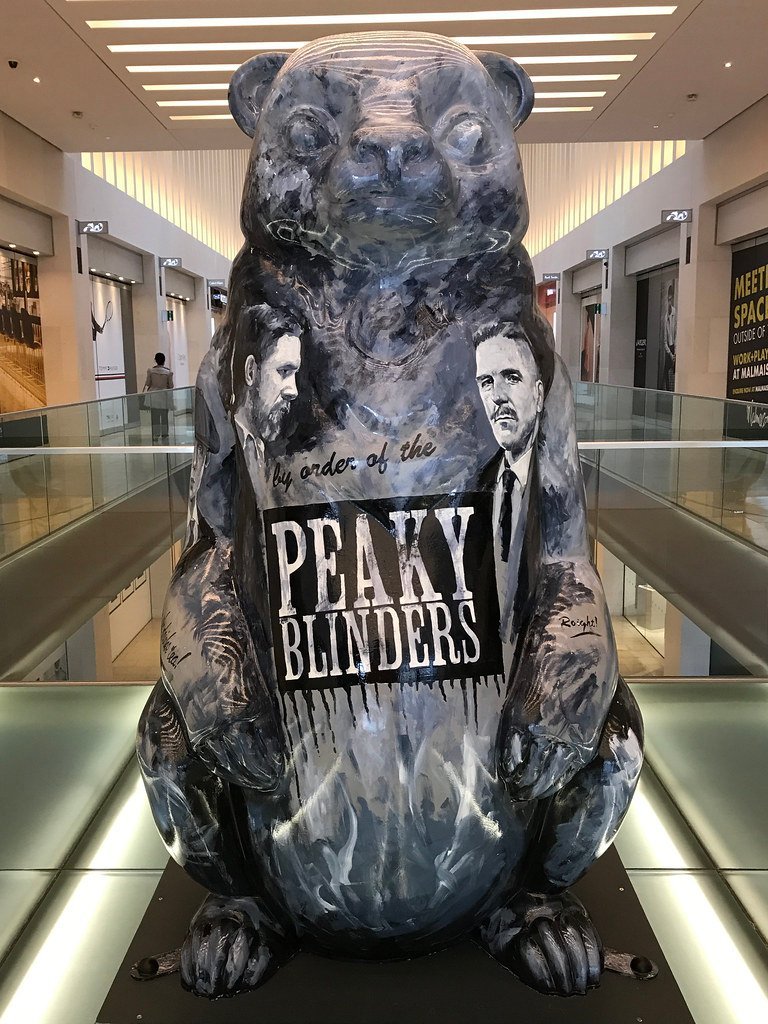
Tommy Shelby was no immortal god – he was a fractured man chasing ghosts, his arc fueled by songs that humanized his ruthlessness. “Immortal Man” titles itself after him, but its ethereal hum portrays an untouchable figure, glossing over the blood, opium, and betrayal that defined him. It aligns more with myth than the vulnerable gangster we rooted for across six seasons.
Let’s be real: the track’s creators nailed collaborations elsewhere on the album, but here it misses Tommy’s complexity. No jagged riffs to match his cunning stares or pounding drums for his rage. Instead, it elevates him to statue status, undermining the character’s tragic humanity.
Audience Expectations

Fans tuned in for that adrenaline hit – the moment a killer riff dropped and suddenly gang wars felt epic. After years of iconic cues, “Immortal Man” arrives as track two, primed to hook, but delivers ambient filler that barely registers. It betrays the pact: deliver music as bold as the Blinders themselves.
I know it sounds harsh, but expectations were sky-high post-series. Social buzz around the soundtrack praised edgier cuts like “Puppet,” leaving this one in the dust. When your audience craves fireworks and you hand them a sparkler, the disconnect stings.
Conclusion
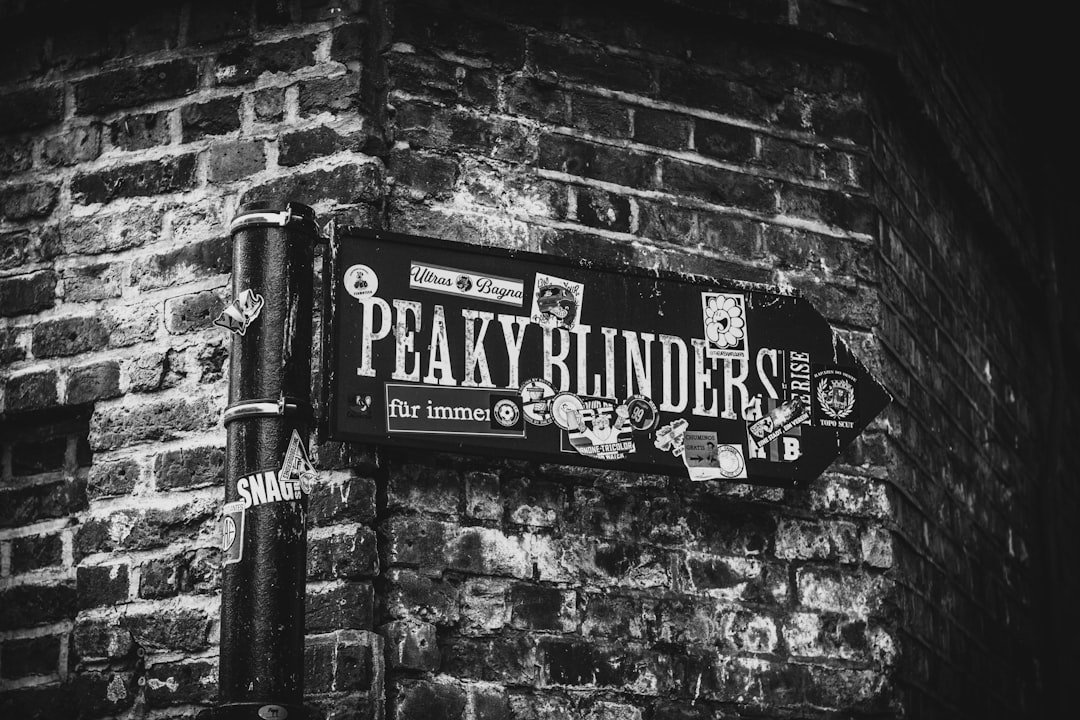
Music isn’t just backdrop in Peaky Blinders; it’s the heartbeat shaping how we perceive triumph, loss, and legacy. “Immortal Man” underscores a pivotal film moment but ultimately reminds us why the series’ sound was irreplaceable – raw, rule-breaking, unforgettable. Choosing safer paths risks dimming the fire that made Shelby’s world burn bright.
What track would you have picked to honor Tommy? Share your thoughts below.
CEO-Co-Founder
