

- The Best Music Festivals Are Time Capsules of Cultural Revolution - August 29, 2026
- 12 Iconic Duets That Changed Music History Forever - August 29, 2026
- 10 TV Shows From the 80s and 90s That Defined a Generation’s Humor - August 29, 2026
Fashion has a strange, almost stubborn relationship with time. It refuses to move in only one direction. Designers keep reaching backward, pulling threads from centuries past, and weaving them into what lands on tomorrow’s runways. It is honestly one of the most fascinating cycles in human culture – the idea that what a queen wore in 17th-century France or what an Egyptian pharaoh draped over her shoulders two thousand years ago could inspire what you see on a boutique rack in 2026.
In the ever-evolving history of fashion, some individuals have transformed fashion trends into legacies by leaving inspiration for future generations, making sure that fashion is seen not just as fabric but as something that can transform a person completely from head to toe. These aren’t just style figures from dusty textbooks. They are living forces inside the creative DNA of every fashion house, every stylist, every mood board. Be prepared to see history – and your wardrobe – in a completely different light. Let’s dive in.
1. Cleopatra – The Queen Who Invented Power Dressing
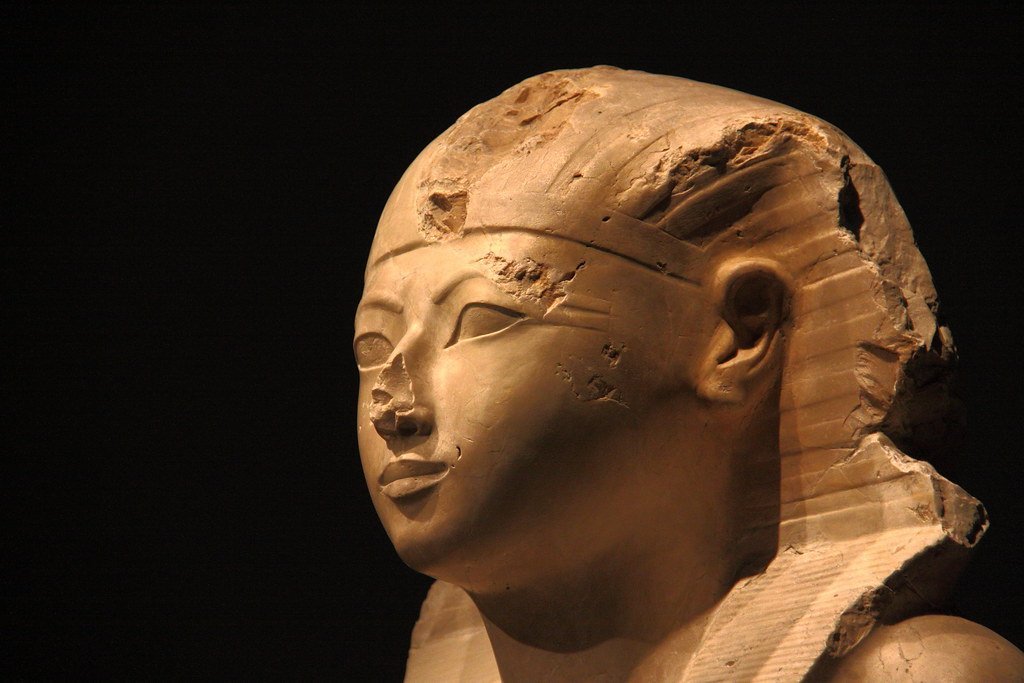
Cleopatra was the last pharaoh of Egypt, remembered as much for her political leadership as for her style. She was adorned with gold jewellery, elaborate headpieces, and beautifully flowing gowns – and her signature kohl-lined eyes are legendary. There is something almost overwhelming about realizing that a look perfected over two thousand years ago is still being replicated in makeup tutorials across social media today. It is wild, honestly.
Modern fashion designers such as Christian Dior and Versace have drawn inspiration from Cleopatra’s style, incorporating draped fabrics, metallic accents, and intricate jewelry into their collections. The black kohl eyeliner she wore in a cat-eye style has stood the test of time, and the smoky, heavily-lined eye is still popular today – she also often wore blue or green eyeshadow on her lids for a pop of color that contemporary makeup artists would recognize. Her entire aesthetic was a calculated act of power, and we are still copying it.
2. Louis XIV – The Sun King Who Invented Fashion Seasons
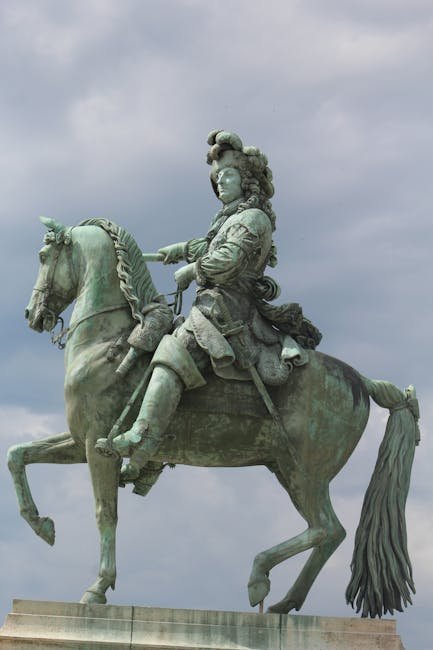
Louis XIV, known as the Sun King, chose fashion as the medium of royal authority. Art historian Philip Mansel explains that “the right dress was believed to encourage loyalty, satisfy vanity, impress the outer world, and help royal industries.” This man was not simply dressing well. He was weaponizing clothing as political strategy, which, if you think about it, is something luxury brands are still doing right now.
During his reign, Louis XIV created a luxury industry encompassing furniture, clothes, jewels, and textiles that employed around one-third of working Parisians. He also mandated that new fashions be introduced twice a year – a move that set the stage for modern fashion shows. During his 72-year reign, he famously promoted red-heeled shoes as a status symbol – they remained the calling card of the nobility for a century – and he is often credited with popularizing wigs. The concept of fashion seasons? That was his idea first.
3. Marie Antoinette – The Woman Who Made Excess a Statement
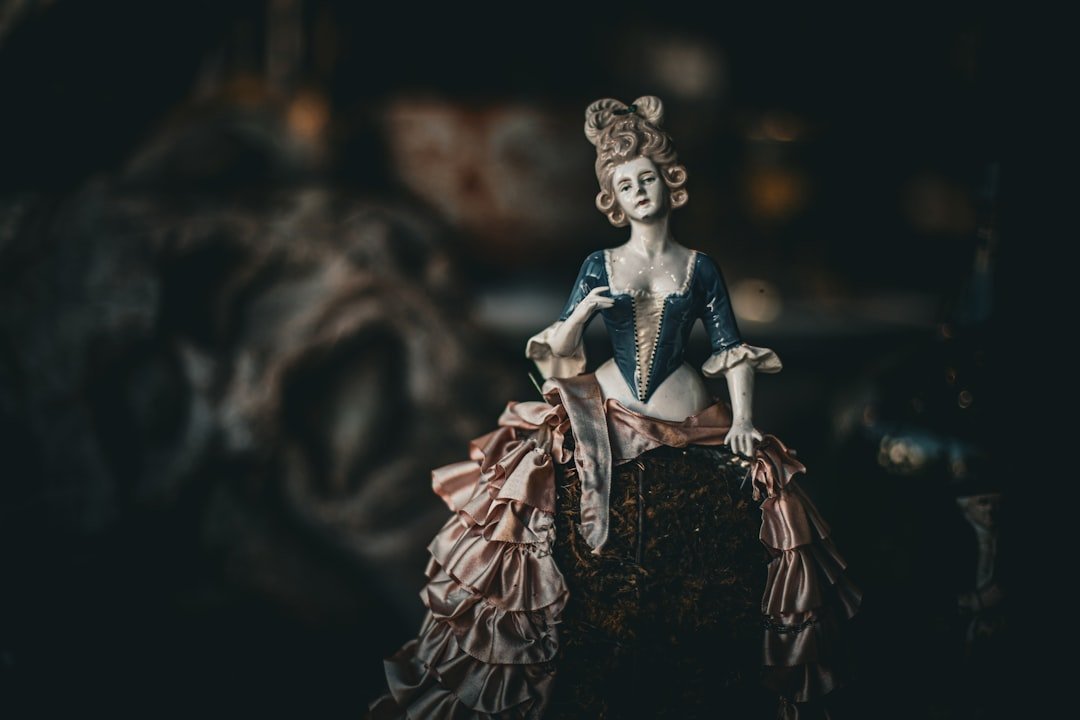
Realising quickly that she could not exert any kind of political influence at the French court, Marie Antoinette turned to fashion as a way to express herself. Known for her extravagant tastes as queen, she was often ridiculed for her lavish clothing – but women across the country flocked to copy her style. There is something almost painfully modern about that contradiction. Mocked and imitated at the same time. Sound familiar?
Marie Antoinette was the controversial Queen of France whose fashion sense was more adored than controversial, as she transformed Versailles into a fashion mecca. She wore impressive wigs, wide pannier gowns, and exquisite fabrics like silk and lace. Today, her theatrical, oversized, maximalist aesthetic echoes loudly through the work of designers like Viktor and Rolf and in the extravagant Met Gala looks that dominate the internet every spring. She basically invented the concept of fashion as spectacle.
4. Queen Elizabeth I – The Original Self-Fashioner
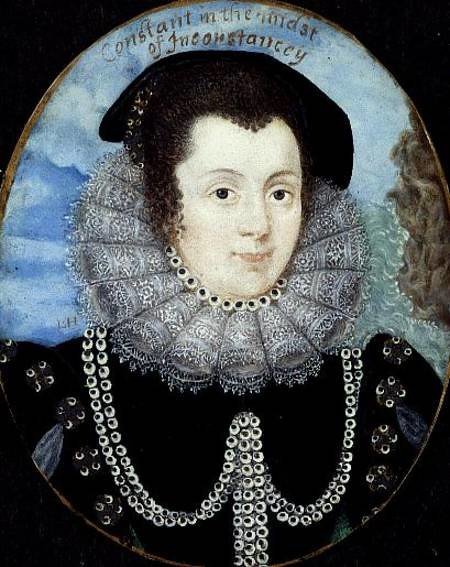
Elizabeth is perhaps one of the biggest style influencers to have ever lived, with her fashion tastes setting the trends in England for the last half of the 16th century. The queen was extremely conscious of her appearance and went to great lengths to “self-fashion” her image as a powerful female ruler, wearing detailed gowns made from sumptuous fabrics and decorated with luxurious jewels. Think about that. A monarch managing her personal brand through clothing, in the 1500s. Ahead of her time doesn’t even begin to cover it.
Courtiers flocked to imitate her style, hoping to catch Elizabeth’s attention, but the queen also passed her expensive dresses down as rewards for loyal service, for example to her ladies-in-waiting. Her elaborate ruffs and structured silhouettes live on in high-fashion editorial shoots, theatrical costume design, and the work of designers who use architectural clothing to convey female authority. The idea that a woman’s wardrobe could be both armor and crown – that was Elizabeth’s contribution.
5. Beau Brummell – The Dandy Who Invented the Modern Suit
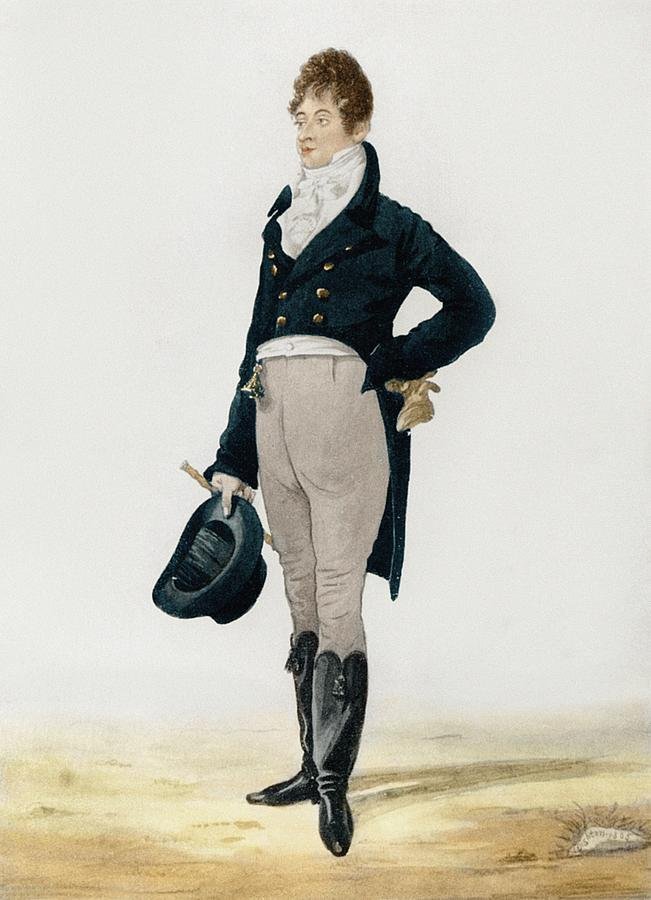
Beau Brummell, an Englishman born in 1778, although not a designer, is widely considered the father of modern men’s fashion. His revolutionary ideas about tailoring, simplicity, and grooming laid the groundwork for what we now recognize as contemporary menswear. I think it’s remarkable that a man from two centuries ago essentially decided what men would wear to job interviews in 2026. That is a legacy that most designers can only dream of.
During his reign as the undisputed arbitrator of men’s clothing style in London society, Brummell accomplished many fashion firsts. He brought long pants into fashion instead of knee-length breeches, insisted that men’s cravats were starched and knotted precisely, remodeled men’s dress coats so they fit more snugly, and was the first to wear black evening clothes – a radical change from the elaborate, colorful costumes men wore in the 18th century. The dark suit, white shirt, and necktie that he popularised remain staples of men’s fashion to this day.
6. Coco Chanel – The Revolutionary Who Liberated Women’s Bodies
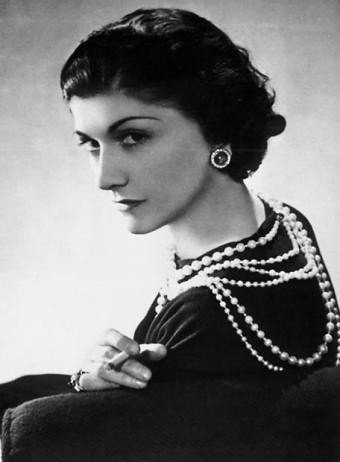
The 1920s was a revolutionary era for women’s fashion. Silhouettes started moving away from staunch layers to loose, free silhouettes – and Coco Chanel was the catalyst for this movement, liberating women from the constraints of corsets toward more comfortable yet equally sophisticated designs. It is hard to overstate how radical this was. Chanel didn’t just change what women wore. She changed what women’s bodies were allowed to be.
Chanel’s iconic “little black dress” is one of the most enduring contributions to fashion. The little black dress has even “made” other fashion icons, like Princess Diana’s revenge dress. Vintage Chanel bags, dresses, and accessories throughout the 1900s are highly sought after in consignment shops today. Sailor stripes, ballet flats, quilted handbags, jersey fabric – nearly every “classic” piece a woman reaches for in her wardrobe has a thread connecting back to Chanel’s quiet, brilliant revolution.
7. Princess Diana – The People’s Fashion Icon
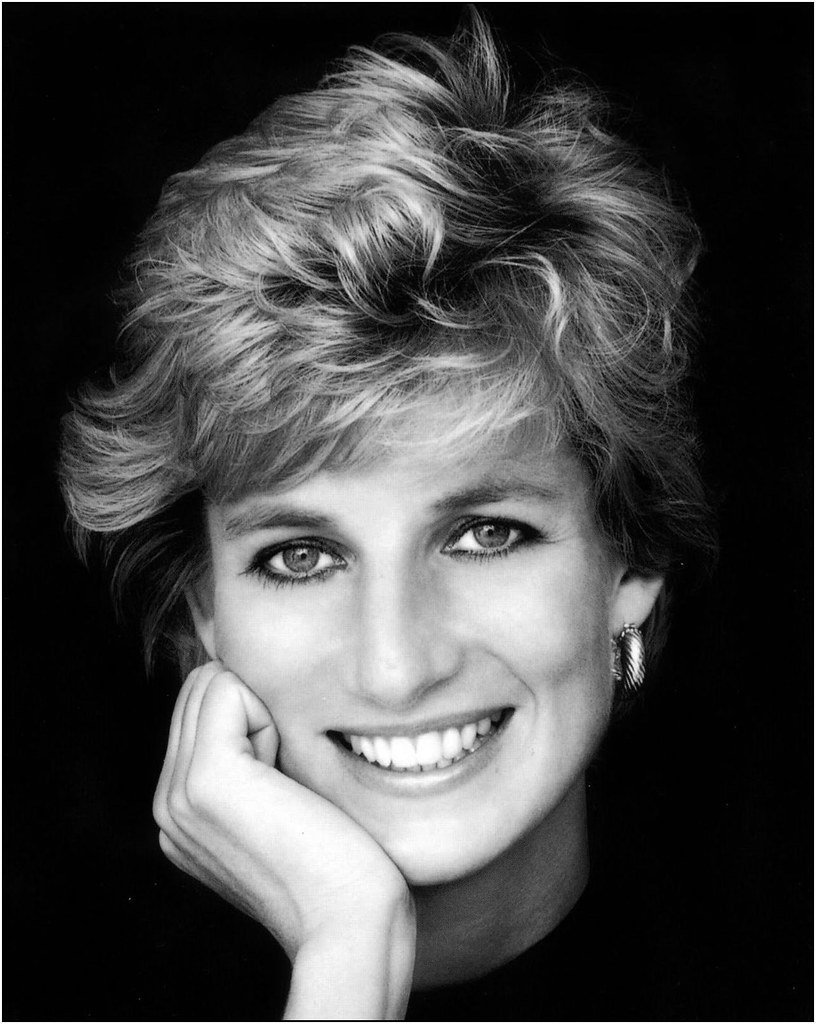
One of the most fashionable women not only in royal history but in the fashion industry, Princess Diana is known for her subtle yet modern look that captures the hearts of many of her followers. She still influences fashion choices today. That is not nostalgia talking – that is a verifiable, ongoing cultural reality. Designers reference Diana constantly, and not just retro designers. Cutting-edge ones.
Diana captivated the world with her style and grace. She was one of fashion’s biggest trendsetters in the 1980s and 1990s – her bold shoulder pads and pastel suits ushered in a new fad that many women wore, and even her casual wear redefined chic. Her ability to walk between formal royal splendor and relaxed athletic ease – bike shorts, oversized sweaters, simple slip dresses – created a template for how modern women think about style. Effortless but considered. Powerful but approachable.
8. Audrey Hepburn – The Architect of Quiet Elegance
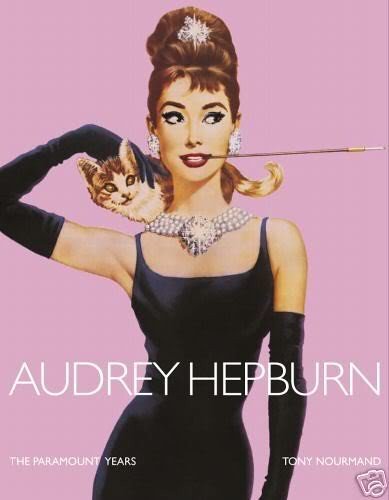
One of the most beloved actresses of the 20th century, nobody embodied elegance and class quite like Audrey Hepburn. As the muse for French designer Hubert de Givenchy, Hepburn wore many of his designs in both her personal and professional life, including the iconic little black dress from the film Breakfast at Tiffany’s. Renowned for her simple style and classic looks such as sailor stripes and ballet flats, Hepburn remains a fashion icon today.
Her casual outfit of capri pants with ballet flats is still one of the most popular feminine pairings today. She also often sported classic trench coats and iconic cat-eye sunglasses, which are both considered high-end daily wear pieces. Here’s the thing about Hepburn’s style – it was never trying too hard. In an era that worshipped curves and spectacle, she chose line, structure, and restraint. That philosophy never goes out of style because it is less about fashion and more about confidence.
9. Marlene Dietrich – The Pioneer of Gender-Fluid Dressing
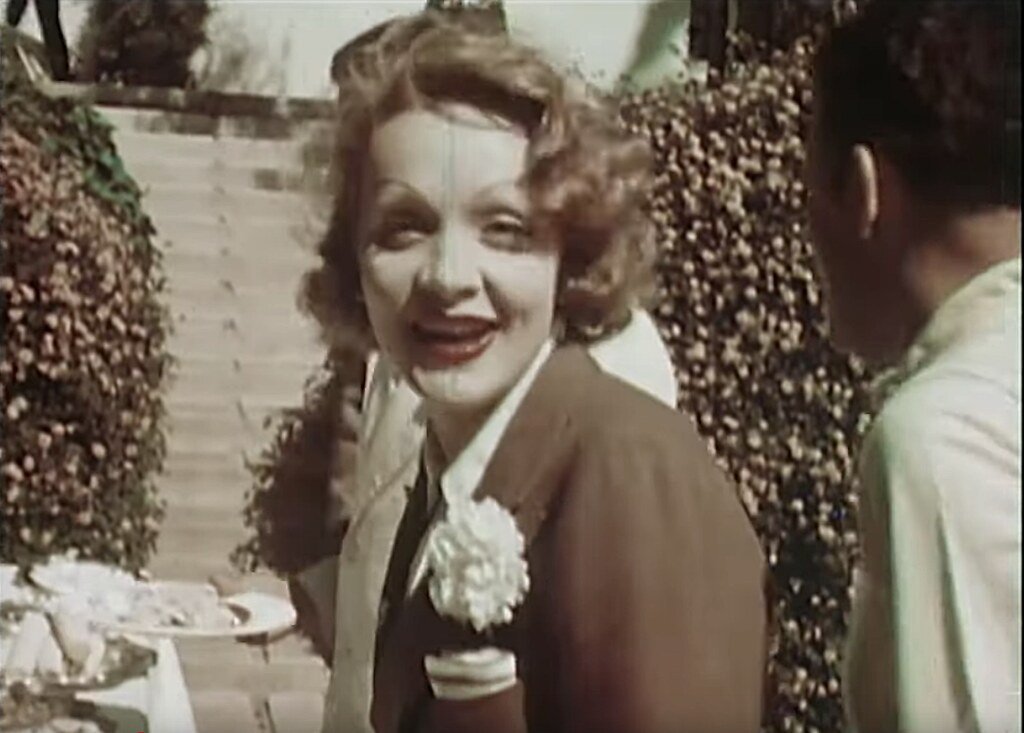
Dietrich was a German actress and singer whose glamour was the envy of most. She wore tailored suits, top hats, and tuxedoes, all of which made bold fashion statements in her time. She also confidently wore floor-length gowns and loved furs and satin gowns. The sheer audacity of a woman standing before a 1930s camera in a full tuxedo and top hat – and making it look like the most natural thing in the world – cannot be understated.
Dietrich essentially invented what the industry now calls “gender-fluid fashion,” a concept that dominates runways and streetwear alike in 2026. Her silhouette – sharp shoulders, wide-leg trousers, the masculine jacket worn with undeniable femininity – is the direct ancestor of every power suit worn by women today. She dressed to make a statement about who she was, not about what society expected her to look like. That is the most modern thing imaginable.
10. James Dean – The Man Who Made Casual Cool
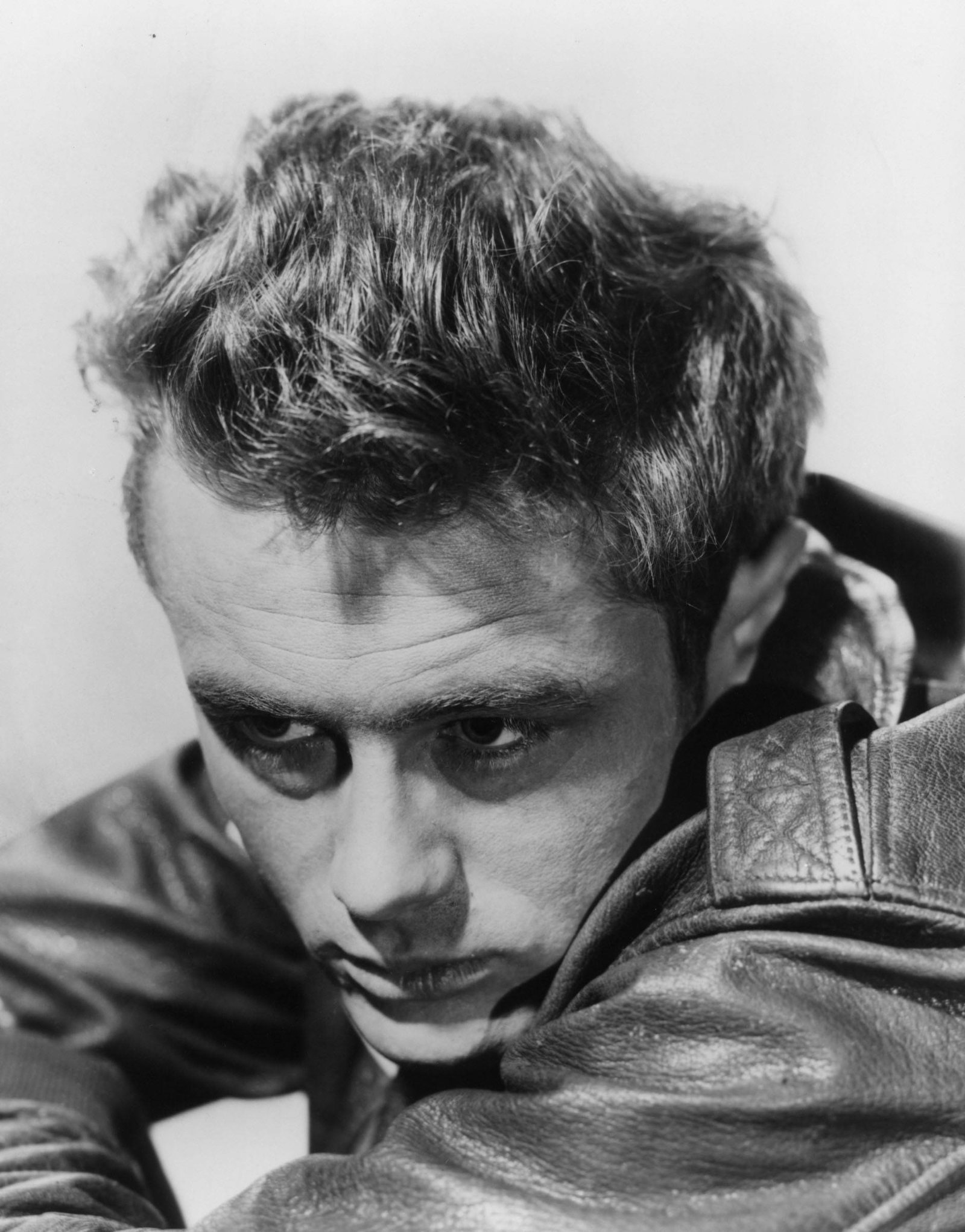
In the 1950s, James Dean became a symbol of rebellion and effortless cool for young people. His signature style – the white T-shirt, leather jacket, and denim jeans – turned these basic clothes into timeless symbols of rebellion and manliness. Honestly, think about what a white T-shirt meant before James Dean. It was underwear. He transformed it into a cultural statement that still sells millions of units every single year.
During his short life, Dean became a stylish icon of rebellion. His style was casual and sharp and redefined how teens should look in the mid-20th century – Dean was the symbol of American cool with his T-shirts, leather jackets, and jeans. The ripple effect is almost impossible to measure. Every streetwear brand, every “effortless” weekend look, every fashion campaign that wants to evoke rebellious youth is borrowing from James Dean’s vocabulary. He barely lived past 24, and he is still everywhere.
11. Jackie Kennedy – The Ambassador of American Elegance
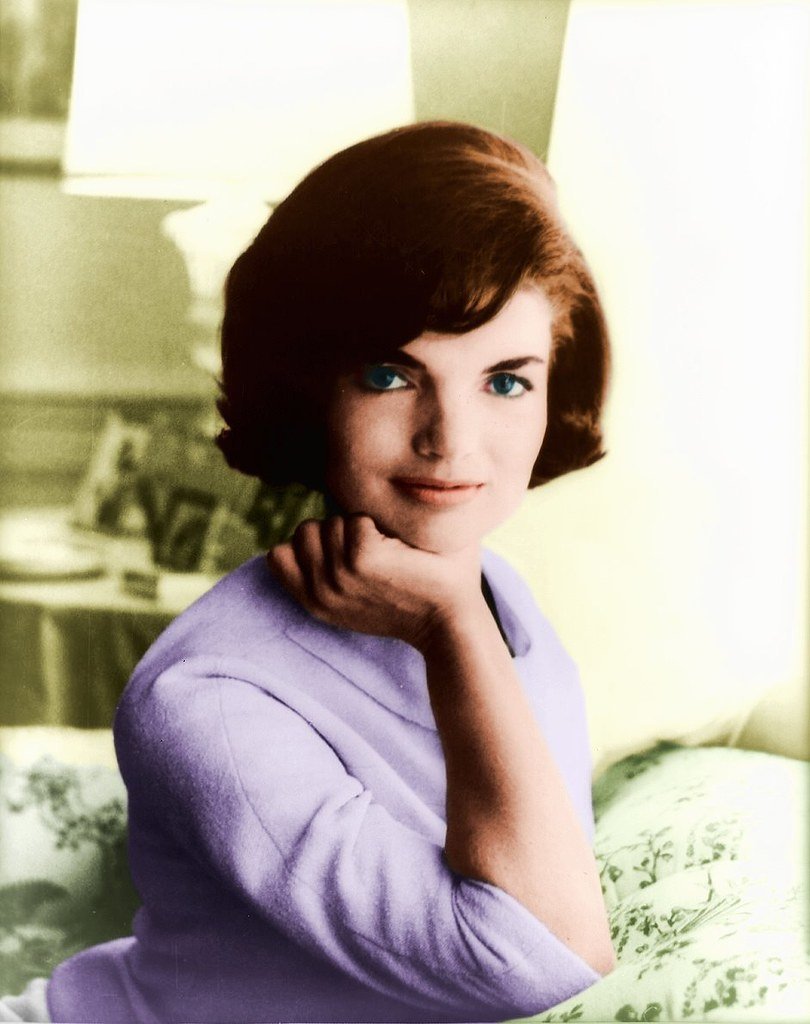
The first lady is most famously identified with her pillbox hats, which she wore both on the day of JFK’s inauguration and the day of his assassination, but she helped popularize countless other fashions including white gloves, silk scarves, and oversized sunglasses. Kennedy worked closely with designer Oleg Cassini to make her chic outfits, and her style eventually became so iconic that department stores started making recreations of her dresses.
The stylish First Lady influenced trends while she was in office and beyond – most notably, the pillbox hat and smart coat dress, but much more than that. She was a pioneer of dressing to match your body type, investing in long-term pieces, and having a classic look that was immune to trends. That last idea is the truly radical part. In a world obsessed with what’s next, Jackie built a wardrobe philosophy around what endures. Every minimalist capsule wardrobe enthusiast in 2026 is, whether they know it or not, following Jackie’s lead.
12. David Bowie – The Shape-Shifter Who Broke Every Rule
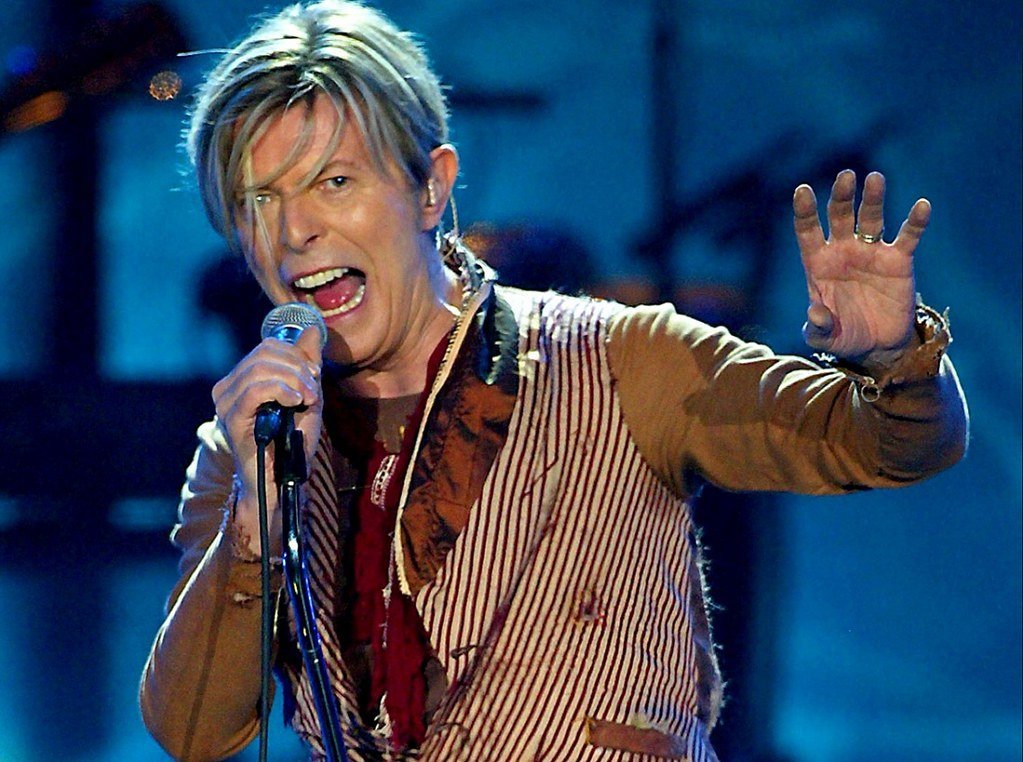
David Bowie, one of the greatest musicians of the 20th century, is known for his constantly changing and daring fashion statements that influenced both men’s and women’s fashion. He connected fashion with music to create a revolution in both industries and broke the gender norms that were associated with masculine fashion. It’s hard to say for sure just how much ground Bowie’s visual reinventions covered – but the impact is staggering. He didn’t just push boundaries. He dissolved them.
He had confidently done experimental makeovers over the years, from Ziggy Stardust to Gentleman, always drawing inspiration from different eras. From metallic platform boots to tailored suits, he seamlessly transitioned between different personas – and he was fearless in expressing himself in daring clothes, which included womenswear. He confidently wore makeup and feminine silhouettes, breaking the gender norms of society and encouraging his fans to embrace their own statement. Every gender-neutral collection on a Paris runway today owes something to Bowie’s willingness to look absurd, beautiful, alien, and human all at once.
The Thread That Connects Them All
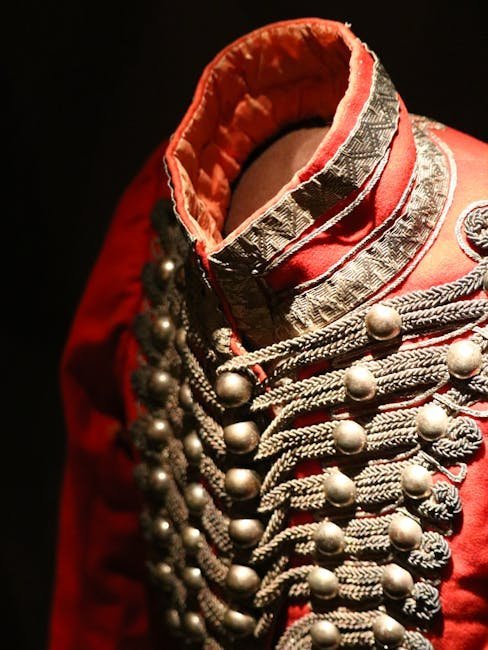
Fashion does something remarkable when you look at it through the lens of history. It reveals that the most influential style choices were never really about clothes at all. Cleopatra’s kohl-lined eyes were about power. Brummell’s tailored suit was about accessibility. Dean’s white T-shirt was about freedom. Every single figure on this list dressed to say something that words alone couldn’t carry.
Fashion is an expression of time that illustrates a form of repetition perfectly. There is an internal balance between striving for invention and navigating the cycles of repetition, and some fashion moments are so iconic that they must be remembered and retained in our collective consciousness to be reinvented down the line. The runway is, in a very real sense, a conversation with the dead – a negotiation between what was and what might be next.
The most exciting thing? This list could go on forever. History is full of dressers who shaped the world in ways we are still discovering. What truly matters is that every time you pick an outfit, you are participating in a tradition that stretches back thousands of years. You are part of the conversation. What do you think fashion historians will say about the style choices of our generation? Tell us in the comments.

Besides founding Festivaltopia, Luca is the co founder of trib, an art and fashion collectiv you find on several regional events and online. Also he is part of the management board at HORiZONTE, a group travel provider in Germany.
