

- 15 Unbelievable Animal Stories That Prove Nature’s Dramatic Power - September 3, 2026
- 15 Festival Food Creations So Outrageous, They Became Legendary - September 3, 2026
- 10 Legendary Rock Anthems That Defined the Spirit of the 60s and 70s - September 3, 2026
History books have a long, frustrating habit of forgetting half of the people who actually shaped it. Wars are remembered as men’s business, fought by men, decided by men. Yet woven through centuries of conflict is another story, one of women who quietly, boldly, and sometimes astonishingly outmaneuvered entire military establishments. They bound their chests, cut their hair, adopted false names, and walked straight into the jaws of war. Some fought for patriotism. Some for survival. A few just refused to be left behind.
What they pulled off was no small trick. Armies are institutions built on rigid order, hierarchy, and suspicion. Fooling one soldier is hard enough. Fooling thousands, sometimes for years, while bleeding, fighting, and marching alongside them? That is something else entirely. The stories that follow are not myths or legends. They are documented, verified, and in some cases almost impossible to believe. Let’s dive in.
Deborah Sampson: America’s First Known Female Soldier
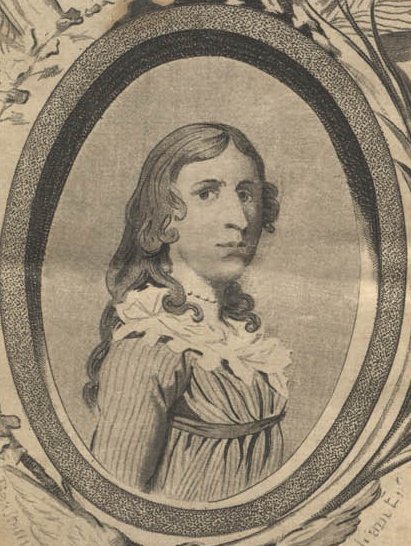
Here’s the thing about Deborah Sampson that makes her story so remarkable: she didn’t just dip her toe in. In 1782, as the Revolutionary War raged on, Sampson disguised herself as a man named Robert Shurtleff and joined the Fourth Massachusetts Regiment. She wasn’t a spy hovering near the edges of conflict. She was right in it, marching, fighting, and enduring everything a frontline infantry soldier faced.
At West Point, New York, she was assigned to Captain George Webb’s Company of Light Infantry, and was given the dangerous task of scouting neutral territory to assess British buildup of men and materiel in Manhattan. When she was shot in the thigh during a skirmish, the response she chose reveals everything about her resolve. Living under the pseudonym Robert Shurtliff, she removed the shot herself to protect her identity.
Sampson served undetected until she fell unconscious with a high fever while on a mission in Philadelphia during the summer of 1783. The attending physician, Dr. Barnabas Binney, discovered Sampson’s gender while treating her and revealed her identity to General Paterson through a letter. Sampson was honorably discharged at West Point on October 25, 1783. She was the only woman to earn a military pension for participation in the Revolutionary Army.
Nadezhda Durova: The Cavalry Maiden Who Stunned a Tsar
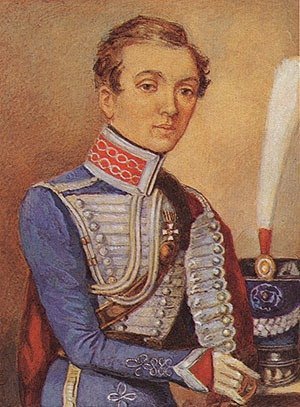
If Deborah Sampson is impressive, Nadezhda Durova operates on another level entirely. A Russian author and military veteran, she was the first woman to hold officer’s rank in the Russian Empire and the first to be awarded the Cross of St. George, whose most important work, The Cavalry Maiden, describes her adventures disguised as a man while serving for nine years in the Russian Imperial cavalry during the Napoleonic Wars. Nine years. Let that sink in for a moment.
In 1806, at the age of 23, Durova disguised herself as a man and enlisted in the Russian cavalry under the alias Alexander Sokolov. She served for nearly a decade in the Napoleonic Wars, fighting in major battles like Austerlitz and Borodino. The moment her identity leaked to the Tsar’s court was both dangerous and extraordinary. Both Durova’s squadron and regimental commanders, still in the dark as to Trooper Sokolov’s true identity, had only the best things to say about her. When summoned for a personal audience, the Tsar was very impressed with her and granted her permission to stay in the army, awarding her the Cross of St. George for saving the life of an officer, and commissioning her as a cornet.
During the Battle of Borodino, a cannonball wounded her in the leg, yet she continued serving full duty for several days afterward until her command ordered her away to recuperate. She retired from the army in 1816 with the rank of stabs-rotmistr, the equivalent of captain. Honestly, the sheer audacity of this woman is something no textbook has ever done justice to.
Sarah Emma Edmonds: The Spy With a Thousand Faces
Edmonds enlisted in Company F of the 2nd Michigan Infantry on May 25, 1861. She disguised herself as a man named Franklin Flint Thompson and felt it was her duty to serve the United States, as it was her new country. She at first served as a field nurse, participating in several campaigns under General McClellan, including the First and Second Battle of Bull Run, Antietam, the Peninsula Campaign, Vicksburg, Fredericksburg, and others.
What separates Edmonds from almost everyone else on this list is the sheer creativity of her deception. She travelled into enemy territory to gather information, requiring her to come up with many disguises. One disguise required her to use silver nitrate to dye her skin black, wear a black wig, and walk into the Confederacy disguised as a Black man. Another time, she entered the Confederacy as an Irish peddler named Bridget O’Shea, claiming to sell apples and soap to the soldiers. The woman was operating like a one-person theatrical production in the middle of a war.
Thompson’s fellow soldiers spoke highly of her military service, and even after her disguise was discovered, they considered her a good soldier. She was referred to as a fearless soldier and was active in every battle that her regiment faced. That kind of respect, earned from the very men she had fooled, speaks volumes about the kind of person she was.
Loreta Janeta Velazquez: The Lieutenant Nobody Suspected
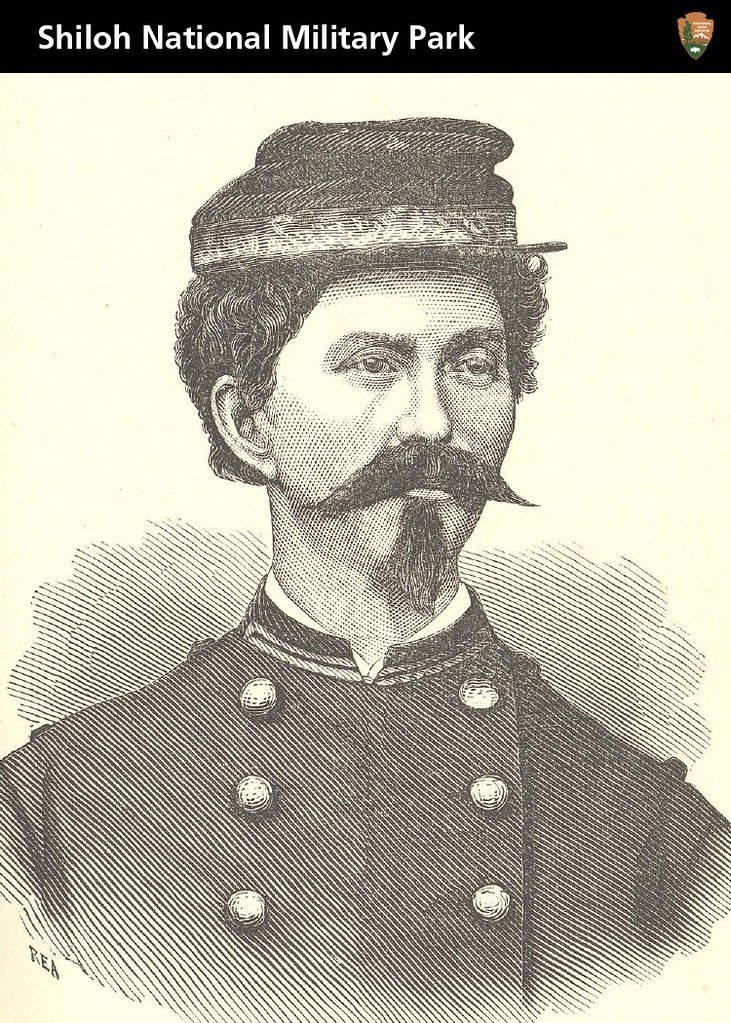
If you think the Civil War was a simple two-sided affair, the story of Loreta Janeta Velazquez will scramble that idea completely. When the American Civil War broke out, Velazquez, a Cuban immigrant who grew up in New Orleans, disguised herself as a man to fight as a Confederate soldier, then spied as a double agent for the Union. She switched sides, switched genders in her disguise, and switched identities multiple times, often within the same week.
Velazquez was measured for two uniforms by a tailor in Memphis, Tennessee, flattened her breasts with wire shields and braces, donned a man’s wig and a fake mustache and beard, and transformed herself into Lieutenant Harry T. Buford. Wearing her disguise, she managed to fool officers and soldiers because she walked with a masculine gait, smoked cigars, perfected the ability to spit, and padded the arms of her coat to appear more muscular. This was method acting taken to a truly extreme level.
Loreta donned women’s clothing and made her way to Washington, D.C., where she spied for the Confederacy. She understood that as a woman she would not be a suspect, and she used this to her advantage. She contacted a Union officer friend of her late husband, and through him, she learned a number of military secrets that she passed along to the Confederate Army. Whether every detail of her memoir holds up to scrutiny remains debated, but some of the incidents in the book have been verified by historians, even if many facts remain in question.
Hannah Snell: The English Marine Who Kept Her Secret in Battle
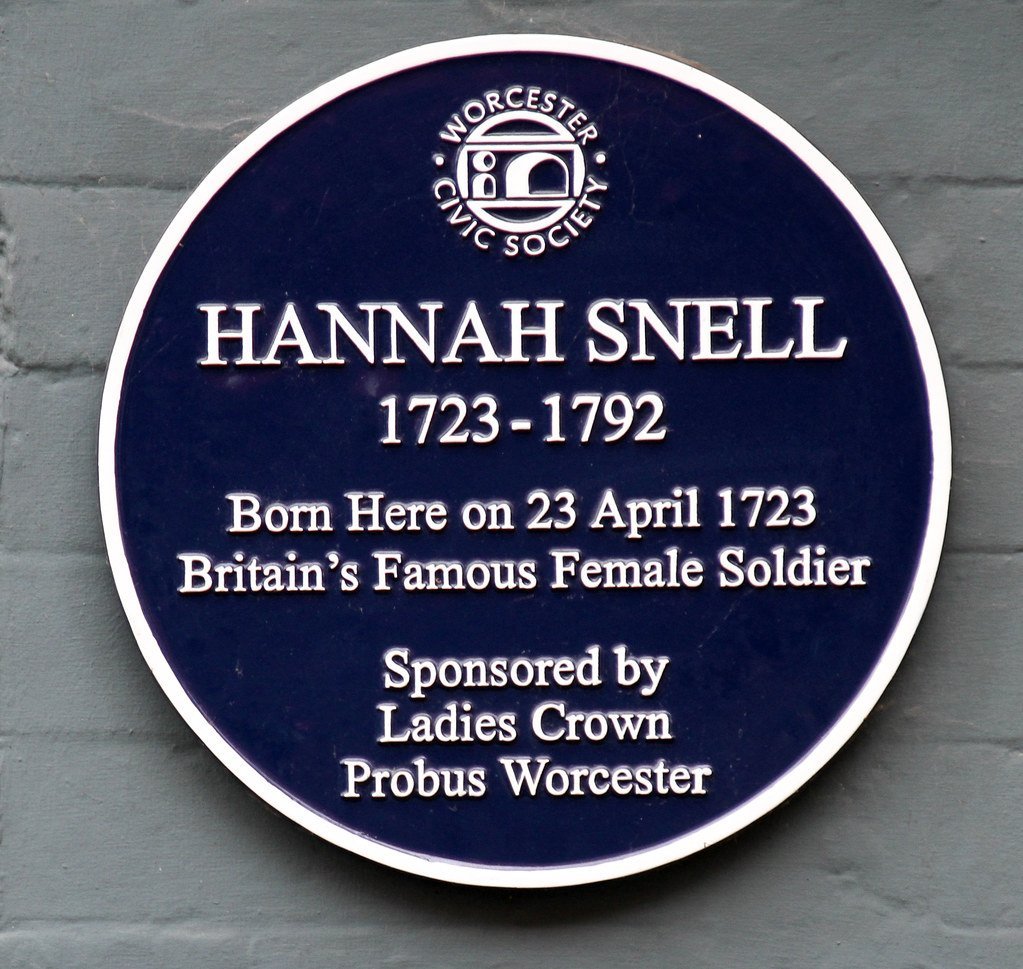
Hannah Snell, born in 1723, was an Englishwoman who entered military service under the name “James Gray,” initially for the purpose of searching for her missing husband. What started as a personal quest became something much larger. She served in the Royal Marines, fought in battles in India, and endured conditions that broke hardened men.
After discovering that her husband had been executed for murder, she continued her military career. Hannah Snell eventually revealed her true identity but still managed to receive an honorary discharge and her pension. The public reaction to her story after the revelation was one of fascination rather than outrage. She made the most of her experience, sold her story to a publisher, and also became a popular music hall act, performing songs in military costume. There is something genuinely wonderful about that. She fooled the British military, then turned the whole adventure into a career.
Maria Bochkareva: Who Founded the Battalion of Death
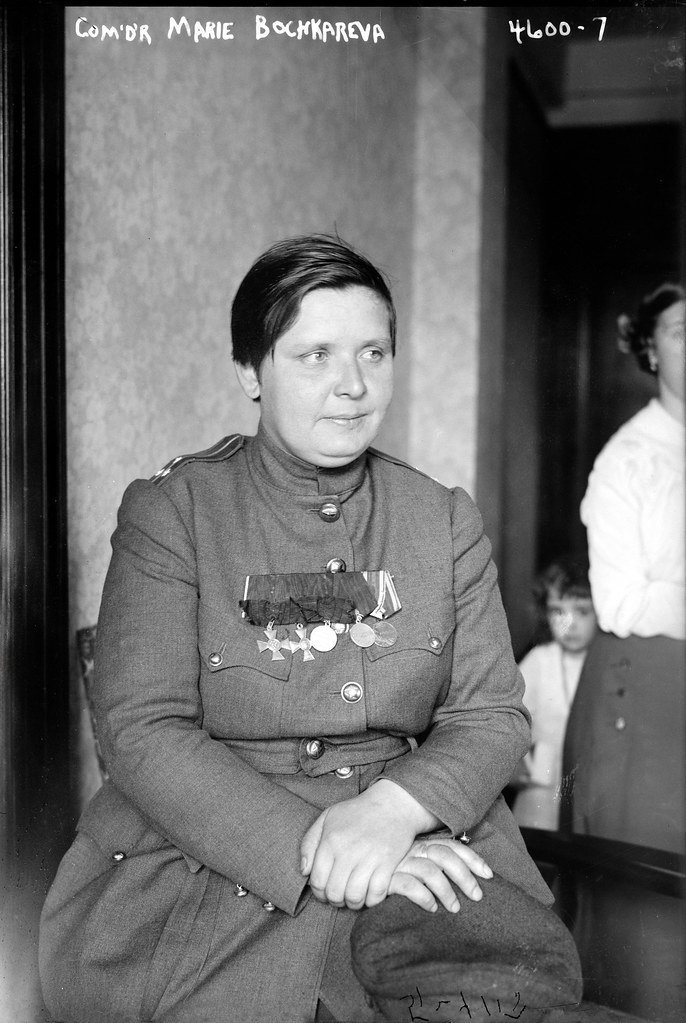
Maria Bochkareva’s path was shaped by hardship from the very start. During World War I, as Russia’s badly battered and demoralized troops suffered defeat after defeat at the hands of the Germans, an extraordinary new fighting unit emerged. The First Women’s Battalion of Death was established in 1917 by Maria Bochkareva, a 25-year-old peasant woman who had disguised herself as a man to join the army and fight on the front lines two years earlier.
After being wounded in combat multiple times and earning the prestigious Cross of St. George medal for bravery, Bochkareva obtained permission from the Provisional Government to create an all-female combat unit. Thousands of women volunteered, and Bochkareva trained 300 of them as soldiers. I think this is one of the most astounding pivot points in women’s military history. She went from hiding her identity to openly commanding hundreds of women in one of the most brutal theatres of the entire war.
In the summer of 1917, Bochkareva led the battalion in a futile offensive against the Germans known as the Kerensky Offensive. They fought bravely, but were slaughtered in the face of German machine guns, suffering hundreds of casualties. Their bravery, however, was undeniable, and their legacy endures as a testament to what women could achieve on the front lines when finally given the chance.
Sarah Rosetta Wakeman: The Soldier Who Died Undiscovered
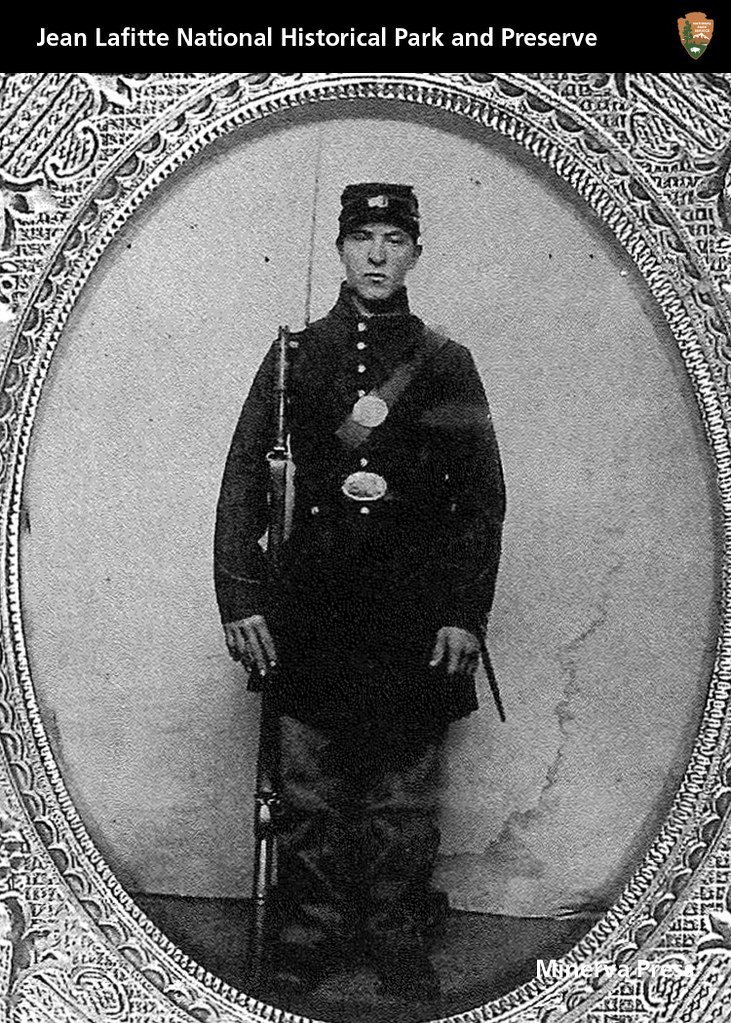
Most women on this list were eventually revealed, at least partially. Sarah Rosetta Wakeman is remarkable for a different reason. Born in 1843 to a poor farming family, Sarah Wakeman decided to enlist in the 153rd New York Infantry Regiment as Lyons Wakeman in 1862. She engaged in a skirmish at Pleasant Hill in April of 1864 and would eventually die in June 1864. There is no evidence that her true identity was ever discovered.
She was buried in the National Cemetery near New Orleans, and her family kept her letters, which were later published as a memoir. Those letters are raw and honest, describing both the hardships of war and a fierce personal independence. Wakeman found something in army life that civilian life had denied her: equal pay, equal standing, and equal risk. She paid the ultimate price for that equality without anyone around her ever realizing who she truly was. That is a haunting kind of courage.
Jennie Hodgers (Albert Cashier): The Soldier Who Never Stopped
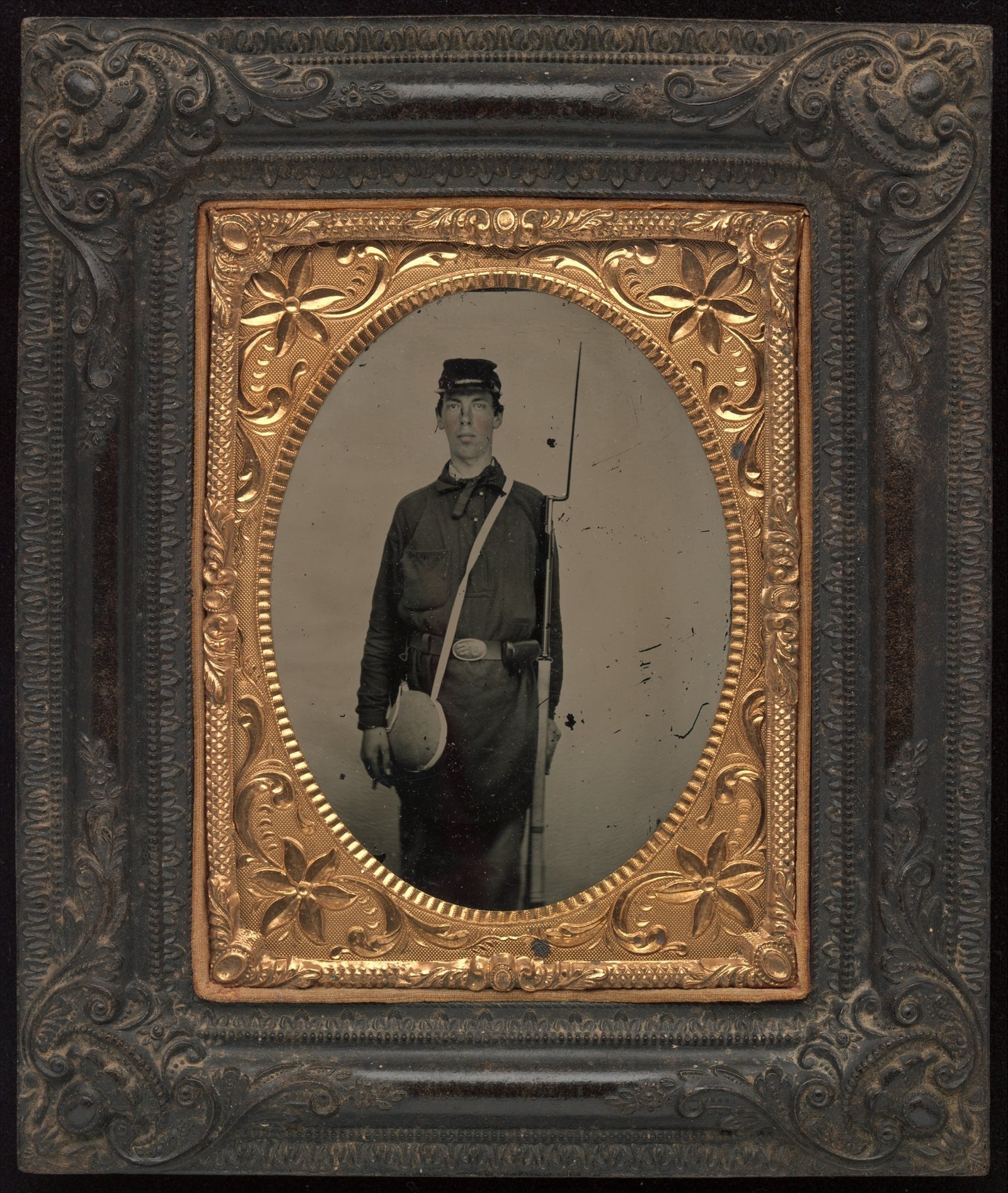
Several years after adopting male attire in order to seek more remunerative employment, Irish immigrant Jennie Hodgers, thereafter known as Albert D. J. Cashier, enlisted in the Union Army in 1862 at the age of 19. Unlike many who adopted disguises for the duration of a conflict, Cashier simply never stopped. The war ended, and Cashier just continued living as a man.
After being honorably discharged in 1865, Cashier returned to Illinois and resumed life as a male laborer, successfully maintaining a male identity and even joining the Grand Army of the Republic, a Union veterans’ organization, until a broken leg required hospitalization at the Soldiers and Sailors Home in Quincy, Illinois, in 1911. That is nearly fifty years of sustained identity. Friends and physicians managed to keep Cashier’s secret until 1914, when Hodgers was declared insane and transferred to a mental hospital, dying the following year. The ending is heartbreaking, but the life that preceded it was nothing short of extraordinary.
Brita Olofsdotter: The First Confirmed Female Soldier in Swedish Military History
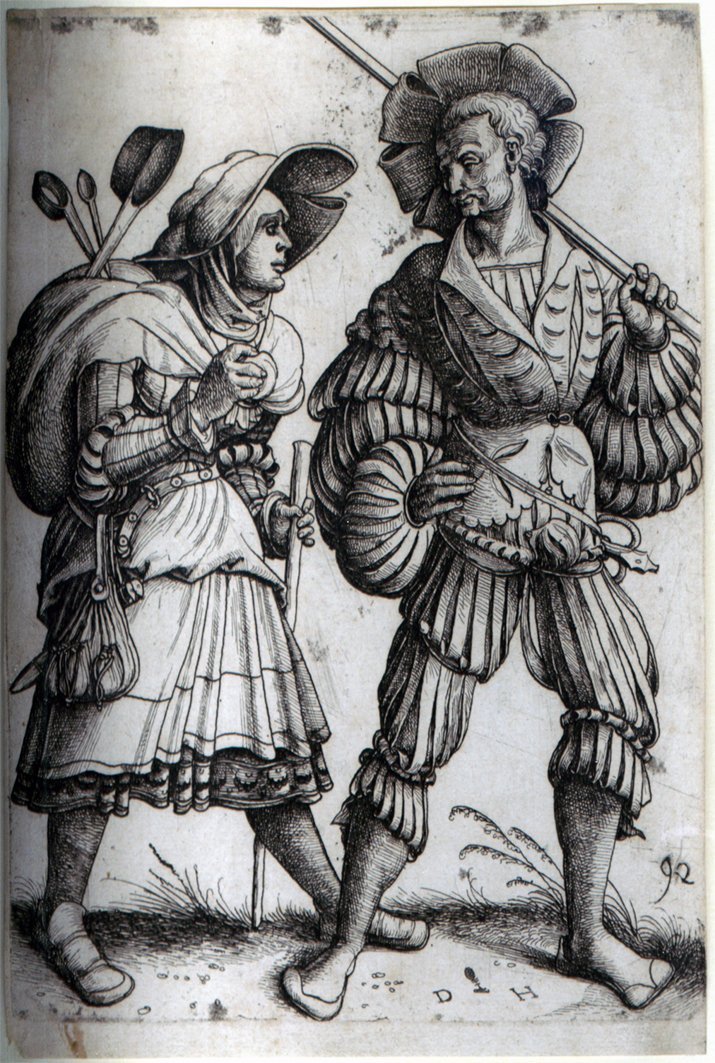
Long before the stories of the American Civil War or the Napoleonic era, a Finnish woman named Brita Olofsdotter was quietly making history in Scandinavia. A Finnish soldier in the Swedish Cavalry, Brita Olofsdotter was the first confirmed woman to serve in the Swedish Army. Dressed as a man, Brita enlisted to fight in the Livonian War, where she was killed in 1569.
She never had the chance to reveal herself or to write a memoir or give lectures. She simply fought, and died, and was recorded. That record, sparse as it is, carries enormous weight. From the 17th to the 20th century, hundreds of women across Britain, Europe and the Americas disguised themselves as men to fight as soldiers, their little-known stories offering moments of great bravery and distinction in battle. Brita was there before nearly all of them, a pioneer in the truest and most overlooked sense of the word.
Wanda Gertz: Fighter, Commander, Saboteur
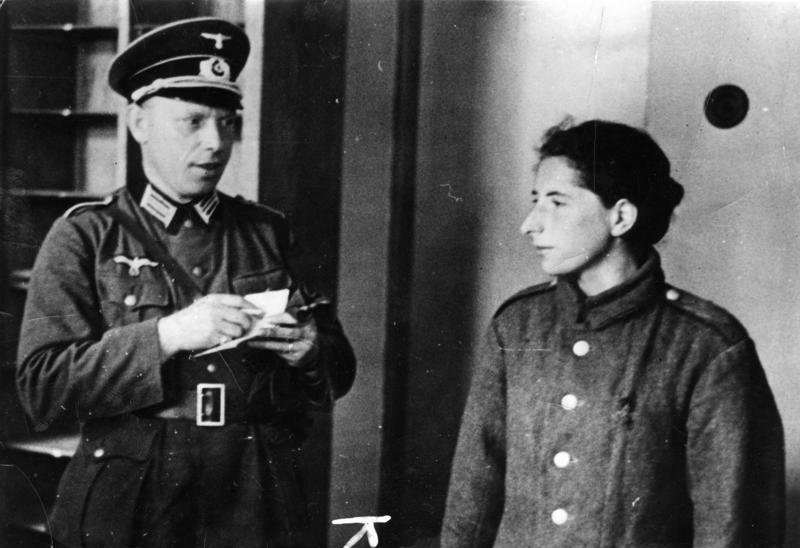
Wanda Gertz joined the Polish Legion in World War I to fight on the Eastern Front while posing as “Kazimierz Zuchowicz.” Later she joined the Women’s Voluntary Legion, and during World War II she commanded an all-woman sabotage unit of the Home Army. Her story spans two world wars and represents one of the most complete wartime careers of any woman in this list.
Think about what that means in practical terms. She began her military life pretending to be a man, then transitioned into openly leading women in some of the most dangerous resistance operations in occupied Europe. Throughout history, countless women broke societal barriers by disguising themselves as men to join armies, navies, and rebellions, whether motivated by patriotism, personal freedom, or economic necessity, risking extreme punishment, even death, to combat alongside men in wars that officially excluded them. Wanda Gertz embodied all of that and more, adapting, surviving, and leading across decades of almost unimaginable conflict.
The Overlooked Half of Military History
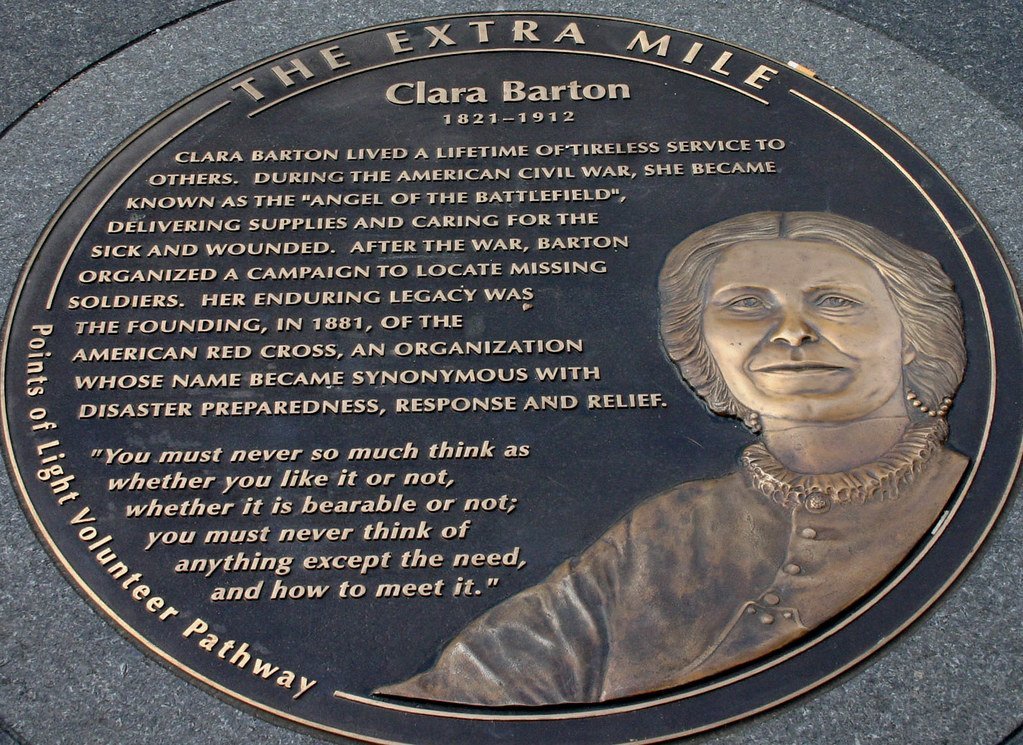
Here’s a number worth pausing on: fully about one in seven women soldiers in the Civil War alone sustained battle wounds; nearly one in five were taken prisoner of war; and roughly one in ten died while serving. Overall, women soldiers had a combined casualty rate of nearly half, compared to roughly a third for their male counterparts. These were not bystanders. They were among the most committed soldiers on the field.
Despite the fact that the U.S. Army did not acknowledge or advertise their existence, it is surprising that the women soldiers of the Civil War are not better known today. After all, their existence was known at the time and through the rest of the nineteenth century. Even though some modern writers have considered their stories, the majority of historians who have written about common soldiers of the war have either ignored women in the ranks or trivialized their experience.
That needs to change. The ten women in this article are not curiosities or footnotes. They are proof that courage, tactical intelligence, and sheer endurance have never belonged exclusively to one gender. They fooled generals, tsars, regiments, and , not with luck, but with preparation, nerve, and an unshakeable belief that they belonged on that battlefield. History forgot them for a long time. Perhaps it’s finally time we don’t. Which of these stories surprised you the most? Share your thoughts in the comments below.

Besides founding Festivaltopia, Luca is the co founder of trib, an art and fashion collectiv you find on several regional events and online. Also he is part of the management board at HORiZONTE, a group travel provider in Germany.
