

For any feedback please reach out to info@festivalinside.com
- The 20 Best Albums to Listen to Alone - September 21, 2026
- The 20 Most Famous Lines in Literature — And Who Almost Wrote Them - September 21, 2026
- How 20 Vinyl Got Its Groove Back - September 21, 2026
There is something about writers that has always made them a little… different. They spend months, sometimes years, living inside imagined worlds, arguing with fictional characters, and chasing emotions that most people quietly suppress. It should probably come as no surprise, then, that the people behind history’s greatest books were not exactly living by conventional rules. Their genius and their strangeness often went hand in hand, like two sides of the same dog-eared page.
The facts below are real. Some are unsettling, some are hilarious, and a few are genuinely hard to believe the first time you read them. Let’s dive in.
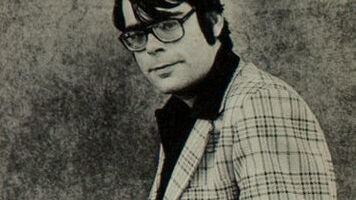
1. Stephen King Is So Afraid of the Number 13, He Won’t Stop on That Page
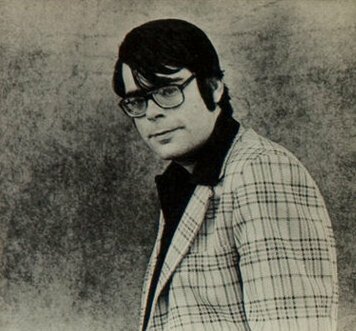
The famed horror writer Stephen King has what is known as triskaidekaphobia, an irrational fear of the number thirteen. He is so terrified of it that he would not pause reading or writing if he landed on page thirteen or its multiples, pushing forward until he reached a number he considered safe. Think about that for a moment. The man who has frightened millions of readers with clowns, possessed cars, and haunted hotels is personally undone by a number on a page. The irony practically writes itself.
What makes this even more fascinating is that King’s superstitions are woven into a career of almost supernatural productivity. The fear did not slow him down. If anything, it suggests that the anxiety driving his fiction was never purely imagined. It lived with him at the desk, in the margins, in the page numbers themselves.
2. Charles Dickens Always Slept Facing North and Carried a Compass
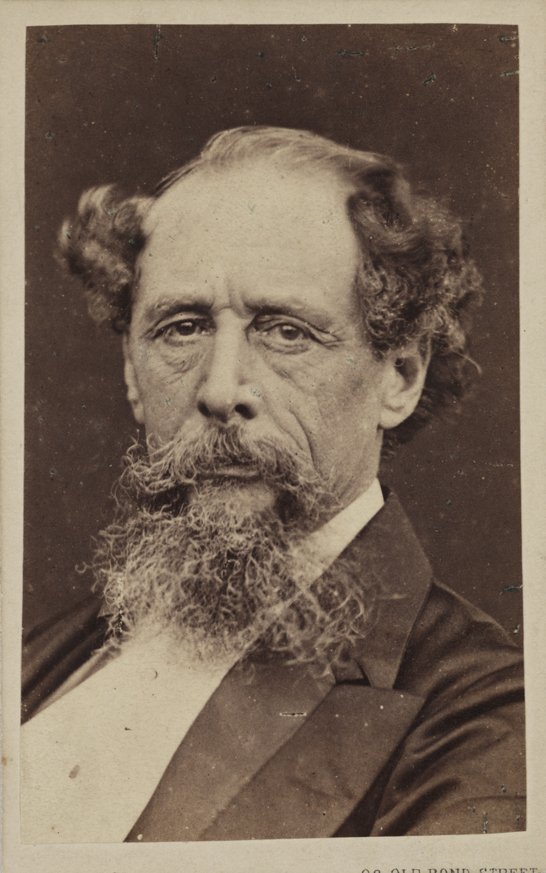
Charles Dickens only slept facing north. He was notorious for carrying a navigational compass with him at all times, making sure to sleep facing north whenever possible. He claimed this practice helped his brain generate new ideas for his novels. This is not a minor quirk. This is a man dragging navigation equipment to bed with him every single night.
Dickens demanded total silence in his house during his work hours and required that his pens, ink and a small collection of statuettes be specially arranged on his desk. He carried these talismans with him wherever he traveled, and would even rearrange the furniture in hotels and guesthouses to recreate the layout of his home office as closely as possible. The author of “A Christmas Carol” and “A Tale of Two Cities” was, honestly, a walking set of rituals. It makes you wonder how much of the obsessive precision in his writing was driven by the obsessive precision in his mind.
3. Friedrich Schiller Kept Rotting Apples in His Desk to Write
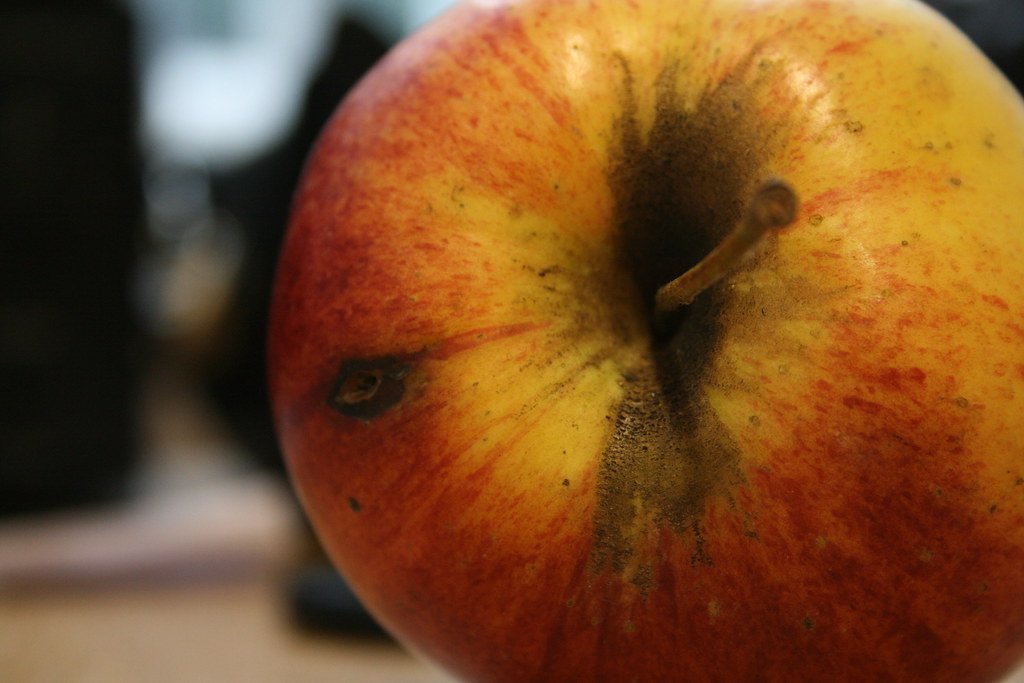
Friedrich von Schiller, the famous German poet, kept rotten apples in his desk. He claimed that he needed the scent of their decay to help him write. Not fresh apples. Rotting ones. Deliberately left to decompose. His friends reportedly found it nauseating, but Schiller found it clarifying.
For the German poet Friedrich Schiller, nothing sharpened the mind like a stash of putrid apples. According to his friend Goethe, Schiller used to leave rotten apples in his desk drawer so he could take a lug of their foul bouquet whenever he felt his inspiration running low. It is a bit like discovering that your favorite chef seasons everything with something that smells like a dumpster. The results were undeniably brilliant. The method, undeniably revolting.
4. Arthur Conan Doyle, Creator of Sherlock Holmes, Believed in Fairies
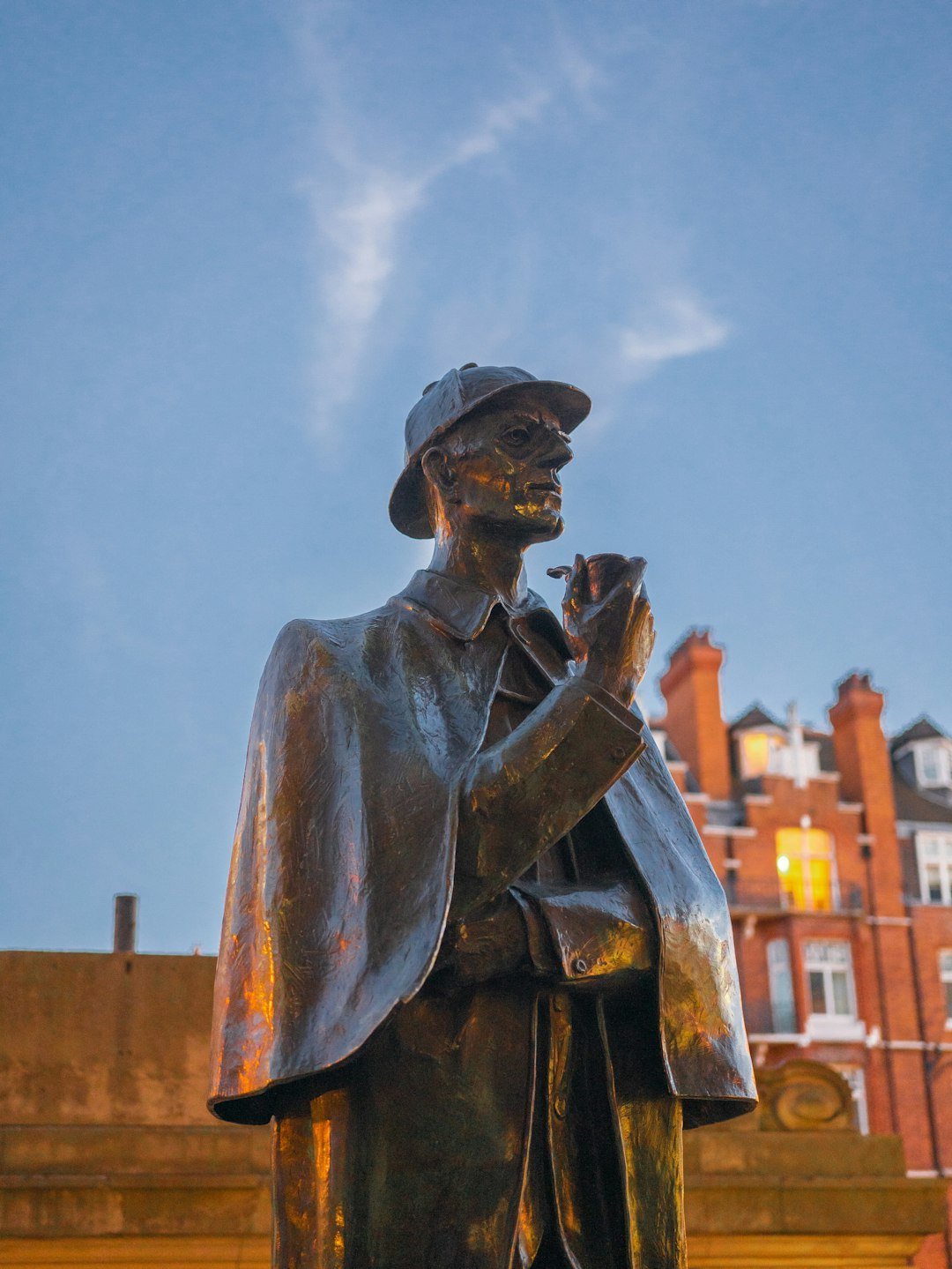
The legendary author of the Sherlock Holmes books was tricked by two young school girls into believing that fairies actually exist. The Cottingley Fairies became famous after the girls claimed to have taken photographs of themselves with fairies. Conan Doyle used the photos in an article about fairies for The Strand Magazine. Yes, the man who gave the world the most logical, evidence-driven fictional detective in history was personally fooled by children with cutout illustrations and a camera.
Despite creating a character with the strongest logic, the author Sir Arthur Conan Doyle himself wasn’t that rational. He dedicated himself to spiritualism after the death of his son in World War I, and even tried to speak with the dead. He also believed that his friend Harry Houdini had magical powers, no matter how Houdini tried to prove him wrong. Let’s be real: this is one of literature’s greatest ironies. The mind that created Sherlock Holmes seemed incapable of applying Holmes’s methods to his own life.
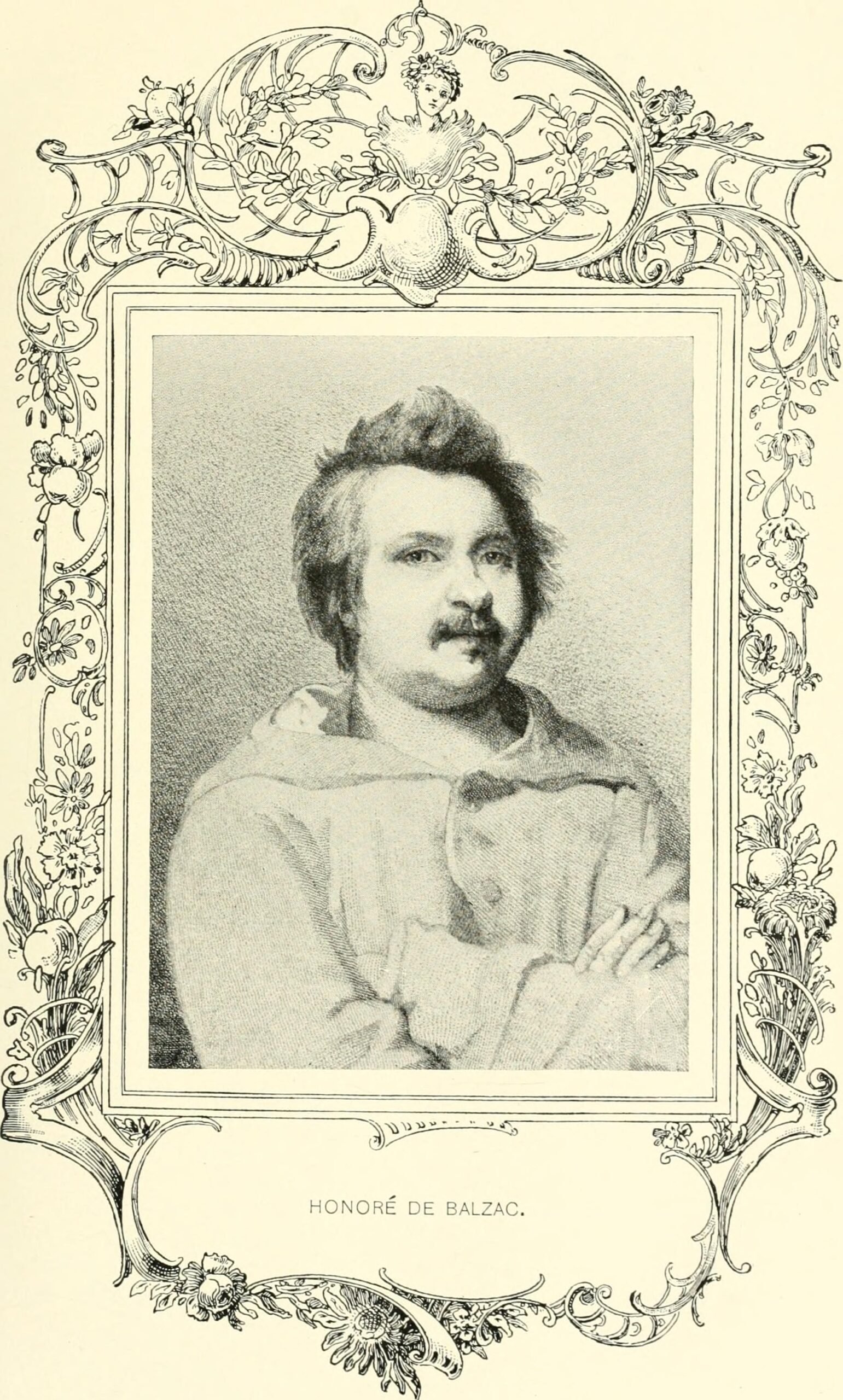
5. Honoré de Balzac Drank Up to 50 Cups of Coffee a Day
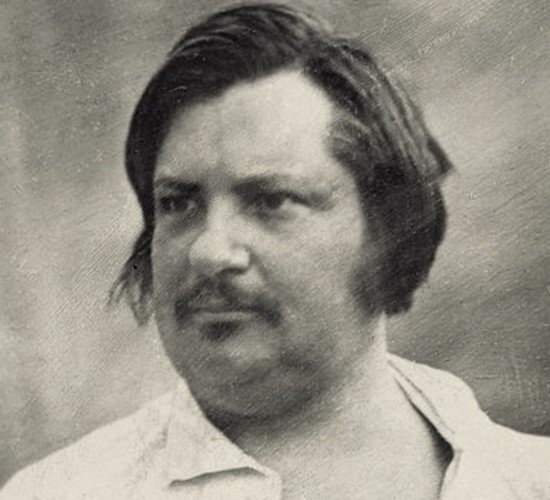
Honoré de Balzac was known for his outlandish work habits. He was especially known for drinking almost 50 cups of coffee a day to keep himself focused on writing, claiming to have once worked for 48 hours with only three hours of rest. Fifty cups. That is not a coffee habit, that is a medical condition waiting to happen.
With the help of caffeine, he wrote 47 novels, 12 novellas, 18 short stories, and 8 plays before his death. That output is staggering by any standard. Studies suggest that Balzac almost hadn’t slept at all while writing “La Comédie Humaine,” with the obvious reason being the enormous amount of coffee he was consuming. You could argue that caffeine addiction built one of the most ambitious literary projects in all of French literature. Doctors everywhere are probably still wincing.
6. Dan Brown Hangs Upside Down to Beat Writer’s Block

Dan Brown, author of The Da Vinci Code, prefers to fight writer’s block by strapping on gravity boots and hanging himself upside down. It’s called inversion therapy, which the author claims helps him write by shifting his entire perspective. I know it sounds crazy, but apparently it works.
He says this so-called therapy helps him to relax and concentrate on writing. He also keeps an hourglass on his desk and puts his work aside each hour to do stretches, push-ups, and sit-ups. It is worth remembering that before all of this, before finding fame as a novelist, Dan Brown was a pop singer. One of his solo albums was called Angels and Demons. An upside-down former pop star with an hourglass on his desk. The man contains multitudes.
7. Victor Hugo Locked Away All His Clothes to Force Himself to Write
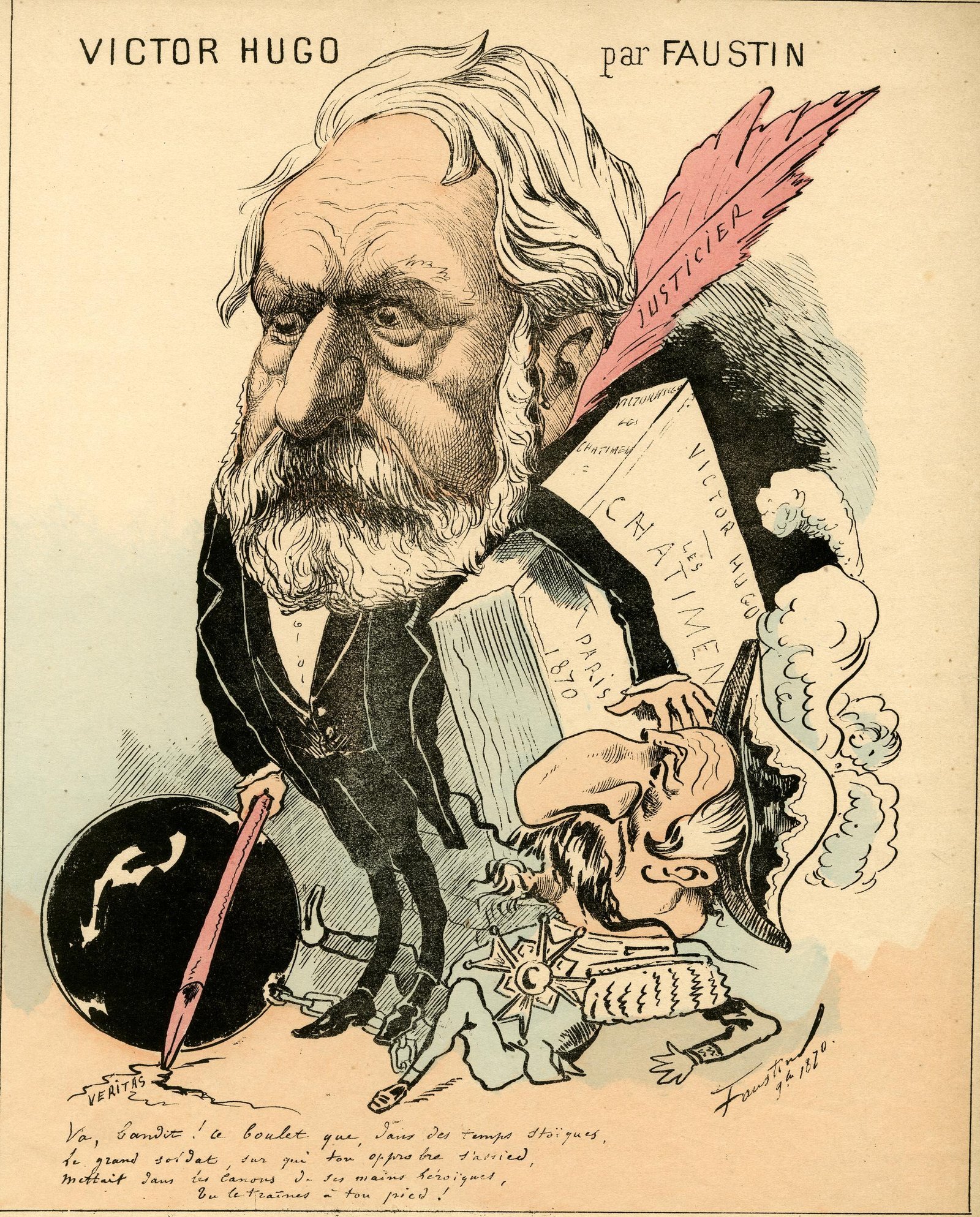
To make himself meet a deadline, Victor Hugo used rather radical methods. He started to write “The Hunchback of Notre Dame” in the fall of 1830 and wanted to finish it by February 1831. To do that, he bought a bottle of ink and locked himself in a room. He didn’t even have any clothes except a gray shawl and a knitted outfit, to lower the temptation of going out.
Think of it as the nineteenth century version of deleting your social media apps, except dramatically more extreme and involving significantly fewer pants. Victor Hugo actually wanted to title his work “What Came Out of a Bottle of Ink,” but later came up with a different title. By the way, he finished it even before the deadline. The method was absurd. The result was a literary masterpiece that has never gone out of print.
8. Agatha Christie Plotted Murders While Eating Apples in the Bathtub

Famed mystery author Agatha Christie munched on apples in the bathtub while envisioning murder mysteries. Her bath-time routine appears to have brought her success: she penned more than 60 detective novels over her career, as well as the long-running play The Mousetrap, and her novels have sold an estimated two billion copies.
Two billion copies. Plotted, at least in part, in a bathtub, with apples. There is something both deeply domestic and deeply strange about that image. Agatha Christie also used apples to fuel her inspiration, but in a more usual way, which was still a bit strange nonetheless. She loved to eat apples while in the bathtub and examining murder photos. Honestly, if it produced “Murder on the Orient Express,” nobody has any business complaining.
9. Jack Kerouac Never Learned to Drive, Despite Writing the Ultimate Road Novel
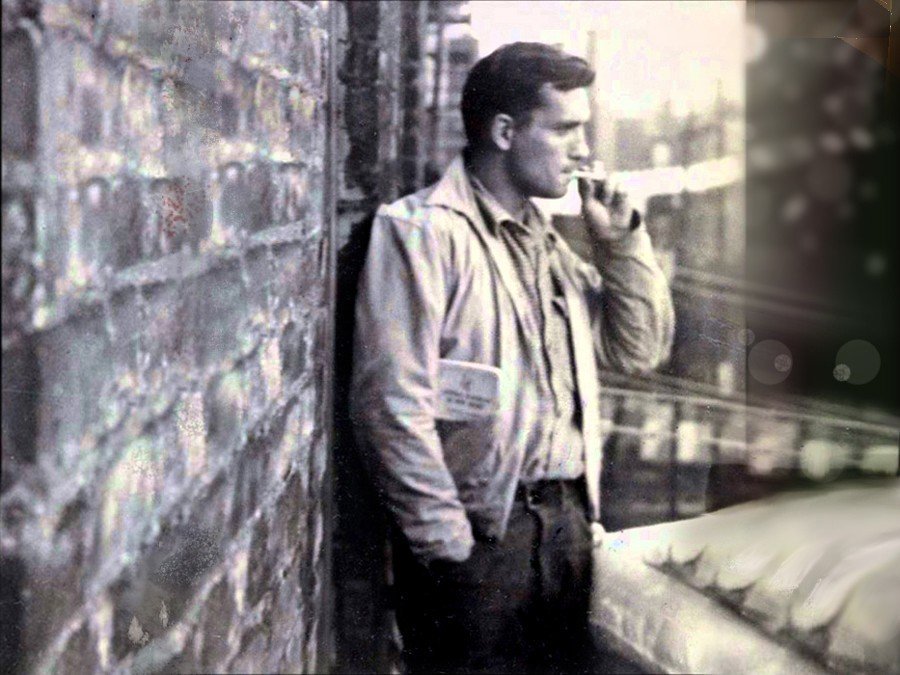
Jack Kerouac might have written “On the Road,” but he never actually learned to drive. That single sentence is almost too perfect to be real.
Kerouac moved to New York City as a teenager on a scholarship to boarding school and then entered Columbia University, so no car was necessary to get around during the years when most people learn to drive. Through every subsequent adventure, across the country and back, down to Mexico, up from New Orleans, Kerouac was never the one behind the wheel, relying on buses and his friend Neal Cassady to do the “on the road” navigating. The most iconic American road trip ever put to paper was experienced entirely from the passenger seat. There is something almost poetic about that, or perhaps deeply funny, depending on your perspective.
10. Maya Angelou Rented Hotel Rooms to Write and Never Let Staff Make the Bed

The renowned poet, author and civil rights beacon Maya Angelou rarely wrote at home. Rather, she would rent a hotel room nearby, order staff to take all pictures and knickknacks off the walls, and write on the bed from 6:30 a.m. to lunchtime. This was not an occasional escape. It was her permanent creative ritual.
She never allowed the hotel people to change the bed, because she never slept there. She would stay until twelve-thirty or one-thirty in the afternoon, and then go home and try to breathe. The visual is almost meditative. A bare hotel room, bare walls, a woman writing on an unmade bed every single morning for decades. Somehow, this is exactly what you would expect from the person who wrote “I Know Why the Caged Bird Sings.” Strange, disciplined, and entirely her own.
Conclusion: The Eccentricity Behind the Greatness
Here is the thing about all of these facts: none of them feel truly accidental. The fears, the rituals, the rotting fruit and the gravity boots, they were all part of how these writers made sense of the enormous task of creating something meaningful. Writing is, at its core, a slightly irrational act. You sit alone and try to pull whole worlds out of thin air. It makes sense that the people who do it best are often a little unusual off the page, too.
What these stories remind us is that the classics on our shelves were not written by calm, perfectly organized people following sensible routines. They were written by humans who were anxious, obsessive, superstitious, and sometimes just plain odd. The books outlasted the quirks. The quirks made the books. Next time you crack open a classic, it might be worth asking: what bizarre ritual was happening on the other side of that page?
What would you have guessed? Tell us in the comments.

Christian Wiedeck, all the way from Germany, loves music festivals, especially in the USA. His articles bring the excitement of these events to readers worldwide.
For any feedback please reach out to info@festivalinside.com
