

- 10 Classic Rock Albums That Still Sound Fresh Today - September 19, 2026
- 15 Books: The 20 Greatest Music Collabs We Never Got — But Almost Did - September 19, 2026
- 15 Books That Were Turned Down by Publishers — Then Sold Millions - September 19, 2026
Picture a single novel triggering global protests, death threats, and bans across nations. That’s the raw power some books hold, refusing to gather dust on shelves without stirring souls. These works don’t just tell stories; they poke at the raw nerves of society, from bedroom secrets to divine taboos.
Generations of scholars wrestle with their meanings, asking if they’re art or affront. Why do they endure? Let’s explore 14 that keep academics up at night, questioning everything we hold dear.[1][2]
The Satanic Verses by Salman Rushdie
Rushdie’s 1988 epic ignited fury for its dream sequences imagining the Prophet Muhammad, seen by many as blasphemous mockery of Islam. Protests erupted worldwide, bookstores bombed, and Iran’s fatwa called for the author’s death, turning the book into a symbol of censorship’s bite.[1]
Scholars debate its layers on migration, identity, and faith’s fragility, with some praising its bold satire while others critique cultural insensitivity. Culturally, it redefined free speech battles, influencing how we discuss religion in art even today. Honestly, it’s a reminder that words can wage wars.[2]
Lolita by Vladimir Nabokov
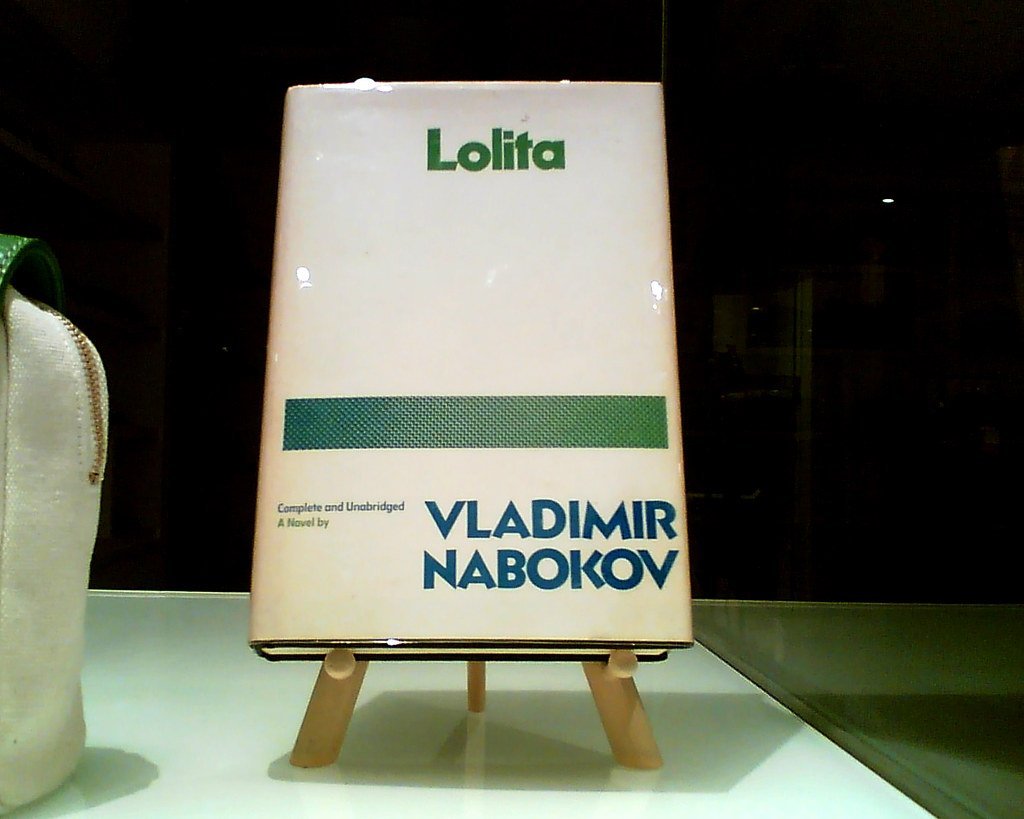
Published in 1955, this tale of Humbert’s obsession with young Dolores Haze shocked readers with its unflinching pedophilia portrayal, sparking obscenity charges and bans in the UK, France, and beyond. Critics slammed it as child exploitation disguised as literature.
Academics now dissect Humbert’s unreliable narration, probing desire, power imbalances, and morality in the #MeToo era, viewing it as a predatory rhetoric masterclass.[3] Its cultural shadow looms in ethics debates on taboo fiction. I suspect Nabokov knew it’d haunt us forever.
1984 by George Orwell
Orwell’s 1949 dystopia warned of Big Brother surveillance and truth-twisting, banned in authoritarian states fearing its mirror to their control. It hit nerves on propaganda and freedom loss.
Scholars argue over its prophecies in our digital age, debating if totalitarianism evolves or if resistance endures. The book’s lingo like “Orwellian” permeates politics, fueling endless talks on privacy. Here’s the thing: it feels more urgent in 2026 than ever.[1]
Tropic of Cancer by Henry Miller
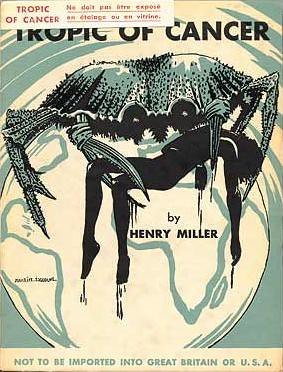
Miller’s 1934 memoirish romp through Paris brimmed with raw sex and profanity, landing obscenity trials and U.S. bans until the 1960s. Courts wrestled if art trumped smut.
Critics hail its existential punch, celebrating bohemian grit, while others question its misogyny. It reshaped obscenity laws, paving for freer expression. Still, academics spar on whether it’s genius or just shock value.[1]
Sophie’s Choice by William Styron
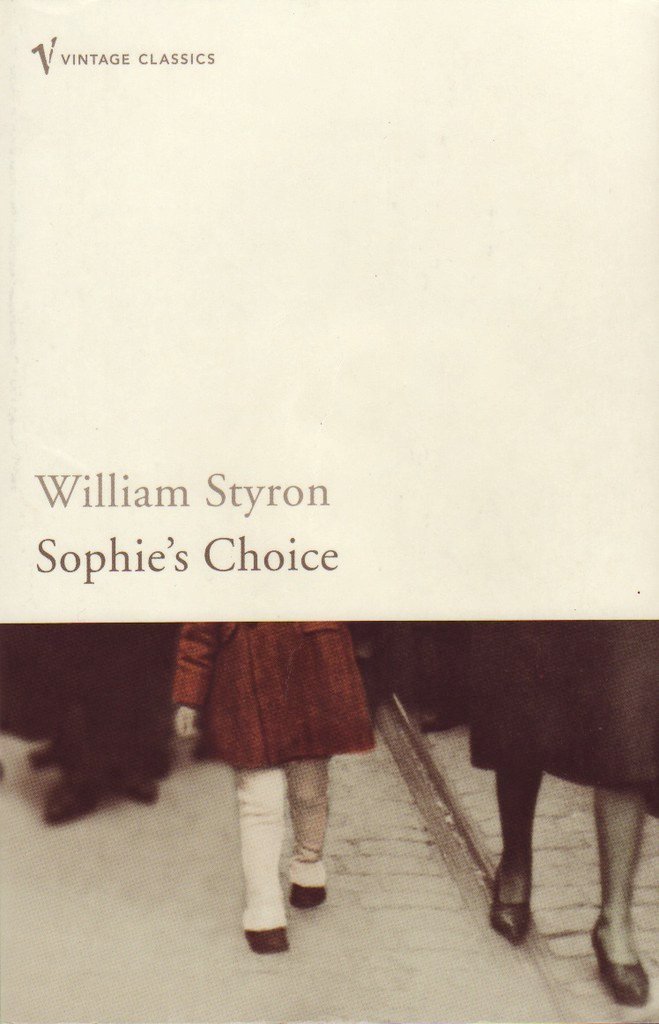
Styron’s 1979 Holocaust novel drew fire for a non-Jewish author tackling survivor guilt, especially Sophie’s impossible camp decision, banned in South Africa and some schools.
Debates rage on trauma’s portrayal and white savior tropes, yet it deepens Holocaust understanding. Culturally, the film amplified its ethical dilemmas. Tough read that forces you to confront history’s horrors.
The Catcher in the Rye by J.D. Salinger
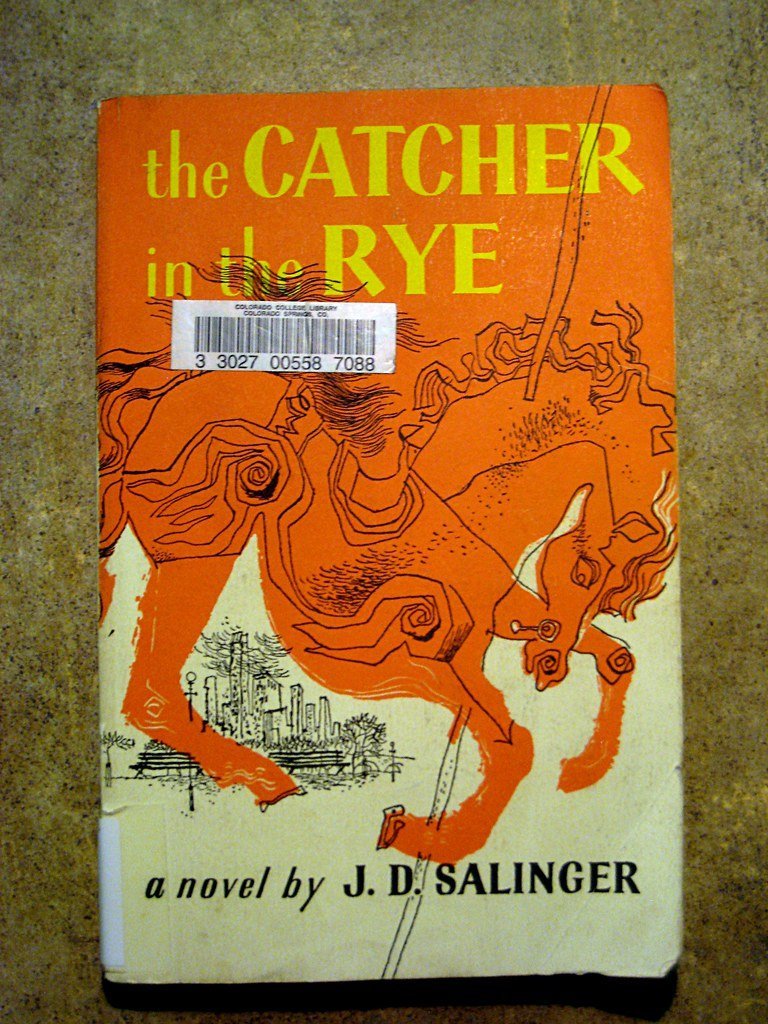
Salinger’s 1951 teen angst saga faced school bans for swearing, sex hints, and rebellion, linked wildly to assassins despite no proof. It irked guardians of innocence.
Scholars unpack Holden’s authenticity quest amid phoniness, influencing youth lit forever. Ongoing talks question its role in mental health narratives. Let’s be real, who didn’t see themselves in Holden once?
The Bell Jar by Sylvia Plath
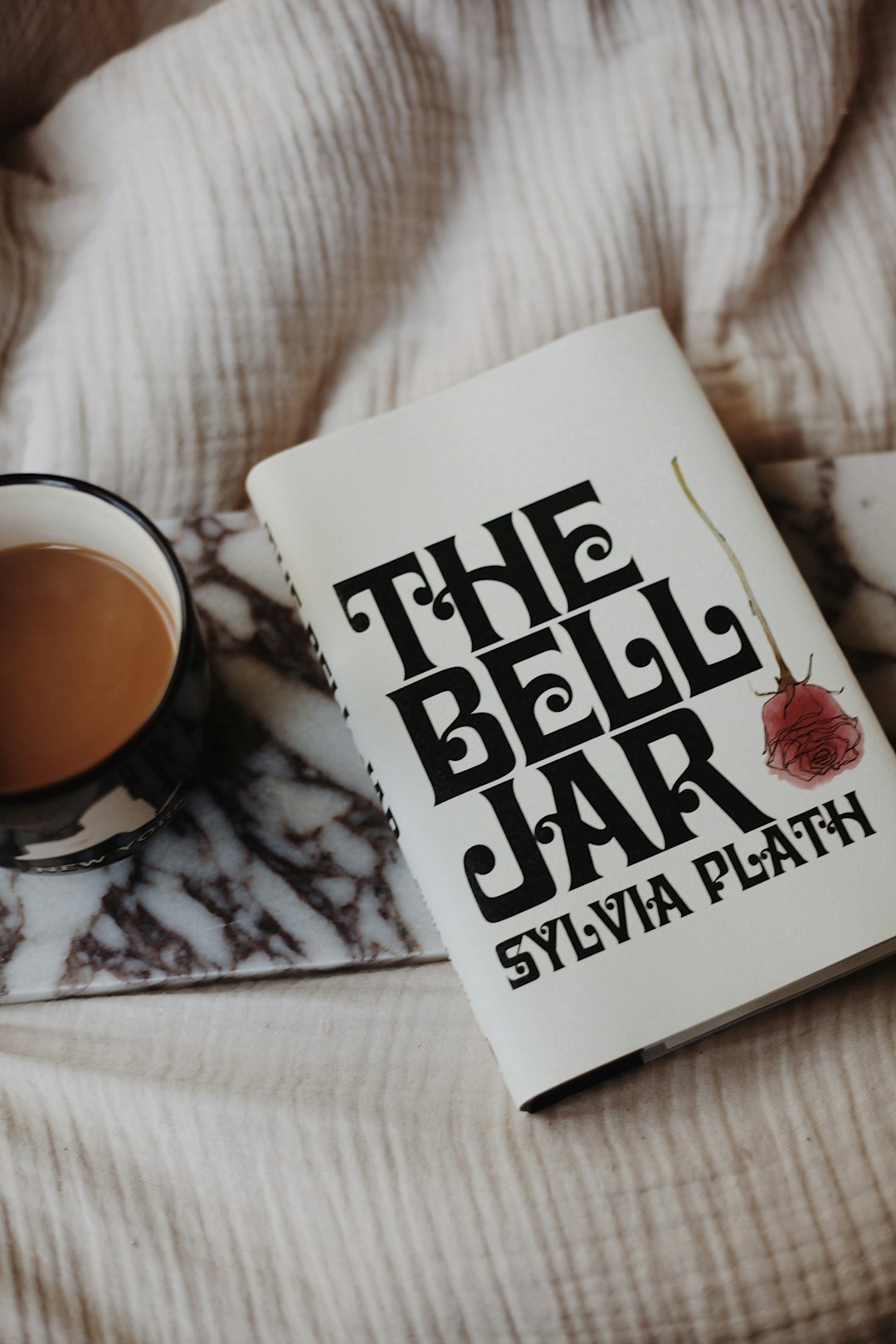
Plath’s 1963 semi-autobio on mental breakdown and womanhood shocked with suicide, sex, and electroshock, banned in U.S. schools for rawness.
Feminists laud its patriarchy critique, while others probe Plath’s psyche. It sparked mental health and gender talks, a staple in women’s studies. Plath’s voice still echoes, uncomfortably real.
The Chocolate War by Robert Cormier

Cormier’s 1974 school power play stunned with bullying and cruelty, pulling punches on teen darkness, leading to classroom bans.
Academics debate conformity’s cost and authority abuse, vital for bullying discourse. Its impact lingers in YA realism pushes. Dark, but mirrors life’s underbelly.
To Kill a Mockingbird by Harper Lee
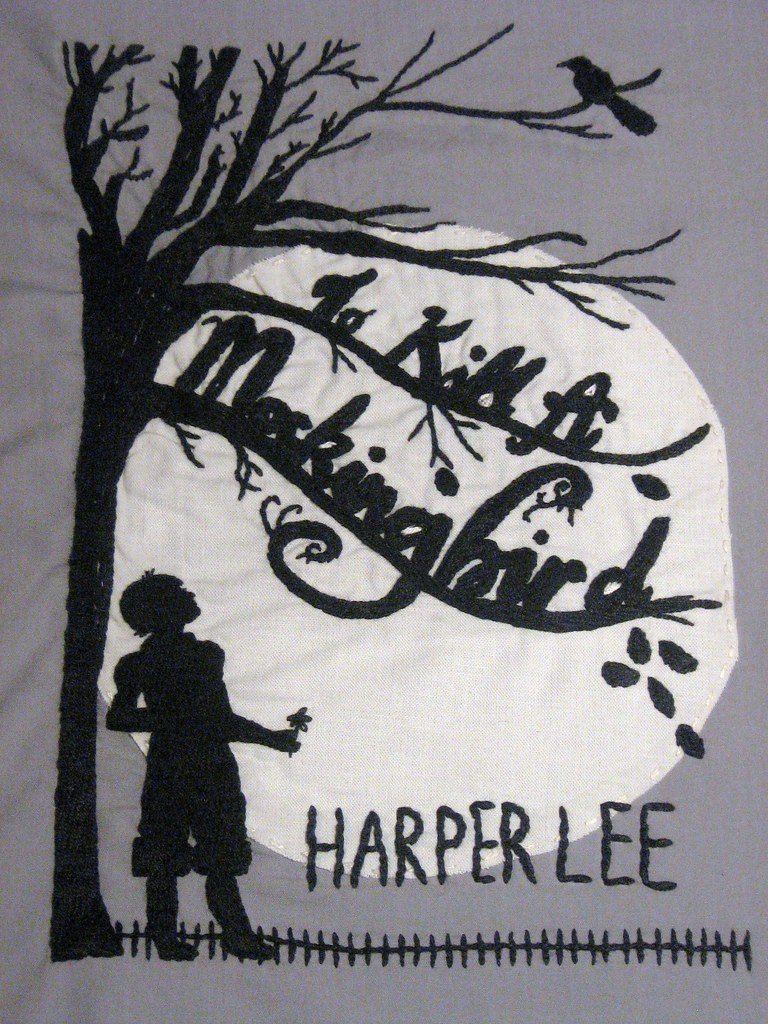
Lee’s 1960 racism tale drew bans for slurs and “immorality,” challenged recently too amid racial sensitivity shifts.[4]
Scholars clash on its white savior narrative versus justice lessons. Iconic in civil rights education, it provokes empathy debates. Timeless, yet freshly contested.
The Da Vinci Code by Dan Brown
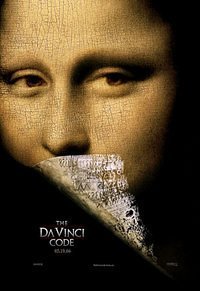
Brown’s 2003 thriller outraged faiths with Jesus-Mary Magdalene twists and church secrets, banned by Vatican circles.
Historians debunk its “facts,” but it boosted religious scholarship. Culturally massive, it questions faith-history blends. Fun thriller, serious ripples.
Ulysses by James Joyce
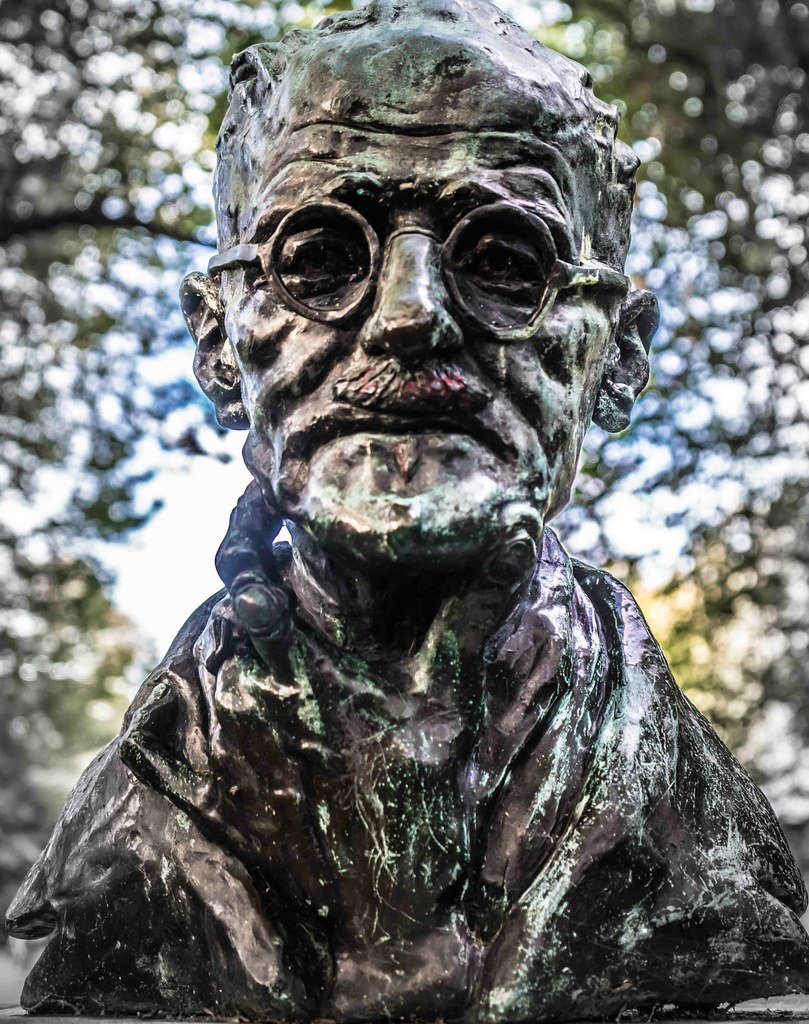
Joyce’s 1922 stream-of-consciousness odyssey faced U.S. obscenity seizures for sex scenes, won in landmark 1933 trial.[5]
Scholars endlessly parse its modernism and everyday epic, from editions fights to style innovations. Revolutionized literature, still dissected in unis. Dense, dazzling, divisive.
Brave New World by Aldous Huxley
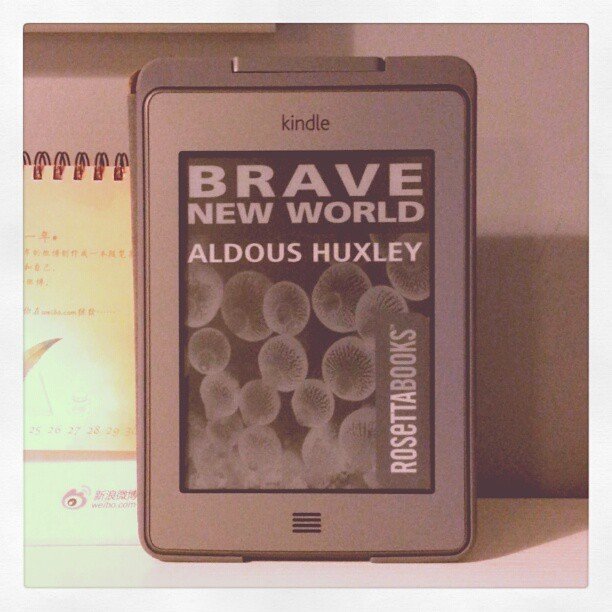
Huxley’s 1932 future of soma, sex castes, and control challenged for “insensitivity” and explicitness, school-banned often.
Debates pit it against 1984 on soft vs. hard tyranny, bioethics hot now. Dystopian blueprint, warning tech’s grip. Prophetic chill.
Lady Chatterley’s Lover by D.H. Lawrence
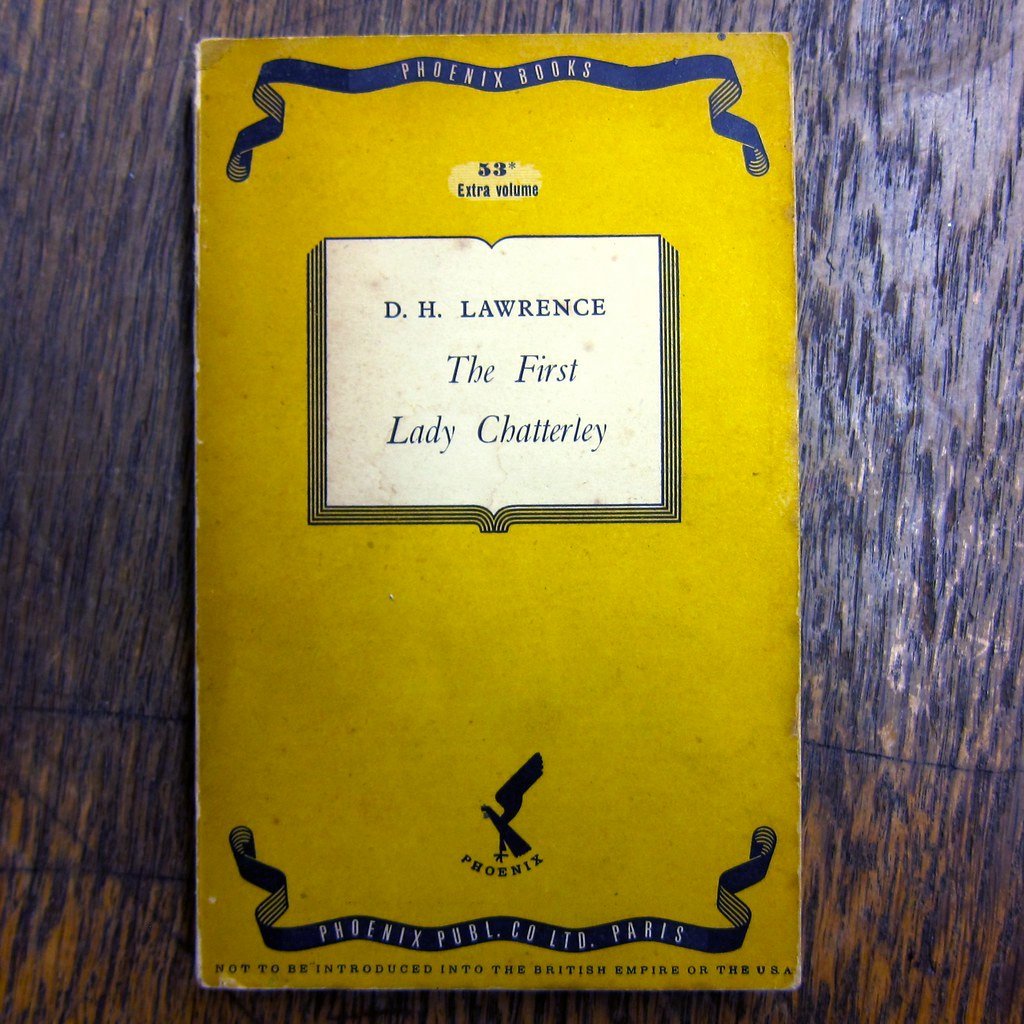
Lawrence’s 1928 class-sex saga used forbidden words, obscenity-banned globally till 1960 UK trial victory.
Critics laud sexual awakening vs. industrial sterility, feminist angles vary. Pioneered erotic lit freedom. Passionate plea for life.
The Adventures of Huckleberry Finn by Mark Twain
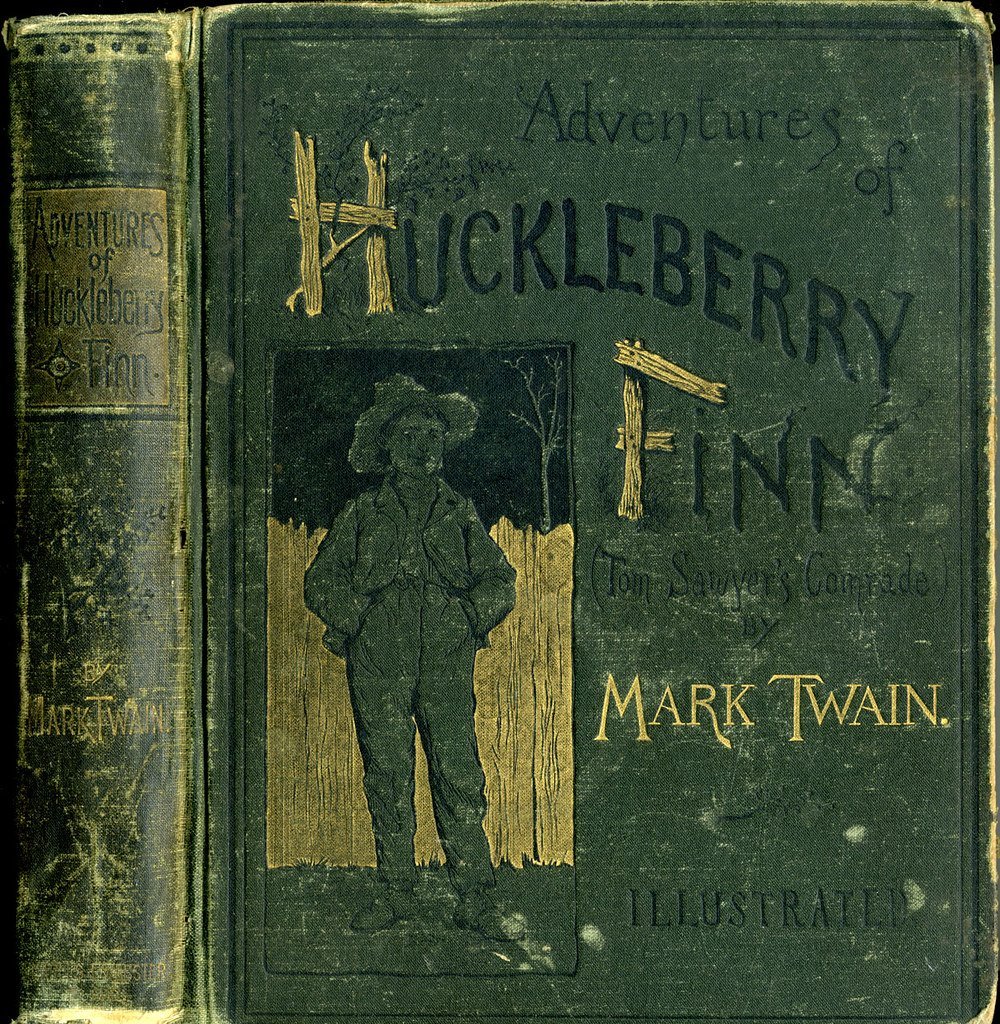
Twain’s 1884 river tale sparked early dialect gripes, later N-word bans, Black critics split on Jim’s humanity.[2]
Scholars debate satire’s racism punch or reinforcement. Cultural touchstone for race talks. Raw American conscience.
Conclusion: Literature’s Enduring Fire
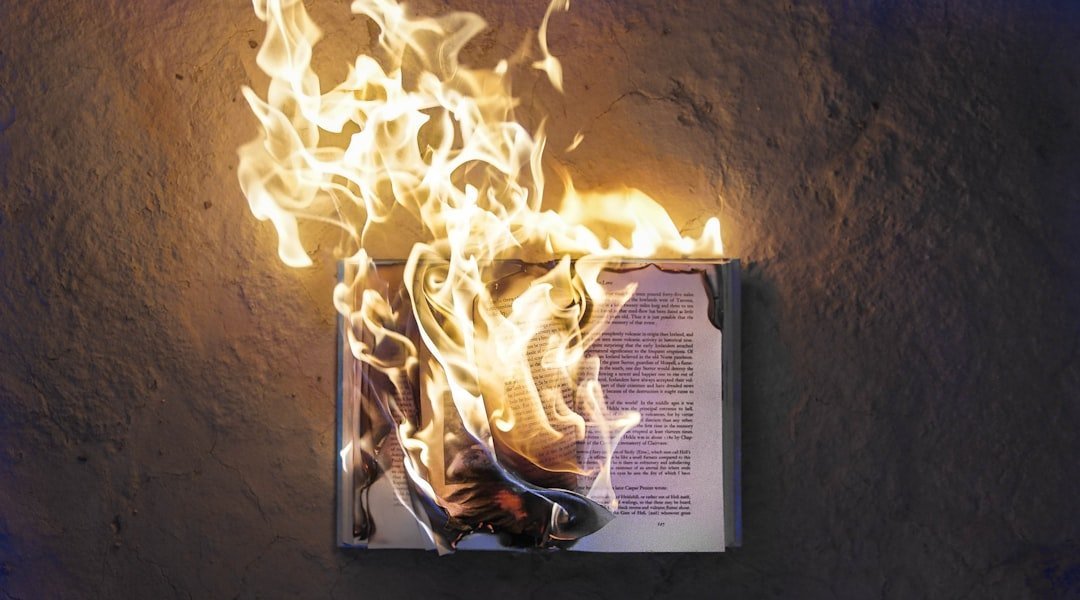
These books prove stories shatter complacency, forcing society to evolve or explode. Scholars keep debating because they mirror our flaws, urging growth.
Literature challenges norms, birthing progress from discomfort. What book would you add to this fiery list? Share below.[1]
CEO-Co-Founder
