
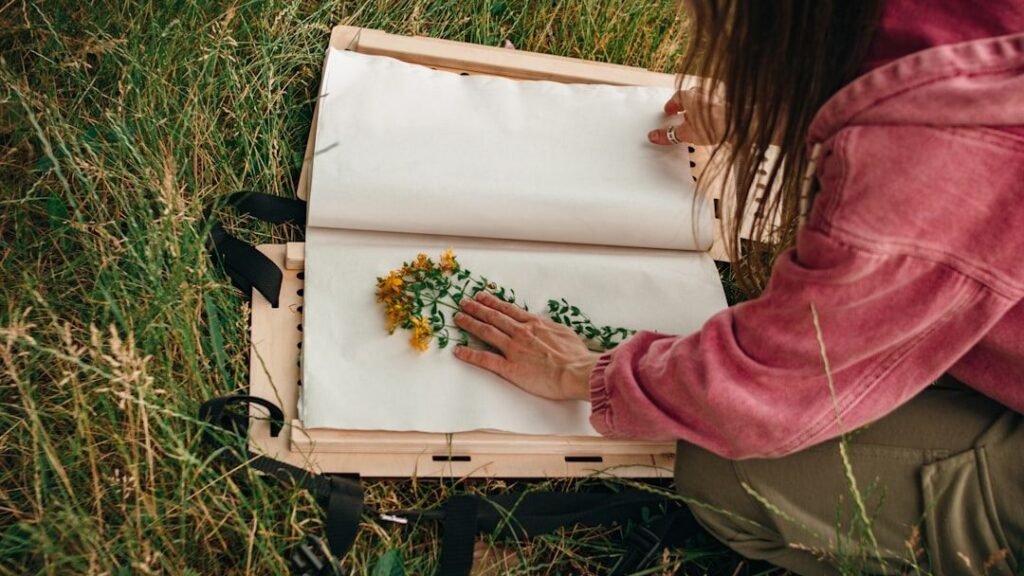

For any feedback please reach out to info@festivalinside.com
- Pop Music’s Evolution Is a Dramatic Tapestry of Innovation and Rebellion - August 30, 2026
- The Power of a Single Lyric Can Resonate Across Generations - August 30, 2026
- 15 Concert Movies That Perfectly Capture the Energy of Live Music - August 30, 2026
There’s something deeply comforting about the idea that some of the world’s greatest literary minds were also passionately digging in the dirt. Long before writing retreats, productivity apps, or Pinterest mood boards, authors were escaping to their gardens to think, breathe, and create. It turns out, the humble act of planting a seed has a lot more in common with writing a novel than most people realize.
Poets, writers, and novelists derived a creative spirit from their private gardens, tending and enjoying their outdoor spaces as much as any room in the house. From Virginia Woolf’s beloved Sussex plot to Emily Dickinson’s meticulously arranged Amherst flower beds, gardens shaped each author’s creative life, revealing how nature formed their imagination and their writing. Whether you’re a seasoned gardener or someone who barely remembers to water a cactus, these ten literary-inspired gardening hacks might just transform the way you think about your patch of earth. Let’s dive in.
1. Virginia Woolf: Design Your Garden in “Rooms” to Spark Creative Flow
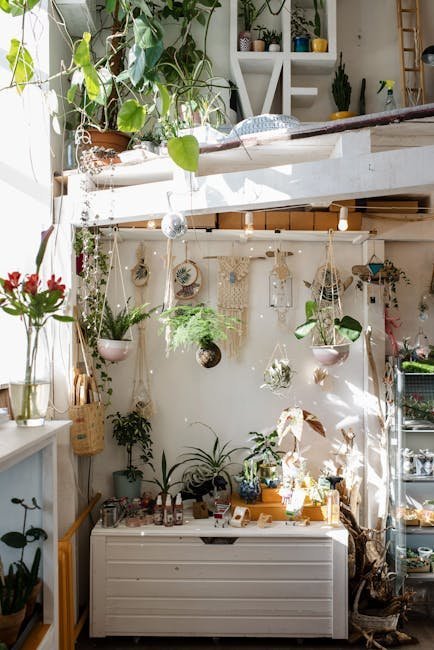
Most of us think of a garden as one continuous space. Virginia Woolf and her husband Leonard took a radically different approach at their beloved Monk’s House in Sussex. Woolf wrote most of her major novels at Monk’s House, drawing inspiration and comfort from the lush plantings and red brick pathways weaving through various “garden rooms,” including a terrace with antique millstones, a fishpond garden, an Italian garden, a walled garden, and a blazing flower walk.
The genius of the “garden room” concept is that each zone feels like stepping into a completely different world. Think of it as designing chapters in a novel, each with its own mood, purpose, and atmosphere. Leonard planted mammoth arrays of flowers and vegetables and built alluring brick paths, terraces, and borders to create a series of “rooms” that made their garden a labyrinth of hidden sanctuaries. Try dividing your own garden into distinct zones, perhaps one for quiet sitting, one for growing vegetables, and one wild, overgrown patch to let nature do as it pleases. You’ll be astonished how much this shifts the way you experience your outdoor space.
2. Virginia Woolf: Build a Writing Lodge in Your Garden’s Corner
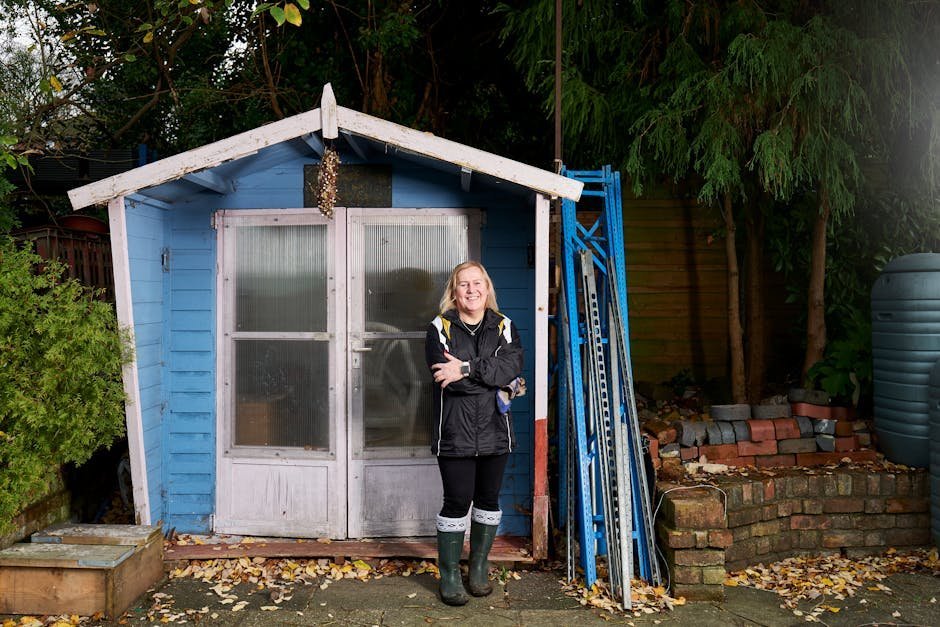
Here’s something most Woolf fans don’t know: she didn’t write inside her beautiful house. Monk’s House was somewhere they came to read, write, and work in the garden. Virginia wrote first in a converted tool shed, and later in her purpose-built wooden writing lodge tucked into a corner of the orchard. The garden itself became her creative engine, not just a backdrop.
One of Virginia’s favorite places to write was in the garden at Monk’s House. She had a small converted shed that she called her writing lodge. Every morning on her way to the lodge, Virginia walked through the garden. The hack here isn’t just about having a shed. It’s about creating a dedicated physical ritual that signals to your brain: this is the space where creativity happens. Even a repurposed corner of a balcony or a quiet bench surrounded by potted plants can work this magic. Honestly, the more separated from daily noise the better.
3. Emily Dickinson: Let Flowers Become Your Emotional Language
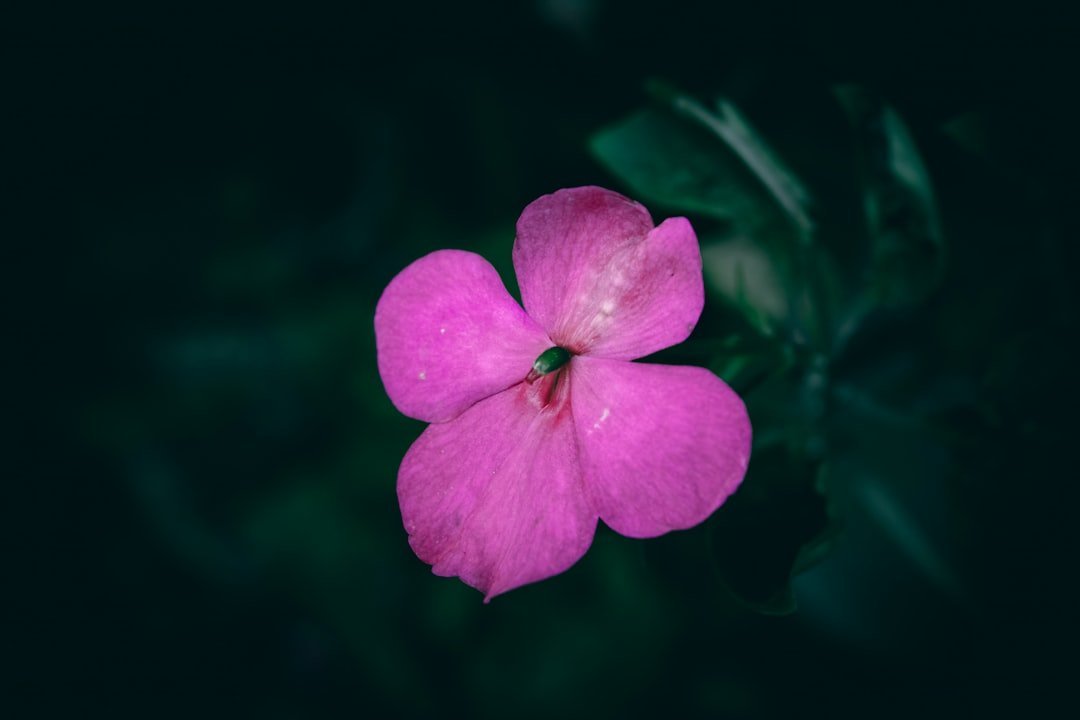
Emily Dickinson is famous for her poetry, but few people realize she was equally obsessed with flowers. Dickinson was a keen observer of the natural world, but less well known is the fact that she was also an avid gardener, sending fresh bouquets to friends, including pressed flowers in her letters, and studying botany at Amherst Academy and Mount Holyoke. Flowers weren’t decoration for her. They were communication.
As a gardener, Emily Dickinson was attuned to the weather, the changing seasons, transitions in times of day, and the populations of bees, flies, and birds that dwelled among her plants. As she became more reclusive, both her flowers and her poems served as emissaries for her. The gardening hack here is to grow flowers with intention, choosing varieties that hold personal meaning or that you intend to give away. Over a third of Dickinson’s poems rely on images drawn from her garden and the surrounding landscape, proof that a deeply personal flower garden is really a vocabulary waiting to be used. Start small: pick three flowers that move you emotionally, plant them together, and see what language they begin to speak.
4. Emily Dickinson: Keep a Botanical Journal as a Creative Practice
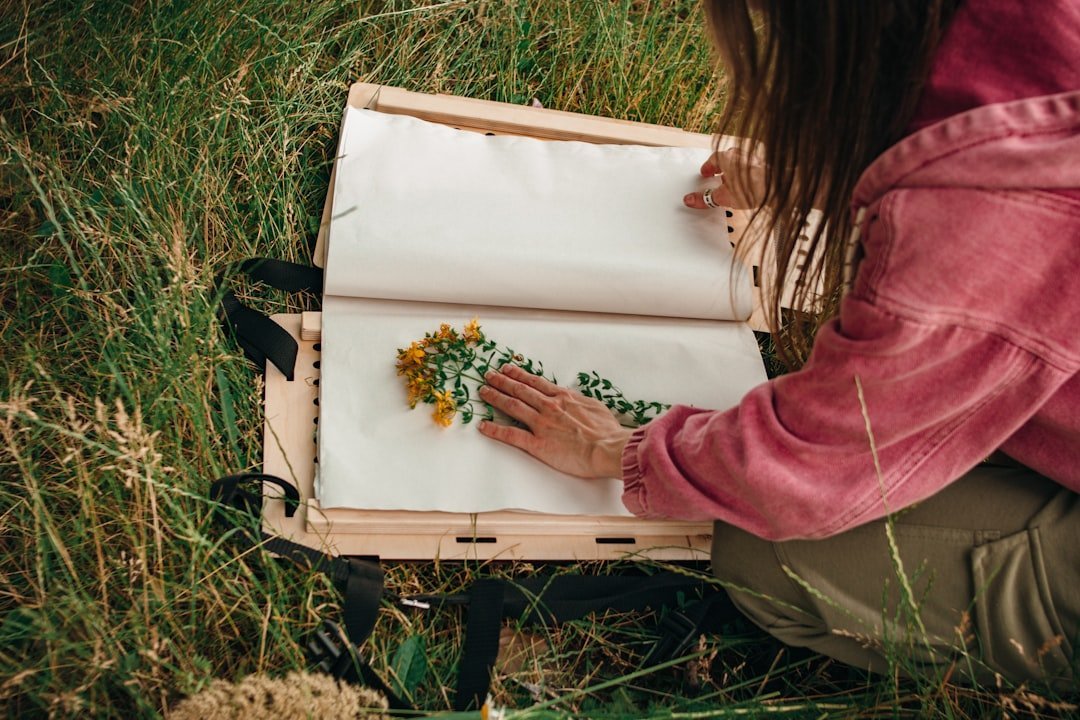
One of Dickinson’s most fascinating habits was the creation of a herbarium, a leather-bound album of pressed and labeled plant specimens. This leather-bound album contains some four hundred pressed plant specimens she collected from the woods and fields around the family home, each carefully labeled with the correct Latin name. I think this is one of the most underrated creative practices in literary history.
In the Homestead garden, Emily, Lavinia, and Mrs. Dickinson grew a great variety of flowering plants: shrubs, climbing vines, annuals, perennials, and bulbs. Dickinson’s poems and letters mention roses, lilacs, peonies, sweet williams, daisies, foxgloves, poppies, nasturtiums, and zinnias, among others. The gardening hack is to keep your own botanical journal. Press and label what you grow. Note the date something bloomed, the smell of the morning air, the insects that visited. By weaving together poems, plants, historical photography, and botanical art, one creates an enchanting new perspective on one’s own creative life. It’s part science, part poetry, and entirely your own.
5. Henry David Thoreau: Grow Only What You Need and Notice Everything Else

Thoreau is the king of radical simplicity in gardening. He also farmed land at Walden, creating the famous bean field, a surprisingly large two-and-a-half-acre plot of land. Yet the point was never abundance for its own sake. Once settled, he restricted his diet for the most part to the fruits and vegetables he found growing wild and the beans he planted. When not busy weeding his bean rows and trying to protect them from hungry groundhogs, he spent long hours observing and recording the local flora and fauna, reading, and writing.
Thoreau preferred the term “husbandry” when describing his own activities. For Thoreau, husbandry was a “sacred art,” an activity that connected us to the earth more as stewards rather than owners, cultivating rather than simply reaping. The hack is this: resist the urge to plant everything. Choose a small, meaningful crop, tend it with extraordinary attention, and let the rest of the garden teach you something. He recorded his observations about nature, both descriptive and philosophical, in journal entries that later became a source of material for lectures, essays, and books. Like his mentor Emerson, Thoreau looked to nature for a meaningful connection between the physical, symbolic, and spiritual worlds. Your bean row might just become your next great idea.
6. Henry David Thoreau: Embrace Solitary Morning Garden Walks as Meditation
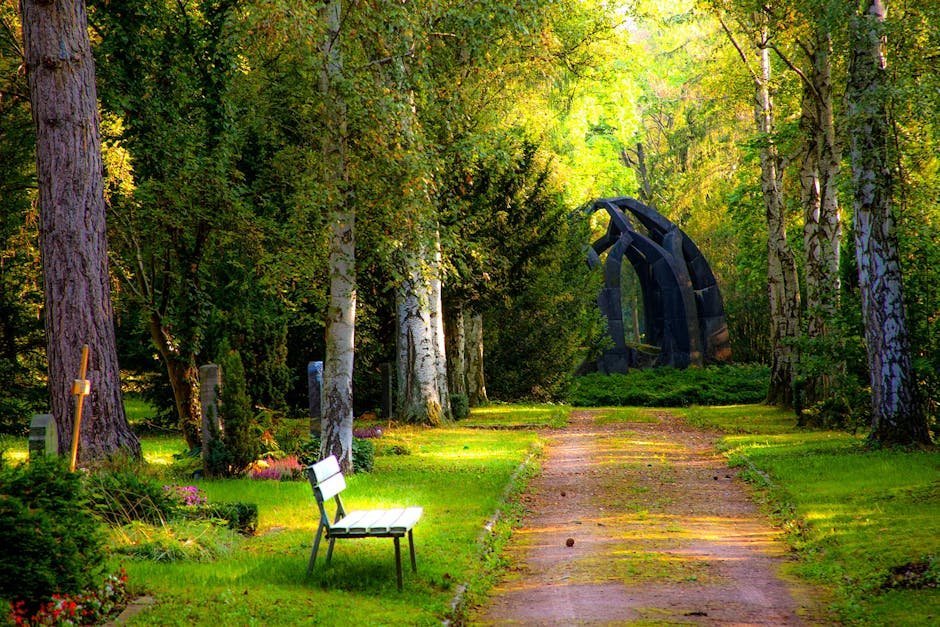
Thoreau’s life at Walden Pond was built around a radical idea: that deliberate, undistracted time in nature was not laziness but discipline. The text of Walden is a reflection upon the author’s simple living in natural surroundings, part personal declaration of independence, social experiment, and voyage of spiritual discovery. Walking through his garden or bean field each morning was not procrastination. It was preparation.
Thoreau saw nature as the “tonic of wildness,” an antidote to the stresses of society and advancing urbanization and industrialization. We’re living in 2026, where screens demand our attention from the moment our eyes open. The literary hack is beautifully simple: walk through your garden alone every morning before you look at your phone. Touch a leaf. Smell the soil. Notice what changed overnight. As a naturalist, Thoreau understood that the path to a greater understanding of our life on earth is through an understanding of the natural world around us and of which we are a part. That quiet morning walk could be the most productive thing you do all day.
7. Walt Whitman and Louisa May Alcott: Create an Urban Garden to Ground Your Creativity
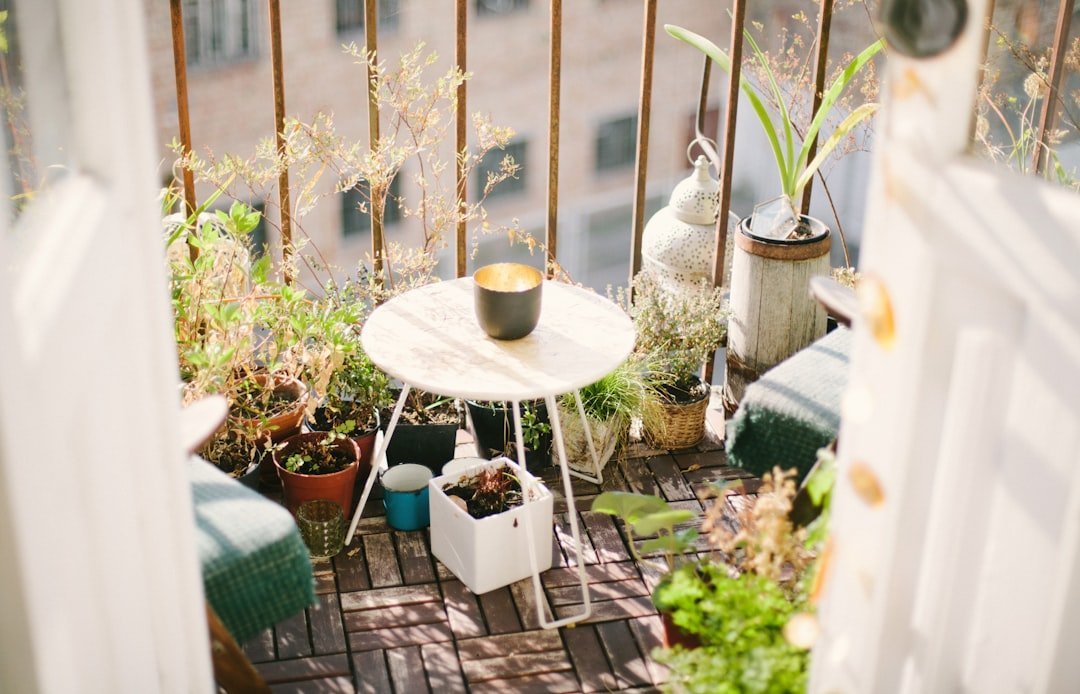
You don’t need rolling countryside to garden like a literary genius. Walt Whitman’s lush love of life and reverence of nature inspired Bronson Alcott to try his hand at gardening. Right there in the middle of bustling Boston, where his young country was just beginning to find its intellectual and artistic voice, Alcott set up his humble urban garden. A city sidewalk is not an excuse.
Louisa May Alcott’s Orchard House was where she wrote Little Women, and the surrounding land was very much part of that creative universe. The lesson for urban and suburban gardeners is huge: even a window box, a fire escape planter, or a small community allotment can serve the same restorative purpose as twenty acres of Sussex countryside. Writing and creating outdoors gives you access to a distraction-free environment that stimulates sensory awareness. Natural light and fresh air enhance mental clarity, helping form vivid imagery and authentic emotions in your work. A container of basil on a windowsill is still a garden. Treat it like one.
8. Beatrix Potter: Let the Garden Inspire Storytelling Through Close Observation
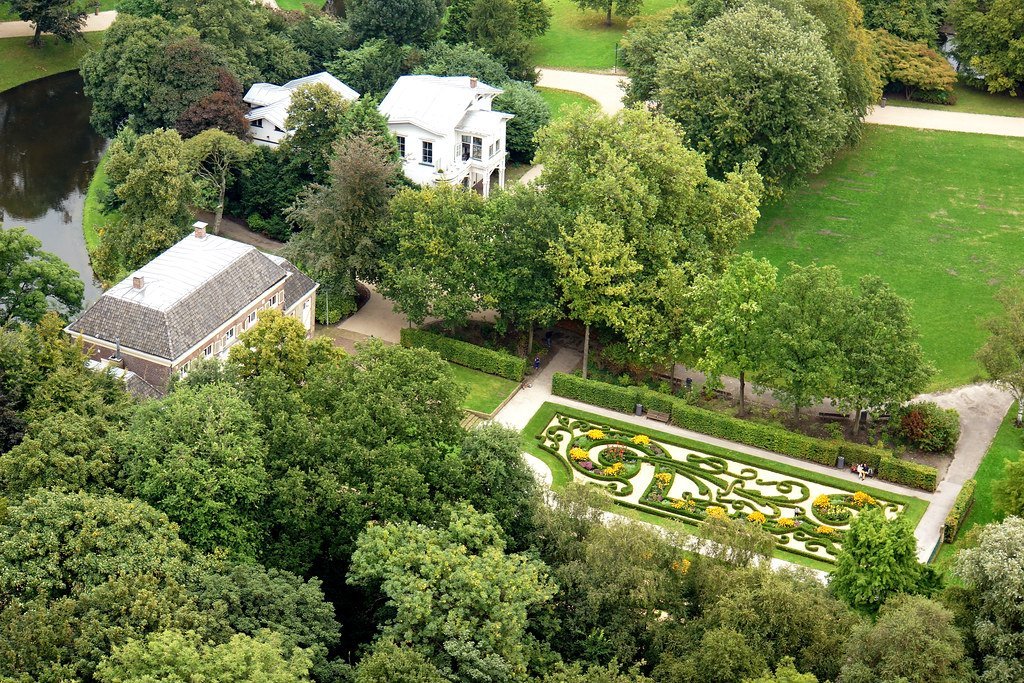
Beatrix Potter is most famous for Peter Rabbit, but here’s the thing: she was also a serious naturalist, farmer, and gardener. Hill Top house was made possible by the new found freedom and wealth that a literary career can bring, and once Potter had that land, she cultivated it obsessively. She didn’t just look at her garden. She studied it, sketched it, and let it people her stories with characters drawn directly from what she saw crawling, darting, or nibbling through the beds.
The gardening hack from Potter is really about scale of attention. Get down low. Look at your garden from a rabbit’s eye view, literally. Observe which insects visit which flowers. Notice which corner your resident bird prefers. Gardens provide dynamic settings that evolve with seasons, influencing tone and theme. Many writers embrace these spaces to escape confined rooms, reducing stress and encouraging spontaneity. The stories hiding in your garden, in the way a beetle navigates a cracked path or a spider rebuilds after rain, are extraordinary if you train yourself to notice them. Potter certainly did.
9. Jamaica Kincaid and Ross Gay: Treat Gardening as an Act of Radical Hope
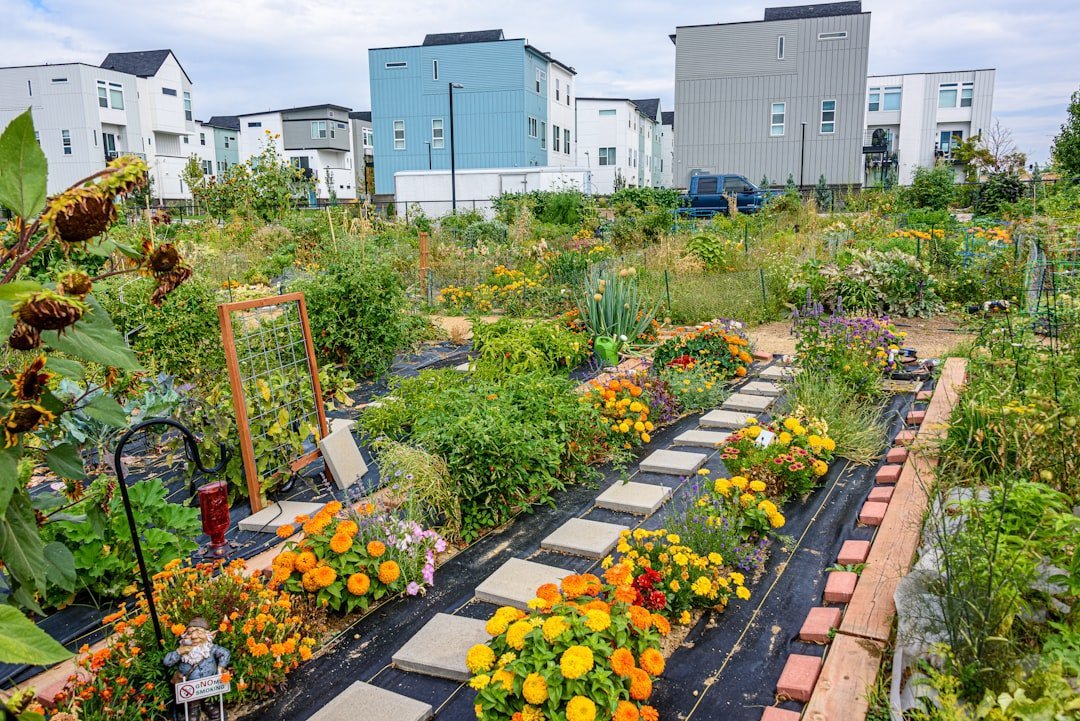
Some writers see the garden as more than a creative retreat. They see it as a philosophical act. The art of nurture is central to Ross Gay’s worldview. The poet, author, and teacher has been vocal about his interest in both food justice and gardening for years. As a founding board member of the Bloomington Community Orchard, he practices those politics, and preaches them in his lyric essay collections, The Book of Delights and The Book of (More) Delights.
Gay has often framed earth tending as an act of profound hope in the face of tragedy. Jamaica Kincaid approaches gardening with equal complexity. A chief gladness of gardening comes from its dual nature, from how it salves our longing for making order out of chaos but also frustrates it. There is elemental satisfaction in the reminder that we can never fully control nature. The hack here is to stop gardening purely for aesthetic results. Plant something for someone else. Tend a community space. Share your harvest. The act of giving your garden meaning beyond beauty transforms it into something that fuels not just creativity but resilience.
10. Oliver Sacks: Use Your Garden as a Prescription for Mental Clarity
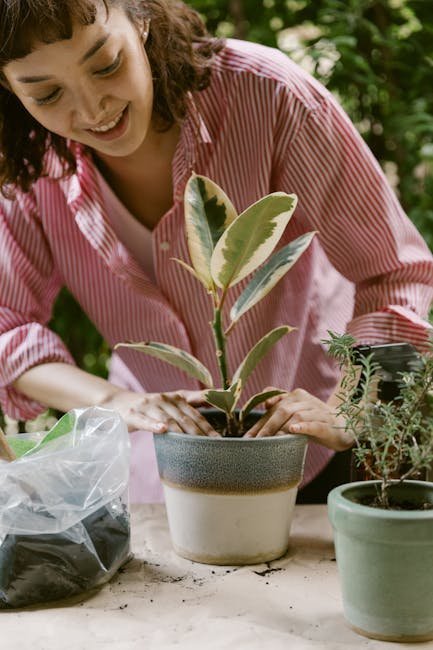
Oliver Sacks, the brilliant neurologist and author of books like The Man Who Mistook His Wife for a Hat, was deeply convinced that gardens were not merely pleasant extras but essential tools for the human mind. A century and a half after Walt Whitman extolled the healing powers of nature after his paralytic stroke, the poetic neurologist Oliver Sacks gave empirical substantiation to these unparalleled powers. He brought his patients to gardens whenever possible because he understood something we tend to overlook: nature is medicine.
Gardens reduce distractions, allowing your mind to enter a flow state quickly. The consistent presence of natural elements like plants and water creates a calm backdrop that sharpens your attention. Fresh air and natural light boost brain function, improving mental clarity and problem-solving skills. Sacks believed what many of the greatest literary minds before him knew instinctively: that gardening is not a break from serious thinking. It is where serious thinking gets done. Writing and creating in the garden offer a unique blend of tranquility and inspiration that can transform your creative process. By immersing yourself in nature’s calm and beauty, you open the door to deeper focus and richer storytelling. Your garden, it turns out, might be your best-kept creative secret.
Conclusion: Pick Up a Pen, Then Pick Up a Trowel
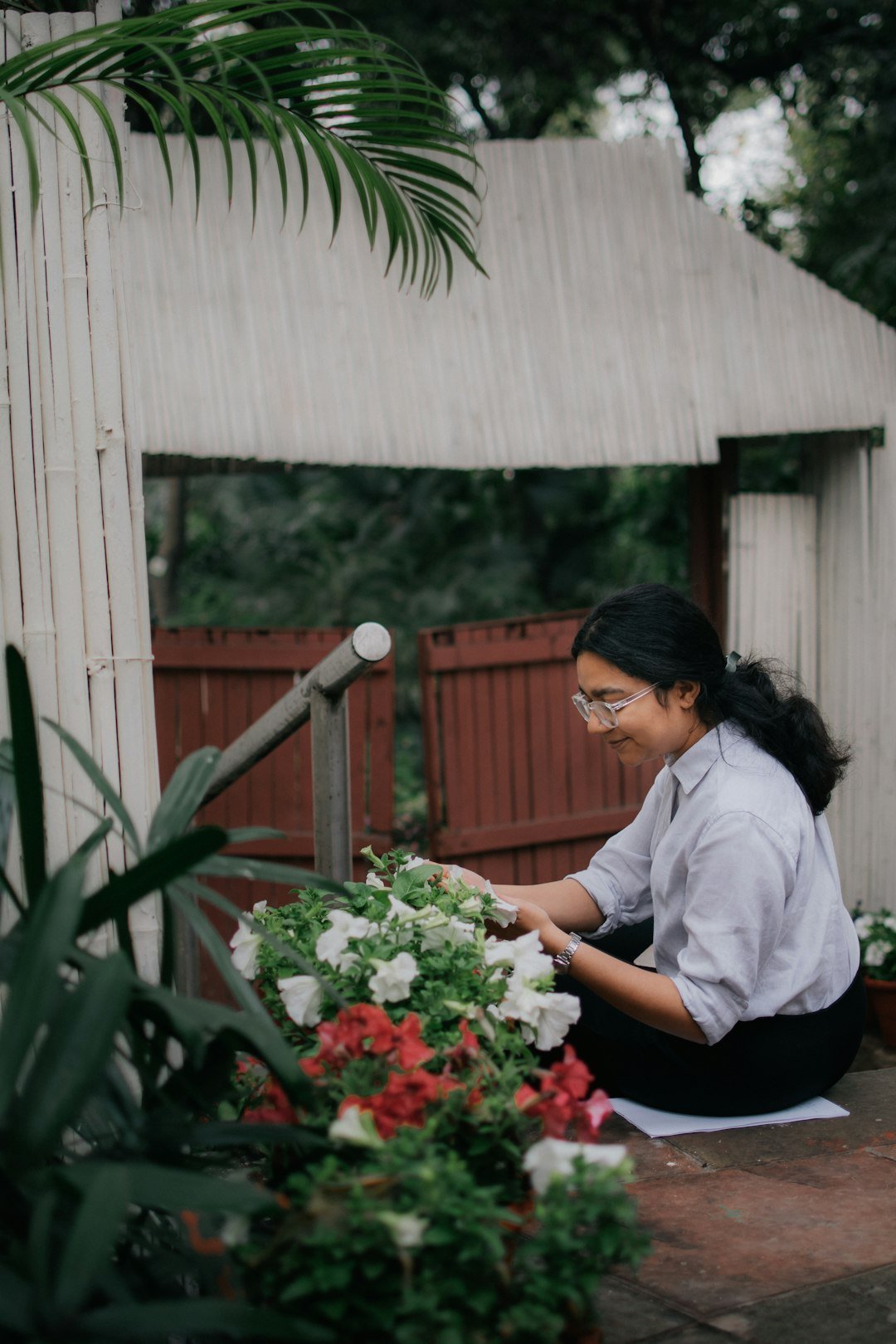
What strikes me most about all these literary gardeners is how unsentimental they were about the whole thing. They didn’t garden because it was trendy or photogenic. They gardened because it worked. Gardens inspired, motivated, and calmed some of the great literary minds in history, and there is no reason that same alchemy cannot happen in your backyard, on your balcony, or even in a single clay pot on a sunny windowsill.
Creativity and nature have always been companions, not competitors. The greatest writers understood that the act of tending something living, of caring for it through seasons, of watching it fail and bloom and surprise you, teaches patience, attention, and humility in ways that no writing workshop ever could. Perhaps a reminder to a writer who finds themselves working through writer’s block, a spot of inspiration to move forward. In an age of digital scrolling and instant photos, reconnecting with nature can be good for the soul.
So start small. Dig one bed. Grow one plant. Keep one journal. The greatest literary gardens in history all began the same way: with someone deciding, on an ordinary afternoon, to put their hands in the earth and pay attention. What would you plant first?

Christian Wiedeck, all the way from Germany, loves music festivals, especially in the USA. His articles bring the excitement of these events to readers worldwide.
For any feedback please reach out to info@festivalinside.com
