

For any feedback please reach out to info@festivalinside.com
- 20 Song Intros That Hook You Instantly - September 19, 2026
- 15 Historical Myths That Turned Out to Be False - September 19, 2026
- 10 Inventions That Changed the World in Unexpected Ways - September 19, 2026
There is something almost impossible to explain about witnessing a truly monumental live concert. It is not just the music. It is the electricity in the air, the collective gasp of a crowd, the sense that something entirely new is being born right in front of you. Some performances don’t just entertain audiences – they fundamentally rewrite the rules of what music can be, what it can say, and how it can make people feel.
These ten concerts are not simply remembered because they were great shows. They are remembered because nothing was quite the same afterward. Artists, audiences, and even entire genres were transformed. If you ever wondered which live performances truly shaped the world we listen to today, buckle up. Let’s dive in.
1. Woodstock, 1969 – When a Field Became the Soul of a Generation
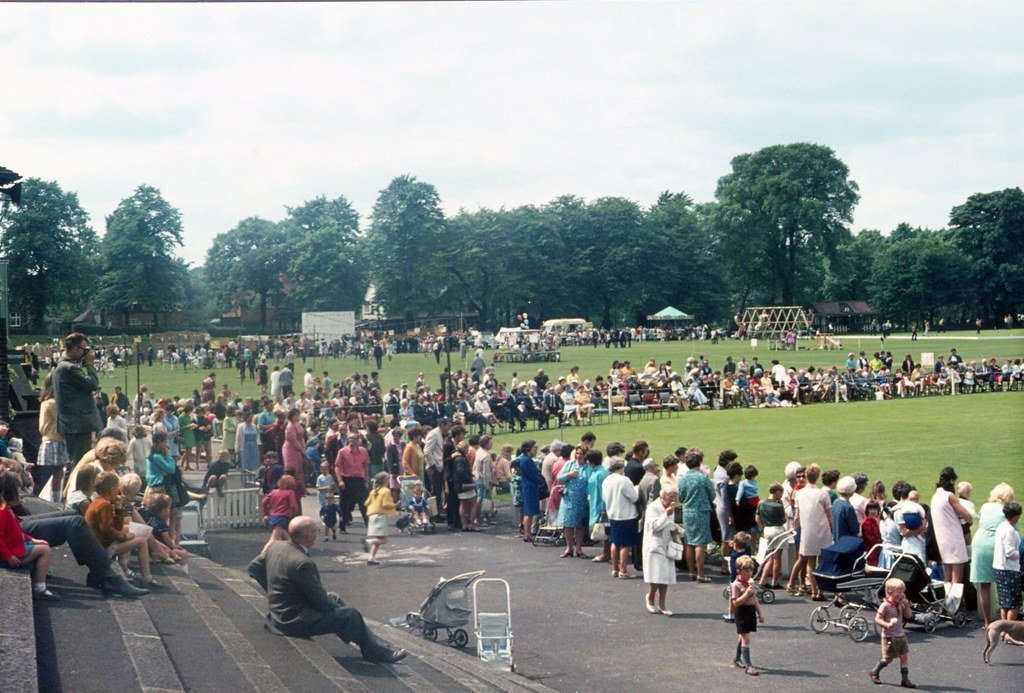
Some things happen by accident and end up meaning everything. The Woodstock Music and Art Fair was held from August 15 to 18, 1969, on Max Yasgur’s dairy farm in Bethel, New York, and attracted an audience of more than 460,000 people. That number alone is staggering, but the real shock is that nobody quite planned for it to become this colossal.
At a time when the Vietnam War was raging and civil unrest echoed in city streets, Woodstock became a living, breathing protest – a peaceful revolution set to music. What made it extraordinary wasn’t just who played, but how 400,000 people coexisted peacefully in difficult conditions. Despite shortages of food, water, sanitation, and shelter, there were no riots, no violence – only a shared sense of purpose and humanity.
Listed on the National Register of Historic Places, Woodstock is nationally significant as one of the most important cultural and social events of the second half of the twentieth century. The festival was the definitive expression of the musical, cultural, and political idealism of the 1960s and was recognized almost immediately as a watershed event in the transformation of American culture.
The festival featured performances by legendary artists such as Jimi Hendrix, Janis Joplin, and The Who, and it left an imprint so deep that it left an indelible impression on not only the artists and attendees but also on the minds of millions of young Americans who experienced Woodstock secondhand – through news media accounts, a widely seen documentary film, and the consumer products that soon followed. Honestly, it’s hard to think of another concert that so completely merged music with historical memory.
2. The Beatles at Shea Stadium, 1965 – The Birth of Stadium Rock
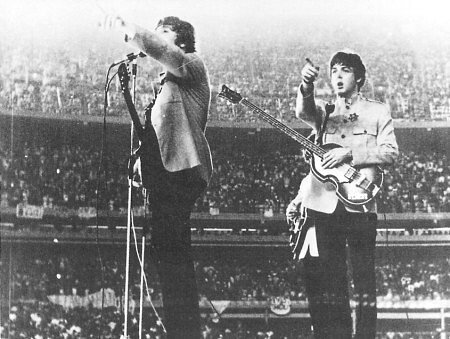
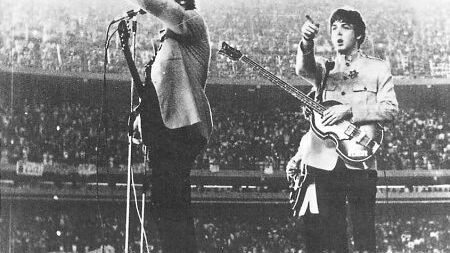
Before August 15, 1965, rock concerts were mostly intimate affairs. Small stages, moderate crowds. Then came The Beatles at Shea Stadium, and everything changed overnight. Although the Beatles had played stadium concerts previously, the Shea concert was a milestone in popular musical history as the first major stadium concert.
It was the biggest pop explosion the world had ever seen, with 56,000 kids screaming for John, Paul, George, and Ringo. It is the most famous show they ever played – the most famous pop concert ever – even though nobody could hear a note of it. There is something both hilarious and beautiful about that. The screaming fans literally drowned out the music, and it didn’t matter one bit.
Shea was more than just the first high-profile stadium concert. It showed everyone how huge, untamable, and crazed pop music could be. It destroyed the hopes of everyone who still thought the Beatles and their young female audience were just a passing fad, which was still the conventional adult wisdom in 1965.
The Shea Stadium gig made history and set in motion the future of rock concerts. You might even go so far as to suggest that the Beatles’ Shea Stadium appearance laid the foundation for the Monterey Pop Festival in 1967, Woodstock in 1969, and other such gatherings. Think about that. Every festival you’ve ever attended, every stadium show you’ve ever bought tickets for – there is a straight line back to a sweaty, deafening August night in Queens.
3. Bob Dylan Goes Electric, Newport Folk Festival, 1965 – The Night Music Got Complicated
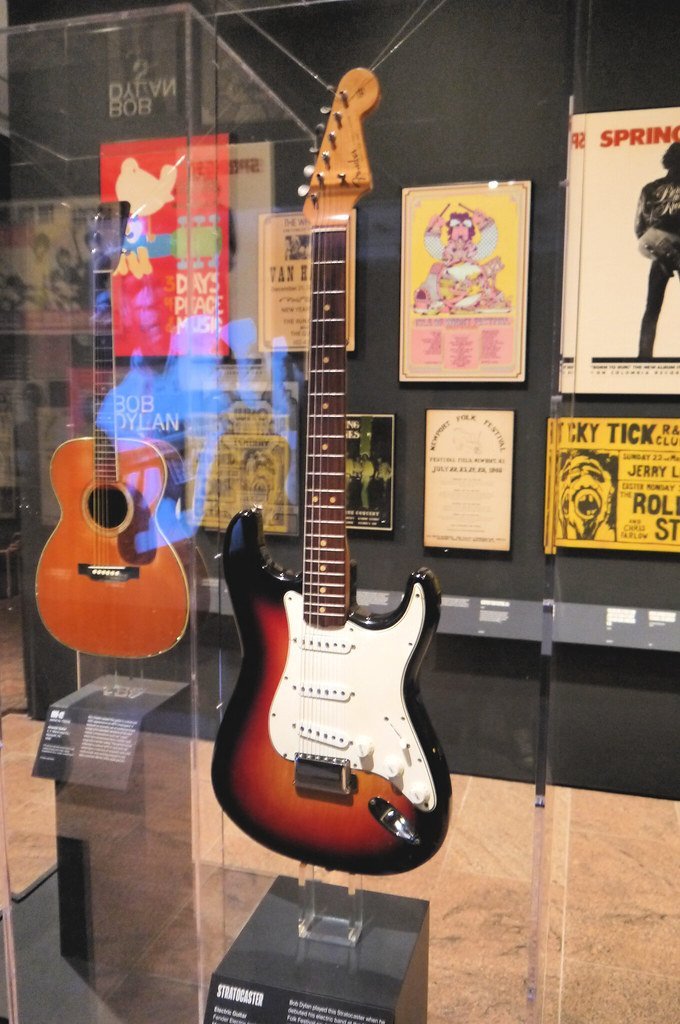
I think this might be the most genuinely controversial concert in the history of popular music. On the evening of July 25, 1965, Bob Dylan took the stage at the Newport Folk Festival in black jeans, black boots, and a black leather jacket, carrying a Fender Stratocaster in place of his familiar acoustic guitar. The folk world practically stopped breathing.
Fans booed, purists fumed, and music as people knew it changed overnight. Dylan’s decision to go electric at Newport became one of the most talked-about moments in rock history, and its shockwaves are still being felt decades later. Pete Seeger was reportedly furious at the stage. Some accounts say he tried to cut the sound cables, though he always denied it.
Retrospectively, Dylan’s electric period has come to be recognized by critics and fans as producing some of his best music, and his controversial performance at Newport has been considered a pivotal moment in the development of folk rock. The Newport shockwave birthed a new genre. Bands like The Byrds, inspired by Dylan’s electric direction, released “Mr. Tambourine Man” with jangly 12-string guitars – a hit that kick-started folk-rock. Simon & Garfunkel, The Mamas and the Papas, and Crosby, Stills & Nash all followed paths Dylan had helped open. The marriage of thoughtful lyrics and electric sound had officially begun.
What no one denies is that folk and rock music were never the same after that memorable day at Newport in 1965. It’s one of those rare moments where the audience was booing the future and didn’t know it yet.
4. Queen at Live Aid, Wembley Stadium, 1985 – The Greatest 20 Minutes in Rock History
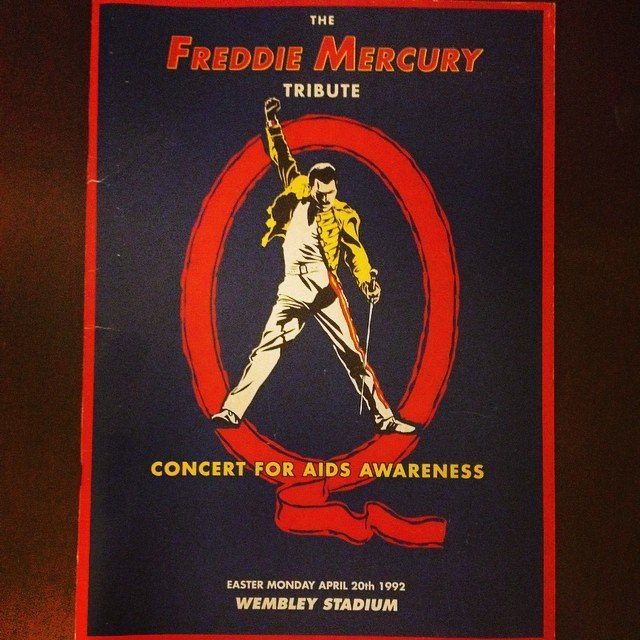
Here is the thing about Live Aid: the whole concert was historically significant, but Queen absolutely, undeniably, famously stole the entire event. Few concerts carry the emotional weight and legendary status of Queen’s Live Aid performance. Though “only” 72,000 people filled Wembley Stadium, over 1 billion people watched globally. Held in July, this concert has been voted the greatest live performance of all time. Freddie Mercury commanded the stage, and the band delivered a flawless set that captivated both the audience and history books.
Their 20-minute set, which included hits like “Radio Ga Ga” and “We Are the Champions,” not only showcased their performance prowess but also raised unprecedented levels of money and awareness for famine relief. The concert became a defining moment in both Queen’s career and the history of charitable rock concerts. Freddie Mercury’s ability to connect with the audience turned this performance into a masterclass in live music, setting a high bar for future concerts.
Live Aid set the precedent for music to be consciously used in affecting social change, paving the way for later benefit concerts such as Live 8 and Farm Aid. Perhaps the most ingenious aspect of the event was the worldwide broadcast of the concert, emphasizing both the universal appeal of music and its power to transcend cultural and geographic boundaries. Watching archival footage of Freddie working that crowd is still breathtaking, even decades later.
5. Jimi Hendrix at Monterey Pop Festival, 1967 – Guitar God Arrives on American Shores
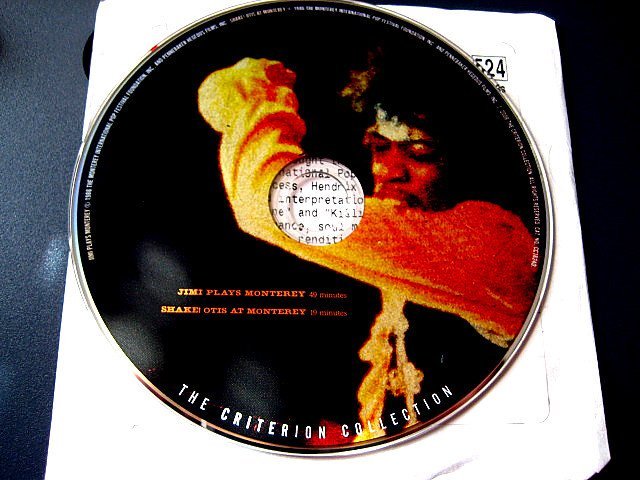
Monterey 1967 was essentially the warm-up act for Woodstock two years later – but don’t let that diminish it for a second. The Monterey Pop Festival was the show of all shows, as far as live classic rock is concerned. Hendrix cemented his status as one of the greatest rockers of all time, and the burning guitar was just the grand finale to an already amazing concert.
Groups as diverse as The Jimi Hendrix Experience, Otis Redding, Ravi Shankar, Jefferson Airplane, and Laura Nyro all brought their folk, soul and psychedelic rock to a receptive audience, while Janis Joplin’s performance of “Ball and Chain” went on to become the stuff of legend. The festival was essentially a who’s-who of emerging counterculture talent, all in one glorious California weekend.
The 1968 documentary film that recorded the event, Monterey Pop, reached a wide audience and introduced many fans to some exciting new talent – notably Jimi Hendrix, who created a sensation. As a showcase for San Francisco talent – Janis Joplin, Country Joe and the Fish, and Jefferson Airplane, all of whom would appear at Woodstock two years later – Monterey captured the key symbols of the emerging counterculture in the idyllic Summer of Love.
The Monterey Pop Festival was one of the history-defining influential moments music has ever known, in terms of showing the effect of live performance on an audience, and has served as inspiration for musicians and festival organizers over the years. Hendrix setting his guitar on fire at the end remains one of the most iconic images in all of rock history. Pure theatre. Pure madness. Pure genius.
6. James Brown at Boston Garden, April 5, 1968 – The Concert That Saved a City
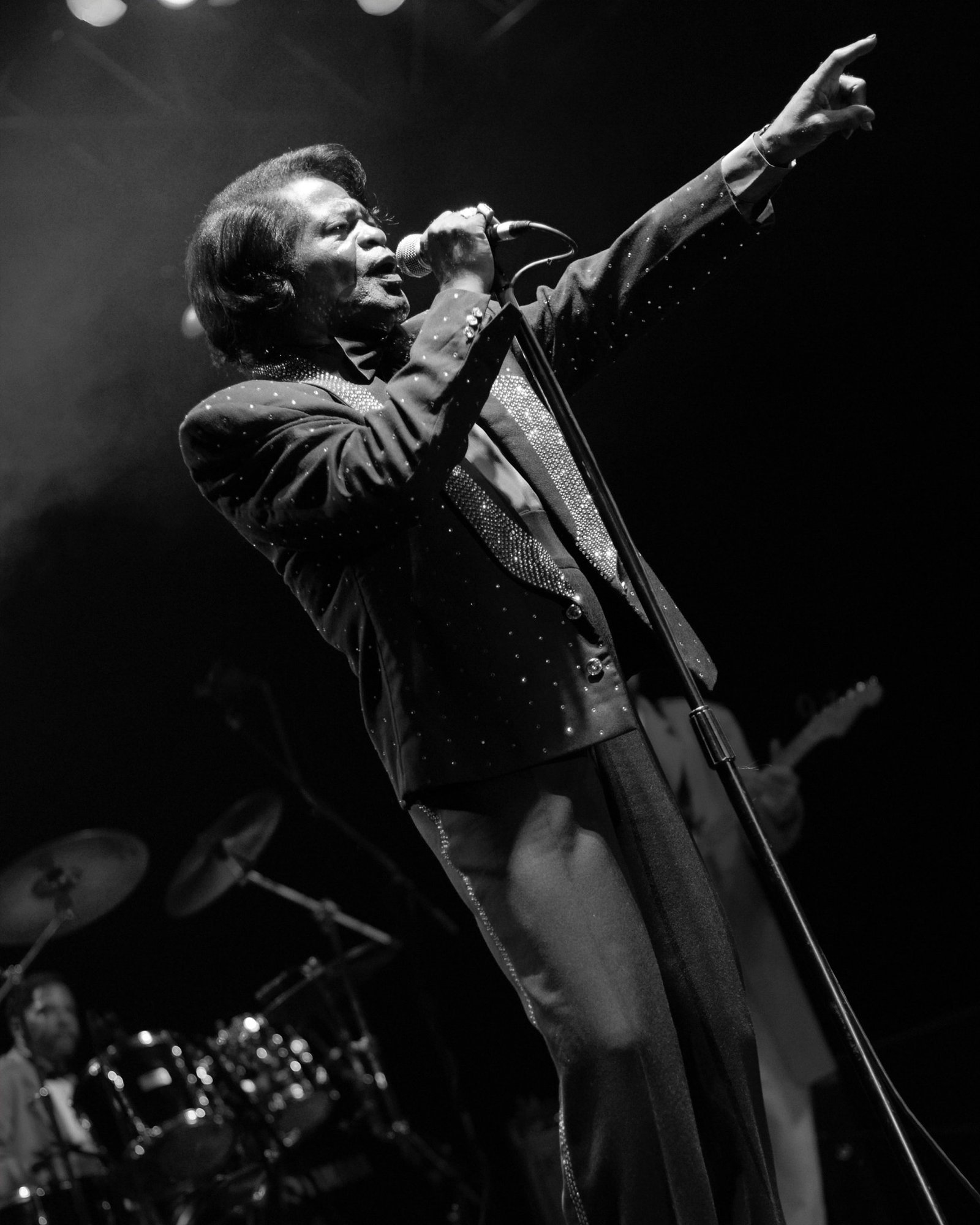
This one is genuinely unlike any other concert on this list. Most landmark performances changed music. This one may have helped prevent an actual riot. On April 4, 1968, Martin Luther King Jr. was assassinated in Memphis. In the aftermath, America burned. There were riots in Washington, D.C., Baltimore, Chicago, Kansas City, and other cities. In Boston, city leaders expected more violence to come. Amid this tension, James Brown, the most explosive African-American musician of the era, pulled off a miracle.
Brown and his band were booked to play Boston Garden on April 5th. The city considered canceling all public events that night, but the concert’s promoter convinced the mayor that calling off a show of that magnitude might lead to even more anger and violence. It was an extraordinary gamble. Keep the show going, broadcast it live on television, and hope that James Brown could hold things together through the sheer force of his music and personality.
The show was broadcast on a local television station in an attempt to keep people in their homes, while Brown himself got personally involved when fans and police clashed in front of the stage. The show was not only dynamite from a musical and performance perspective, but its cultural significance as a snapshot of American history cannot be overstated. It remains proof that a single performance can carry the weight of an entire grieving nation.
7. David Bowie’s Last Night as Ziggy Stardust, Hammersmith Odeon, 1973 – A Star Kills Himself on Stage
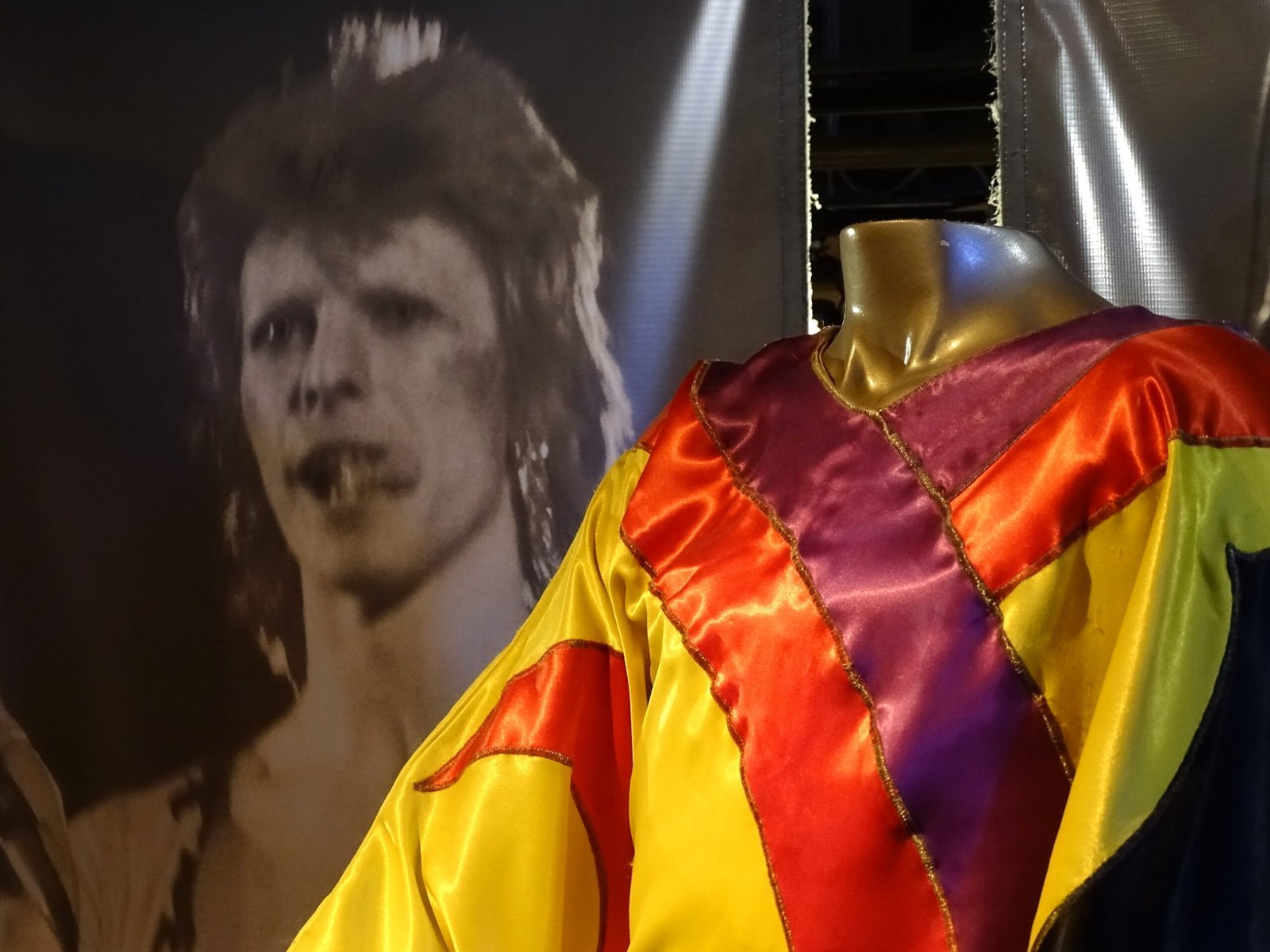
Rock history is full of personas, but very few artists have ever made the deliberate killing of their alter ego into a public, theatrical event. David Bowie’s performance at the Hammersmith Odeon in London on July 3, 1973, marked the end of his Ziggy Stardust persona. The show was one of the most important moments in his career, as it signified a dramatic shift in his musical style and public image. During the concert, Bowie famously declared that it would be the last show they would ever do, before retiring his Ziggy character.
This moment remains one of the most iconic in rock history, cementing Bowie’s ability to reinvent himself and influencing the future of theatrical rock performances. This concert showcased Bowie as a master of reinvention, a hallmark that would define his career. It is one thing to end a tour. It is another thing entirely to publicly announce the death of a character that millions of fans had deeply connected with and loved.
The fans in that audience had no real idea it was coming. That rawness, that shock, that sense of witnessing something irreversible – it is what separates a good concert from a legendary one. Bowie understood the theater of music better than almost anyone before or since, and that night in Hammersmith was arguably his greatest performance of all: the disappearing act.
8. Bob Marley at the Lyceum Theatre, London, 1975 – Reggae Goes Global
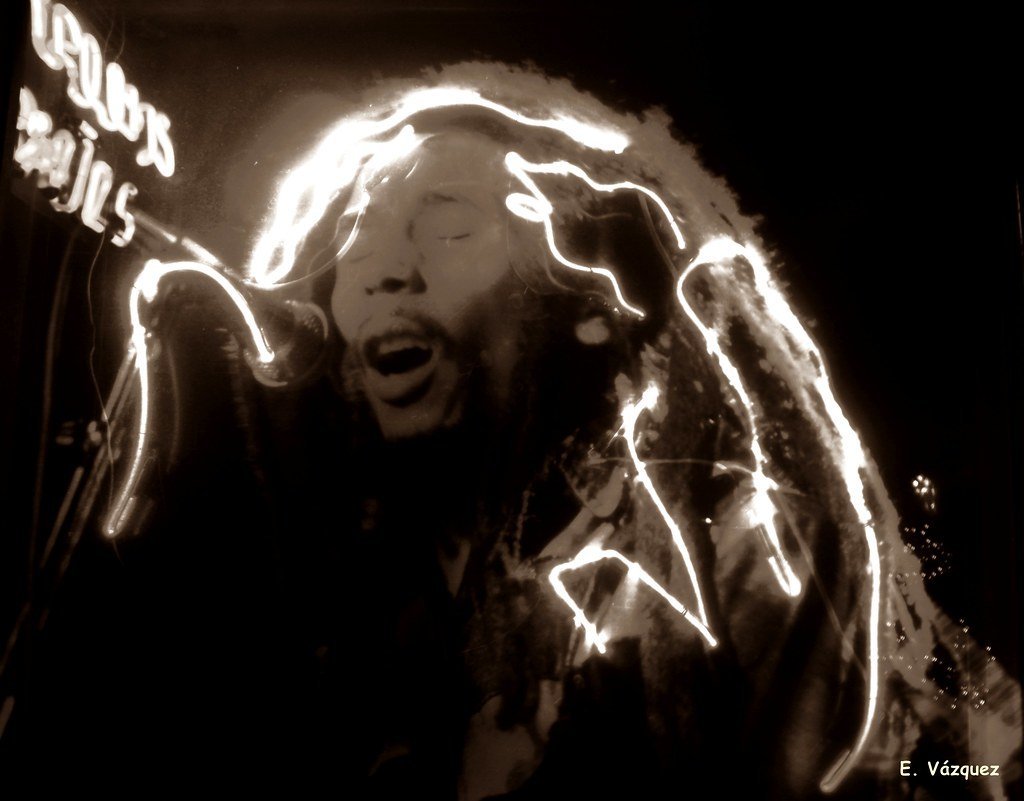
If you want a single moment that launched reggae music from a regional Caribbean sound to a worldwide phenomenon, this is it. Bob Marley’s two concerts at the Lyceum Theatre in London in July 1975 were more than just musically transcendent shows – they were the triumphant peak of Marley’s first proper tour as a solo artist and would elevate him from cult act to international icon – in part thanks to a live album from the shows that gave him his first international Top 40 hit.
The Lyceum was not a massive venue. It held just a few thousand people. Yet those two nights somehow reached millions, partly because the recordings captured a raw, unstoppable spiritual energy that transferred perfectly to record. Marley live was something completely different from Marley in the studio. There was a fire to his performance, a righteous urgency that felt ancient and urgent all at once.
The cultural impact of those London nights stretched far beyond music. Marley became a symbol of resistance, spirituality, and pan-African identity to people across every continent. He showed the world that music rooted in a specific cultural tradition could speak universal truths. Not bad for two nights at a theatre in the Strand.
9. Nirvana’s MTV Unplugged in New York, 1993 – Vulnerability as Power
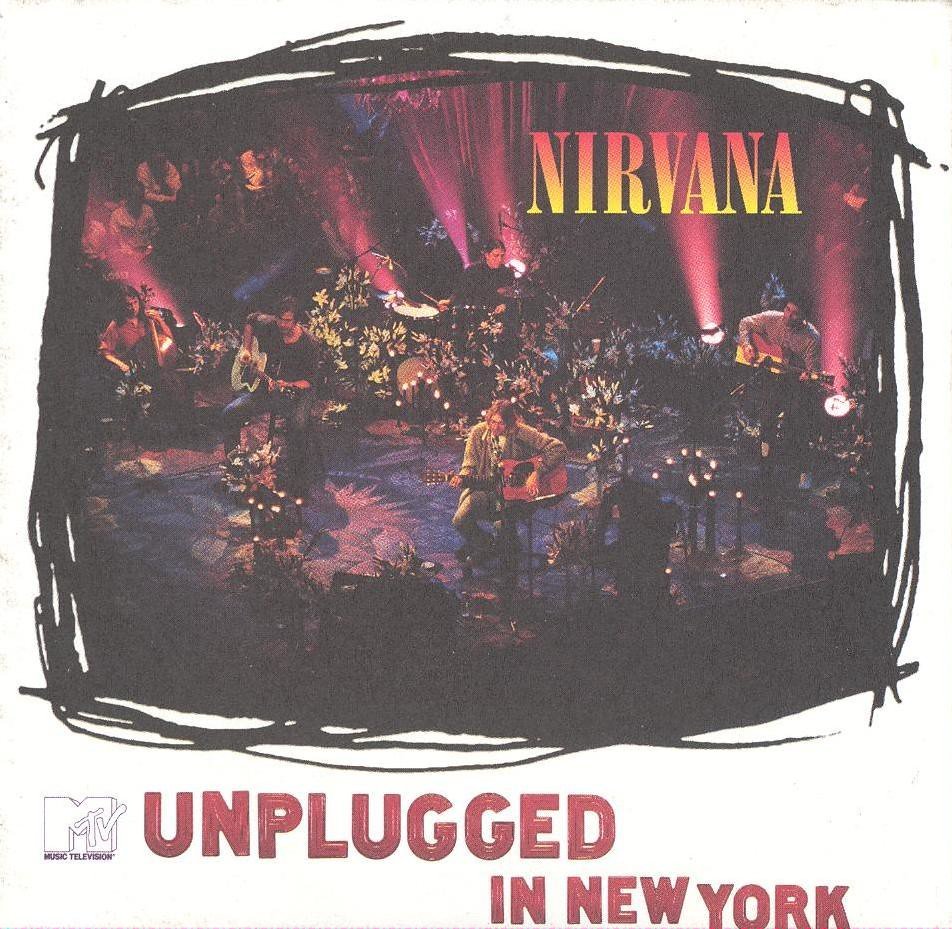
Let’s be real: when Nirvana agreed to do an acoustic set for MTV, plenty of people expected something polished and crowd-pleasing. What they got was something far stranger and far more moving. Nirvana’s MTV Unplugged session is legendary for its raw emotion and stripped-down sound. The intimate setting allowed the band’s music to shine in a new light, highlighting Kurt Cobain’s songwriting prowess. This concert broke the boundaries of what a rock performance could be, showing the power of vulnerability and authenticity.
Nirvana’s choice to play lesser-known tracks and cover songs instead of their biggest hits was a bold move that paid off. The stage was decorated with candles and lilies, almost like a wake. In hindsight, given what happened to Cobain just months later, that imagery is haunting. The whole performance feels like someone saying a very careful, very quiet goodbye.
For a generation of young people who had grown up in the noise and aggression of grunge, watching Cobain sit quietly with an acoustic guitar and sing into near-silence was genuinely revelatory. It proved that grunge was not really about volume at all. It was always about feeling. That realization changed how an entire generation thought about rock music’s emotional range.
10. Beyoncé at Coachella, 2018 – “Beychella” and the Redefinition of What a Headliner Can Be
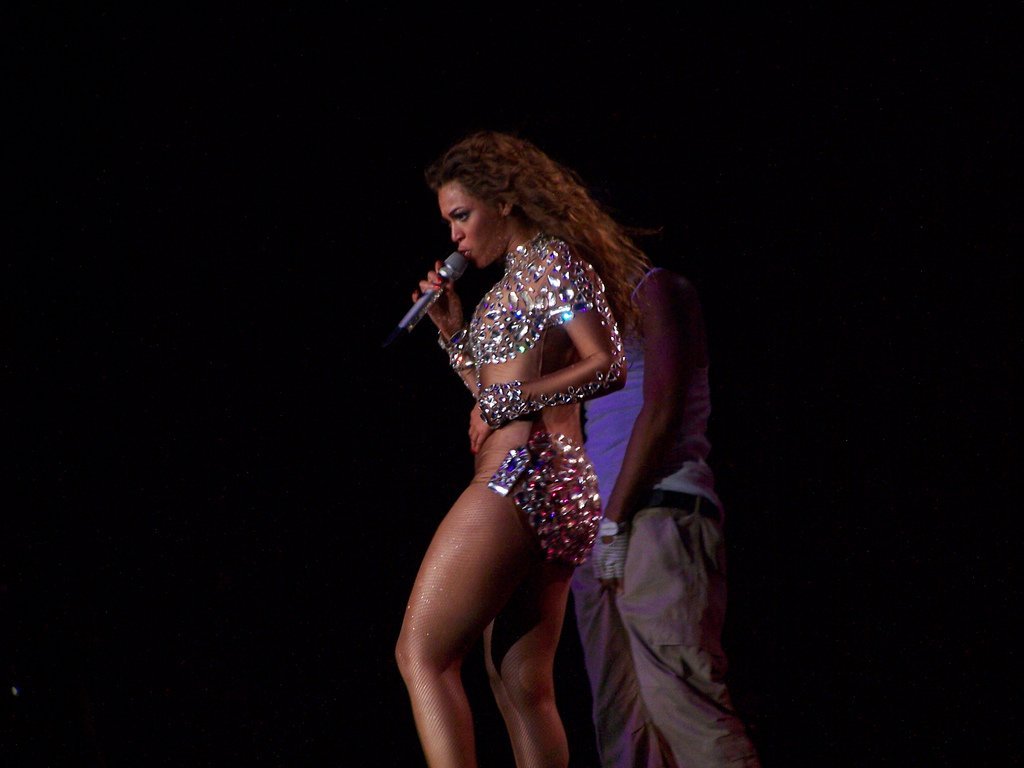
Some concerts earn a nickname. That almost never happens. “Beychella” happened. Beyoncé’s performance at Coachella, often dubbed “Beychella,” was a historic moment in music history. As the first Black woman to headline the festival, Beyoncé delivered a performance that celebrated Black culture and empowerment. Her meticulously crafted set featured a marching band, dance routines, and guest appearances from Destiny’s Child.
The sheer scale of ambition was staggering. This was not a concert – it was a two-hour theatrical statement about identity, history, and excellence. Beyoncé incorporated HBCU marching band traditions, deep cuts from Black musical culture, and a level of choreographic and production detail that frankly embarrassed most theatrical productions, let alone other festival headliners.
The cultural conversation around “Beychella” lasted months and continues to influence how artists approach festival performances today. It fundamentally shifted the question of what a headline slot is supposed to achieve. Before 2018, headlining Coachella meant performing songs your audience knew. After Beyoncé, it meant making a cultural statement that outlives the weekend. That’s a genuinely different expectation – and she set it in a single night.
The Enduring Power of the Live Music Experience
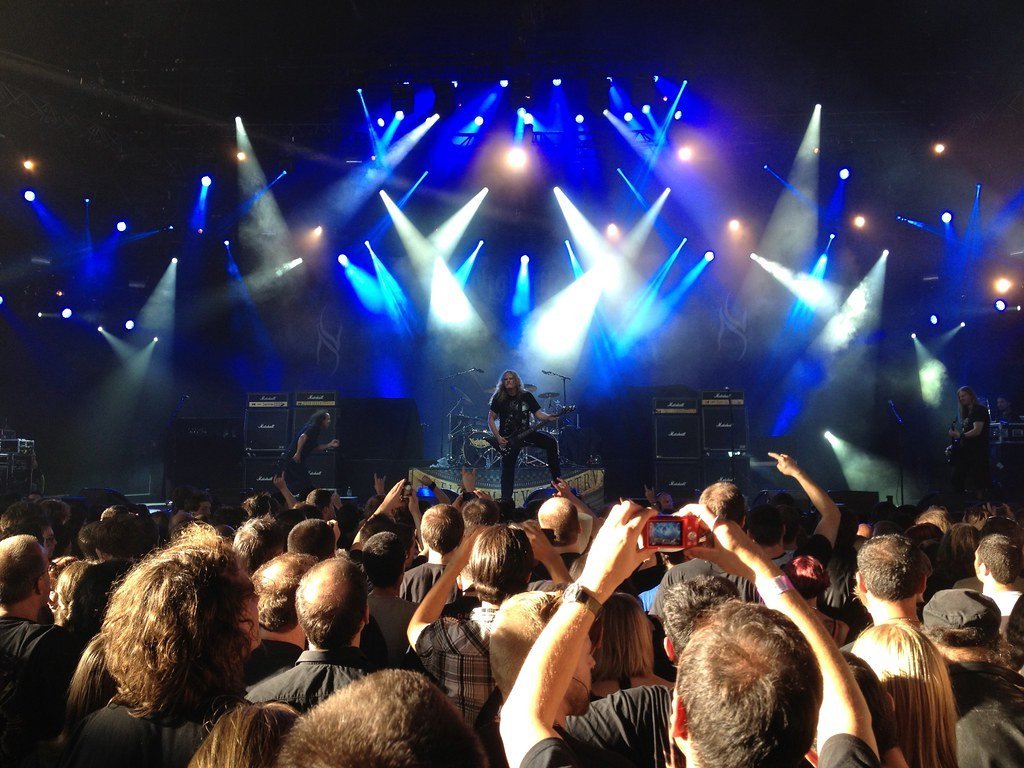
Reading about these concerts is one thing. Being there was something else entirely. From the countercultural revolution of Woodstock in 1969 to the global philanthropy of Live Aid in 1985, our collective history is filled with moments of musical prowess from the top artists to ever live. These iconic moments capture the essence of the artists, the energy of the crowd, and the unique magic that can only be found in a live setting.
Every generation gets its version of these moments – a night that rewires what they believe music can do. The concerts on this list did not just give audiences a memorable evening. They handed musicians new permission slips: to be louder, more theatrical, more vulnerable, more political, more unapologetically themselves. That ripple effect never stops.
Live music at its best is a collective agreement to feel something together. In a world that increasingly mediates experience through screens and algorithms, there is still nothing that comes close to being in a room – or a field, or a stadium – when something historic happens. The question isn’t whether the next legendary concert is coming. It’s whether you’ll be in the room when it does. What legendary show do you wish you had been there for?

Christian Wiedeck, all the way from Germany, loves music festivals, especially in the USA. His articles bring the excitement of these events to readers worldwide.
For any feedback please reach out to info@festivalinside.com
