

For any feedback please reach out to info@festivalinside.com
- 20 Song Intros That Hook You Instantly - September 19, 2026
- 15 Historical Myths That Turned Out to Be False - September 19, 2026
- 10 Inventions That Changed the World in Unexpected Ways - September 19, 2026
There’s something about loss that makes art feel immortal. When a musician dies young, we don’t just grieve the person. We grieve everything they never got to create. The albums that were never recorded, the concerts that were never performed, the evolution of a sound that the world will simply never hear. It’s a strange, aching kind of grief that rock fans know all too well.
Jim Morrison’s poetic provocations, Janis Joplin’s raw power, Jimi Hendrix’s guitar sorcery – these are not just artists, but icons of intensity. Their music endures, still sounding electric and alive, but their stories end in silence – often sudden, sometimes mysterious, always tragic. Honestly, the list of rock legends taken too soon is longer than it should ever be.
So let’s dive into the stories of eight artists whose candles burned so bright, so fast, that the world is still squinting from the light they left behind.
Jimi Hendrix – The Guitar God Who Rewrote the Rules
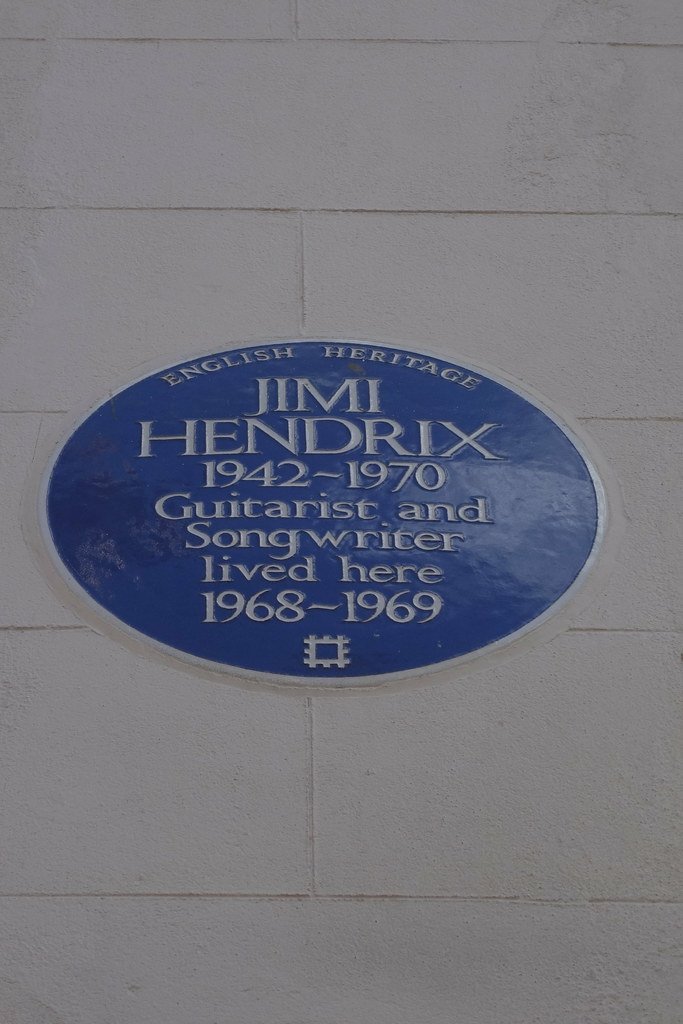
Let’s be real: Jimi Hendrix wasn’t just a great guitarist. He was something else entirely. Widely recognized as one of the most creative and influential musicians of the 20th century, Hendrix pioneered the explosive possibilities of the electric guitar, and his innovative style of combining fuzz, feedback, and controlled distortion created a new musical form. Think about what that means. He didn’t just play the guitar better. He invented a new language with it.
Considering the enormousness of his legacy and his continuing influence, it is hard to believe that Hendrix officially released only three studio albums – his cataclysmic debut “Are You Experienced,” the more lyrical “Axis: Bold As Love,” and the epic double album “Electric Ladyland,” all in just over a year and a half. Three albums. That’s it. The impact of a lifetime, compressed into three records.
He was inducted into the Rock and Roll Hall of Fame in 1992 as a part of his band, the Jimi Hendrix Experience; the institution describes him as “arguably the greatest instrumentalist in the history of rock music.” Any musician who relies on overdriven amplifiers, fuzz distortion, or stereophonic phasing effects owes Hendrix a debt of gratitude, as he was the pioneering guitarist who brought these techniques into the mainstream.
Hendrix left one of the greatest legacies in rock and roll history, and yet he was only 27 when he died in September 1970. In just four years, he redefined the electric guitar, expanding its sonic boundaries with unparalleled creativity, tone, and expression. His fusion of rock, blues, jazz, and psychedelia pointed to endless possibilities. A universe of music, gone in a flash.
Janis Joplin – Raw Power in Human Form
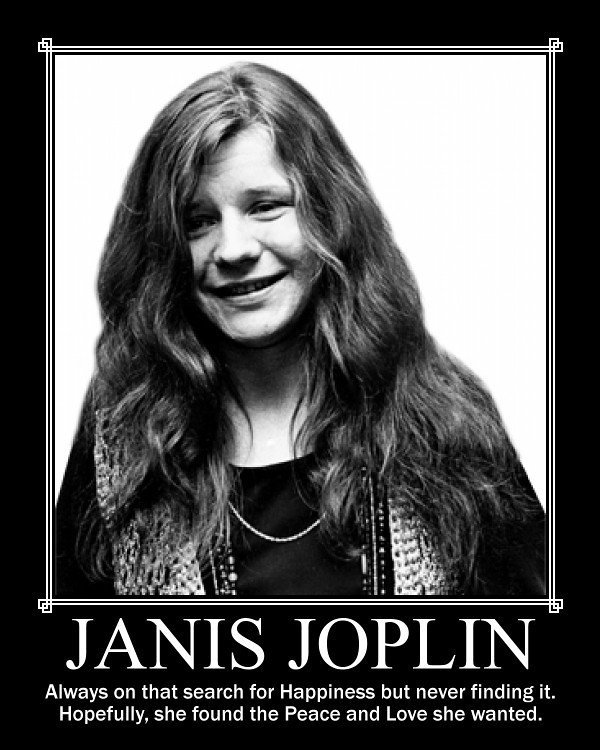
Joplin found major success as a solo artist with iconic tracks including “Piece of My Heart.” Often hailed as the Queen of psychedelic soul, she earned her place in rock and roll history with her unrestrained, raw vocal style that expressed pain and heartache in a devastatingly bluesy and empowering style. There’s simply no voice in rock history quite like hers.
Her time with Big Brother and the Holding Company brought her to national attention after a masterful appearance at the Monterey Pop Festival. By the age of 27, she had already provided her timeless renditions of songs like “Piece of My Heart” and other big hits. It was at that same age that she would succumb to a drug overdose. She was only getting started in her life and career, having garnered the reception of most artists twice her age.
Janis Joplin was one of the first females to lead the way into what became a rock revolution and evolution. That’s not a small thing. She didn’t just rock hard. She opened a door that countless women in rock have walked through since. Millions of record sales secured her status as a perennial rock favorite that will never fade away. She remains a standard against which raw vocal courage is still measured.
Jim Morrison – The Poet Who Set the Stage on Fire
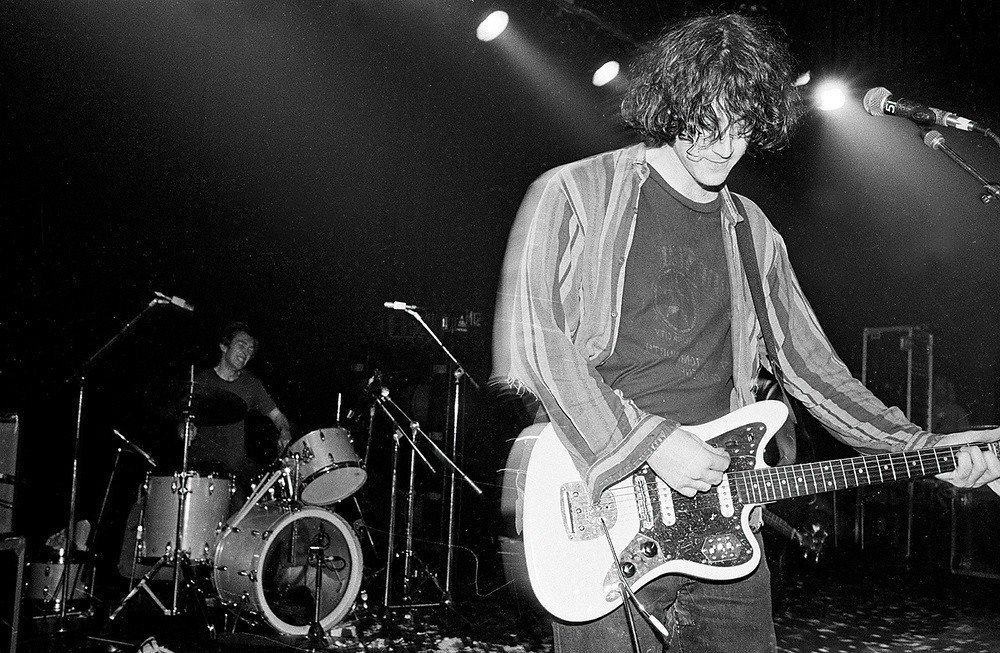
Jim Morrison wasn’t like other rock stars. He was a literature student who stumbled into becoming one of the most magnetic performers in history. As the lead singer and lyricist for The Doors, he was known for his distinctive voice, poetic lyrics, and charismatic stage presence, making him a symbol of the counterculture movement of the late 1960s. His powerful vocals, which ranged from guttural growls to tender croons, imbued songs like “Light My Fire,” “Break On Through,” and “Riders on the Storm” with an enigmatic quality that still captivates listeners today.
Morrison was the lead singer of the rock band The Doors. He died as a result of heart failure, believed to be induced by alcohol and heroin. He was 27. His lasting influence on modern rock music is undeniable, and The Doors were inducted into the Rock and Roll Hall of Fame in 1993. Morrison’s image, his leather pants, his unpredictable stage behavior, his verses, essentially created what many still think of when they picture a rock icon.
I think what makes Morrison so compelling, even now, is that he never seemed fully tamed by fame. He was restless, explosive, impossible to pin down. Years and years after his passing, the legend of Jim Morrison and the Doors thrives. Not many artists can claim that kind of immortality.
Freddie Mercury – A Voice the World Will Never Hear Again
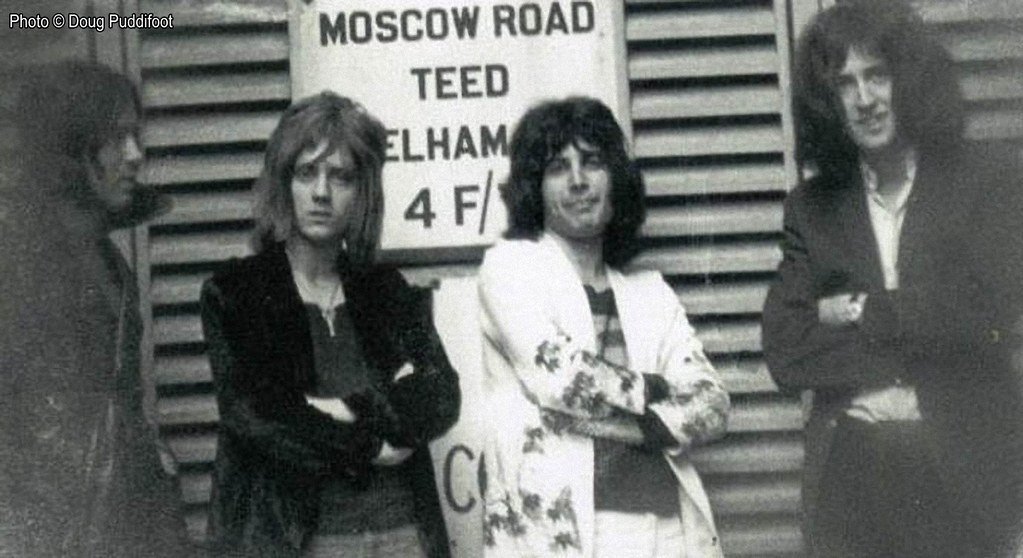
If you ranked every rock vocalist who ever lived, Freddie Mercury would appear in the conversation for first place on virtually every serious list. Queen legend Freddie Mercury has been voted the Greatest Rock Singer of All Time by Planet Rock listeners. It’s hard to argue. His voice was genuinely a supernatural instrument.
The band created timeless anthems like “Bohemian Rhapsody” and “We Will Rock You,” while Mercury’s operatic vocals redefined what rock music could be. With seemingly little effort, the Queen frontman could shift from crooning like a balladeer to snarling from his gut at a moment’s notice. He was also important for bringing a sense of drama to hard rock, encouraging his bandmates to sing operatically on “Bohemian Rhapsody” and generally shoot for writing the most bombastic and grandiose songs they could.
He died at 45 from AIDS-related complications, with his public announcement of his diagnosis coming just one day before his death, helping raise global awareness about the disease. Even in death, Mercury managed to make history. Did we ever have a better showman than Freddie Mercury? Aside from fronting Queen with his four-octave vocal range, Mercury was also an accomplished songwriter. There are performers, and then there was Freddie Mercury. He lived in a category entirely his own.
Kurt Cobain – The Reluctant Voice of a Generation
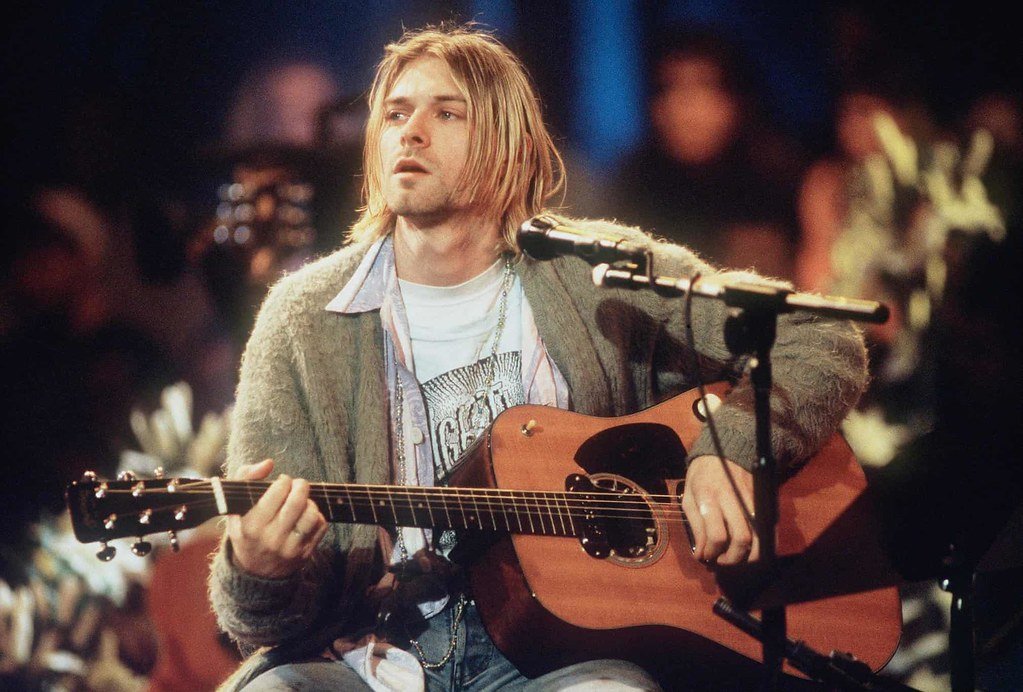
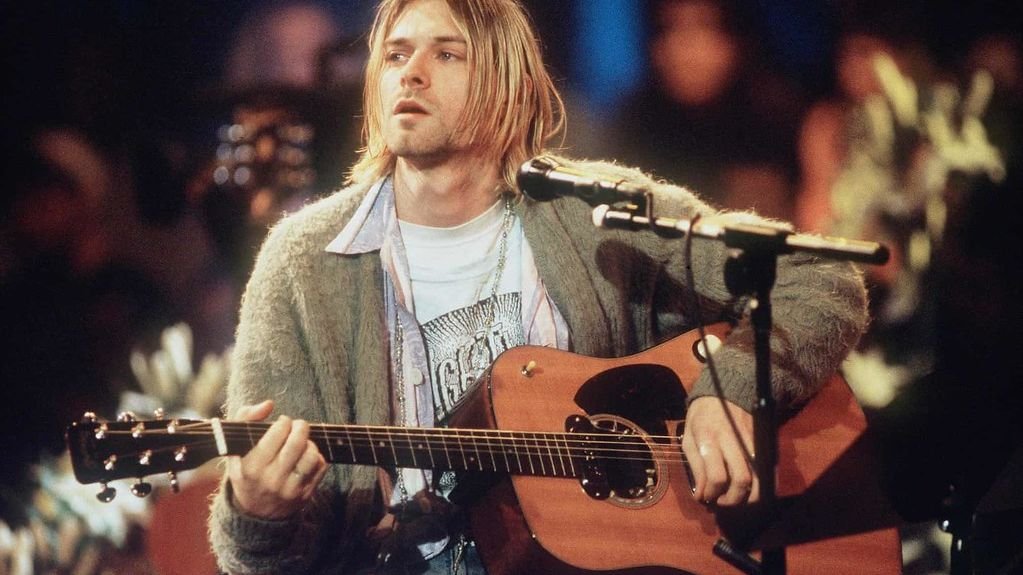
Kurt Cobain never wanted to be a spokesperson. He was uncomfortable with the idea. Yet that’s exactly what he became, whether he liked it or not. Kurt Donald Cobain emerged from the rainy Pacific Northwest to become the reluctant voice of a generation. Born in Aberdeen, Washington, his journey from a troubled childhood to musical icon changed the landscape of rock music forever. As the frontman of Nirvana, Kurt blended raw emotion with melody in a way that brought underground sounds to the mainstream while maintaining artistic integrity.
The band’s breakthrough album “Nevermind” (1991) knocked Michael Jackson off the top of the charts and brought underground music into the mainstream. That one sentence says everything. Nobody expected it. Nobody predicted it. The success of “Nevermind” provided numerous Seattle bands, such as Alice in Chains, Pearl Jam, and Soundgarden, access to wider audiences. As a result, alternative rock became a dominant genre on radio and music television in the U.S. during the first half of the 1990s.
Cobain’s influence remains strong, not just because of his music but because of the way he challenged norms. He rejected commercial expectations, defied traditional rock star attitudes, and made a point of speaking out against sexism, racism, and homophobia. His authenticity made him stand out, and even decades later, new generations continue to discover and connect with his work.
His tragic death at the age of 27 cemented his legacy as a rock icon, but it also left behind many unanswered questions about what he could have achieved if he had continued his career. On January 30, 2025, during the FireAid benefit concert in Los Angeles, Dave Grohl, Krist Novoselic, and Pat Smear performed together for the first time in five years, joined by guest vocalists including St. Vincent, Kim Gordon, Joan Jett, and Grohl’s daughter, Violet, delivering powerful renditions of Nirvana classics. The music still brings people together. Still matters. Still hurts.
Ian Curtis – Joy Division’s Haunted Heart
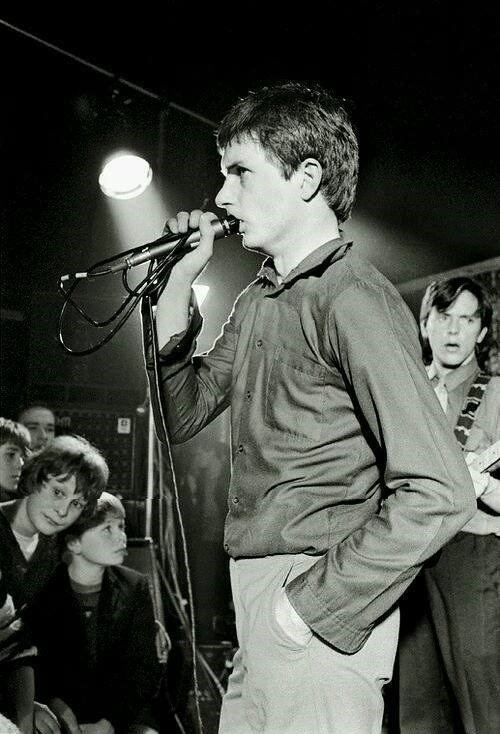
Ian Curtis is perhaps the least mainstream name on this list, but his influence on rock and alternative music is genuinely colossal. Think of a timeline without him, and you’re looking at a very different musical landscape. Heading up the post-punk group Joy Division, Curtis supplied his deep voice and haunting lyrics to the band’s music. Releasing only one studio album during his lifetime, Curtis and his bandmates engineered classic recordings over a short period. Their album “Unknown Pleasures” became an iconic and important release for all genres of rock.
Behind the scenes, Curtis struggled with epilepsy, and the seizures worsened as the band’s career progressed. At the same time, growing fame coincided with mounting personal and mental health struggles. In May 1980, just hours before Joy Division was scheduled to depart for its first North American tour, Curtis died by suicide. Two months later, the band’s second album “Closer” was released, solidifying his artistic legacy.
The remaining members went on to form New Order, while the 2007 biographical film “Control” introduced Curtis’ story and music to a new generation. The thoughtful and introspective singer left an outsized impact on music before his death at just 23. His presence helped define the sound and legacy of Joy Division, and his work has inspired generations of artists, including Smashing Pumpkins, U2, Arcade Fire, and Nine Inch Nails. He was barely in his twenties. It’s staggering.
Buddy Holly – The Blueprint for Rock and Roll
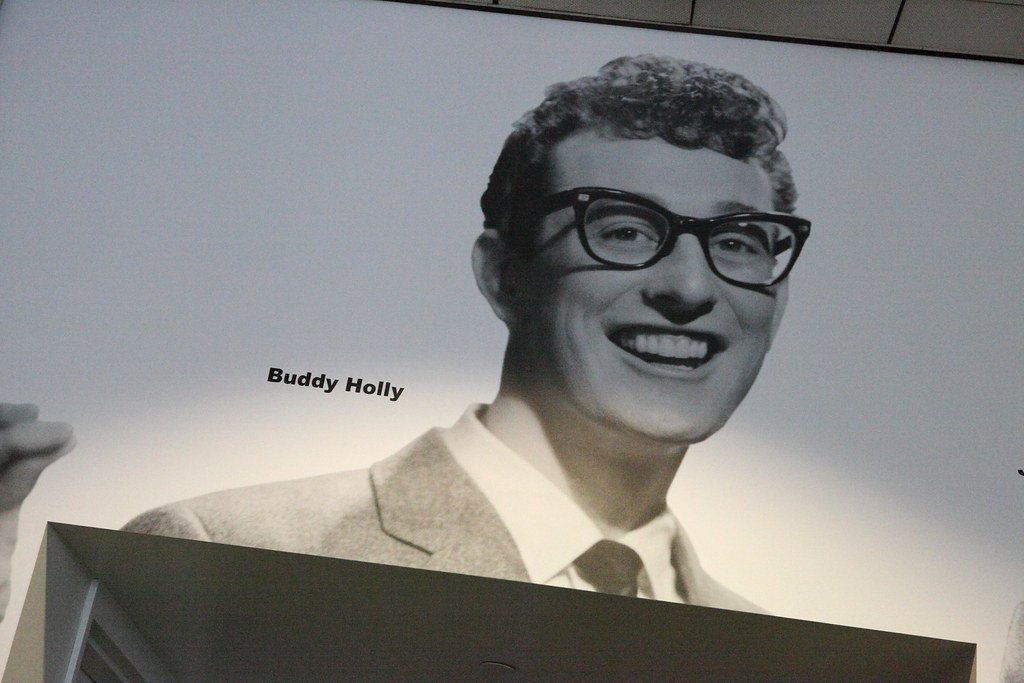
It’s hard to overstate how much rock music owes Buddy Holly. He didn’t just perform the music. He essentially drew up the architectural plans for what a rock band would look like, how it would sound, how it would feel. This Texas-born rock and roll pioneer helped establish the standard rock band format of two guitars, bass, and drums while writing incredibly catchy songs that influenced everyone from the Beatles to Bob Dylan. Hits like “That’ll Be the Day” and “Peggy Sue” showcased his innovative songwriting and distinctive hiccupping vocal style.
His distinctive vocal style and hits like “Not Fade Away” and “It’s So Easy” made him emblematic of the entire decade and a significant influence on the next wave of rock and roll stars, including John Lennon and Paul McCartney, who bonded over their love of Holly while beginning to explore their musical ambitions. The Beatles. Bob Dylan. This is the ripple effect of one 22-year-old from Lubbock, Texas.
He died at just 22 in the infamous plane crash that Don McLean immortalized as “The Day the Music Died,” cutting short one of rock’s most promising careers. The crash was later dubbed “The Day the Music Died” by Don McLean in his signature hit “American Pie.” That phrase still resonates today, nearly seven decades later. The world felt the loss immediately, even if it would take years to fully understand just how much had vanished in that Iowa field.
Chris Cornell – The Voice That Moved Mountains

Chris Cornell’s voice was something you heard once and never forgot. It was enormous, technically precise, and deeply emotional all at the same time. Cornell had beautiful tone, tremendous range – and who else could pull off singing raging grunge for Soundgarden, and years later, voice the theme song for a James Bond movie? That flexibility alone sets him apart from almost any other rock vocalist.
Other big names inside the Top 10 of greatest rock singers include Soundgarden and Audioslave legend Chris Cornell, a ranking that speaks to the enormous respect he commanded from both critics and fellow musicians alike. He fronted Soundgarden through some of the most powerful grunge anthems ever written, then led Audioslave into a different sonic territory entirely, then delivered stunning solo work. Three distinct chapters. All exceptional.
Another performer gone way too soon, the great Chris Cornell. He passed away in May 2017 at 52, a loss that sent shockwaves through the rock community. It’s hard to say for sure, but many fans and musicians feel his death marked an unofficial ending of a particular era of rock, one defined by intense, powerful, emotionally unguarded music that asked everything of the performer on stage. He gave everything. Every single time.
The Echo That Never Fades

Every artist on this list left while the story was still being written. That’s what makes these losses so uniquely painful. There’s a peculiar poignancy in watching someone’s genius unfold, knowing it was only ever a glimpse. These are not just cautionary tales: they are reminders of art’s fragility, and how often brilliance coexists with pain.
What’s remarkable, though, is how stubbornly their music refuses to age. Hendrix still sounds futuristic. Cobain still sounds urgent. Freddie Mercury still sounds like nobody else. Holly still sounds joyful. There’s something almost defiant about it, like the music itself is pushing back against being forgotten.
Music history is filled with the work of brilliant artists who left us far too early, their potential cut short by tragedy. These musicians created sounds that defined generations, broke barriers, changed lives, and touched millions – yet their journeys ended before they could live a full life. Their legacies are proof that time, in music, doesn’t always move in one direction. The right song can pull you back to a moment, a feeling, a world that still feels entirely alive.
So here’s a thought worth sitting with: which of these artists do you think had the most unfinished musical potential? The answer might surprise you more than you expect.

Christian Wiedeck, all the way from Germany, loves music festivals, especially in the USA. His articles bring the excitement of these events to readers worldwide.
For any feedback please reach out to info@festivalinside.com
