

For any feedback please reach out to info@festivalinside.com
- 20 Song Intros That Hook You Instantly - September 19, 2026
- 15 Historical Myths That Turned Out to Be False - September 19, 2026
- 10 Inventions That Changed the World in Unexpected Ways - September 19, 2026
There’s something deeply magnetic about a place that refuses to keep up with the modern world. While cities race to build taller, louder, and shinier, a scattered handful of destinations across the globe still hum with a quieter rhythm, one that feels pulled straight out of another century. Cobblestone streets worn smooth by centuries of footsteps, villages where the architecture hasn’t changed in four hundred years, wild coastlines untouched by the machinery of mass tourism.
Traveling beyond the usual bucket-list stops opens the door to places where beauty and history feel untouched, and where the pace slows just enough to let every detail sink in. These hidden gems show that wonder isn’t limited to famous landmarks – it is scattered in quiet forests, tucked along rugged coastlines, and etched into desert cliffs. Honestly, some of the most emotionally powerful travel experiences I’ve ever heard about didn’t happen in Paris or New York. They happened in places most people can’t even find on a first attempt at a map. Let’s dive in.
Takayama, Japan: The Edo Town That Refused to Change
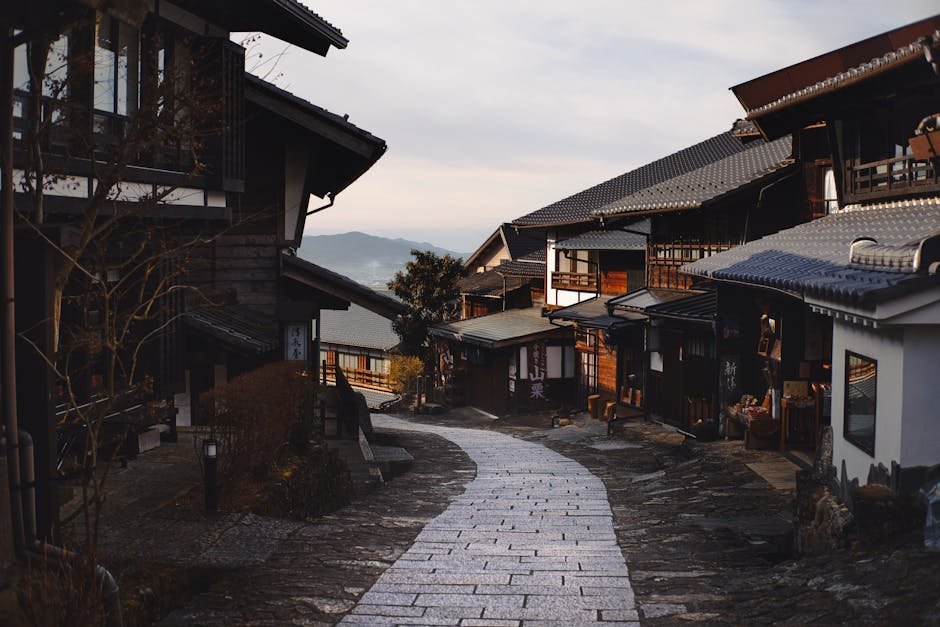
Deep in the mountains of Gifu Prefecture, something extraordinary sits waiting. Tucked away in the northern mountains of Gifu Prefecture, Takayama is a small city with big character. With more than 400 years of history, it remains one of the best places to step back into the Edo period. That’s not marketing speak. That’s genuinely what it feels like when you walk through Sanmachi Suji, the city’s historic core.
Located in the heart of the old town, Sanmachi Suji refers to a network of three streets regarded by many as one of the most beautifully preserved Edo Period districts in Japan. It is noted for its well-preserved cypress and cedar houses, many of which have been converted to shops, restaurants, teahouses, and sake breweries. Some date back to the early 17th century when Takayama thrived as a town of wealthy merchants.
The Sanmachi district, the heart of old Takayama, preserves hundreds of buildings from the Edo and Meiji periods. These wooden merchant houses, sake breweries, and shops maintain their original latticed facades and overhanging roofs. The area was designated a National Preservation District for Groups of Traditional Buildings in 1979, ensuring protection from modern development. Think about that for a moment. The entire neighborhood has legal armor around it, which is probably the only reason it still looks the way it does.
The only surviving Edo-period government office in Japan, Takayama Jinya has more than 30 rooms, a rice storehouse, and an old courtroom. English signs and free volunteer guides help visitors appreciate the history. Pair all that with the local Hida beef, morning markets that have operated since the feudal era, and the backdrop of the Japanese Alps, and you have a destination that genuinely defies the modern world.
The Faroe Islands: Where the Weather Itself Feels Ancient
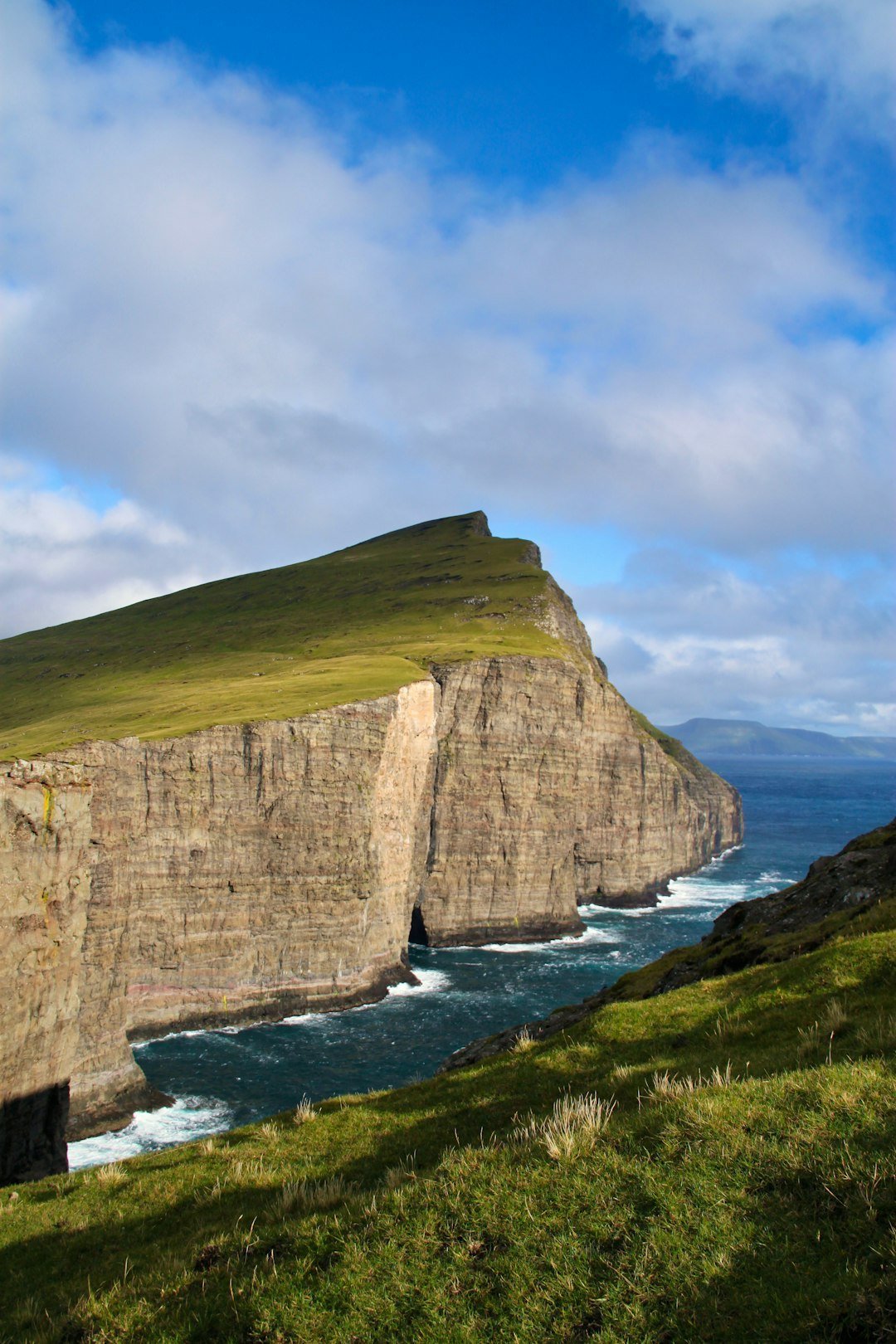
I think the Faroe Islands might be the most underestimated place on the planet. Most people couldn’t point to them on a map. The wild and dramatic Faroe Islands are a cluster of isles in the North Atlantic Ocean. The far-flung archipelago is tucked firmly between Scotland, Iceland, and Norway. Travellers say they are forever in awe of the giant mountains and soaring cliffs rising up from the pristine sea.
Soaring fjords, narrow sounds and remote lighthouses bullied by the weather invite travellers to discover little-known parts of this volcanic archipelago. The scenery here isn’t gentle or polished. It’s raw in a way that feels almost confrontational. This is a powerful and savage landscape. The wild weather, with frequent 80mph wind gusts, horizontal rain, snow, and pounding hail, just seems to add to this bewitching land.
Via exploration of the Faroes, visitors can discover rugged mountains, cascading waterfalls and traditional grass-roofed houses that look more like medieval fantasy than anything the modern era has produced. Lying on the western edge of Vágar Island, Gásadalur is one of the most remote villages in the Faroe Islands, home to no more than 30 people. Thirty people. A whole village frozen in time, perched above a waterfall that drops directly into the sea.
The town of Tjornuvik is not known for its sublime location, but it is famed for being one of the first settlements of the Vikings. Mention this town to locals and you’ll usually get a nod, as it has such a storied history. The Faroes are proof that remoteness and history can combine into something that genuinely takes your breath away. Pack layers. The weather will not wait for you to be ready.
Gjirokastër, Albania: The Stone City That Survived Everything
Here’s the thing about Albania – it’s been one of Europe’s best-kept secrets for decades, partly because it was so completely sealed off from the world for so long. One of the fascinating aspects of Albania is its history. For a long time, it was known as the ‘North Korea of Europe,’ as it was completely isolated from the world during its decades under a communist dictatorship. It led to Albania developing on a different track to neighboring countries like Greece or Italy, while already having a totally distinct culture with a unique language.
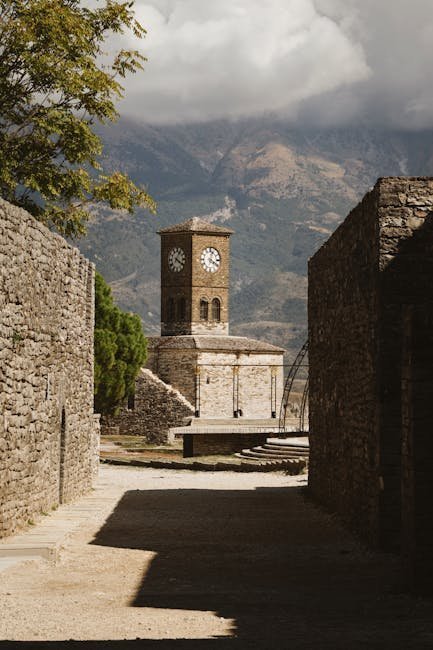
And yet, nestled in Albania’s southern highlands, Gjirokastër stands as one of the most extraordinary preserved cities in all of Europe. A UNESCO World Heritage site, Gjirokastër is a beautifully preserved Ottoman-era city. Nicknamed the “Stone City,” it’s filled with traditional stone houses, cobblestone streets, and vibrant bazaars. The Gjirokastër Castle offers panoramic views of the surrounding mountains and valleys.
Albania offers stunning Riviera beaches, charming UNESCO-listed towns, breathtaking Albanian Alps hikes, a vibrant capital city, and ancient ruins, making it a diverse and underrated Mediterranean gem. Still, Gjirokastër feels like the emotional core of the country. The castle alone, perched on a ridge above a sea of grey stone rooftops, is worth crossing half the continent to see.
Fez, Morocco: The World’s Largest Car-Free City
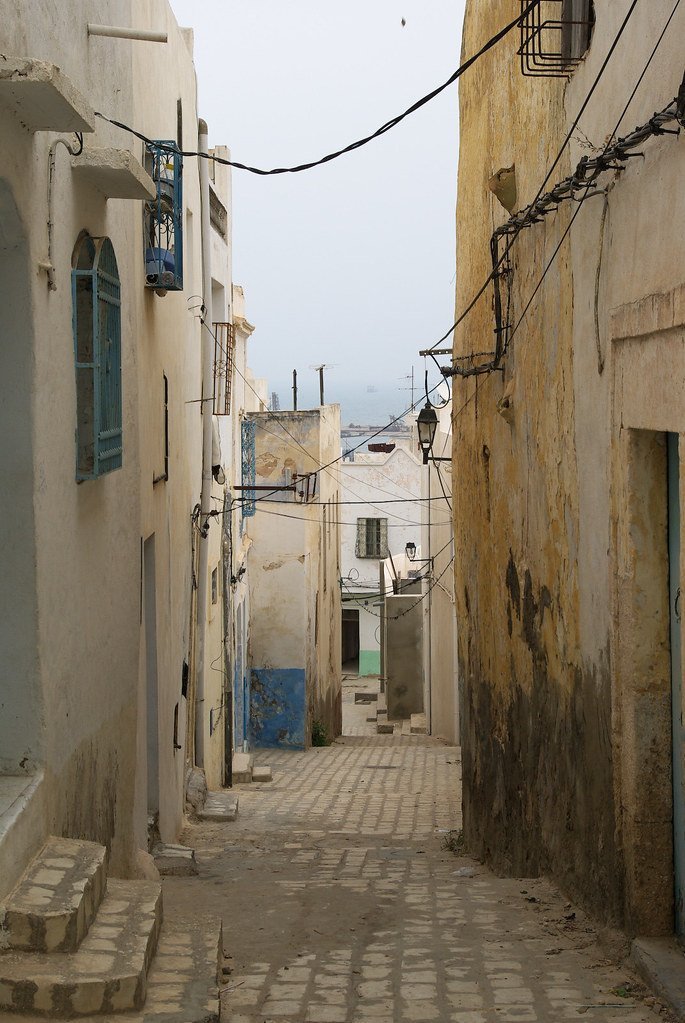
Imagine a city so ancient and labyrinthine that even its residents sometimes get lost. Welcome to the medina of Fez. Fez’s medina is often considered the world’s most well-preserved medieval city and has been a UNESCO World Heritage Site since 1981. Today, the medina is home to 70,000 people and is the largest car-free urban zone in the world. Nearly anything can be bought in the maze of alleyways, especially leather goods.
The medina is not a museum. It is a living, breathing, impossibly dense city that has been functioning essentially the same way for over a thousand years. The tanneries of Fez are famous the world over, and overwhelm the senses with the kaleidoscopic dyes, the sound of hundreds of men beating the leathers to soften them, and the smell of lye. Despite the whirlwind of activity in the medina, there are still pockets of serenity sprinkled throughout, including the many tiled mosaic fountains and quiet medersas, or seminaries.
Think of it like stepping into a medieval European city, except it never stopped being medieval. There are no cars because the streets don’t have space for them, which is the most gloriously accidental form of preservation imaginable. You navigate by sound and instinct. And that is precisely the point.
Albarracín, Spain: A Medieval Town Suspended in Amber
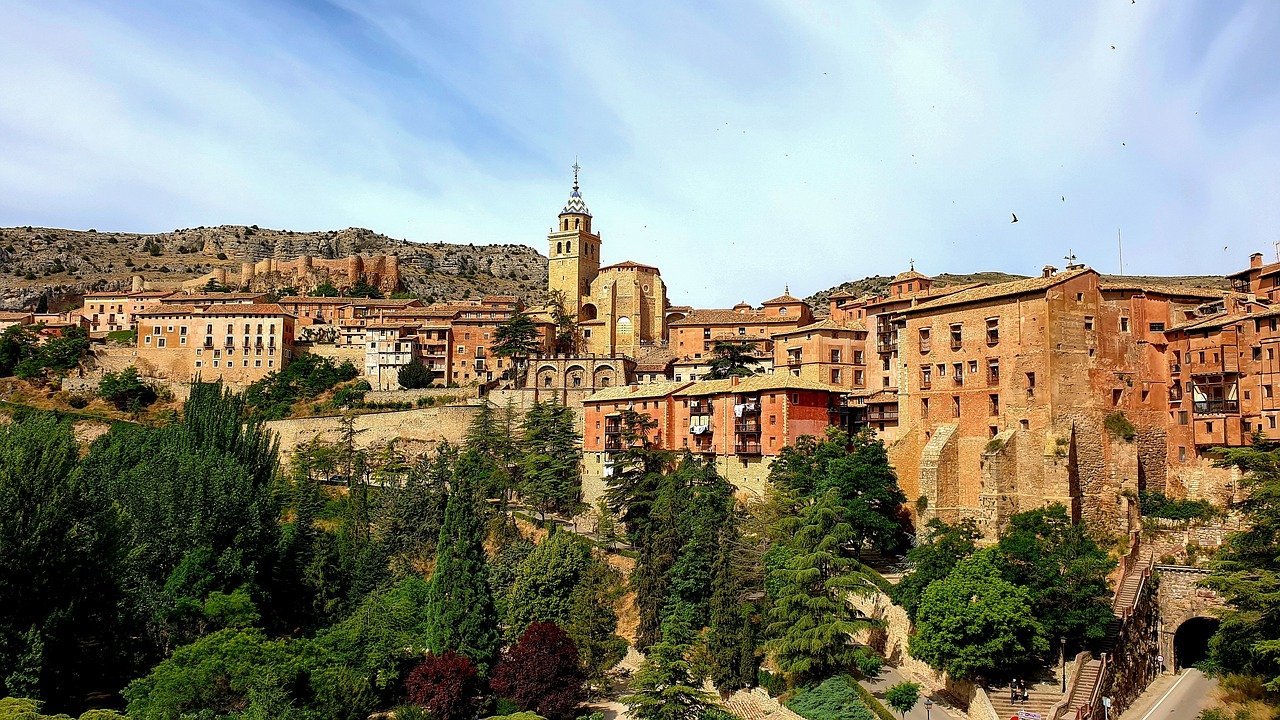
Most travelers speeding through Spain gravitate toward Barcelona or the Alhambra of Granada. Fewer have heard of Albarracín, which is an honest shame, because this tiny town in the Aragon region of central Spain is nothing short of magical. Albarracín, a medieval town perched on a rocky hill in Spain’s Aragon region, feels like a journey through time. Its ancient walls, winding cobblestone streets, and terracotta-hued buildings create a striking backdrop. Visitors can stroll through narrow lanes and explore historical landmarks like the Albarracín Castle and Cathedral.
The town almost glows orange and amber at sunset. The buildings are painted in tones that match the surrounding cliffs so naturally it looks as though they simply grew there, which, in a sense, they did over hundreds of years of slow accumulation. The whole place feels like a prop from a Renaissance painting, except it’s entirely real.
What makes Albarracín so special isn’t just the architecture. It’s the scale. With a population of barely more than one thousand people, it’s small enough that you can walk every corner of it in an afternoon and still feel like you’ve touched something genuinely ancient. It’s the kind of place where you half expect a knight on horseback to come clattering around a corner.
Hampi, India: A Kingdom of Boulders and Ruins
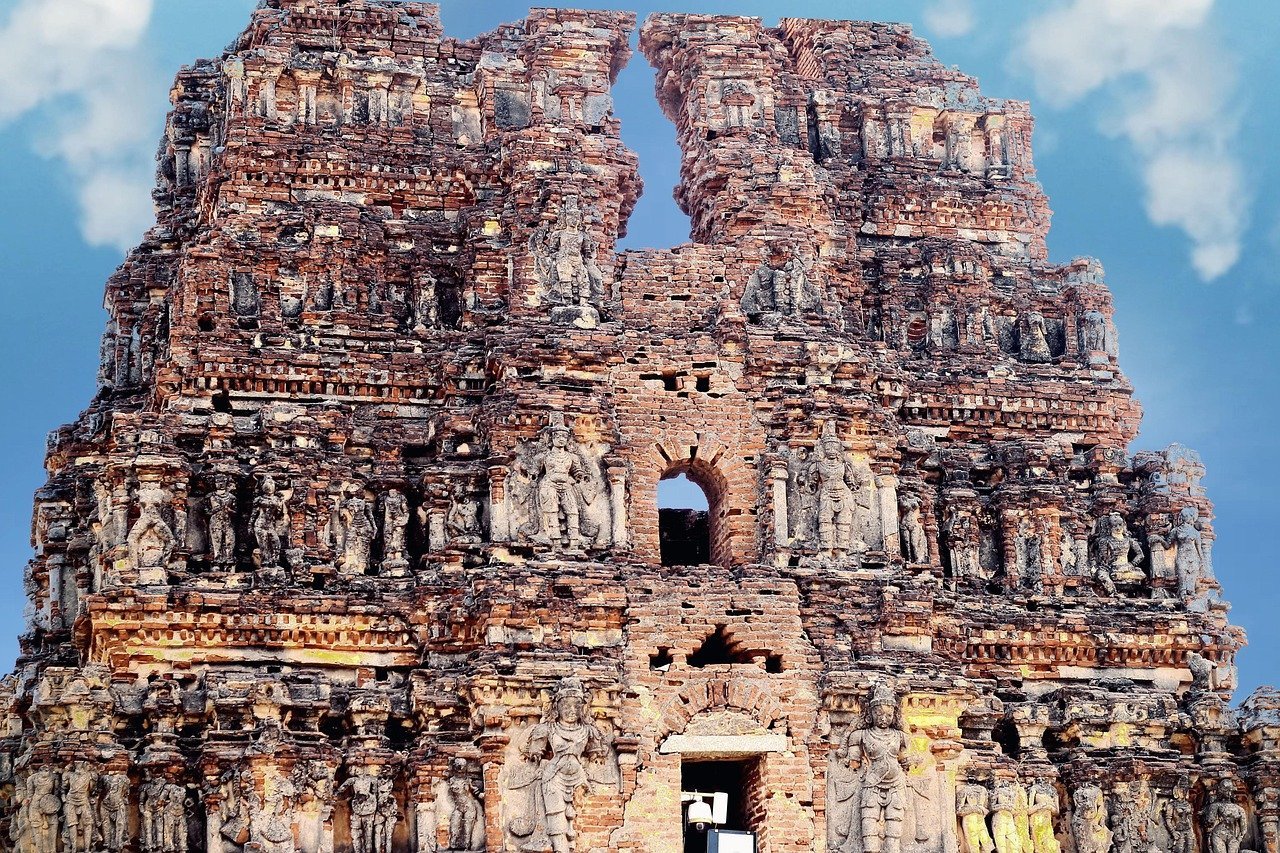
There are places in the world that feel like another planet. Hampi, in the southern Indian state of Karnataka, is one of them. The ruins of Hampi, a UNESCO World Heritage Site, offer a serene exploration of the Vijayanagara Empire’s grandeur. Intricately carved temples, bustling bazaars, and majestic palaces tell tales of a once-flourishing city. The landscape, dotted with boulders and lush greenery, enhances the sense of discovery.
Once the capital of one of the greatest empires in Indian history, Hampi was at its peak in the 14th and 15th centuries a city of roughly half a million people, rivaling contemporary Rome in size and sophistication. Then in 1565, it was sacked and largely abandoned. What remained – and what survives today – is a surreal scatter of over 1,600 monuments spread across a landscape of enormous granite boulders, rice paddies, and the Tungabhadra River.
Walking among the ruins here feels profoundly different from visiting a tidy European heritage site. There are no ropes keeping you back. You can climb directly onto the stone platforms, peer into the carved chambers, and sit at the base of a 500-year-old temple tower with almost no one else around. It’s not hard to say for sure, but I think Hampi might just be the most romantically desolate place on Earth.
Charleston, South Carolina: America’s Most Beautifully Preserved Secret
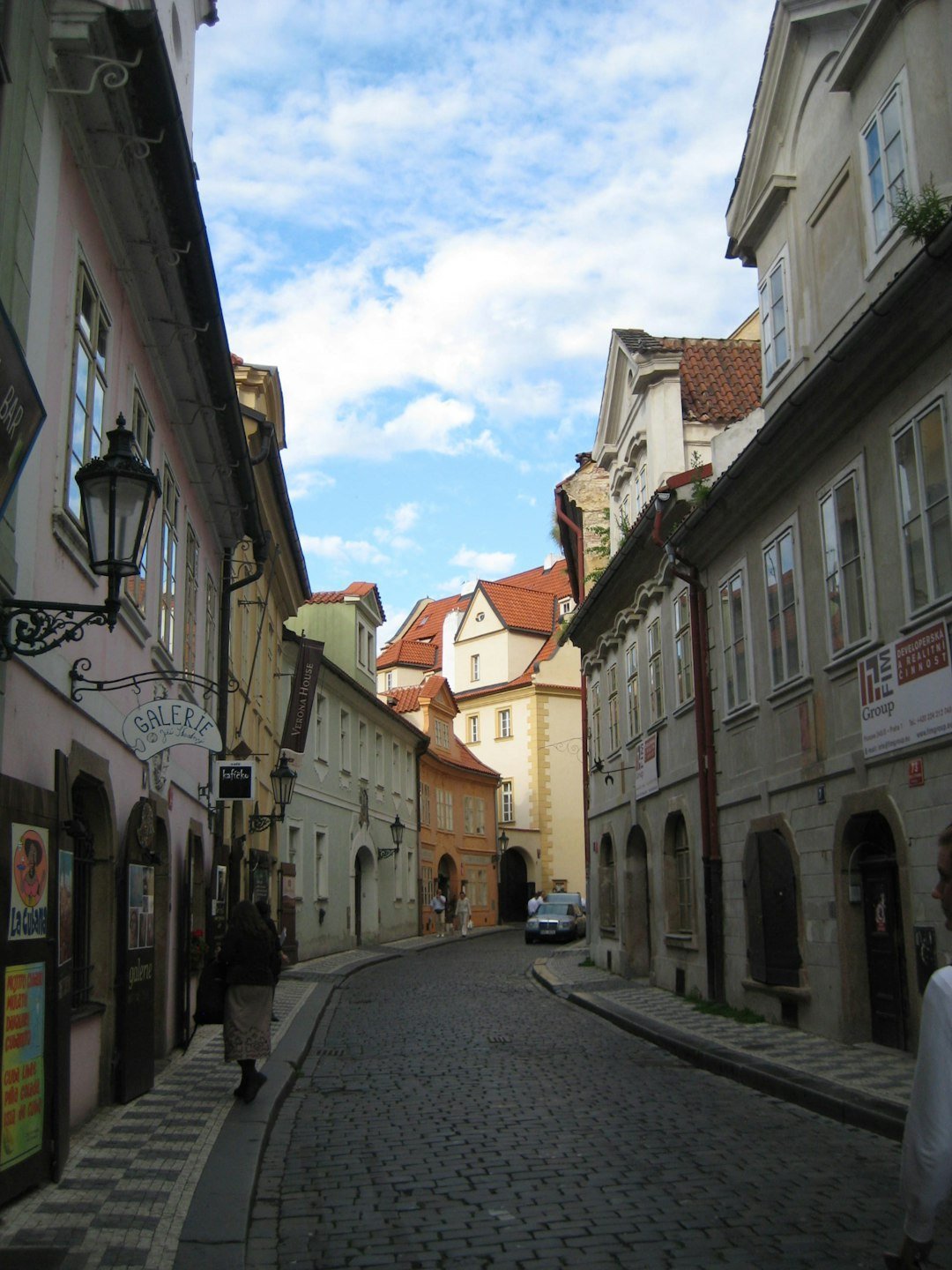
When people think of America’s most historic destinations, Charleston often arrives late to the conversation. It shouldn’t. Founded in 1670, the adorable city of Charleston with its cobblestone streets and chocolate box houses oozes charm, history and elegance. You can take a horse-drawn tour through the winding streets or spend the evening on a famous Charleston historical ghost tour before eating at one of Charleston’s many fine restaurants.
Let’s be real: very few American cities have managed to retain the architectural soul of their colonial and antebellum past while remaining vibrant and genuinely livable in 2026. Charleston is a rare exception. The Historic District is lined with pastel antebellum mansions, wrought-iron garden gates, and centuries-old churches whose steeples still dominate the skyline precisely because the city actively resists skyscrapers.
The layered history here is rich and complex, carrying both the elegance of its planter-class architecture and the far heavier story of slavery that built much of that wealth. Walking these streets with eyes fully open means reckoning with all of it. Charleston is one of the most unique destinations in North America and one not to be missed. It is a place that rewards the curious traveler who wants to feel the full weight of history, not just its pretty surface.
The World Still Has Secrets – Go Find Them
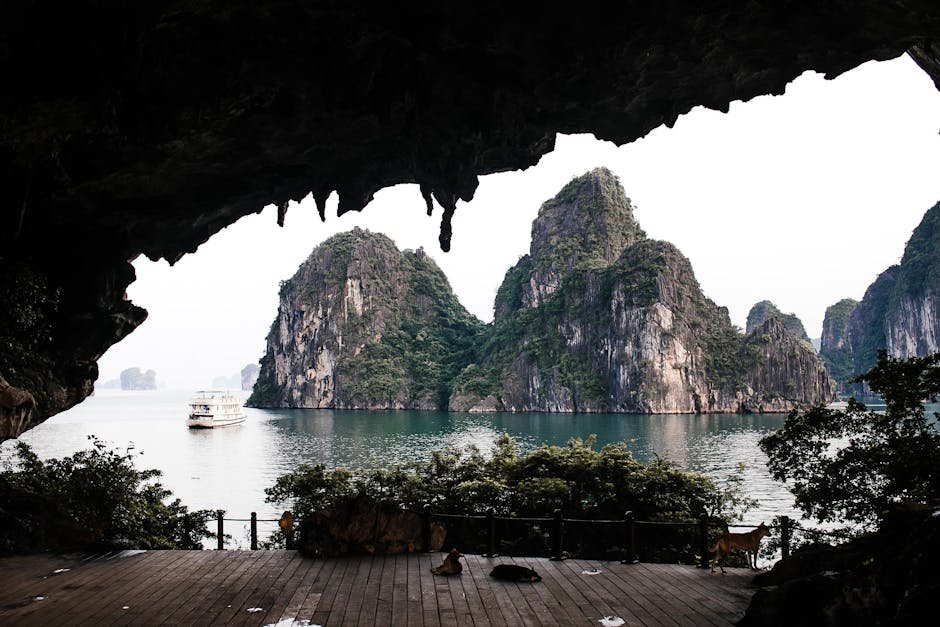
In the world’s most popular destinations, overtourism is a problem that affects almost every aspect of local life, from the environment to the cost of renting, transport, and eating out. When a place is overwhelmed by people, it’s not only locals’ quality of life that suffers – the quality of your trip does, too. The destinations on this list offer the opposite of that experience.
Whether looking for pristine beaches, historic cities, breathtaking landscapes, or cultural hotspots, these hidden gems offer something special for every traveler. By choosing underrated destinations, you create unforgettable memories, support local communities, and experience authentic cultures.
There’s something that nobody tells you about visiting a forgotten destination. The real gift isn’t the scenery or even the history. It’s the feeling of quiet that comes with being somewhere that hasn’t been polished smooth by ten million tourists. Places like these remind you what travel originally was – not a checklist, but an encounter. The world still has places that time forgot. The only question is whether you’ll bother to find them before the rest of the world catches on.
Which one of these would you put at the top of your list? Drop your thoughts in the comments.

Christian Wiedeck, all the way from Germany, loves music festivals, especially in the USA. His articles bring the excitement of these events to readers worldwide.
For any feedback please reach out to info@festivalinside.com
