


For any feedback please reach out to info@festivalinside.com
- 20 Song Intros That Hook You Instantly - September 19, 2026
- 15 Historical Myths That Turned Out to Be False - September 19, 2026
- 10 Inventions That Changed the World in Unexpected Ways - September 19, 2026
Some songs do more than just sound good. They seep into your memory, your identity, even the way you see the world. Rock music, more than almost any other genre, has an uncanny ability to produce these kinds of tracks. Songs that begin life as a riff in a cramped rehearsal room or a melody hummed in a remote cottage somehow end up being played at sports arenas, weddings, protests, and funeral services.
Classic rock is more than just a genre. It’s a powerful cultural force that shaped decades of music, fashion, and attitude, and the anthems born from it became timeless tracks for rebellion, freedom, and raw emotion. What makes a song cross that line from “great track” to cultural symbol? Honestly, it’s hard to say for sure. It’s part timing, part genius, and part something that nobody can fully explain. Let’s dive in.
1. “Bohemian Rhapsody” – Queen (1975)
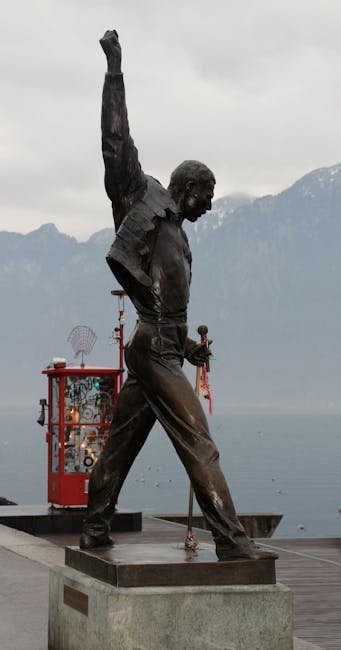
Queen’s epic rock song “Bohemian Rhapsody” began life sometime in the late 1960s, when Freddie Mercury was a student at Ealing Art College, starting out as a few ideas for a song scribbled on scraps of paper. The ambition behind it was almost laughable by industry standards. When the band wanted to release it in 1975, music executives told Queen that at five minutes and fifty-five seconds long, the song would never be played on the radio and would not be a hit. They were spectacularly wrong.
For the grand chorale, the group layered 160 tracks of vocal overdubs using 24-track analogue recording, with Mercury singing the middle register, May the low register, and drummer Roger Taylor the high register. The song stormed its way to the top. In 2018, it became the most streamed song of the 20th century after being downloaded or streamed over 1.6 billion times. That’s the kind of legacy that defies every expectation ever set for it.
2. “Stairway to Heaven” – Led Zeppelin (1971)
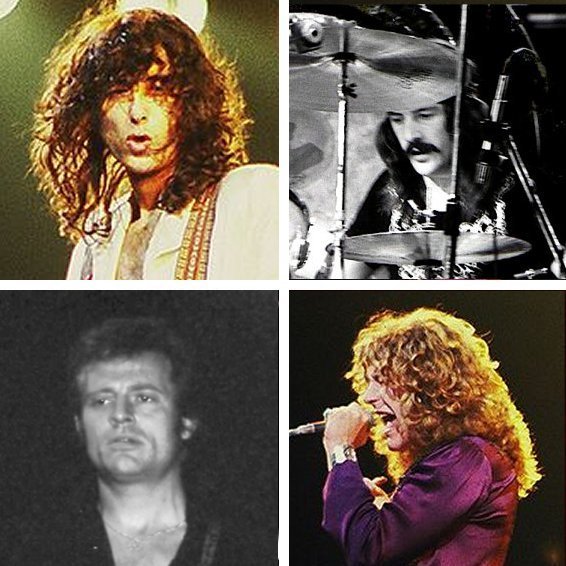
After Led Zeppelin completed a grueling North American tour, Robert Plant invited Jimmy Page to stay at Bron-Yr-Aur, a remote 18th-century cottage in Montgomeryshire, mid-Wales. The cottage had no electricity or running water, but the setting was sublime and creatively fertile. Page wrote the music over an extended period, with the first part coming together one night at Bron-Yr-Aur. From such a stripped-down, almost forgotten place, one of rock’s grandest monuments was born.
It is the biggest-selling single piece of sheet music in rock history, with an average of 15,000 copies sold yearly. In total, over one million copies have been sold. The band never authorised the song to be edited for single release, despite pressure from Atlantic Records. Never officially released as a single, “Stairway” prevailed as rock radio’s most requested song of the 1970s, priming the airwaves for every subsequent torch-cuing opus. I think the sheer stubbornness of Led Zeppelin to never water it down is precisely why it endures.
3. “Smells Like Teen Spirit” – Nirvana (1991)

Nirvana’s “Smells Like Teen Spirit” is an iconic grunge anthem that became the defining sound of the early 1990s alternative rock scene. The lead single from their second album, 1991’s “Nevermind,” the song catapulted the Seattle-based band to mainstream success and solidified their status as one of the most influential rock bands in history. Nobody saw it coming. One moment, grunge was a Pacific Northwest subculture. The next, it was everywhere.
Many listeners claim that “Smells Like Teen Spirit” is an anthem for Generation X, capturing the disillusionment, angst, and restlessness felt by many young people at the time. The song’s title, apparently inspired by a graffiti message left on frontman Kurt Cobain’s wall, encapsulates the sense of rebellion and desire for change that characterised the early 1990s grunge movement. The opening riff still sounds like a challenge from one generation to another, a dare almost to bring back rock music to its most elemental place.
4. “Hotel California” – Eagles (1977)

Don Felder was sitting on the couch of a rented beach house in Malibu when he came up with the idea for the song. It was July 1975, and the guitarist was 18 months into his stint with the Eagles. What started as a casual guitar sketch on a four-track recorder eventually became one of the most debated songs in rock history. Don Henley described the song as ranging from “a journey from innocence to experience” to “a sociopolitical statement,” and it has been described as being all about American decadence and burnout.
The Eagles won the 1977 Grammy Award for Record of the Year for “Hotel California” at the 20th Grammy Awards in 1978. The song’s guitar solo was voted the best solo of all time by readers of Guitarist magazine and is ranked among the top guitar solos of all time. Decades later, that extended guitar duel between Felder and Joe Walsh still sounds like lightning caught in a bottle. Some songs just age like fine wine.
5. “Like a Rolling Stone” – Bob Dylan (1965)
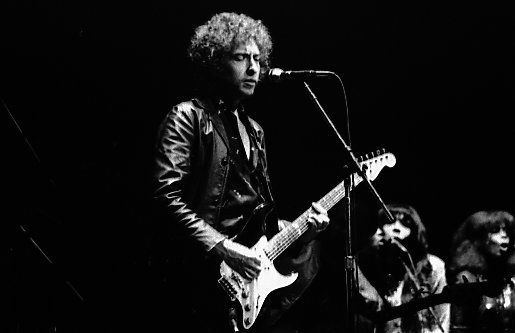
Bob Dylan’s six-minute opus fundamentally changed what a pop song could be, but the path wasn’t smooth. Record executives at Columbia Records were horrified by both the length and Dylan’s controversial decision to go electric, abandoning his folk roots for a full rock band sound. The industry’s resistance was fierce. The song’s impact was immediate despite that resistance, as DJs ignored their bosses and played it anyway, recognizing something revolutionary in its sprawling, stream-of-consciousness lyrics.
A snare hit announces the song like a gunshot out of nowhere, and for the next six-plus minutes, Bob Dylan starts a revolution that rock music still reverberates from. “Like a Rolling Stone” isn’t only the center of Highway 61 Revisited and Dylan’s career; it’s the eye of the mid-1960s cultural storm he helped stir. It rattled many barriers at the time, including the length of radio singles and their subject matter. Here’s the thing: every time someone says a song is “too long,” history tends to prove them wrong.
6. “Sweet Child O’ Mine” – Guns N’ Roses (1988)
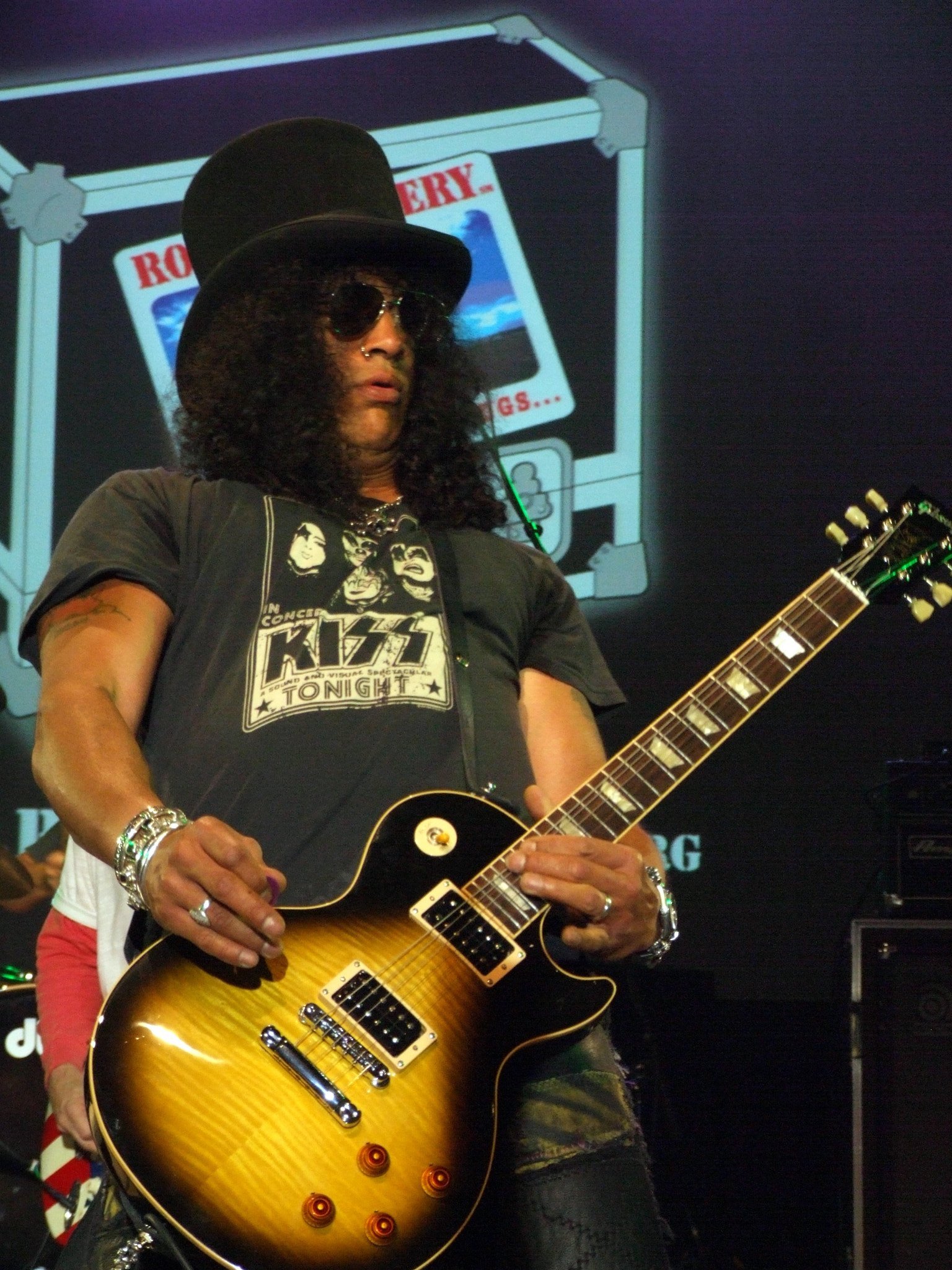
Slash’s iconic opening riff, one of the most recognizable in rock history, started as nothing more than a warm-up exercise, a joke that he never intended to be taken seriously. During a rehearsal session, Slash was simply running through finger exercises when he stumbled upon the melodic pattern that would define the song. Axl Rose, hearing the riff, immediately recognized its potential and began crafting lyrics around it. That’s how some of the greatest things in rock are made – entirely by accident.
The song became deeply personal for Rose, who wrote the lyrics as a love letter to Erin Everly, his girlfriend at the time and daughter of Don Everly of the Everly Brothers. The song hit number one in America on September 10, 1988, and stayed there for two weeks. It instantly revealed a softer, more vulnerable side of a band known primarily for its hard edges, and that contrast is what made it irresistible to an entire generation of fans.
7. “Born to Run” – Bruce Springsteen (1975)
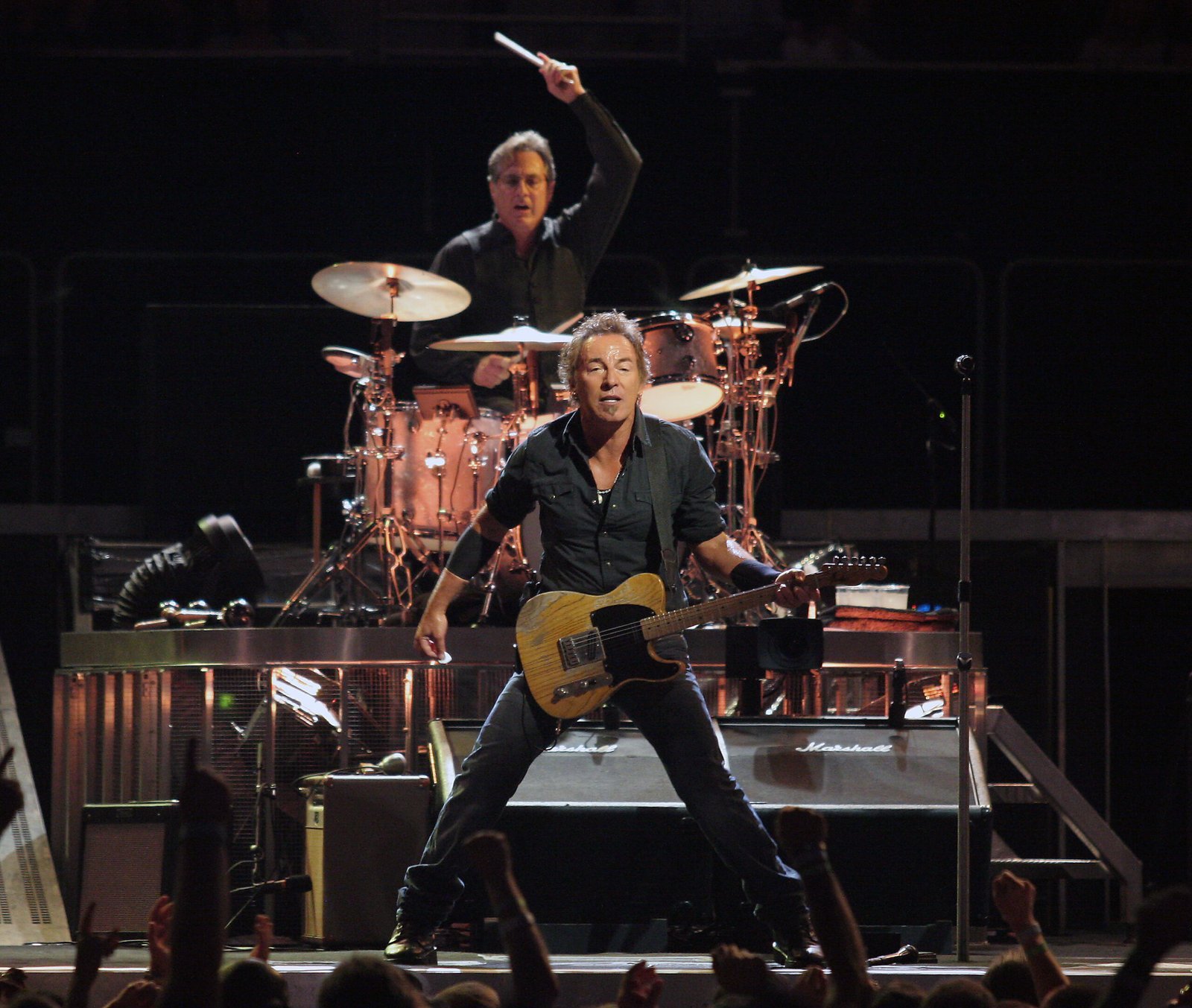
Springsteen’s first two albums were critically acclaimed, but he had trouble finding an audience outside the Northeastern US, where his live shows had built him a huge following. “Born to Run” changed all that. A classic widescreen anthem, the song picked up significant airplay on album-oriented rock radio and rewarded Springsteen with his breakthrough hit on the US Hot 100. It was the moment everything clicked. One song, and suddenly the world knew his name.
“Born to Run” captures the restless spirit of youth and the yearning for escape. Its driving beat and evocative lyrics paint a picture of romantic desperation and dreams. Springsteen’s anthem resonates with listeners seeking hope and freedom, making it a timeless symbol of the American dream. Released in 1975, the song’s enduring popularity is a testament to its universal appeal and emotional power. Later described by Billboard as “one of the best rock anthems to individual freedom ever created,” it has been aired at nearly every full-band concert Springsteen has performed since 1975.
8. “We Will Rock You / We Are the Champions” – Queen (1977)
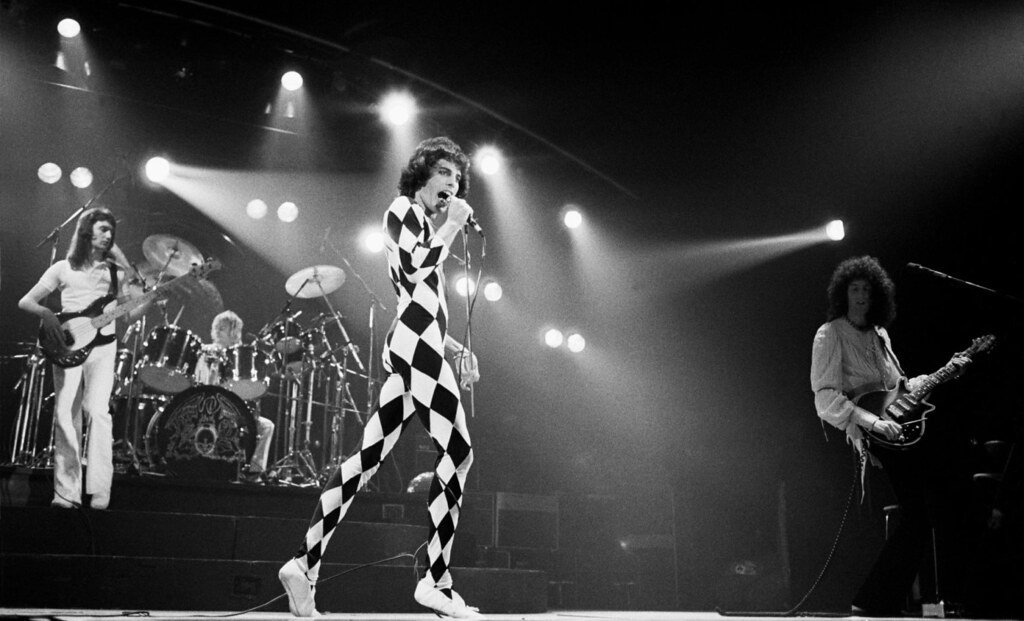
It might not get more anthemic than this pair. “We Will Rock You” flows right into “We Are the Champions” to kick off Queen’s News of the World LP. These two tracks, born from a single recording session, became the unofficial soundtrack of collective triumph. Think about it: no matter where you are in the world, the moment that stomp-stomp-clap beat begins, something primal kicks in. It works at a stadium concert. It works at a school gym. It just works.
The tracks have been a staple in sports arenas and stadiums over the decades. “We Are the Champions” was written by bassist John Deacon and features perhaps the most famous bass line in classic rock history. Few songs in history have achieved the same kind of universal, cross-cultural resonance. They transcend sport, language, and era to become something more like a shared human reflex.
9. “Gimme Shelter” – The Rolling Stones (1969)
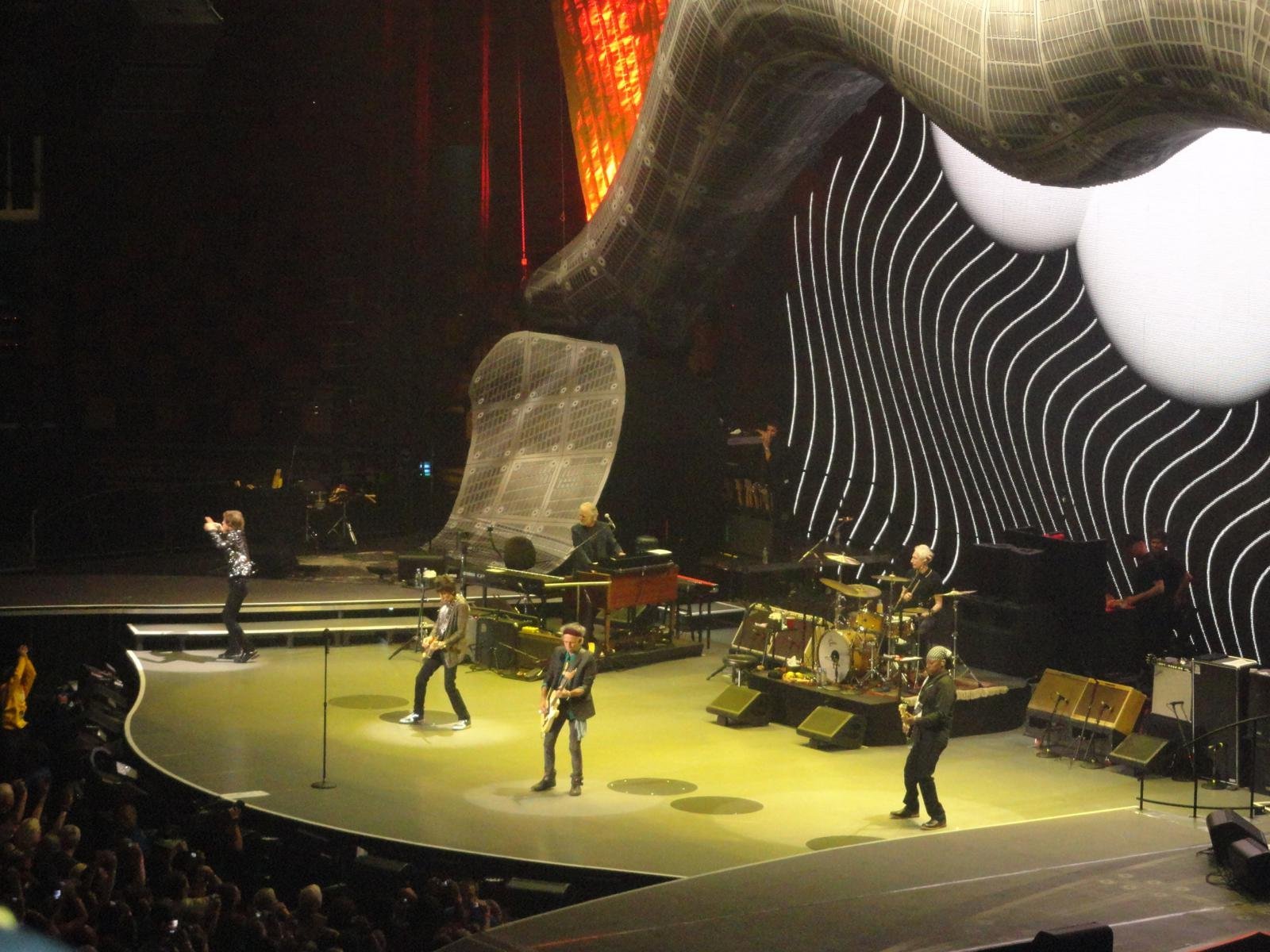
The story behind “Gimme Shelter” is as dramatic as the song itself, particularly the haunting female vocal that defines the track. Merry Clayton, a session singer who was pregnant at the time, was called in late at night to add backing vocals to what would become one of the Stones’ most powerful songs. What is certain is that Clayton’s voice adds an urgency and desperation that perfectly captures the song’s themes of war, violence, and social upheaval. The Stones recorded the track during a particularly tumultuous period in American history, with the Vietnam War raging and social tensions at a breaking point.
Mick Jagger’s lyrics reflect the chaos of the times, while Keith Richards’ iconic guitar riff creates an atmosphere of impending doom. “Gimme Shelter” is not a comfortable song. It’s not supposed to be. It’s the sound of a world teetering on the edge, and somehow, even all these decades later, it still feels that way. That’s the mark of a truly great anthem – it never stops being relevant.
10. “My Generation” – The Who (1965)

“My Generation” might be The Who’s most recognizable tune, which is saying a lot. It became something for the youth to rally around and proudly celebrate. It’s also one of the most covered songs in rock history. Released in 1965, it was like someone had handed a megaphone to every teenager who had ever felt dismissed, talked down to, or invisible. The defiant stutter in Roger Daltrey’s vocals wasn’t a flaw; it was the whole point.
“My Generation” remains an iconic track, its attitude and energy still inspiring generations of rock enthusiasts. Rock anthems have significantly shaped popular culture, influencing fashion, film, and even politics. From the leather jackets and ripped jeans of the punk movement to the iconic guitar-smashing antics of Jimi Hendrix, rock anthems have helped define what it means to be cool and rebellious. “My Generation” was arguably the first rock anthem to make youth identity itself the subject, and that idea has never gone out of style.
The Enduring Power of Rock Anthems

What all ten of these songs share is something that goes far beyond technical skill or chart performance. Each song not only reflects the sound of its era but also helped shape the musical landscape that followed. These anthems captured the spirit of their time, often pushing social and sonic boundaries, and they continue to resonate with new generations. That’s a rare and powerful thing.
Undoubtedly the most significant impact of rock anthems has been their ability to inspire and connect people from all walks of life. These are songs that have become a part of our collective consciousness, evoking memories and emotions that transcend time and place. Whether you first heard “Stairway to Heaven” as a kid on FM radio or stumbled onto “Bohemian Rhapsody” through a streaming algorithm last week, the feeling it creates is the same.
Rock anthems don’t age the way most music does. They calcify into something bigger than themselves. They become shorthand for entire eras, entire feelings, entire generations. The ten songs in this list didn’t just top charts – they rewired something in the culture. And honestly, that’s a kind of power that no streaming algorithm was ever designed to replicate. Which one of these anthems hits hardest for you? Drop your thoughts in the comments below.

Christian Wiedeck, all the way from Germany, loves music festivals, especially in the USA. His articles bring the excitement of these events to readers worldwide.
For any feedback please reach out to info@festivalinside.com
