

For any feedback please reach out to info@festivalinside.com
- 20 Song Intros That Hook You Instantly - September 19, 2026
- 15 Historical Myths That Turned Out to Be False - September 19, 2026
- 10 Inventions That Changed the World in Unexpected Ways - September 19, 2026
There are concerts, and then there are concerts that crack the world open. You know the ones. The kind where the music doesn’t just entertain but actually bends the course of history, shifts cultural plates, and sends shockwaves through every generation that comes after. These are the nights where an artist steps onto a stage and everything, from how we experience live music to what we expect from performance itself, gets rewritten.
Honestly, thinking about these shows makes you realize how much a single evening can matter. Not just for the fans who were lucky enough to be standing there, sweaty and breathless, but for every musician who ever watched the footage and thought, “That. That’s what I want to do.” From rain-soaked fields in New York to elegant concert halls in London, a handful of nights stand apart from all the rest. Be prepared to see history from a completely different angle. Let’s dive in.
The Beatles at Shea Stadium, 1965 – The Birth of Stadium Rock
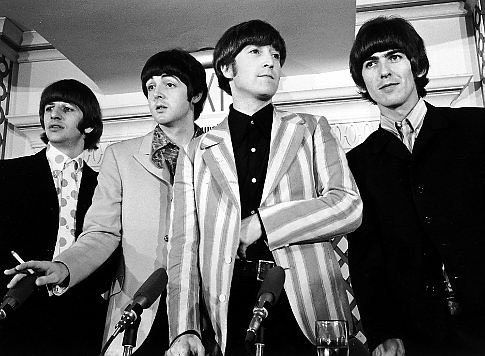
Imagine trying to perform a concert where nobody in the building can actually hear you play. That’s exactly what happened on August 15, 1965, at Shea Stadium in New York City. Although the Beatles had played stadium concerts previously, the Shea concert was a milestone in popular musical history as the first major stadium concert. The band played to a record-breaking crowd of over 55,000 fans, perched on a stage built at second base, impossibly far from the audience in the bleachers.
The deafening level of crowd noise, coupled with the distance between the band and the audience, meant that nobody in the stadium could hear much of anything. Yet the show was electric. The hysteria in the stands was unlike anything the world had witnessed. Shea was more than just the first high-profile stadium concert. It showed everyone how huge, untamable, and crazed pop music could be.
Never before had that many humans joined together in one place to celebrate music, and on a deeper level, to celebrate each other. The template for every stadium rock show since, from the Rolling Stones to Taylor Swift, traces its DNA back to that muggy August night. Mick Jagger and Keith Richards were reportedly in the crowd, watching with awe as the Beatles redefined what a rock concert could be. That detail alone tells you everything.
Woodstock, 1969 – Three Days That Shook a Generation
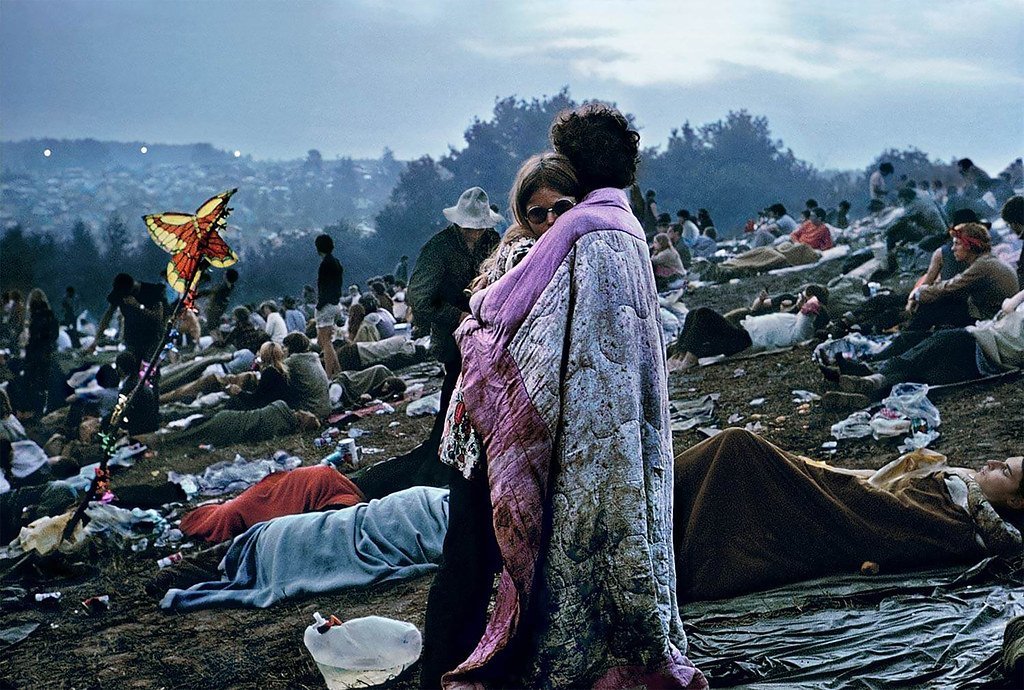
Nothing quite compares to Woodstock. Not in scale, not in mythology, not in cultural weight. The Woodstock Music and Art Fair was a music festival held on a 600-acre dairy farm in the rural town of Bethel, New York, from August 15 to August 18, 1969. Thirty-two acts performed during the sometimes rainy weekend in front of nearly half a million concertgoers. The original plan called for far fewer people. Roads clogged. Fences came down. The event was declared free.
In 1969, the country was deep into the controversial Vietnam War, a conflict that many young people vehemently opposed. It was also the era of the civil rights movement, a period of great protest and unrest. Woodstock was an opportunity for people to escape into music and spread a message of unity and peace. The lineup, including Jimi Hendrix, Janis Joplin, The Who, and Santana, was staggering. Each set felt like a statement.
Woodstock is widely regarded as one of the greatest moments in popular music history and was listed on Rolling Stone’s “50 Moments That Changed the History of Rock and Roll.” Its legacy didn’t fade. The long-lasting impact of the festival on American life is attested to by the fact that Woodstock and its aftermath helped shape the worldviews, social consciences, and musical tastes of thousands of people who are now in leadership roles in every segment of society.
Jimi Hendrix Closing Woodstock, 1969 – A Guitar That Spoke Louder Than Words
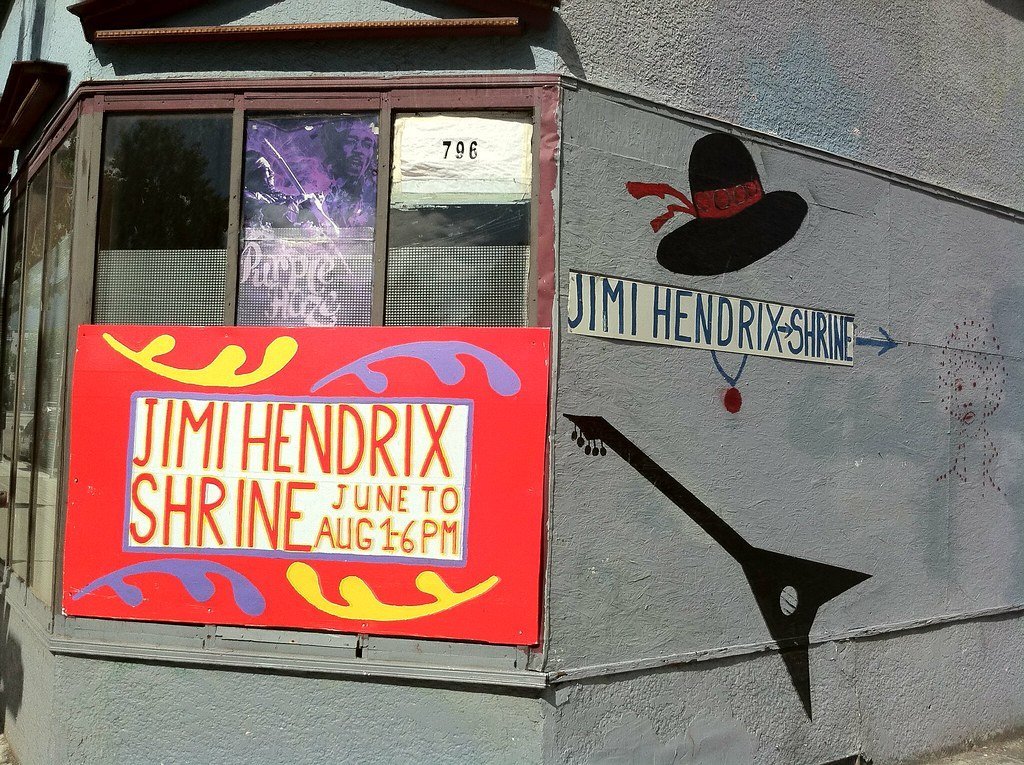
Within Woodstock itself, one single performance looms above the rest. Jimi Hendrix, the festival’s headliner, chose to wait and close the entire event, even as the crowd thinned in the early Monday morning hours. With many delays, Hendrix had two options: play the prime spot on Sunday night but give up being the finale, or wait to close out the show and play to a smaller crowd. Hendrix chose to play last, giving other artists the spotlight while many attendees waited to see him.
Hendrix’s rendition of “The Star-Spangled Banner” was a powerful protest against the Vietnam War, encapsulating the era’s spirit. Using distortion, feedback, and raw sonic chaos, he transformed a national anthem into a comment on war, violence, and suffering. It was virtuosic. It was political. It was devastating. Jimi Hendrix’s rendition of the Star-Spangled Banner remains one of the most iconic moments in rock history.
Here’s the thing about that performance: it proved, once and for all, that an electric guitar in the right hands is as powerful as any speech. No words required. The 200-some shows Hendrix played to support his debut album assured his legend. Backed by his ecstatically indulgent rhythm section, Hendrix did nothing short of liberate the electric guitar, turning each show into a pyrotechnic exploration. Woodstock was the summit of that journey.
James Brown at Boston Garden, April 5, 1968 – The Night Music Kept the Peace
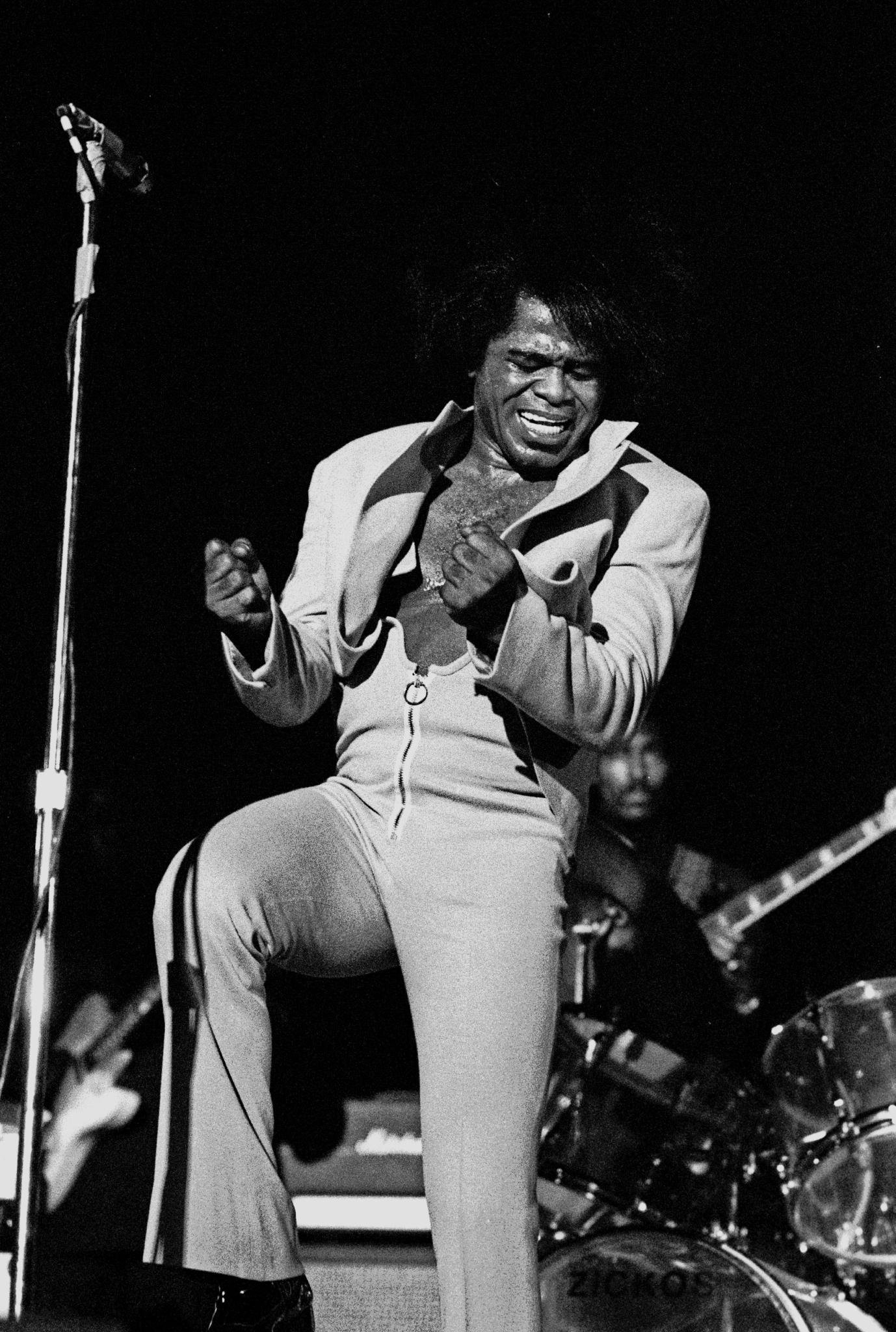
This one is unlike any other concert on this list. This one literally, arguably, prevented a city from burning. On April 4th, 1968, Martin Luther King Jr. was assassinated in Memphis. In the aftermath, America burned. There were riots in Washington, D.C., Baltimore, Chicago, Kansas City, Missouri, and other cities. Boston was expected to be next.
The city considered canceling all public events that night, but the concert’s promoter, local City Councilman Thomas Atkins, convinced Mayor Kevin White that calling off a show of that magnitude might lead to even more anger and violence. The concert was broadcast live across the city by WGBH TV. James Brown’s Boston Garden concert channeled people’s rage and sadness into a transcendent celebration of Black pride, resilience, and the power of soul.
Boston would be nearly alone among America’s major cities in remaining quiet and calm that turbulent Friday night, thanks in large part to one of the least quiet and calm musical performers of all time. On the night of April 5, 1968, James Brown kept the peace in Boston by the sheer force of his music and his personal charisma. Immediately after saving Boston, James Brown was contacted by officials in Washington, D.C. in hopes of calming down the populace. He soon arrived there and successfully pleaded for peace. James Brown then went around the country in the role of peacemaker. Music as medicine. Music as democracy. This was both.
Queen at Live Aid, 1985 – Twenty-One Minutes That Conquered the World
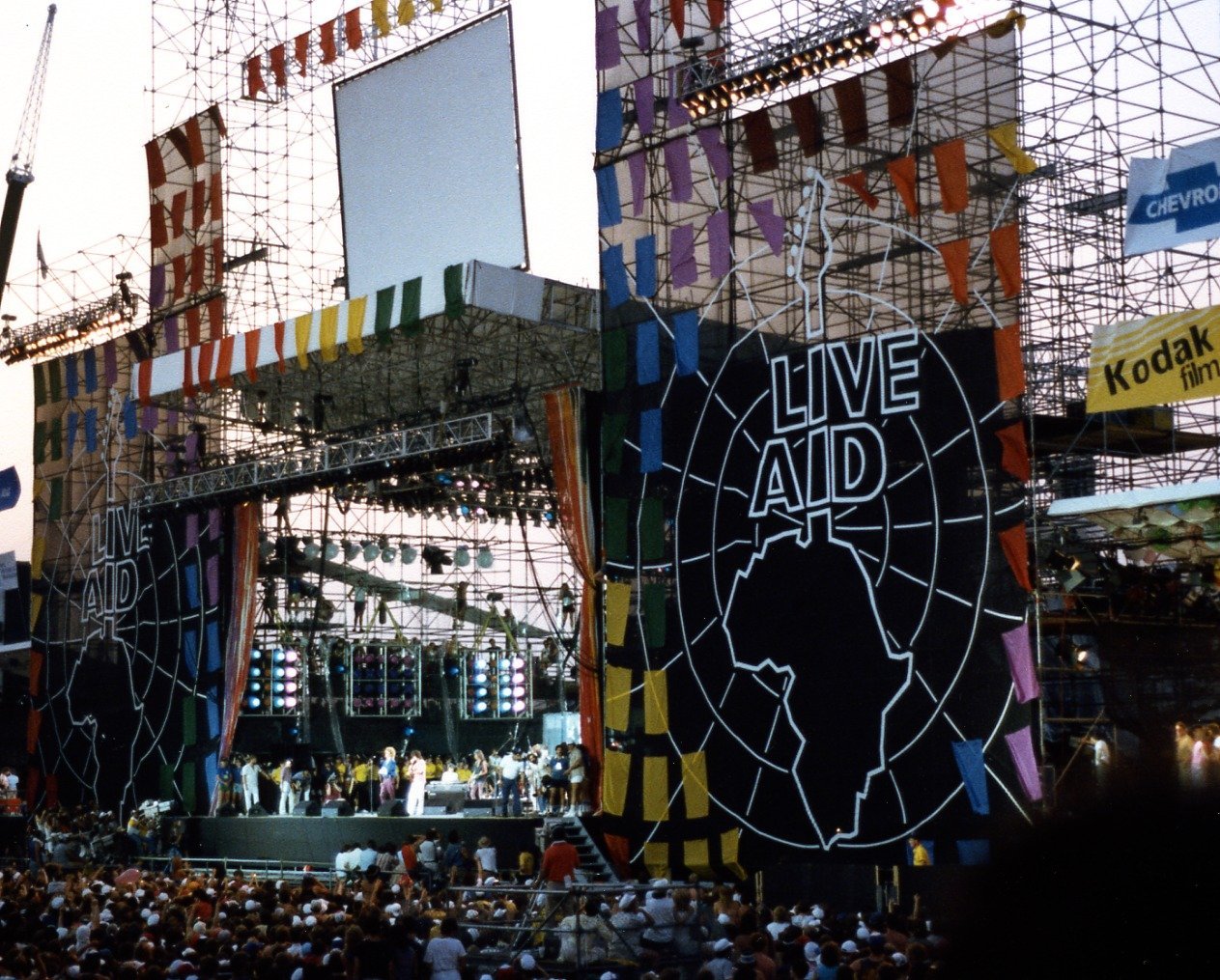
Let’s be real: every list like this has to include Queen at Live Aid. Not because it’s obligatory, but because it may genuinely be the single greatest live performance in the history of recorded popular music. Though “only” 72,000 people filled Wembley Stadium, over 1 billion people watched globally. The concert has been voted the greatest live performance of all time.
Led by Freddie Mercury, Queen took the stage at Wembley Stadium in London, commanding the audience with a spectacular blend of energy, theatrics, and musical precision. Their 20-minute set, which included hits like “Radio Ga Ga” and “We Are the Champions,” not only showcased their performance prowess but also raised unprecedented levels of money and awareness for famine relief. Freddie Mercury’s ability to connect with the audience turned this performance into a masterclass in live music, setting a high bar for future concerts.
Live Aid set the precedent for music to be consciously used in affecting social change, paving the way for later benefit concerts such as Live 8 and Farm Aid, showing that pop music can make social action happen. Perhaps the most ingenious aspect of the event was the worldwide broadcast of the concert, emphasizing both the universal appeal of music and its power to transcend cultural and geographic boundaries. Queen proved that a band with enough conviction can hold the entire world still for twenty-one minutes. I don’t think we’ve seen anything quite like it since.
Michael Jackson at Motown 25, 1983 – The Night the Moonwalk Was Born
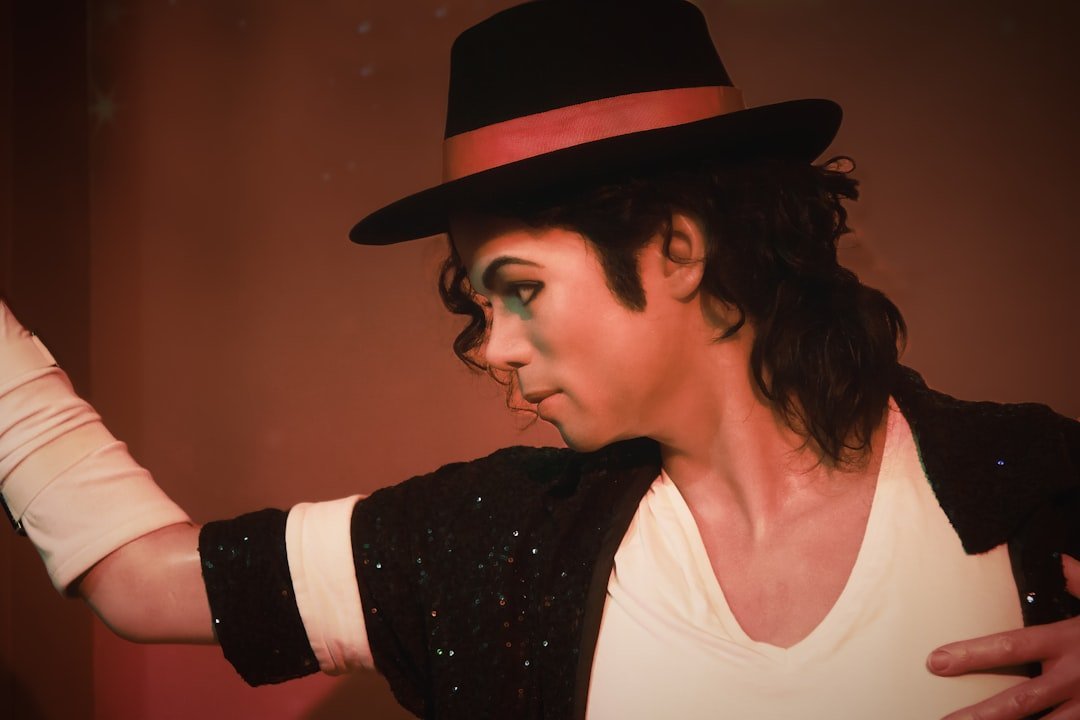
There are moments in pop history so perfectly crystallized that you can pinpoint the exact second the world changed. The Motown 25 performance by Michael Jackson is one of them. Michael Jackson’s appearance on Motown 25: Yesterday, Today, Forever in 1983 was one of the most iconic moments in pop music history. It was during this performance that Jackson debuted the “moonwalk” during his rendition of “Billie Jean.” The move became an instant sensation, elevating Michael Jackson to unprecedented levels of superstardom.
Think about that. One dance move. One television broadcast. One song. His Motown 25 performance not only solidified his status as the King of Pop but also highlighted the power of television broadcasts in transforming artists into global icons. The moonwalk remains one of the most recognized dance moves in the history of music. The ripple effect was immediate and enormous. Every young performer watching that night suddenly understood that stage presence wasn’t a bonus. It was the whole point.
This performance not only solidified his status as the King of Pop but also redefined live television performances. From that evening forward, pop music had a new standard bearer. The bar had moved, and everyone in the industry knew it. It’s hard to say for sure how many careers were quietly redirected by those few minutes of television, but the number has to be staggering.
Nirvana at MTV Unplugged, 1993 – Vulnerability as Power
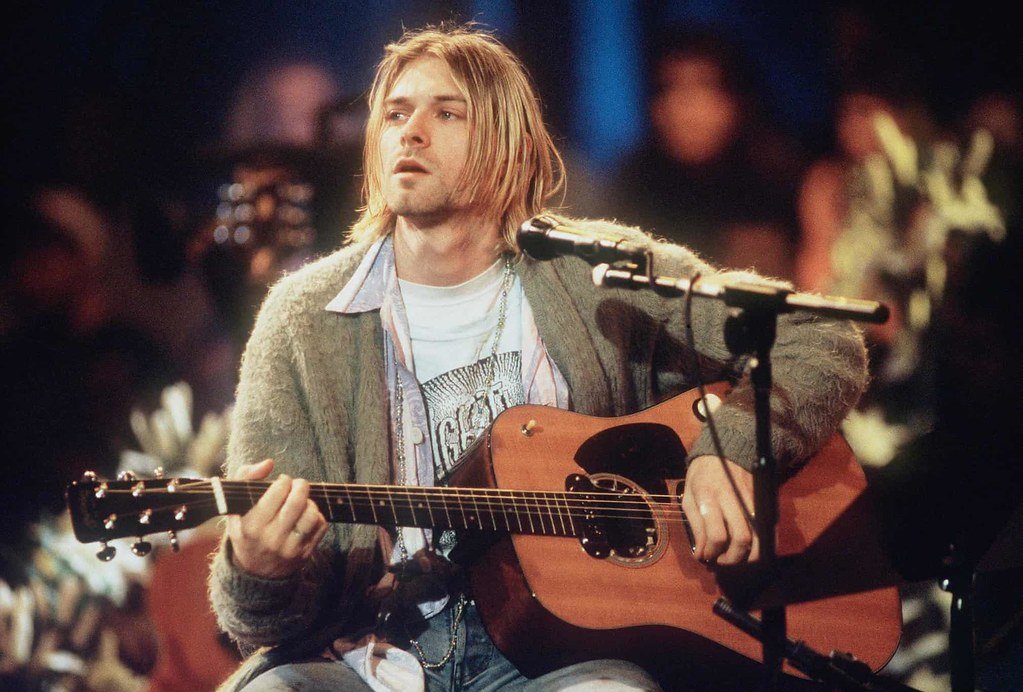
In 1993, nobody expected the loudest band on the planet to walk into a small television studio, pick up acoustic instruments, and absolutely devastate everyone in the room. Nirvana’s MTV Unplugged session is legendary for its raw emotion and stripped-down sound. The intimate setting allowed the band’s music to shine in a new light, highlighting Kurt Cobain’s songwriting prowess.
Nirvana’s choice to play lesser-known tracks and cover songs instead of their biggest hits was a bold move that paid off. It was a defining moment for the band and a pivotal point in the grunge movement. Songs like “All Apologies” and “Come as You Are” hit differently without the distortion. Stripped down to their bones, they revealed themselves as something Cobain was never given quite enough credit for in his lifetime: genuinely beautiful compositions.
This concert broke the boundaries of what a rock performance could be, showing the power of vulnerability and authenticity. It changed how rock artists were allowed to present themselves. You didn’t have to be enormous and ferocious every single night. You could be quiet, raw, and honest. That was enough. That was more than enough. The performance left a lasting impact on the music industry, emphasizing the importance of sincerity in music.
Bob Marley at the Lyceum Theatre, London, 1975 – Reggae Goes Global
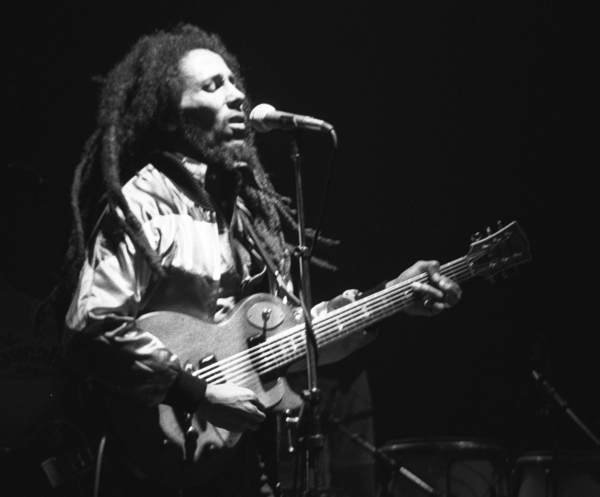
Before July 1975, Bob Marley was a respected but still somewhat cult figure outside of Jamaica and certain Caribbean communities. Two nights in London changed everything. Bob Marley’s two concerts at the Lyceum Theatre in London in July 1975 were more than just musically transcendent shows: They were the triumphant peak of Marley’s first proper tour as a solo artist and would elevate him from cult act to international icon, in part thanks to Live!, a concert document from the shows that gave him his first international Top 40 hit, “No Woman, No Cry.”
Booked in a small room to drive up ticket demand, the Lyceum shows sold out in a day, and roughly 3,000 ticketless hopefuls mobbed the streets outside the venue on Marley’s first night there, along with a phalanx of cops. The energy inside the theater was otherworldly. The music felt ancient and urgent at the same time, something deeply spiritual wrapped in groove.
The concert album recorded from those nights became a touchstone for generations of music lovers worldwide. Reggae, as a genre, went from a regional sound to a global movement in no small part because of this performance. It’s genuinely remarkable what two nights in a London theater can do. Marley himself was never quite a “cult act” again. From the Lyceum forward, he was simply one of the most important musicians on earth.
Pink Floyd’s The Wall, Earls Court, 1980 – The Concert as Architecture
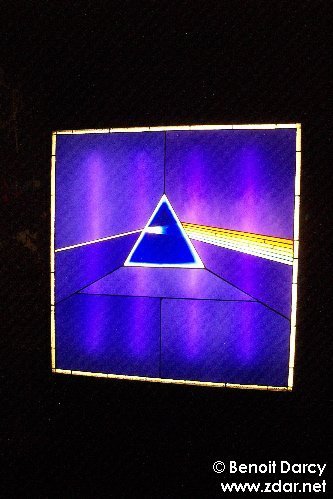
Uploaded by Expo Pink Floyd, CC BY 2.0)
Most bands put on shows. Pink Floyd built worlds. The Wall tour was the first of its kind in the UK. For six nights consecutively, Pink Floyd captivated the attention of 18,000 spectators who attended a real show. While images animated the stage’s background, fighter planes soared overhead, an animated puppet of a monstrous teacher, a giant inflatable black pig, and of course, on stage, the famous wall, constructed brick by brick and song by song.
After a fifteen-minute break, the group played behind the wall, hidden from the audience. By the end, the bricks collapsed one by one, with total destruction of the wall in a terrible crash that shook the seats of the spectators. The metaphor was literal and theatrical and overwhelming all at once. Nobody had staged a show on this scale of visual narrative before. This was not a rock concert. It was an immersive event, closer to theater or installation art than anything that had come before.
The influence of The Wall tour on modern concert production is almost impossible to overstate. Every massive touring act today, with their giant LED screens, moving stages, and theatrical storylines, owes something to what Pink Floyd did in 1980. This show was so groundbreaking, it changed the concept of live performance forever. From this point on, artists began to think outside the box and create elaborate, mind-blowing stage designs.
Madonna’s Blond Ambition Tour, 1990 – Concert as Provocation
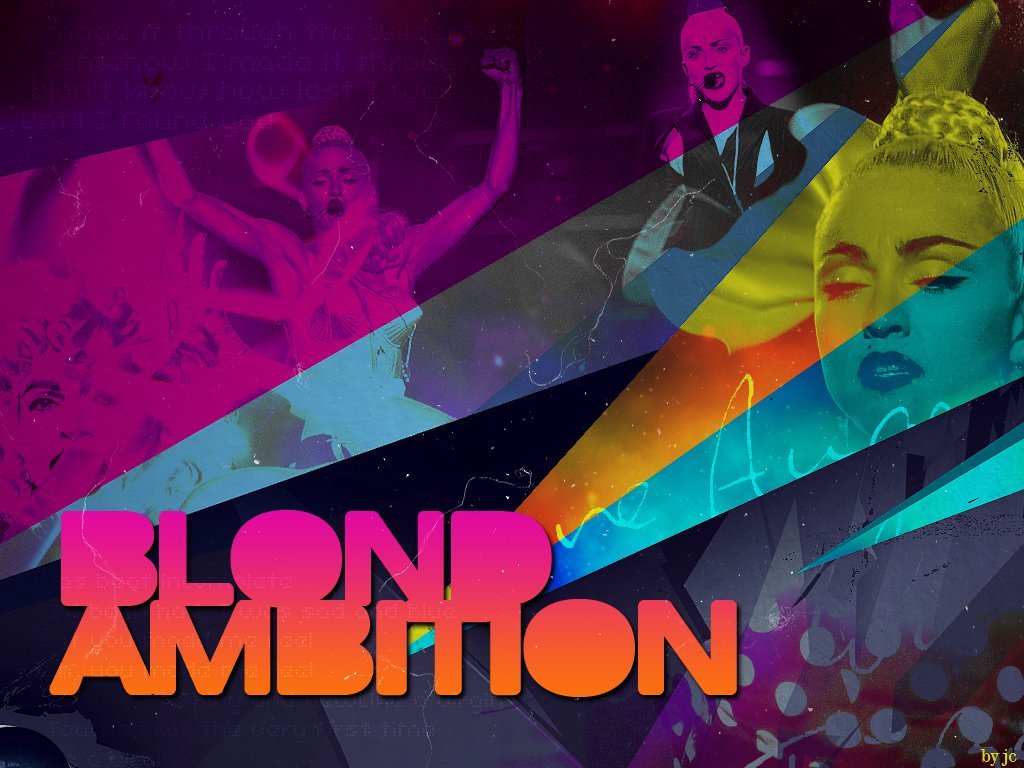
Before Beyoncé’s Coachella, before Lady Gaga’s theatrical stadium shows, there was Madonna’s Blond Ambition Tour in 1990, and honestly, nothing has quite matched it for sheer audacity. Madonna’s fearless approach to music and performance art redefined what a concert could be. The tour’s success demonstrated the commercial potential of music as a form of entertainment.
The show was a complete work of art: religion, sexuality, power, and pop music colliding in real time. Governments banned it. Religious groups protested it. Audiences across the world went absolutely wild for it. The Blond Ambition Tour influenced countless artists, highlighting the power of music to provoke thought and inspire change.
What Madonna did in 1990 was demonstrate that a pop show could carry genuine intellectual and cultural weight. It didn’t have to be surface. It could mean something. That idea of the concert as a statement, a political act even, echoes through nearly every major pop tour that followed. It was a pivotal moment in Madonna’s career, solidifying her status as a pop icon. Still, the larger legacy is what it gave every ambitious performer who came after her.
U2’s Zoo TV Tour, 1992 – When Technology Became the Stage
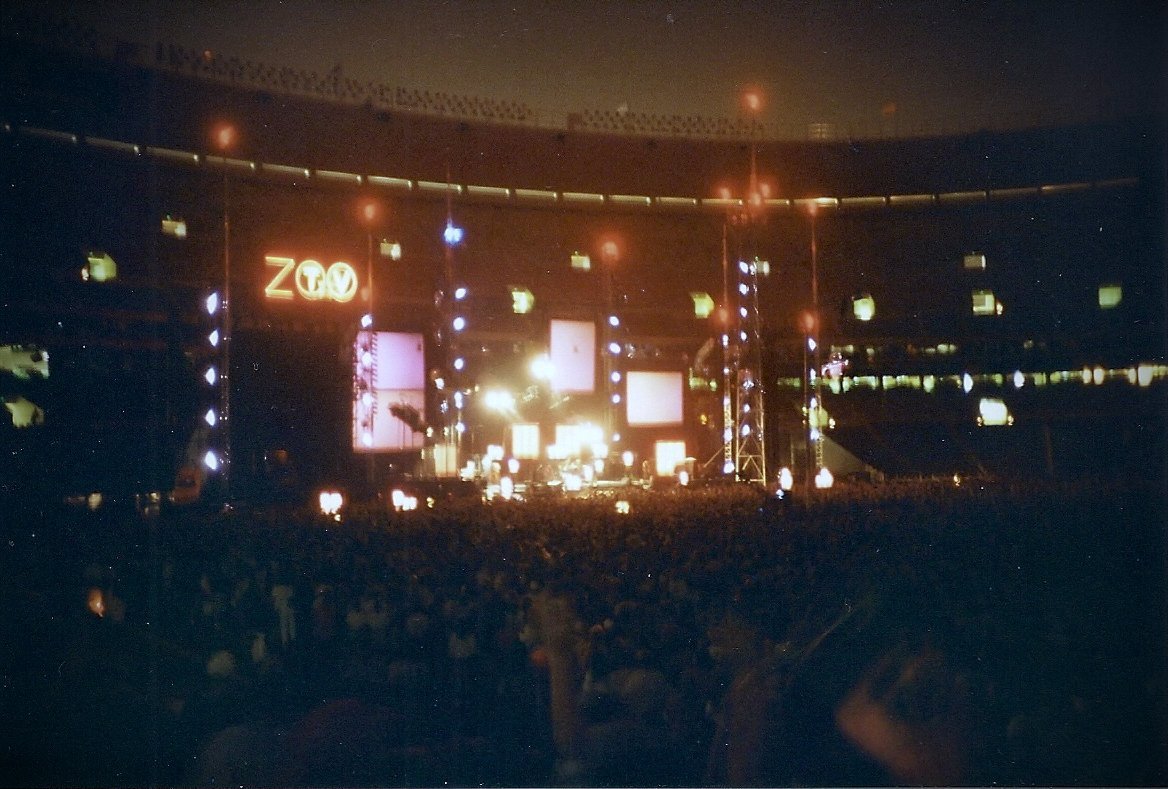
There was a moment in the early 1990s when nobody was quite sure what the future of live concerts would look like. Then U2 showed everyone. U2’s Zoo TV Tour was a revolutionary concert experience that blended music with multimedia technology. The tour featured giant video screens, satellite transmissions, and interactive elements, creating an immersive experience for audiences.
It was a bold experiment that showcased the potential of technology to enhance live performances. The tour highlighted the importance of innovation in music, inspiring artists to push the boundaries of what is possible. At a time when the internet was barely a whisper in the public imagination, Bono was making prank calls to the White House on a live satellite feed, in front of tens of thousands of people. The whole thing felt like a dispatch from a future nobody else had noticed yet.
Zoo TV changed the grammar of the stadium concert. Screens were no longer just for showing close-ups of the band. They could disorient, comment, overwhelm, and interrogate. Every massive production show since, from Kanye’s Yeezus tour to Coldplay’s current light spectaculars, operates within the visual language that Zoo TV invented. These concerts underline the fact of innovation and evolution in music, therefore encouraging artists to push limits and explore new possibilities for their work. They remind everyone that music is an art that is changeable and can work for the dynamism of time.
Beyoncé at Coachella, 2018 – “Beychella” Rewrites the Rules
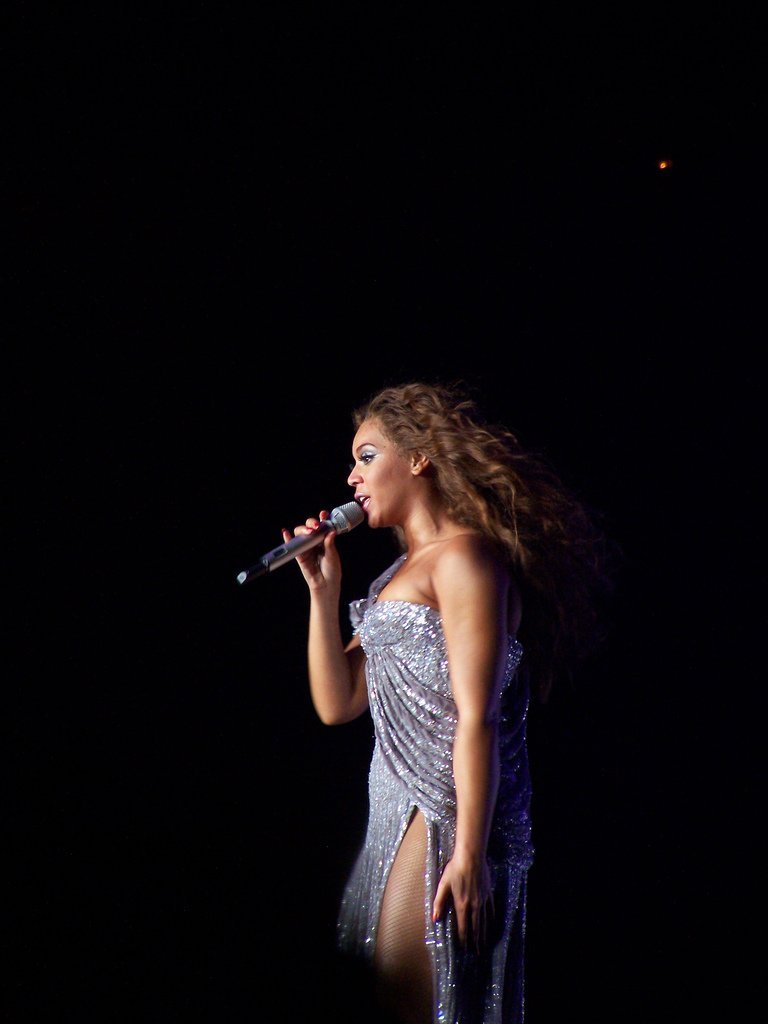
Saved for last, but not because it is the least significant. In 2018, Beyoncé walked onto the Coachella stage and delivered a performance that made every other Coachella headlining set in history look like a rehearsal. Beyoncé’s performance at Coachella, often dubbed “Beychella,” was a historic moment in music history. As the first Black woman to headline the festival, Beyoncé delivered a performance that celebrated Black culture and empowerment.
Her meticulously crafted set featured a marching band, dance routines, and guest appearances from Destiny’s Child. The show was a love letter to Historically Black Colleges and Universities, to Black excellence, to Southern culture, and to an entire American tradition that mainstream pop festivals had largely ignored. Nothing in festival history had centered Blackness with that kind of majesty and precision before.
The Netflix documentary that captured the show became its own cultural event. The influence on younger artists was immediate and visible. Here was proof that a pop spectacle could also be an act of cultural reclamation, a two-hour argument for representation. Legendary performances are about energy, risk, emotion, and the rare chemistry between artist and audience that turns a show into history. Beychella had all of it in abundance. It still feels impossible that one person pulled it off.
The Lasting Echo of a Great Night
What all twelve of these concerts share is something that’s genuinely difficult to manufacture. Each one arrived at exactly the right moment in history, with the right artist in the right room, carrying the right amount of risk and ambition. You can plan a spectacle. You cannot plan a cultural earthquake.
The concerts on this list didn’t just entertain. They set new standards, broke old assumptions, gave voice to movements, and handed every musician who came after them a higher bar to clear. Even in the streaming era, legendary live performances continue to shape how music is experienced. A great concert is not just a reproduction of a song, it is a reinvention.
Perhaps the most beautiful thing about live music is that it remains unrepeatable. You can watch the footage a hundred times, but you’ll never fully feel what it was like to stand there in the room. These twelve nights happened once. Their echoes, though, are still ringing. Which of these legendary performances surprised you most? Tell us in the comments.

Christian Wiedeck, all the way from Germany, loves music festivals, especially in the USA. His articles bring the excitement of these events to readers worldwide.
For any feedback please reach out to info@festivalinside.com
