

- 12 Iconic TV Commercials That Defined a Generation and Became Pop Culture Cornerstones - August 23, 2026
- Classic literature often reveals more about our society’s lost values than any history book. - August 23, 2026
- 15 Musical Instruments So Strange, You Won’t Believe They Exist (or How They Play). - August 23, 2026
There is something almost delicious about the fact that many of the most taught, most admired, and most quoted novels in literary history were once considered filth. Burned. Seized by postal officials. Put on trial. Condemned from pulpits. Whether it was for explicit sexual content or subverted gender roles, vulgar language or immoral behavior, there have been dozens of books we consider literary masterpieces today that were nothing but scandal and controversy when they first came out.
Whereas a hundred years ago, it seemed nothing short of evil to publish a story featuring homosexuality, today we celebrate the inclusion of LGBTQ stories in literature. A few decades ago, talking openly about teenage sexuality was strictly taboo, but now it’s considered honest, poignant, and important. The books on this list didn’t just survive the outrage – they defined it, reshaped it, and eventually triumphed over it. Let’s dive in.
1. Ulysses – James Joyce (1922)
![1. Ulysses - James Joyce (1922) (Immediate image source: [1], linked at [2]., Public domain)](https://festivaltopia.com/wp-content/uploads/2026/03/1774219793226_1774219789073_a_portrait_of_the_artist_as_a_young_man.jpeg)
Few novels in history have had a more dramatic entry into the world. James Joyce’s modernist masterpiece faced immediate censorship upon its serialized publication. In 1922, U.S. postal officials seized and burned 500 copies of the novel, deeming it pornographic for its stream-of-consciousness depictions of human sexuality and bodily functions. It’s almost hard to imagine now – postal workers burning pages of what would become one of the defining works of the 20th century.
The landmark 1933 court case “United States v. One Book Called Ulysses” ultimately lifted the ban, with the judge ruling that the novel was “a book of originality and sincerity of treatment” that did not promote lust. This case established important legal precedent for literary freedom in America. Today, Ulysses regularly tops lists of the greatest novels ever written. It is studied in universities worldwide and remains a towering achievement of modernist literature.
2. Lady Chatterley’s Lover – D.H. Lawrence (1928)
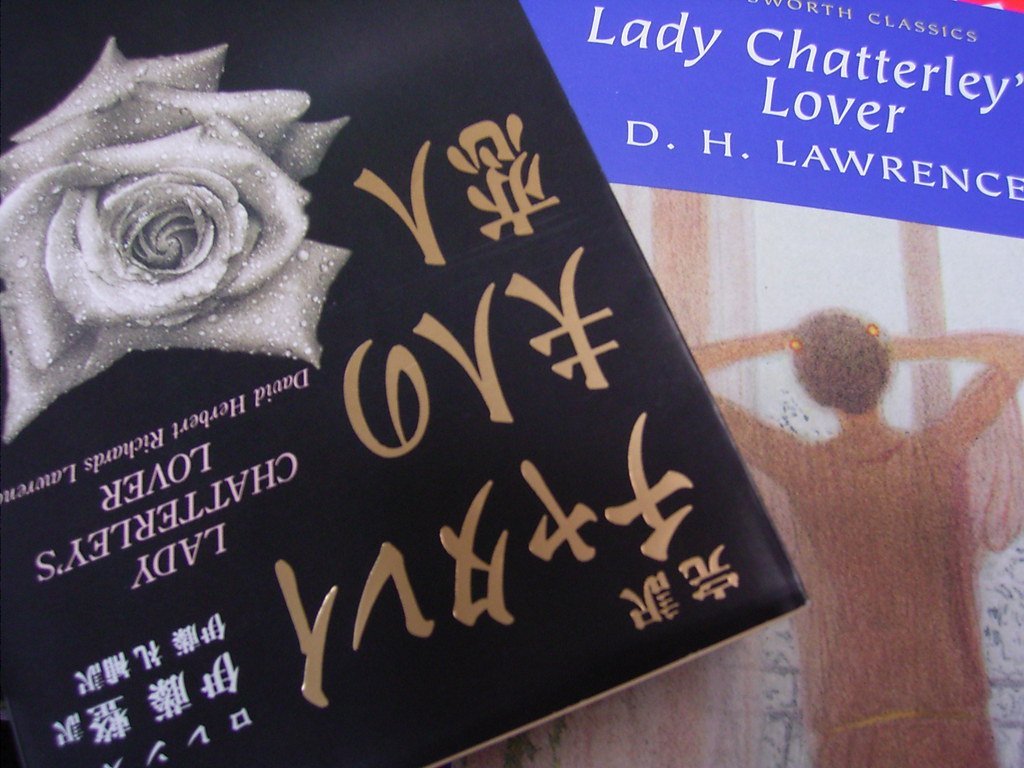
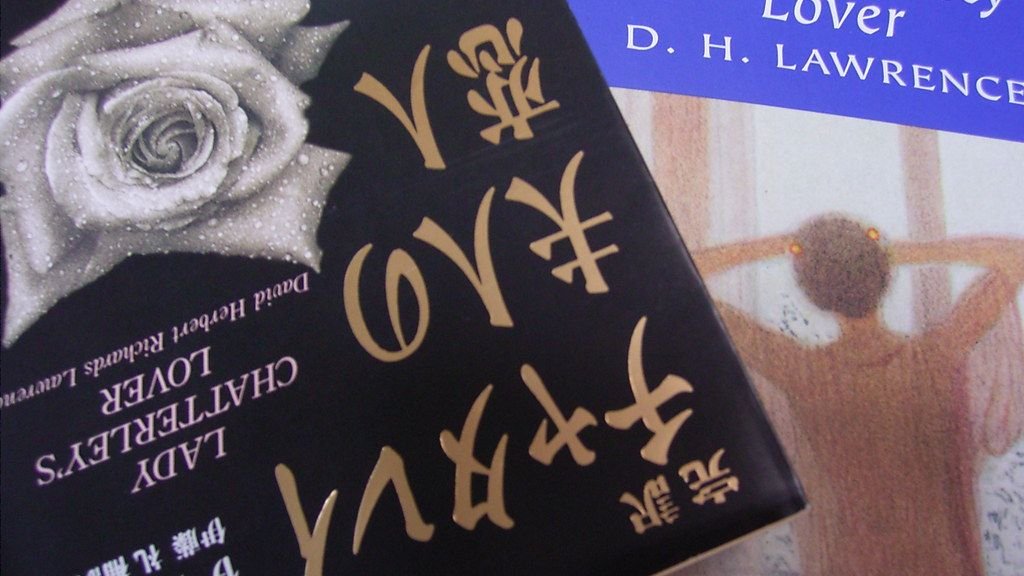
Lady Chatterley’s Lover is the final novel by the English author D.H. Lawrence, first published privately in 1928 in Florence, Italy. An unexpurgated edition was not published openly in the United Kingdom until 1960, when it was the subject of a watershed obscenity trial against the publisher Penguin Books, which won the case and quickly sold three million copies. The book was also banned for obscenity in the United States, Canada, Australia, India, and Japan. The reasons were not hard to see. It became infamous for its explicit descriptions of sex, use of four-letter words, and depiction of a relationship between an upper-class woman and a working-class man. Perhaps most outrageous at the time was the author’s portrayal of female sexual pleasure.
It wasn’t until the 1960s when Penguin published the uncensored version that the work began to see the light of day. Upon its publishing, Penguin underwent a trial under the Obscene Publications Act of 1959, in which a book could escape censorship if it demonstrated literary value. The trial of R v Penguin Books Ltd was a public event and had famous authors as members of its jury including E.M. Forster and Helen Gardner. On November 2, 1960, the verdict of “not guilty” was delivered, which opened the doors for more of the world to access Lady Chatterley for the first time. What remains so powerful and so unusual about Lady Chatterley’s Lover is not just its honesty about the power of the sexual bond between a man and a woman, but the fact that it remains one of the few novels in English literary history that addresses female sexual desire.
3. Madame Bovary – Gustave Flaubert (1857)
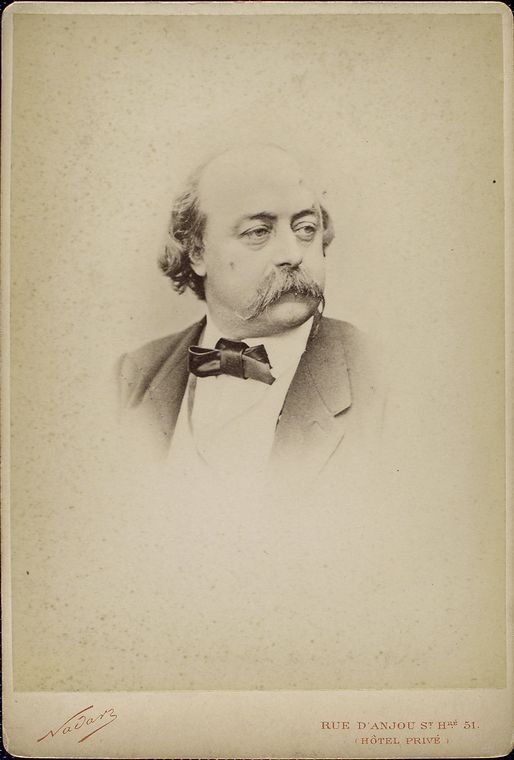
Honestly, it is almost comic in retrospect. Though its mild in sexual content by modern standards, Gustave Flaubert’s classic modernist text Madame Bovary was labeled scandalous for its inclusion of extramarital affairs and the abandonment of domestic life. Placed on trial on obscenity charges in 1857, Flaubert was eventually acquitted, and his book is now a highly acclaimed addition to the canon. The story of Emma Bovary – a bored country doctor’s wife who seeks passion, beauty, and escape – was treated by contemporary critics as a moral catastrophe.
The irony is that Flaubert’s prose was meticulous, almost surgical. Literary historian Elisabeth Ladenson, exploring modern obscenity trials, asks what these colorful legal histories have to tell us about the works themselves and about a changing cultural climate that first treated them as filth and later celebrated them as masterpieces. Madame Bovary is now considered the defining novel of literary realism and is taught in virtually every serious literature program in the world. The woman they tried to silence gave rise to an entire school of writing.
4. Lolita – Vladimir Nabokov (1955)
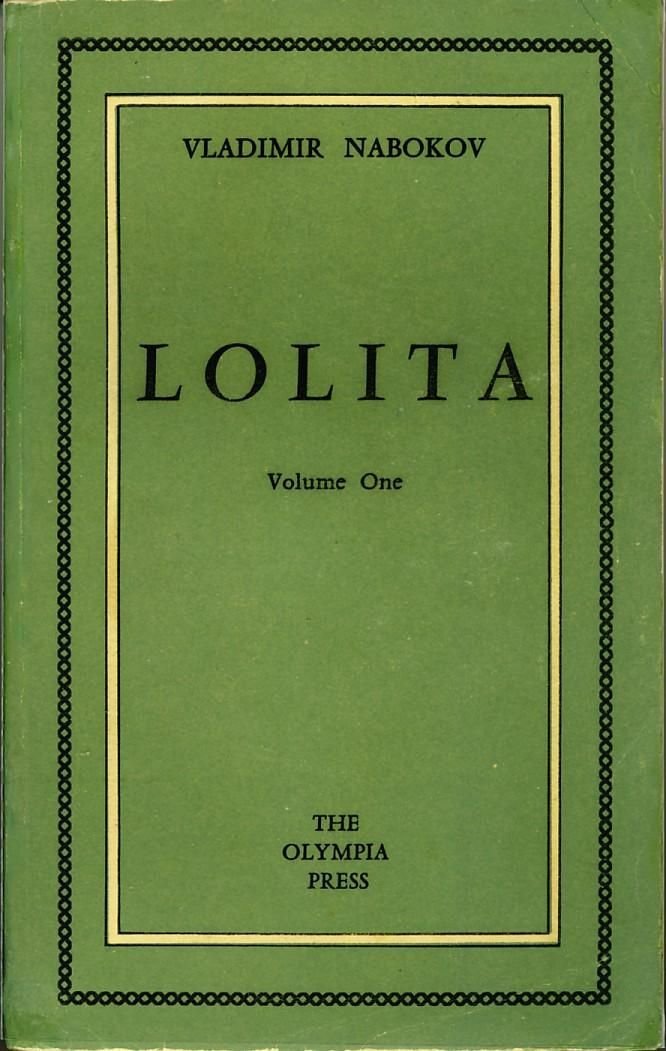
Few books carry as complicated a legacy as this one. The novel was written in English, but fear of censorship in the U.S. and Britain led to it being first published in Paris, France, in 1955 by Olympia Press. Called “repulsive,” “disgusting,” “revolting,” and “corrupt,” the book was written by a professor at Cornell who taught a class on Masterpieces of European Fiction. The contradiction is stunning when you think about it. Lolita would eventually be banned in England, Australia, Burma, Belgium, and Austria and, at the local level, in some American communities.
Finally published in the United States in 1958, Lolita became an immediate best-seller, and has sold over 50 million copies since. Despite the controversies, Lolita is considered a significant work in literature due to Vladimir Nabokov’s masterful use of language, intricate wordplay, and multi-layered narrative structure. The novel has been praised for its exploration of complex themes such as obsession, manipulation, and the destructiveness of desire. It is ranked fourth on Modern Library’s list of the 100 best 20th-century novels. The debate over its moral dimensions has never fully gone away – and perhaps that is precisely where its power lives.
5. The Picture of Dorian Gray – Oscar Wilde (1890)
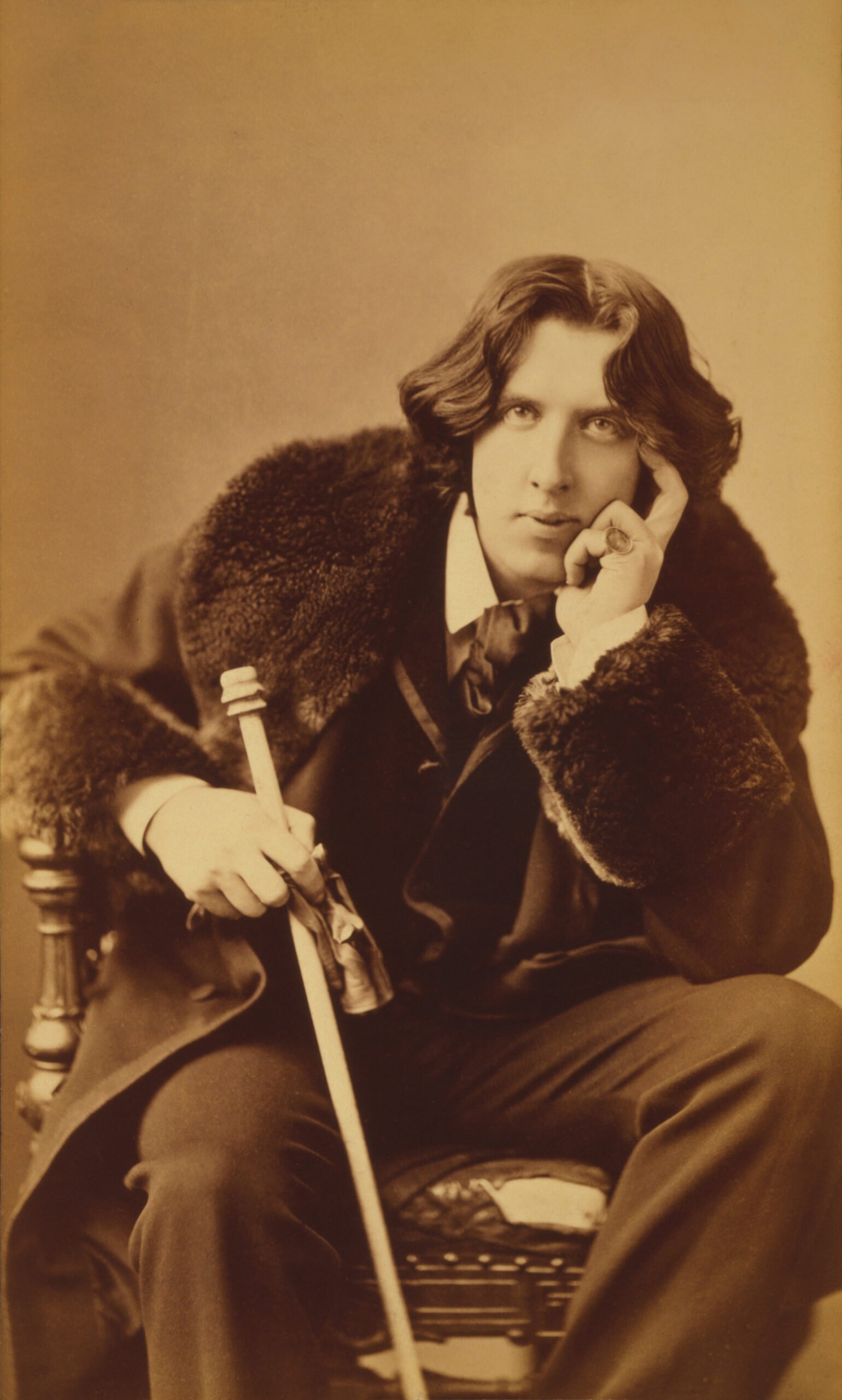
Before its first appearance in Lippincott’s Monthly Magazine in 1890, the novel was heavily edited by the magazine’s editor, J.M. Stoddart, without the author’s knowledge. Even with the edits, the story sparked outrage for its homoerotic and queer themes, and the British press condemned it as immoral and scandalous. It was an era when merely suggesting a world outside rigid social convention was enough to destroy a man’s reputation. And in Wilde’s case, it almost literally did exactly that.
The controversy didn’t stop there. The book became central evidence during Wilde’s infamous 1895 trial, which led to his conviction over charges related to homosexuality. Today, The Picture of Dorian Gray is recognized as one of the great Victorian novels, a blazing meditation on vanity, corruption, and the price of a hidden life. What was used as a weapon against its author is now his crowning legacy. There is a cruel poetry to that.
6. The Awakening – Kate Chopin (1899)
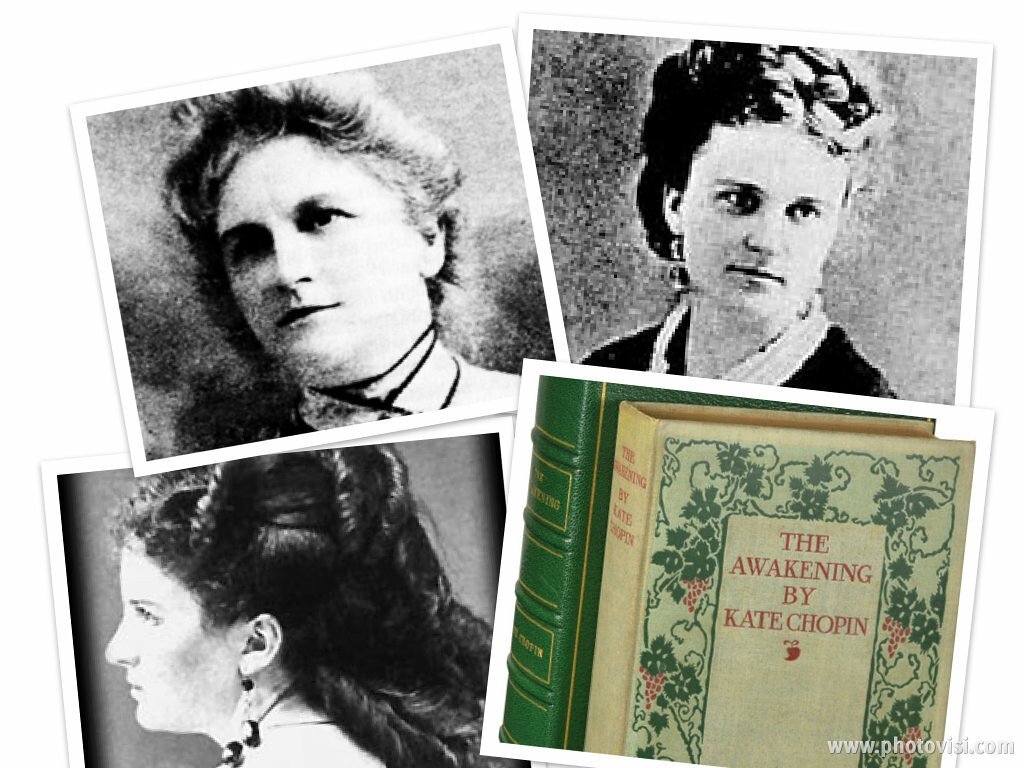
Chopin’s story of self-discovery and suicide boldly challenged the gender roles of Victorian society. Critics denounced the novel as “morbid,” “feeble,” and “vulgar.” The novel was considered immoral not only for its comparatively frank depictions of female sexual desire but also for its depiction of a protagonist who chafed against social norms and established gender roles. Chopin had been a celebrated short story writer before this novel appeared. The Awakening essentially ended her literary career.
This story of a woman’s struggle with oppressive social structures received much public contempt at its first release; put aside because of initial controversy, the novel gained popularity in the 1960s, some six decades after its first publication, and has since remained a favorite of many readers. By the early 1960s, second-wave feminism was changing the way Americans viewed women and society at large. In 1969, Per Seyersted, a scholar of American literature, secured Chopin’s literary legacy by publishing the first edition of her collected works. In the 1980s and 1990s, The Awakening became a popular text in college literature, women’s studies, and American studies classes. Justice, eventually.
7. The Grapes of Wrath – John Steinbeck (1939)
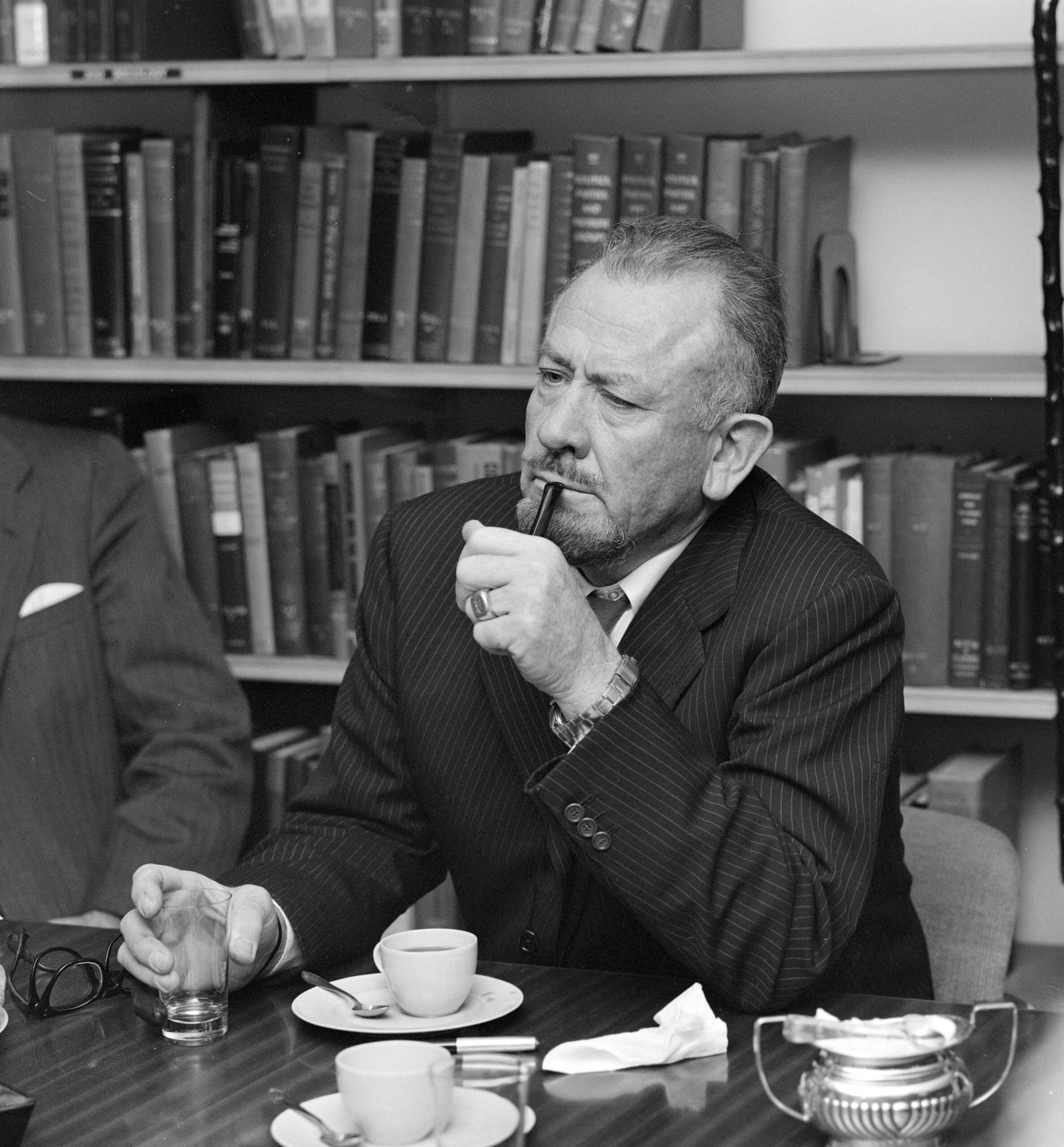
Here is the thing about this one – it was not sex that made people furious. It was compassion. Steinbeck’s 1939 Pulitzer Prize-winning novel was banned and burned thanks to its supposed socialist content, sympathy towards the poor, and honest portrayal of the working conditions of migrant workers. Burning a book about starving families struggling during the Great Depression. The mind reels. Powerful agricultural interests in California were particularly hostile to the novel’s unflinching depictions of worker exploitation.
A portrait of the conflict between the powerful and the powerless, it captures the horrors of the Great Depression, probing into the very nature of equality and justice in America. Steinbeck won both the Pulitzer Prize and the Nobel Prize in Literature, partly in recognition of this very novel. The Grapes of Wrath is now considered one of the essential American novels, a moral document as much as a work of fiction. The people who burned it only secured its immortality.
8. The Catcher in the Rye – J.D. Salinger (1951)
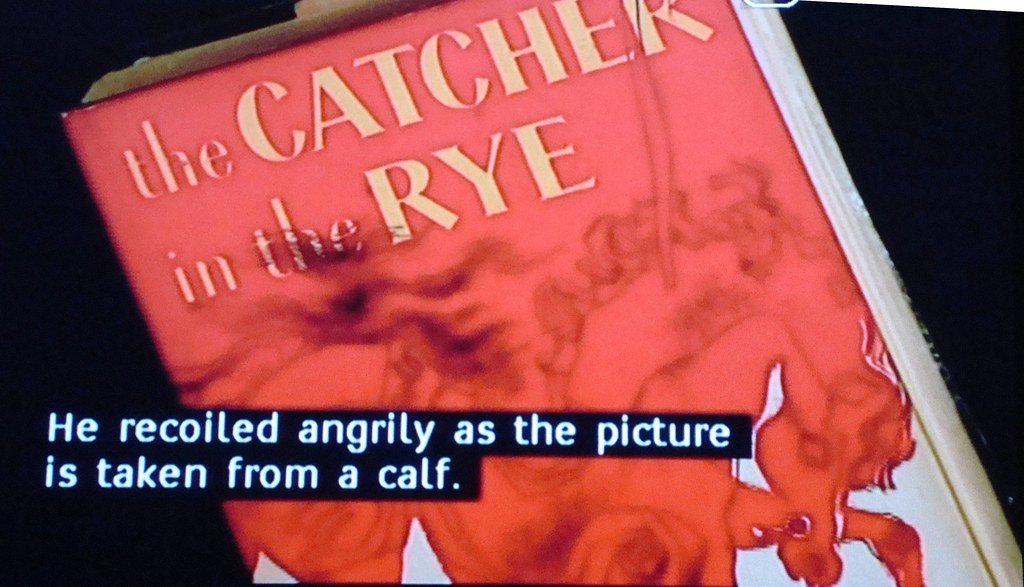
Salinger’s coming-of-age novel featuring the disaffected teenager Holden Caulfield has sparked controversy since its 1951 publication. The book’s profanity, sexual content, and themes of teenage rebellion led to widespread banning. In 1960, an Oklahoma teacher was fired merely for assigning the novel to an 11th-grade English class. I think it’s worth pausing on that for a moment. Fired. For teaching a book. That same book would go on to become one of the most assigned novels in American high schools.
The Catcher in the Rye has made its way onto many challenged and banned book lists over the years, mostly for vulgar language, sexual references, violence, and themes many find controversial. At the same time, it’s a story many teenage readers connect with deeply. This non-conformative novel follows 16-year-old Holden Caulfield over the course of a few days after he is expelled from prep school, as he experiences confusion, disillusionment, and the “phoniness” of the adult world. Its raw emotional honesty, that was once its crime, turned out to be its greatest gift to readers everywhere.
9. The Color Purple – Alice Walker (1982)

Alice Walker’s 1982 novel, which tells the story of Black women’s life in the South in the 1930s, is not a light read. The plot deals with rape, emotional abuse, sexism, incest, and violence. At the same time the story was hopeful and beautifully told, and won the Pulitzer Prize, making it one of the most controversial books in the United States. It was challenged for its “sexual and social explicitness” and its “troubling ideas about race relations, man’s relationship to God, African history, and human sexuality.” It is hard to say for sure whether those objectors truly feared the content, or simply the truth it told.
The Color Purple broke the silence around domestic and sexual abuse, narrating the lives of women through their pain and struggle, companionship and growth, resilience and bravery. Classrooms all over the United States rejected the book from their syllabi, claiming it was too “sexual,” and many libraries argued the same point. Decades later, many still took issue with the book – in fact, in 2009, it made the American Library Association’s Top Ten list of most challenged books. Still, it was adapted into a celebrated film, then a Broadway musical, and it endures as one of the most powerful voices in American literary history.
10. A Clockwork Orange – Anthony Burgess (1962)
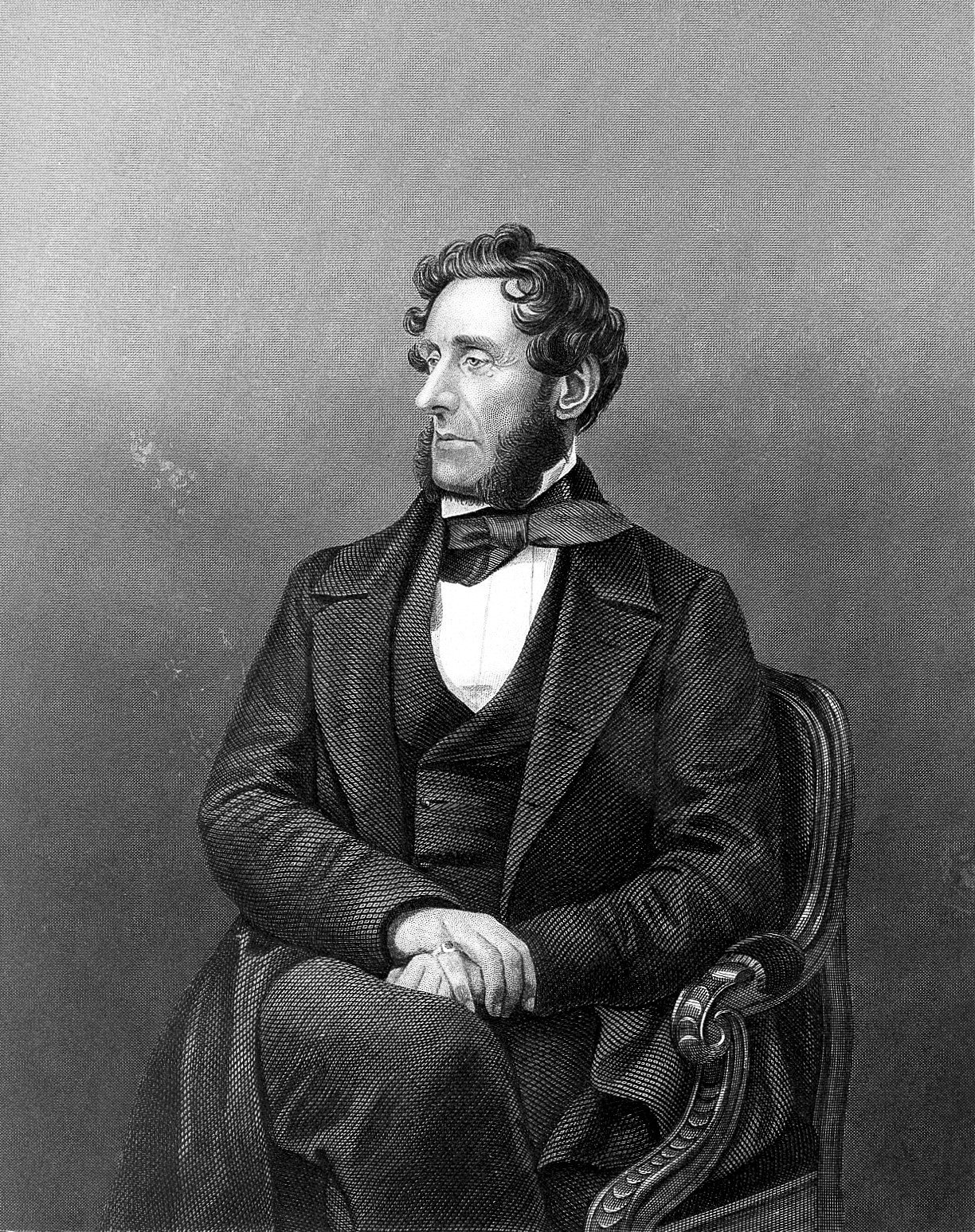
Burgess’s classic novel was banned in several high schools across the U.S. for extensive use of profanities, and the culture of youth violence that it allegedly promoted. The novel’s invented slang, its graphic sequences of brutality, and its deeply uncomfortable questions about free will and state control made it a target for moral guardians on multiple continents. Stanley Kubrick’s film adaptation only amplified the controversy, and Kubrick himself eventually withdrew the film from UK distribution for years, citing threats against his family.
Described as a nightmare vision of the future where criminals take over after dark, A Clockwork Orange is now recognized as a frightening fable about good and evil and the meaning of human freedom. It is studied in philosophy departments for its exploration of behaviorism and moral agency, in literature programs for its linguistic inventiveness, and in film schools as a landmark of cinematic art. The violence that once made it untouchable is now understood as the precise tool Burgess used to ask the most uncomfortable question of all: is a person truly good if goodness is forced upon them?
The Bigger Picture: Literature as a Mirror We Prefer to Keep Covered
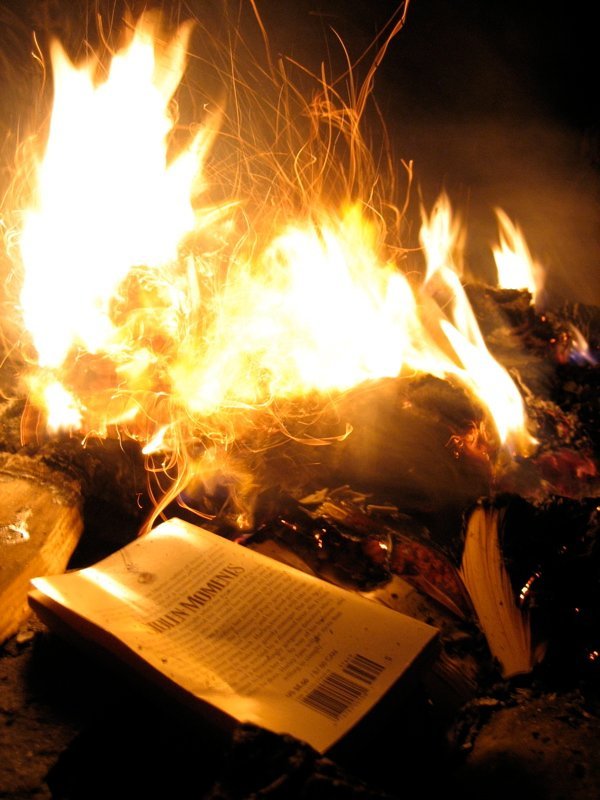
Uploaded by mangostar, CC BY-SA 2.0)
Looking back across this list, a pattern becomes almost uncomfortably clear. Whether it was for explicit sexual content or subverted gender roles, vulgar language or immoral behavior, these books featured characters, plots, language, or settings that didn’t fit with the social and cultural norms of the day. They were frequently challenged and banned by religious groups, schools, activist groups, and even governments. The instinct to silence what makes us uncomfortable is ancient. It never goes away entirely.
Yet here is what history has shown us with remarkable consistency: the books that get burned tend to be the ones that matter most. Of the Modern Library’s 100 Best Novels published since 1900 in the English language, 9 of the top 10 have been banned at some point. That is not a coincidence. It is almost a kind of accidental quality test. Great literature disturbs. It asks questions society prefers not to answer and gives voice to people society prefers not to hear.
The transformation of these novels from scandals into masterpieces is not just a story about books. It is a story about us – about how slowly and reluctantly societies expand their circles of empathy, and how fiction has always been at the frontier of that expansion. Every generation discovers anew that the things it feared most in a novel were precisely the things it most needed to read. What does that tell you about the books being challenged right now?
CEO-Co-Founder
