

- The 20 Longest Songs Ever to Chart – And Why They Worked Anyway - September 16, 2026
- The 20 Most Misquoted Speeches in History – And What Was Actually Said - September 16, 2026
- 20 Songs That Were Turned Down by Other Artists – Big Mistake - September 16, 2026
Music has a strange and beautiful way of defying expectations. Sometimes the most throwaway, accidental, almost-never-recorded moments end up reshaping the entire sonic landscape of a generation. Or two. Or three. What we call “sampling” – borrowing a slice of an existing recording and weaving it into something new – has become one of the defining creative tools of modern music. Music sampling is the act of taking a piece of one sound recording and reusing it as an instrument, element, or section in a new song. It sounds simple enough. But the story of how one obscure B-side from 1969 went on to quietly power thousands of tracks across hip-hop, drum and bass, jungle, rock, and even TV theme songs? That story is genuinely wild. Let’s dive in.
What Sampling Actually Is – and Why Some Tracks Get Chosen Over and Over
Here’s the thing about sampling: it’s not just copying. Its origins began with experimental musicians who would physically handle tapes and vinyl, but the popularity of sampling caught on quickly with electronic and disco music in the 1970s and 1980s and spread like wildfire. It’s an art form rooted in transformation, in taking a raw ingredient and cooking something entirely new with it.
Not every track earns that honor, though. There are a handful of recordings, often little more than a few seconds of drums, a snatch of vocal or a percussion figure, that have been repurposed in thousands of later songs. These “most sampled” tunes are not just curiosities – they’re fundamental building blocks of entire genres. The ones that get reused again and again tend to share something special: a groove that just feels right, a sonic texture that’s impossible to fake. And nothing in music history has been reused quite like the Amen Break.
The Song Nobody Noticed: “Amen, Brother” by The Winstons
Imagine spending twenty minutes writing a song that nobody cares about for decades, only to find out it quietly became the backbone of modern music. That is more or less exactly what happened. The Amen Break comes from the 1969 track “Amen, Brother” by the American soul group the Winstons, released as the B-side of the 1969 single “Color Him Father.” The drum break lasts seven seconds and was performed by Gregory Coleman.
In 1969, The Winstons spent 20 minutes recording a B-side that would go on to change the face of music. Honestly, that might be the most extraordinary ratio of time invested to cultural impact in all of recorded history. The band composed it in just twenty minutes based on the gospel song “Amen” and a guitar riff from Curtis Mayfield. The sheer disparity in scale between the original single and the sample it spawned is pretty crazy.
The curious treasure pops up around one minute and 26 seconds into “Amen, Brother,” where all other instrumentation quiets down and the group’s drummer, Gregory Coleman, lays down a four-bar drum break. Coleman reportedly didn’t even think much of it at the time. It was just a fill. Just something to pad out the track. And yet, those few seconds would end up heard by more people than almost any other recording ever made.
The Man Behind the Drums: Gregory Coleman and Richard Lewis Spencer
The Winstons were a soul and funk group doing what so many bands of the era were doing – touring, recording, trying to make a living. The Winstons were a soul band making their living touring around the southern states. The group was led by Richard Lewis Spencer, a talented saxophonist and teacher who was also part of Otis Redding’s backing band and that of Curtis Mayfield. These were serious, skilled musicians.
In 1969, Richard Lewis Spencer, the tenor saxophonist for The Winstons, received a Grammy for his compositional work on “Color Him Father.” That A-side was the real achievement in their eyes. The B-side? An afterthought. The recording of “Amen, Brother” took place in a relatively straightforward studio setup typical of the late 1960s. Limited by the analog equipment of the era, the band relied on a single take to capture Coleman’s improvisational drum solo. The simplicity of the production process inadvertently contributed to the break’s character – its warm tones, tape saturation, and minimal processing became a hallmark of its enduring appeal.
How a Forgotten B-Side Got Rediscovered by an Entirely New Generation
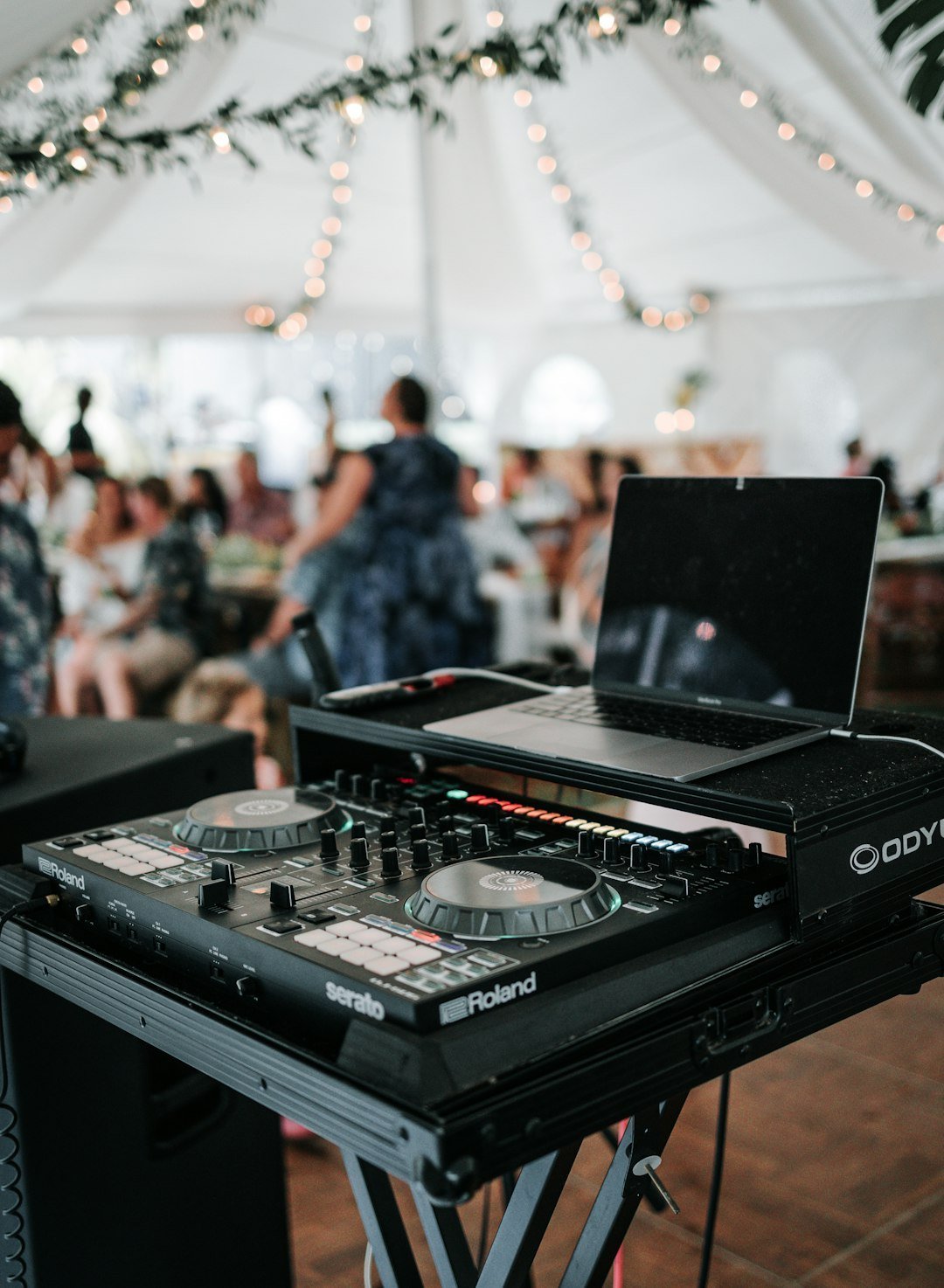
For almost two decades, “Amen, Brother” sat in near-total obscurity. Then something shifted. In the 1980s, with the rise of hip-hop, DJs began using turntables to loop drum breaks from records, which MCs would rap over. In 1986, “Amen, Brother” was included on Ultimate Breaks and Beats, a compilation of old funk and soul tracks with clean drum breaks intended for DJs. That was the spark.
Ultimate Breaks and Beats was a series of compilation albums released from 1986 to 1991, curated by Louis “BreakBeat Lou” Flores. Featuring tracks that included many popular drum breaks, way back on volume 1, the beat that had DJs and producers experimenting across the globe was, of course, the Amen Break. Think of it like a recipe book being published for the first time – suddenly everyone had access to the ingredient, and they all started cooking. DJs started slowing down the fill from its original tempo of 135BPM to around 90BPM, something of a sweet spot for that hip hop sound.
Why This Specific Drum Break Sounds So Irresistible
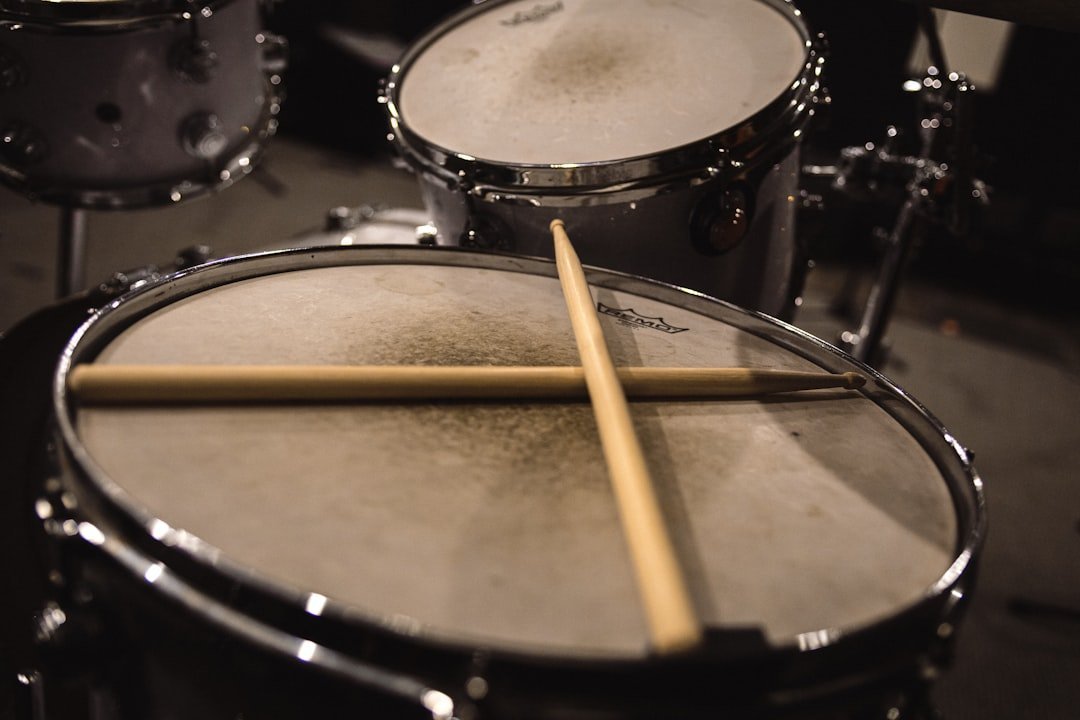
Let’s be real – not all drum breaks are created equal. So what makes the Amen Break so magnetically reusable? Technically speaking, the Amen break is notable for a few things. The sample features a steady ride cymbal to keep time rather than a constant hi-hat. The delayed snare in the third bar adds to the rhythm, while the beat-gap in the third bar is famously jarring. The flavor of the sample is perhaps the break’s most coveted feature next to its one-of-a-kind rhythm.
The break’s syncopation, texture and short, loopable length made it perfect for early hip-hop DJs and later the foundation for jungle and drum-and-bass. Its use proliferated in the 1980s and 1990s until the Amen Break became a rhythmic language of its own. There’s even a more unusual theory about why it works so well. If you analyse the waveform of Coleman’s break, you can see that it perfectly matches the ancient Greek beauty standard known as the golden ratio. I know it sounds crazy, but maybe our brains are literally hardwired to love this thing.
The Songs That Made It Famous: Notable Uses Across Genres
Salt-N-Pepa’s 1986 single “I Desire” was one of the first tracks to sample the Amen break. That was just the beginning. In 1988, Mantronix released the influential track “King of the Beats,” which edited and processed the Amen break to make it central to the track. The break was used in a number of mainstream tracks that year, including “Straight Outta Compton” by N.W.A and “Keep It Going Now” by Rob Base and DJ E-Z Rock.
The reach of this little drum loop is almost impossible to overstate. The Amen Break is the foundation across the repertoires of countless electronic artists such as Skrillex, C418, Aphex Twin and The Prodigy. Moreover, the beat has seeped into other genres, including Britpop, Art Rock and Nu-metal, used by Oasis on “D’you Know What I Mean?” (1997), David Bowie on “Little Wonder” (1997) and Linkin Park on “Massive” (2023) respectively. David Bowie and Linkin Park sharing a DNA strand with N.W.A. through a seven-second drum fill recorded in Atlanta in 1969. Wild doesn’t even begin to cover it.
The Amen Break’s Role in Birthing Entirely New Genres

It’s one thing for a sample to appear in a few records. It’s another thing entirely for a sample to literally create new musical genres from scratch. In the late 80s and early 90s, British DJs began using the Amen break as a bridge between hip-hop and house in their mixes. Eventually, as a result of ramped-up speed and musical blending, breakbeat was birthed, forming the soil from which jungle and drum and bass bloomed.
By the late 1980s, the Amen Break crossed the Atlantic, finding a new home in the burgeoning UK rave scene. There, it became a staple of old school hardcore, an early electronic dance music genre characterized by fast tempos, euphoric synths, and heavy breakbeat usage. Drum and bass producers used advanced samplers and DAWs to push the chopping and layering of the Amen Break to new heights, manipulating the break with surgical precision, isolating individual hits and applying effects to create futuristic rhythms. The Amen Break didn’t just appear in genres – it was the reason some of them exist at all.
The Dark Side: No Royalties, a Tragic Ending, and a Belated GoFundMe

Here is where the story takes a genuinely heartbreaking turn. The man whose drumming changed the course of music history never saw a dime from it. Gregory Coleman, the drummer who made it all possible, died in 2006 a homeless man, likely fully unaware of his impact on music history. Neither he nor the rest of The Winstons ever saw a penny from the break’s usage, due to them not knowing of the situation until long after the statute of limitations had passed.
Spencer was not aware of its use until an executive contacted him asking for the master tape in 1996, when he was working for the Washington Metro. By then, it was simply too late legally. To make amends, a GoFundMe was set up in 2015, raising around £24,000 for the rest of the band. That figure, set against the billions of streams and record sales the break has contributed to, feels painfully inadequate. In many ways the Amen break initiated the necessary paradigm shift of controlling and monitoring plagiarism within the music industry.
Just How Many Times Has It Actually Been Sampled?

The numbers are staggering. To date, “Amen, Brother” has been sampled in 4,130 releases – a long way ahead of “Think (About It)” by Lyn Collins, which can be found on 2,466 tracks. Some sources suggest the true count is even higher. At the time of writing, the Amen Break has been sampled over 6,000 times.
To put that into some kind of perspective: that is not a popular sample. That is a force of nature. The Amen break, described as “six seconds that changed the course of music history,” is famously the most sampled piece of music of all time. The beat was sampled perhaps most famously in N.W.A.’s 1988 “Straight Outta Compton,” as well as by a diverse range of other well-known artists such as Jay-Z, Oasis, The Prodigy, Primal Scream, Slipknot, and even the theme tune of Futurama. From rap to rock to cartoons. That is an extraordinary range.
The Amen Break’s Lasting Cultural Impact on Music Production
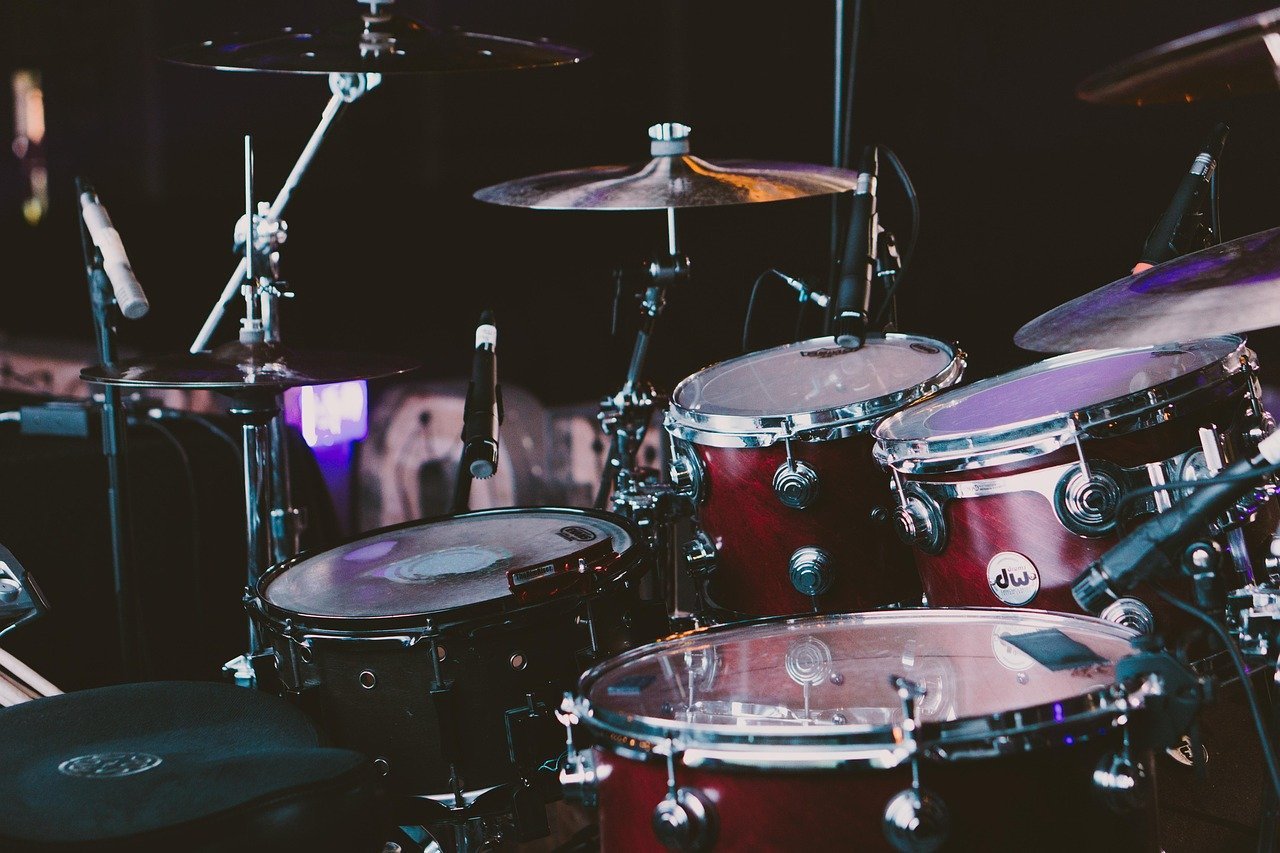
It is genuinely hard to imagine what modern music would sound like without the Amen Break. Entire genres such as jungle and drum and bass used specific breaks as a generative rule – producers built new rhythmic languages from them. The break didn’t just influence music. It became a kind of shared creative vocabulary that producers across generations have spoken fluently, often without even knowing its origin.
The Amen Break’s role in shaping the DIY ethos of sampling and remix culture empowered producers with limited resources to create groundbreaking music. It democratized music production in a way that was completely unprecedented. Producers working with limited budgets used second-hand records as their primary sound source, transforming obscure loops into something entirely new. The Amen Break epitomized this ethos, serving as a tool to elevate the art of sampling into a cornerstone of modern production. What started as twenty minutes of improvisation in a small Atlanta studio became the heartbeat of an entire era of music.
Conclusion: Six Seconds That Changed Everything
The story of “Amen, Brother” is, in many ways, a perfect mirror of how music actually works. Not through grand plans or polished ambition, but through accidents, improvisation, and the unpredictable decisions of creative people in a room together. The Amen Break is the best example of the power of rhythm and creativity. From its humble origins to its enduring influence, it has shaped the evolution of modern music, transcending genres and generations.
The tragedy of Gregory Coleman dying unrecognized, while his drumming lived on in thousands of tracks heard by billions of people, is a story the music industry should never forget. It raises deep questions about who truly owns a sound, and who deserves to benefit from it. These songs have left a lasting mark on music, their elements repurposed in creative ways by countless artists. Sampling continues to shape modern music, bridging the past with the present and keeping classic sounds alive for new generations.
Seven seconds. One take. No royalties. And somehow, an entire musical universe was born from it. What would you have guessed was the most sampled song in history – and does knowing the truth behind it change how you hear modern music?

Besides founding Festivaltopia, Luca is the co founder of trib, an art and fashion collectiv you find on several regional events and online. Also he is part of the management board at HORiZONTE, a group travel provider in Germany.
