

- 15 Famous Authors Whose Real Lives Were Dramatically Stranger Than Fiction - September 9, 2026
- 13 Classic Literary Personalities Whose Lives Were More Dramatic Than Their Novels - September 9, 2026
- 10 Iconic Fashion Moments From Music History That Dramatically Changed Style Forever - September 9, 2026
There are decades that simply hum in the background of cultural memory, and then there are decades that roar. The 1980s roared. The decade saw a seismic shift in pop culture, and the world was changing fast – entertainment followed suit with electrifying speed. Few decades transformed popular music as dramatically as the 1980s. New recording technology, the rise of MTV, and the commercial breakthrough of hip-hop reshaped how artists reached audiences around the world.
What made the era so combustible was not just the music itself, but the collision of forces happening all at once. The launch of MTV provided visual components alongside conventional audio. The Walkman catered to individual interests and saw single tracks become more popular than entire albums. Genres formed through experimentation, resulting in synth-pop and new wave sounds. Honestly, it was a perfect storm. Technology, ambition, and raw cultural energy all colliding on the same dance floor at once. So which song, out of all the glittering chaos, stands above everything else? Let’s dive in.
The Artist Who Became the Decade
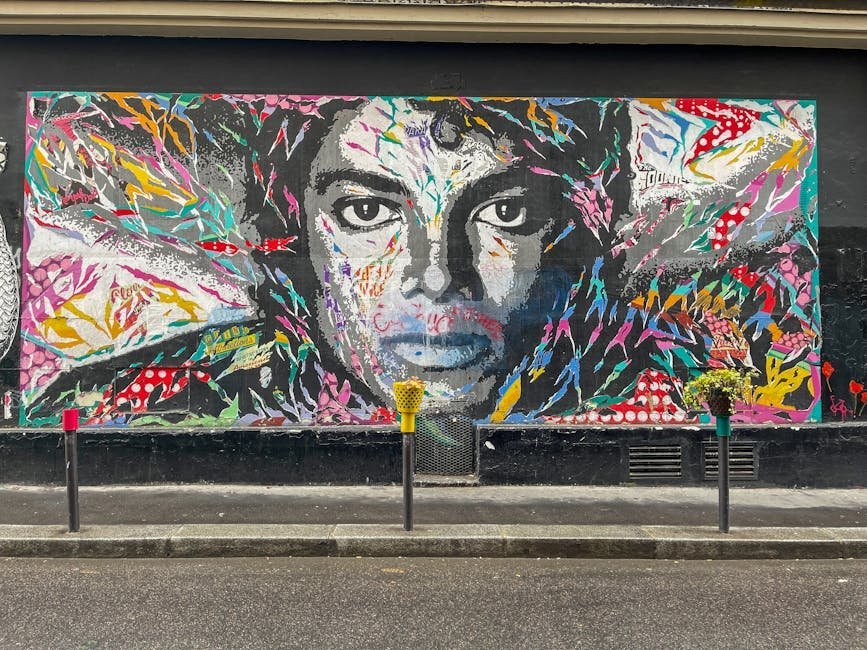
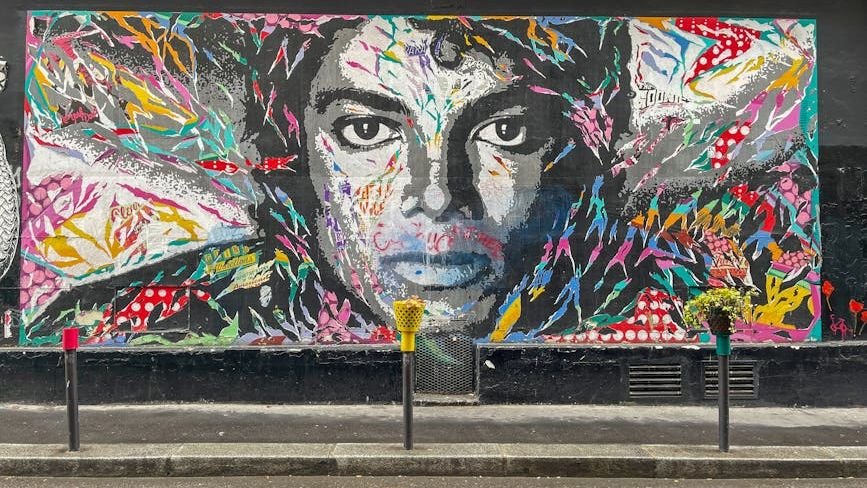
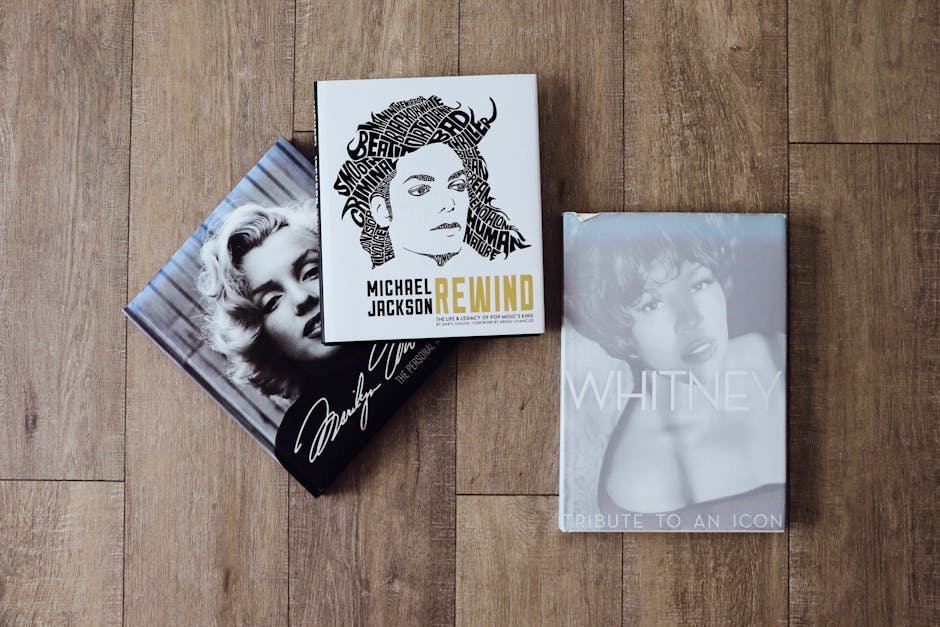
Let’s be real about this. You could spend years debating which artist best defined the 80s, but one name keeps landing at the center of every serious conversation: Michael Jackson. Artists like David Bowie and Michael Jackson are actually known as the most iconic artists of the 80s decade, turning their musical pieces into music videos that demonstrated the story behind their songs. Jackson didn’t just make music. He built an entirely new language for what a pop star could be and do.
Sales of Thriller surged after Jackson debuted his signature moonwalk dance in Motown 25 and the “Thriller” music video premiered on MTV, and by early 1984 it became the best-selling album of all time, with sales of over 30 million copies. That kind of commercial dominance is extraordinary on its own. It won a record-breaking eight Grammy Awards, including Album of the Year and Record of the Year for “Beat It.” Think about what that means: one artist, one album cycle, and the entire music industry simply bent around him like light around a massive star.
Why “Billie Jean” Is the Song

Thriller is the album, yes. But “Billie Jean” is the moment. “Billie Jean” was one of the best-selling singles of 1983, helping Thriller become the best-selling album of all time, and became Jackson’s best-selling solo single. It is a track that crystallizes everything the decade was about: ambition, tension, sleek production, and an undeniable groove that refuses to let go of you even decades later.
Frequently listed in magazine polls of the best songs ever made, “Billie Jean” was named the greatest dance record of all time by BBC Radio 2 listeners. In a list compiled by Rolling Stone and MTV in 2000, the song was ranked as the sixth greatest pop song since 1963. Those are not small claims. The song was also included in the Rock and Roll Hall of Fame’s 500 Songs that Shaped Rock and Roll. When a track carries that kind of institutional weight, it stops being just a song and becomes something closer to a shared cultural artifact.
The Production: Sparse, Hypnotic, and Groundbreaking

Here’s the thing that surprises a lot of people when they think about “Billie Jean” – it is remarkably restrained. In an era obsessed with excess, Jackson and producer Quincy Jones chose something closer to minimalism. Part of its longevity comes from its restraint. The production is sparse, leaving space for the groove and Jackson’s voice to carry the song. That is a brave creative decision, and it paid off in a way that even the most maximalist productions of the era could never quite replicate.
Simple, hypnotic and slightly ominous, the bassline is the musical equivalent of footsteps in the dark, instantly setting the mood from the very first seconds. Think about that as a description of an opening. No stadium fanfare. No wall of synthesizers. Just a drum machine and a bassline that crawls under your skin. According to Rolling Stone magazine’s Top 500 songs, Jackson came up with the song’s rhythm track on his home drum machine and nailed the vocals in one take. One take. I find that almost impossible to believe, and yet completely right for a song that feels this effortlessly alive.
The Music Video That Broke a Barrier
The “Billie Jean” music video, directed by Steve Barron, was the first by a black artist to be aired in heavy rotation on MTV. Along with the other videos produced for Thriller, it helped establish MTV and make videos an integral part of popular music marketing. That sentence carries enormous weight. Before “Billie Jean,” MTV’s playlist was, to put it diplomatically, not particularly diverse. Jackson’s arrival didn’t just expand the playlist. It fundamentally changed what MTV was.
MTV executives refused to air the video, telling Jackson’s record company CBS Records they were nervous that a black R&B artist would clash with MTV’s rebellious rock and roll identity. The move so incensed CBS president Walter Yetnikoff that he threatened not only to pull the entire CBS catalog from MTV’s airways but go public that the network was racially biased against black artists. The gamble worked as the cable channel relented, and Billie Jean made its MTV debut on March 10th, 1983. It is a story that sounds almost too dramatic to be real, but it happened exactly that way. The ripple effects were enormous – and they were permanent.
The Motown 25 Performance and the Moonwalk
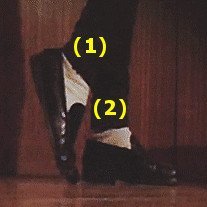
If the recording of “Billie Jean” is one pillar of its legend, the live performance is the other. Jackson performed “Billie Jean” on the television special Motown 25: Yesterday, Today, Forever, broadcast on May 15, 1983. What happened during that performance is the kind of moment that gets written about for generations. It introduced a number of Jackson’s signatures, including the moonwalk, rhinestone glove, black sequined jacket, and high-water pants, and was widely imitated.
During the performance, Jackson debuted the moonwalk, a dance move that instantly became synonymous with his image. For millions of viewers watching at home, it was one of those moments where a star transforms into something bigger than a star. Pop culture would never quite look the same afterward. I think that last sentence is the truest thing you can say about it. There is a before and an after. “Billie Jean” on Motown 25 is the exact line between them. An estimated 47 million viewers watched the Motown special – among them was silver-screen dance legend Fred Astaire, who called Jackson afterward to congratulate him on his performance.
The Cultural Context: A Decade Looking for a Mirror
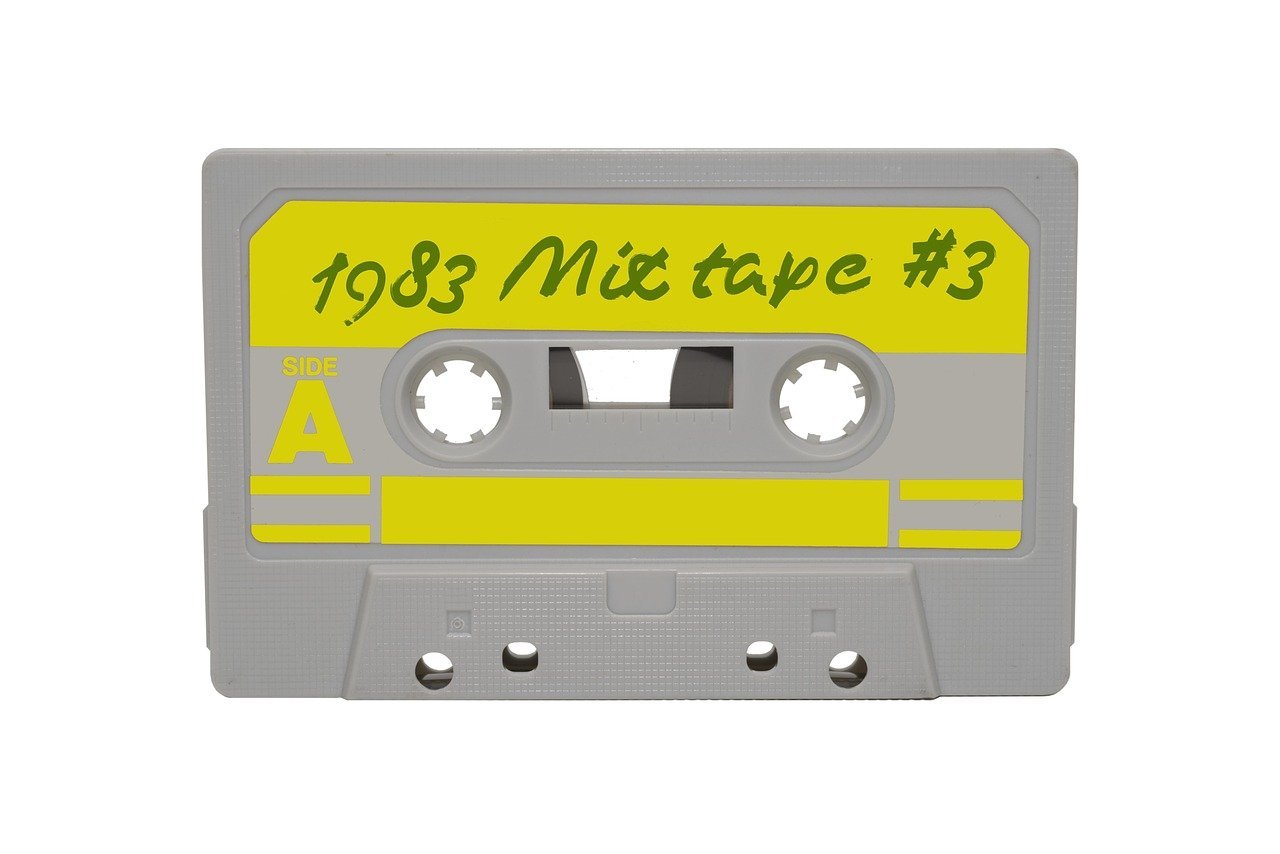
The 80s was not just a musical era. It was a cultural moment defined by aspiration, spectacle, and contradiction. The 1980s were a time of unprecedented musical exploration and innovation. The decade’s diverse genres not only defined the era but also laid the foundation for future musical trends. Against that backdrop, “Billie Jean” arrived with something unusual for pop music: genuine psychological tension. It is a song about paranoia, about identity, about the cost of fame. That is not typical pop territory.
The 80s was such a thriving era that had one of the greatest, if not the greatest, impact on the music industry. During this era, there were countless genres which included electronic dance music, different variations of rock, and pop. The music scene shaped what we listen to today by developing new senses of style and genres throughout music. “Billie Jean” sits at the center of that complexity. It is pop, R&B, and something slightly darker and harder to name all at once. It is the kind of song that could only have been made in 1983, but speaks to something timeless in human experience. That combination is almost impossible to engineer deliberately.
The Racial Breakthrough and Its Lasting Significance
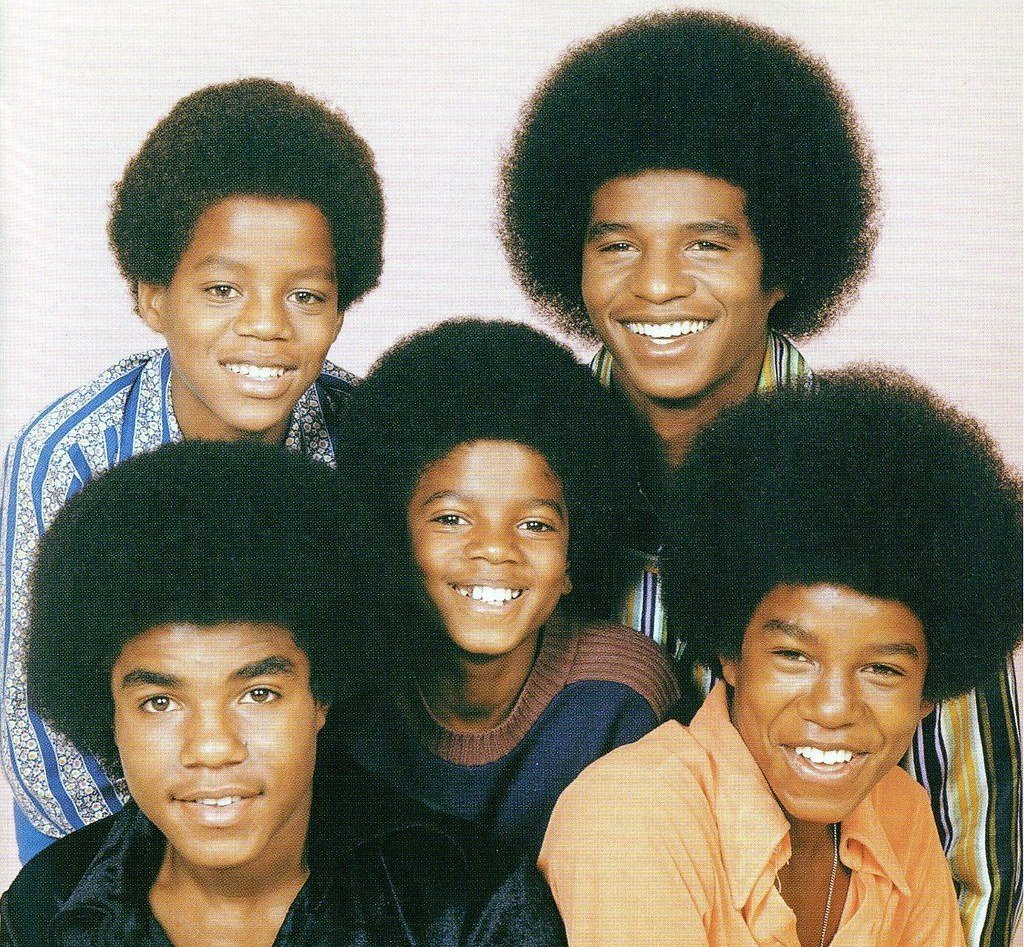
It would be a disservice to discuss “Billie Jean” without sitting with what its MTV story actually meant. MTV’s embrace of “Billie Jean” wasn’t just a cultural breakthrough. The music channel might not exist today had it not changed its tune on black music. That is a staggering claim, but the numbers back it up. MTV executives had expected to lose $10 million before they showed a profit. The network quickly lost $50 million, and its parent company was prepared to shut down MTV and call it quits. Jackson’s three Thriller videos came out in 1983. In the first three months of 1984, MTV had their first quarterly profit.
Let that sink in for a moment. The very network that defined visual pop culture in the 80s was, in a very practical sense, saved by a Black artist it had initially refused to air. The music video for Michael Jackson’s “Billie Jean” helped redefine what a pop video could be. When the video premiered on MTV in March 1983, it became the first video by a Black artist to get heavy rotation on the channel. The door it forced open changed who got to be seen, who got to be heard, and who got to matter on the most powerful music platform of the decade. That is a legacy worth taking seriously.
The Lasting Impact: A Song That Refuses to Age
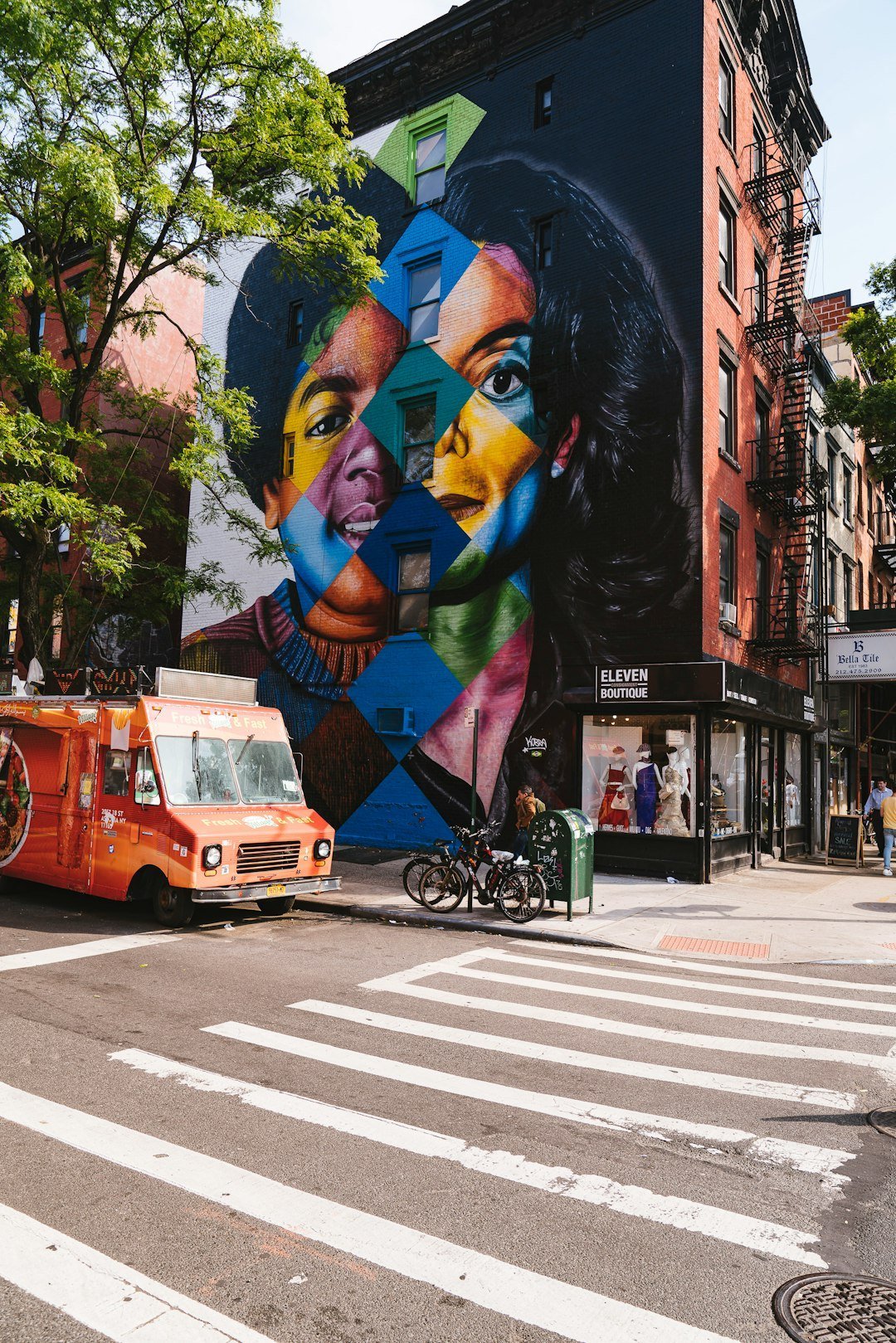
More than four decades after its release, “Billie Jean” still sounds alive. On June 10, 2021, “Billie Jean” became the first 1980s clip by a solo artist to reach 1 billion views on YouTube. One billion views for a music video shot on a shoestring budget in 1983. That is not nostalgia talking. That is genuine, enduring power. The music video became one of the most influential clips of the early MTV era, helping cement Jackson’s reputation as a visual innovator and pushing music videos into the center of pop promotion. Combined with the later cinematic video for Thriller, Jackson redefined what audiences expected from a pop artist.
Jackson transformed the medium of music video into an art form and promotional tool through the use of complex storylines, dance routines, special effects, and celebrity cameos. The artists who followed – from Janet Jackson to Beyoncé to virtually every visually ambitious pop act of the last forty years – inherited something directly from what “Billie Jean” started. High-energy dancing was a huge part of his act, and artists like New Kids on the Block and his sister Janet followed his lead and made dance moves as big a part of their shows as singing. This trend continued as groups like ‘N Sync and The Backstreet Boys followed suit. The lineage is direct and undeniable.
Why “Billie Jean” Stands Above Everything Else
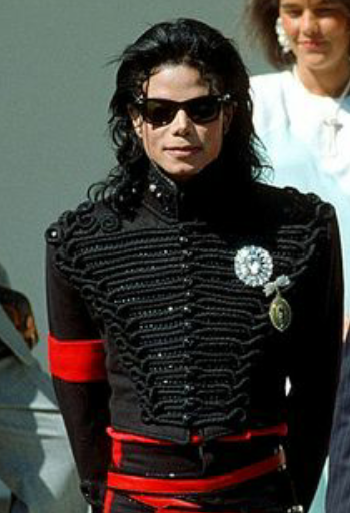
You could make reasonable arguments for other contenders. Thriller’s title track has the video. “Don’t You (Forget About Me)” has the generational emotion. “Don’t You (Forget About Me)” encapsulates what it meant to be a teenager in the 1980s. “Like a Virgin,” “Born in the U.S.A.,” “Take On Me” – all deserving candidates, all genuinely iconic. But none of them did quite what “Billie Jean” did, all at once, on so many different fronts simultaneously.
“Billie Jean” broke a racial barrier at MTV, debuted the moonwalk on Motown 25, reached number one on the Billboard Hot 100, won multiple Grammy Awards, and fundamentally changed how the music industry thought about music videos – all within a matter of months. It is hard to think of another song in history that accomplished so much in such a compressed window of time. The spare, bass-driven arrangement of “Billie Jean” helped pioneer what one critic called “sleek, post-soul pop music.” That phrase is a perfect description of everything the 80s was reaching toward.
Honestly, when you ask what song captures the spirit of the 1980s, you’re really asking: what moment changed everything? “Billie Jean” is that moment. Not just a great pop song. A turning point. The 80s were full of memorable music, but only one track managed to simultaneously define the era and reshape the entire industry that produced it. Few songs in pop history arrive with the kind of instant recognition that “Billie Jean” commands – and fewer still earn that recognition again with every new generation that discovers it.
Would you have picked the same song, or is there another track from the decade that you think belongs at the top? Tell us in the comments.

Besides founding Festivaltopia, Luca is the co founder of trib, an art and fashion collectiv you find on several regional events and online. Also he is part of the management board at HORiZONTE, a group travel provider in Germany.
