

- 12 Iconic TV Commercials That Defined a Generation and Became Pop Culture Cornerstones - August 23, 2026
- Classic literature often reveals more about our society’s lost values than any history book. - August 23, 2026
- 15 Musical Instruments So Strange, You Won’t Believe They Exist (or How They Play). - August 23, 2026
History has a funny way of hinging on a single moment. One experiment, one accidental observation, one expedition into the unknown, and suddenly the world tilts on its axis and never quite finds its way back to where it was. America, more than perhaps any other nation, has been a stage for these earth-shattering turning points.
From the scorched sands of New Mexico to the quiet laboratories of Cambridge and Chicago, discoveries made on American soil or by American minds have reshaped civilization itself. Some were the result of relentless planning and billions of dollars. Others were almost laughably accidental. What they all share is an aftershock that continues to ripple into our present day. Let’s dive in.
1. The Trinity Test: Splitting the Atom and Entering the Nuclear Age
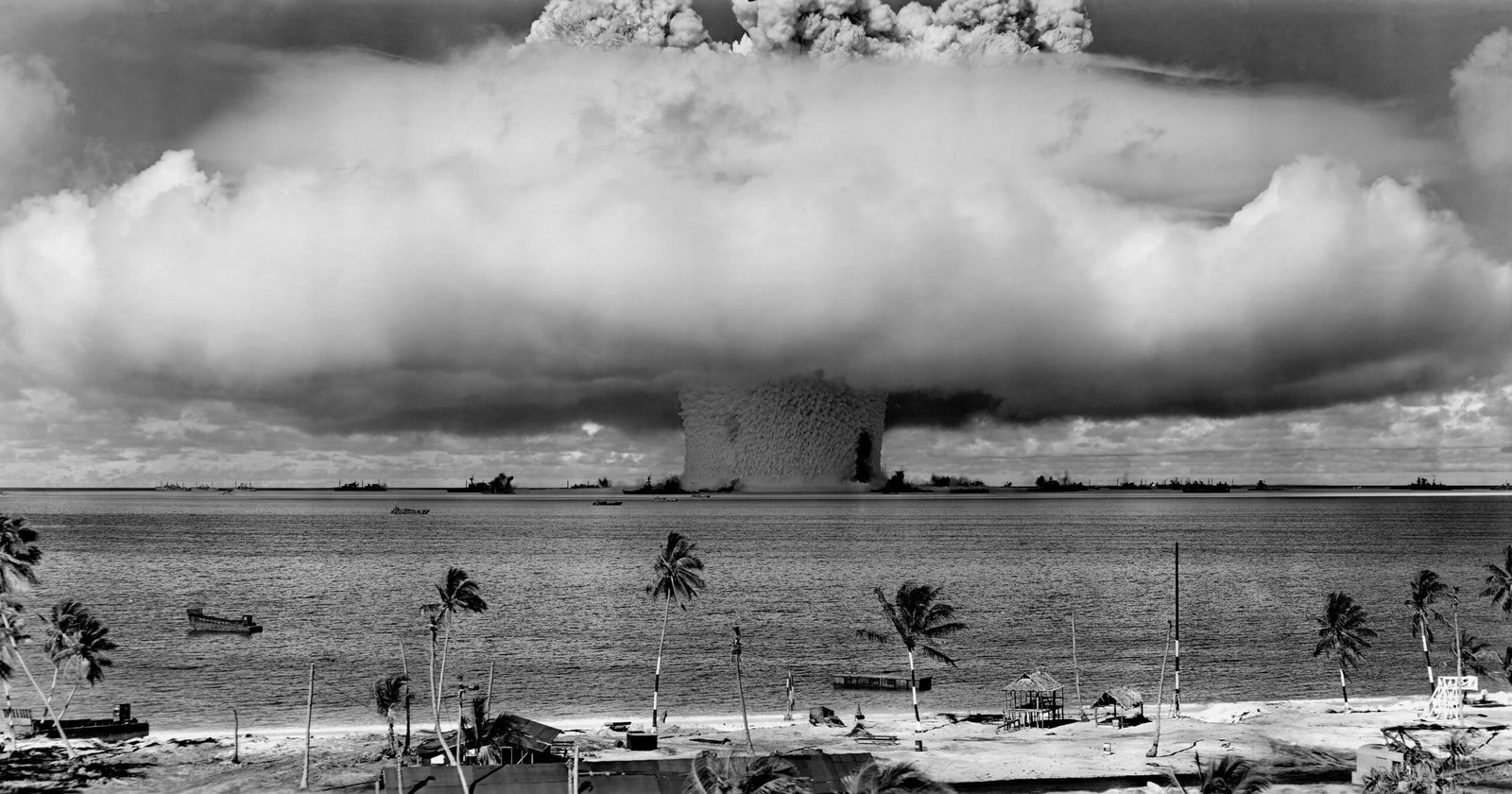
Derivative work: Victorrocha (talk), Public domain)
Few moments in human history are as chilling, and as consequential, as the morning of July 16, 1945. On that day, the world’s first atomic bomb detonated in the New Mexican desert, releasing a level of destructive power unknown in the existence of humanity. Emitting as much energy as 21,000 tons of TNT and creating a fireball that measured roughly 2,000 feet in diameter, the Trinity Test forever changed the history of the world.
The Manhattan Project was a research and development program undertaken during World War II to produce the first nuclear weapons, led by the United States in collaboration with the United Kingdom and Canada, employing nearly 130,000 people at its peak and costing nearly two billion US dollars. Think about that scale for a second. It was essentially an entire secret city built from scratch, hidden from the public.
The discovery and harnessing of atomic energy not only served to bring World War II to a rapid and fiery end, but it also placed the United States in a position of global power not held by any other nation following the war’s end. From the race to keep such power out of Nazi hands to the use of atomic bombs on Japan to end the war, the Manhattan Project pushed humanity across the threshold into a new atomic age that forever altered the nature of conflict and the fear of global warfare.
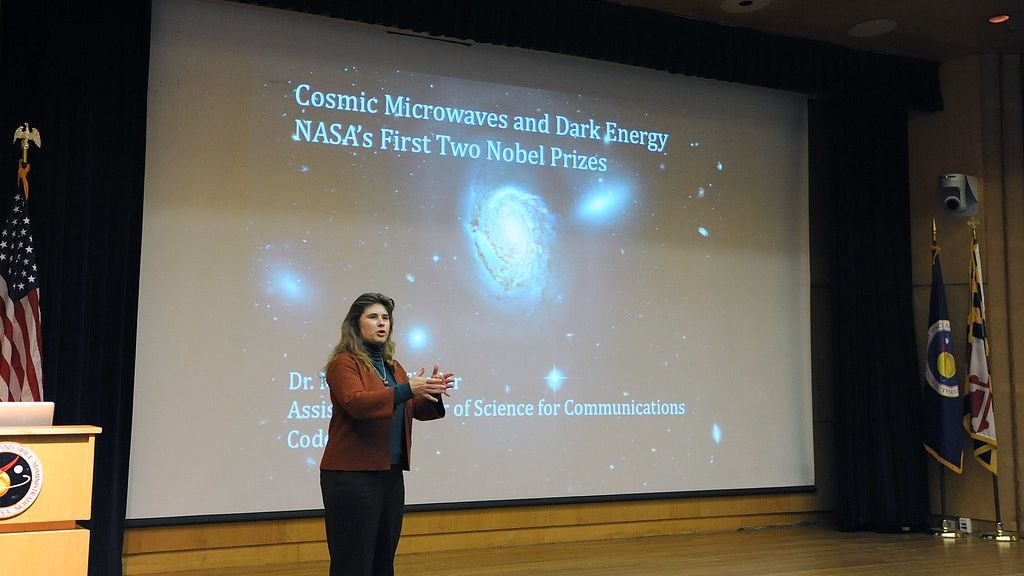
The Manhattan Project left behind a complex legacy. In the immediate aftermath of World War II, it sparked a nuclear arms race during the Cold War. The Manhattan Project also influenced other nuclear programs, not only in the Soviet Union but in the United Kingdom and France, among other countries. Nevertheless, it also contributed to the development of peaceful nuclear innovations, including nuclear power. Honestly, it’s hard to think of any single discovery that has cast a longer shadow over modern civilization.
2. Benjamin Franklin and the Discovery of Electricity’s True Nature
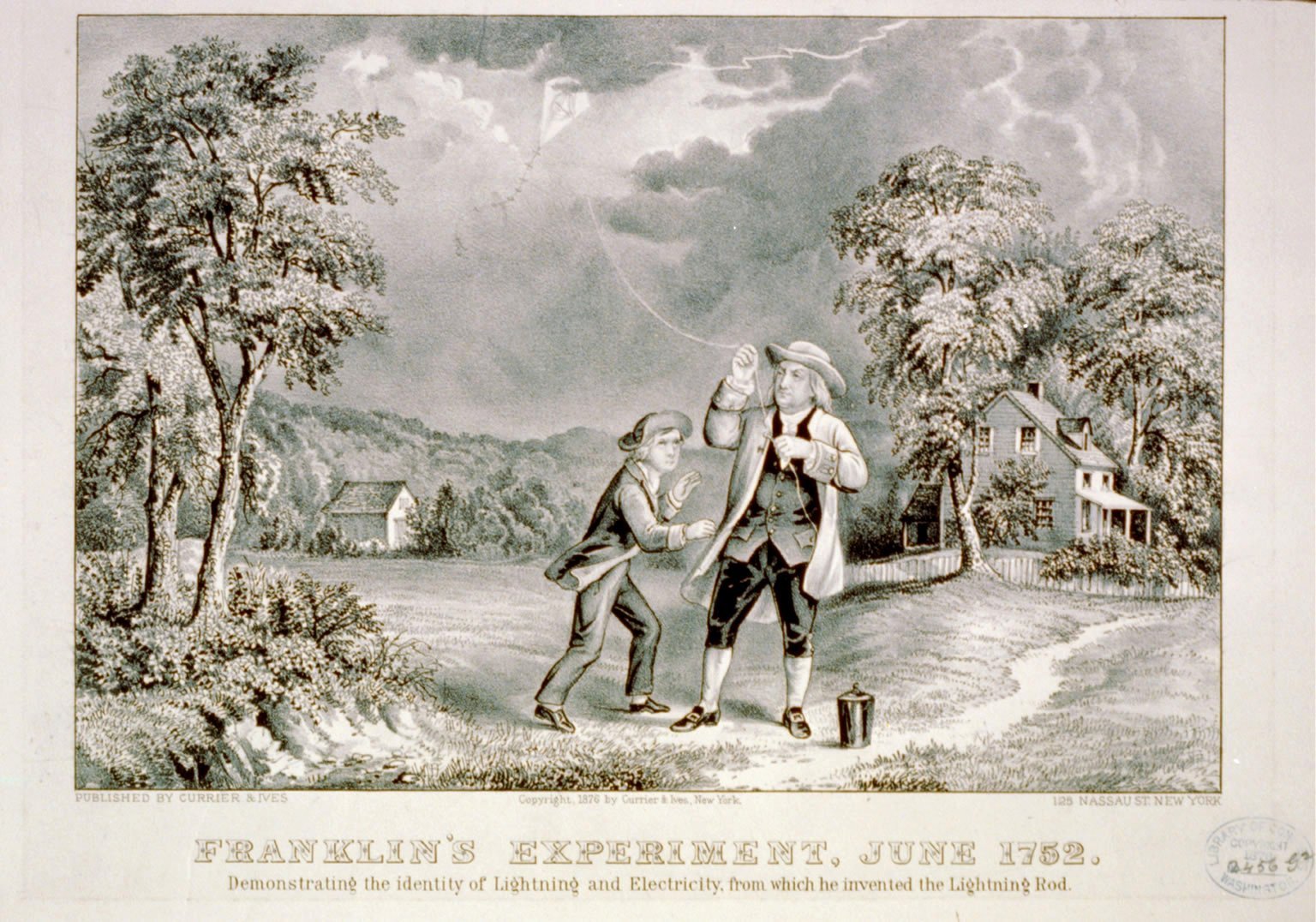
Before there were power grids, smartphones, or even electric light bulbs, there was a man standing in a thunderstorm with a kite and a key. It sounds almost cartoonish. In 1752, more than two decades before America’s Declaration of Independence, Franklin’s kite experiment demonstrated the principle of electricity and led to the lightning rod, which protects buildings worldwide to this day.
Here’s the thing about Franklin’s discovery. It wasn’t just a clever party trick. It fundamentally established that lightning was an electrical phenomenon, something nobody had confirmed before. The lightning rod alone is estimated to have saved countless structures and lives across centuries of human history.
Embracing their rights to life, liberty and the pursuit of happiness, Americans have always pushed what’s possible. Franklin embodied that spirit entirely. He was a printer, a diplomat, a writer, and a scientist all in one, and his curiosity about the natural world sparked a revolution in how humanity understood and eventually harnessed one of its most powerful forces.
3. The Wright Brothers and the Discovery of Controlled Flight
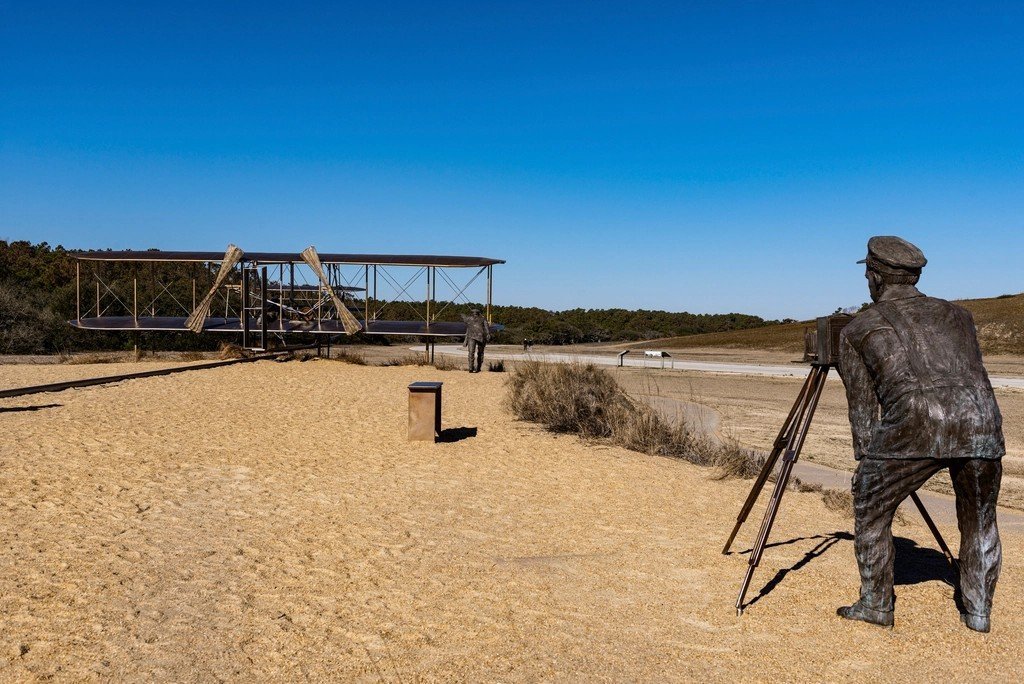
I know it sounds crazy, but for most of human history, flying was considered completely impossible. Then two bicycle mechanics from Ohio changed everything. The Wright brothers are credited with inventing the first successful airplane, the “Wright Flyer,” and achieving the first controlled, sustained flight at Kitty Hawk, North Carolina. The year was 1903, and the longest flight that day lasted less than a minute.
Less than a minute in the air, and yet it triggered one of the most dramatic transformations in transportation history. Within decades, passenger aviation had become a global industry. Within a generation, airplanes were carrying soldiers across oceans, bombs across cities, and supplies to besieged nations. The entire geometry of human geography changed.
Think of it like this. For all of recorded history, crossing an ocean required weeks or months of grueling sea travel. After Kitty Hawk, that eventually shrank to hours. The Wright brothers did not just invent a flying machine. They effectively shrank the planet itself. That is a discovery whose impact we still live inside every single day.
4. The Discovery of Nuclear Fission and the First Self-Sustaining Chain Reaction

Before the bomb itself came the experiment that made it possible. On December 2, Chicago Pile-1 went critical, creating the world’s first self-sustaining chain reaction. The experiment not only proved that nuclear energy could generate power but also showed a viable method to produce plutonium. This moment, tucked under the bleachers of a University of Chicago squash court of all places, was arguably the most dangerous and consequential laboratory experiment in history.
Although the reaction only produced enough energy to power a light bulb, this moment marked the first instance in history of a self-sustaining nuclear reaction. The event also gave nuclear scientists a model for the production of large amounts of plutonium, which would eventually become the basis of the B Reactor built at Hanford.
It opened the door to both nuclear weapons and nuclear power plants. Today, roughly one in five American households receives electricity generated through nuclear power. The same physics that enabled a weapon of mass destruction also keeps lights on for millions of people every night. That duality, thrilling and terrifying at the same time, is part of what makes this discovery so uniquely American in its complexity.
5. The Human Genome Project: Reading the Book of Life
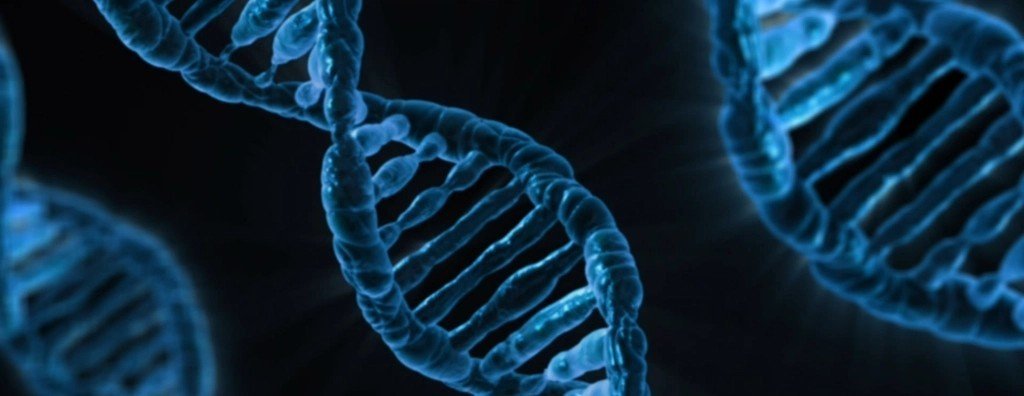
Launched in October 1990 and completed in April 2003, the Human Genome Project’s signature accomplishment, generating the first sequence of the human genome, provided fundamental information about the human blueprint, which has since accelerated the study of human biology and improved the practice of medicine. Honestly, calling this a blueprint is almost an understatement. It was more like finally getting the instruction manual for the most complex machine in the known universe.
The international effort to sequence the 3 billion DNA letters in the human genome is considered by many to be one of the most ambitious scientific undertakings of all time, even compared to splitting the atom or going to the moon. The Human Genome Project ultimately exceeded its initial set of goals, doing so by 2003, two years ahead of its originally projected 2005 completion.
The Human Genome Project enabled the development of personalized medicine, where treatments can be tailored to an individual’s genetic makeup. This has increased the effectiveness of therapies and reduced the occurrence of adverse reactions. By identifying genes associated with diseases, researchers have been able to create targeted therapies and improve diagnostic tools for conditions such as cancer, cystic fibrosis and Alzheimer’s disease.
The understanding of genomes ushered in innovations in biotechnology, including the development of CRISPR-Cas9 gene-editing technology. We are, in 2026, still only beginning to fully unlock what this discovery makes possible. The next century of medicine will be built on this foundation.
6. The Discovery of the Asteroid That Killed the Dinosaurs
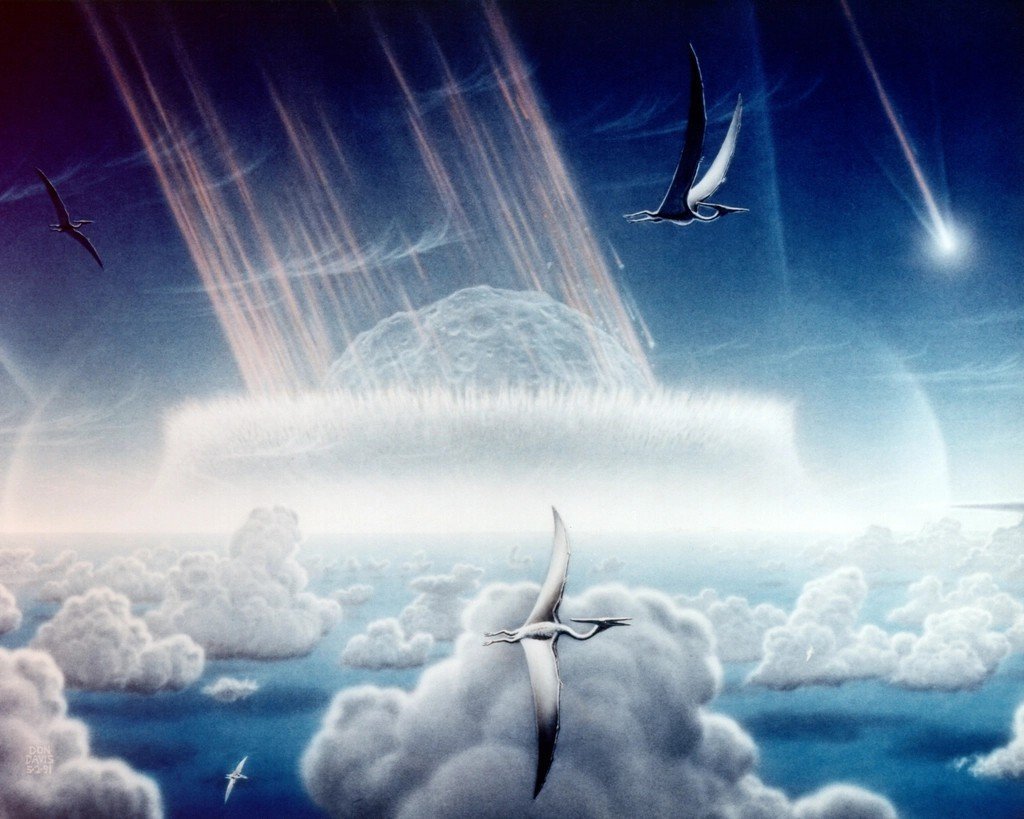
For over a century, paleontologists argued about why the dinosaurs vanished. Was it disease? Volcanic eruptions? A gradual climate change? Then a team of American scientists cracked the case wide open. Natural history’s greatest whodunit was solved in 1980 when a team of National Lab scientists pinned the dinosaurs’ abrupt extinction on an asteroid collision with Earth. The discovery came from studying an unusual layer of iridium, an element rare on Earth but common in asteroids, found in sediment layers around the globe at exactly the geological boundary marking the end of the dinosaurs.
This was led by physicist Luis Alvarez and his son Walter, a geologist, working out of the University of California, Berkeley. Their conclusion was initially met with enormous skepticism from the scientific community. Geologists and paleontologists had decades of their own theories invested in other explanations. It took years before the broader scientific community accepted what the Alvarez team had found.
The eventual discovery of the Chicxulub crater beneath the Gulf of Mexico, a roughly 110-mile-wide scar in the Earth’s crust, confirmed the hypothesis. The implications went far beyond dinosaurs. It reshaped how scientists understand mass extinctions, planetary risk, and the very fragility of life on Earth. It also spawned an entirely new field of planetary defense research that continues to this day.
7. The Lewis and Clark Expedition: Mapping the Unknown Continent
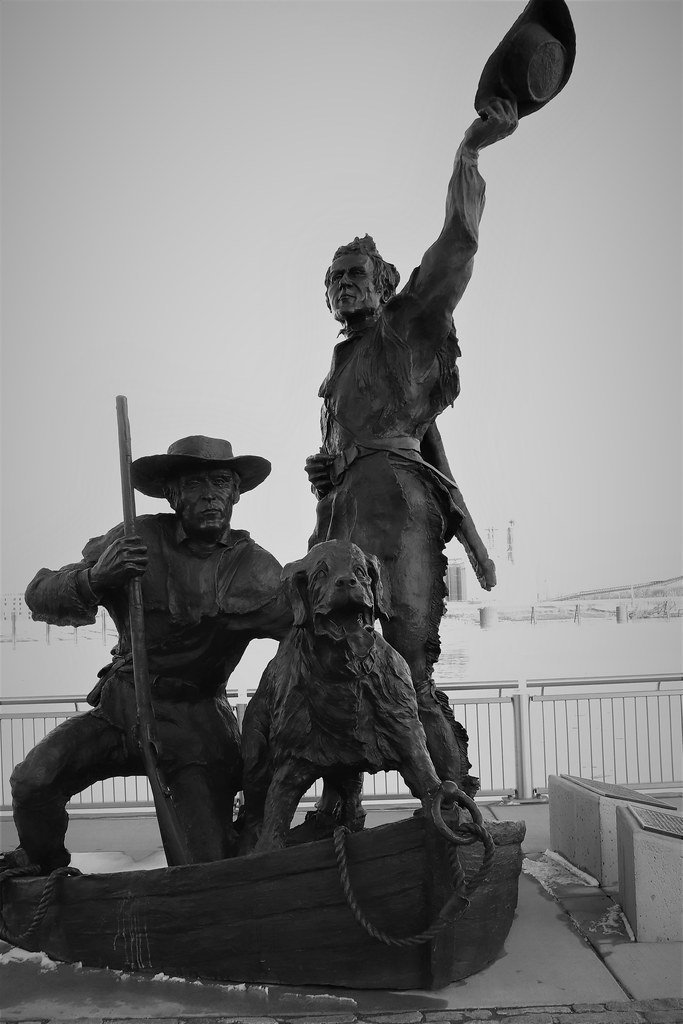
In 1804, President Thomas Jefferson sent two explorers into a vast, largely uncharted territory with instructions to find out what was out there. Jefferson stressed the scientific aspect of the Lewis and Clark expedition of 1804 to 1806, which explored the Pacific Northwest, and detailed, systematic information on the region’s plants and animals was one of that expedition’s legacies.
This was not simply a nature walk. Meriwether Lewis and William Clark traveled over 8,000 miles through terrain no American had systematically documented before, encountering dozens of Indigenous nations, discovering hundreds of new species, and navigating rivers that most Americans didn’t even know existed. The expedition fundamentally changed what Americans knew about their own continent and effectively laid the groundwork for westward expansion.
The scientific records Lewis and Clark brought back were extraordinary for their time, meticulous observations of geography, wildlife, weather, and Indigenous cultures. It was one of the largest government-sponsored scientific discovery missions in early American history, and it opened the American imagination to the sheer scale of what lay to the west. Without it, the American story likely unfolds very differently.
8. The Discovery of the Titanic Wreck: History Recovered from the Deep
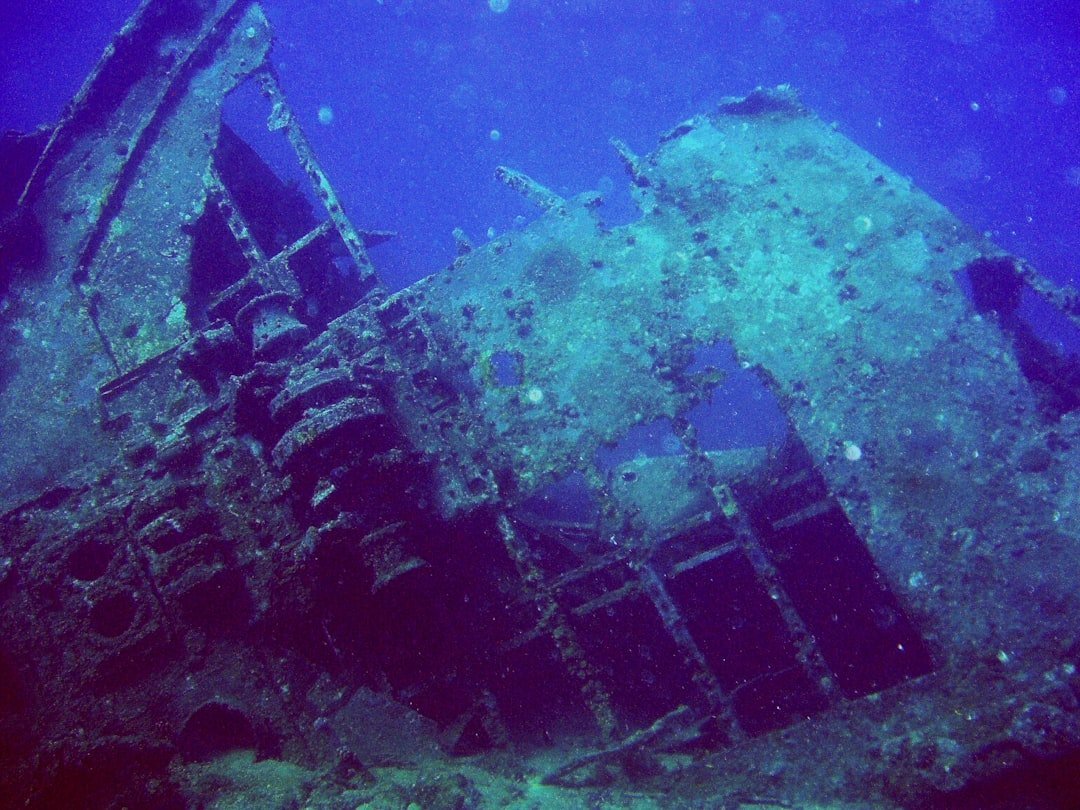
For nearly three quarters of a century, the most famous shipwreck in history lay completely beyond human reach, silent and invisible two miles beneath the North Atlantic. Then an American oceanographer changed that. After nearly 74 years of being lost at sea on the bottom of the ocean floor, a joint Franco-American expedition led by American oceanographer Dr. Robert D. Ballard discovered the wreckage of the RMS Titanic two miles beneath the waves of the North Atlantic on September 1, 1985.
Ballard was then forced to wait a year for weather conditions favorable to a crewed mission to view the wreck at close range. In 1986, Ballard and his two-man crew, in the ALVIN submersible, made the first two-and-a-half-hour descent to the ocean floor to view the wreck first-hand.
The discovery of the Titanic did something remarkable beyond simply finding the ship. It demonstrated that deep-ocean exploration was now possible at a level never before imagined, opening the door to an entirely new era of underwater archaeology, marine biology, and oceanography. It also captured the imagination of the entire world in a way that few scientific expeditions ever have before or since. The Titanic discovery remains one of the most emotionally powerful moments in modern scientific history.
9. NASA and the Discovery of Water on Mars
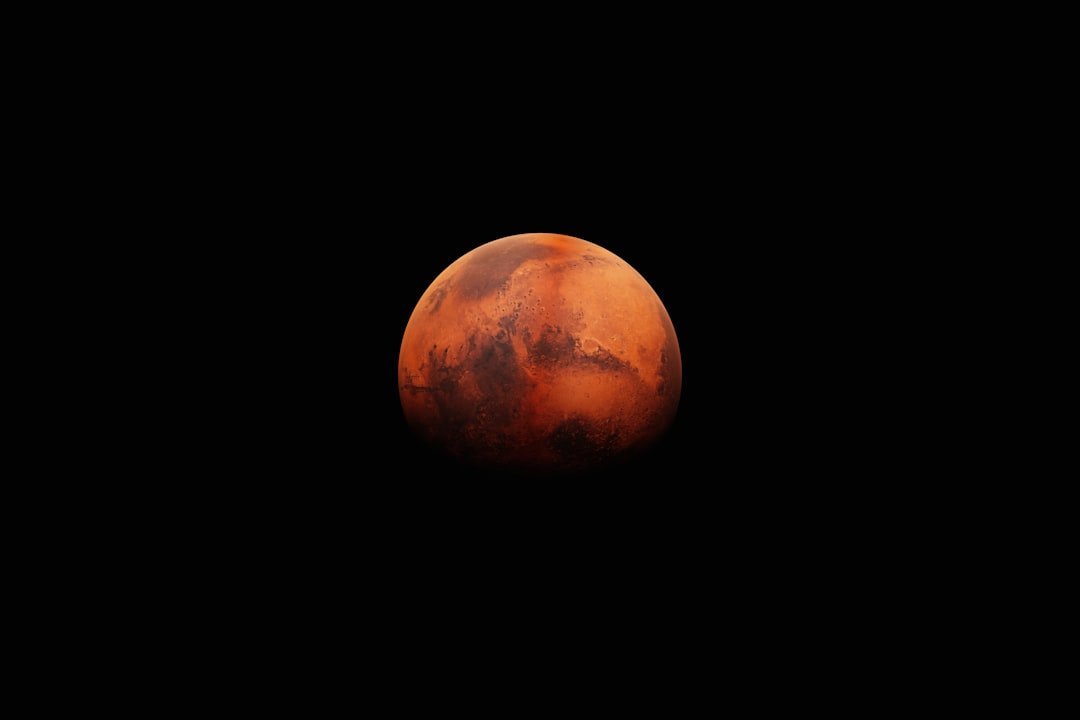
Few discoveries have carried as much weight for the future of humanity as the confirmation of water beyond Earth. In 2008, the Phoenix lander discovered the presence of frozen water on the planet Mars, of which scientists such as Peter H. Smith of the University of Arizona Lunar and Planetary Laboratory had suspected before the mission confirmed its existence. This was not a theory anymore. This was confirmation.
With the founding of the National Aeronautics and Space Administration in 1958, a vision and continued commitment by the United States to finding extraterrestrial and astronomical discoveries has helped the world to better understand the Solar System and universe. The Mars water discovery is arguably the crown jewel of that mission so far.
Why does water on Mars matter so much? Because water is the most fundamental building block of life as we understand it. Its presence on another planet dramatically raises the possibility that life, even in microbial form, could exist or have existed elsewhere in our solar system. Over the past 25 years, the United States has made great strides in scientific research, from mapping the human genome to proving the existence of water on Mars. Each of those milestones brings humanity closer to answering one of the oldest questions we have ever asked: are we alone?
10. The Discovery of Dark Energy: The Universe Is Accelerating Away from Us
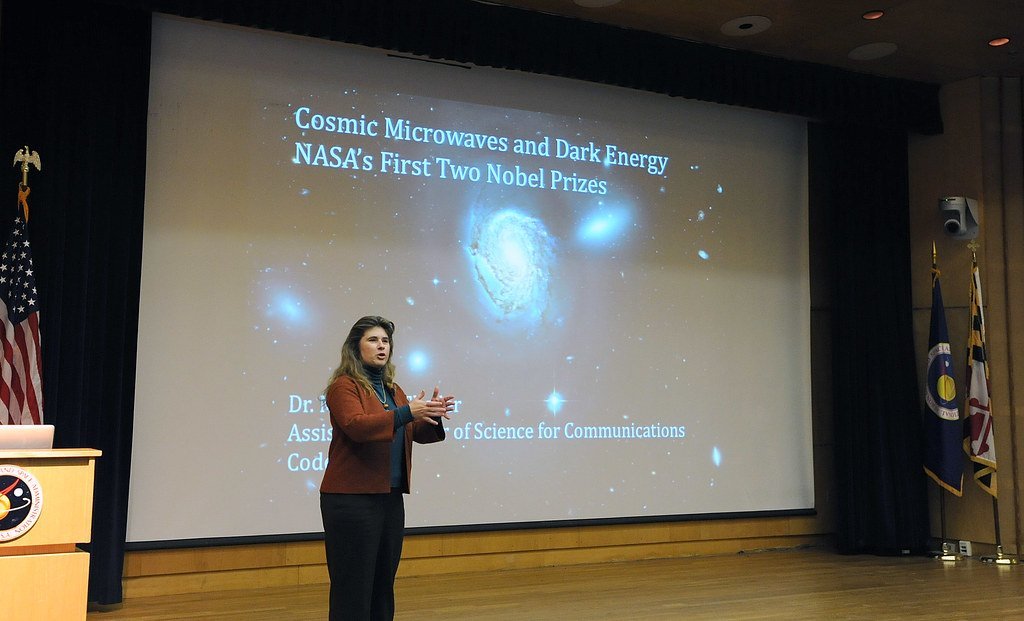
This one stops me in my tracks every time I think about it. The 2011 Nobel Prize in Physics winners uncovered that the universe is not only expanding but also speeding up, leading to the now widely accepted theory of dark energy, called the most profound problem in modern physics. American researchers were central to this discovery, which was built on years of research by teams at American universities and national laboratories.
Dark energy, the mysterious something that makes up three-quarters of the universe and causes it to expand at an accelerating rate, was discovered by National Lab cosmologists. Let that sink in for a moment. Roughly three quarters of everything that exists in the universe is a form of energy we cannot see, cannot touch, and cannot yet fully explain. It’s a bit like finding out that nearly everything in your house is invisible and you’ve only ever been able to interact with roughly a quarter of the furniture.
This discovery completely overturned the previously accepted model of the universe, which had assumed expansion was slowing down due to gravity. Instead, the universe appears to be flying apart at an ever-increasing rate, driven by a mysterious force. Laboratory discoveries have spawned industries, saved lives, generated new products, fired the imagination, and helped to reveal the secrets of the universe. Dark energy represents that spirit perfectly. It is perhaps the most humbling and awe-inspiring thing American science has ever uncovered.
The Future of Discovery: The Next Big Thing Is Already Coming
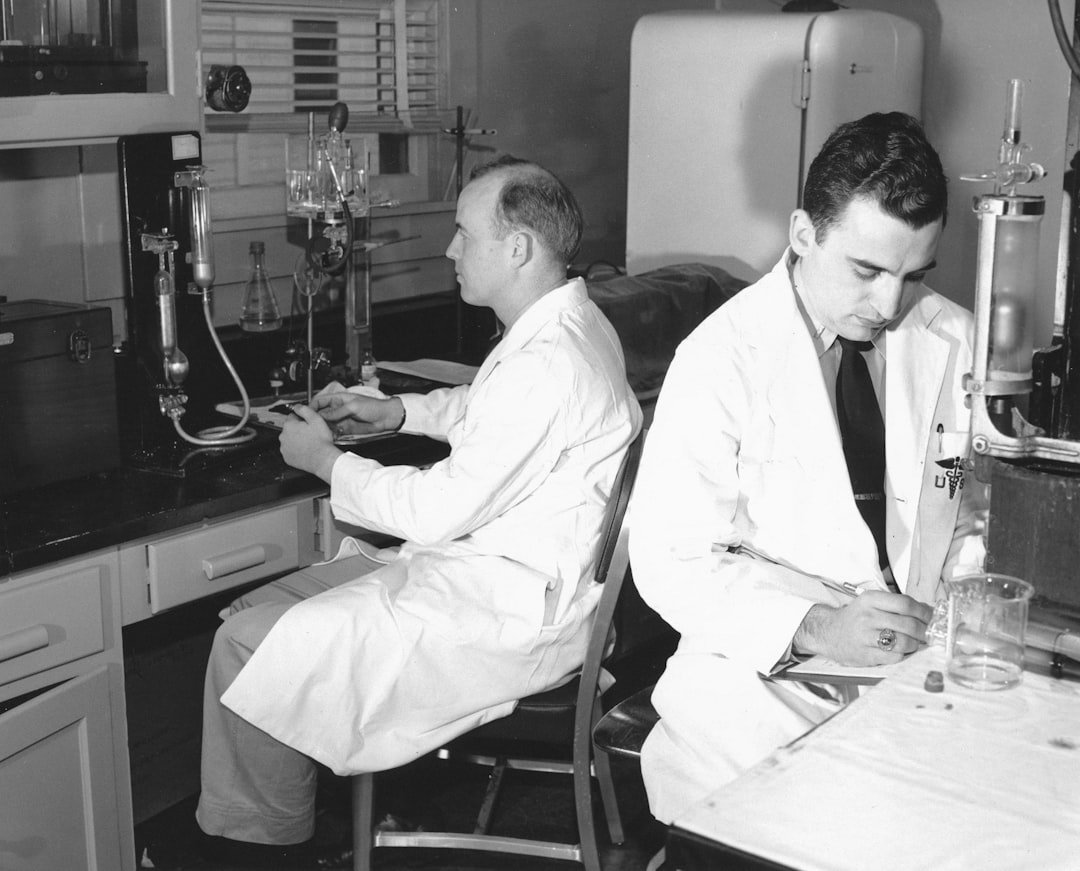
Looking at these ten discoveries together, a pattern emerges. None of them were predicted with certainty. Many were laughed at first. Several were stumbled upon by people who were looking for something else entirely. That is how discovery works, and it is why the next jaw-dropping moment is likely already happening somewhere in a lab right now, perhaps unrecognized by the very person making it.
The timeline of United States discoveries encompasses the breakthroughs of human thought and knowledge of new scientific findings, phenomena, places, things, and what was previously unknown to exist. From a historical standpoint, this timeline dates from the 18th century to the current 21st century, achieved by discoverers who are either native-born or naturalized citizens of the United States, with an emphasis on discoveries in astronomy, physics, chemistry, medicine, biology, geology, paleontology, and archaeology.
The truly remarkable thing about American scientific discovery is that it has rarely been the product of any single genius working alone. It has been teams, institutions, arguments, failed experiments, and the occasional brilliant accident. American innovation has advanced in many directions, from medical breakthroughs to placing a man on the moon. Creativity stems in part from a pioneering spirit, which continues to spur freewheeling ingenuity among American inventors.
History does not wait for the discoveries it needs. It simply rewards the cultures curious enough to keep asking questions, and bold enough to follow the answers wherever they lead. Which of these discoveries surprised you the most?
CEO-Co-Founder
