

- 12 Iconic TV Commercials That Defined a Generation and Became Pop Culture Cornerstones - August 23, 2026
- Classic literature often reveals more about our society’s lost values than any history book. - August 23, 2026
- 15 Musical Instruments So Strange, You Won’t Believe They Exist (or How They Play). - August 23, 2026
There is something deeply disarming about standing in a centuries-old European village, surrounded by cobblestones worn smooth by generations of footsteps, window boxes overflowing with geraniums, and towers that have watched empires rise and fall. These are places where time doesn’t just seem to slow – it seems to stop entirely. Where the boundary between the real world and a storybook page becomes so thin you almost expect a knight to round the corner, or a princess to wave from a flower-draped balcony above you.
Europe is full of such places. Hidden beyond the grand capitals, away from the airport crowds and the selfie queues, there are villages that look so impossibly beautiful that travelers have been known to stand in front of them, wide-eyed and completely speechless. If you’ve ever daydreamed about wandering through a setting straight out of Brothers Grimm or a Disney film – the real thing is waiting for you. Let’s dive in.
1. Hallstatt, Austria – The Alpine Jewel That Inspired a Replica
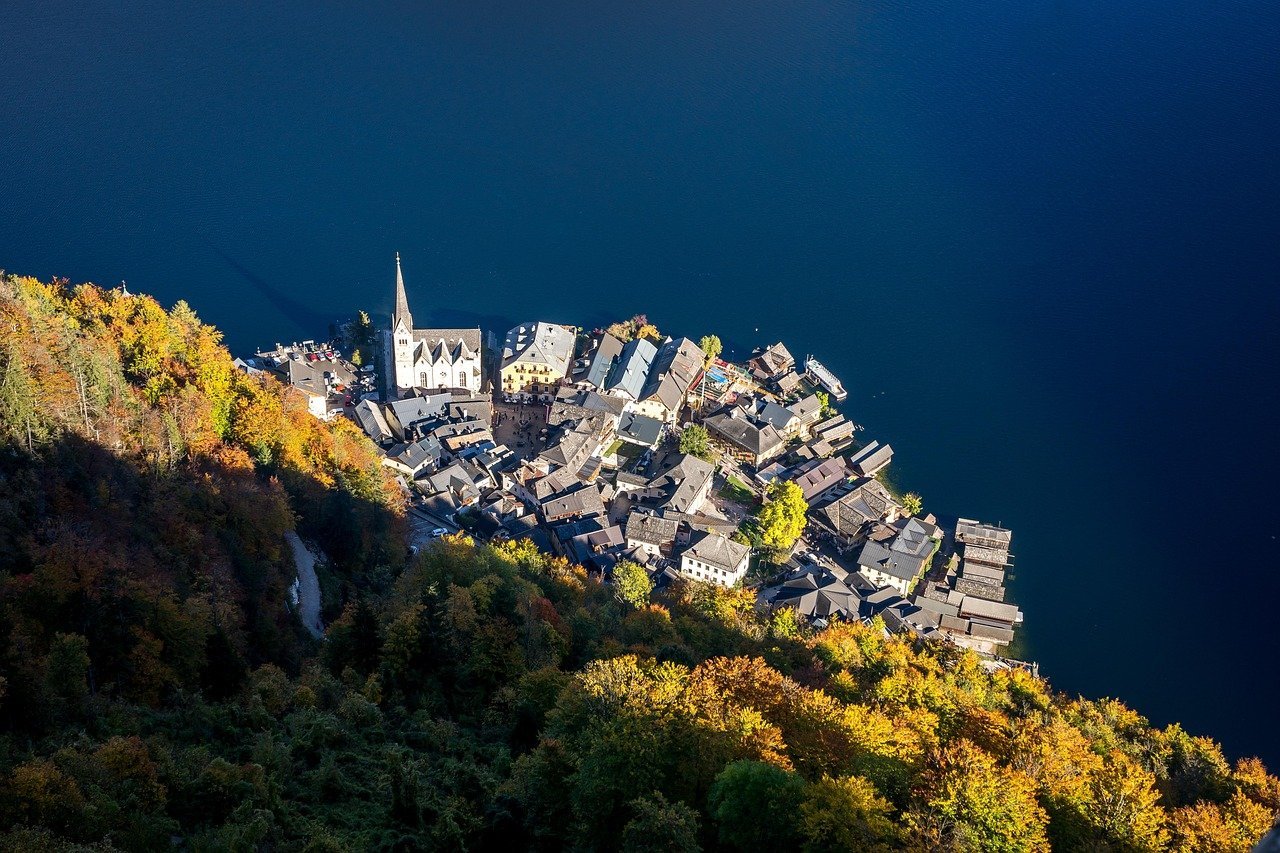
Let’s be real: there are beautiful villages, and then there is Hallstatt. Nestled between the dramatic slopes of the Dachstein Alps and the serene waters of Lake Hallstatt, the village looks as if it came straight out of a fairy tale. The image that most travelers picture – a church steeple rising over the mirror-still lake with snow-dusted peaks behind it – is not retouched. It genuinely looks like that in real life.
Hallstatt is known for its production of salt, dating back to prehistoric times, and gave its name to the Hallstatt culture, the archaeological culture linked to Proto-Celtic and early Celtic people of the Early Iron Age in Europe. So the beauty here isn’t just cosmetic. Numerous archaeological finds prove that humans settled in the area continuously for over 7,500 years, and salt has been mined in Hallstatt since 2,000 BC.
Bright reds and yellows paint the Austrian town’s 16th-century architecture; in spring and summer, flower boxes drape windows in geraniums and ivy; and cobblestone streets connect charming cafés, ornate churches, and Alpine inns. There’s even a viewpoint platform – the Hallstatt Skywalk – located 360 meters above the village, which overlooks the village, Lake Hallstatt, and the surrounding Dachstein Alps.
Honestly, the popularity of Hallstatt tells its own story. The village has become increasingly popular in recent years, and its appeal even led to a replica of Hallstatt being constructed in China. That’s how jaw-dropping this place is – someone decided the only answer was to copy the entire village.
2. Rothenburg ob der Tauber, Germany – A Living Medieval Dream
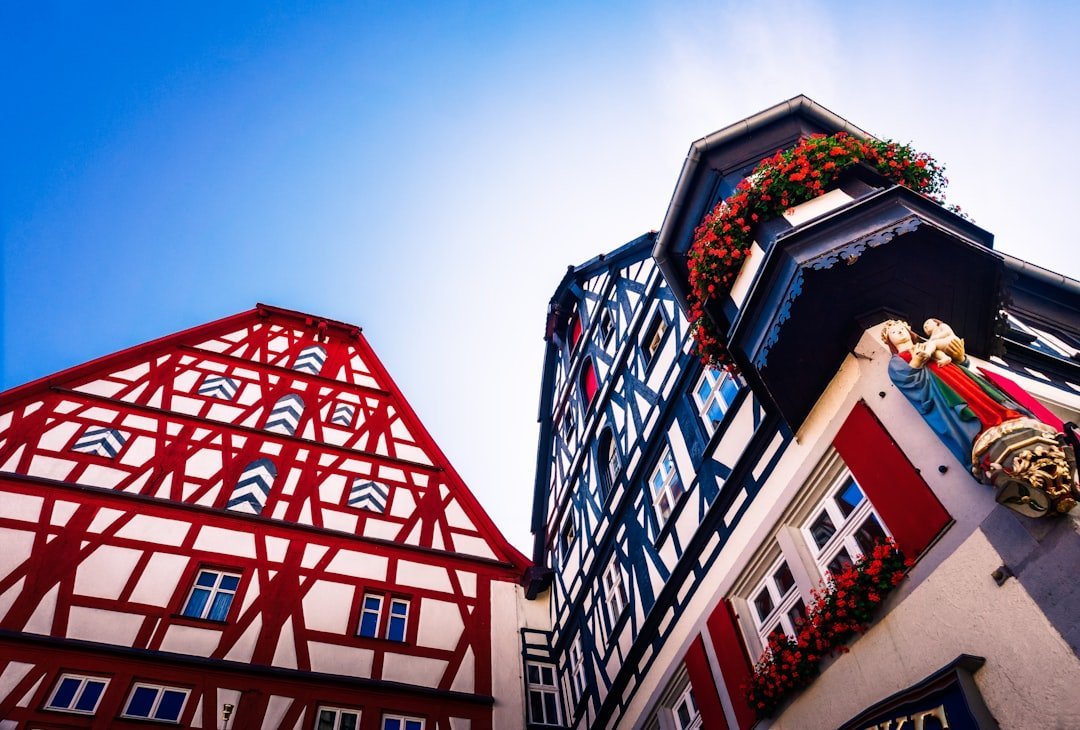
Imagine a town so perfectly preserved that walking through its gate feels genuinely like stepping through a portal into the 15th century. Rothenburg ob der Tauber is Germany’s best-preserved walled town – and that is not an exaggeration. Today it is one of only four towns in Germany that still have completely intact city walls.
The history here is staggering. In the Middle Ages, when Berlin and Munich were just wide spots in the road, Rothenburg was Germany’s second-largest city, with a whopping population of 6,000. A dramatic economic slowdown after the Thirty Years’ War actually saved it from modernization. With shifting trade routes and the Napoleonic dissolution of free cities in 1803, Rothenburg entered a period of economic stagnation – and paradoxically, this decline preserved its medieval architecture almost intact.
With its medieval architecture, cobblestone streets, half-timber buildings, and enchanting atmosphere, Rothenburg ob der Tauber is a gem. The Plönlein lookout – a tiny cobbled fork in the road flanked by half-timbered houses – is so iconic that this medieval classic was copied and used by Walt Disney’s famous Pinocchio in 1940 to present the medieval scene.
At night, the whole town transforms into something almost supernatural. The famous Night Watchman’s Tour takes visitors through the dimly lit streets after dusk, when the day-trippers have gone and the medieval atmosphere wraps itself around you like a cloak. I think if you only visit one village in Germany in your lifetime, this should probably be the one.
3. Colmar, France – The Village That Inspired Beauty and the Beast
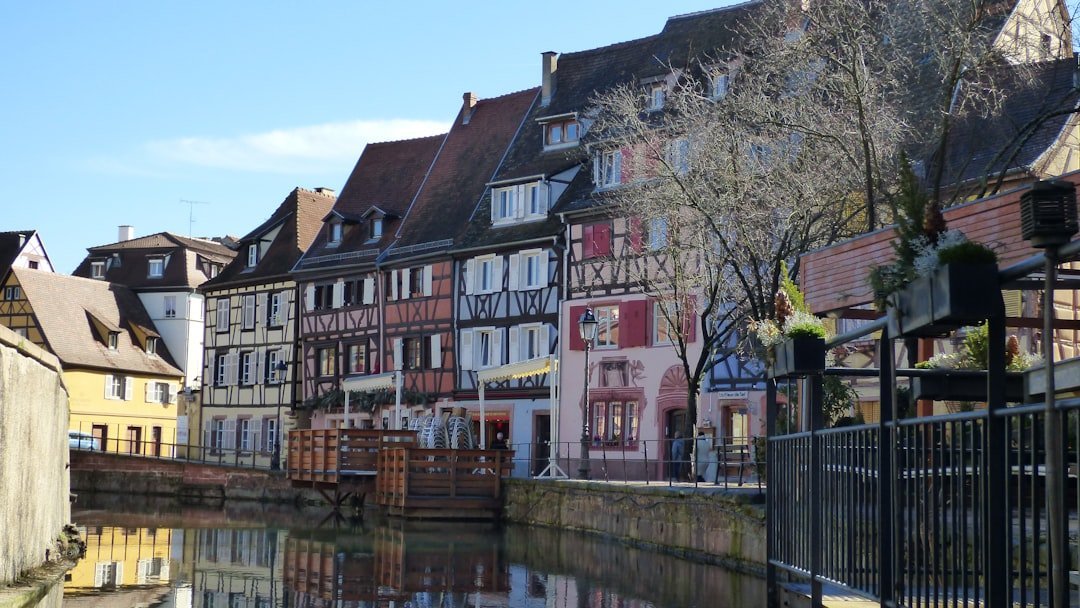
Colmar is located in the Alsace region, which borders the western edge of Germany. As is common in this region, Colmar is full of colorful, half-timbered buildings – add some canals and gorgeous flowers, and you have a recipe for real fairy tale magic. Here’s the thing: Colmar’s charm is almost unreasonably concentrated. It feels designed by someone who had seen too many fairy tales and decided to build one for real.
Colmar’s Little Venice district enchants with pastel houses reflected in canals, while the Old Town showcases Alsatian architecture that blends French and German influences in ways that feel magical rather than conflicted. The town is said to have inspired the village in Disney’s “Beauty and the Beast.” Whether or not you believe that origin story, standing on the canal bridge in the golden afternoon light and staring at those candy-colored facades, you’d be hard pressed to argue the comparison is wrong.
The heart of Colmar is the picturesque Old Town, where you can stroll along winding canals, explore the vibrant market square, and visit the Maison Pfister, a beautifully preserved Renaissance house. The town is also home to the Unterlinden Museum, housing a remarkable collection of art and historical artifacts. Colmar is surrounded by vineyards, and you can savor the region’s exceptional wines and Alsatian cuisine at local restaurants.
4. Bruges, Belgium – Frozen in Medieval Amber
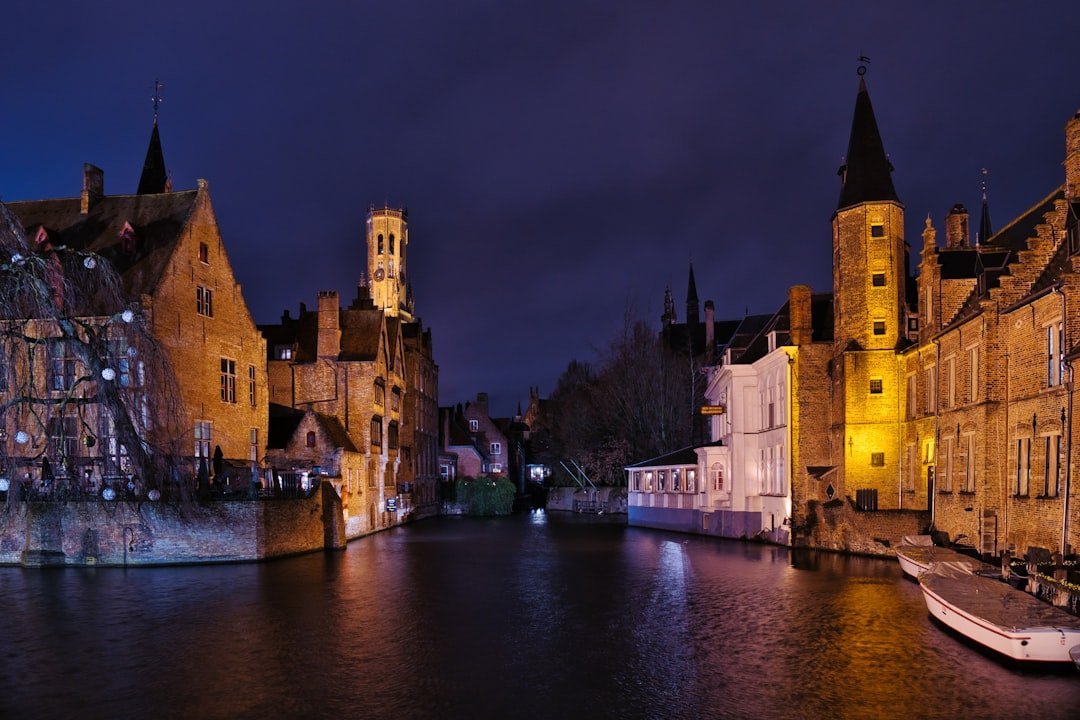
Often referred to as the “Venice of the North,” Bruges captivates with its medieval architecture, winding cobbled streets, and picturesque canals. Bruges has a truly enchanting atmosphere, making it one of the most charming fairytale towns in Europe. Back in medieval times, Bruges was the commercial and cultural heart of Europe. The historic center is incredibly well preserved and is now a protected UNESCO World Heritage site.
The reason Bruges looks the way it does today is actually a story of decline. Bruges became wealthy in the Middle Ages through trade, then fell into economic decline – which paradoxically preserved its fairy tale architecture. Today, the city combines medieval magic with world-class chocolate shops, beer cafes that serve brews perfected by monks, and lace-making traditions that span centuries. It’s a reminder that sometimes the best thing that can happen to a place is for history to largely leave it alone.
Walking the canal-side streets at dawn, before the tourist boats begin gliding through the water, is an experience that sits somewhere between dreamlike and deeply emotional. The Belfry tower, with its 47-bell carillon, creates a soundtrack for daily life that feels orchestrated by angels. Few places in Europe give you this feeling so consistently and so completely.
5. Český Krumlov, Czech Republic – A Castle Town Wrapped by a River
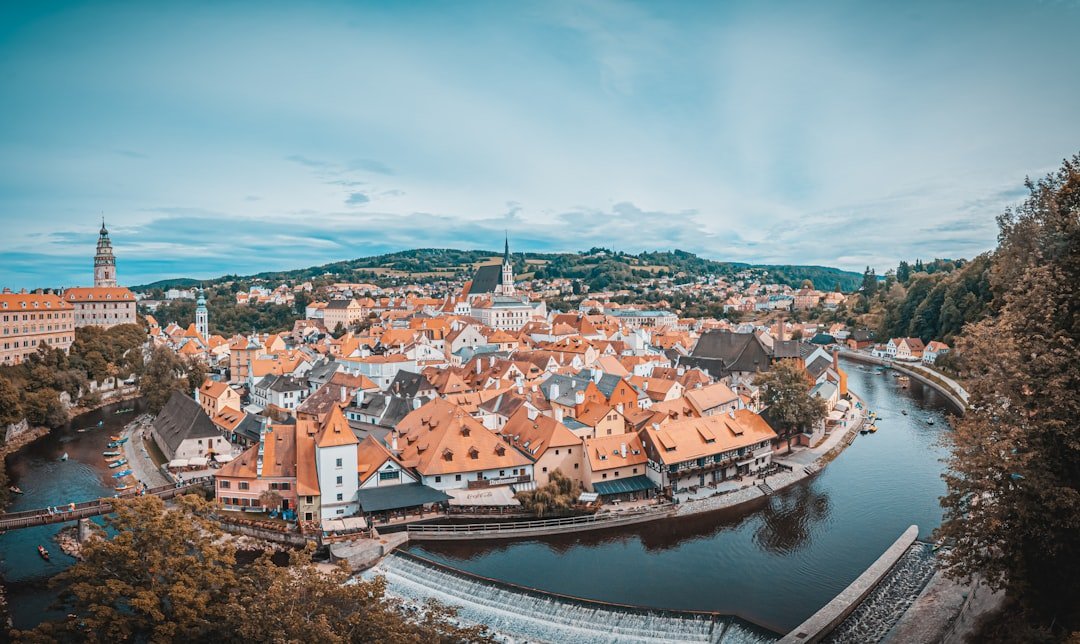
If you want a single image to represent Český Krumlov, picture a massive medieval castle perched on a rocky outcrop, with the Vltava River curling around the old town below like a protective arm. Set in a bend of the Vltava River, Cesky Krumlov is a Baroque masterpiece crowned with a towering castle and ringed by rolling hills. It sounds impossible – but it genuinely looks exactly like that.
With its well-preserved Gothic, Renaissance, and Baroque architecture, Český Krumlov is a place of historical significance and beauty. The village’s centerpiece is the Český Krumlov Castle, which offers panoramic views of the surrounding countryside. Visitors can explore the castle’s historic rooms and gardens, or wander through the village’s cobblestone streets, discovering hidden courtyards and charming cafes along the way. Český Krumlov’s rich history and enchanting atmosphere make it a must-visit destination for those seeking a taste of the past.
This UNESCO World Heritage town is a perfect example of a well-preserved medieval city, complete with a towering castle, narrow alleyways, and a river that winds through the town. The castle even houses a revolving Baroque theater – one of the most remarkable surviving examples of its kind in the world. Hard to imagine a more theatrical setting for a town that already looks like it was plucked from the pages of a story.
6. Sintra, Portugal – Palaces in the Mist
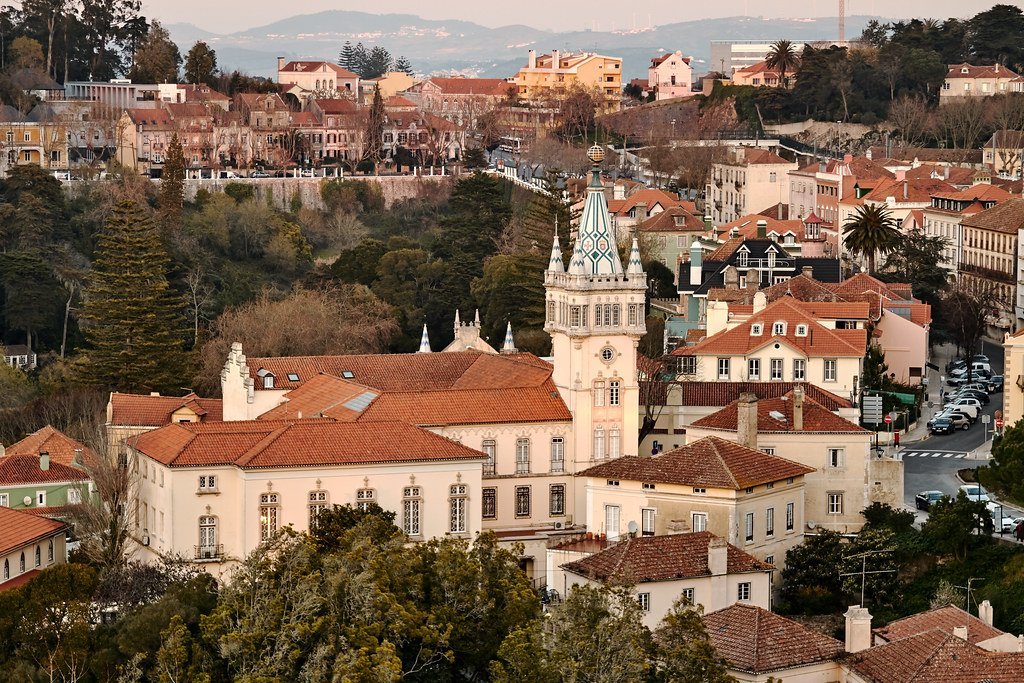
Sintra is the kind of place that makes you feel slightly unhinged with wonder. Sintra’s misty hills are dotted with castles, palaces, and romantic gardens, including the technicolor Pena Palace that looks straight out of a fantasy film. The Pena Palace alone – painted in shades of deep crimson and mustard yellow, sitting at the top of a forested hill – is enough to make grown adults genuinely gasp.
Sintra became the summer retreat for Portuguese royalty, who commissioned palaces that look like the fevered dreams of romantic poets. The landscape around Sintra also carries a reputation for mystery. Nestled amidst the lush vegetation of the Serra de Sintra hills just outside of Lisbon, the picturesque town immerses visitors in a fairy-tale-like setting with narrow streets, quaint shops, and cozy cafés. Without a doubt, the crown jewel of Sintra is the Pena Palace, a vibrant and whimsical archeological masterpiece. The UNESCO World Heritage palace combines Gothic, Moorish, and Renaissance styles and its turrets and lavish interiors are absolutely stunning.
Located just a few minutes by train from Lisbon, Sintra is a fairytale destination. That’s what makes it one of the most accessible entries on this list. You don’t need to venture deep into the countryside. You step off a train from the capital and, within minutes, you’re walking toward palaces in the clouds. Few experiences in European travel match that particular kind of shock.
7. Giethoorn, Netherlands – The Village With No Roads
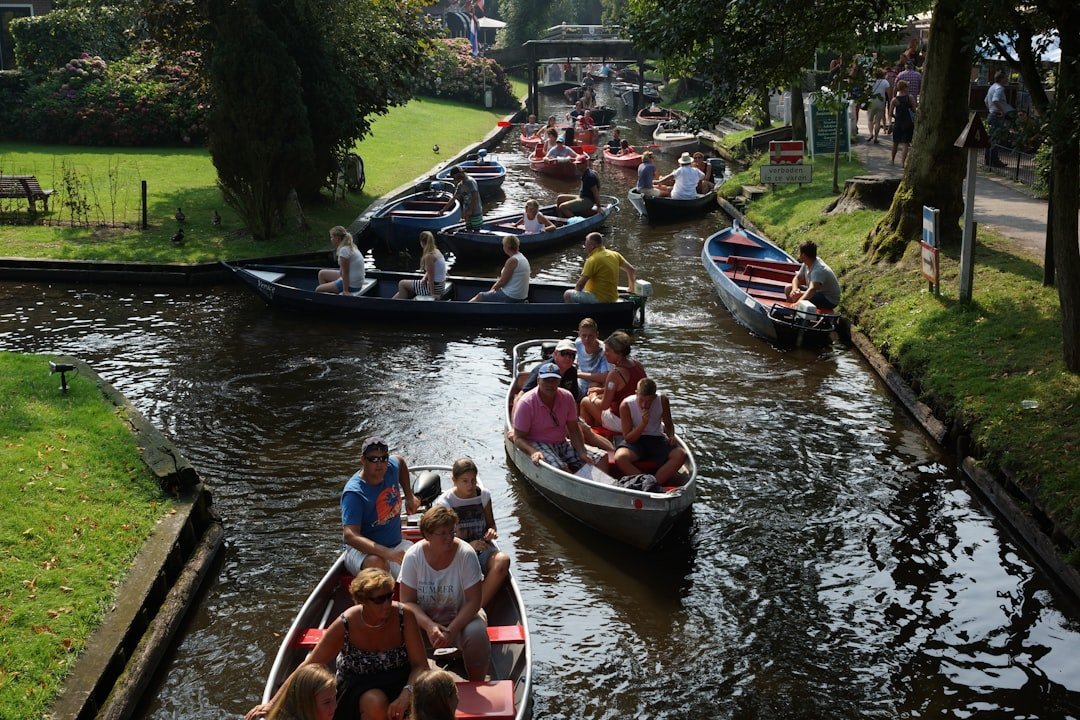
I know it sounds crazy, but there exists a village in the Netherlands where you simply cannot drive a car. Not because there’s no parking, but because there are no roads at all. Giethoorn, a charming village in the Netherlands, has earned its nickname as the “Venice of the North” due to its network of picturesque canals and thatched-roof houses. Unlike Venice, Giethoorn has no roads, and the primary mode of transportation is by boat or on foot.
Giethoorn was founded by monks who discovered the area rich in peat and goat horns, but flooding created the canal system that now defines this unique village. Residents still travel primarily by boat, and the only sounds are birds singing, water lapping against wooden boats, and the occasional traditional boat gliding through waterways lined with gardens. The effect is absolutely surreal. It’s like someone bottled the concept of tranquility and poured it into an entire landscape.
The village’s origins date back to the 13th century, when peat diggers first settled in the area. Today, Giethoorn is a haven for those seeking peace and serenity, with its car-free streets and picturesque scenery. Visitors can rent a “whisper boat” to explore the canals, or take a leisurely stroll along the footpaths to admire the village’s unique charm and beauty. Think of it as the opposite of every overwhelming city you’ve ever visited.
8. Eguisheim, France – The Circular Village of Alsace
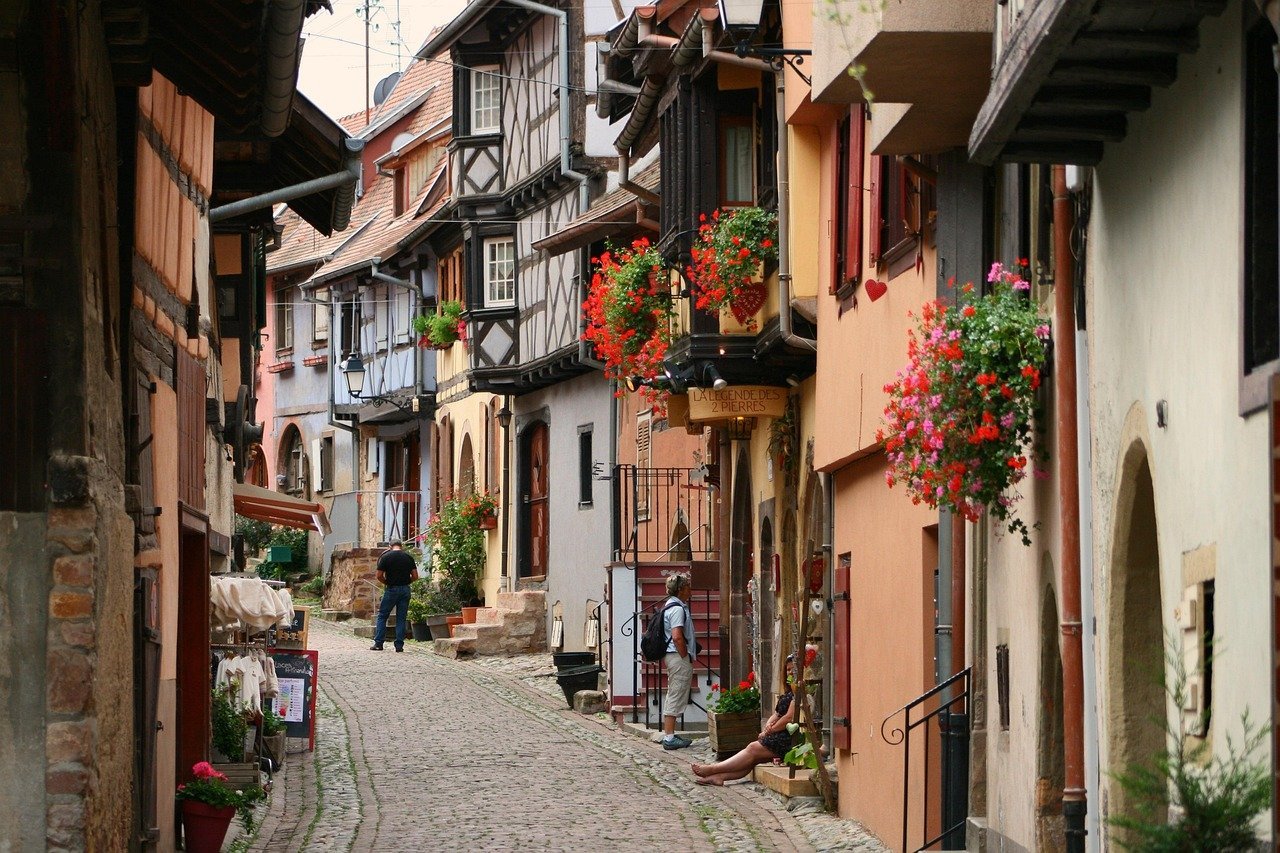
Most villages spread outward organically over centuries. Eguisheim, in contrast, is almost perfectly circular – a ring of half-timbered houses and geranium-stuffed window boxes arranged around a central square like a storybook illustration someone actually built at full scale. This tiny Alsatian village is circular in shape, surrounded by vineyards, and filled with timber-framed homes dripping with geraniums. It’s pure French countryside magic.
Nestled in the heart of France’s picturesque Alsace region, Eguisheim beckons travelers with its storybook charm. This enchanting fairytale town, with its half-timbered houses adorned with colorful flowers, evokes a sense of stepping back in time. Eguisheim’s architectural beauty is truly captivating. The perfectly preserved medieval buildings, draped in vibrant hues, create a kaleidoscope of colors that delights the eye at every turn.
The fantasy factor comes from Eguisheim’s distinctive circular design and commitment to traditional Alsatian aesthetics. Every window has flower boxes. Every building maintains traditional half-timbered construction. The village feels like someone created the perfect Alsatian village and then preserved it in amber. It’s the storybook version of French village life – except it’s completely real. Eguisheim is the kind of place that makes you question why anyone would live anywhere else.
9. Bled, Slovenia – The Lake With a Church on an Island
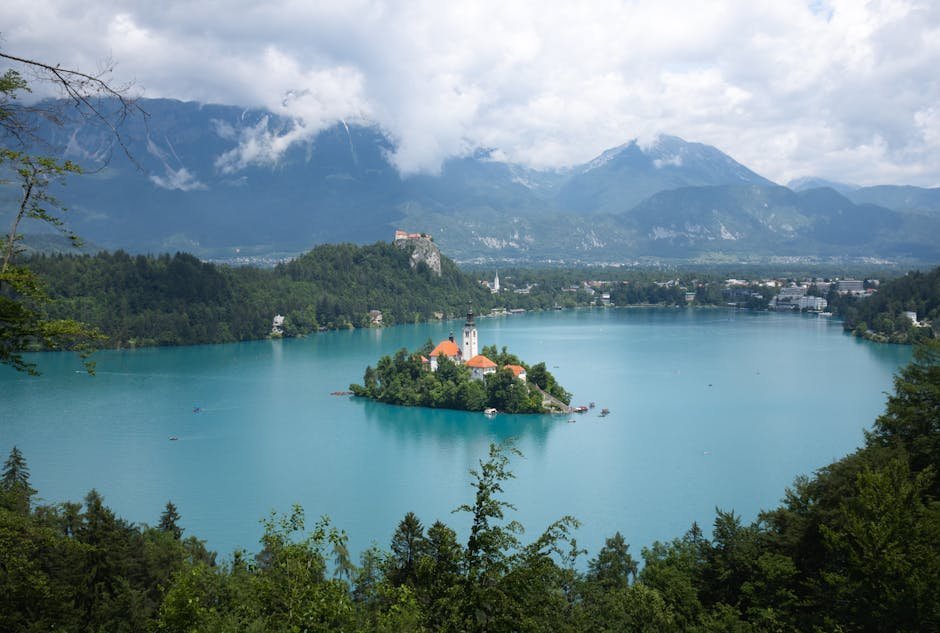
Some places have a natural landscape so dramatic, so perfectly composed, that they almost defy belief. Bled is one of those places. Bled’s iconic church on an island in the middle of a turquoise lake – with a castle perched high on a cliff – makes this town look like a fantasy painting. The kind of painting you’d see in a museum and think, “Surely no real place looks quite like this.” Spoiler: it does.
Bled, Slovenia, is a place of mythical beauty. The iconic lake, with its tiny island and church, is framed by mountains and a cliff-top castle. It’s a scene that belongs in a fairy tale. The village is steeped in legends, with tales of knights and princesses adding to its allure. You can row yourself out to the tiny island in a traditional wooden boat, ring the wishing bell at the top of the church steps, and make a wish. It’s one of those rare travel rituals that actually feels meaningful rather than touristy.
Italy offers coastal beauty and old-world charm in Cinque Terre, while Bled in Slovenia captivates with its stunning emerald-green lake and medieval castle. Still, there are few rivals to Bled’s particular brand of romantic, effortless magic. The Julian Alps frame everything in soft grey-blue grandeur, the water is impossibly clear, and the whole scene has a quietness to it that makes you want to stay for weeks.
10. Lauterbrunnen, Switzerland – The Valley of Waterfalls
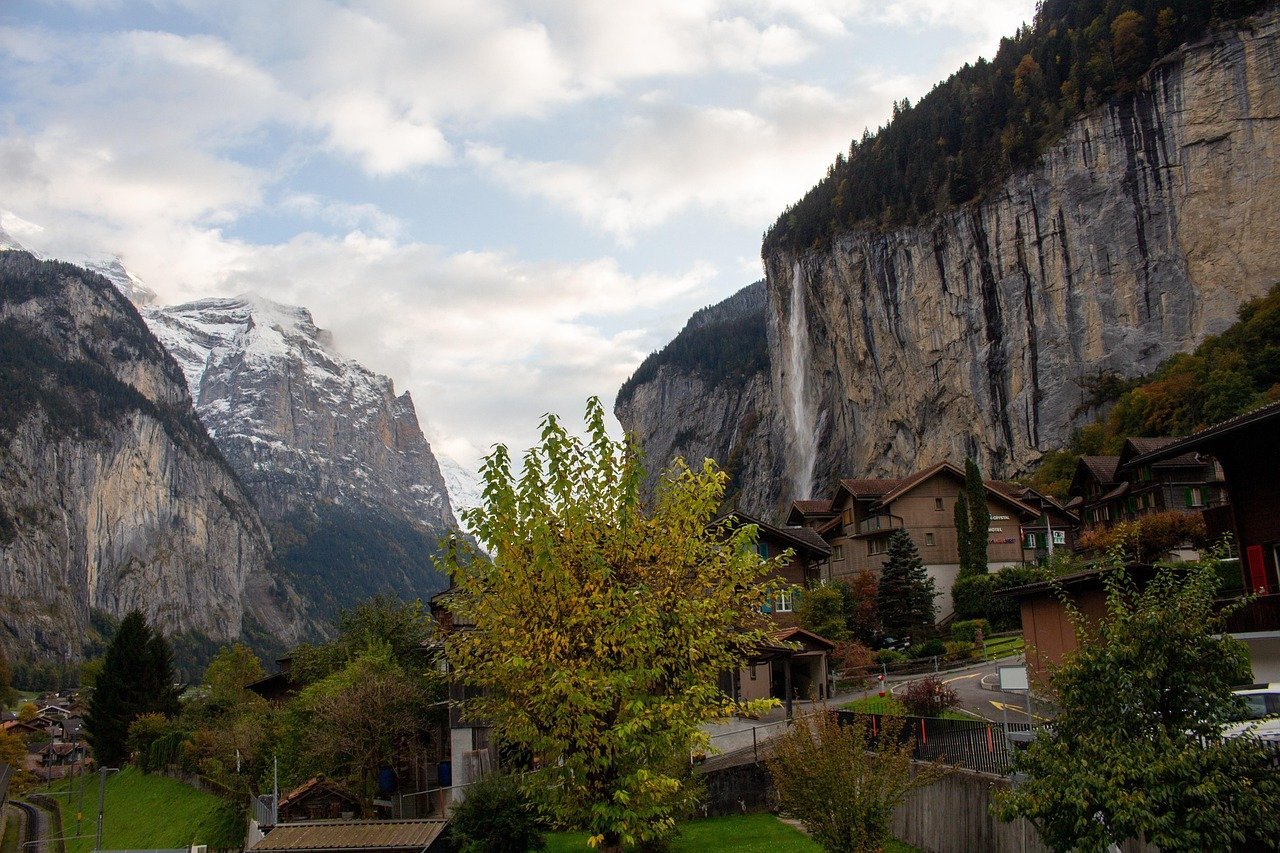
Lauterbrunnen is a truly magical place. It’s a tiny village nestled in a picture-perfect valley, where thousand-foot waterfalls spill over towering cliffs and snow-capped mountains preside over the whole scene. There are roughly 72 waterfalls in the Lauterbrunnen valley. Seventy-two. It’s the kind of number that makes you feel like you’ve accidentally walked into a landscape that was designed for maximum emotional impact.
Lauterbrunnen is so beautiful that it actually inspired J.R.R. Tolkien’s vision of Rivendell – the waterfall-filled home of the elves – in Lord of the Rings. Tolkien traveled through Switzerland as a young man, and his descriptions and drawings of Rivendell bear some remarkable similarities to Lauterbrunnen. When a place serves as the real-world inspiration for an elven paradise, you know it has reached some extraordinary threshold of natural beauty.
The village itself sits at the bottom of an almost vertical valley, with cliffs rising on both sides and the sound of falling water a constant, soothing background hum. In winter, it fills with snow and a silence so deep it feels sacred. In summer, wildflower meadows carpet the valley floor. There is no bad version of Lauterbrunnen. Every season is its own kind of magic.
Leave the Capitals Behind
Europe’s great cities – Paris, Rome, Vienna, Amsterdam – will always be extraordinary. But there’s a reason seasoned travelers keep drifting toward the smaller places, the overlooked corners, the villages that don’t have their own airport. Thanks to a rich and varied historical timeline, Europe has many fairytale destinations with magical charm and picturesque settings where legends and landscapes converge. Discover Europe’s most spellbinding fairytale destinations, where you’ll find plenty of cobbled medieval streets, majestic castles, and ethereal beauty.
The ten villages on this list are not interchangeable. Each one has its own soul, its own personality, its own reason to make your breath catch. Some are mountains and lakes, some are canals and candlelight, some are flower-draped houses pressed close together on winding medieval lanes. What they share is a quality that is increasingly rare – the feeling that the world outside has not yet arrived to ruin something quietly perfect.
The next time you’re planning a European trip, resist the reflex to spend every night in a capital city. Book a room in one of these villages. Stay past the tour buses. Walk the streets at dusk when the day-trippers are gone and the cobblestones belong to you alone. Which of these ten would you book a flight for tonight? Tell us in the comments below.
CEO-Co-Founder
