

- Unsung Heroes of Music History Deserve Their Rightful Place in the Pantheon of Legends - August 18, 2026
- Certain Historical Events Are So Bizarre, They Seem Ripped From the Pages of Fiction - August 18, 2026
- Iconic Cultural Artifacts Are More Than Objects; They Are Time Capsules of Human Experience - August 18, 2026
Imagine spending more on concert tickets in two years than most people spend on a used car. Sounds extreme, right? Welcome to the world of Gen Z and live music. This is a generation that grew up with everything available at their fingertips – streaming, social media, infinite content on demand. Yet somehow, nothing feels quite like standing in a crowd, lights blazing, music thumping through your chest.
The numbers are wild. The prices keep climbing. Still, the kids keep showing up. There’s something deeper going on here, and honestly, it’s worth understanding. Let’s dive in.
The Price Tag That Would Make Your Head Spin
Let’s be real for a second. Concert tickets are not what they used to be. Back in 2000, the average ticket for a top tour cost just over forty dollars. By 2019, that figure had risen to around ninety dollars, and by 2023 it reached over a hundred and twenty dollars for the top one hundred tours.
That upward trajectory hasn’t slowed down one bit. In 2025, average prices surpass one hundred and thirty-five dollars, with premium experiences commanding significantly more. And it’s not just general inflation doing this.
Concert prices have consistently outpaced inflation. Twenty years ago the average was barely above forty dollars, but by late 2024 that figure had jumped to over one hundred and twenty dollars. This represents an increase far beyond what general inflation alone would explain. Think of it like this: if your grocery bill had risen at the same rate, a carton of eggs would cost you fifteen dollars.
Genre Matters: Not All Tickets Are Created Equal
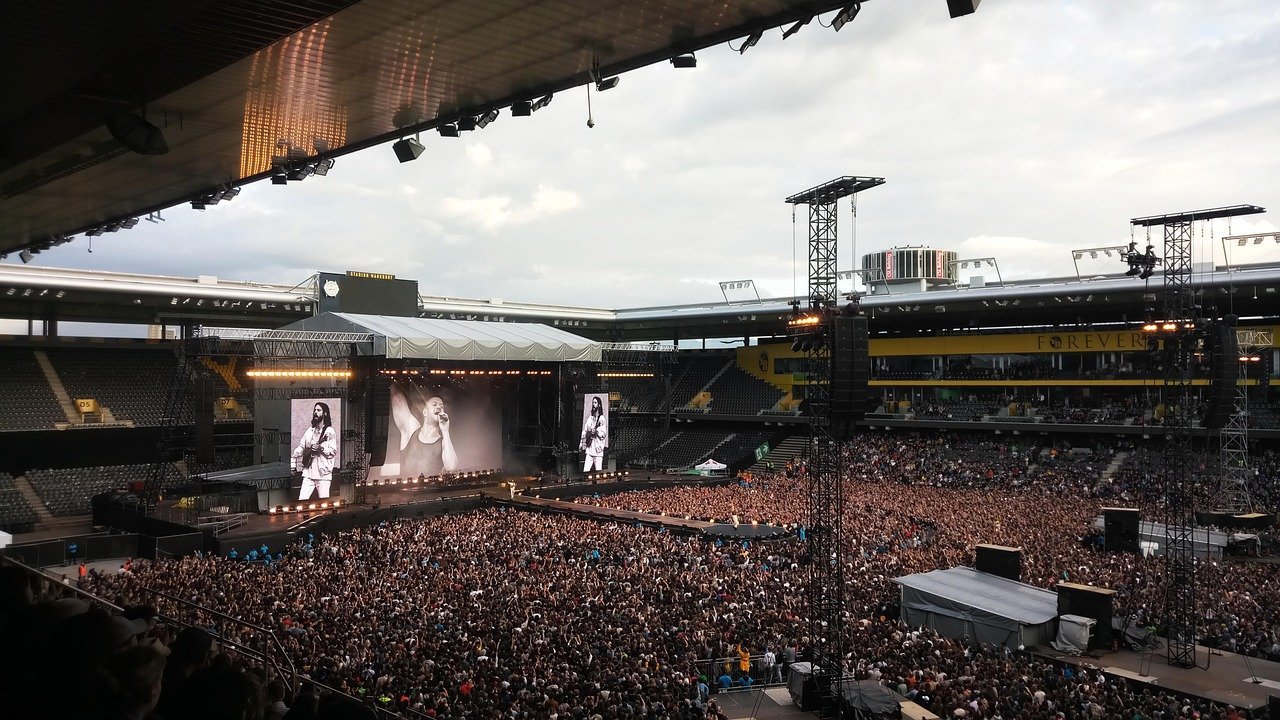
Here’s the thing – the ‘average’ ticket price doesn’t tell the full story. It depends enormously on what kind of show you’re going to see. Pop and stadium tours have an average ticket price of around two hundred and thirty-five dollars, rock and legacy acts come in at roughly two hundred and ten dollars, while metal and hard rock fans pay around one hundred and thirty-five dollars, and alternative or indie concerts sit closer to one hundred and fifteen.
Going to a pop arena show today is basically a luxury experience. The gap between genres is enormous, almost like comparing economy and business class on a flight. Even jazz and blues fans, often overlooked in these conversations, are paying around one hundred and five dollars per ticket on average.
According to a recent survey, concertgoers are willing to spend an average of over three hundred dollars on a single ticket to see their favorite artist in 2025. That’s a number that would have seemed absurd just a decade ago. Still, people keep buying.
Gen Z Is Spending More Than Anyone Expected
Now for the number that truly blew me away. Gen Z concertgoers paid an average of two thousand one hundred dollars on concert tickets over just two years, according to Cash App research. That’s not a typo.
According to research firm Luminate, Gen Z is spending more money on concert tickets than any other age group. And this is a generation facing student debt, sky-high rents, and a job market that’s anything but generous. With a nationwide median income of around sixty thousand dollars, Gen Zers are forced to be more judicious about how they spend their money, making concerts significant events they can realistically afford to attend perhaps once or twice a year.
Gen Z commits anywhere from two hundred and fifty to four hundred dollars per ticket, while around seventeen percent of all music fans budget over a thousand dollars annually just for concerts. The commitment is real, and it’s deliberate.
Going Into Debt to Dance: The BNPL Generation

This is where the story gets a little uncomfortable. One in five Gen Z concertgoers reported spending beyond their means to attend concerts in the past two years. That figure should raise some eyebrows.
Roughly half of Gen Z consumers are very or somewhat likely to use Buy Now, Pay Later options to pay for concert tickets in the next six months, compared with about a third of the general population. Concerts are essentially being financed like appliances now.
Events like Coachella are capitalizing on this directly – around sixty percent of general admission ticket buyers used the festival’s payment plan option, enabling them to snag admission for as little as fifty dollars upfront. It’s clever, it works, and it keeps the crowds coming. Whether it’s financially healthy is another conversation entirely.
FOMO, Social Media, and the Psychology of ‘You Had to Be There’
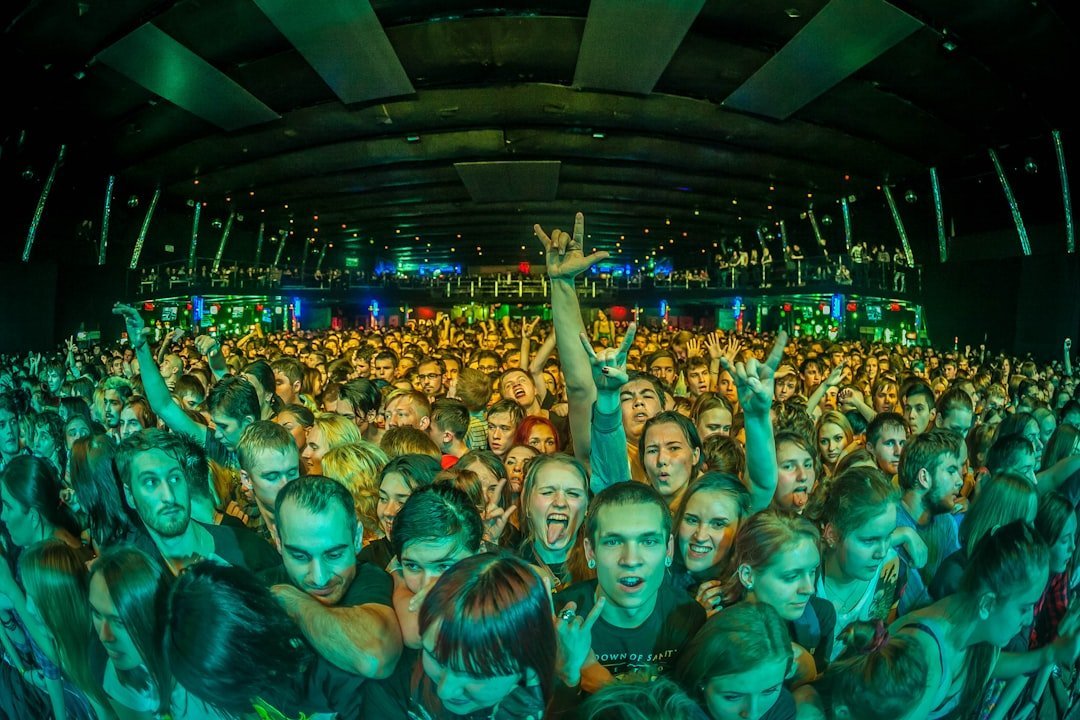
Why does Gen Z keep paying these prices? Part of it comes down to something very human: the fear of missing out. Top reasons Gen Zers exceed their event budgets include impulse purchases, the value of immersive or unique experiences, emotional and sentimental value, and plain old FOMO – fear of missing out.
Freeman’s 2025 Gen Z Report highlights a surprising contradiction: despite being more connected than ever, Gen Z feels isolated, with an overwhelming majority saying technology makes them feel disconnected and nearly seven in ten craving a balance between digital and in-person experiences.
Think about it. Scrolling a concert on TikTok is not the same as standing in the crowd. After years of curated feeds and polished experiences, people now crave gatherings that feel less choreographed – unrepeatable moments that could only happen once. That emotional need has real monetary value, and the industry knows it.
The ‘Funflation’ Phenomenon: A New Word for a New Era
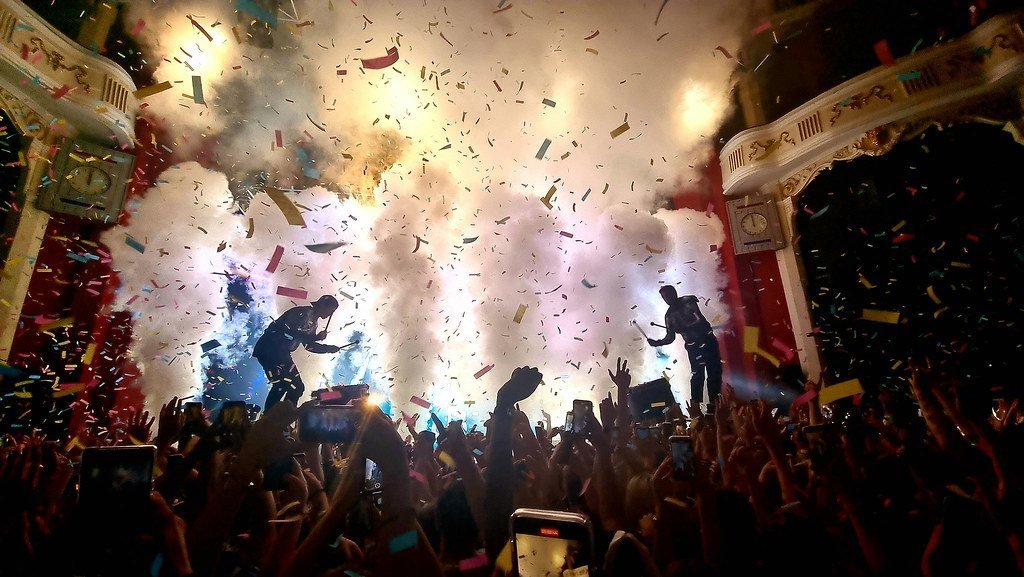
Economists actually coined a term for this: ‘funflation.’ It describes the post-pandemic boom in entertainment spending that has far outpaced regular consumer price inflation. The COVID-19 pandemic accelerated a shift in consumer behavior, where experiences are increasingly valued over material possessions. Right after restrictions eased, there was a massive return to live events with extraordinary enthusiasm.
According to Bureau of Labor Statistics data, admission to movies, theaters, and concerts jumped roughly twenty percent since 2021, yet consumers have demonstrated a remarkably high tolerance for the increasing price tag.
Subjective well-being research shows that people, particularly Gen Z, are increasingly satisfied with experiences that generate enduring memories, foster personal connections, and allow for self-expression. In other words: stuff fades, memories stick. That’s the emotional trade-off that funflation is built on.
The Experience Economy: Stuff vs. Stories
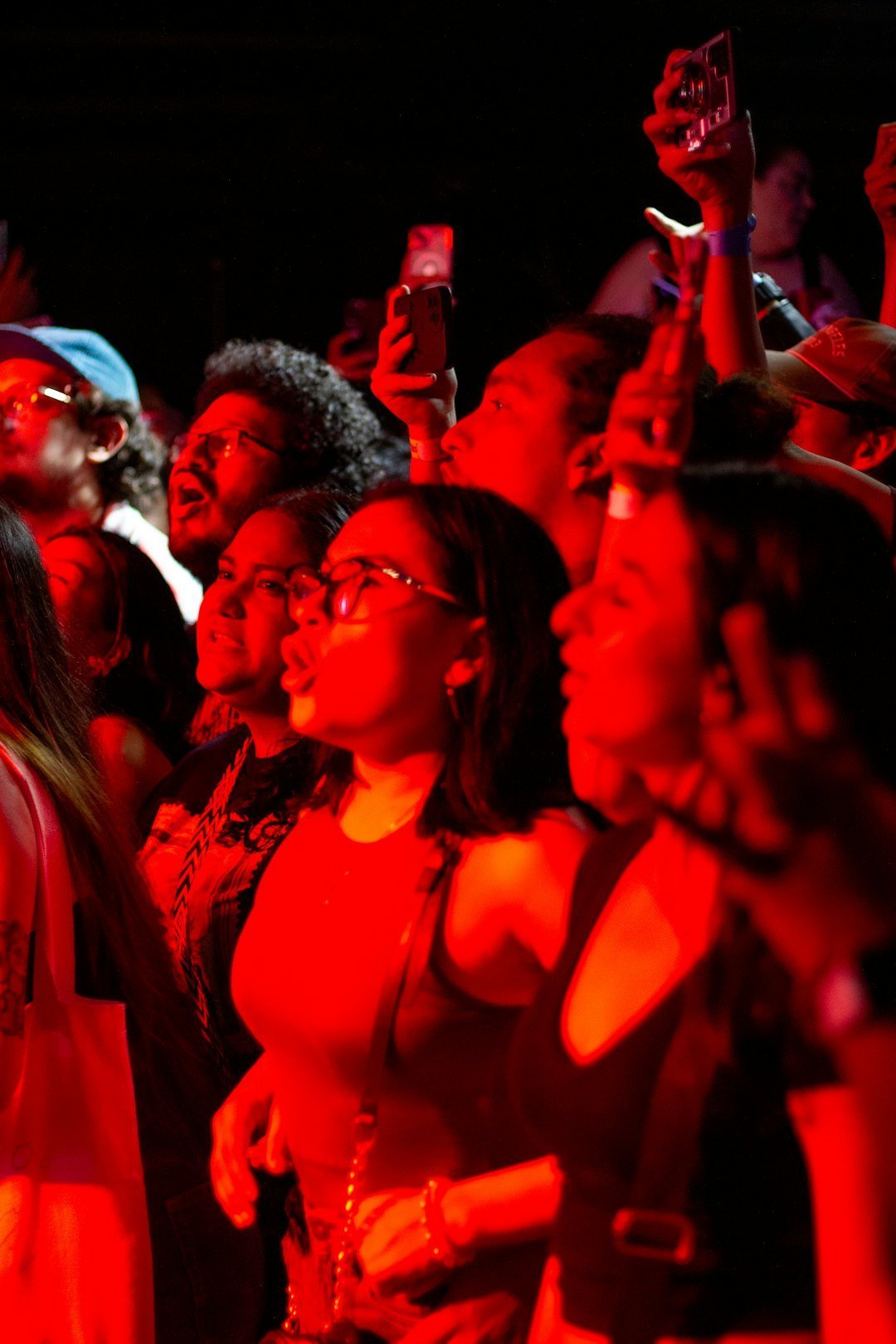
There’s a broader cultural shift powering all of this. Live music is increasingly seen as part of the ‘experience economy,’ where consumers prioritize spending on experiences rather than material goods, justifying higher prices for unique events.
According to a Mastercard survey of over fifteen thousand consumers across Europe, roughly two thirds say checking off bucket-list activities is a top priority, with the main motivators being the desire to create lifelong memories, to see the world in a new way, and to share experiences with loved ones.
Instead of splurging on fleeting luxuries, many are cutting back on clothing, luxury treats, and the latest gadgets – because memories last longer than the latest fashion trend or tech upgrade. That’s a genuinely interesting shift in values. It’s not just about the concert. It’s about what kind of person you want to be, and what kind of life you want to remember.
Going the Extra Mile – Literally

Gen Z doesn’t just pay big for concerts. They travel for them. Approximately three in five Gen Z respondents confirmed they have traveled in the past year and plan to travel in the next twelve months for in-person events like concerts, sporting events, and comedy shows more than fifty miles from home.
More than half of Gen Z travelers have flown or plan to fly to live events, and they’re willing to go further than any other generation – twice as many Gen Zers say they’d travel over fifteen hundred miles for an event compared to older generations.
Artists themselves drive this travel behavior, with one in five Gen Z travelers having already traveled, or planning to travel, specifically to a Taylor Swift concert. That kind of devotion is something brands and promoters dream about. It’s also something economists puzzle over.
When the Tickets Run Out: Scalpers and the Chaos of Getting In
Here’s a frustrating layer to all of this. Even when Gen Z is willing to spend, actually getting a ticket is its own battle. On top of soaring prices, attempting to acquire a ticket at all can mean sheer pandemonium, and with the ongoing battle between fans and scalpers, it isn’t surprising that young people now see concert attendance as a special occasion.
More than three quarters of Gen Z respondents in Cash App’s study said they were willing to pay a premium on resale platforms if that’s what it takes to see a show. That willingness is exactly what scalpers exploit. The cycle feeds itself.
The result of mass scalping and unaffordable prices becomes painfully visible when sold-out concerts still show half-empty sections on social media – a haunting reminder of who actually ends up in those seats. Spoiler: it often isn’t the biggest fans.
Gen Z Fights Back: Finding Smarter Ways to Attend

Honestly, credit where it’s due. Gen Z isn’t just passively accepting these prices. Some are getting creative. Enter Breakaway: a growing dance-music festival brand built on the premise of making concerts and festivals accessible and affordable again, with a touring model that brings the big-festival spectacle to mid-tier markets at a price point a college kid could actually afford.
In 2025, more than three hundred thousand fans attended a Breakaway event, and the brand’s success is propped up by the fact that Gen Z craves in-person experiences and has opted to spend less time on their phones.
An overwhelming eighty-six percent of Gen Z said they would attend events more often if more student discounts were offered. That’s a number the industry should probably pay closer attention to. There’s clearly a massive appetite that’s being partially choked off by pricing. The question is whether the business model will ever bend.
The Overspending Spiral: More Than Just the Ticket
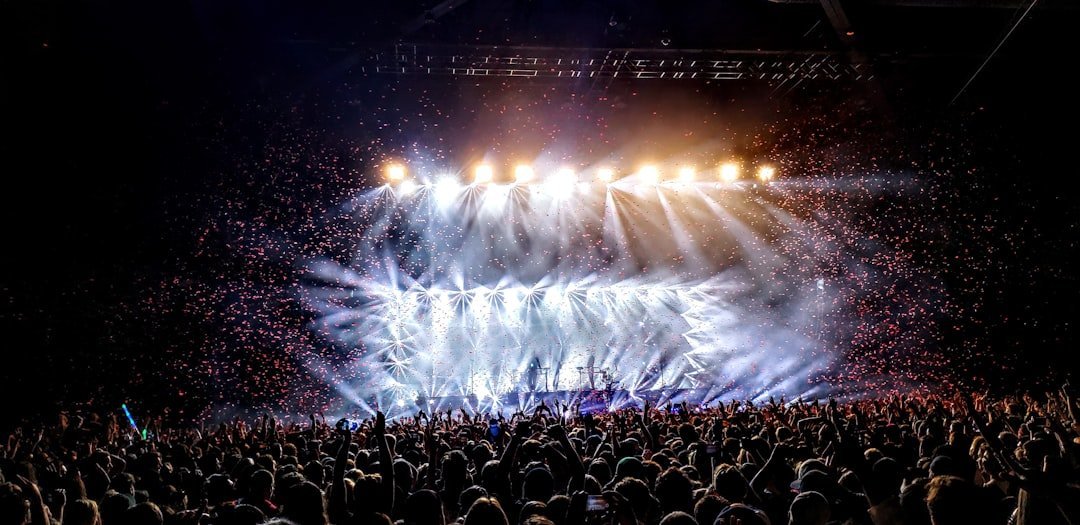
The ticket itself is just the beginning. A striking eighty-six percent of Gen Zers admit to overspending during live events, not only on tickets but also on food, beverages, apparel, and accessories, according to a survey by Merge.
According to the same study, just fourteen percent of respondents managed to stick to their budget when attending events. For the remaining majority, the allure and atmosphere of live events consistently leads them to overspend.
It’s like going to IKEA for one lamp and leaving with a full living room setup. The concert experience is engineered to pull you in deeper. And Gen Z, for all its financial savvy, is not immune. Nearly all Gen Z event-goers shop for the occasion, with food and beverages and apparel being the top spending categories at events.
What the Industry Thinks – and What It Should Do
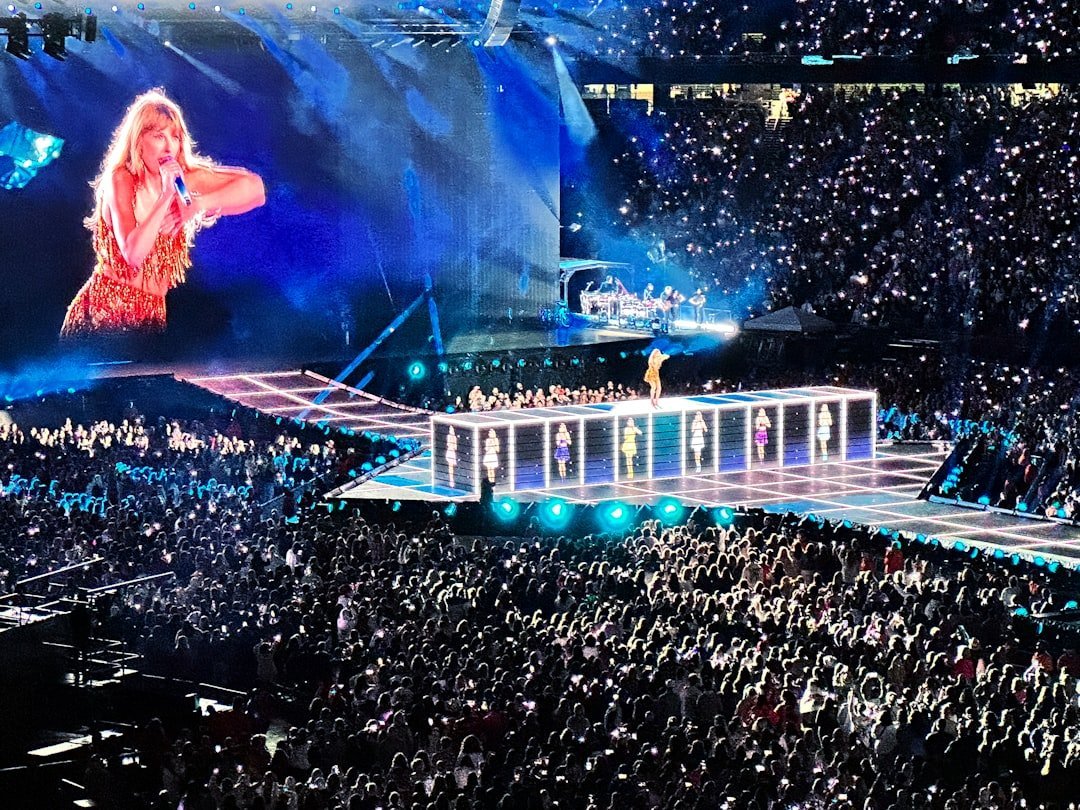
The live music industry is watching all of this very closely, naturally. Intense demand for live music is driving a boom in stadium tours, with the number of shows playing in arenas set to increase by sixty percent year-over-year.
A recent Eventbrite report found that roughly eight in ten eighteen-to-thirty-five-year-olds plan to attend more events in 2026, but what they’re seeking has evolved significantly. They want authenticity, spontaneity, and community. Not just a concert experience that feels like a corporate transaction.
Industry analysts suggest the live music sector should implement more equitable tiered pricing models that offer affordable options for Gen Z fans, while also adopting anti-scalping measures to ensure tickets reach genuine fans at fair prices. Whether the big players will listen is, honestly, hard to say.
Conclusion: The Price of Being There
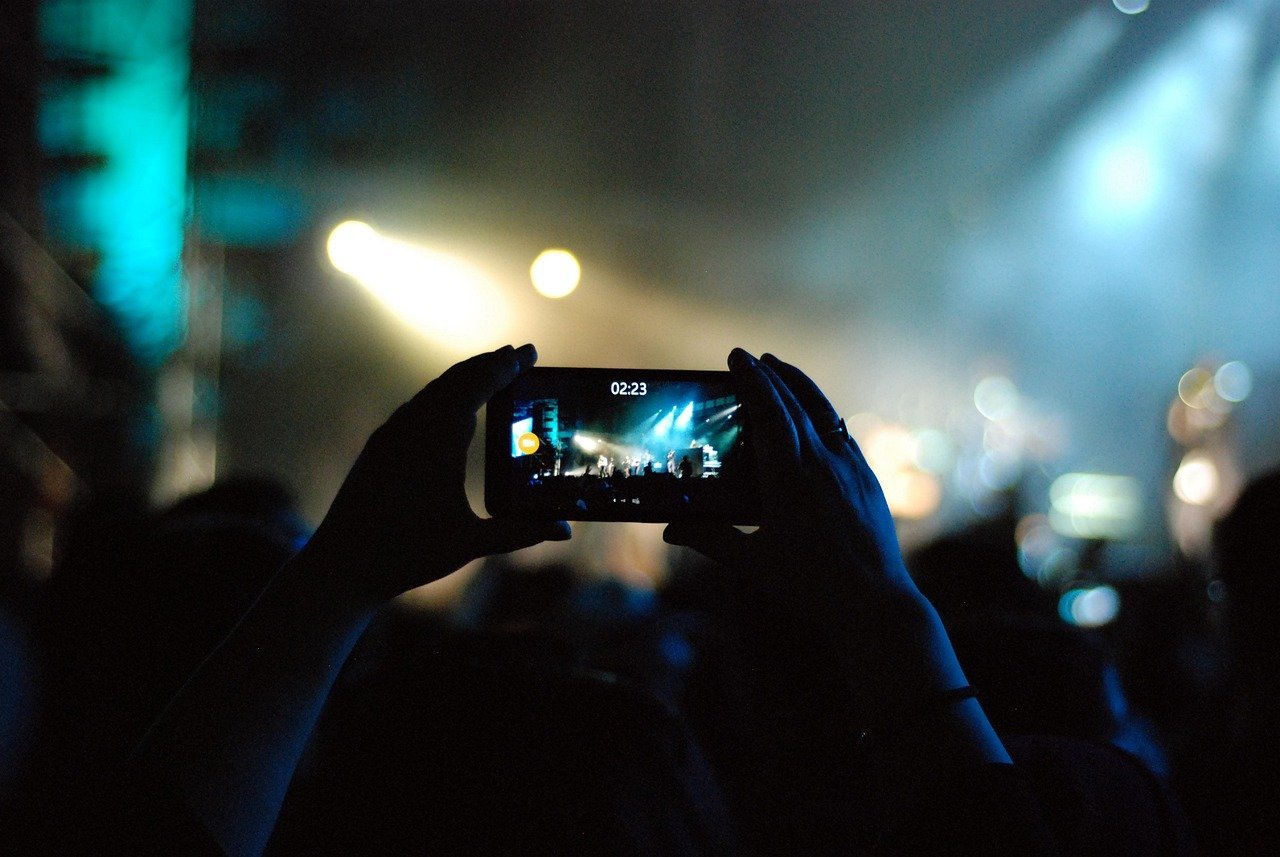
There’s something both inspiring and a little worrying about this whole picture. A generation dealing with real financial pressure is choosing, deliberately and repeatedly, to spend big on live experiences. Not on stuff. Not on gadgets. On being in a room with other people, feeling something together.
Studies indicate that expenses like concerts or travel result in greater happiness and long-term well-being than do material possessions. Science seems to back Gen Z’s instincts on this. The memory of a great show really does outlast the memory of buying something.
Still, the tension is real. Prices keep climbing, debt is piling up for some, and scalpers are gaming the system at every turn. The industry needs to decide whether it wants lifelong fans or a quick cash grab. Gen Z will keep showing up regardless, it seems. The question is how long that can last before even the most passionate fan has to draw the line.
What would you be willing to give up to see your favorite artist live? Tell us in the comments.

Besides founding Festivaltopia, Luca is the co founder of trib, an art and fashion collectiv you find on several regional events and online. Also he is part of the management board at HORiZONTE, a group travel provider in Germany.
