
- Unsung Heroes of Music History Deserve Their Rightful Place in the Pantheon of Legends - August 18, 2026
- Certain Historical Events Are So Bizarre, They Seem Ripped From the Pages of Fiction - August 18, 2026
- Iconic Cultural Artifacts Are More Than Objects; They Are Time Capsules of Human Experience - August 18, 2026
Every great music genre has a hometown. A block, a club, a basement, a street corner where something clicked into place and changed the world forever. It’s easy to stream a playlist today and forget that behind each genre sits a very specific place, a very specific moment, and a group of people who had no idea they were making history.
Think about it. Would techno exist without Detroit’s decaying factories? Would grunge have sounded the same outside Seattle’s grey, rain-soaked isolation? Probably not. Geography shapes sound more than most people realize. The stories behind these genres are honestly more fascinating than the music itself, sometimes.
From dusty New Orleans sidewalks to a Bronx apartment building, here is a journey through ten legendary music genres and the exact places they were born. Let’s dive in.
🎷 Jazz – New Orleans: Where It All Began
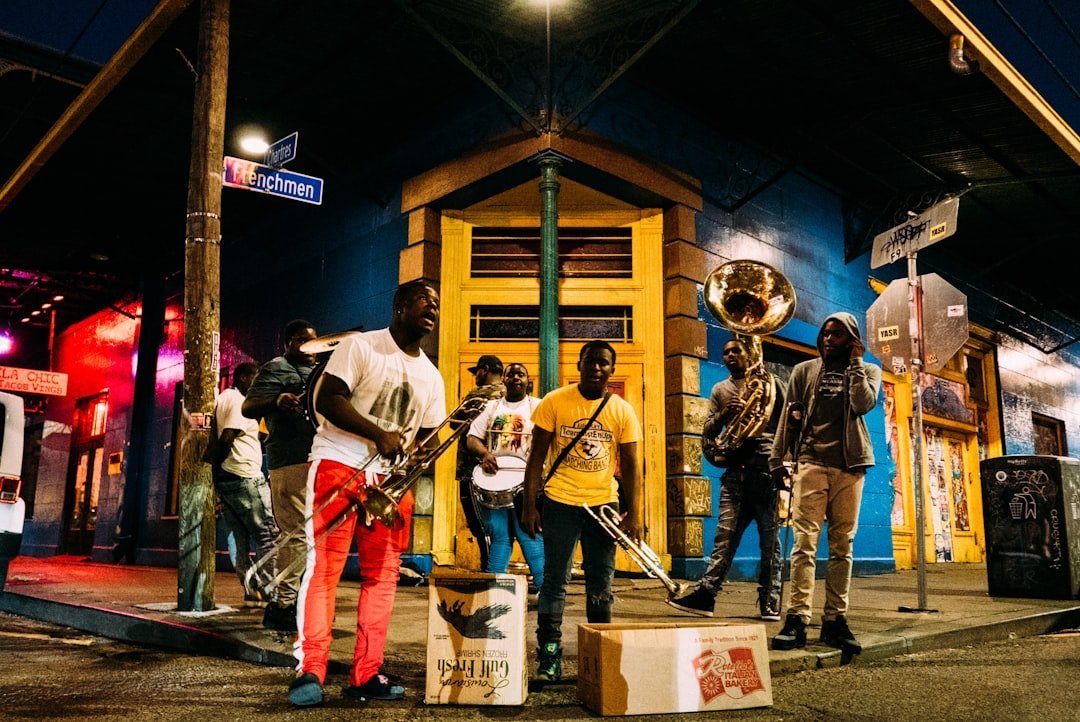
New Orleans is widely recognized as the birthplace of jazz, a uniquely American genre that emerged in the late 19th and early 20th centuries, blending African, Caribbean, and European influences into a vibrant and revolutionary sound. There is something almost poetic about that. A single city, sitting at the mouth of the Mississippi River, drenched in a mix of cultures that could not exist anywhere else.
The roots of New Orleans jazz trace back to African rhythms, blues, ragtime, and brass band music. Enslaved Africans brought their musical traditions to Louisiana, where they preserved their rhythms and melodies in places like Congo Square. There, these rhythms blended with European harmonies and instruments like the piano, trumpet, and clarinet, resulting in something completely new.
The improvisational element of jazz is attributed to the creativity of New Orleans musicians, many of whom could not read music and had to extend songs for dancers and in parades. That raw, spontaneous quality, making it up as you go, became jazz’s defining soul. New Orleans’ most famous musician, the renowned trumpeter and vocalist Louis ‘Satchmo’ Armstrong, took jazz a step further and made it famous worldwide.
When Storyville, the city’s official red-light district, was shut down by the federal government in 1917, musicians had to move on. Wherever they went, they played, and the sound stuck, later evolving into differentiated styles in Chicago, New York, Kansas City, and West Coast cities. Jazz was the seed for almost everything that came after it.
🎸 Rock and Roll – Memphis: The Sound That Shook the World
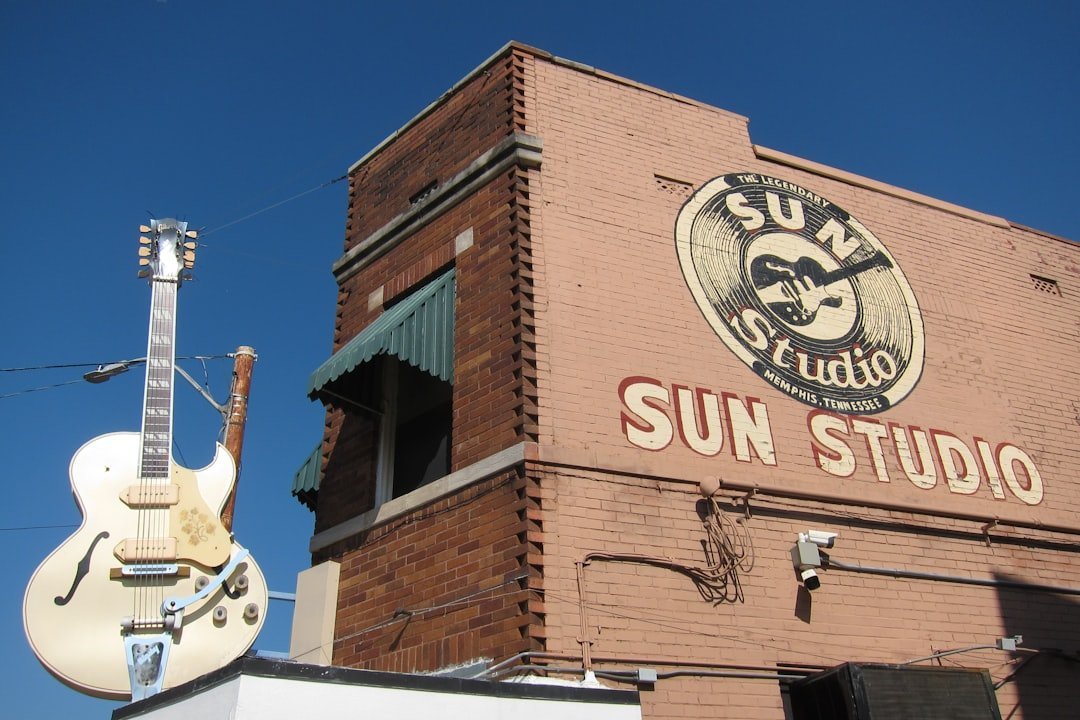
Here is something worth thinking about. Before rock and roll, popular music was largely polite, orchestrated, and designed for sitting down. Then Memphis happened. Memphis in the early 1950s was a pressure cooker of culture, where Black rhythm and blues collided with white country sounds in a way that nobody had planned, and nobody could stop.
New Orleans producer-bandleader Dave Bartholomew helped make a rhythmic pattern ‘the most over-used rhythmic pattern in 1950s rock and roll,’ employed across numerous recordings by Fats Domino, Little Richard, and others. Rhythm was at rock and roll’s core from the start. Elvis Presley recorded at Sun Studio in Memphis in 1954, and within months something irreversible happened to popular culture.
Chuck Berry brought the electric guitar to the forefront with breathtaking energy and wit, and young people across America suddenly had a sound that felt like theirs. Rock and roll was faster, louder, and more rebellious than anything that had come before it. Parents were horrified. Of course they were. That was sort of the point.
🎤 Hip-Hop – The Bronx: A Party That Changed Everything
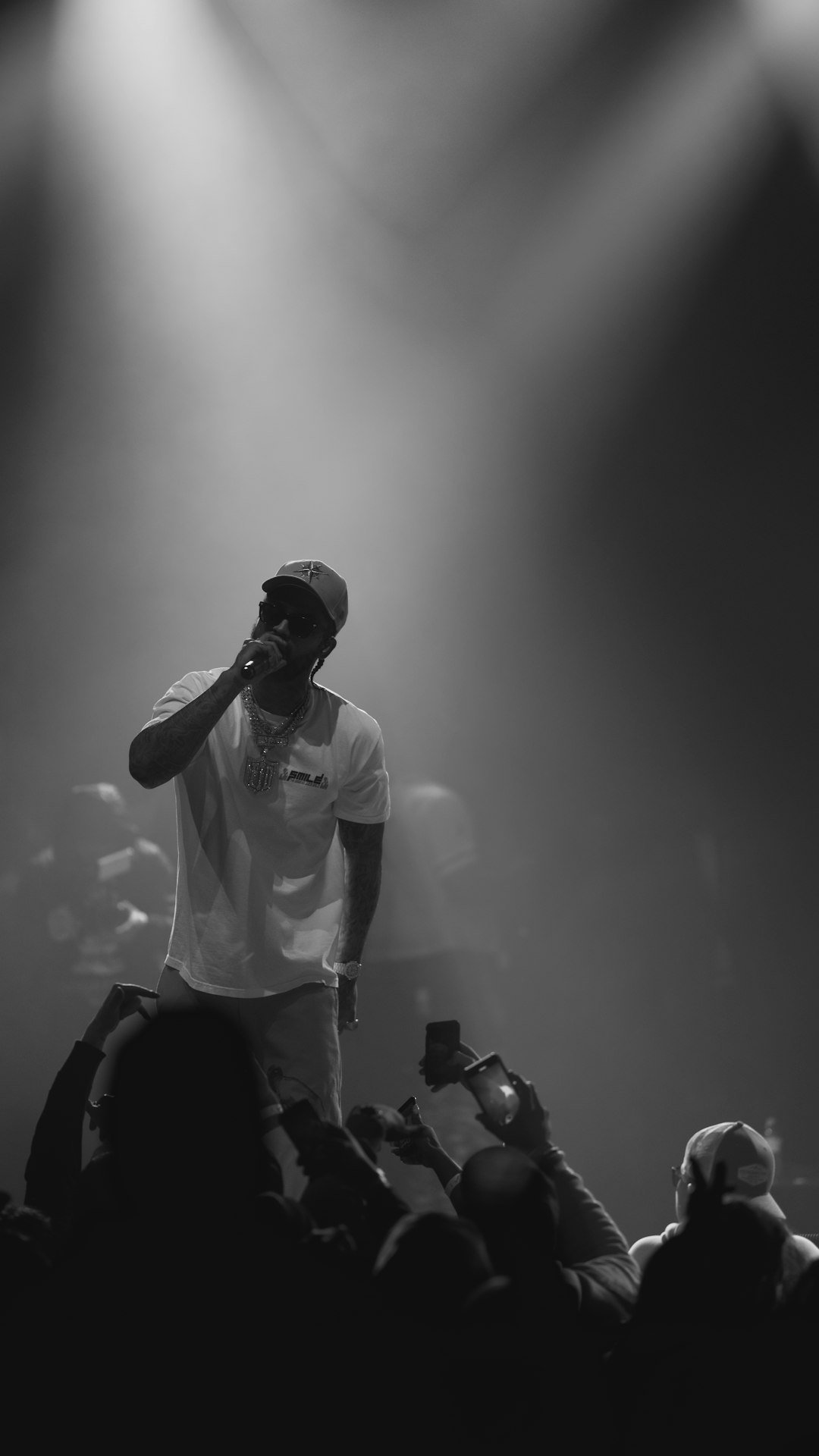
Hip-hop historians and fans have pinpointed the origin of hip-hop culture as August 11, 1973, the day Jamaican-born Clive Campbell – aka DJ Kool Herc – manned the turntables at a back-to-school party planned by his sister, Cindy. I know it sounds crazy, but one of the most globally dominant music cultures was essentially born at a house party.
The festivities took place at 1520 Sedgwick Avenue in the Bronx’s Morris Heights. Using limited resources, two turntables, a microphone, and a booming sound system, the predominantly Black and Latino youth of the inner city made their own music and culture.
The Bronx was at a low point in the early 1970s. Over previous decades, redlining, urban renewal schemes, and highway development had sent a once-diverse working-class community into economic collapse. Yet from that collapse came extraordinary creativity. DJ Afrika Bambaataa would later outline the four pillars of hip-hop culture: MCing, DJing, breaking, and graffiti writing.
The music led to an entire cultural movement that altered generational thinking, from politics and race to art and language. No other genre on this list can claim a cultural footprint quite that wide.
🎸 Punk Rock – New York City: Three Chords and a Whole Lot of Rage
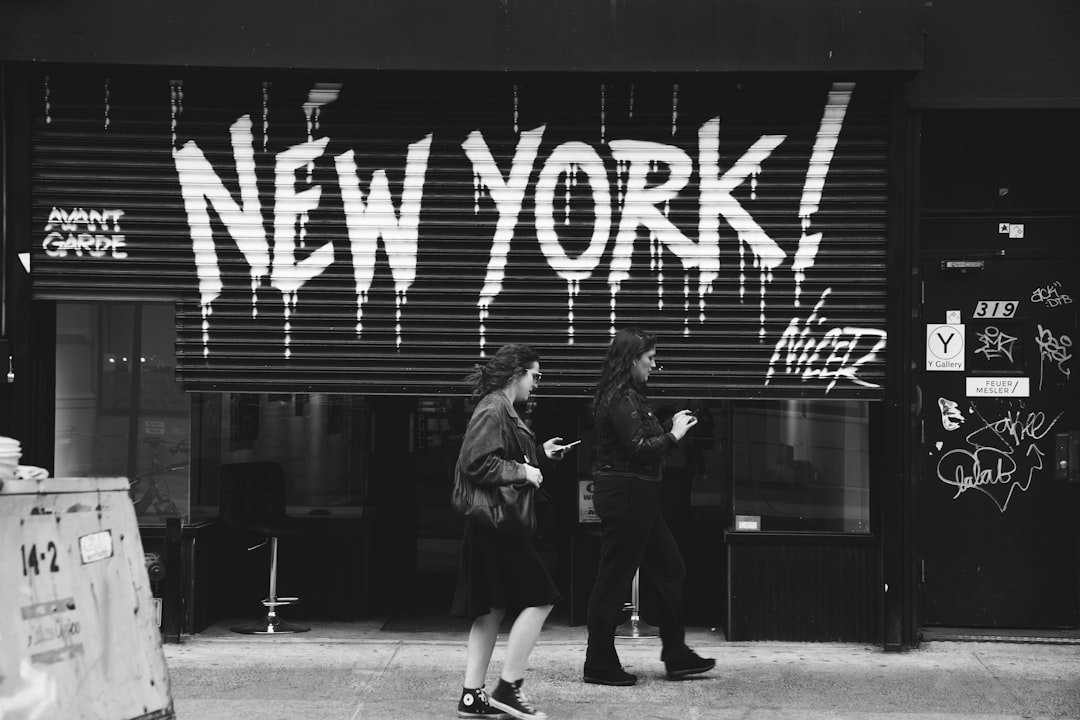
By the mid-1970s, rock music had gotten very, very serious. Progressive rock bands were releasing concept albums with twenty-minute songs. The industry had grown bloated, polished, and frankly a little boring. Then something snapped. In the clubs of New York City, particularly at CBGB on the Bowery, bands like the Ramones and Television decided that none of that complexity mattered.
Punk stripped rock down to its skeleton. Fast tempos, distorted chords, short songs, and lyrics that spat directly at the establishment. The grunge aesthetic would later borrow from this same spirit, as the overall sound was based in large part on the economic realities of the time. Punk had the exact same energy years earlier in New York.
The Ramones played songs that sometimes lasted under two minutes. Two minutes! Compared to a twenty-minute prog rock symphony, that felt like a revolution. The DIY ethic, the homemade look, the refusal to be polished, all of it spread like a virus across the Atlantic to Britain, where it would explode into something even larger.
🎧 House – Chicago: The Dancefloor Gets Its Heartbeat
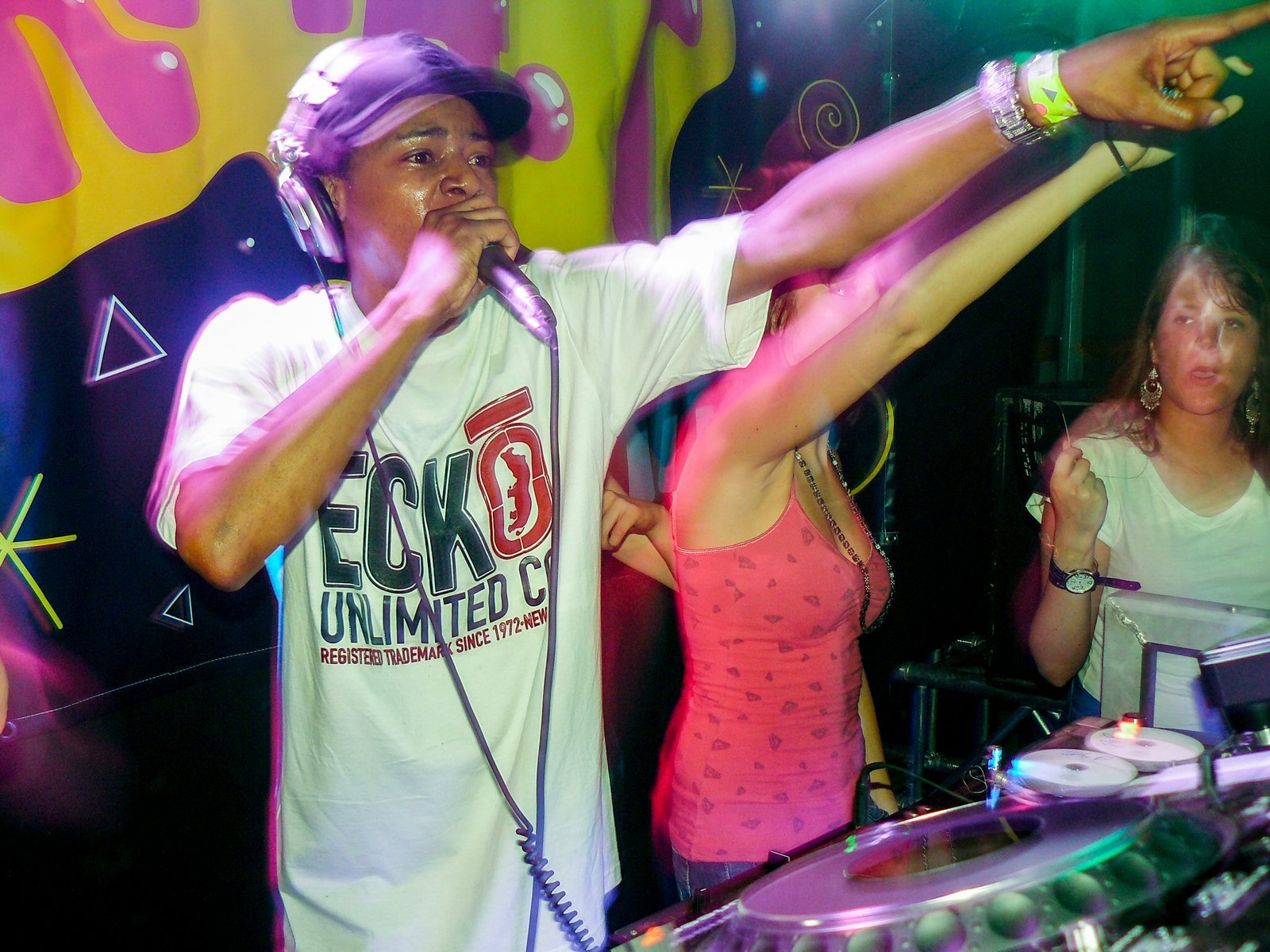
In the early 1980s, Chicago’s club scene was doing something quietly extraordinary. Disco had collapsed publicly and somewhat spectacularly in 1979, but the dancers had not gone away. At the Warehouse club, DJ Frankie Knuckles and others began experimenting with drum machines, synthesizers, and soulful vocals layered over repetitive beats built entirely for movement.
Techno paralleled house music’s development in Chicago, and both, along with disco, helped form global dance music culture. House was, in many ways, disco’s direct descendant, but leaner, more electronic, and stripped of the excess. It felt modern in a way that little else did at the time.
The name itself reportedly came from the Warehouse club where Frankie Knuckles performed. Marshall Jefferson brought gospel-influenced piano and vocals into the sound, giving it an almost spiritual quality. House music did not just stay in Chicago. It crossed the Atlantic and within a few years was shaping dancefloors from London to Ibiza.
🎧 Techno – Detroit: The Machine Music of a Dying City
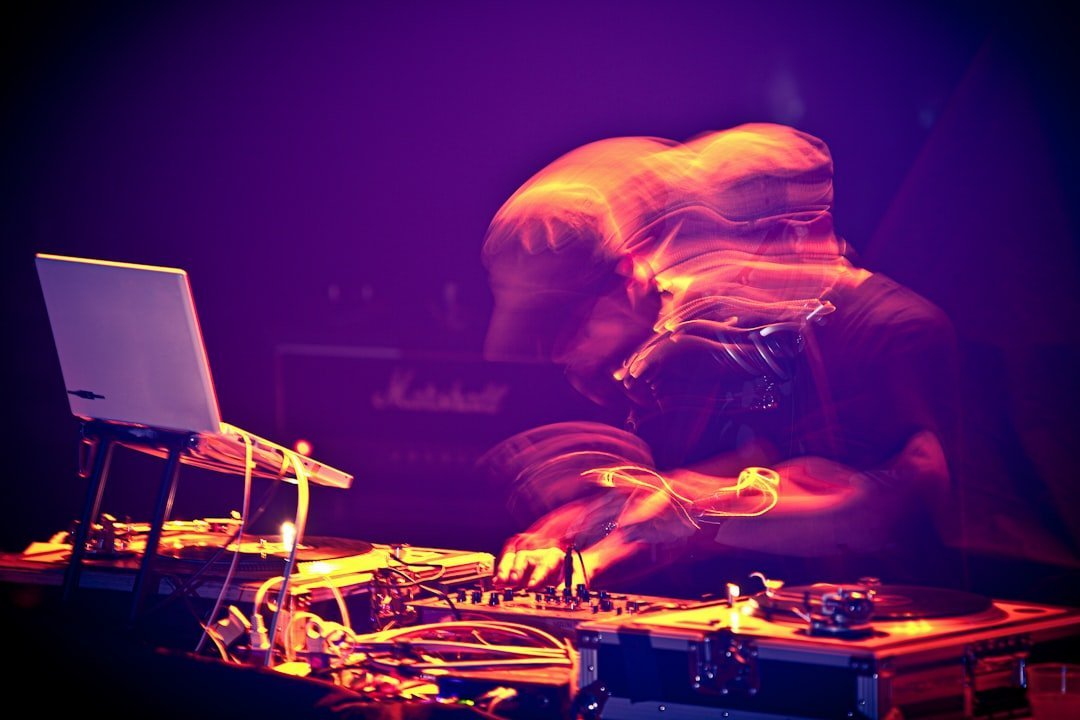
As unlikely as it might sound, Detroit is the birthplace of techno. The electronic dance music genre started not in nightclubs in Berlin or London, but in Motor City basement studios and concerts held in abandoned Detroit warehouses. There is a beautiful irony in that. A city defined by industrial decline gave birth to the most mechanical, futuristic music ever made.
The three individuals most closely associated with the birth of Detroit techno are Juan Atkins, Kevin Saunderson, and Derrick May, known as the Belleville Three. The three were high school friends from Belleville, Michigan, who created electronic music tracks in their basements.
Detroit techno resulted from the melding of synth-pop by artists such as Kraftwerk, Giorgio Moroder, and Yellow Magic Orchestra with African American styles such as house, electro, and funk. The combination was unlike anything that had existed before. From the outset, the Detroit techno scene adopted a utopian futurist ethos with ample references to science fiction, particularly embracing the notion of appropriating European instruments and aesthetics for a Black American style of music.
In 1988, the compilation Techno! The New Dance Sound of Detroit came out on a UK record label, formally introducing Detroit techno to the raves of Europe and providing for wider acceptance within the music industry. From that point on, Berlin, London, and Amsterdam would carry the sound further. Yet for decades, many Europeans did not even know it came from America.
🎸 Grunge – Seattle: Beautiful Noise from the Rainy City

Grunge, originally known as the Seattle Sound, is an alternative rock genre and subculture that emerged during the mid-1980s in the U.S. state of Washington, particularly in Seattle and nearby cities. The literal isolation of the Pacific Northwest was excellent fuel for innovation, as its distance from Los Angeles meant that Seattleites were largely untouched by and uninformed about the latest musical trends.
Grunge lyrics were typically angst-filled and introspective, often addressing themes such as social alienation, self-doubt, abuse, neglect, betrayal, and addiction. That emotional honesty felt bracingly real compared to the glam metal and pop dominating the charts at the time. As a hybrid music genre and subculture, grunge emerged in Seattle’s alternative rock scene during the mid-to-late 1980s and broke into the mainstream music industry in the early 1990s.
Influenced by punk rock and by 1970s heavy metal bands, grunge came to fruition on Seattle’s independent Sub Pop record label. Combining guitar distortion, anguished vocals, and heartfelt, angst-ridden lyrics, Nirvana and Pearl Jam won a rapidly increasing audience and released multimillion-selling albums.
Honestly, Nirvana’s Nevermind did not just top the charts. It knocked the entire music industry sideways. Grunge played an enormous role in moving alternative rock into the pop mainstream.
🎸 Britpop – London: Britain Takes Its Crown Back
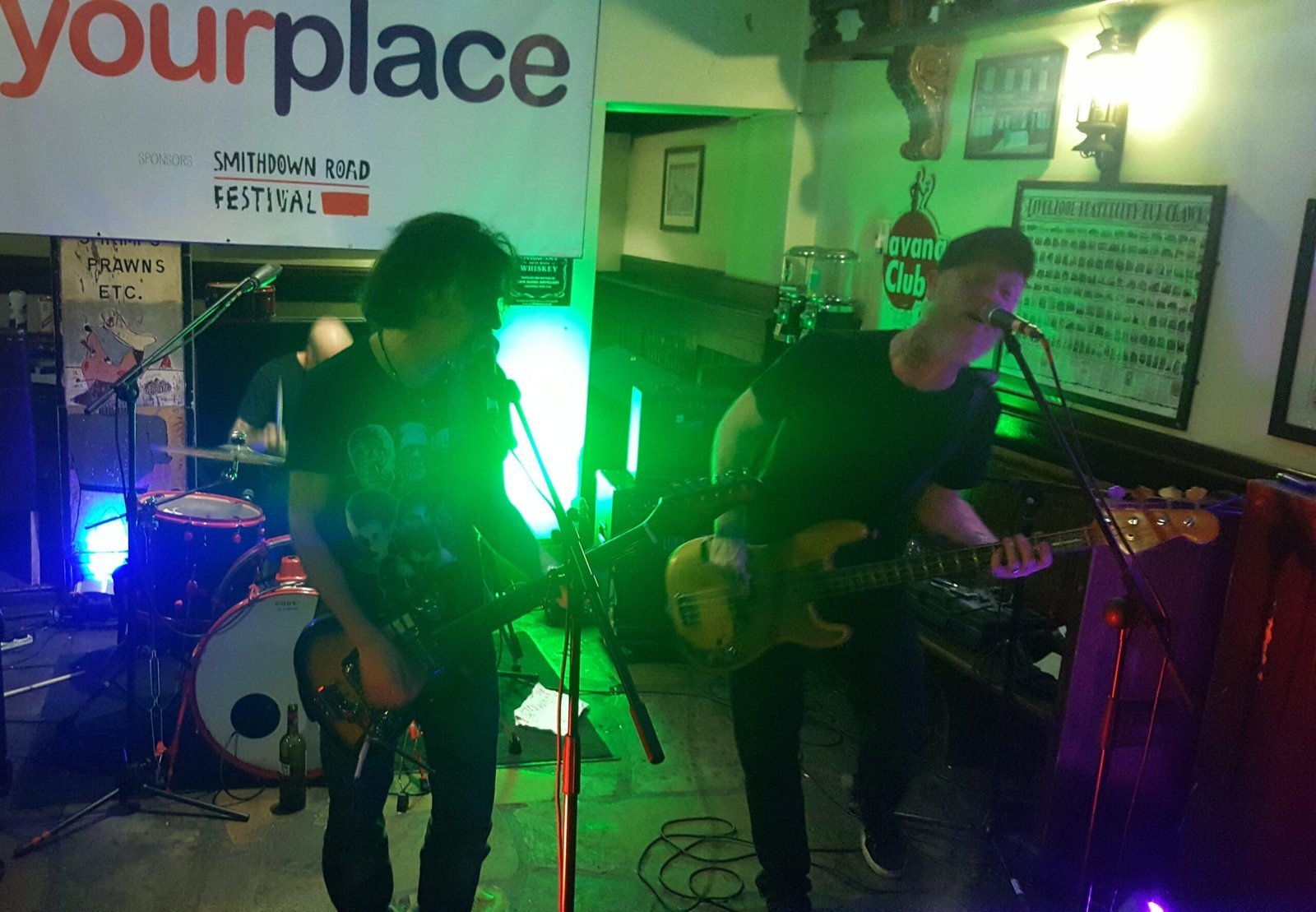
By the early 1990s, grunge had done something unexpected. It had made British guitar music feel almost irrelevant. American bands were dominating global attention, and Britain’s music press was not happy about it. Then came a counter-movement so deliberate it almost felt like a political statement.
Britpop was Britain reasserting itself through melody and wit. Bands like Oasis, Blur, and Pulp arrived with big choruses, sharp lyrics loaded with British cultural references, and a swagger that grunge had deliberately abandoned. The sound was rooted in the tradition of The Beatles and The Kinks, but filtered through the anxieties of 1990s Britain.
The Oasis vs. Blur chart battle of 1995 became something almost like a national event. Both bands released singles on the same day in what newspapers dubbed the Battle of Britpop. It ended up being one of the most talked about moments in British pop history. Britpop did not last forever, but while it burned, it burned brilliantly. London was its centre of gravity, its promotional machine, and its cultural heart.
🎧 Dubstep – London: When the Bass Took Over
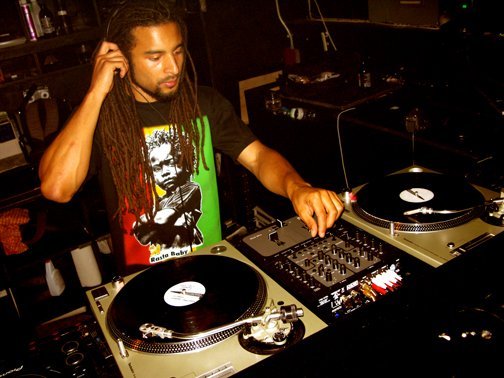
Most people’s first encounter with dubstep came sometime around 2010, when artists like Skrillex were throwing massive sonic drops at festival crowds. But let’s be real, that version of dubstep was something quite different from where it began. The original dubstep was darker, slower, and rooted in South London’s pirate radio stations in the late 1990s and early 2000s.
Producers like Skream and Benga were experimenting with half-time rhythms, sparse arrangements, and bass frequencies so deep they were almost felt more than heard. The sound was introverted, almost cinematic. It grew out of UK garage and drew influence from dub reggae’s obsession with bass weight and space.
Club nights like Fabric in London and pirate stations like Rinse FM were crucial in developing dubstep’s early audience. The music spread through physical record shops and internet forums before it reached the mainstream. By the time the wider world discovered it, the original scene had already moved on, as underground scenes always do.
🎧 Drum and Bass – Bristol: Speed, Bass, and the UK Underground
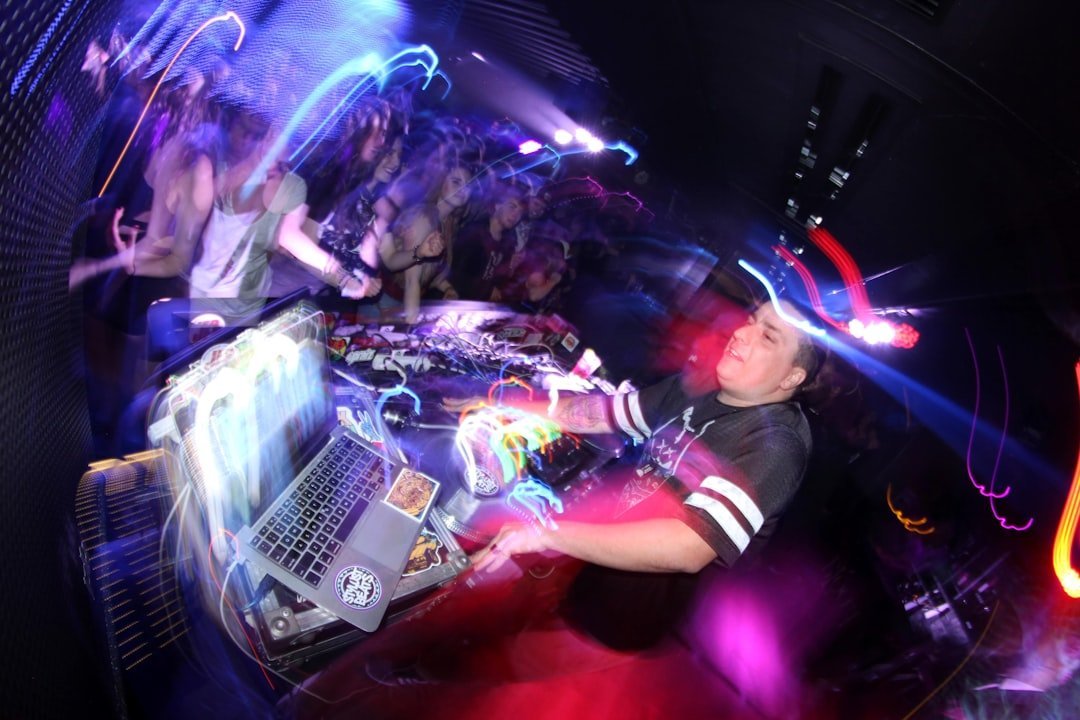
Bristol in the early 1990s was producing some of the most forward-thinking music in the world. The city that gave us Massive Attack and Portishead was also incubating drum and bass, a genre that took the breakbeat traditions of rave and jungle music and pushed them to extremes.
Producers and DJs like Goldie and Roni Size took breakbeats up to tempos between 160 and 180 BPM and layered them over heavy, rolling basslines. The result was physically intense. At high volume in a club, drum and bass did something to your body that other genres simply could not.
Hip-hop innovators had inspired many aspects of the UK’s early electronic music scenes, and that legacy continued as drum and bass musicians built upon and offered new interpretations of what beat-driven music could be. The Bristol scene was perhaps the most musically adventurous in Britain during that decade. It connected with underground audiences across the UK and later found listeners in Japan, Germany, and North America.
The City Behind the Sound
What ties all ten of these stories together is something simple but profound. None of these genres were invented by the music industry. Every single one of them grew from a specific community, a specific place, and a specific set of pressures, economic, cultural, political, emotional. Jazz from the melting pot of New Orleans. Hip-hop from the neglected streets of the Bronx. Techno from a post-industrial Detroit with nothing left to lose.
Music is not just something that happens in studios with expensive equipment. It happens when real people in real places need to say something, or feel something, or escape something. The geography is not incidental. It is essential.
So next time a song stops you in your tracks, it’s worth asking: where was this born? What kind of city, what kind of struggle, what kind of moment created it? The answer might surprise you. What is your favorite genre from this list, and did you know where it actually came from?

Besides founding Festivaltopia, Luca is the co founder of trib, an art and fashion collectiv you find on several regional events and online. Also he is part of the management board at HORiZONTE, a group travel provider in Germany.
