


- 10 One-Hit Wonders That Secretly Made Millions. - August 18, 2026
- Great Literature Offers Profound Insights Into the Human Condition, Unchanged by Time. - August 18, 2026
- The Evolution of Pop Culture Reveals a Fascinating, Often Unpredictable, Human Journey - August 18, 2026
There is something almost magical about returning to a great novel. You already know how it ends. The suspense is gone. The surprises are spent. So why does it feel, somehow, even richer than before? The answer, I think, is that the best books are not built for one reading. They are built to grow with you, revealing new chambers every time you come back.
Some books reward patience. Others reward experience. A few reward plain old age. The fifteen works collected here fall into all three categories, and what connects them is a shared resistance to being fully understood on the first pass. Think of it like visiting a great city for the first time versus the fifth: you stop rushing to the famous landmarks and start noticing the alleyways, the light, the texture of things. These books are exactly that kind of destination. Let’s dive in.
1. To Kill a Mockingbird by Harper Lee
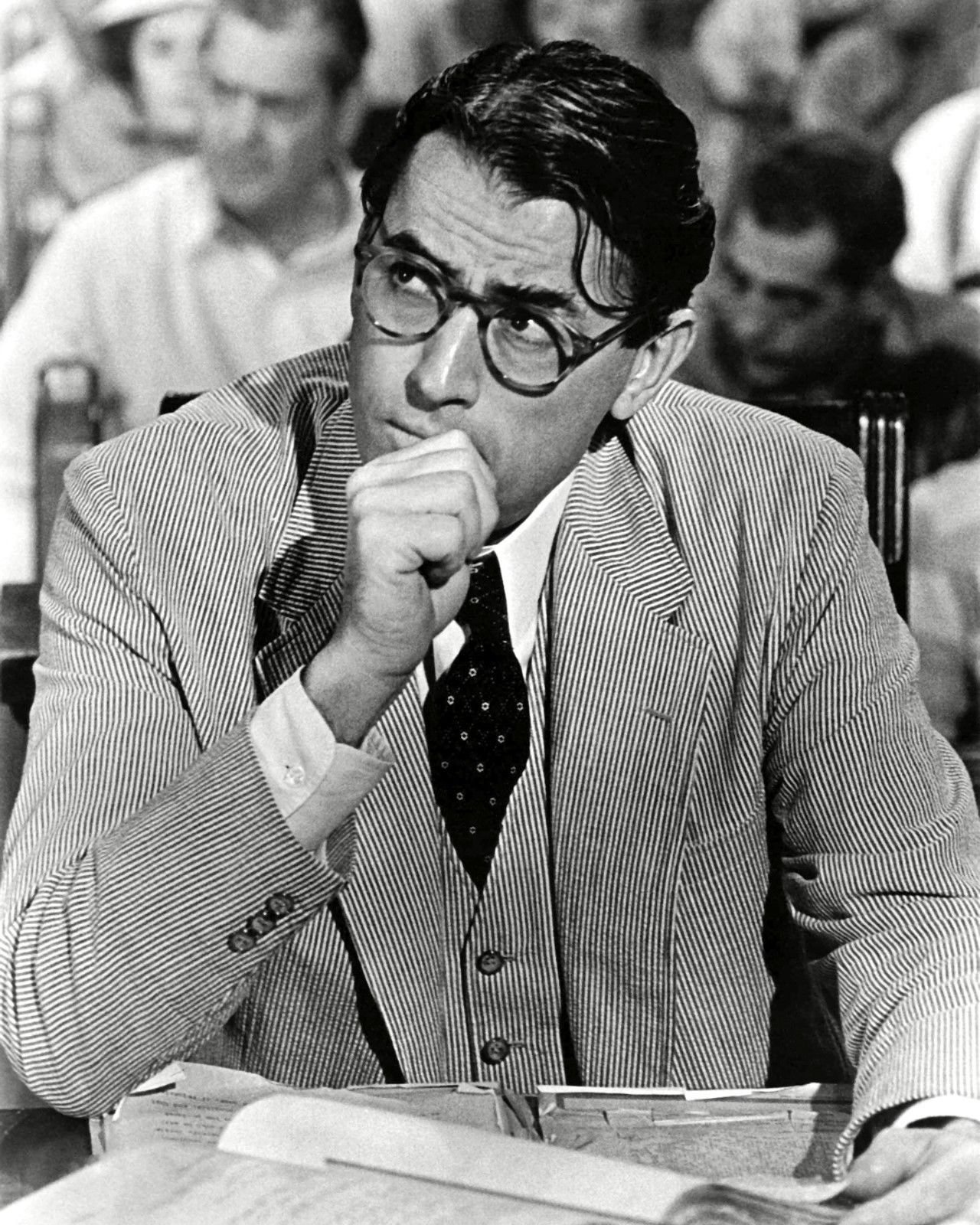
Most readers first encounter Harper Lee’s novel as children or young teenagers, and what they take away is a story about bravery and fairness, delivered through the eyes of a precocious six-year-old. The novel’s primary theme explores the destructive nature of prejudice and the moral courage required to fight injustice, as Lee examines through Scout’s coming-of-age journey how systematic racism operates while celebrating individuals who stand against social pressure. On a second reading, something darker and more complicated surfaces. Modern analysis examines both Atticus’s moral courage in defending Tom Robinson and his paternalistic limitations, revealing how even well-intentioned characters can embody the constraints of their historical moment while still providing valuable moral lessons. The symbol of the mockingbird itself transforms on a reread. Tom Robinson and Boo Radley are the two primary “mockingbirds” of the story – Tom, despite his innocence, is destroyed by the evil and prejudice of society, while Boo, a reclusive figure misunderstood and feared by the town, ultimately reveals his kindness by saving Scout and Jem, underscoring the novel’s critique of the senseless destruction of innocence by hatred and ignorance.
2. The Great Gatsby by F. Scott Fitzgerald
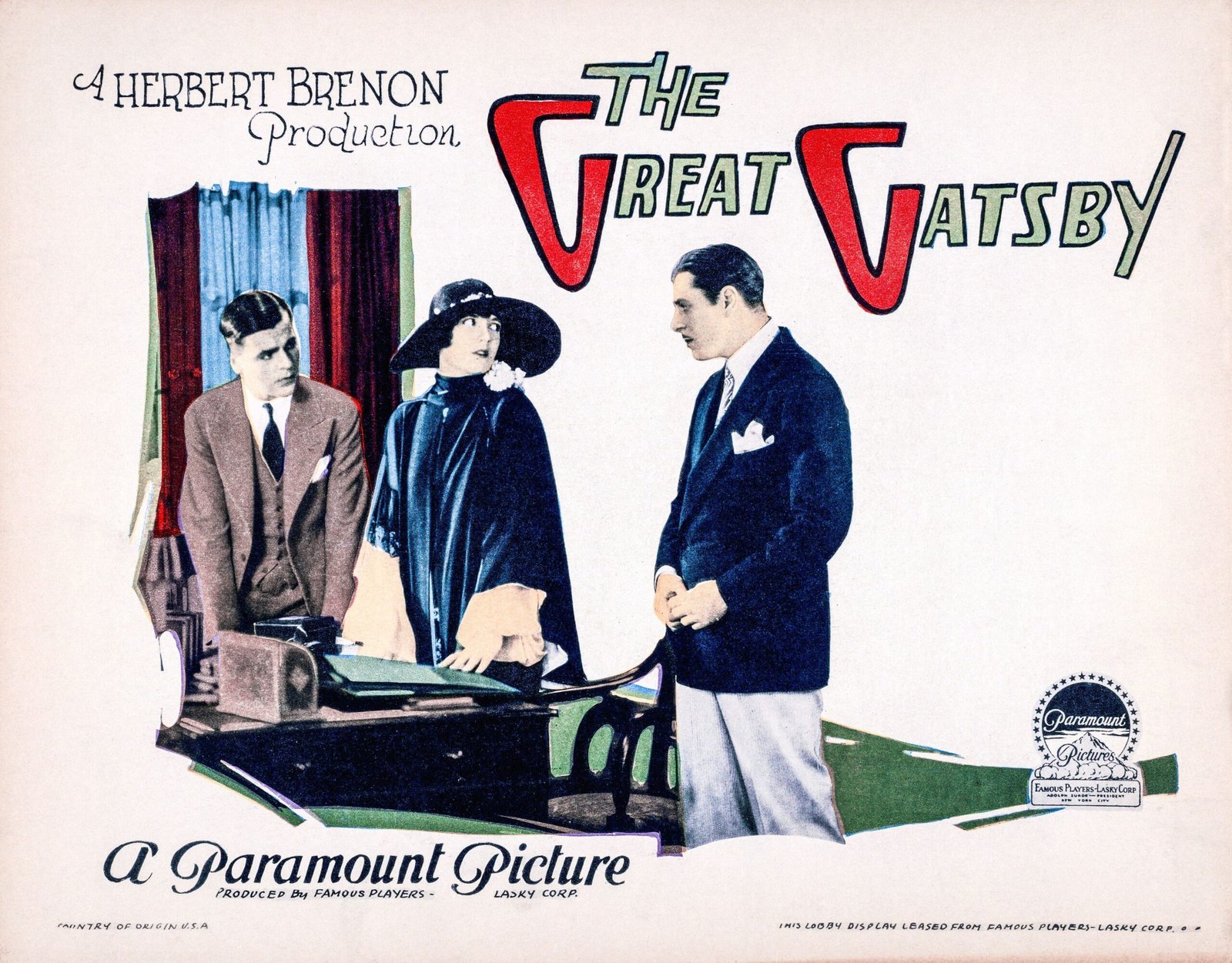
The first read of The Great Gatsby tends to feel like a glamorous tragedy. Jay Gatsby pining for Daisy across the water, the green light, the parties. Beautiful, sad, done. But the second read is where Fitzgerald’s real craftsmanship shows itself. Nick Carraway, often treated as a neutral narrator, begins to look far more unreliable and morally compromised than he first appeared. His admiration for Gatsby distorts everything he reports, and once you see that, the entire novel shifts axis.
F. Scott Fitzgerald wrote of Tom and Daisy Buchanan that they were “careless”: their wealth allowed them to treat others with disdain or lack of feeling. That word, careless, is devastating when you return to it knowing the full weight of what their carelessness actually destroys. Honest literary journalism has long argued that Fitzgerald’s true subject was not romantic longing at all, but the American myth of reinvention and its inevitable corruption – a reading that only crystallizes on the second pass.
3. Crime and Punishment by Fyodor Dostoevsky
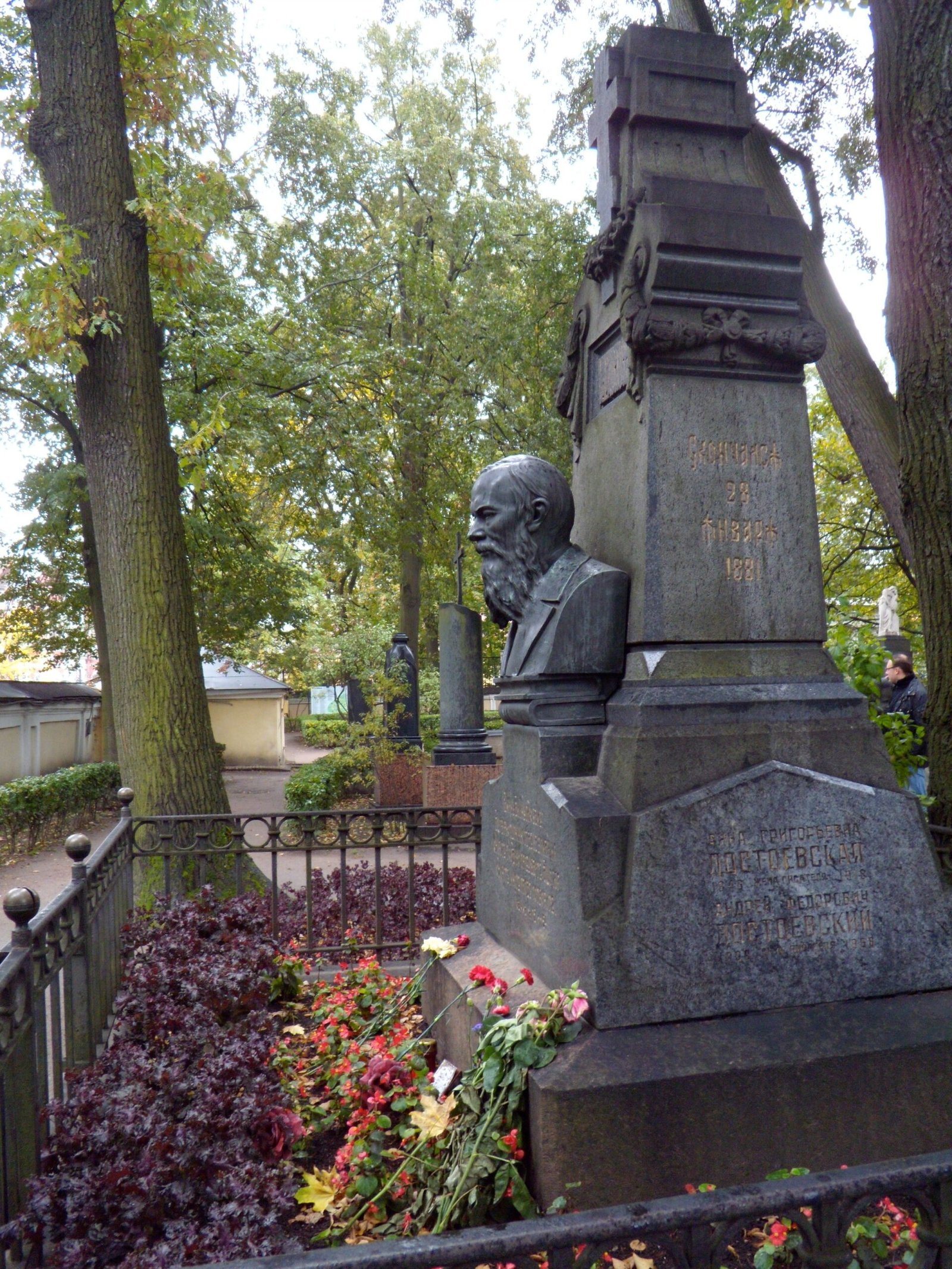
The first time through Dostoevsky’s masterpiece, most readers are gripped by tension. Will Raskolnikov be caught? That suspense engine is powerful, almost thriller-like. The novel follows Raskolnikov, a destitute former student who commits a murder without remorse, delving into the psychological and philosophical arguments behind his crime, as the protagonist struggles with guilt, paranoia, and justification for his actions, ultimately facing the consequences before his punishment is delivered, offering a deep exploration of the criminal mind, the complexities of morality, and the societal implications of one’s actions. The second reading is a completely different experience because the suspense is gone, and what remains is philosophy. You stop tracking the plot and start tracking the ideas. Raskolnikov’s theory that extraordinary men exist beyond ordinary moral law suddenly feels less like madness and more like a recognizable human temptation – one Dostoevsky dissects with surgical, unsettling precision.
4. Anna Karenina by Leo Tolstoy, and Madame Bovary by Gustave Flaubert
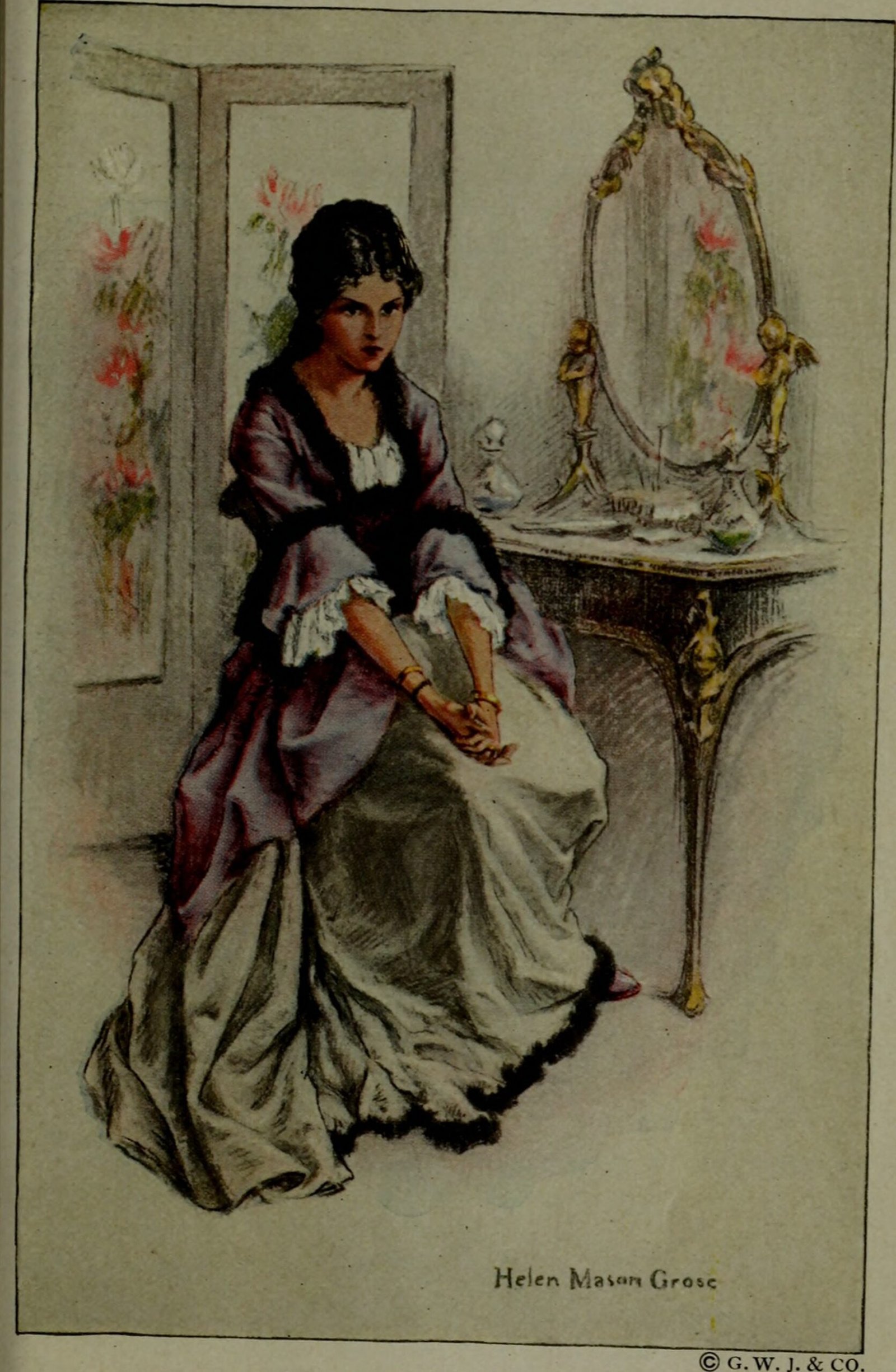
These two novels are often taught separately, but they belong together as companion studies in how society destroys women who dare to want more than what is permitted. One devoted reader recalled having read Anna Karenina five or six times, noting that each time it makes a different impact, describing it as a truly remarkable novel at many levels. That compulsion to return is not accidental. The novel explores themes of passion versus duty, the pains and joys of family life, the complex inner lives of individuals, and the position of women in 19th-century Russian society. The Levin subplot, which many first-time readers find tedious and skip over, emerges on a second read as the moral and spiritual backbone of the entire work.
Madame Bovary has an enduring power to move and disturb readers: Emma Bovary’s story serves as a cautionary tale about the dangers of romantic idealism, yet it is impossible not to sympathize with her yearning for passion and beauty. The second time around, Flaubert’s irony is everywhere, sharp and devastating, and Emma stops being a foolish woman and starts being an indictment of an entire social order. Read them back to back on your second visit. The conversation between them is astonishing.
5. One Hundred Years of Solitude by Gabriel García Márquez
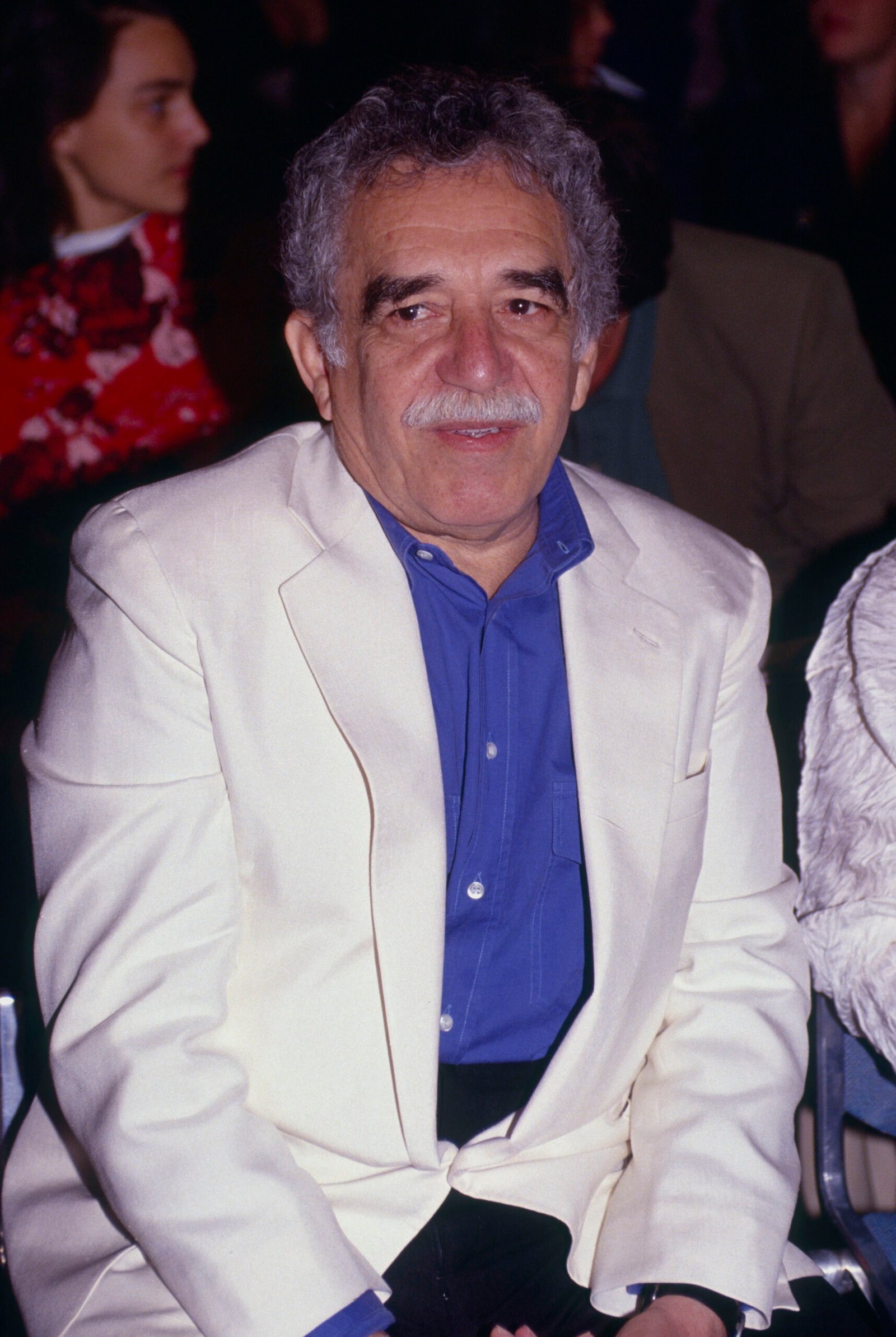
Let’s be real: the first reading of García Márquez’s magnum opus is an act of survival. The repeated names, the overlapping generations, the timeline that loops and folds over itself. Literary critic Harold Bloom once described his first impression upon reading the book as one of “aesthetic battle fatigue,” as every page bursts with so much life that it overwhelms the reader’s capacity to absorb it all, making it a dazzling yet demanding work of literature. The second reading is where the reward arrives in full. One of the novel’s key messages is the circular nature of time and the repetition of history, and knowing that in advance transforms every recurring character name, every déjà vu moment, from confusion into confirmation. Tolstoy’s parallel text examines postcolonial themes as Macondo experiences plagues, civil war, exploitation by foreign companies, and tensions with the impact of modernity, and García Márquez weaves these historical forces into the family saga so seamlessly that only a second read allows you to fully trace the pattern.
6. Mrs. Dalloway by Virginia Woolf
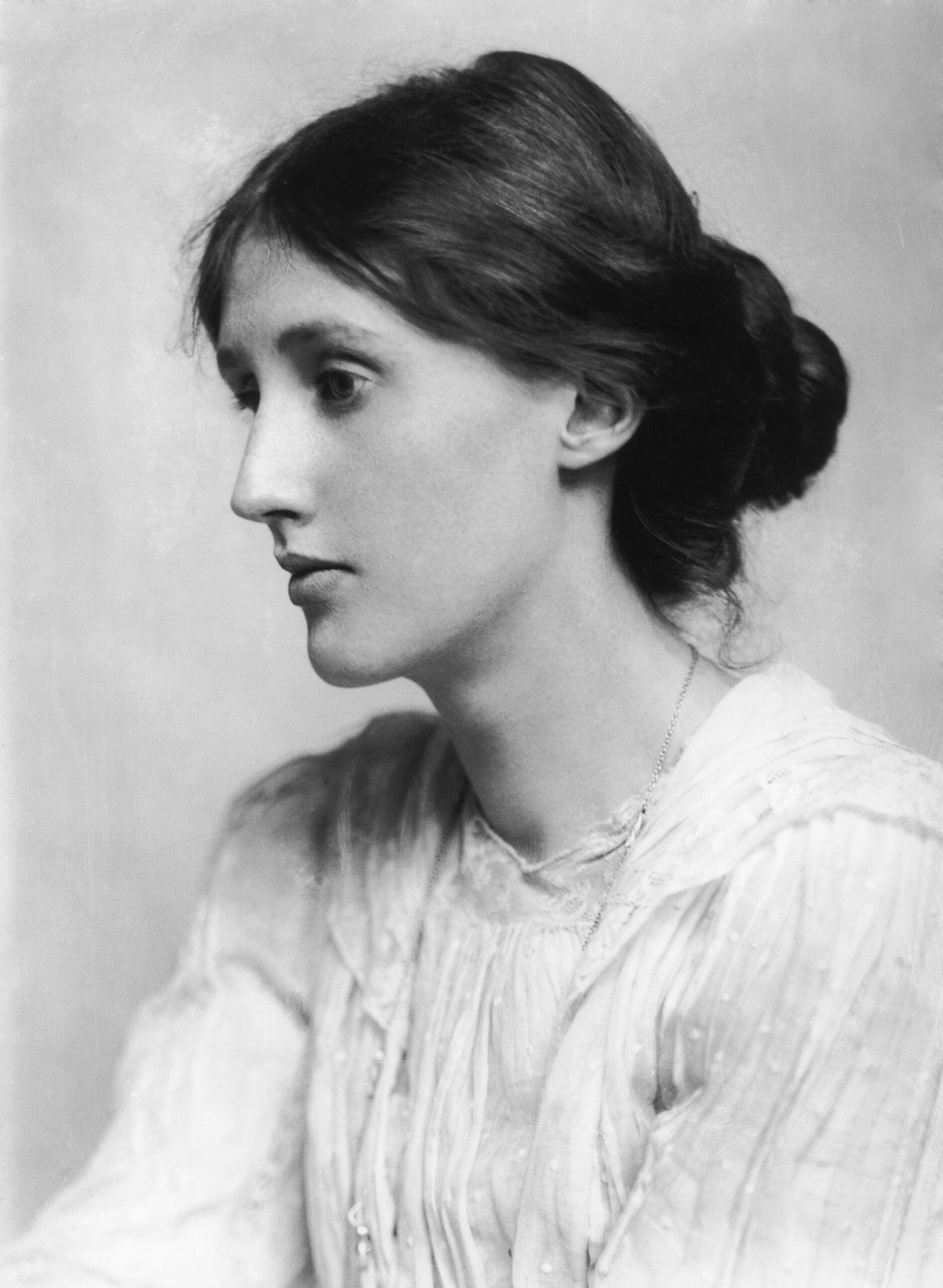
Published on the 14th of May 1925, Virginia Woolf’s Mrs. Dalloway describes a mere 24-hour period, which makes it sound slight on the surface. It is anything but. It is surely the sign of a remarkable work of art that it cannot be pinned down to any one definition, and that you can find something new in it at each encounter. On a first read, the stream-of-consciousness technique can feel disorienting, even exhausting, as the mind moves between Clarissa Dalloway’s party preparations and Septimus Smith’s post-war trauma with no signposting or warning.
On a second read, the connection between Clarissa and Septimus stops feeling like a structural quirk and starts feeling like Woolf’s central argument: that trauma and social performance are two faces of the same survival. In Mrs. Dalloway, Woolf uses the characters’ memory and experience of time as a way to explore identity, trauma, and mortality; Clarissa and Septimus construct their identities through fragmented memories, forming a psychological time that coexists with the present, while Clarissa’s recollections of Bourton and her emotional ties to Sally Seton and Peter Walsh shape her current self, and Septimus’s emotional responses to trauma remain delayed and unresolved. As Literary Hub noted in a 2025 centenary retrospective, May 2025 marked 100 years since the publication of Woolf’s groundbreaking modernist novel, with the journal noting that Mrs. Dalloway may now be Woolf’s most beloved work.
7. Beloved by Toni Morrison
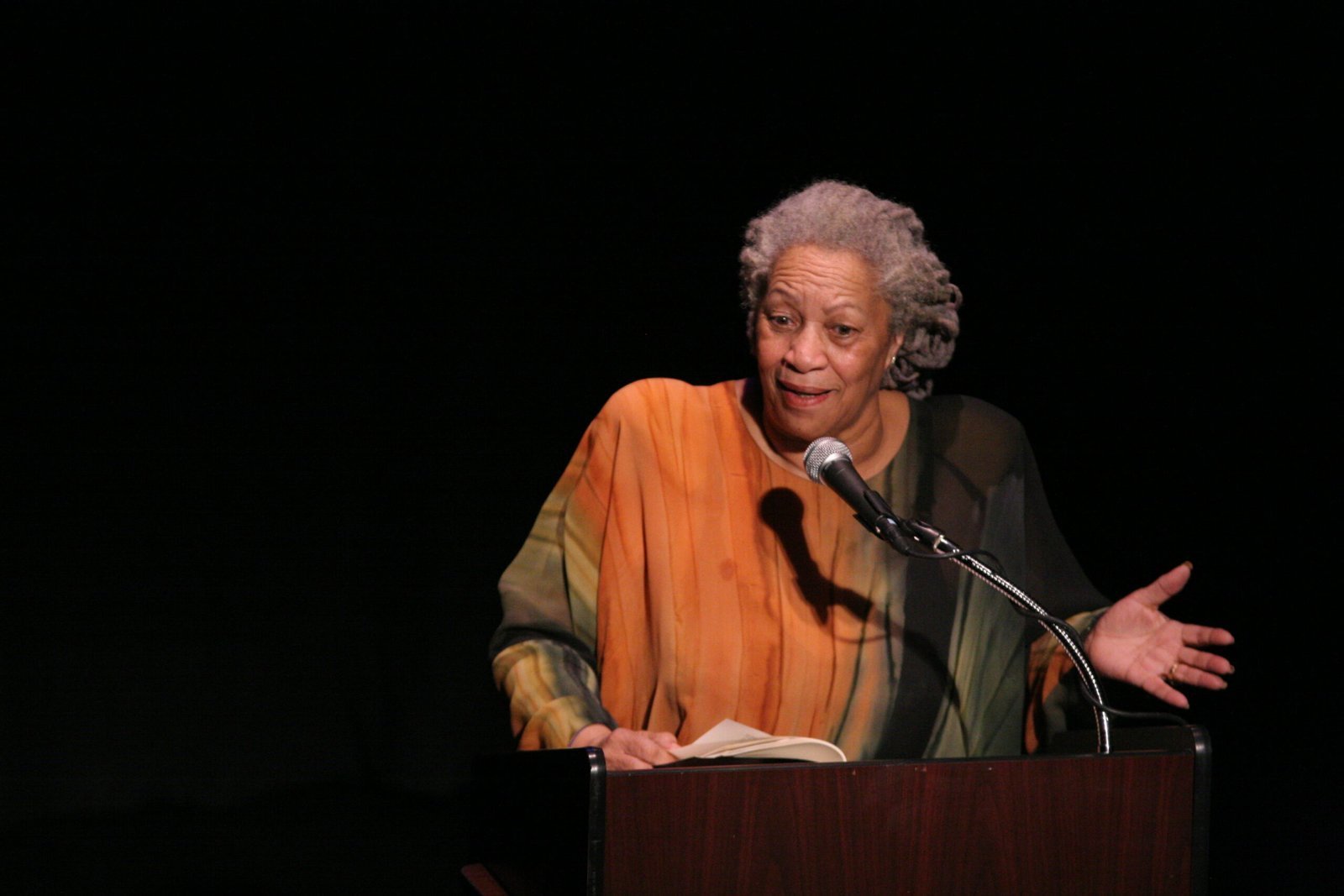
Morrison’s Pulitzer Prize-winning novel about a formerly enslaved woman haunted by the ghost of her murdered daughter is one of the most emotionally demanding books in American literature. The first read is raw, painful, and often disorienting by design. Morrison herself was clear that the disorientation was intentional: she wanted readers to feel the fractured, nonlinear experience of trauma rather than simply observe it from a safe distance. As TED-Ed’s educational analysis has noted, readers may not grasp the complex moral universe of Toni Morrison’s Beloved at first reading, and that is entirely the point.
The second reading, however, is revelatory. You begin to catch the patterns Morrison hides in the fragmented chronology, the way Sethe’s memory works not as repression but as protection. The baby ghost stops being supernatural horror and starts being grief made literal. The community’s role in isolating Sethe, and then finally reclaiming her, becomes the true emotional arc. It’s a book that simply cannot be understood in a single sitting, and I don’t think Morrison wanted it to be.
8. Middlemarch by George Eliot
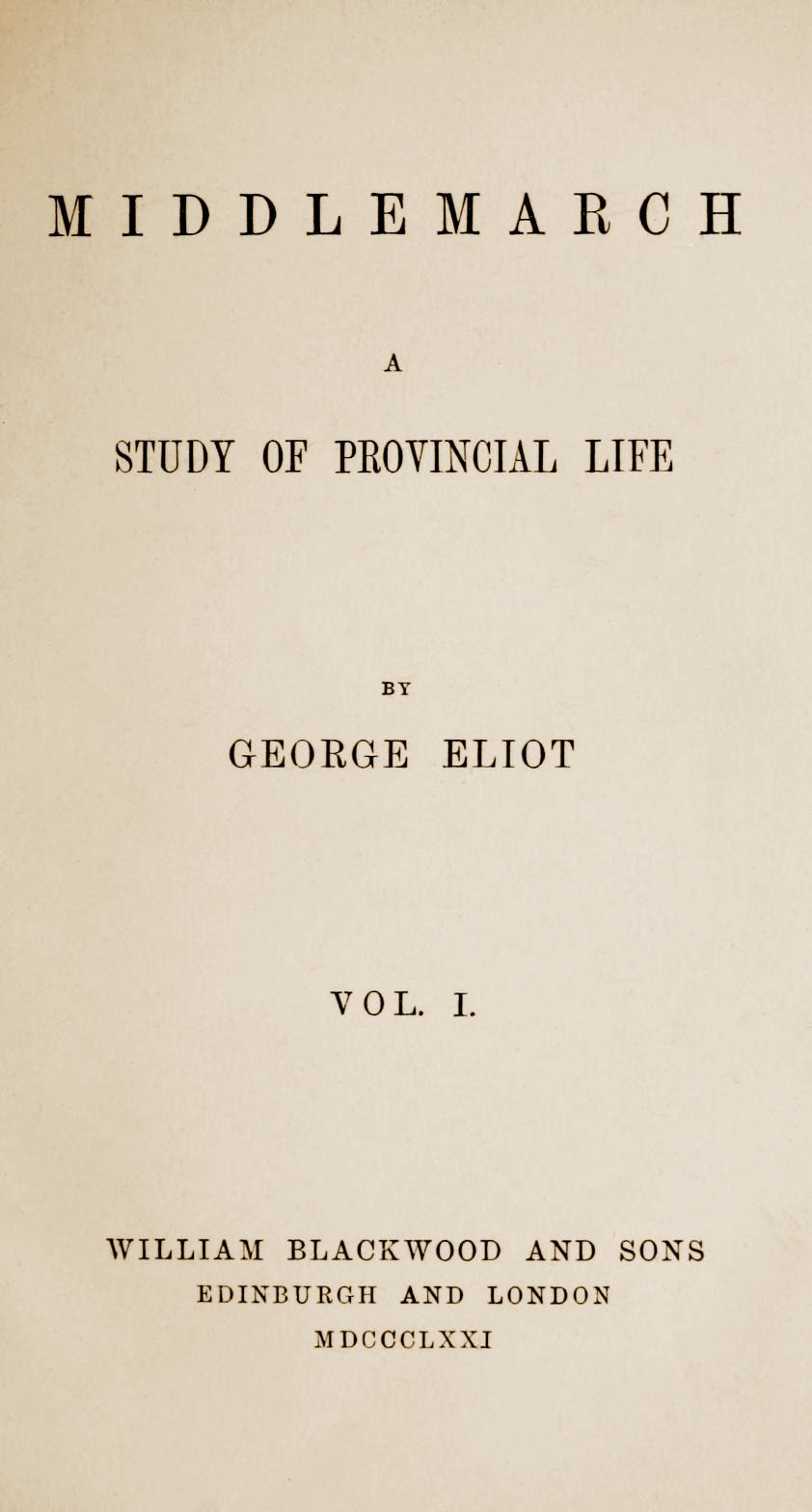
Middlemarch is long. Very long. And on a first reading, Victorian readers and modern readers alike can easily get absorbed in the surface pleasures: the romantic plots, the social satire, the sheer richness of provincial English life. But George Eliot’s ambitions were far larger than a social comedy. Academic literary analysis has long positioned this as perhaps the most morally complex novel in the English language, one in which nearly every character is granted the full dignity of interior life, including the ones the plot seems to punish or dismiss.
The second reading reveals the architecture beneath the warmth. Dorothea Brooke’s tragedy is not that she married badly twice. It is that a woman of her intellectual caliber was offered no channel for her ambitions except marriage. Casaubon, so easy to despise on first pass, becomes genuinely pitiable once you recognize Eliot is extending him exactly the same moral attention she extends everyone else. That is the book’s uncomfortable genius: it refuses to let anyone be simply a villain.
9. Hamlet by William Shakespeare, and King Lear by William Shakespeare
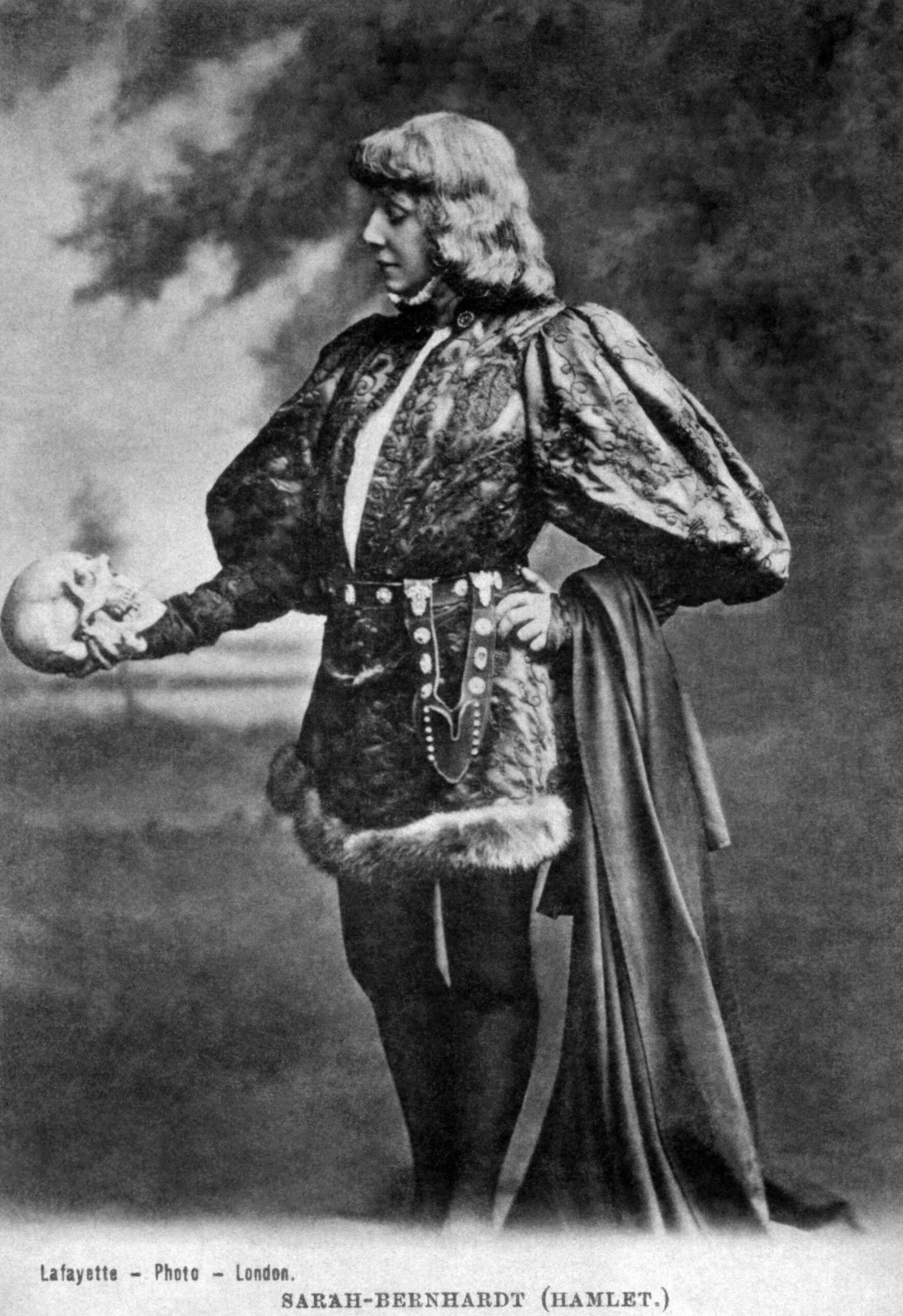
These two plays are often taught together in academic settings, and rightly so: they represent the twin peaks of Shakespeare’s exploration of human self-destruction. A first encounter with Hamlet tends to lock readers and audiences into one central question: why does he delay? The second encounter answers it. The play is not a puzzle about procrastination. It is a meditation on the impossibility of acting in a world where every moral certainty has been corrupted. Hamlet knows too much and trusts too little, and by the second read, that is completely recognizable as the human condition rather than a character flaw.
King Lear works similarly. The plot seems almost absurdly bleak on first encounter: an old man makes a catastrophic decision and everything collapses around him. Classic novels and literary masterpieces have a way of sticking with you long after the last page is turned; these stories, written by the world’s greatest authors, capture timeless themes like love, war, family, and society. On a second reading of Lear, the storm scene stops being theatrical spectacle and becomes something closer to a philosophical argument about the relationship between sanity and power. Academic literary criticism consistently returns to the play’s radical claim that wisdom and madness are, in Lear’s world, nearly indistinguishable.
10. 1984 by George Orwell, and Brave New World by Aldous Huxley
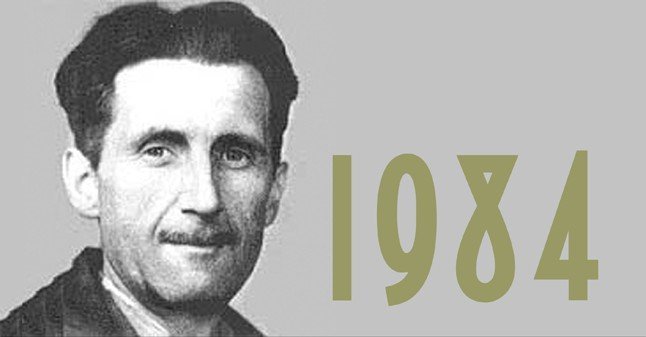
(Original text: http://www.netcharles.com/orwell/), Public domain)
Most people read these two in school. That is, arguably, the worst possible time to read them. As a teenager, both function as exciting dystopian adventures with oppressive governments and doomed protagonists. Return to them as an adult in 2026, and they feel less like fiction and more like competing blueprints for modern reality. George Orwell’s 1984 is a modern literary masterpiece that warns against totalitarianism, but on a second read, the surveillance mechanisms Orwell imagined feel less like a warning and more like a description. The Party’s manipulation of language to control thought, what Orwell called Newspeak, now reads as a precise account of how information ecosystems actually work.
Huxley’s Brave New World is, in many ways, Orwell’s philosophical counterpart. Where Orwell feared a world controlled by pain, Huxley feared one controlled by pleasure. The second read reveals how disturbingly prescient Huxley was about entertainment, consumerism, and pharmaceutical contentment as tools of social control. Critics and journalists, particularly in recent years, have noted that the two novels together form a complete picture of the modern political imagination, and neither can be fully appreciated the first time through. Honestly, both deserve to be reread at least once a decade.
Conclusion

There is a reason these fifteen books refuse to release their readers after just one visit. They are built like cathedrals: imposing and beautiful from the outside, yes, but full of hidden chapels and stained-glass details you only discover by wandering slowly, returning more than once, and letting your eyes adjust to the light.
The second read is where you stop being a tourist and start being something closer to a resident. You stop asking what happens and start asking why it matters. That shift changes everything.
Which of these fifteen have you already revisited? And which one, if you’re honest, do you know you should return to soon?
CEO-Co-Founder
