

- 10 One-Hit Wonders That Secretly Made Millions. - August 18, 2026
- Great Literature Offers Profound Insights Into the Human Condition, Unchanged by Time. - August 18, 2026
- The Evolution of Pop Culture Reveals a Fascinating, Often Unpredictable, Human Journey - August 18, 2026
Some films arrive in theaters, vanish within weeks, and get quietly written off as expensive mistakes. Executives move on. Critics file their reviews. The popcorn gets swept up. Then, years later, something strange happens. People start talking. Midnight screenings fill up. A DVD becomes a badge of honor. A whole generation discovers something that the first audiences completely missed.
It turns out the box office is a terrible judge of a film’s worth. The movies below all bombed on release, and every single one of them eventually clawed its way back into the cultural conversation in a way that their opening weekends never suggested was possible. Let’s get into it.
1. Blade Runner (1982) – The Flop That Rewrote Science Fiction

In 1982, Blade Runner seemed like a sure thing. Director Ridley Scott was riding high off Alien, and Harrison Ford was in the middle of his seemingly unstoppable streak. According to author Paul M. Sammon’s book “Future Noir: The Making of Blade Runner,” the film made just 14 million against a budget of 28 million. It initially underperformed in North American theaters and polarized critics, with some praising its thematic complexity and visuals, while others critiqued its slow pacing and lack of action.
In fairness, timing played a role. Blade Runner arrived three weeks after Star Trek II: The Wrath of Khan and two weeks after E.T., meaning competition for sci-fi audiences was intense right out of the gate. This eventually led Blade Runner to be adopted as a cult film, and as more information about its troubled production made its way out, film fans started to see the value in the movie. That opened the door for Ridley Scott to recut the film, and in 1992, Warner Bros. released Blade Runner: The Director’s Cut, which removed the Deckard voiceover, cut the imposed happy ending, and added a dream sequence that reshaped the entire story.
Blade Runner later became a cult film and has since come to be regarded as one of the greatest science fiction films ever made. Hailed for its production design depicting a high-tech but decaying future, it is often regarded as both a leading example of neo-noir cinema and a foundational work of the cyberpunk genre, influencing countless science fiction films, video games, anime, and television series.
2. The Thing (1982) – Too Dark, Too Soon
John Carpenter’s paranoid thriller debuted at number eight at the box office, with an opening weekend gross of around 3.1 million dollars, before limping to a total of just 19 million. It had the catastrophic misfortune of opening the same day as Blade Runner and just weeks after E.T. Audiences weren’t ready for the film’s nihilistic tone and grotesque practical effects. It was regarded as absolute trash upon release, receiving scathing reviews for its revolting violence and relentless bleakness.
The film’s groundbreaking visual effects were its saving grace, and these have held up magnificently over the decades. It took a while for The Thing to gain the recognition it deserves, and it is now seen as an influential classic of the sci-fi and horror genres. Many horror movies have been inspired by the creeping sense of paranoia and the ambiguous ending of John Carpenter’s cult classic.
The movie’s atmosphere of distrust and isolation, combined with Rob Bottin’s groundbreaking creature effects, created something truly terrifying. It is now considered one of the finest horror films ever made, with its influence visible in everything from modern horror to video games like Among Us.
3. The Rocky Horror Picture Show (1975) – From 22,000 Dollars to a Global Ritual
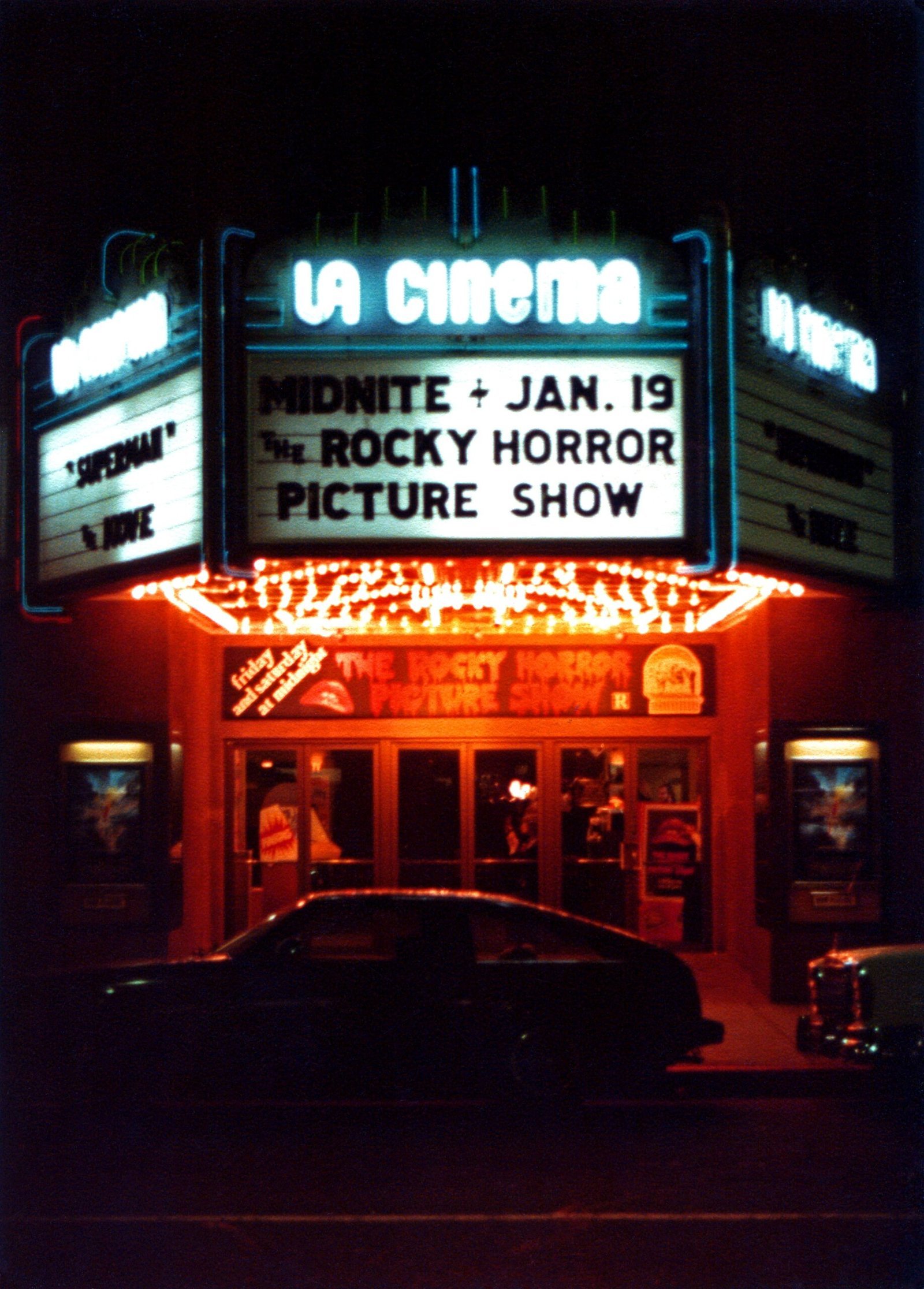
This unlikely horror/sci-fi/musical mash-up was initially released in only eight cities across the US. It was pulled from release after raking in just 22,000 dollars. Honestly, you’d think that would be the end of the story. It wasn’t. After several months of late-night showings with a party-like atmosphere, a dedicated audience member started shouting improvised lines back at the screen. The midnight showings soon spread to other theaters around the country, along with the habit of shouted audience call-backs. Eventually, dedicated fans began to form shadow-cast performance troupes, acting out the film in costume on stage as the movie played behind them.
Within a year, Rocky Horror went from a box-office bomb to a cult sensation that’s still going strong more than 40 years later. Midnight screenings became a phenomenon, complete with audience participation, costumes, and sing-alongs. Tim Curry’s iconic portrayal of Dr. Frank-N-Furter helped solidify this movie as a staple in pop culture.
4. Heathers (1989) – The Dark Comedy Nobody Wanted to Watch in Theaters

Heathers boasted some major young talent, including Winona Ryder and Christian Slater, but in spite of the cast’s efforts, it performed abysmally at the box office, earning only 1.1 million dollars in theaters against a reported 3 million dollar budget. The film’s pitch-black comedy about teen suicide and high school social hierarchies was too shocking for mainstream audiences of the Reagan era. Winona Ryder and Christian Slater’s darkly comic performances were unlike anything audiences had seen. The movie’s satirical take on teen movies and its willingness to tackle taboo subjects made it uncomfortable viewing for many.
After its VHS release in 1989, the home rental and sales market transformed Heathers into a cult classic, with multiple special edition DVD and Blu-ray versions released over the ensuing years. Its influence on later teen films is undeniable, paving the way for everything from Clueless to Mean Girls. The cult classic is now so popular it was made into a musical and a TV show.
5. Fight Club (1999) – The Film Hollywood Couldn’t Figure Out How to Sell

Based on a novel about masculinity, identity, and rebellion, the film was a box-office flop upon its 1999 release, grossing only 37 million dollars of a 63 million dollar budget, before it gained a devoted audience through home video and DVD sales. Director David Fincher reportedly clashed with the marketing team at Fox, blaming them for the film’s underperformance. The film’s dark satire of consumer culture and toxic masculinity was too subversive for many theaters and audiences.
Brad Pitt’s Tyler Durden and Edward Norton’s unnamed narrator created something that spoke to a generation disillusioned with modern life. After its release on home video, it gained a loyal following of fans, and its twist ending and quotable philosophy became part of pop culture DNA. Despite its poor box office result, Fight Club has become one of the most iconic and widely quoted movies of all time, and has reportedly made a fortune from DVD sales and TV rights over the years.
6. The Big Lebowski (1998) – A Bowling Alley Masterpiece Nobody Understood at First
Written and directed by Joel Coen, The Big Lebowski carried a 15 million dollar budget and grossed roughly 47 million dollars worldwide. Audiences and critics simply didn’t know what to make of its meandering plot and eccentric characters. When it hit theaters, it barely made back its budget, and critics were lukewarm at best. The quirky, offbeat humor and bizarre plot twists didn’t resonate with mainstream audiences at first.
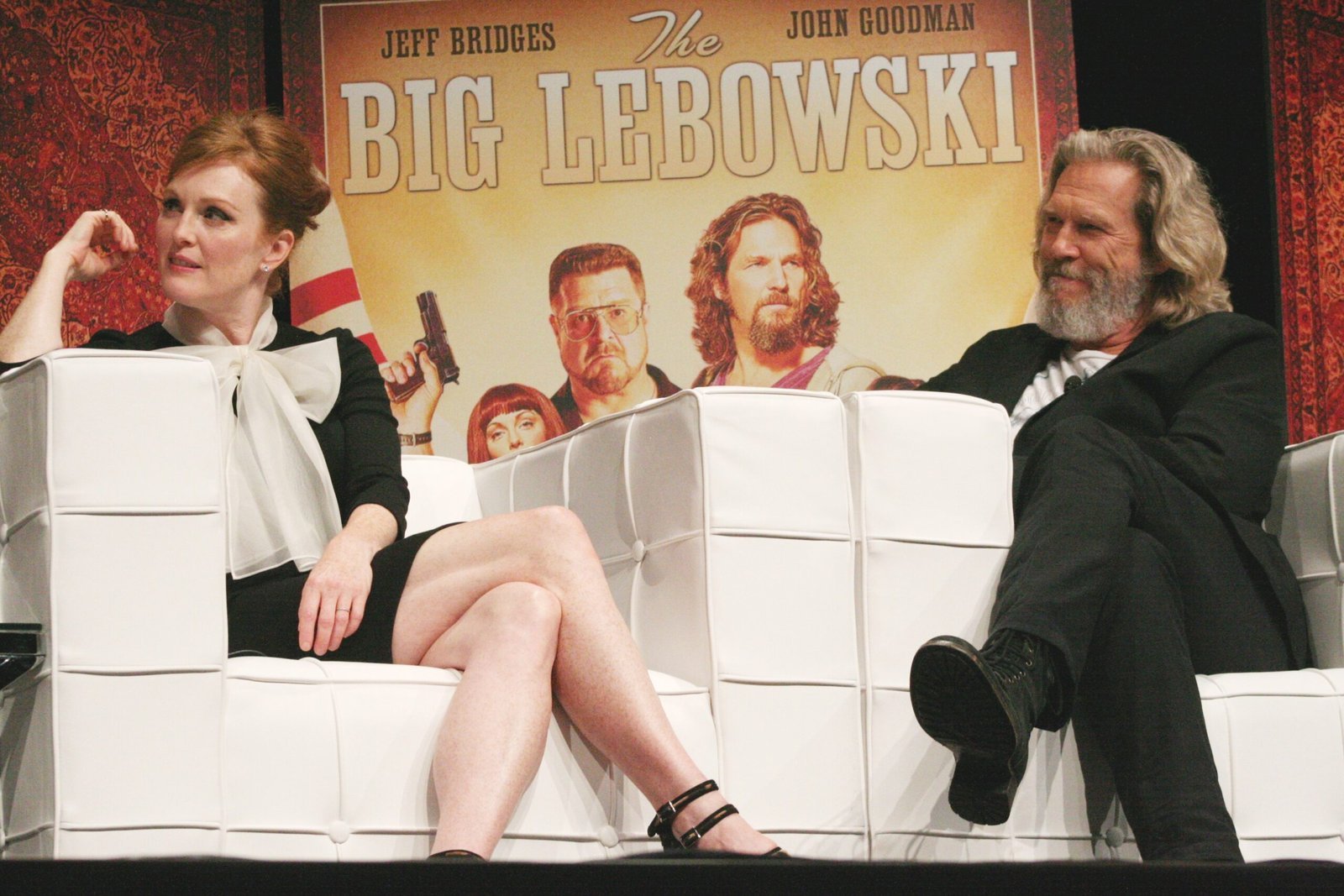
The Coen Brothers’ slacker comedy found its audience on DVD and VHS and has established itself as one of the best comedies of the last 25 years. It even spawned its own festival, Lebowski Fest in 2002, which in 2011 was attended by the film’s star Jeff Bridges. Nowadays, it’s seen as a cult classic and has even spawned its own religion, “Dudeism,” which has over 600,000 ordained priests worldwide. I know it sounds crazy, but that’s genuinely real.
7. Office Space (1999) – The Cubicle Comedy That Almost Never Found Its Audience
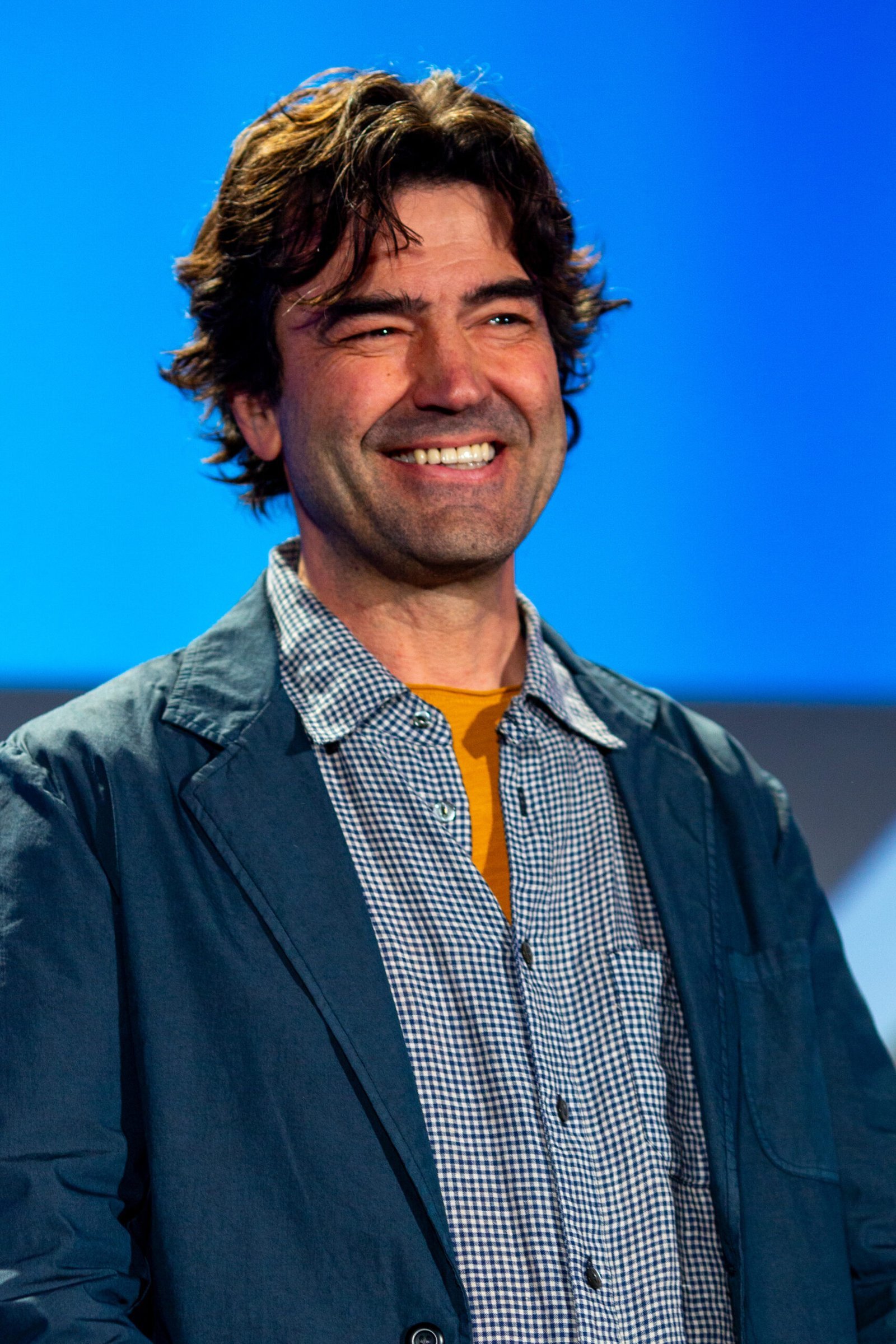
Mike Judge’s workplace satire earned only 10.8 million dollars at the box office, barely making a dent in the cultural conversation during its 1999 release. Office Space marked Beavis and Butt-Head creator Mike Judge’s first foray into live-action filmmaking, and he had to contend with Fox studio executives trying to butt in on the production process. The result was a film that felt authentic to anyone who’d ever been stuck under fluorescent lights filling out meaningless paperwork, but apparently those people weren’t buying tickets.
Office Space earned only 12 million dollars on release, hardly blockbuster numbers. But repeated airings on Comedy Central and strong DVD sales turned it into the ultimate cubicle comedy. Red staplers and TPS reports are now pop culture icons. Its satire of corporate life resonated with audiences who felt trapped in cubicles, meetings, and meaningless work. Over time, the film found success not through box office numbers but through cultural relevance.
8. Donnie Darko (2001) – A Plane Crash Scene, Bad Timing, and a Cult That Never Slept

Donnie Darko barely made any noise at the box office, grossing a measly 517,735 dollars in America, with its 4.5 million dollar budget making it seem like a complete disaster. The movie’s release was also hindered by unfortunate timing, as it came out on October 26, 2001 and featured a scene in which a jet engine crashes into a house, just weeks after the September 11 attacks. Distributors were understandably nervous.
It ended up grossing a measly 517,000 dollars in the domestic market and 7 million dollars worldwide, and while the movie recouped its budget, it failed to generate a profit. However, it enjoyed very strong DVD sales and word-of-mouth, eventually leading to its classification as a cult classic. As Donnie Darko’s cult profile increased, it developed a fervent fanbase who connected with Jake Gyllenhaal’s accurate portrayal of the titular troubled yet prophetic high school student.
9. Scott Pilgrim vs. the World (2010) – A Boss Fight Nobody Showed Up For
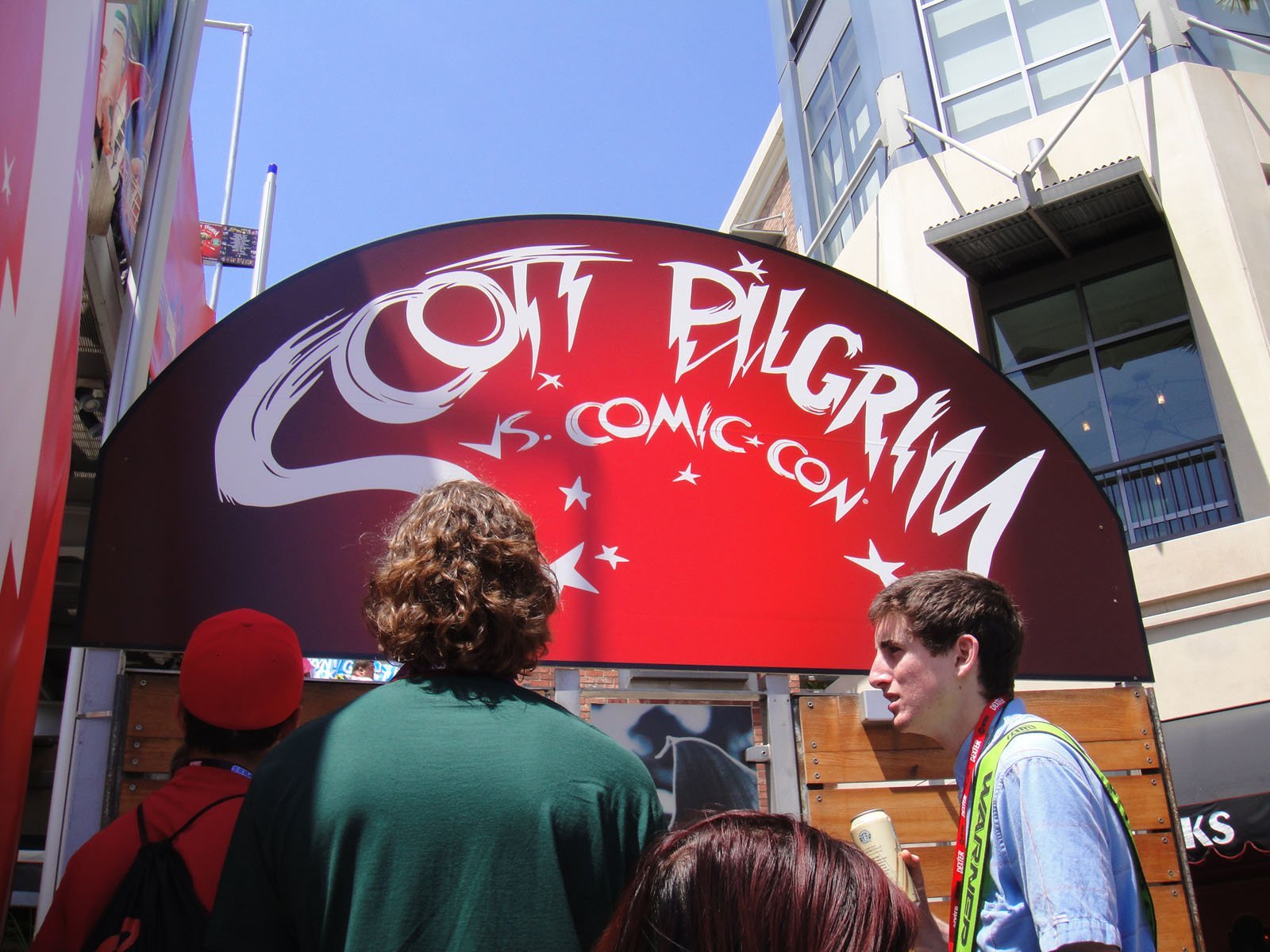
Edgar Wright’s comic book movie about an unlucky-in-love musician bombed at the box office, barely recuperating half of its 85 million dollar budget. Marketing couldn’t pin down its mash-up of romance, video games, and indie rock. It was simply too niche for mainstream date-night audiences. Here’s the thing though: the film was genuinely unlike anything else out there, and that uniqueness was exactly the problem and the eventual solution.
Streaming, Blu-ray sales, and a growing Gen Z fanbase eventually revived it. It is now celebrated for its kinetic style, inventive editing, and unapologetic embrace of geek culture. This was enough for the original cast to reassemble for the 2023 animated adaptation, Scott Pilgrim Takes Off, which proved just as popular with the film’s cult following. Not bad for a movie that couldn’t sell out theaters in its first week.
10. The Shawshank Redemption (1994) – The Greatest Film Nobody Saw on Opening Weekend

The Shawshank Redemption was surprisingly a box office flop upon release, struggling to compete with the likes of Forrest Gump and Pulp Fiction. The movie grossed just 28.7 million dollars against a production budget of 25 million dollars, likely incurring a loss once additional promotional and distribution costs are factored in. Critically, however, the film fared much better, scoring seven Oscar nominations. The acclaim helped boost its popularity on VHS, and it became the most rented title of 1995.
When The Shawshank Redemption was released in 1994, it struggled at the box office, overshadowed by other big releases. Thanks to strong word-of-mouth and repeated airings on cable television, it slowly garnered a massive following. Today, it is frequently listed among the greatest films ever made, with its themes of hope and redemption resonating with audiences globally, transforming it from an overlooked gem into a beloved classic.
It later became the most-rented movie of 1995 and now tops IMDb’s list of greatest films ever made. That’s a comeback story so extraordinary it almost feels fictional. A movie about hope, written off by an industry that didn’t believe in it, eventually becoming the most celebrated film in popular film history. If that doesn’t make you feel something, honestly, what will?
What do you think – do any of these surprise you? Drop your thoughts in the comments below.
CEO-Co-Founder
