

- 10 One-Hit Wonders That Secretly Made Millions. - August 18, 2026
- Great Literature Offers Profound Insights Into the Human Condition, Unchanged by Time. - August 18, 2026
- The Evolution of Pop Culture Reveals a Fascinating, Often Unpredictable, Human Journey - August 18, 2026
Martin Luther King Jr.’s “I Have a Dream” (1963)
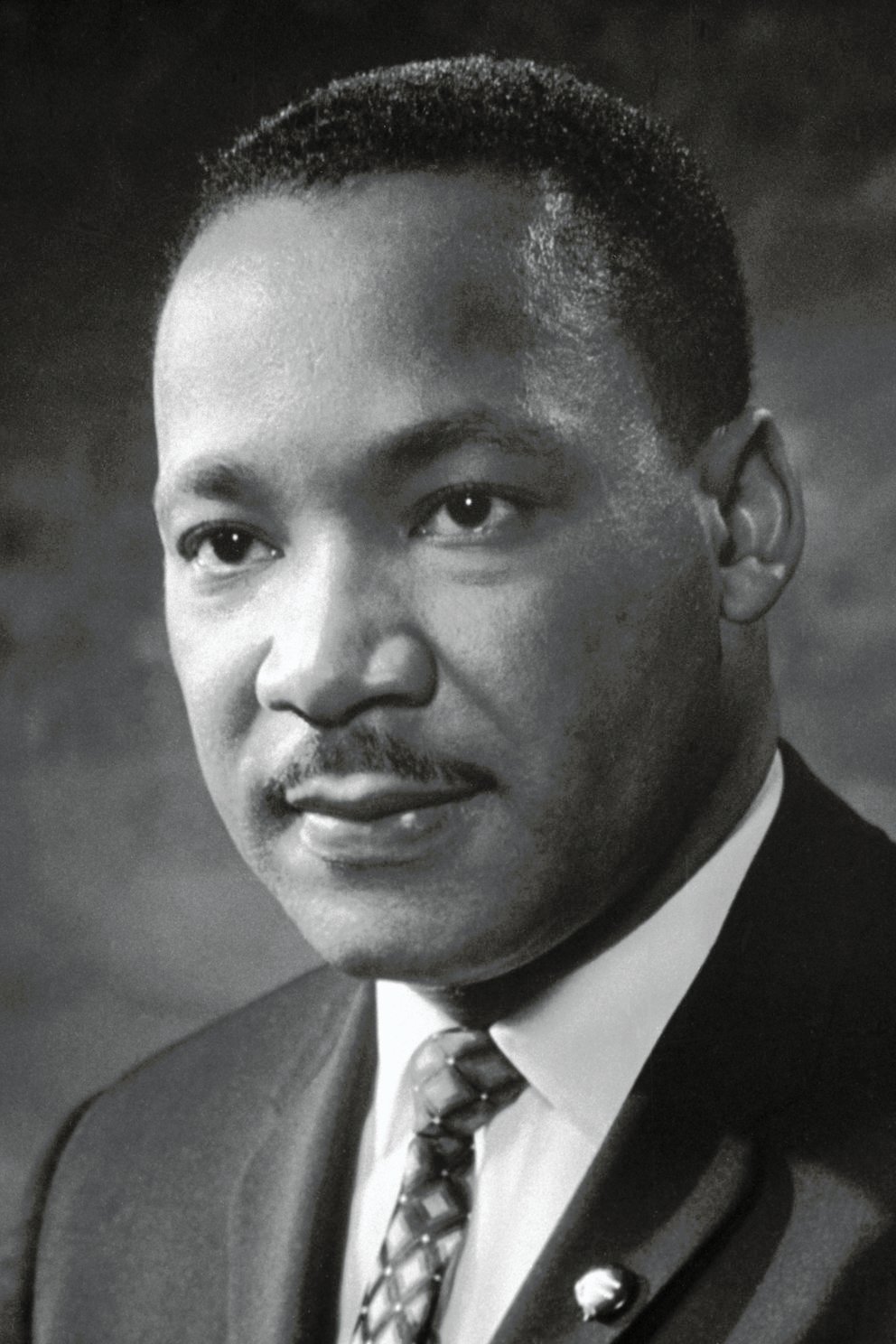
Delivered during the March on Washington for Jobs and Freedom, this speech addressed the ongoing struggle for civil rights amid widespread segregation and discrimination across the South. According to records from the National Archives, it galvanized the movement leading to key legislation like the Civil Rights Act of 1964. Today, it still resonates in discussions on racial justice, as highlighted in a 2020 Art of Manliness compilation of greatest speeches that notes its timeless vision for equality.[1][2]
John F. Kennedy’s Inaugural Address (1961)
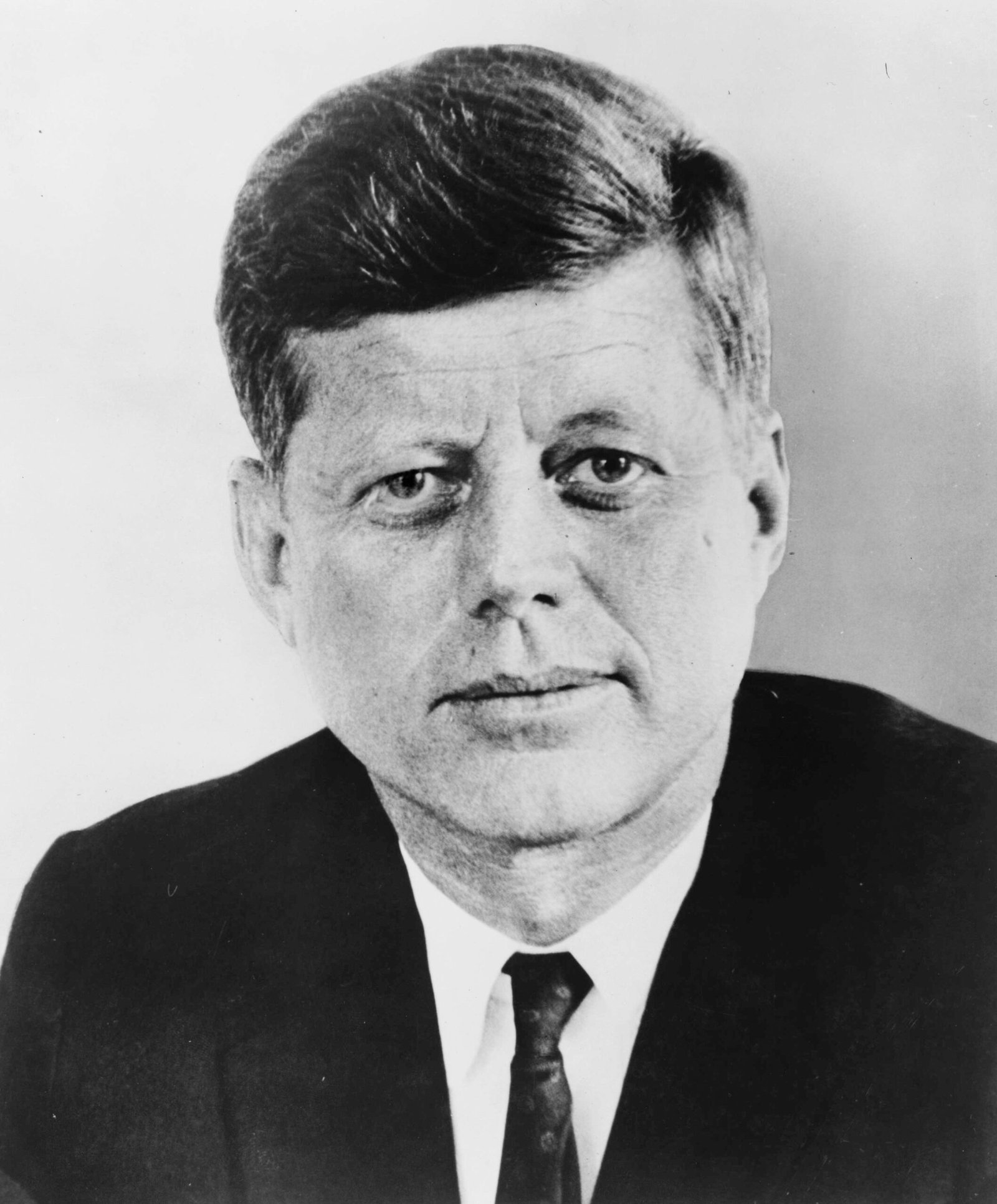
In the midst of Cold War tensions, Kennedy urged Americans to commit to service and global responsibility in his address on a frigid January day. Library of Congress transcripts capture how it inspired a generation during the space race and civil rights era. Per a 2021 HeinOnline review of inspiring presidential speeches, its call to action continues to motivate civic engagement in modern challenges like climate change.[3]
Franklin D. Roosevelt’s First Inaugural Address (1933)
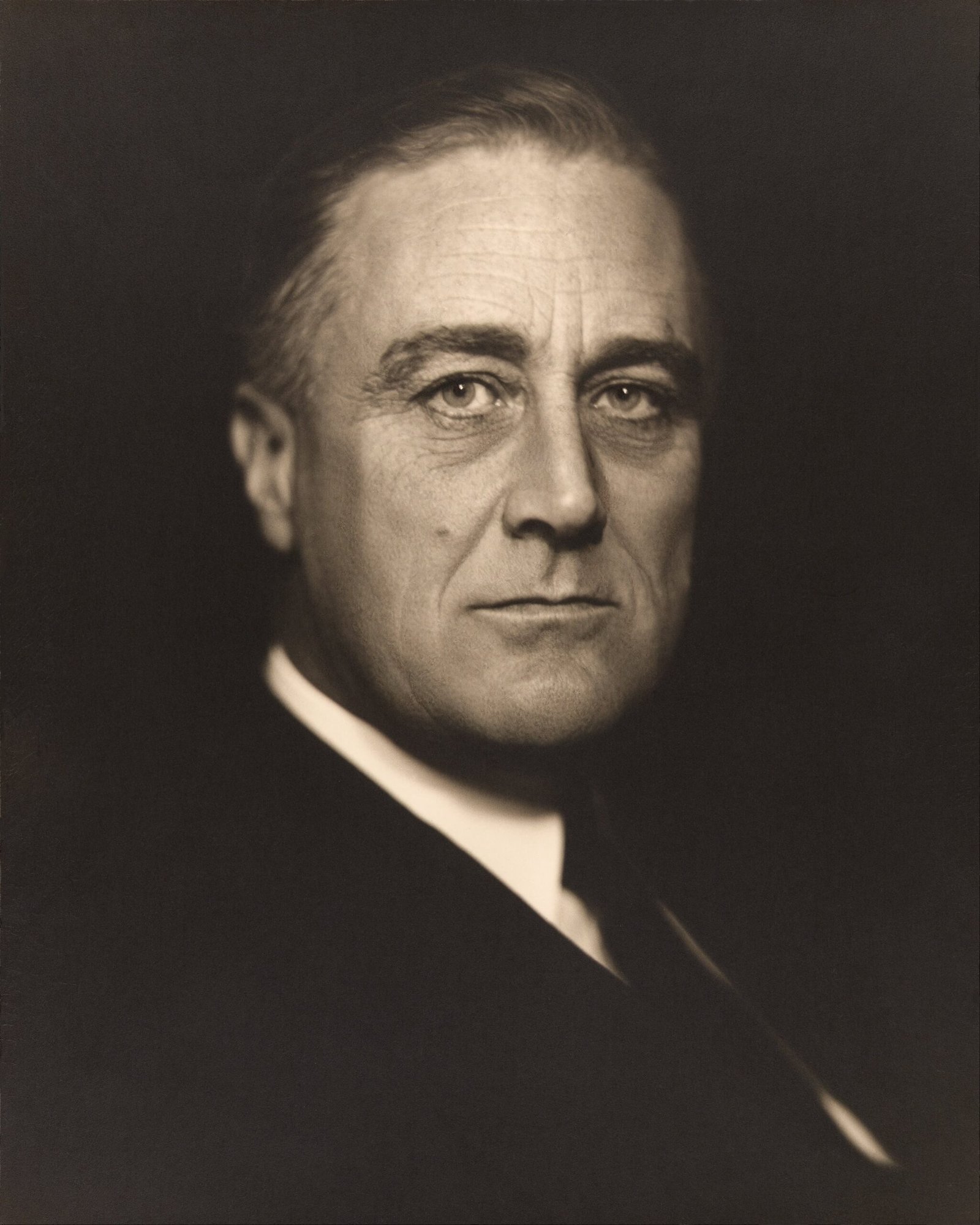
Facing the depths of the Great Depression with banks failing and unemployment soaring, FDR promised bold action to restore faith in government. As documented by the FDR Presidential Library, the speech marked the start of the New Deal era. It resonates today in economic crises, reminding leaders of the power of decisive leadership, according to History.com’s analysis of modern presidential speeches.[4]
Franklin D. Roosevelt’s “Day of Infamy” Speech (1941)
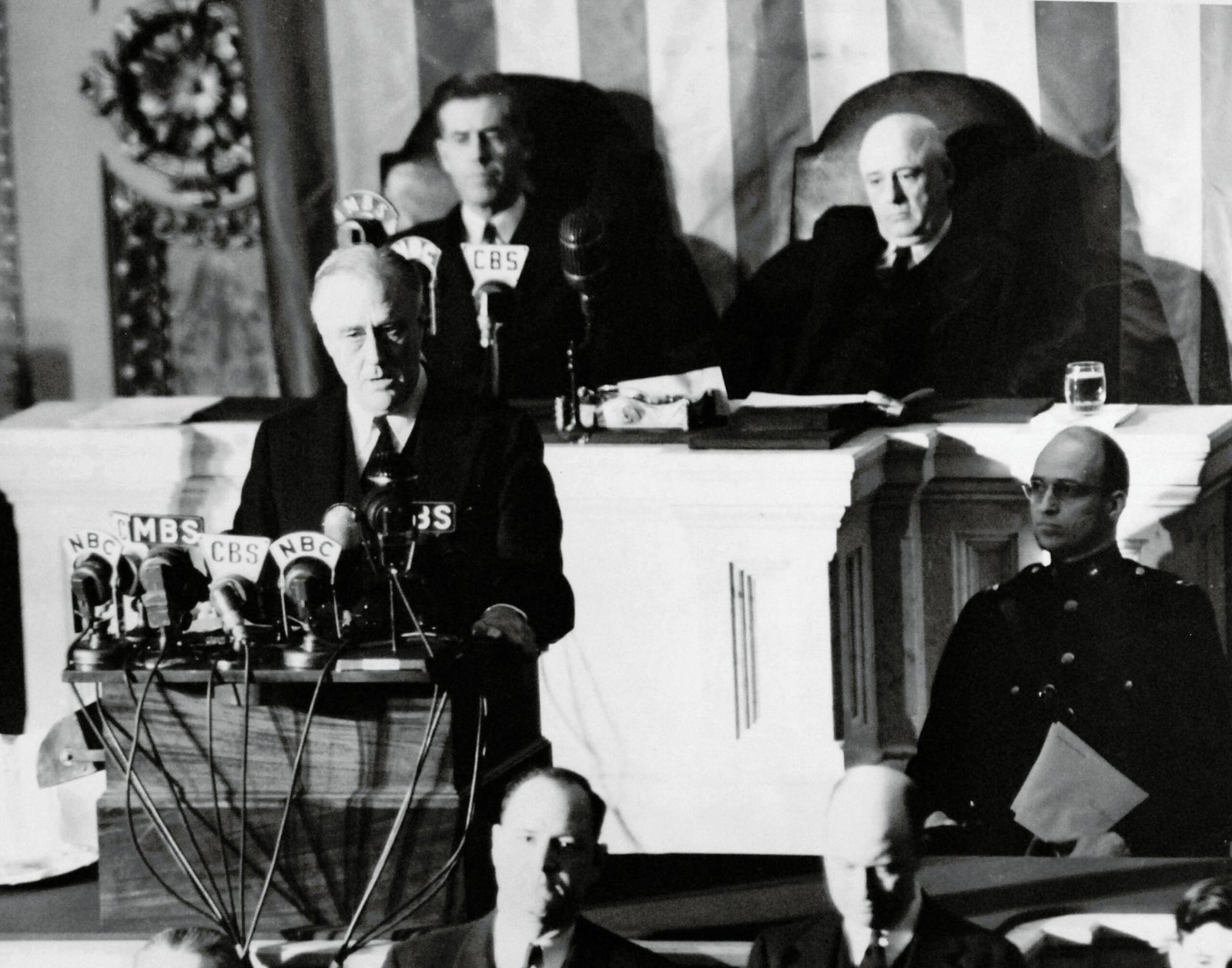
Following Japan’s attack on Pearl Harbor, FDR addressed Congress to rally the nation into World War II, uniting a divided public overnight. Presidential archives record the overwhelming support it generated for the war effort. In recent reflections, such as those in Business Insider’s 2021 list of uplifting historical speeches, it exemplifies how words can forge national resolve during unforeseen threats.[5]
Abraham Lincoln’s Gettysburg Address (1863)
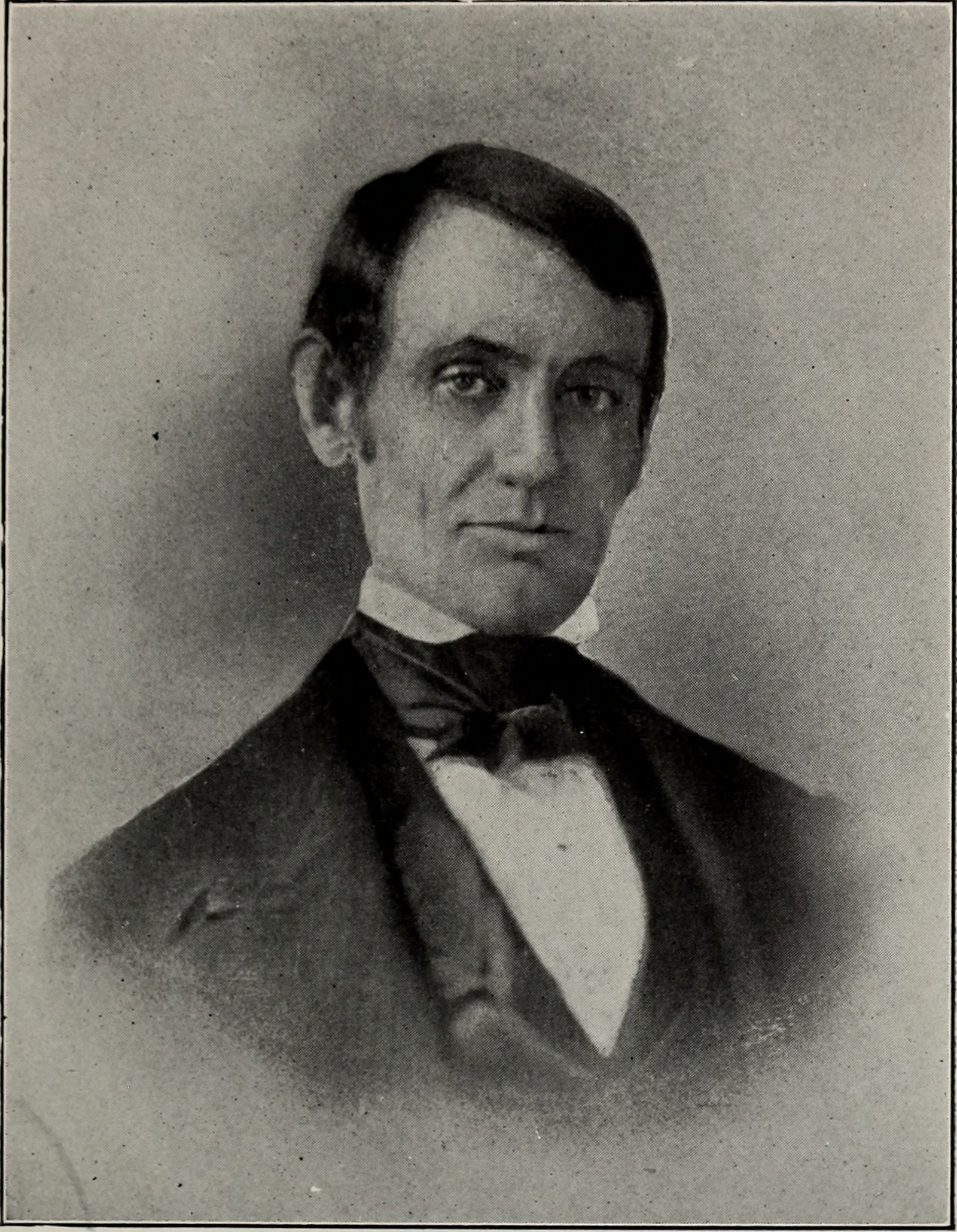
At the dedication of a cemetery after one of the Civil War’s bloodiest battles, Lincoln redefined the fight for union and equality in just a few minutes. The Library of Congress holds the original manuscripts confirming its profound brevity. It still echoes in debates over democracy and sacrifice, as noted in timeless analyses from the Smithsonian on American oratory.
Ronald Reagan’s “Tear Down This Wall” (1987)
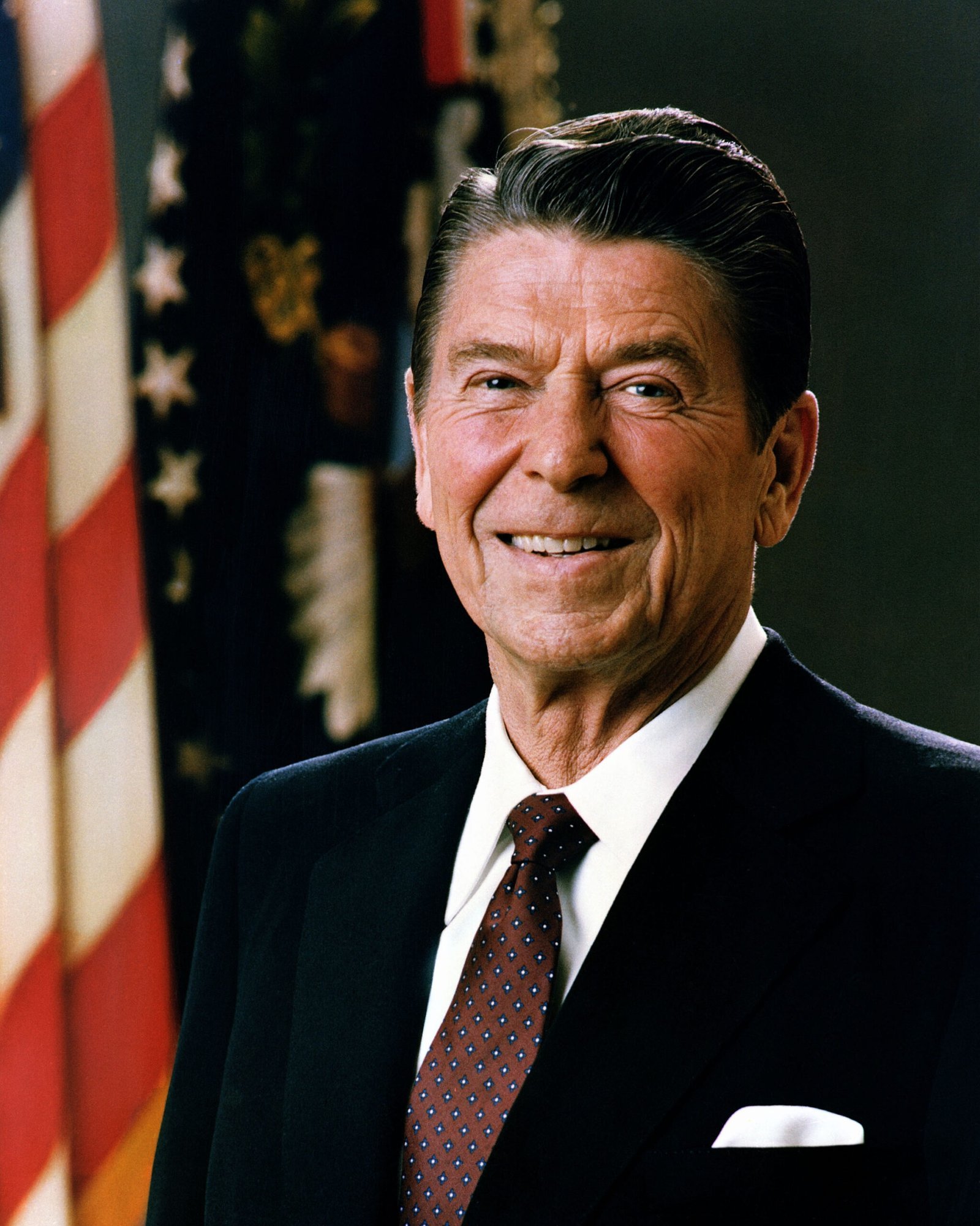
Standing before the Berlin Wall amid the Cold War’s final throes, Reagan challenged Soviet leadership directly, symbolizing the push for freedom in Eastern Europe. Reagan Library records show its role in shifting global dynamics toward the wall’s fall two years later. A 2022 Pentucket Profile article on top speeches underscores its ongoing inspiration for standing against tyranny.[6]
Patrick Henry’s “Give Me Liberty or Give Me Death” (1775)
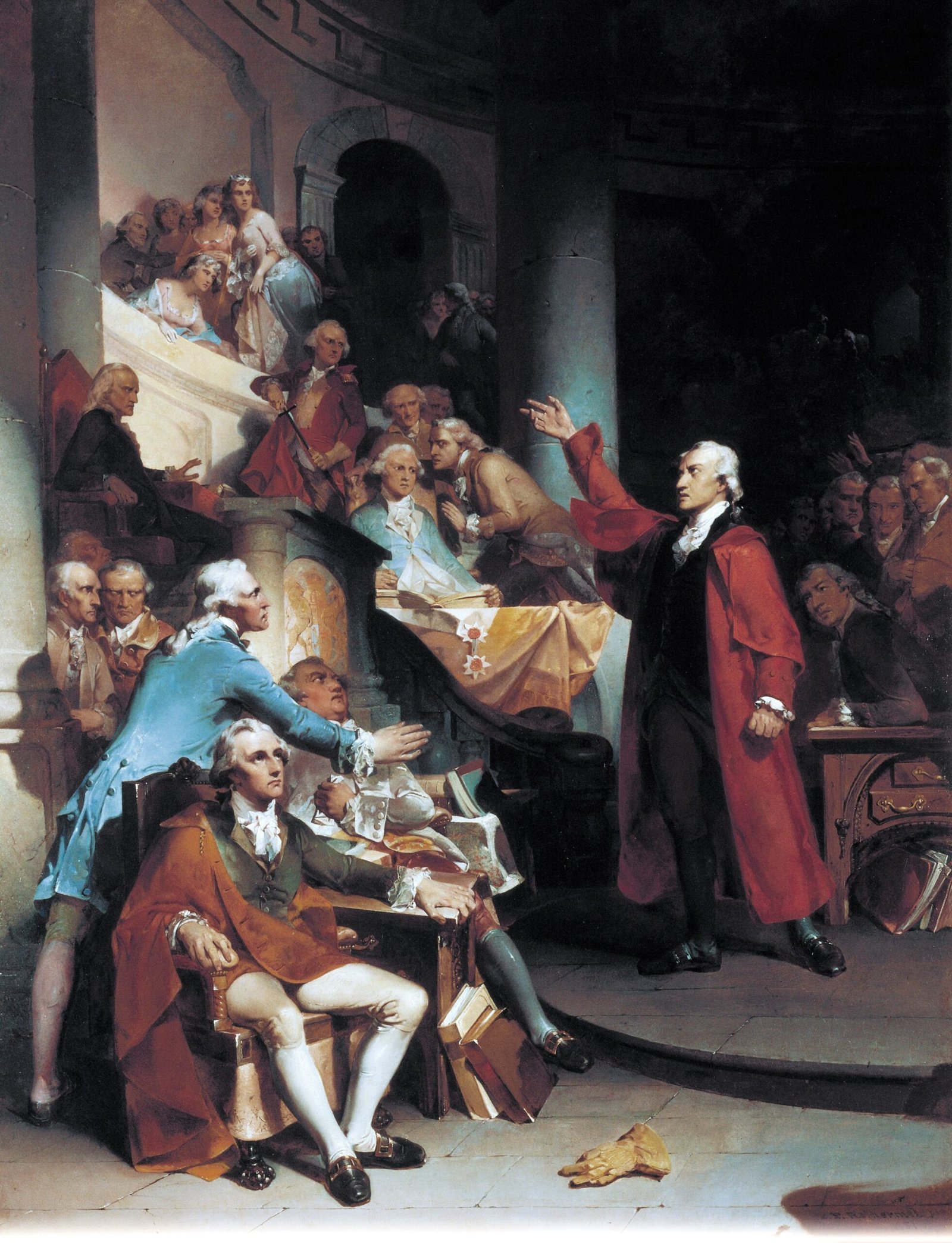
In Virginia’s House of Burgesses, Henry rallied colonists against British rule on the eve of the Revolutionary War. Historical accounts from the American Rhetoric database verify its fiery push toward independence. Today, it fuels conversations on personal freedoms, remaining a cornerstone in civics education per Constitution Center lists.
George Washington’s Farewell Address (1796)
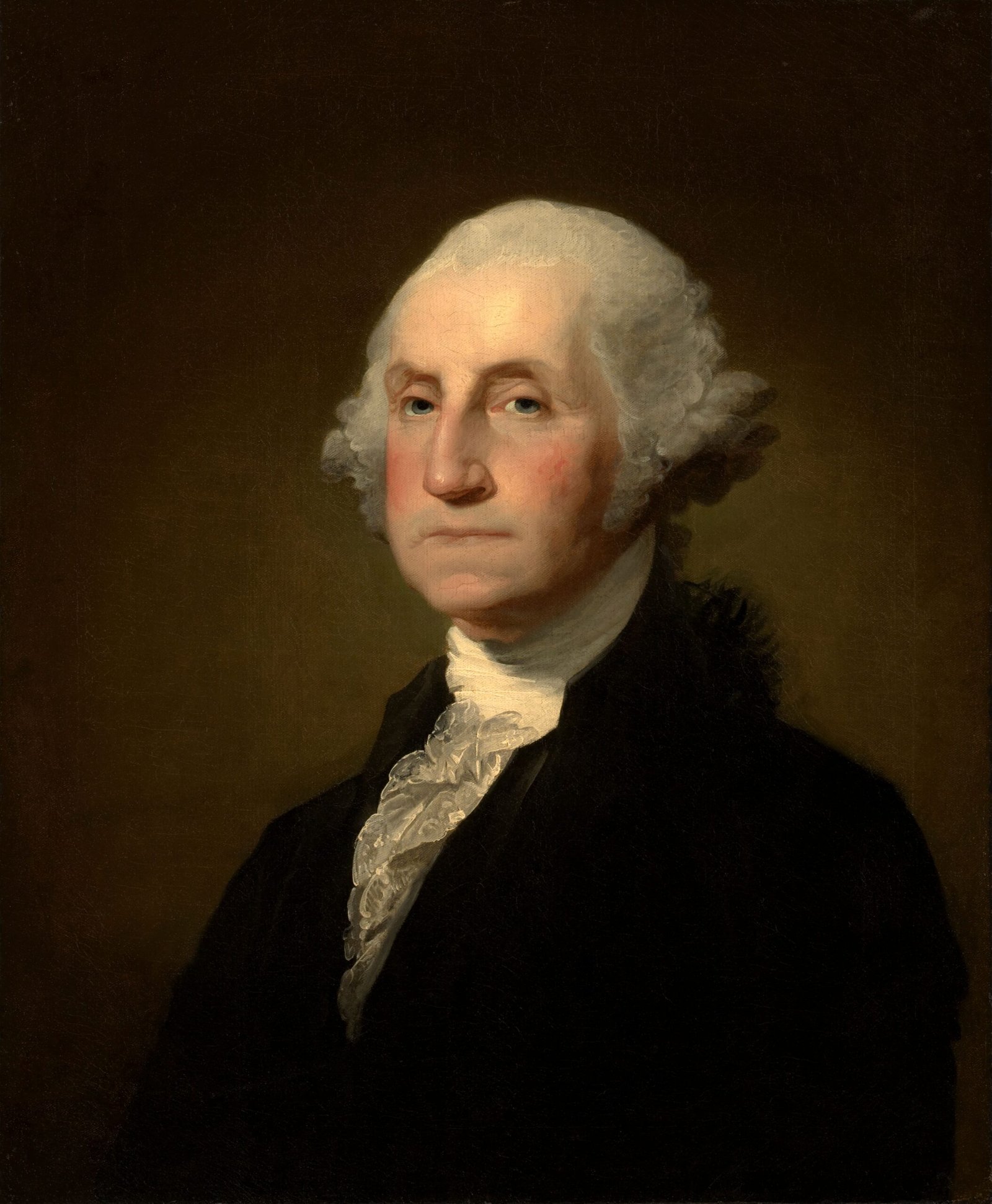
As he stepped down after two terms, Washington warned against political parties and foreign entanglements to preserve the young republic. The full text in National Archives collections guided U.S. foreign policy for generations. Recent scholarly reviews, like those from Miller Center, affirm its relevance in today’s polarized politics.[7]
Lyndon B. Johnson’s “We Shall Overcome” (1965)
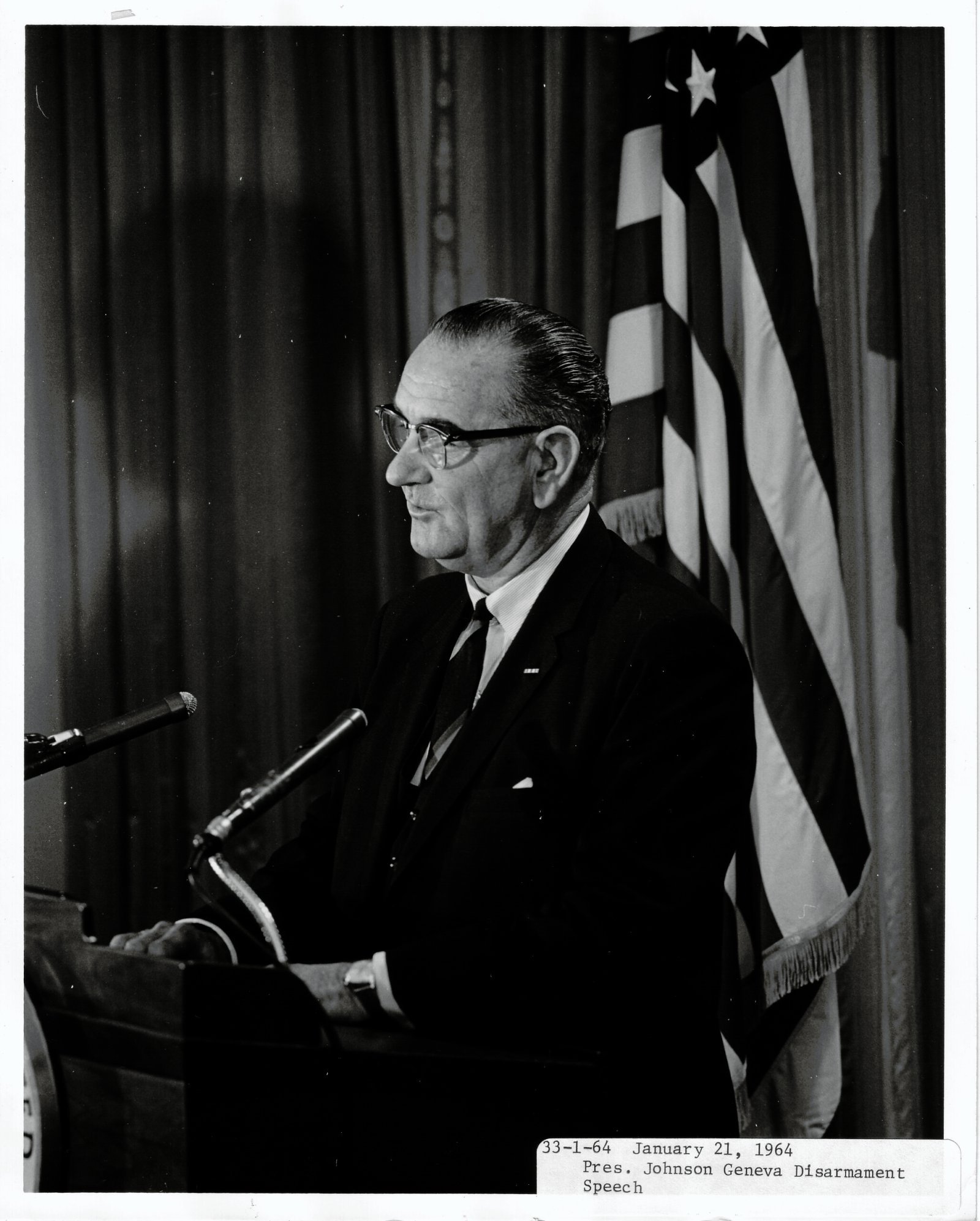
After Bloody Sunday in Selma, LBJ addressed Congress to champion the Voting Rights Act, borrowing from civil rights activists. White House records detail how it bridged presidential and grassroots efforts. As explored in 2021 compilations of influential speeches, it continues to symbolize federal commitment to voting access amid ongoing reforms.[3]
CEO-Co-Founder
