

- 15 Historic Events That Shaped the Literary World in Unforeseen Ways. - August 16, 2026
- The Secrets Behind 10 Famous Historical Landmarks You Thought You Knew - August 16, 2026
- 10 Iconic Film Soundtracks That Are More Famous Than the Movies Themselves - August 16, 2026
There was a time in the 1980s when turning on was a near-religious experience. You never knew if you were about to get a drum-machine groove or a wall of electric guitars suddenly dropping into something slow, something aching, something that made you reach for the volume knob and turn it up. Power ballads owned the airwaves in a way that feels almost impossible now. They were everywhere, inescapable, and honestly? Most of us didn’t mind one bit.
The 1980s didn’t spawn the power ballad, but in the 80s, it became mandatory for a hard-rocking band to show its soft side. For many bands, the ballad was the song that crossed them over from rock to pop radio, and that crossover paid the bills and kept them on tour. What follows is a gallery of the songs that did it best. Let’s dive in.
1. “Keep On Loving You” & “Can’t Fight This Feeling” – REO Speedwagon
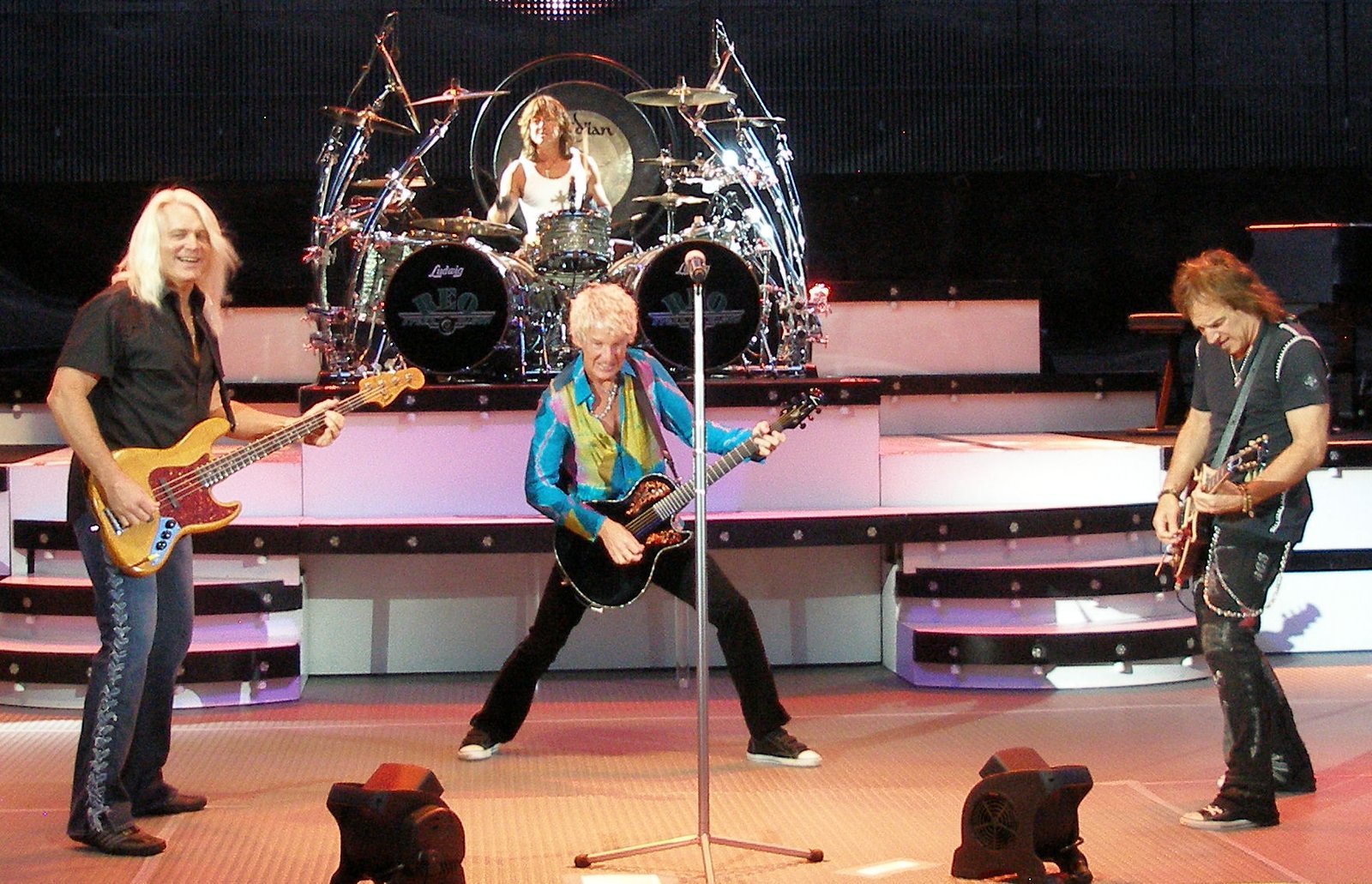
REO Speedwagon perfected the soft-rock power ballad before almost anyone else did. “Keep On Loving You” not only hit the Top 40 but went all the way to number one after coming from the band’s 1980 album Hi Infidelity. It was the band’s first of two chart-toppers during the 80s, the other being “Can’t Fight This Feeling,” another great rock band ballad.
The term “power ballad” itself became familiar enough for Billboard magazine to use it in 1982, and a Trope Codifier case can be made for REO Speedwagon’s “Keep On Loving You” from 1981. Two chart-toppers from the same band in the same decade, both driven by raw emotional delivery. That’s not luck. That’s mastery.
2. “Waiting for a Girl Like You” – Foreigner
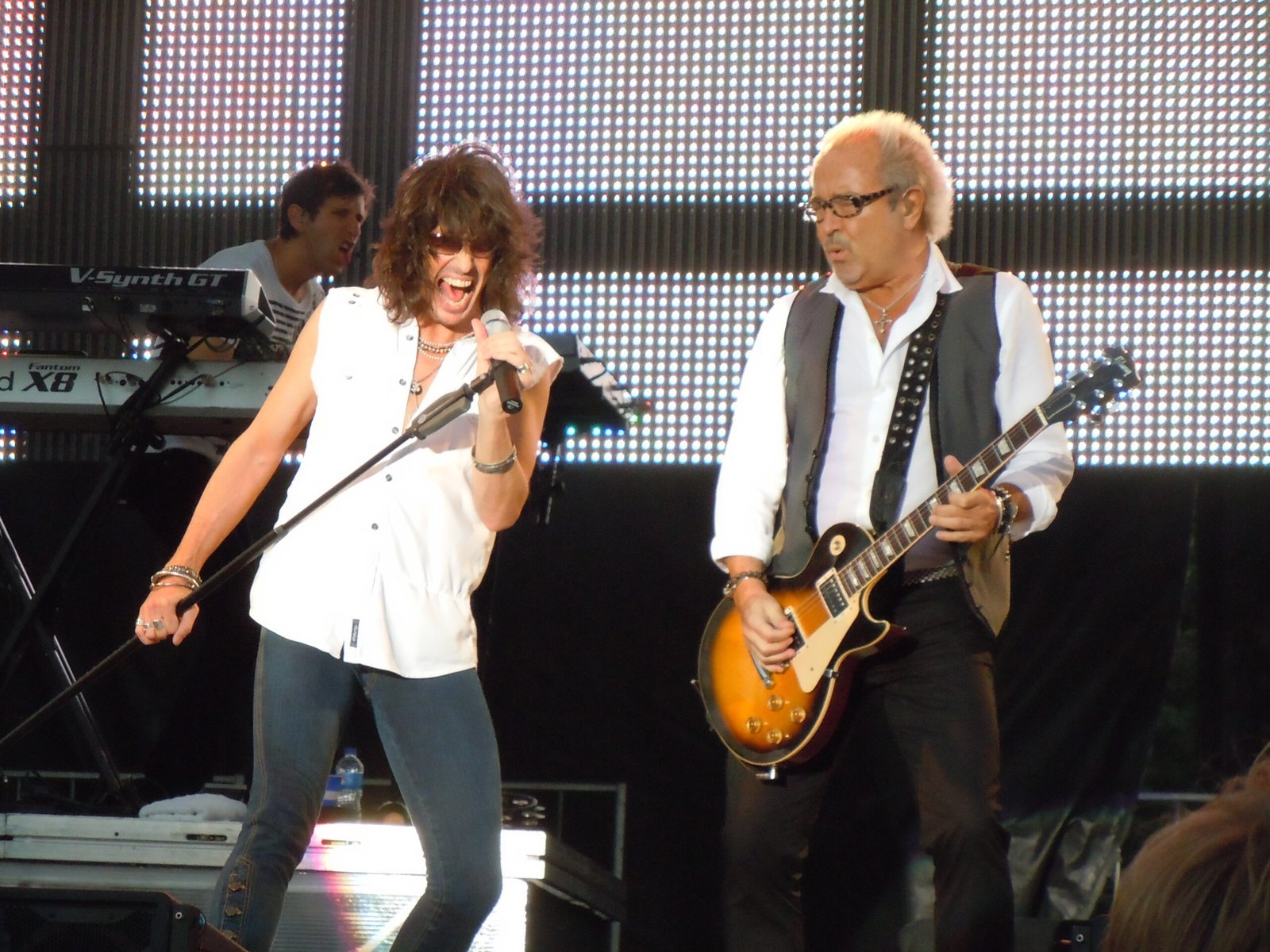
Here’s a song that never actually hit number one, yet somehow defined what number one should sound like. “Waiting for a Girl Like You” spent ten consecutive weeks in the number two position on the Billboard Hot 100, a record which still stands today. The love ballad spent the first nine weeks in the runner-up spot behind Olivia Newton-John’s biggest hit, “Physical,” and then a week looking up at “I Can’t Go For That (No Can Do)” by Daryl Hall and John Oates.
The song really upped the ante with its lush, synth-driven soundscape and Lou Gramm’s yearning vocals, painting a vivid picture of romantic longing, and it became a slow-burn hit, setting a new gold standard for dreamy rock ballads. Ten weeks stuck at number two. That’s almost poetic in its cruelty.
3. “Total Eclipse of the Heart” – Bonnie Tyler
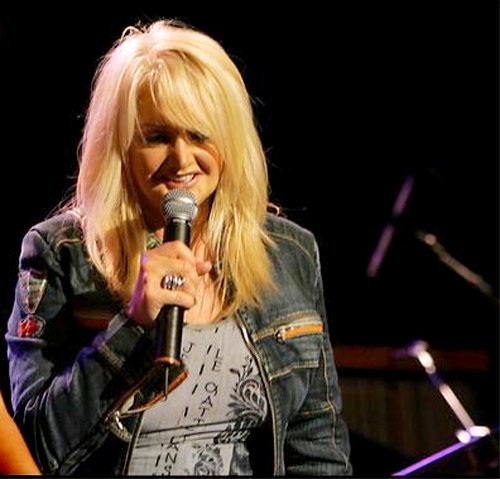
This one is almost unfair to the competition. The song became Tyler’s biggest career hit, topping the UK Singles Chart and becoming the fifth-best-selling single in 1983 in the United Kingdom, while in the United States the single spent four weeks at the top of the charts and was Billboard’s number-six song of the year for 1983. Worldwide, the single has sales in excess of six million copies and was certified Gold by the RIAA for sales of over one million copies after its release, updated to Platinum in 2001 when the certification threshold changed.
Songwriter and producer Jim Steinman created an operatic narrative with a theme he coined “love in the dark,” and it was Tyler who brought the track to life, electrifying the lyrics with her powerful and distinctive voice. The official music video for “Total Eclipse of the Heart” reached one billion views on YouTube as of March 2023, further cementing its status as a cultural phenomenon. A billion views. On a song from 1983. That tells you everything.
4. “Open Arms” & “Faithfully” – Journey
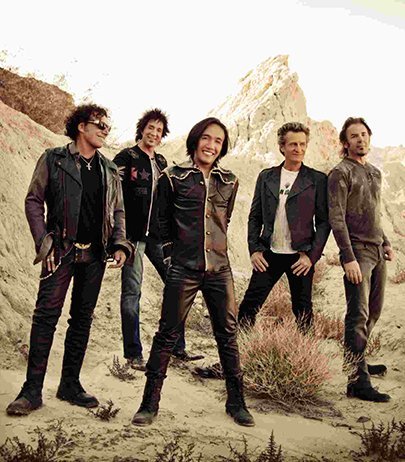
Despite all their great songs, Journey never reached the pinnacle of the Billboard Hot 100, though they did get very close in 1982 with “Open Arms,” their most successful chart hit, having spent six weeks in the number two position on the pop chart. I think the six weeks at number two stings a little, but the song’s legacy is unmatched. “Faithfully,” meanwhile, took a different route into the heart.
“Faithfully” is about life on the road and the emotional toll it takes on relationships, opening with a gentle piano before building to that classic, soaring chorus, with Steve Perry’s vocals carrying it and merging ache with devotion. Journey became a commercial force in the 1980s thanks to power ballads like “Don’t Stop Believin’,” “Open Arms,” and especially “Faithfully.” Two songs, one band, and a legacy that refuses to go quiet.
5. “I Want to Know What Love Is” – Foreigner
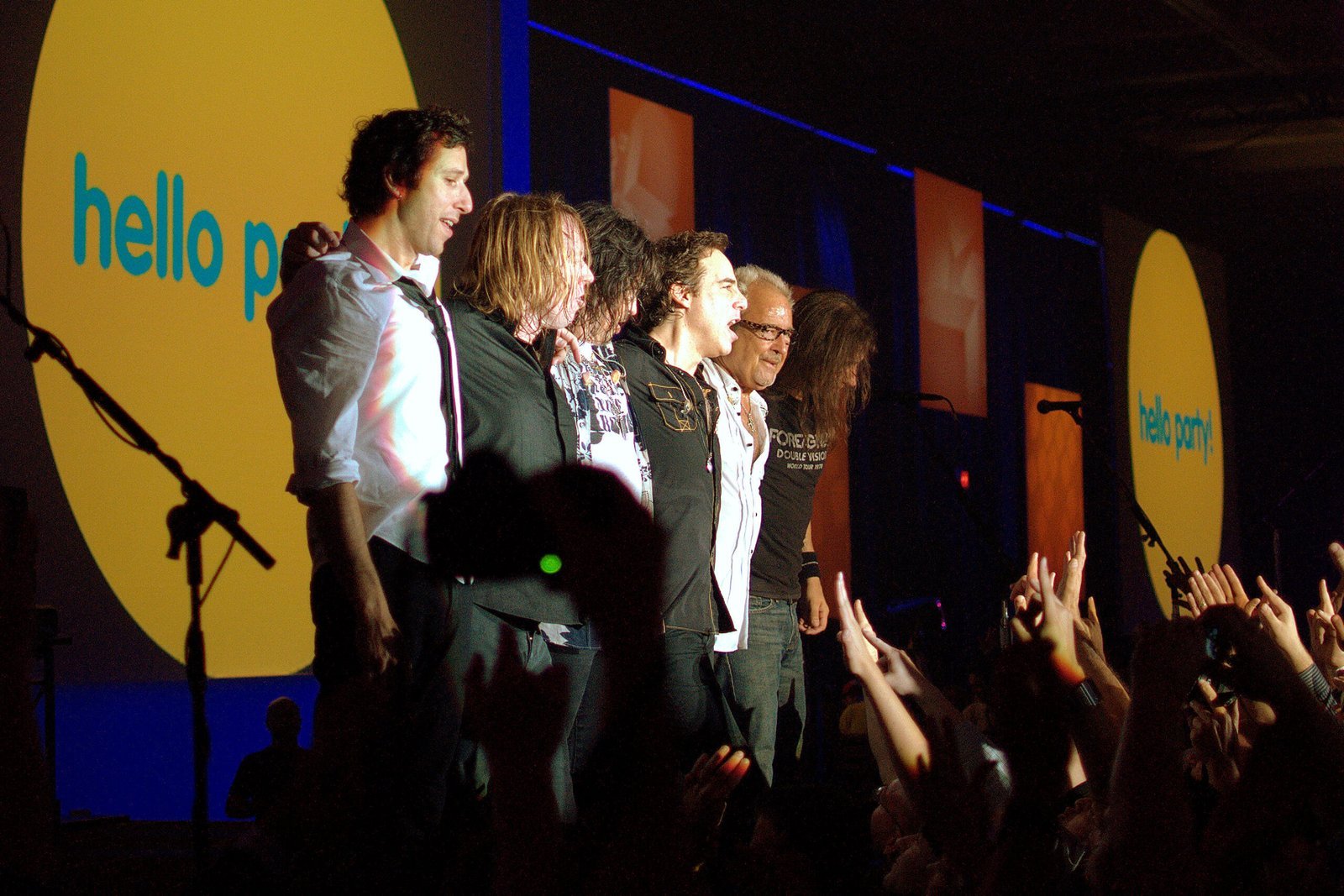
Foreigner earns a second appearance on this list and honestly, they’ve earned it. Foreigner took the gospel route on this one, with the New Jersey Mass Choir backing Lou Gramm, and the song topped the charts worldwide, becoming an anthem for emotional searching. It’s slower than most power ballads but follows the same emotional structure of uncertainty, hope, and finally, catharsis.
A hard rock band bringing in a full gospel choir to close out a power ballad. On paper it sounds ridiculous. In reality it was one of the most effective emotional gut-punches radio ever delivered. These bands dominated the AOR (album-oriented rock) playlists with radio formats taking an instant liking to the slickly crafted commercial production-heavy sound, and soft rock power ballads in the 80s were known for their flawless vocal harmonies in the chorus.
6. “Home Sweet Home” – Mötley Crüe
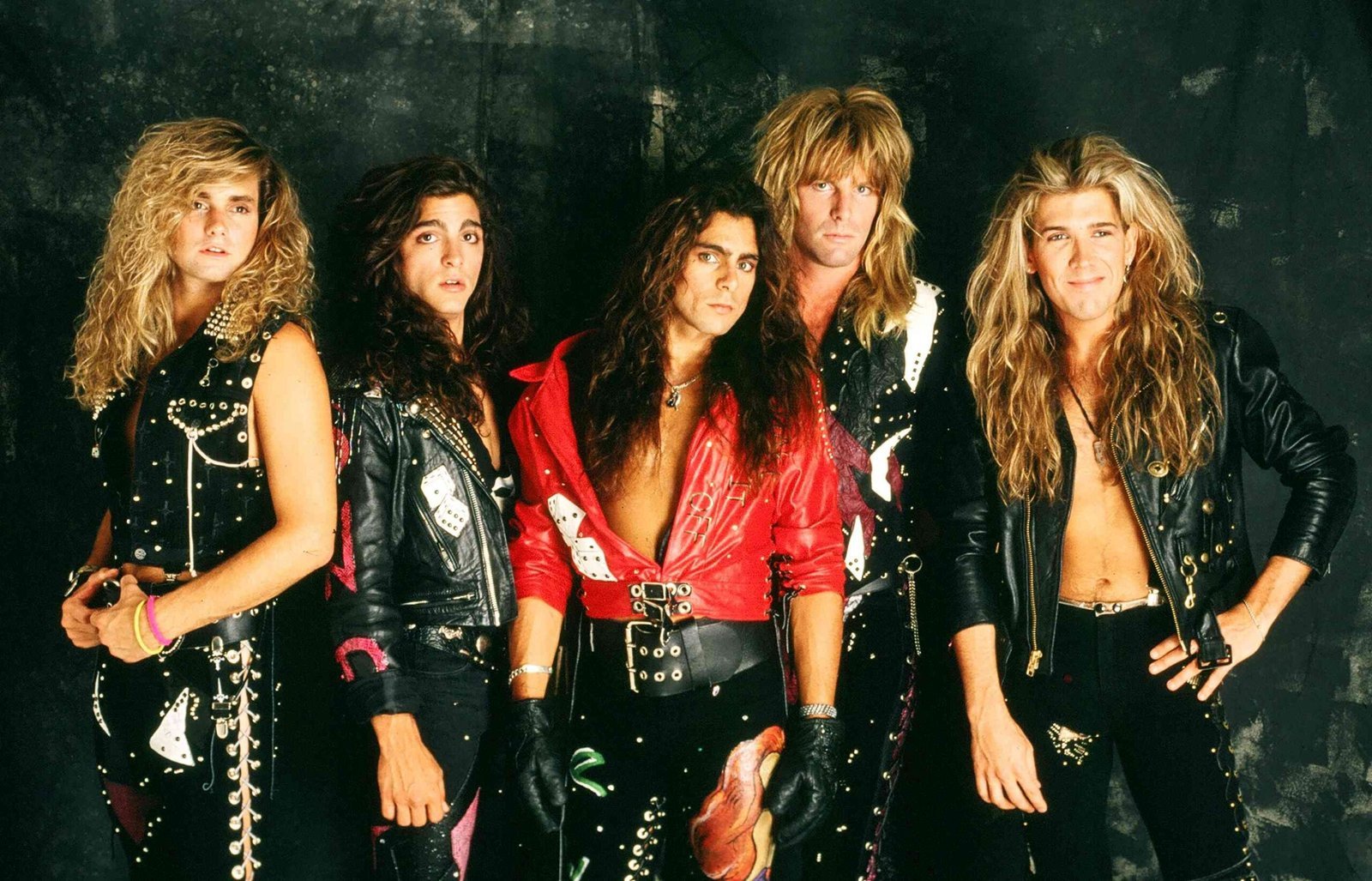
Nobody expected Mötley Crüe, the band practically synonymous with chaos and leather, to write something this emotionally honest. Inspired by extensive touring that had kept them on the road for 18 months, Mötley Crüe wrote “Home Sweet Home” in 1985, and initially their label tried to keep it off the Theatre of Pain LP, insisting the Crüe was not a ballad band. Many of the other entries on this list were written because of the success of this song, as power ballads became a prerequisite for any album produced by an 80s metal band once Mötley Crüe proved it was not only safe but lucrative.
The great irony of 80s hair metal is that the most decadent bands also had to have the sweetest ballads, and “Home Sweet Home” is often credited with igniting the 80s power-ballad trend, being the complete antithesis of Mötley Crüe’s hell-raising image. In a genre built on bravado, this song landed like a confession. Nobody saw it coming. Everyone loved it.
7. “Alone” – Heart
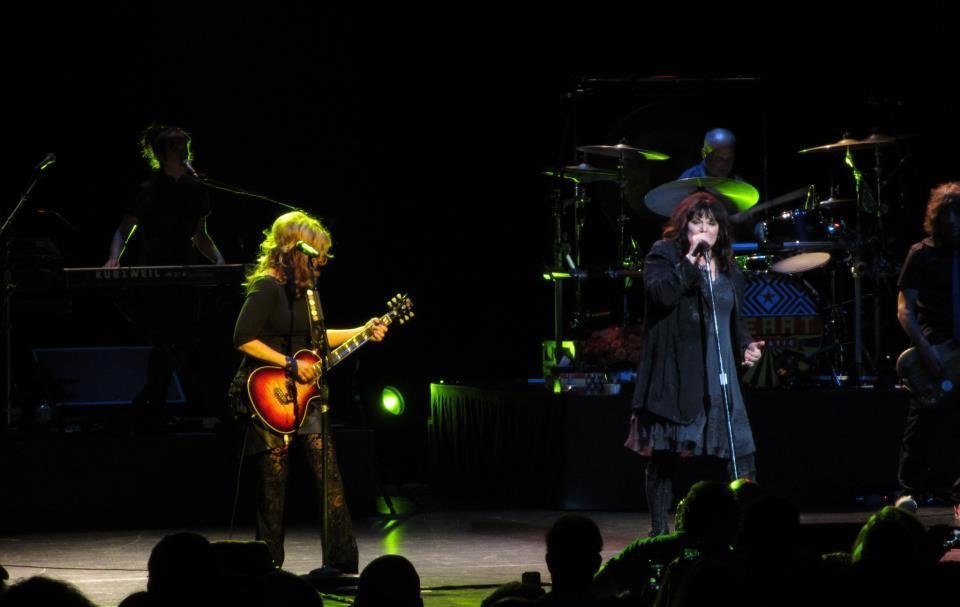
Heart’s “Alone” arrived in 1987 and hit differently than nearly everything else on the dial. The Wilson sisters and their band Heart scored their biggest chart hit of all time with “Alone,” spending three weeks at number one on the Billboard Hot 100 and ending up ranking as the second best-selling song of 1987. Heart’s version is actually a cover of an original song by the group i-Ten.
Three weeks at number one. Second-best-selling song of the entire year. Ann Wilson’s voice on that track is something you genuinely cannot describe with words alone. It has to be heard, preferably at full volume, preferably when you’re already in your feelings. Honestly, this might be the single greatest vocal performance the power ballad era ever produced.
8. “Every Rose Has Its Thorn” – Poison
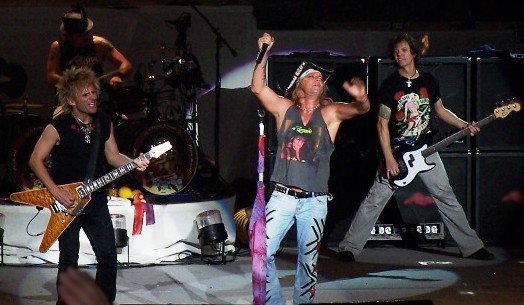
You almost couldn’t believe it when Poison of all bands turned in a song this raw and this vulnerable. A power ballad, “Every Rose Has Its Thorn” was released in October 1988 as the third single from their second studio album Open Up and Say… Ahh!, and it was the band’s signature song and only number one hit in the US, topping the Billboard Hot 100 for three weeks, starting on December 24, 1988.
When the song first came out, it was a Dallas country station that actually spun it first, before the rock stations picked it up, and as Michaels recalled to Billboard magazine: “This was back before anyone thought about a crossover. We had ‘Every Rose Has Its Thorn’ at number one Pop, number one Rock, and Top 40 Country, which was unheard of.” In a poll of “The 10 Greatest Hair Metal Songs” held by Rolling Stone, the song was ranked at number six and praised for showing the “hair metal lifestyle wasn’t a non-stop carnival of good times.” That crossover feat alone makes this song extraordinary.
9. “Heaven” – Warrant & “I Remember You” – Skid Row
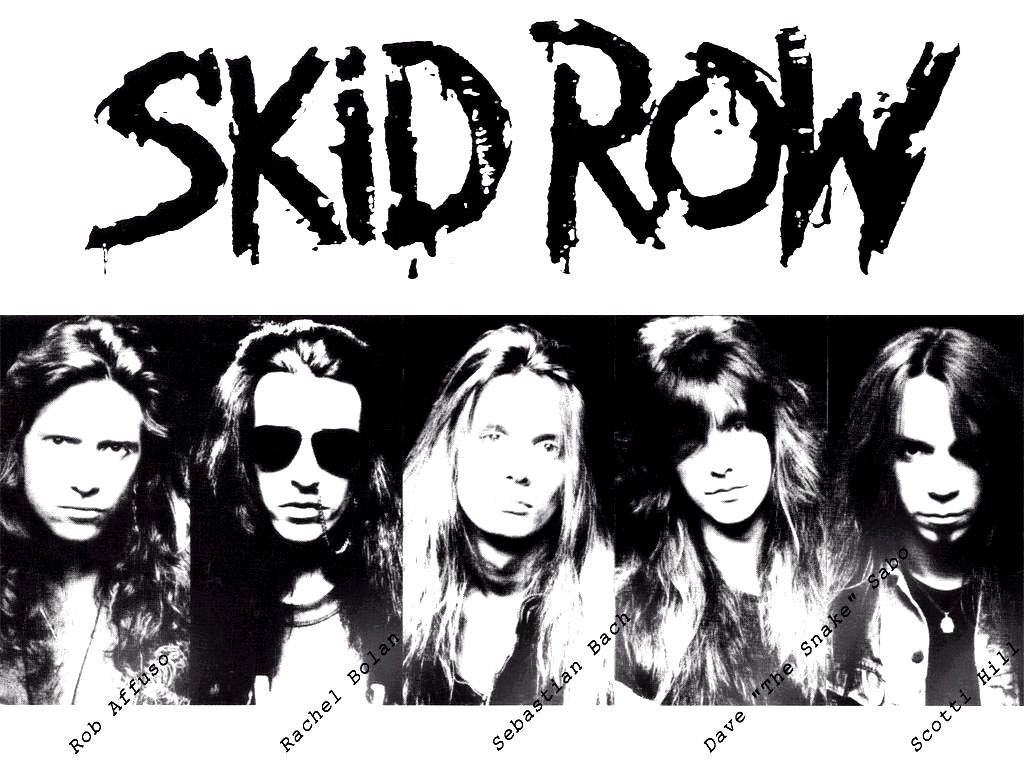
The late 80s brought two more undeniable radio giants from the hair metal world. “Heaven” eventually became Warrant’s biggest hit, reaching number two on the Billboard Hot 100, though Warrant and frontman Jani Lane in particular suffered backlash from some in the rock community who felt that the power ballad was cheesy. Cheesy or not, radio programmers clearly disagreed with the critics.
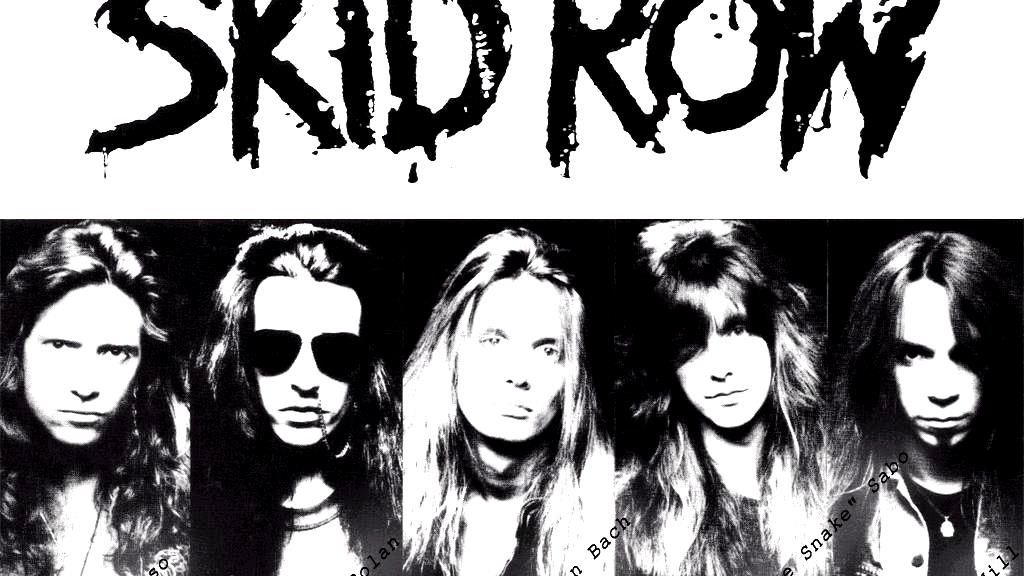
Rachel Bolan and Dave Sabo, the two Skid Row members who wrote “I Remember You,” fought against the song’s inclusion on their debut album, reasoning that the band had played the song at concerts and gotten a major response from female fans. “I Remember You” reached number six on the Billboard Hot 100 and remains one of Skid Row’s most popular tunes. Sometimes the songs you resist the hardest are the ones that define you.
10. “Who Wants to Live Forever” – Queen & “The Power of Love” – Jennifer Rush
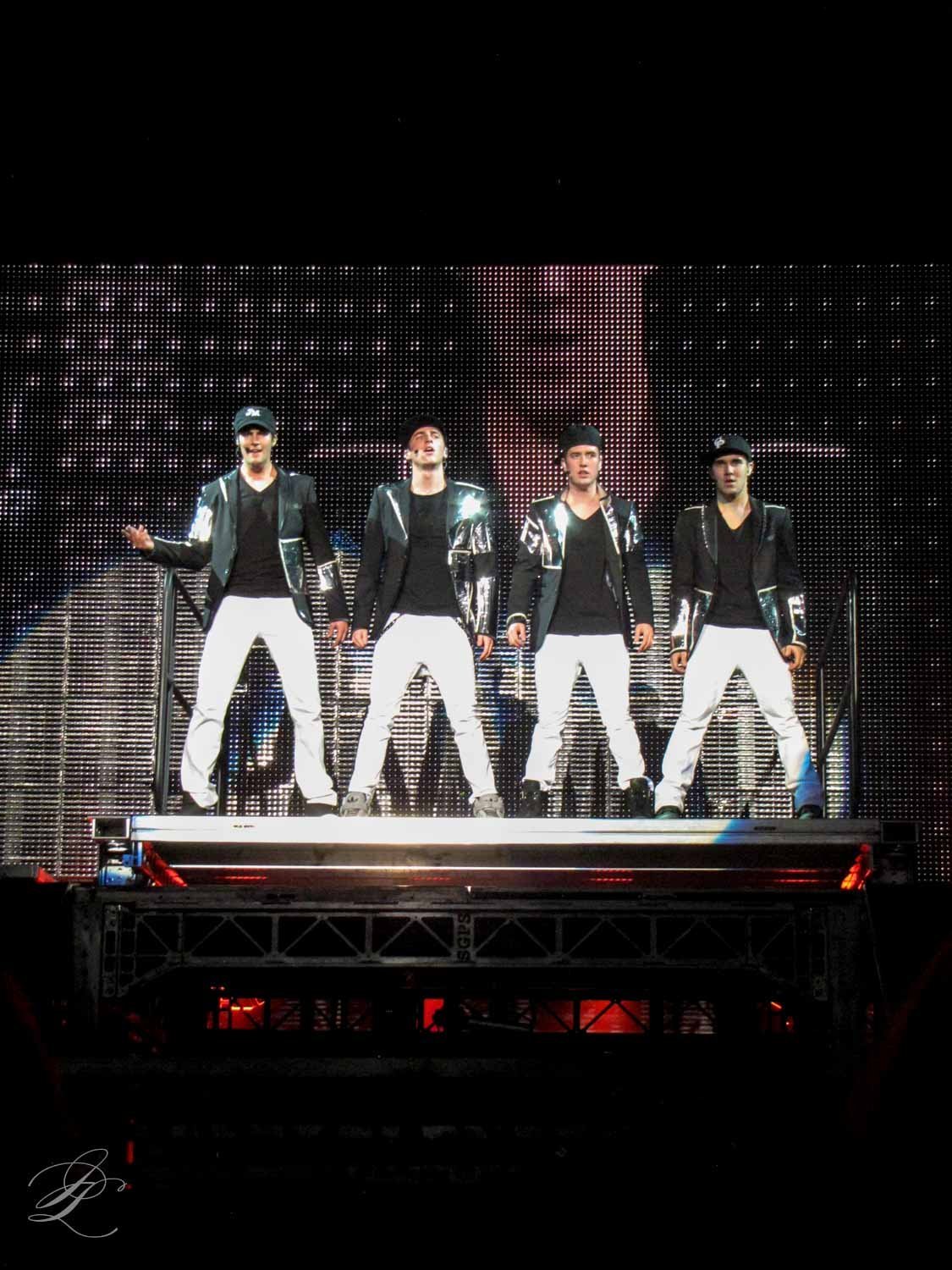
Two songs from 1986 that couldn’t be more different in origin, yet both became towering achievements in the power ballad era. Although “Who Wants to Live Forever” only made number 24 on its 1986 release in the UK, it has since become one of Queen’s most cherished ballads, penned for the Highlander scene in which the immortal hero watches his beloved succumb to the passage of time, boasting a commanding vocal from Freddie Mercury and sweeping orchestration from composer Michael Kamen.
Jennifer Rush’s “The Power of Love” has a Laura Branigan connection as her cover eclipsed Rush’s version in the US charts, though in the UK the original enjoyed a five-week stint at number one and became Britain’s best-selling song of 1985. With a slow-burning vocal, Rush’s measured approach makes the heart-pouring climax all the more cathartic. Two completely different approaches to the same emotional mountain. Both reached the summit. That’s the thing about the power ballad era: there was always room for one more song that made people stop whatever they were doing and just feel something.
What do you think? Did your favorite 80s power ballad make the list? Tell us in the comments.

Besides founding Festivaltopia, Luca is the co founder of trib, an art and fashion collectiv you find on several regional events and online. Also he is part of the management board at HORiZONTE, a group travel provider in Germany.
