


- Your Zodiac Sign’s Secret Festival Vibe: Which Era Defines Your Spirit? - September 10, 2026
- Your Zodiac Sign’s Perfect Classic Rock Anthem: A Song for Your Soul - September 10, 2026
- 17 Radio Hits From the ’70s With Lyrics Everyone Missed - September 10, 2026
You’ve touched, tapped, scrolled, searched, and driven with them. Every single day. Probably within the last hour, honestly. These aren’t abstract ideas locked away in dusty patent offices. They’re the invisible architecture of modern life.
Here’s the thing, though. Most people have no idea these inventions came from one place. California didn’t just stumble into greatness. It engineered it, patented it, and quietly handed the world a blueprint for how to live in the 21st century. Let’s be real, without these California patents, your daily routine would look unrecognizable.
Apple’s Multi-Touch Revolution Made Buttons Obsolete

Apple popularized capacitive multi-touch displays with the iPhone in 2007, but what most people forget is just how radical that shift actually was. Before that moment, phones were riddled with buttons. Navigating anything required physical clicks, tiny keyboards, and clunky interfaces.
Apple was awarded a 358-page patent covering the touch screen, graphical user interface, and methods that define the iPhone user experience. This wasn’t just about making a prettier phone. It was about rethinking human interaction with technology. Pinch to zoom, swipe to scroll, tap to select – these gestures became second nature so quickly that it’s hard to remember a time before them.
The patent essentially turned a piece of glass into a dynamic control surface. Every smartphone you see today, regardless of brand, owes a debt to that innovation. It reshaped an entire industry overnight.
Google’s PageRank Algorithm Organized the Chaos of the Internet

Back in the early days of the web, finding anything useful felt like searching through a digital junkyard. Search engines existed, sure, but they were terrible. Then Google arrived with PageRank, a patented system that ranked web pages based on their links and relevance.
Suddenly, the internet made sense. You typed a question, and the answer appeared at the top. Not buried on page seven. Not hidden behind irrelevant spam. Just there. This wasn’t luck – it was algorithmic brilliance, protected by California patent law.
Today, nearly every search you perform, every piece of information you access online, flows through systems inspired or directly built on that original breakthrough. We take it for granted now. In the late nineties? It was nothing short of magic.
Tesla’s Electric Vehicle Patents Forced the Auto Industry to Change
Tesla’s battery breakthroughs, such as the development of the 4680 cell, highlight the importance of patents in securing competitive advantages. The company didn’t just build an electric car. It reimagined what a car could be – and then protected every critical innovation with patents covering battery architecture, power management, and electric drivetrains.
Tesla’s battery patents cover key innovations including advancements in battery chemistry, thermal management systems, and production processes, with patents on lithium-ion battery designs achieving industry-leading energy density. This allowed Tesla vehicles to travel farther on a single charge than anyone thought possible.
Here’s where it gets interesting. Tesla eventually opened many of its patents to competitors, not out of charity, but strategy. By setting the standard, they ensured that the entire EV market would develop around their technology. Brilliant, honestly.
California made electric vehicles viable for the mass market. Full stop.
Intel’s Microprocessor Turned Computers Into Everyday Tools

If you’re reading this on a laptop, phone, or tablet, thank Intel. The company pioneered the microprocessor – a tiny chip that could perform complex calculations at lightning speed. Patented in California, this invention is the reason personal computers exist.
Before the microprocessor, computers were room-sized machines reserved for governments and universities. Intel shrunk that power down to something you could hold in your hand. Everything from your gaming console to your car’s dashboard runs on descendants of that original technology.
It’s impossible to overstate this. Intel’s patents didn’t just launch an industry. They created the foundation for the entire digital age.
Qualcomm’s Wireless Technology Enabled the Mobile Revolution
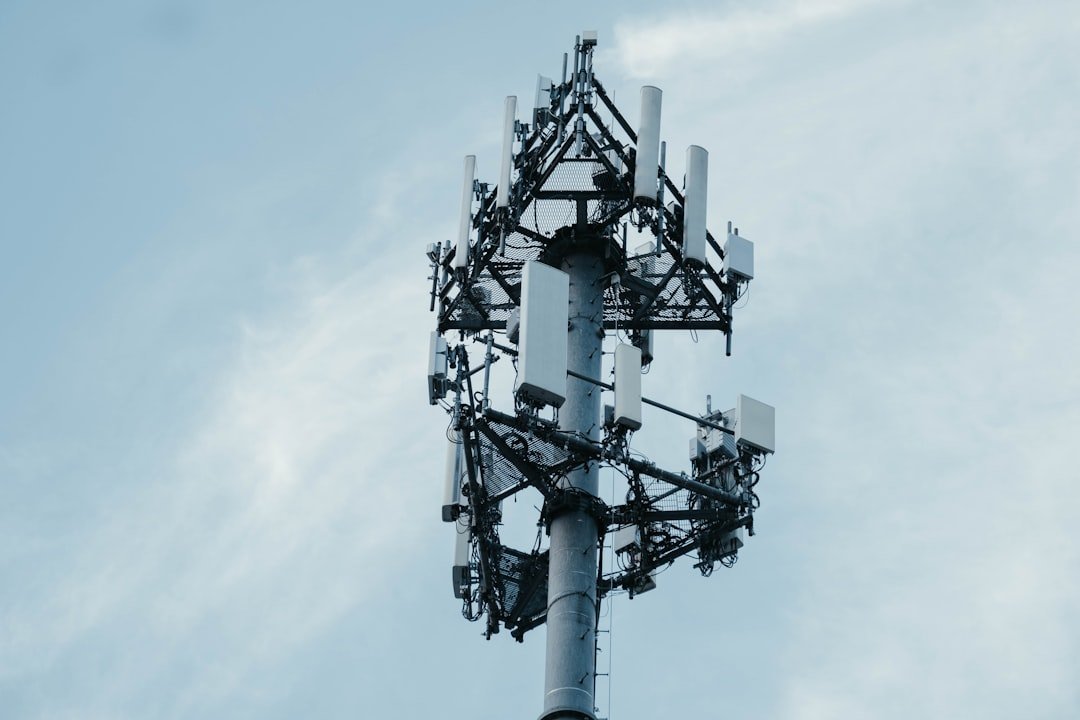
Phones wouldn’t work without Qualcomm. Seriously. The company holds patents on CDMA technology and foundational components of 3G, 4G, and now 5G networks. These aren’t just technical details buried in engineering manuals – they’re the reason you can stream video, make calls, and browse the web on the go.
Between 2017 and 2024, California inventors filed a total of 419,069 patents with the USPTO, and Qualcomm represents a significant chunk of that innovation. Its patent portfolio is considered one of the most valuable in history, licensing technology to virtually every smartphone manufacturer on the planet.
Think about that. Every time you check your phone, you’re using Qualcomm’s patented wireless innovations. The connectivity we assume is effortless? It took decades of research and thousands of patents to build.
Dolby’s Audio Technology Transformed How We Experience Sound

Walk into any movie theater, turn on your TV, or put on headphones, and you’re experiencing Dolby technology. The company patented noise-reduction systems and surround-sound formats that fundamentally changed how we hear media.
Before Dolby, audio quality was inconsistent and often poor. Background hiss, muffled dialogue, flat soundscapes – these were accepted limitations. Dolby’s California-born patents eliminated those problems, creating immersive audio environments that made movies, music, and streaming content feel real.
Now, Dolby Atmos and similar technologies are standard in everything from Netflix to video games. California didn’t just improve sound. It redefined what sound could be.
Hewlett-Packard’s Precision Tools Built Silicon Valley’s Foundation
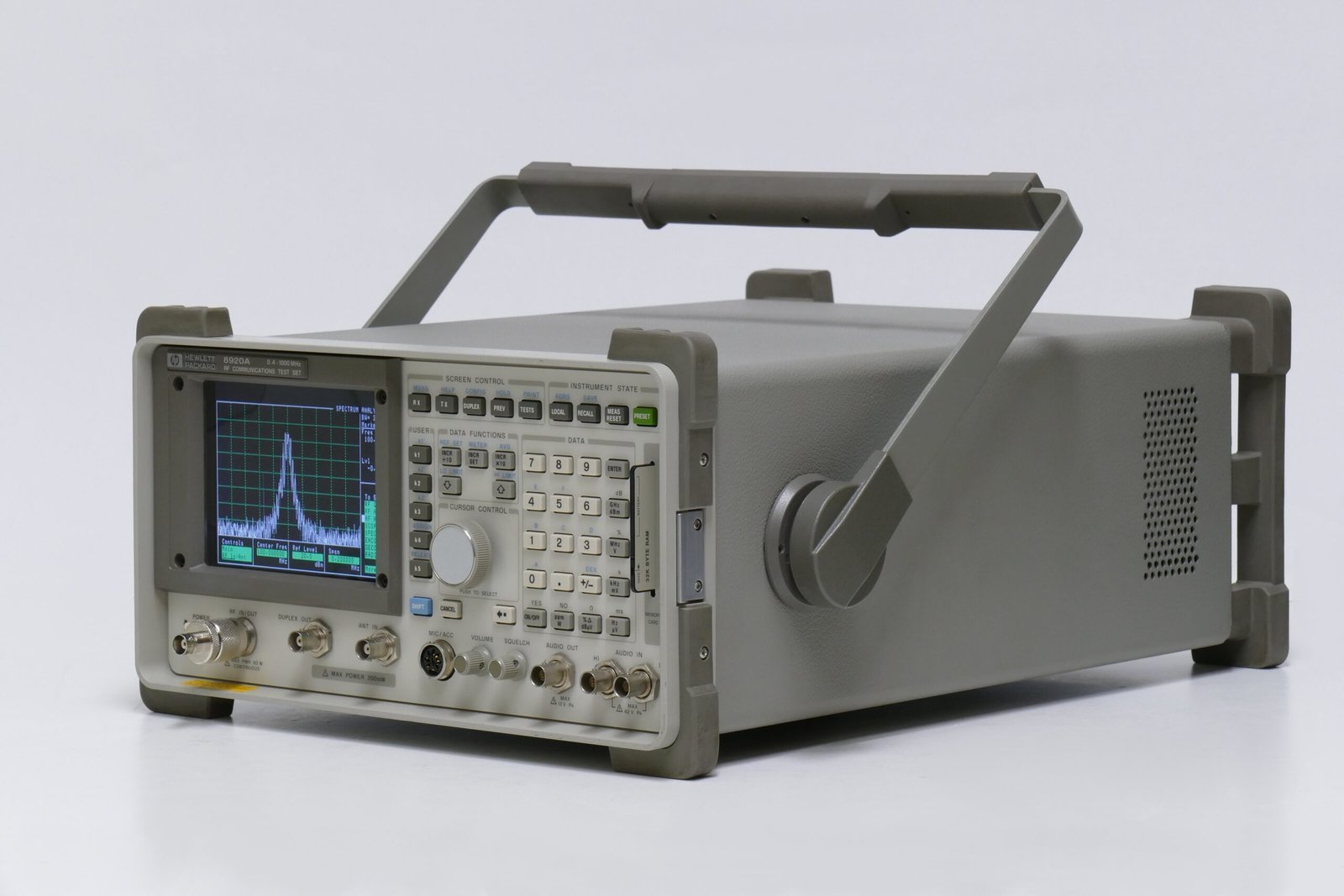
Long before Silicon Valley was synonymous with tech giants, there was HP. The company’s early patents on audio oscillators and precision testing equipment set the stage for everything that followed. These weren’t consumer products – they were the tools engineers used to build the future.
HP’s innovations became industry standards. Their testing equipment helped develop radios, televisions, and eventually computers. Without those foundational patents, the entire electronics industry would have developed differently, if at all.
This is where California’s innovation story truly begins. HP proved that brilliant engineering, protected by patents, could spawn entire ecosystems of progress.
Amazon’s One-Click Patent Simplified Online Shopping Forever
Shopping online used to be tedious. Multiple pages, repeated form entries, endless confirmation screens. Then Amazon patented one-click purchasing, and suddenly buying something took a single tap.
It sounds simple, but the impact was enormous. One-click removed friction from e-commerce, making impulse purchases effortless and encouraging people to shop online more frequently. Competitors scrambled to license the technology or develop workarounds.
Today, seamless checkout experiences are expected everywhere. Amazon’s California patent didn’t just make shopping easier – it fundamentally changed consumer behavior and reshaped global retail.
Stanford University’s AI and Robotics Patents Sparked Countless Startups

University of California, Stanford University and California Institute of Technology collectively filed 10,650 patents over the past seven years. Stanford in particular became a breeding ground for artificial intelligence and robotics innovations that spun out into companies like Google, Hewlett-Packard, and countless others.
The university didn’t just teach technology – it created it, patented it, and licensed it to entrepreneurs who built empires. Many of the AI systems you interact with daily trace their lineage back to Stanford research labs.
California’s universities aren’t just educational institutions. They’re patent factories, churning out innovations that become billion-dollar companies. That cycle of research, protection, and commercialization is what makes California unique.
Why California Became the World’s Patent Powerhouse
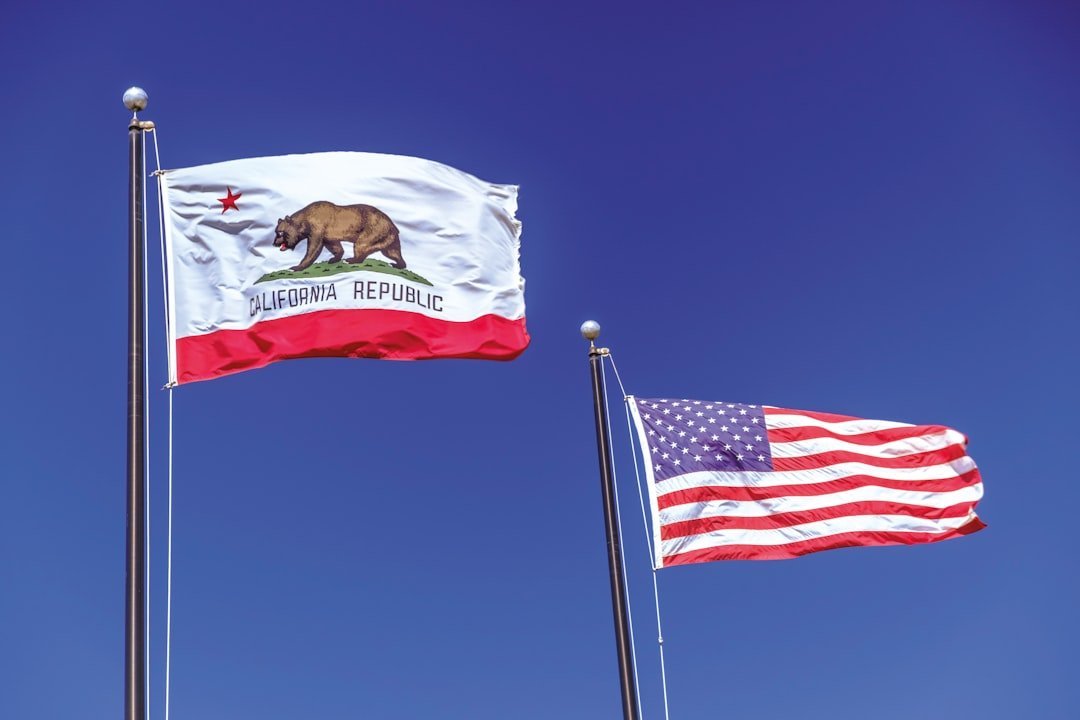
Geography alone doesn’t explain California’s dominance. It’s the combination of world-class universities, venture capital, aggressive intellectual property protection, and a culture that celebrates risk-taking. Honestly, nowhere else on Earth has replicated this formula successfully.
The state doesn’t just produce patents – it produces ecosystems where patents can become products, products can become companies, and companies can become global forces. From smartphones to search engines to electric cars, California’s patent portfolio reads like a roadmap of modern civilization.
Did you expect one state to have changed this much about your daily life? Most people don’t think about where innovation comes from. They just use it, assume it was always there. California residents know better.
Every swipe, every search, every wireless connection, every immersive sound experience – it all started here. Protected, refined, and launched into the world from labs and garages across the Golden State. What’s next? Probably being invented right now, somewhere between San Diego and San Francisco, with a patent application already filed.

Besides founding Festivaltopia, Luca is the co founder of trib, an art and fashion collectiv you find on several regional events and online. Also he is part of the management board at HORiZONTE, a group travel provider in Germany.
