

- 8 Classic Movies You Thought Were American – But Were Actually Foreign - August 12, 2026
- 10 Most Beautiful Beaches in The World for a Relaxing Vacation - August 12, 2026
- 15 Hit Singles From the Last Three Decades That Still Get You Dancing. - August 12, 2026
You probably don’t think about Indiana that much. Maybe you’ve driven through it. Maybe you’ve heard something vague about corn and basketball. The state doesn’t beg for attention or try to dominate the conversation like its coastal counterparts. Yet something remarkable happened there, something that quietly rewired American culture in ways most people never stopped to consider.
Indiana didn’t invent speed or sports or hard work. Those things existed long before the first settlers crossed its borders. What Indiana did was perfect them, refine them, and turn them into traditions that spread across the country. It’s a place where ideas took root and grew into national obsessions. Some of the most cherished parts of American identity trace their origins to this unassuming Midwestern state.
The Birthplace of Racing Glory
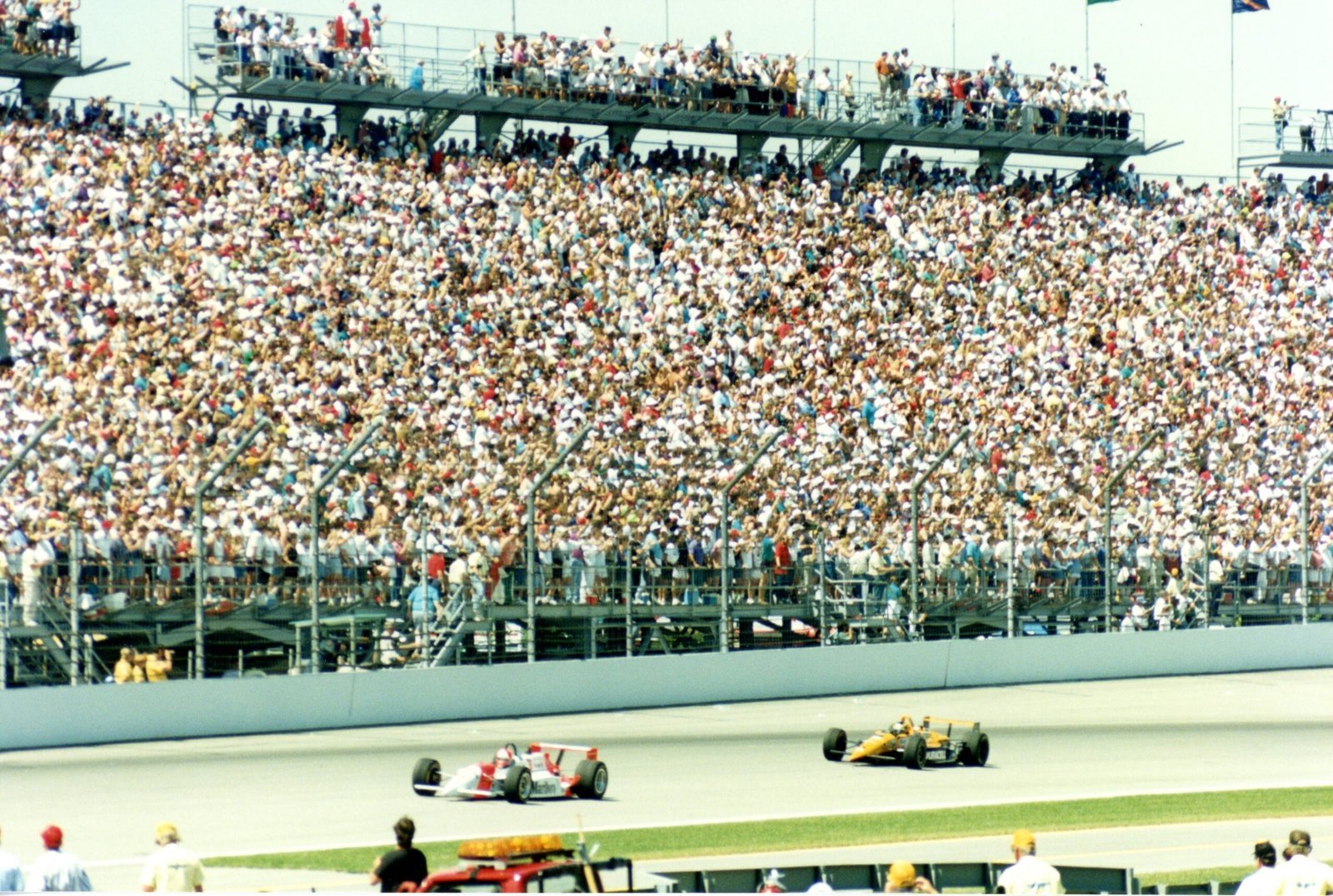
On May 30, 1911, the first Indianapolis 500 was held. That single event didn’t just create another race. Ray Harroun drives his single-seater Marmon Wasp to victory in the inaugural Indianapolis 500, now one of the world’s most famous motor racing competitions. What began as a test of automobile innovation quickly evolved into something far bigger.
The event, billed as The Greatest Spectacle in Racing, is considered part of the Triple Crown of Motorsport along with the 24 Hours of Le Mans and the Monaco Grand Prix. Think about that for a second. Indiana, landlocked and far from Europe’s racing heritage, created an event so compelling it earned a spot alongside the world’s most prestigious races. Drawing crowds of several hundred thousand people, the race is among the world’s best-attended single-day sporting events.
The races spurred automobile innovations, and the Speedway became the world’s largest spectator sports facility. Engineers tested theories. Speeds climbed. Safety improved through painful lessons. Everything learned at Indianapolis influenced how cars were built, how they performed, and how racing evolved globally. It brought international drivers to Indiana, helped shape open-wheel racing in America, and turned the Speedway into sacred ground for fans around the globe.
Where Basketball Became Religion
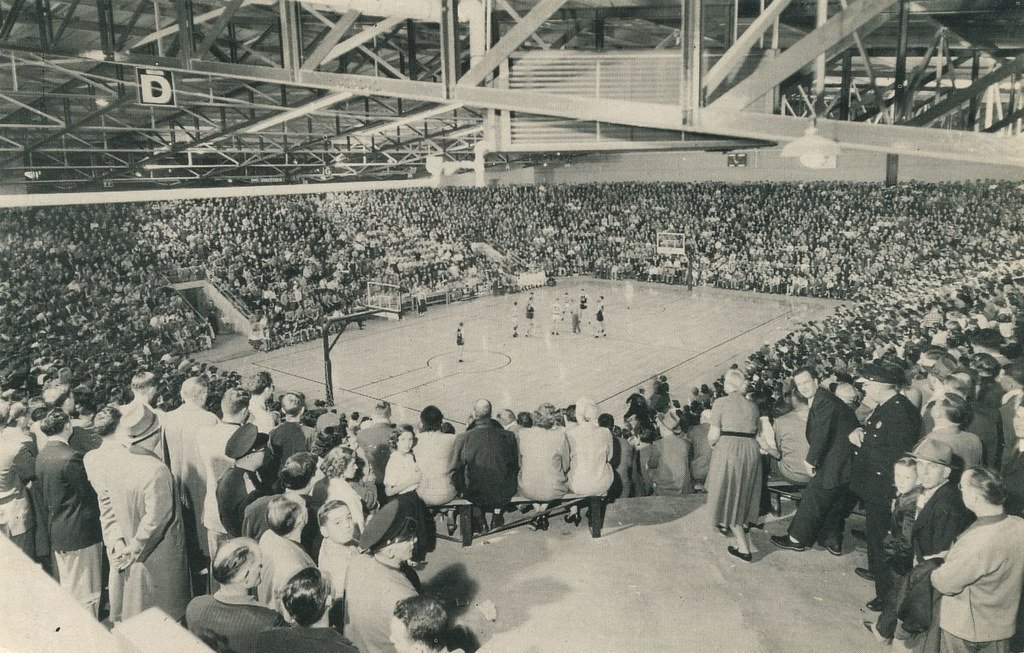
Indiana’s passion for basketball was observed and written about by basketball’s inventor, James Naismith. In 1925, Naismith visited an Indiana basketball state finals game along with 15,000 screaming fans. He later wrote that while it was invented in Massachusetts, ‘basketball really had its origin in Indiana, which remains the center of the sport’. That’s not Indiana bragging. That’s the inventor himself recognizing something extraordinary happening in the state.
Indiana possesses a disproportionate share of the country’s largest high school basketball gymnasiums, including nine of the ten largest high school gyms in the country and eighteen of the top twenty. Seventeen venues in Indiana today have a capacity of over 6,000, the largest being the New Castle Fieldhouse, seating 9,325. These aren’t professional arenas. These are high school gyms. Communities built cathedrals to basketball because the sport meant that much to them.
Small towns rallied around their teams. Friday nights became community gatherings. Basketball history is as treasured and honored as family folklore, the devotion to the local high school team as important as the commitment to the Hoosiers. Honestly, there’s something beautiful about entire towns showing up to watch teenagers play a game. It wasn’t about future NBA stars, though Indiana produced plenty. It was about pride, identity, and belonging.
Considering the size of the state (population 6.4 million), this makes Indiana high schools by far the most successful at developing NBA players per capita. The numbers back up the passion. Indiana transformed basketball from a game invented elsewhere into a cultural force that swept the nation.
The Underdog Story That Changed Everything
It is inspired in part by the Milan High School team who won the 1954 state championship against Muncie Central High School. Milan was a very small high school in a rural, southern Indiana town. Both Hickory and Milan won the state finals by 2 points: Hickory won 42–40, and Milan won 32–30. A school with just over 160 students beat giants. It shouldn’t have happened, except it did.
In 2001, Hoosiers was selected for preservation in the United States National Film Registry by the Library of Congress as being ‘culturally, historically, or aesthetically significant.’ The film captured something deeper than basketball. Working from the template of the Milan-Muncie championship game from 1954, the filmmakers were able to fashion a triumphant underdog story that does not defy credulity. (Many sports experts place the Milan victory alongside the 1980 Olympic hockey ‘miracle’ as the two most improbable wins.)
Here’s the thing about Hoosiers. It gave America a narrative template. Small team, limited resources, heart bigger than talent. That story gets retold constantly now, in sports films, business narratives, even political campaigns. Indiana showed that discipline and teamwork could overcome raw talent and superior numbers. The idea became embedded in American mythology.
A University That Defined Leadership With Purpose
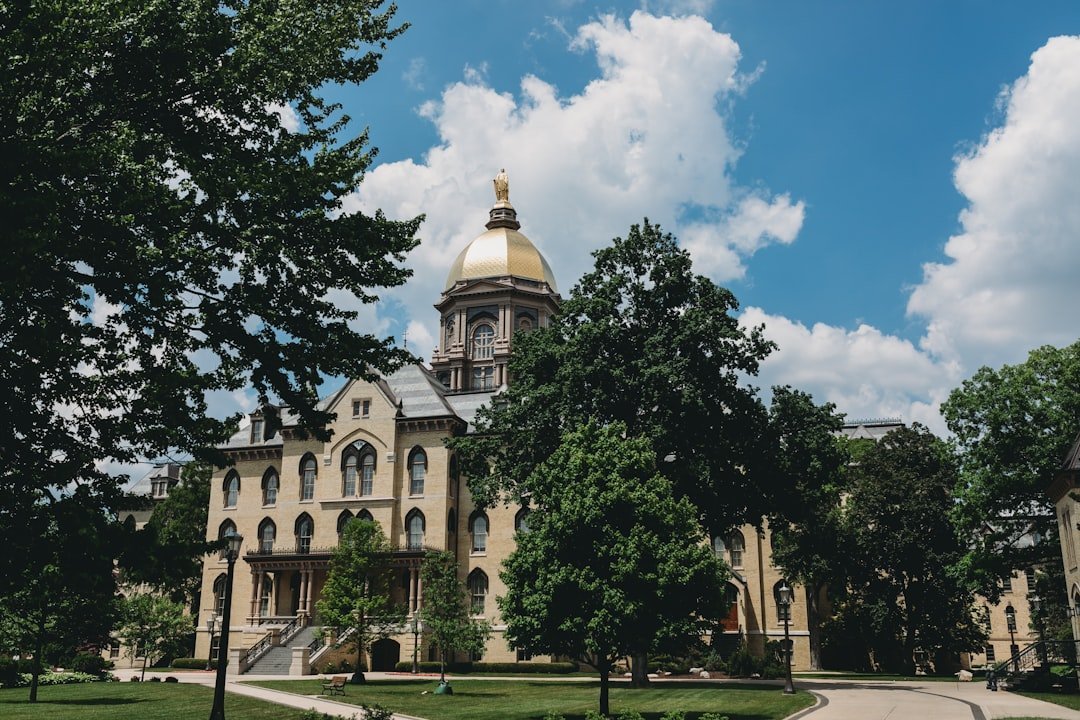
Notre Dame sits in northern Indiana, and while many know it for football, the institution’s influence stretches far deeper. It became a symbol of academic rigor paired with moral conviction. The university balances elite education with a Catholic mission centered on service and ethical leadership.
The University of Notre Dame is a private Catholic research university located in South Bend, Indiana. Founded in 1842, Notre Dame is known for its strong commitment to academic excellence, Catholic identity, and tradition of service. With over 12,000 students, Notre Dame offers a range of undergraduate, graduate, and professional programs in areas such as business, engineering, humanities, law, science, and social sciences. Graduates carry that ethos into boardrooms, courtrooms, classrooms, and communities nationwide.
Leaders shaped by Notre Dame don’t just chase success. They consider responsibility, ethics, and the broader impact of their decisions. The university fostered a generation of thinkers who believed achievement should serve something larger than personal gain. That philosophy influenced business culture, public policy, and social movements across the country.
The Blueprint for Getting Work Done Right
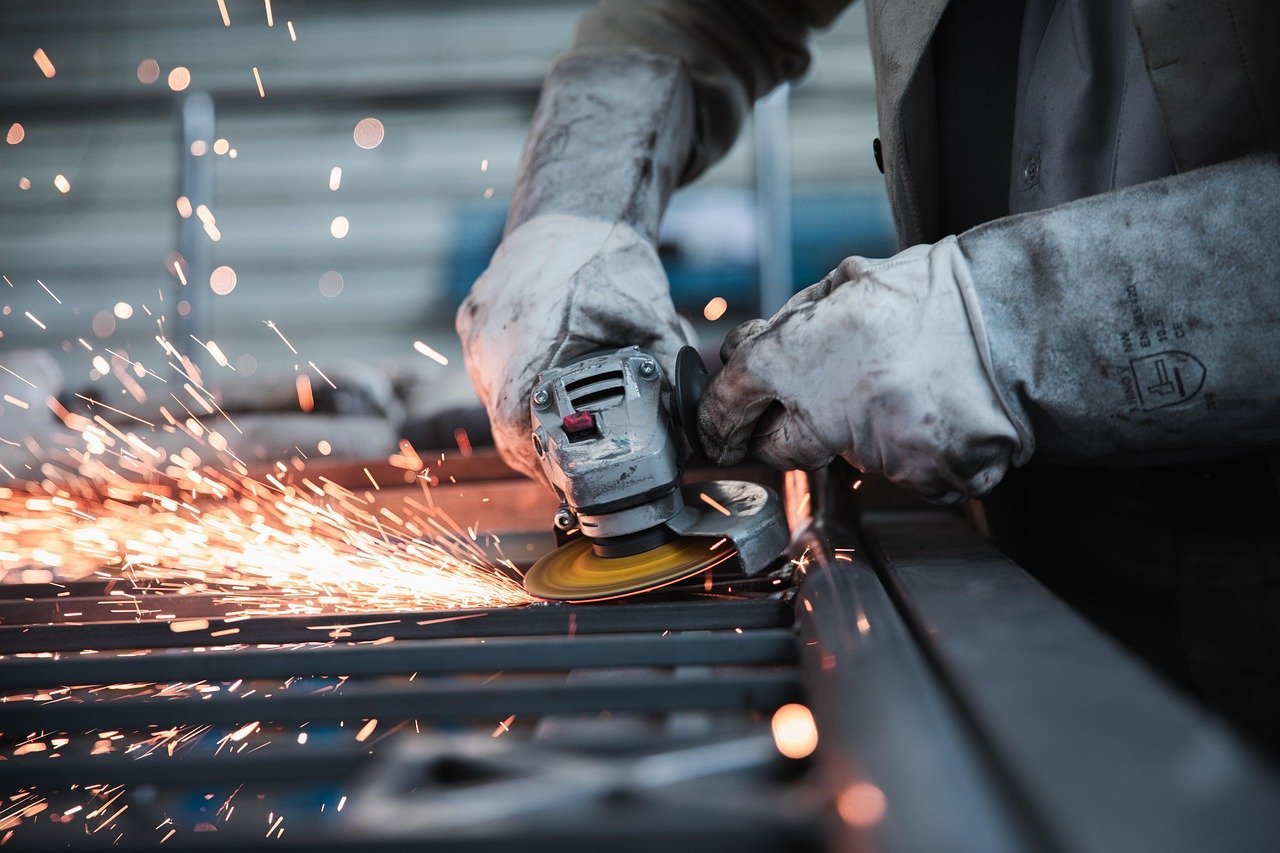
For much of the 20th century, Indiana’s economy was dominated by manufacturing. The availability of labor and essential materials, the state’s location within 800 miles of most of the country’s largest consumer and industrial markets, and the extensive interstate highway infrastructure all contributed to the growth of manufacturing in Indiana. Indiana’s factories didn’t just make products. They forged a work ethic.
Those roots helped shape a work culture where reliability, trustworthiness, and community values remain central. The ‘Crossroads of America’ identity has always been about moving goods and people efficiently, and that mindset shows up in the way people work, steady, dependable, and committed to collective goals. Workers took pride in craftsmanship. Showing up meant something. Doing the job correctly the first time mattered.
Jay McCloy, who runs a plant for Mount Vernon, Ohio–based Ariel Corporation, said ‘We are still at the edge of the farming areas, and people have a strong work ethic. People here think building stuff is better than selling insurance. On a decent salary, you can live a good life in central Ohio.’ That mentality didn’t stay confined to Indiana. As industries spread, so did the values. Consistency. Reliability. Pride in tangible results. These became hallmarks of American manufacturing culture.
Kurt Schmidt, Blue Buffalo’s CEO, said ‘The location of Richmond is ideal for Blue Buffalo, and this coupled with the strong work ethic embedded here in Richmond made this the perfect choice for us.’ Even modern companies recognize what Indiana represents. It’s not flashy, but it works.
Why It Still Matters
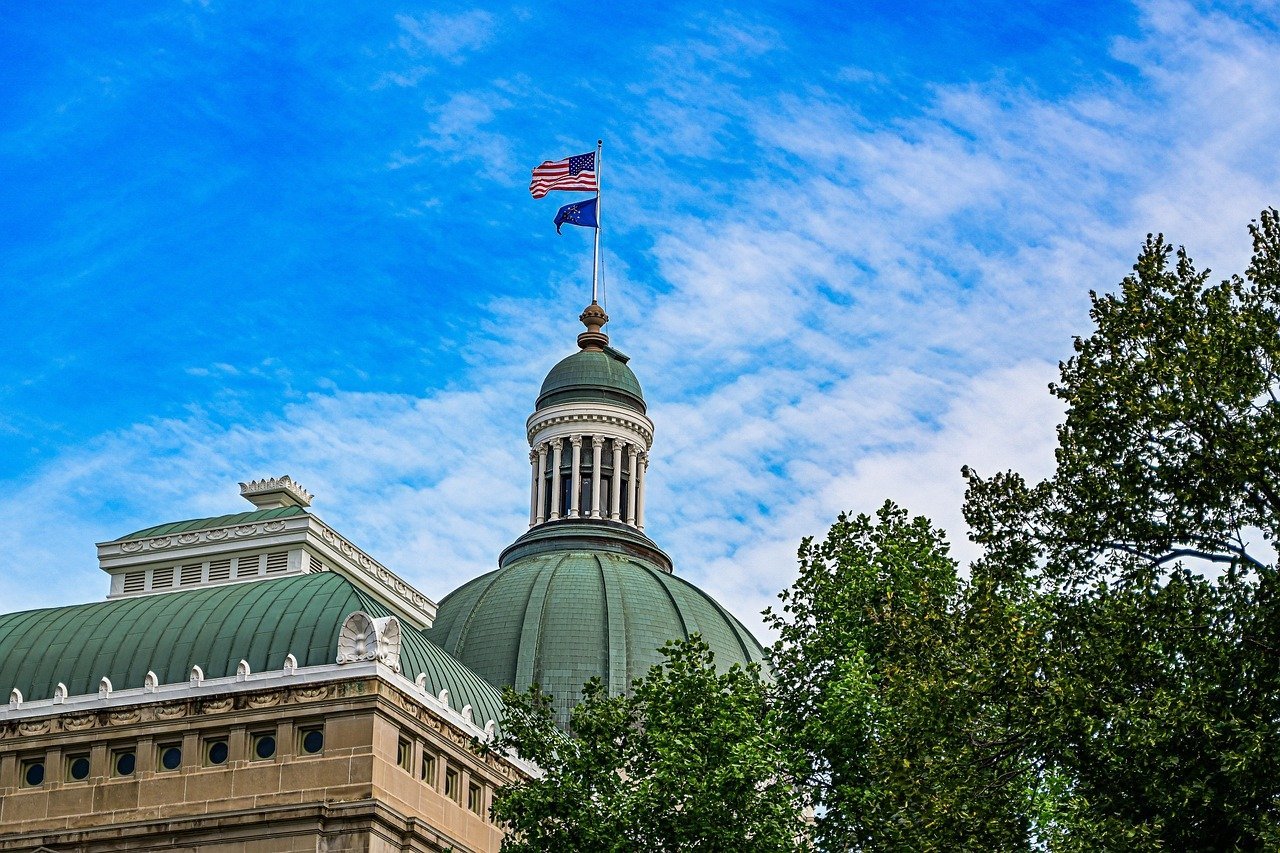
Let’s be real. Indiana rarely dominates headlines. It doesn’t have the cultural cachet of New York or the tech buzz of California. Silicon Valley gets the attention. Hollywood shapes narratives. Yet when you trace back the stories Americans tell about themselves, when you look at what made motorsports matter, basketball beloved, and underdogs worth cheering for, you find Indiana.
The state modeled something essential. Excellence doesn’t require arrogance. Tradition and progress aren’t enemies. Community matters as much as competition. These lessons filtered outward, shaping how Americans across the country think about sports, work, and what’s possible when people commit to something bigger than themselves.
Indiana built traditions that endured because they touched something fundamental. Speed tested at Indianapolis changed how the world races. Basketball fever in packed gyms showed what passion looks like. A tiny school’s championship proved belief matters. A university taught that leadership means responsibility. Factories demonstrated the dignity of work done well.
What Indiana created wasn’t flashy or loud. It was lasting. It was real. And honestly, that might be the most remarkable thing of all. Did you expect that?

Besides founding Festivaltopia, Luca is the co founder of trib, an art and fashion collectiv you find on several regional events and online. Also he is part of the management board at HORiZONTE, a group travel provider in Germany.
