

- The 14 Forgotten Stories Behind America’s Most Famous Landmarks - September 26, 2026
- 15 Times History Was Changed by a Single Speech - September 25, 2026
- “20 Authors Who Captured the American Dream Like No One Else” - September 25, 2026
There’s something about Idaho that doesn’t quite add up. It’s not the first state you think of when mapping America’s cultural DNA. It doesn’t have the glitz of California, the political pull of D.C., or the industrial might of the Rust Belt. Yet somehow, this landlocked expanse of volcanic soil and mountain ranges managed to quietly influence the way the entire country lives, eats, and escapes. Idaho doesn’t perform or posture. It just does the work.
Here’s the thing: while other places were busy inventing, Idaho was perfecting. It took the essentials and made them reliable, scalable, and deeply ingrained in everyday American life. It’s hard to say for sure, but when you trace back where modern food distribution got its backbone, where the mountain resort fantasy was born, or where that sense of rugged independence found its visual language, you keep circling back to Idaho.
The State That Fed America Without Asking for Applause

Idaho produces roughly a third of the nation’s potatoes, which sounds straightforward until you realize the scale and precision behind it. This wasn’t just about planting more acres. Pioneers like J.R. Simplot brought ‘immense capacity for innovation’ to the industry, developing techniques that made food supply chains faster, cheaper, and more dependable.
Simplot discovered how to dehydrate potatoes in the 1940s, revolutionizing the market with the first commercial frozen French fry. Think about that. Before Idaho figured this out, frozen fries weren’t a thing. American troops in World War II relied on Simplot for the majority of their dried potatoes and vegetables. The state didn’t just grow food; it engineered how America could move, store, and serve it efficiently on a massive scale.
Seed potato practices developed by Simplot became almost universal in Idaho’s potato growing areas. Farmers elsewhere watched and adopted what worked. Idaho set the standard, then everyone else followed.
Nature as a Lifestyle, Not a Vacation
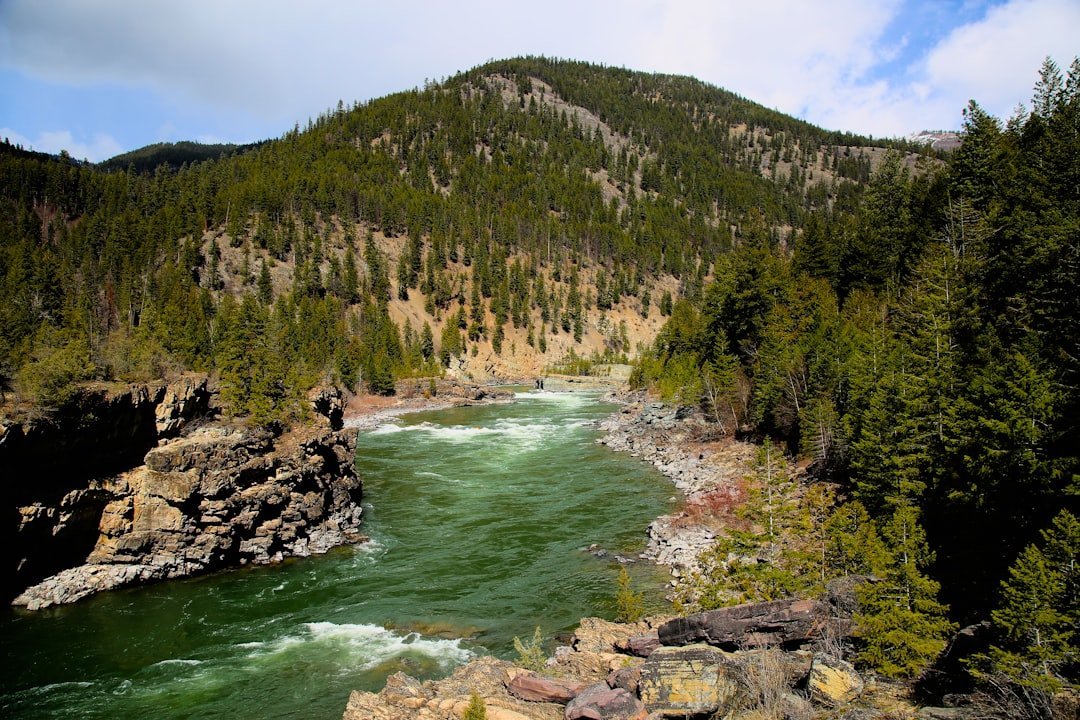
Long before wellness culture made ‘work-life balance’ a LinkedIn buzzword, Idaho residents were living it. Not because it was trendy, but because the landscape made it unavoidable. You could fish a river after a shift, ski on weekends without planning a big trip, or just step outside and breathe space.
This wasn’t resort living or carefully curated Instagram escapes. It was everyday existence woven into mountains, rivers, and open sky. Idaho normalized the idea that outdoor access didn’t need to be a luxury or a rare getaway. It could just be… life. That mentality seeped outward, influencing how Americans started thinking about where they wanted to live and what mattered beyond paychecks and city lights.
Honestly, it’s easy to overlook how radical that was at the time. Most of the country was urbanizing, chasing industry and density. Idaho was quietly proving that a different pace, with nature at the center, could actually work.
Sun Valley: The Blueprint for the American Mountain Escape
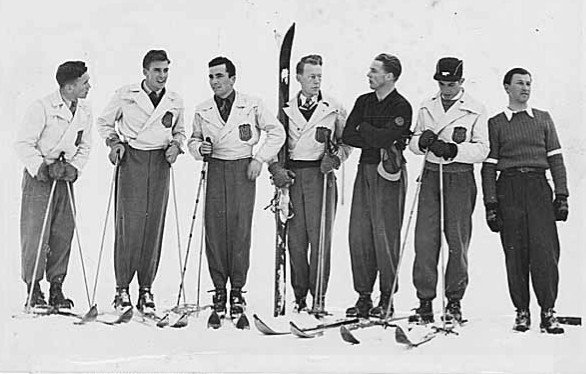
The first destination winter resort in the U.S. was developed by W. Averell Harriman, chairman of the Union Pacific Railroad. Within eight months Sun Valley opened to the public in the winter of 1936, and the concept of the American ski town was born.
Count Felix Schaffgotsch, hired to scout the perfect resort location, told Harriman the area combined ‘more delightful features’ than anywhere he’d seen in the United States, Switzerland, or Austria. The world’s first chairlifts were installed on the resort’s Proctor and Dollar mountains in the fall of 1936, changing how people moved up mountains forever.
Sun Valley didn’t just build a resort. It created the template. The celebrity appeal, the ski-in lifestyle, the year-round destination vibe that turned mountain towns into aspirational hubs across the West. Places like Aspen, Vail, and Jackson Hole followed a model that started in Idaho. Publicist Steve Hannagan coined the resort’s tagline – ‘Winter sports under a summer sun’ – while orchestrating celebrity visits that put Sun Valley on the map.
Where Hollywood Found ‘Anywhere, USA’
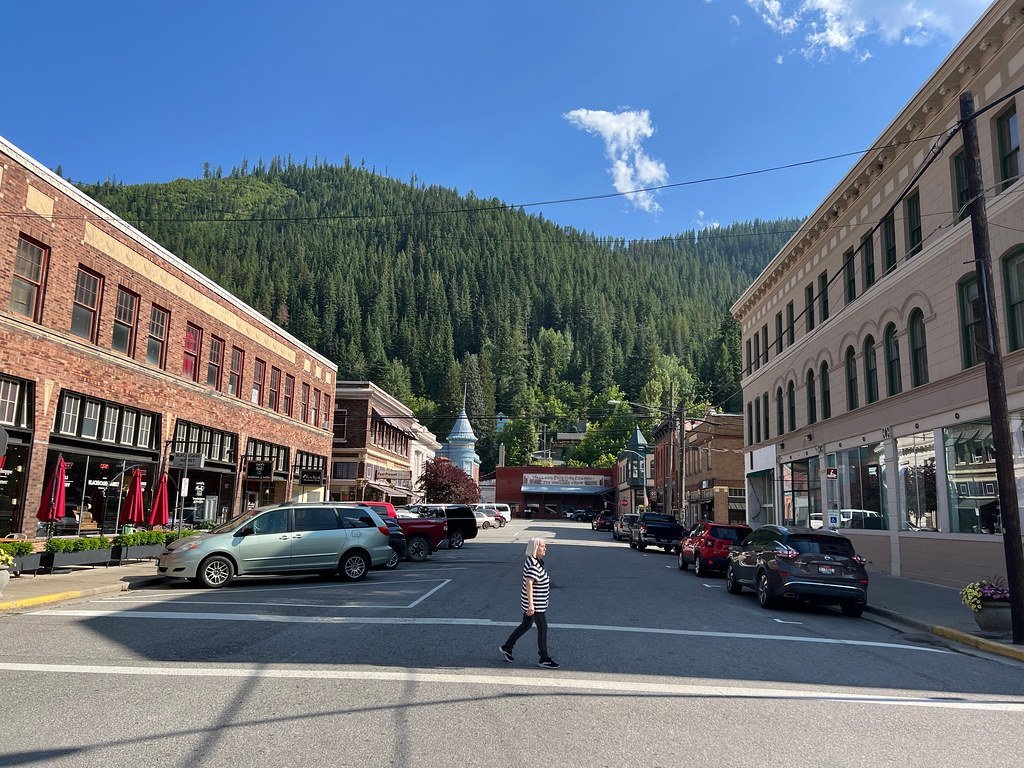
Idaho has a quiet cinematic superpower: its landscapes look like everywhere and nowhere at once. Small towns with wide streets, empty roads cutting through mountains, rural communities that feel timeless. Idaho’s craggy mountains, lava flows, whitewater, farms and quaint towns make it ideal for film production.
Napoleon Dynamite was filmed primarily in Preston, Idaho, showcasing the rural charm and quirky characters of small-town life. Dante’s Peak was filmed in Wallace, Idaho even though the movie is based in Washington. Many movies shot in Idaho were actually set somewhere else, like Dante’s Peak which was set in Washington but shot in Wallace.
Idaho became the stand-in for ‘real America’ on screen without most audiences realizing it. Filmmakers could drop in, capture open spaces and small-town authenticity, then leave. The state shaped the visual imagination of what rural, independent, hardworking America looks like, even when it was playing another state entirely.
The Art of Quiet Self-Reliance
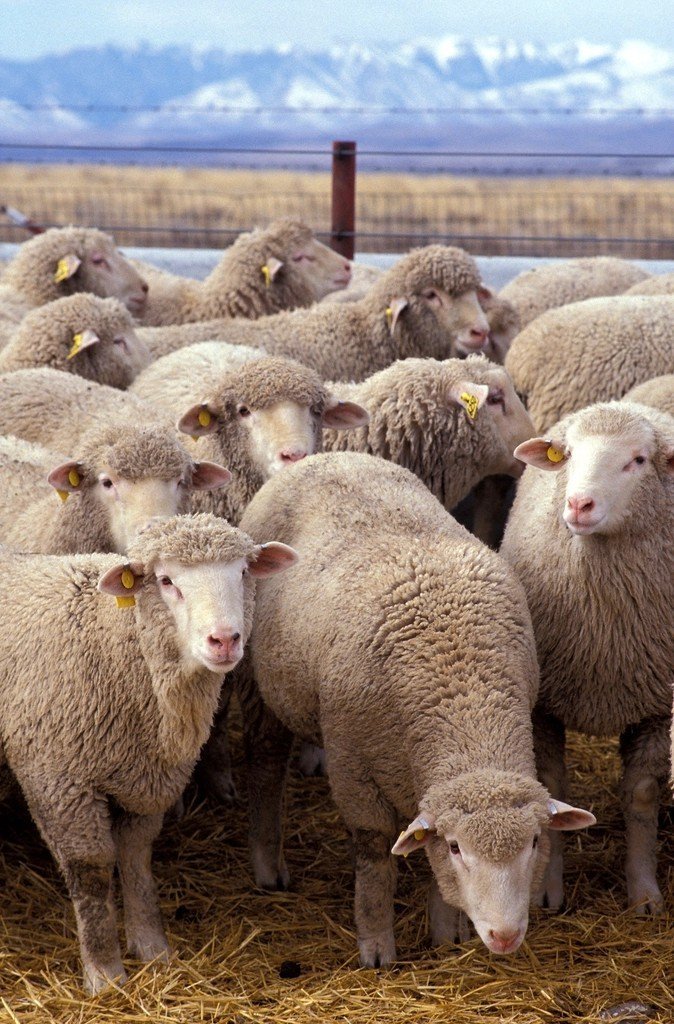
Idaho has always embodied a particular kind of independence. Not the loud, chest-thumping variety, but the kind that just builds things well, solves problems, and moves on. There’s no grand announcement, no victory lap. Just results.
That ethos runs deep. It’s visible in multi-generational farms where families have been working the same land for over a century. Potato growers combine generational wisdom with cutting-edge knowledge, with some Idaho families farming for more than 100 years. It shows up in innovation that happens because it needs to, not because it seeks headlines.
This version of self-reliance became a national value America still admires, even romanticizes. The idea that you can work hard, rely on yourself and your community, and not need constant validation or external approval. Idaho didn’t preach it. It just lived it, and the rest of the country noticed.
A Legacy Written in Soil, Snow, and Silence
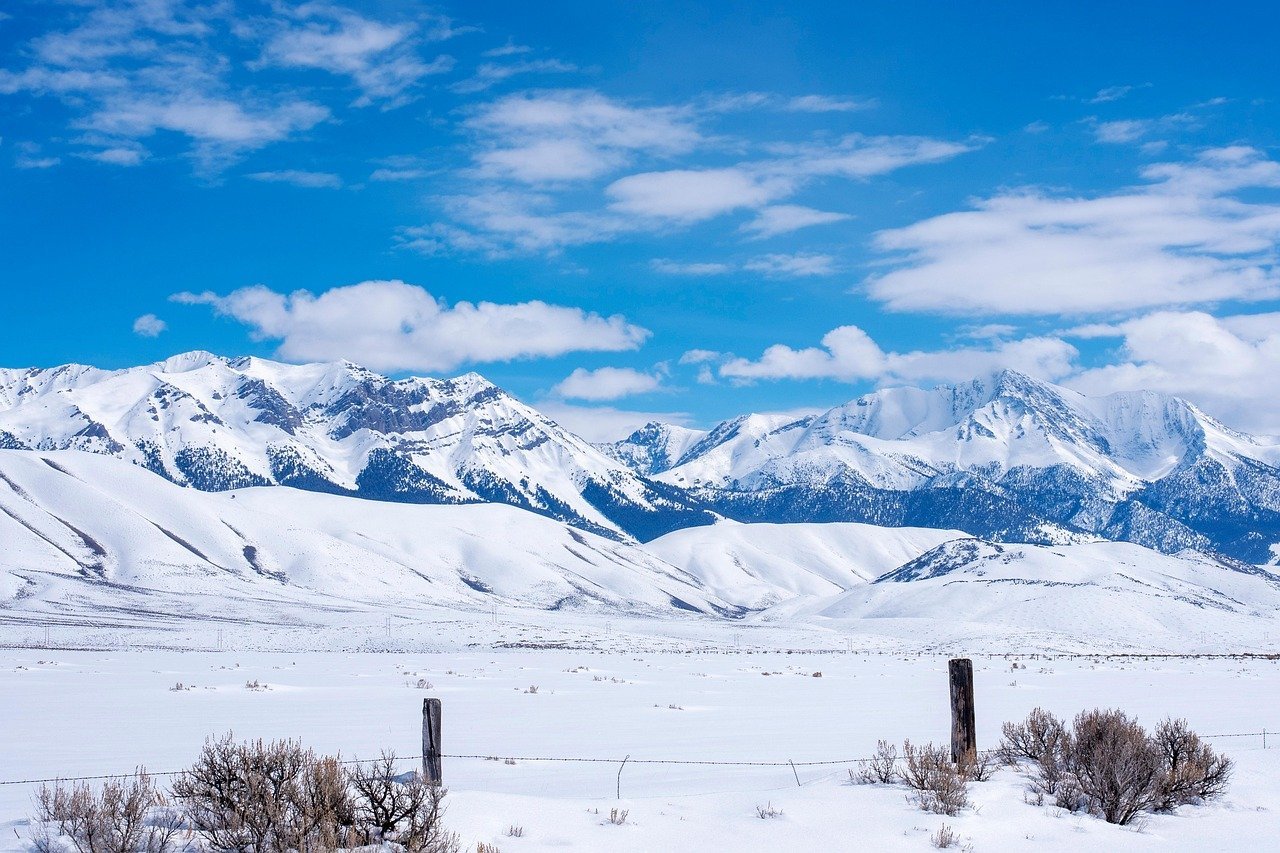
Idaho’s influence never demanded recognition. It built the systems that made feeding millions of people affordable and efficient. It proved mountains could be more than scenery; they could be where Americans learned to play and eventually, to live. It handed Hollywood a visual language for depicting heartland authenticity. It showed that self-reliance doesn’t need to shout to matter.
Idaho’s potatoes are not just a crop; they are a source of pride and a symbol of the state’s commitment to excellence in agriculture. That commitment extended far beyond potatoes. It shaped skiing culture, outdoor lifestyles, and even how America imagines itself on screen.
The backbone of everyday American life was quietly built here. When the country needed to eat better, breathe deeper, and reconnect with land and independence, Idaho was already there, doing the work without waiting for applause. That’s the kind of legacy that doesn’t need headlines. It just endures.
What would America look like if Idaho hadn’t laid that groundwork? Hard to imagine, honestly.

Besides founding Festivaltopia, Luca is the co founder of trib, an art and fashion collectiv you find on several regional events and online. Also he is part of the management board at HORiZONTE, a group travel provider in Germany.
