

For any feedback please reach out to info@festivalinside.com
- From The Rolling Stones to Bruce Springsteen: The Aging Rockstars Keeping Rock Alive - September 26, 2026
- 10 Wild Celebrity Facts That Sound Made Up but Aren’t - September 26, 2026
- “The 16 Secret Meanings Behind America’s Most Famous Novels” - September 25, 2026

Every anime binge or sushi outing introduces outsiders to the phrase “itadakimasu,” uttered right before digging in. Yet few grasp its weight in Japanese culture, where this humble expression pauses the rush of daily life. Rooted in ancient traditions, it transforms a simple meal into a moment of profound respect. What secrets does it hold, and why does it endure in modern Japan?
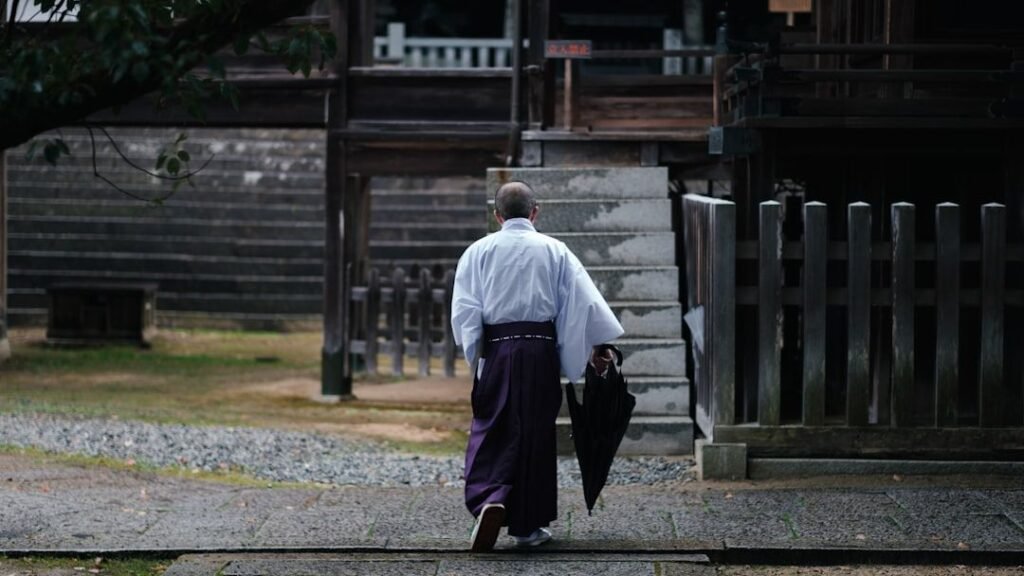
Recent teachings from Osho Taigu spotlight its spiritual core, drawing fresh attention to this everyday custom. Let’s dive into the etymology, religious influences, and societal role that make “itadakimasu” far more than polite table talk.
The True Meaning: Humility in Every Bite
“Itadakimasu,” pronounced ee-tah-dah-kee-mahss, literally means “I humbly receive.” This goes beyond thanking the cook; it honors the entire chain of life sustaining the meal, from farmers’ toil to the natural elements. In a society racing against time, this ritual enforces mindfulness, reminding eaters of their place in a vast web of interdependence. Families recite it together, workers at their desks, students in classrooms, all pausing to cultivate gratitude. Here’s the thing: this daily practice subtly strengthens community ties and nudges toward environmental awareness. No wonder it feels like a quiet rebellion against mindless consumption.
Linguistic Roots in Honorific Tradition
Derived from the verb “itadaku,” an ultra-polite form of “to receive,” the phrase evokes accepting a gift from above, like a divine offering. Back in feudal Japan, such language showed deference to superiors or gods, turning eating into a reverent act. Linguists trace it to Shinto rituals where offerings demanded gracious acknowledgment. Japan’s keigo system, with its layers of politeness, elevates this to everyday elegance. Over centuries, it evolved from temple chants to universal habit. Let’s be real, this nuance makes casual dining feel ceremonial without the fuss.
Shinto Foundations: Thanking the Kami
Shinto’s animism infuses “itadakimasu” with spirit, as kami dwell in rice fields, fish, and vegetables. Diners mentally bow to these essences and the laborers who harvested them, warding off takari, the impurity of greed. This upholds wa, harmony with nature, crucial amid issues like overfishing. Festivals at shrines echo the phrase, blending ancient rite with communal joy. Practitioners see it as balancing human needs with the ecosystem’s gifts. In essence, every meal becomes a micro-ritual of respect for the living world.
Buddhist Layers: Compassion Amid Impermanence
Since Buddhism’s arrival in the sixth century, “itadakimasu” gained notes of mujō, life’s fleeting nature, and metta, loving-kindness for sacrificed beings. Monks in the Kamakura era popularized it, spreading from monasteries to homes. It combats attachment, a suffering root, by fostering empathy for food sources. Modern vegans adapt it for plants, reviving these compassionate vibes. Historical texts confirm its role in daily Zen practice. This fusion makes Japanese dining uniquely holistic, blending awareness with appetite.
Modern Life and Global Echoes
Today, over 90 percent of Japanese students say it at school lunches, per education ministry data, linking to improved mental well-being. Corporate bentos and restaurant signs reinforce it, softening workaholic edges. Globalization spreads it via sushi spots abroad, authentically capturing the vibe. Compared to “bon appétit”‘s joy focus or India’s divine “bismillah,” it stands out for sacrifice gratitude. Thailand’s rice spirit thanks mirror it animistically. Anthropologists eye it as a sustainability blueprint worldwide.
Osho Taigu’s Call to Mindful Eating
Osho Taigu frames “itadakimasu” as a “bow to the universe’s generosity,” turning meals into meditation. He warns skipping it invites ingratitude’s emptiness, tying it to Japan’s low food waste. Workshops teach it globally, building cross-cultural bridges. Amid urbanization, it anchors youth via social media remixes. Environmentalists leverage it for conservation talks. Taigu’s insights reveal its power against modern disconnection from food origins.
Final Thought
This unassuming phrase captures Japan’s respectful soul, blending past wisdom with future needs. It whispers sustainability in every utterance, resilient across generations. How might adopting “itadakimasu” shift your own meals? Share in the comments.
Source: Original YouTube Video

Christian Wiedeck, all the way from Germany, loves music festivals, especially in the USA. His articles bring the excitement of these events to readers worldwide.
For any feedback please reach out to info@festivalinside.com
