

- The Stories Behind 12 Iconic Movie Props You Never Knew Existed. - August 12, 2026
- 10 Concerts So Legendary, They Defined the Sound of a Generation. - August 12, 2026
- 10 Heavy Metal Rock Songs of The 70’s That Still Dominate Charts Today. - August 12, 2026

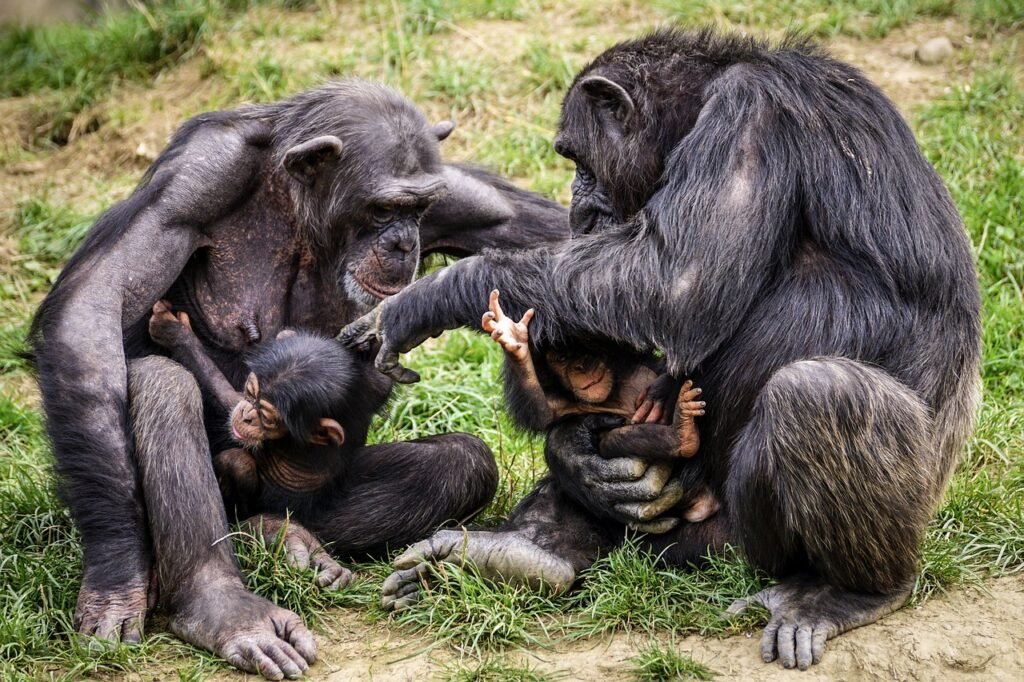
A Surge of New Life in the Animal Kingdom (Image Credits: Pixabay)
Los Angeles – The Los Angeles Zoo marked a significant achievement this year with the arrival of five great ape infants over the past four months, highlighting dedicated efforts to bolster endangered populations.
A Surge of New Life in the Animal Kingdom
The recent births represent a rare and exciting development for the zoo’s great ape program. Staff members watched in anticipation as a western lowland gorilla infant joined the family on November 22, bringing the total to five newborns. This included three chimpanzees and an orangutan, each arrival carefully monitored to ensure the health of both mothers and babies. The event underscores the zoo’s commitment to species preservation amid declining wild populations. Visitors and conservationists alike celebrated the news as a beacon of hope for these majestic creatures.
Behind this baby boom lies a story of meticulous preparation and collaboration among experts. The zoo’s team coordinated breeding recommendations from the Species Survival Plan, which guides genetic diversity in captivity. Daily routines, such as early morning feedings, played a crucial role in supporting the apes’ well-being. These efforts not only facilitated successful pregnancies but also strengthened family bonds within the exhibits. The outcome demonstrates how strategic planning can yield tangible results in wildlife conservation.
The Science and Strategy Behind the Births
Years of careful matchmaking and health assessments paved the way for this population growth. Veterinarians and keepers worked together to pair compatible individuals, drawing on data from national conservation networks. For instance, the gorilla mother, already experienced from a previous birth, received specialized prenatal care to optimize conditions. Similar attention went to the chimpanzee and orangutan troops, where social dynamics influenced breeding success. This approach ensured that each introduction minimized stress and maximized natural behaviors.
Nutritional programs formed another cornerstone of the initiative. Keepers like those distributing medications and enriched diets every morning helped maintain optimal conditions for reproduction. Monitoring technologies tracked vital signs, allowing quick interventions when needed. The zoo’s habitats, designed to mimic wild environments, encouraged instinctive parenting. Overall, these elements combined to create an environment conducive to thriving ape families.
Challenges and Triumphs in Ape Care
Caring for newborn great apes demands round-the-clock vigilance from the zoo staff. Infants remain closely attached to their mothers, requiring subtle support to avoid interference with bonding. In the case of the latest gorilla baby, whose gender awaits confirmation, keepers observed from afar to assess progress. Chimpanzee litters presented unique dynamics, with siblings integrating the newcomers into play groups. Orangutan mothers, known for their solitary tendencies, adapted well under the zoo’s watchful eye.
Despite the joys, hurdles arose in managing such a concentrated influx. Space allocation within enclosures needed adjustments to accommodate growing families. Health protocols intensified to prevent any cross-species issues. Yet, the team’s experience turned potential obstacles into opportunities for refinement. This baby boom not only expanded the zoo’s population but also enriched educational outreach to the public.
Broader Implications for Wildlife Preservation
The L.A. Zoo’s success story extends beyond its gates, contributing to global efforts against habitat loss and poaching. These births bolster the captive assurance population, providing a safety net for species facing threats in the wild. Partnerships with international organizations amplify the impact, sharing knowledge on breeding techniques. Public engagement through exhibits fosters awareness and support for conservation funding. In this way, the zoo transforms individual milestones into collective progress.
- Western lowland gorilla: Born November 22, second offspring for its parents.
- Orangutan: A single infant adding to the exhibit’s genetic diversity.
- Three chimpanzees: Strengthening the troop’s social structure.
- Overall total: Five great apes in four months, a record for the facility.
- Future plans: Continued monitoring and potential expansions.
Key Takeaways
- The baby boom resulted from coordinated breeding under the Species Survival Plan.
- Daily care routines, including specialized nutrition, supported maternal health.
- These births enhance genetic diversity and public education on endangered species.
As the L.A. Zoo continues to nurture these young great apes, their story reminds us of the power of human dedication in safeguarding biodiversity. What aspects of wildlife conservation excite you most? Share your thoughts in the comments below.
CEO-Co-Founder
