

- The Stories Behind 12 Iconic Movie Props You Never Knew Existed. - August 12, 2026
- 10 Concerts So Legendary, They Defined the Sound of a Generation. - August 12, 2026
- 10 Heavy Metal Rock Songs of The 70’s That Still Dominate Charts Today. - August 12, 2026

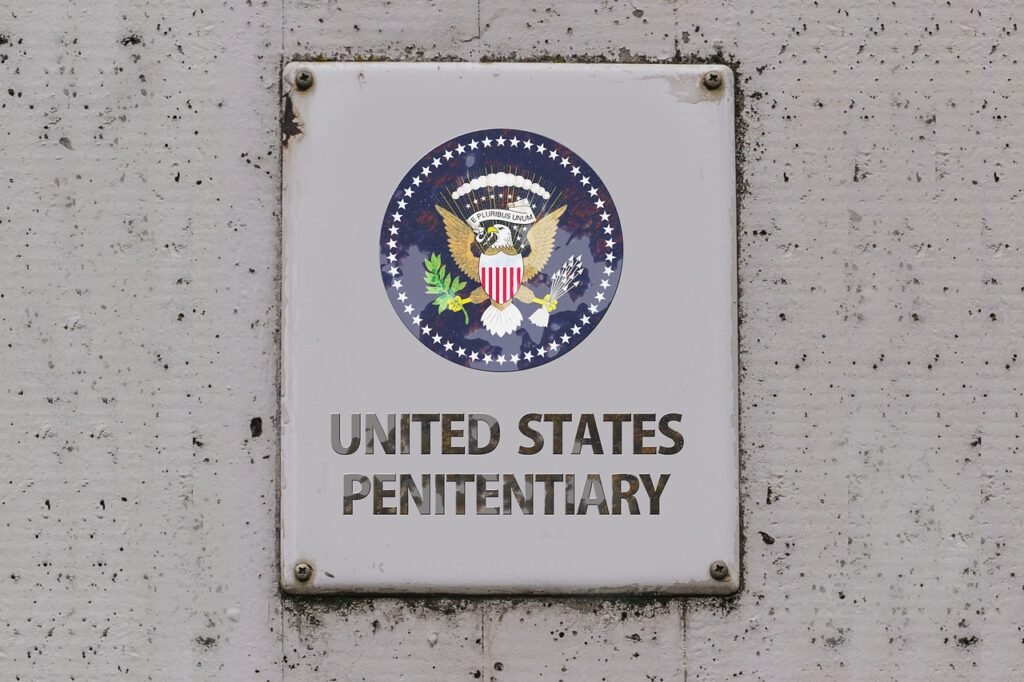
The Tragic Incident That Shook the City (Image Credits: Pixabay)
Chicago – A Cook County judge delivered a life sentence to the individual responsible for the fatal shooting of Chicago Police Officer Andrés Vásquez Lasso, yet recent state legislation provides a pathway for potential release after four decades due to the offender’s age at the time of the crime.
The Tragic Incident That Shook the City
The murder of Officer Vásquez Lasso occurred during a routine response to a call in the Gage Park neighborhood last year. The officer, who had served with the Chicago Police Department for just two years, succumbed to his injuries after being shot while pursuing a suspect. Authorities quickly identified the perpetrator as a 20-year-old man who fled the scene but was apprehended shortly thereafter. The case drew widespread attention, highlighting the dangers faced by law enforcement in urban areas. Community members and fellow officers gathered in mourning, emphasizing the profound loss to both the department and the city.
Investigators detailed how the confrontation escalated rapidly, leading to the officer’s death. The suspect faced multiple charges, including first-degree murder of a peace officer, which carried severe penalties under Illinois law. Prosecutors built a strong case based on eyewitness accounts and forensic evidence recovered from the scene. The trial process unfolded over several months, culminating in a verdict that reflected the gravity of the offense. Families of both the victim and the accused endured an emotional ordeal throughout the proceedings.
Details of the Courtroom Verdict
On Tuesday, the judge imposed the maximum sentence of natural life in prison during a hearing in Cook County Circuit Court. The courtroom filled with supporters of the fallen officer, who heard emotional testimonies from his widow and colleagues. The defendant showed little remorse, according to reports from those present. Despite the life term, the ruling acknowledged the constraints of evolving state statutes on sentencing for young offenders. The decision underscored the balance between retribution and rehabilitation in the justice system.
Legal experts noted that the sentence aligned with guidelines for such crimes, yet the parole provision introduced a layer of complexity. The offender’s age – under 21 during the incident – triggered application of the newer law, preventing a sentence without any hope of release. Court documents outlined the specifics of the penalty, ensuring it met constitutional standards. The prosecution pushed for the harshest possible outcome, but the final ruling incorporated the reform’s influence. This outcome left many in the law enforcement community grappling with the implications.
Understanding the 2023 Criminal Justice Reform
Illinois lawmakers enacted the reform in 2023 as part of broader efforts to address sentencing disparities, particularly for juveniles and young adults. The legislation aimed to recognize brain development science, arguing that individuals under 21 possess a greater capacity for change. Key provisions limit life sentences without parole for this age group in certain cases, including murders. Supporters viewed it as a step toward reducing mass incarceration and promoting second chances. Critics, however, raised concerns about public safety, especially in high-profile cases like this one.
The law specifically allows those sentenced to life to petition for parole after serving 40 years, provided they meet rehabilitation criteria. This applies retroactively in some instances but primarily to future cases. Data from state reports indicated that such reforms could affect hundreds of inmates over time. Implementation involved collaboration between legislators, advocacy groups, and justice officials. While the measure passed with bipartisan support, debates continue on its real-world effects.
Reactions and Future Ramifications
News of the sentencing sparked varied responses across Chicago. Police unions expressed frustration over the parole eligibility, calling for exemptions in cases involving officers. Victim advocates highlighted the pain inflicted on the officer’s family, who must now face the possibility of his killer’s release. Social media buzzed with discussions on balancing justice and mercy. Local leaders urged ongoing dialogue to refine such policies.
Looking ahead, this case may influence upcoming legislative reviews. Similar reforms in other states have led to adjusted sentencing practices. Illinois officials monitor outcomes to assess impacts on recidivism rates. The incident serves as a stark reminder of ongoing tensions in criminal justice. Stakeholders anticipate further refinements to address concerns from all sides.
Key Takeaways
- The offender received life imprisonment for murdering Officer Vásquez Lasso.
- A 2023 Illinois law enables parole consideration after 40 years for those under 21 at the time of the crime.
- The reform seeks to account for youthful offenders’ potential for rehabilitation.
This sentencing illustrates the evolving landscape of Illinois criminal justice, where severe penalties coexist with opportunities for redemption. As the state navigates these changes, the focus remains on honoring victims while fostering safer communities. What are your thoughts on this balance between punishment and reform? Share in the comments below.
CEO-Co-Founder
