


For any feedback please reach out to info@festivalinside.com
- The true stories behind these classic rock anthems are more dramatic than you think. - August 23, 2026
- 10 Hollywood Scandals From The Golden Age That Shocked The Nation - August 22, 2026
- 10 Architectural Wonders Of The Modern World That Defy All Expectations. - August 22, 2026
Think America is one big, unified country where everyone experiences life the same way? Think again. The truth is, daily life in one state can feel wildly different from another, even though we all share the same flag and national anthem. From bizarre laws that actually exist on the books to shocking differences in what you pay for rent or groceries, the United States is more like a collection of mini countries than one cohesive nation. Let’s be real, you could drive a few hours and suddenly find yourself in what feels like a completely different world. So let’s dive in.
The Cost of Living Can Make or Break Your Wallet
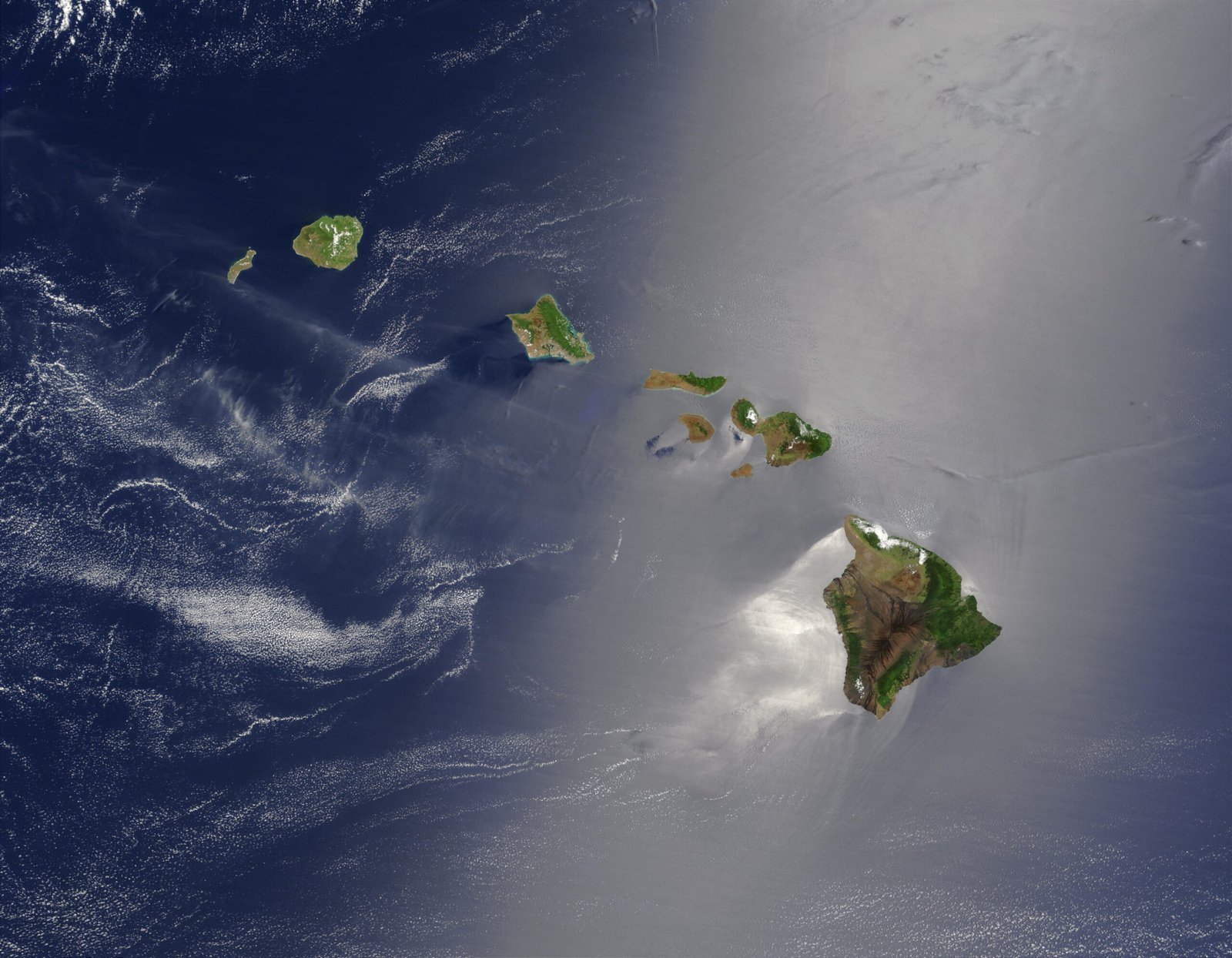
Hawaii’s cost of living index is nearly double the national average, making it the most expensive state in the nation. Meanwhile, Mississippi has the lowest cost of living in the country, with a cost of living index of just 83.3. I know it sounds crazy, but what a hundred dollars can buy you in one state might only stretch half as far in another. Consider this for a moment. In Mississippi, the median home price sits at around $140,818, which is a number that might make coastal residents weep with envy. Compare that to Hawaii, where median home prices in Honolulu hover around $761,755. The difference is staggering. Rent follows the same pattern, groceries cost vastly different amounts, and even basic utilities can vary wildly depending on which state you call home.
Some States Have Laws That Sound Like Jokes

Here’s the thing about American law. Every state has the power to create its own regulations, and boy, have some of them gotten creative over the years. In Alabama, it’s illegal to wear a fake mustache in church if it results in laughter and disrupts the service. You read that right. Arizona has a law that originated in the 1920s prohibiting donkeys from sleeping in bathtubs, stemming from a peculiar incident when a donkey was swept away by a flood while resting in a bathtub. North Dakota law prohibits the simultaneous serving of beer and pretzels in bars or restaurants, which leaves many bar patrons scratching their heads. These aren’t urban legends or internet hoaxes. They’re actual laws still technically on the books, even if they’re rarely enforced today. It makes you wonder what kind of chaos led to these rules in the first place.
Your Paycheck Depends Heavily on Where You Live

When people talk about salaries, they often forget one crucial detail. What you earn only matters in relation to what things cost where you live. At least 20 states increased their statewide minimum wage starting January 1, with Washington state having the highest at $16.66 per hour, followed by California at $16.50. Yet even with those higher wages, residents in those states often struggle more than people in lower wage states because housing and daily expenses eat up so much more of their income. Honestly, a ninety thousand dollar salary in Missouri might give you the same quality of life as earning one hundred fifty thousand in New York. The math changes everything depending on your ZIP code. What feels like a comfortable middle class existence in one state might barely cover basic needs in another.
Weather Extremes Vary More Than You’d Think
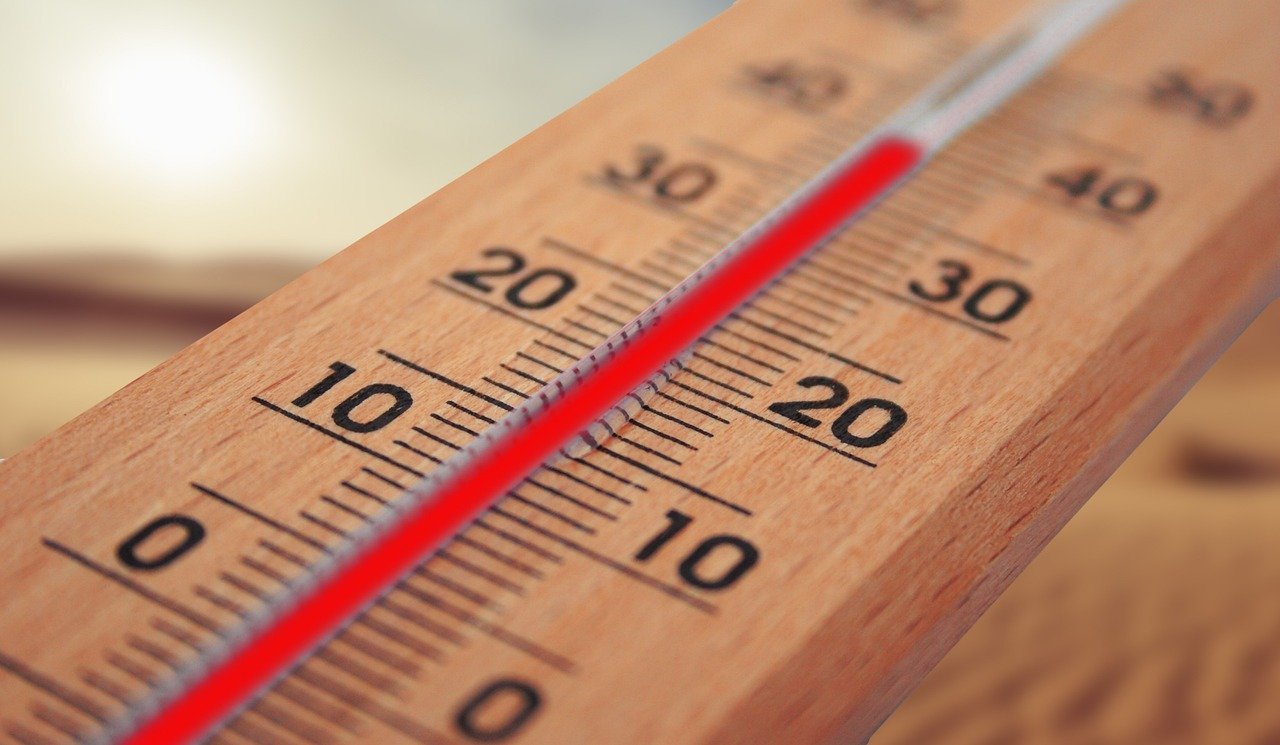
Florida is the hottest state in the United States, with an average annual temperature of 71.5 degrees Fahrenheit between 1991 and 2020. On the complete opposite end of the spectrum, Alaska is the coldest state with an average temperature of 28.1 degrees Fahrenheit, and it can go as low as negative 30 degrees during winter months. Montana holds extreme weather records too, including the greatest temperature change in 24 hours recorded in Loma in 1972, when the temperature changed by 135 degrees Fahrenheit, and the coldest temperature in the lower 48 states at negative 70 degrees at Rogers Pass. Living in these different climates means fundamentally different daily experiences. Your wardrobe, your home heating and cooling bills, and even your outdoor activities shift dramatically based on whether you’re battling scorching desert heat or arctic blasts.
State Privacy Laws Create a Legal Patchwork

Over 40 percent of US states have implemented consumer privacy laws, and momentum continues to grow as additional states propose and consider their own legislation. The problem? Each state creates its own unique rules. Five new privacy laws took effect in 2025, and three more were set to take effect later in the year, adding to the growing complexity of compliance for businesses navigating an increasingly fragmented landscape of state regulations. If you run a business that operates across state lines, you could be dealing with dozens of different privacy requirements. What’s perfectly legal in one state might violate another state’s consumer protection laws. The lack of a federal privacy standard has created this messy situation where companies and citizens alike struggle to keep up with which rules apply where.
Education Systems Operate on Different Planets

Let’s be real about education in America. The quality of your child’s schooling depends enormously on which state you live in. Funding levels, teacher salaries, curriculum standards, and graduation requirements all vary wildly. Some states pour massive resources into public education while others barely scrape by with minimal budgets. Testing requirements differ, college admission standards shift, and even the history taught in classrooms can present vastly different narratives depending on your location. It’s hard to say for sure, but this fragmentation probably contributes to significant achievement gaps across the country. A student receiving top marks in one state might struggle to keep up if their family moves to another state with more rigorous standards.
Healthcare Access and Costs Aren’t Equal

For benchmark Affordable Care Act plans in 2025, states like Vermont had the highest average monthly premiums at around $1,157 per month, Alaska at $1,088 per month, and New York at $1,038 per month, while New Hampshire had the lowest at $373 per month and Maryland at $412 per month. The same insurance coverage can cost nearly three times as much in one state versus another. Healthcare spending varies dramatically too. When considering total per capita healthcare spending, New York reached approximately $14,007 per year, Alaska around $13,642 per year, and Massachusetts about $13,319 per year. Access to specialists, hospital quality, wait times for appointments, and availability of cutting edge treatments all depend on your state. Rural states often face doctor shortages while urban coastal areas have an abundance of medical facilities.
Unique Geographic Features Create Distinct Lifestyles
California contains both the highest point in the contiguous United States at Mount Whitney, standing at 14,494 feet, and the lowest point at Badwater Basin in Death Valley, sitting 282 feet below sea level, and these two extremes are just 85 miles apart. That’s the kind of geographic diversity that shapes how people live. Florida’s Everglades National Park is the only place in the world where alligators and crocodiles coexist in the same environment. Wyoming is home to only two escalators, both in the city of Casper, which tells you something about how rural and spread out the state remains. These geographic quirks influence everything from tourism to transportation infrastructure to what kind of outdoor recreation dominates local culture.
Tax Structures Punish or Reward Depending on Location
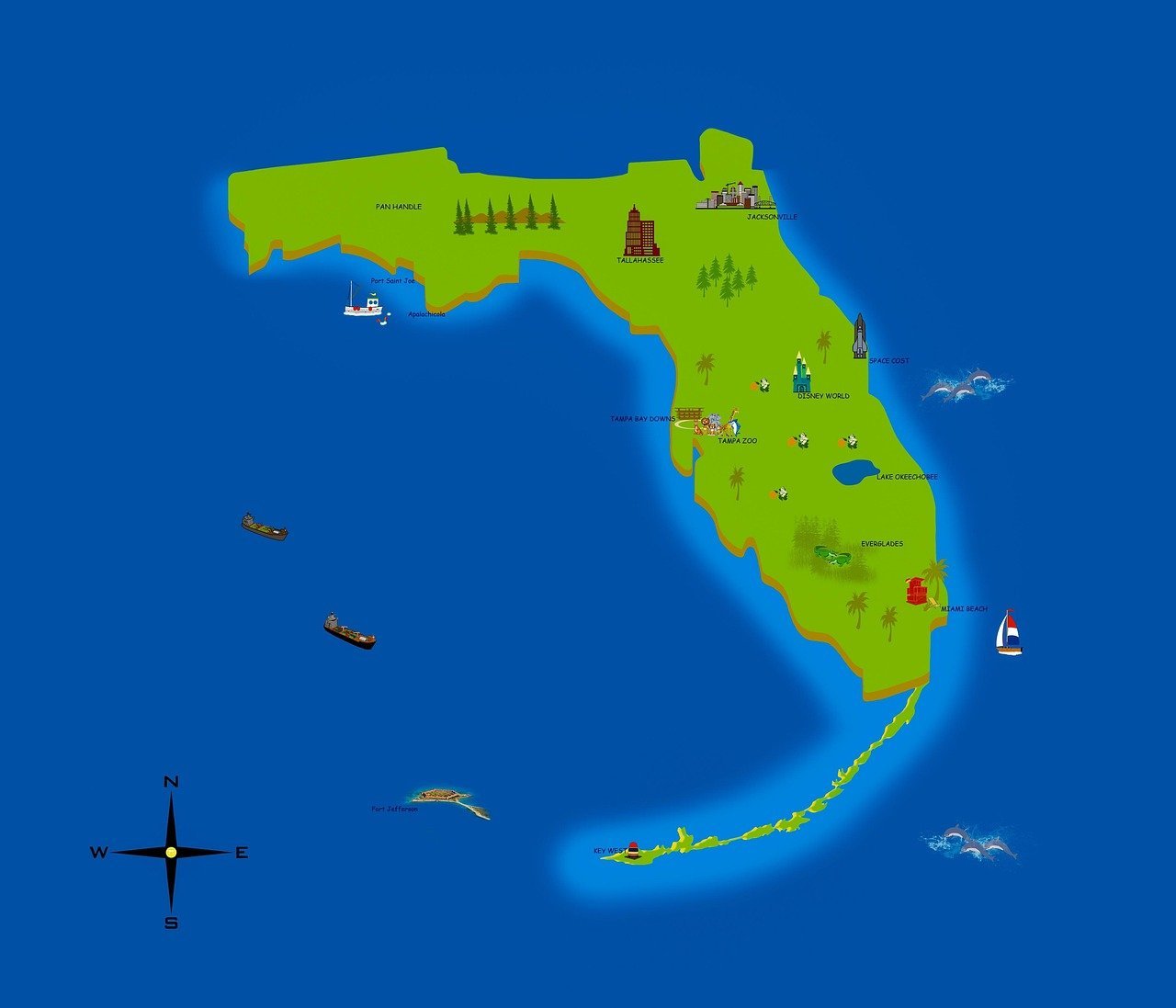
Some states have no income tax at all, which sounds amazing until you realize they often make up for it with higher sales taxes or property taxes. Texas has long been known for its affordable housing, strong job growth, and lack of state income tax, and according to recent 2025 data, the state continues to offer one of the most balanced costs of living in the country. Florida follows a similar model, attracting retirees and workers alike who want to keep more of their paychecks. Other states, particularly in the Northeast, impose hefty income taxes but might offer better public services in return. The tax burden you face changes dramatically based on where you file your returns. Sales tax on everyday purchases ranges from zero in some states to nearly double digit percentages in others. Property taxes can eat up thousands more per year in high tax states compared to low tax havens.
Cultural Attitudes Shift Across State Lines

People on the west coast are typically seen as more laid back, while people on the east coast are more often considered standoffish and rude. Regional accents tell you immediately where someone grew up. The Southern American accent is one of the most distinct, and those with southern accents tend to use words like y’all that you won’t hear in other parts of the country. In the Midwest, you’ll commonly hear the word “ope” used when someone accidentally bumps into something, which is a bit like the Midwestern version of “oops” and “excuse me”. Pace of life varies too. New York City moves at a frantic speed while small town Montana feels like time slows down. Political leanings, religious practices, and social norms all shift as you cross state borders.
What Counts as Legal Changes State to State

Governor Andy Beshear signed into law legislation legalizing marijuana for medical purposes in Kentucky, with the program taking effect on January 1, 2025. Yet marijuana remains completely illegal in many other states. Florida enacted a law banning children under 14 from having social media accounts, and limiting 14 and 15 year olds to accounts authorized by their parents. These kinds of laws simply don’t exist in most other states. Gun regulations provide another stark example. A new Minnesota law prohibits guns with binary triggers that allow for more rapid fire, causing a weapon to fire one round when the trigger is pulled and another when it is released. Meanwhile, New Hampshire Governor Chris Sununu signed legislation allowing workers in the state to store guns and ammunition in their vehicles. The legal landscape shifts so dramatically from state to state that what’s perfectly acceptable behavior in one location could land you in serious legal trouble just across the border.
Infrastructure Quality Isn’t Remotely Consistent
Drive through different states and you’ll immediately notice the roads. Some states maintain smooth, well marked highways while others let their infrastructure crumble into pothole filled nightmares. Public transportation options range from comprehensive subway and bus systems in places like New York to virtually nonexistent in rural states where you absolutely need a car to survive. Internet access speeds, cellphone coverage, water quality, and electrical grid reliability all vary. The Lake Pontchartrain Causeway stretches an astonishing 24 miles across the lake, providing a direct connection between areas of Louisiana, with the first span taking just 14 months to build and opening in 1956. Some states invest heavily in modernizing their infrastructure while others fall further behind, creating real quality of life differences for residents.
Job Markets and Industries Define State Economies
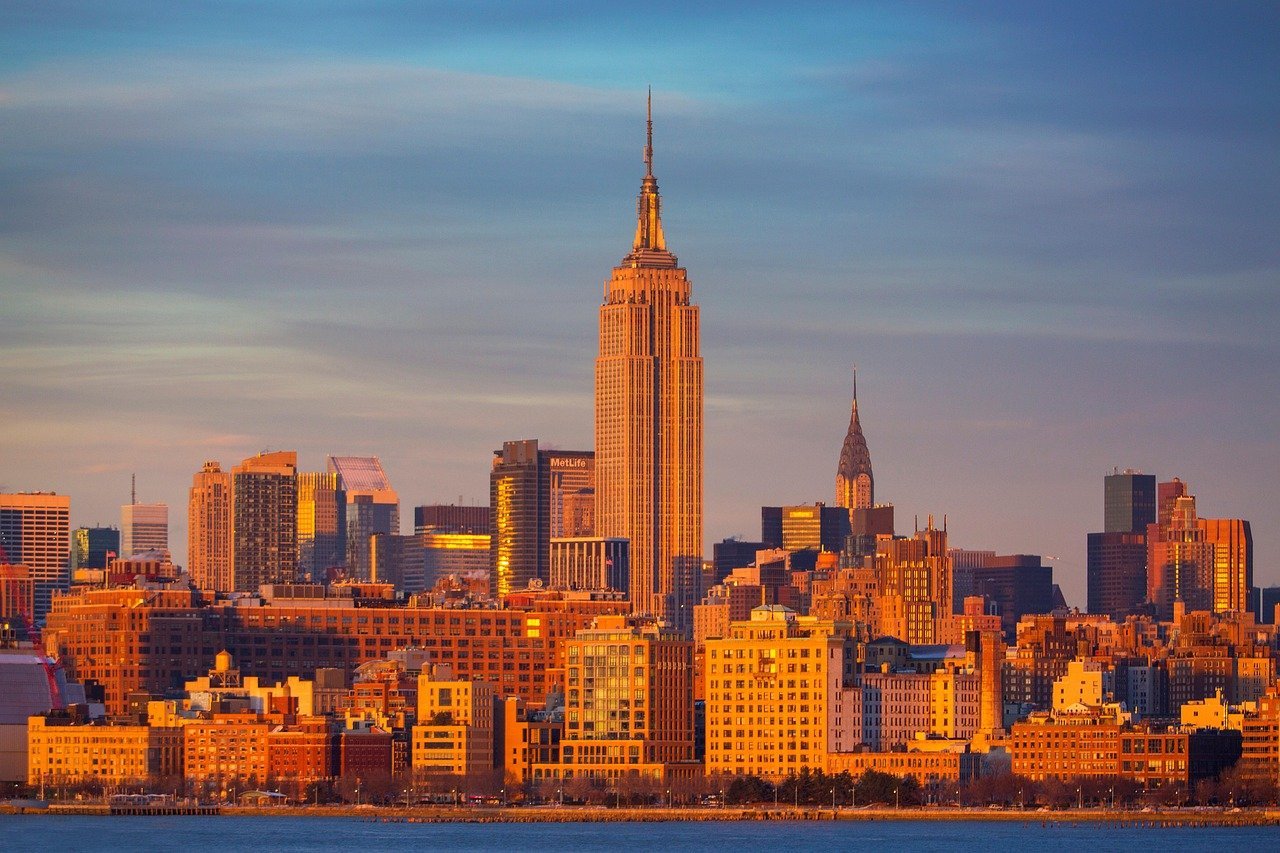
Texas thrives on oil and gas while California dominates in technology and entertainment. Michigan still centers heavily around automotive manufacturing while Hawaii relies massively on tourism. These economic specializations mean job opportunities, average salaries, and career paths look completely different depending on where you live. If you work in tech, you’ll find far more opportunities in Silicon Valley or Seattle than in rural Mississippi. Financial services jobs concentrate in New York. Aerospace clusters around certain states. The economic reality of your state determines what kind of work you can find and how much you can earn doing it.
State University Systems Offer Vastly Different Value

Public university tuition varies enormously by state. Residents of states with well funded university systems can access quality higher education at a fraction of the cost that students in other states must pay. Some states offer generous in state tuition rates and robust scholarship programs while others provide minimal support, forcing students to take on crushing debt or look out of state. The quality of public universities differs too, with some state systems consistently ranking among the nation’s best and others struggling with underfunding and lower academic standards. Where you grow up literally determines how accessible and affordable college will be for you.
Food Culture and Regional Cuisines Set States Apart

Kentucky is well known for its bourbon, with famous distilleries in the state, and barrels of bourbon outnumber people by millions, but buying bourbon isn’t possible everywhere in the state because some counties are completely dry with no liquor sales allowed, while many more are moist with alcohol only legal in certain places, meaning alcohol is fully legal in under half the state’s counties. Louisiana claims Creole and Cajun cooking as its cultural heritage. Texas obsesses over barbecue with fierce regional debates about proper preparation methods. The Pacific Northwest prides itself on fresh seafood and coffee culture. These aren’t just tourist attractions. They’re deeply embedded parts of daily life that shape what people eat, where they socialize, and how they celebrate. Regional food traditions create distinct culinary identities that make each state feel unique.
How Your Dollar Actually Stretches Matters Most
At the end of the day, understanding these state by state differences helps you make smarter life decisions. Whether you’re considering a move, evaluating a job offer, or just curious about how the other half lives, recognizing that America is really fifty different experiences under one flag changes your perspective. The same salary can provide vastly different lifestyles. The same laws don’t apply everywhere. The same weather patterns don’t exist coast to coast. These variations make America simultaneously fascinating and frustrating, offering incredible opportunities in some places while presenting significant challenges in others. The takeaway? Where you live in America matters just as much as how you live.

Christian Wiedeck, all the way from Germany, loves music festivals, especially in the USA. His articles bring the excitement of these events to readers worldwide.
For any feedback please reach out to info@festivalinside.com
