

For any feedback please reach out to info@festivalinside.com
- These 10 Books Will Challenge Everything You Thought You Knew About History. - August 12, 2026
- 13 Top Trending Songs on Instagram Reels in 2026 - August 12, 2026
- The Best Rock Music Was Made When Nobody Was Watching - August 12, 2026
Ever thought you knew everything about music festivals? Think again. These massive gatherings of music lovers have been shaping culture, creating memories, and breaking records for longer than most people realize. From ancient Greece to modern day megafests, the story of music festivals is packed with surprises that’ll make you see these events in a whole new light.
Whether you’re a seasoned festival goer or someone who just enjoys learning about cultural phenomena, the world of music festivals holds secrets that even the most dedicated fans might not know. What started as religious celebrations has evolved into billion dollar industries and cultural movements that literally change history. Let’s be real, there’s way more to these muddy fields and crowded stages than meets the eye.
The First Music Festival Happened Over 2,500 Years Ago
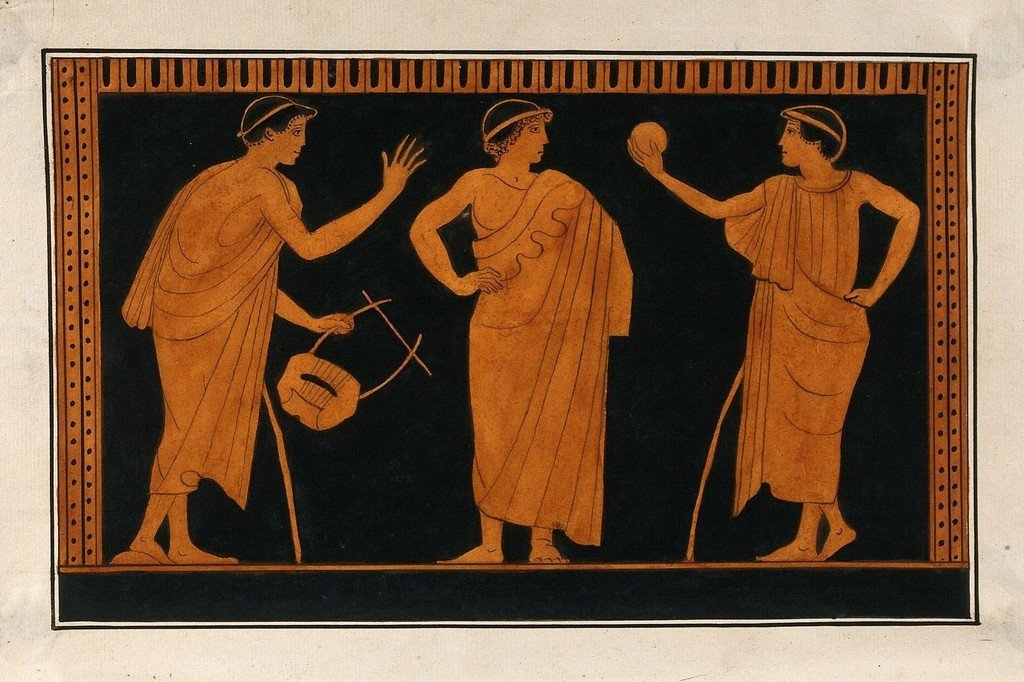
You might think music festivals are a modern invention, but humans have been gathering for musical celebrations since ancient times. The first recorded music festival was held in 582 BC, in Ancient Greece, during the Pythian Games. This wasn’t just some small gathering either. Created to celebrate the destruction of Python and the appearance of the Oracle of Delphi, the games featured musical competitions, lasting six to eight nights, with performances on aulos and kitharas. Imagine sitting under the stars in ancient Greece, watching musicians compete with instruments that sound completely foreign to modern ears.
These ancient festivals weren’t casual affairs. They were serious cultural events where music was treated as a divine art form worthy of competition and celebration. The Greeks understood something fundamental that we’re still experiencing today. Music has this incredible power to bring communities together in ways nothing else can.
Woodstock Wasn’t Actually in Woodstock
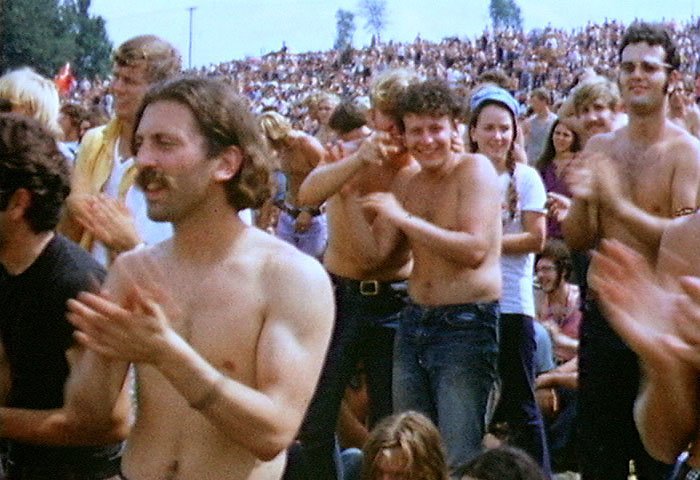
Here’s something that trips people up all the time. Woodstock didn’t actually happen in Woodstock, but on a farm in Bethel, New York, about an hour outside of the town of Woodstock. The organizers kept the name because of its association with artists like Bob Dylan who lived in the Woodstock area. Talk about effective branding from the start.
The festival ran into major problems before it even began. Unable to find a suitable spot in Woodstock itself, the organizers signed a deal to hold the festival in an industrial park in nearby Wallkill, but when local officials realized the festival was expected to draw 50,000 people, they passed a law prohibiting the event just a month before the concert, and Max Yasgur finally agreed to lease them 600 acres of his sprawling alfalfa farm for $75,000. The whole thing almost didn’t happen. More than 100,000 tickets were sold, but nearly half a million people descended upon the 600-acre farmland in New York, and organizers were running out of time, so they had to decide between completing the venue’s fencing or building the stage, and they opted for the latter. This turned what was supposed to be a ticketed event into a free festival, simply because there was no way to control the crowds.
The World’s Largest Festival Attracts Over 3 Million People

When you think of big festivals, Coachella or Glastonbury might come to mind. Those are huge, sure, but they’re nothing compared to the actual record holder. The three-day Donauinselfest festival’s previous attendance record was set in 2013, with 3.2 million visitors, and in 2015, 1.2 million people attended on Saturday, with 1.1 million on Friday and 1 million on Sunday, breaking its own world record.
This massive free festival takes place in Vienna, Austria, on an island in the Danube River. The festival is held on Donauinsel, which is a 13-mile island in the centre of Vienna, with the festival site itself taking up 4 miles and broken up into several areas that play host to over 2,000 artists, featuring 13 stages and 17 themed areas. It’s honestly hard to wrap your head around those numbers. Trying to meet up with friends at this festival must be like trying to find someone in a small city.
Festivals Can Generate Hundreds of Millions for Local Economies
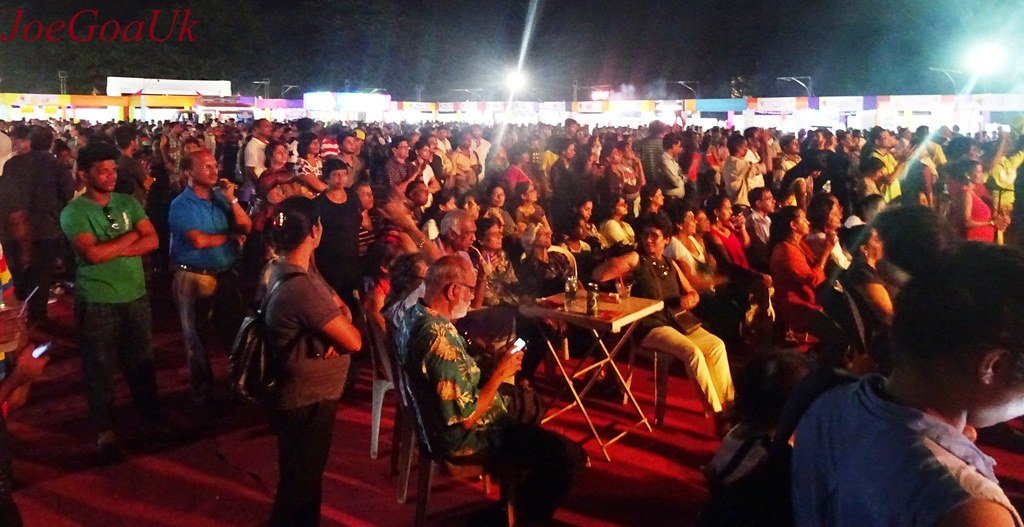
Music festivals aren’t just about the music. They’re economic powerhouses that transform entire regions. Coachella attracts 250,000 attendees annually, generating $704 million in economic impact for the Coachella Valley region. That’s not just ticket sales. We’re talking about hotels, restaurants, transportation, local shops, and everything else visitors spend money on during their stay.
The ripple effects go way beyond the festival weekend too. Economic impact studies of music festivals and live events show a positive impact on local communities, as festivals foster event tourism and bring tourists and revenue to a city, creating jobs, boosting tax revenues, and generating business for hoteliers and local businesses, with the economic benefits of successful festivals rippling throughout a local economy. Small towns that host major festivals can see their entire economic landscape shift. Businesses plan their whole year around these events. Jobs are created. Infrastructure gets improved. It’s like dropping a massive economic stone into a calm lake and watching the waves spread out in every direction.
There’s a Music Festival That Happens Underwater
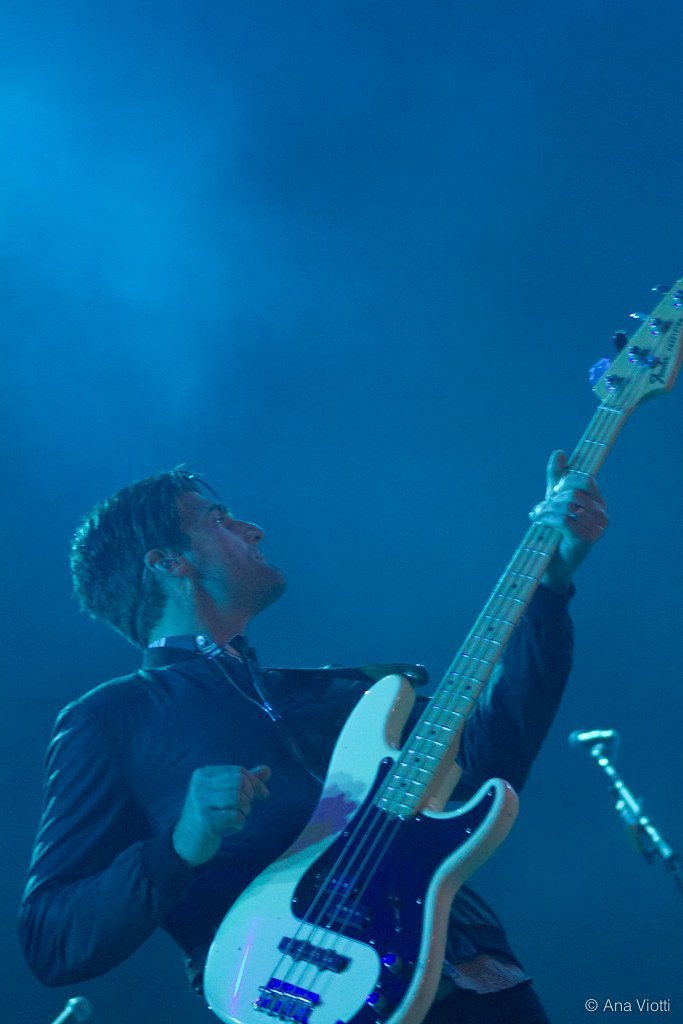
Let’s get weird for a second. The Lower Keys Underwater Music Festival is a unique annual concert in Florida, created more than 30 years ago for divers wanting to ‘sea’ something a little different, with intriguing-looking instruments like the ‘trombonefish,’ ‘sea-phan flute’ and ‘fluke-a-lele’ created especially for the event, with all music streamed live from underwater speakers. Yes, you read that right. Musicians pretend to play specially designed instruments while actual music is pumped through underwater speakers to divers and snorkelers at Looe Key Reef.
This isn’t just a gimmick either. The festival has an important purpose in mind, to raise awareness and promote coral preservation. It’s probably one of the only festivals where you need scuba certification instead of just a ticket. Imagine bobbing around underwater, surrounded by tropical fish, listening to music echoing through the ocean while someone dressed as a mermaid floats past playing an instrument made to look like a fish. It’s surreal, it’s quirky, and honestly, it sounds kind of magical.
Jimi Hendrix Played to Almost Nobody at Woodstock
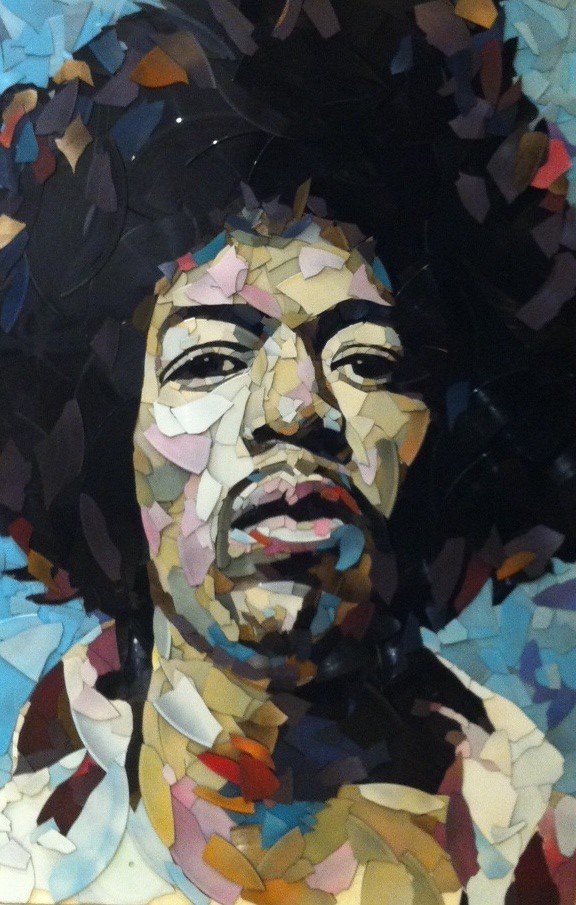
One of the most iconic performances in rock history happened in front of a fraction of the festival’s crowd. Hendrix was scheduled to be the final performer, but due to a clause in his contract that stipulated that no act could perform after him, organizers were unable to move him to a Sunday evening slot, and by the time Hendrix took the stage at 9 a.m. Monday morning, most of the festivalgoers had headed home, and missed Hendrix’s set, including his legendary rendition of “The Star-Spangled Banner”. Think about that. One of the most famous guitar performances ever recorded, and most people at the festival missed it because they’d already left.
Hendrix was brought on to headline and close out the festival on Sunday night, but with many delays, he had two options: play the prime spot on Sunday night but give up being the finale, or wait to close out the show and play to a smaller crowd, and Hendrix chose to play last. That’s commitment to the contract right there. He wanted to close the show properly, even if it meant performing for just a tiny percentage of the original audience.
Joni Mitchell Never Actually Attended Woodstock
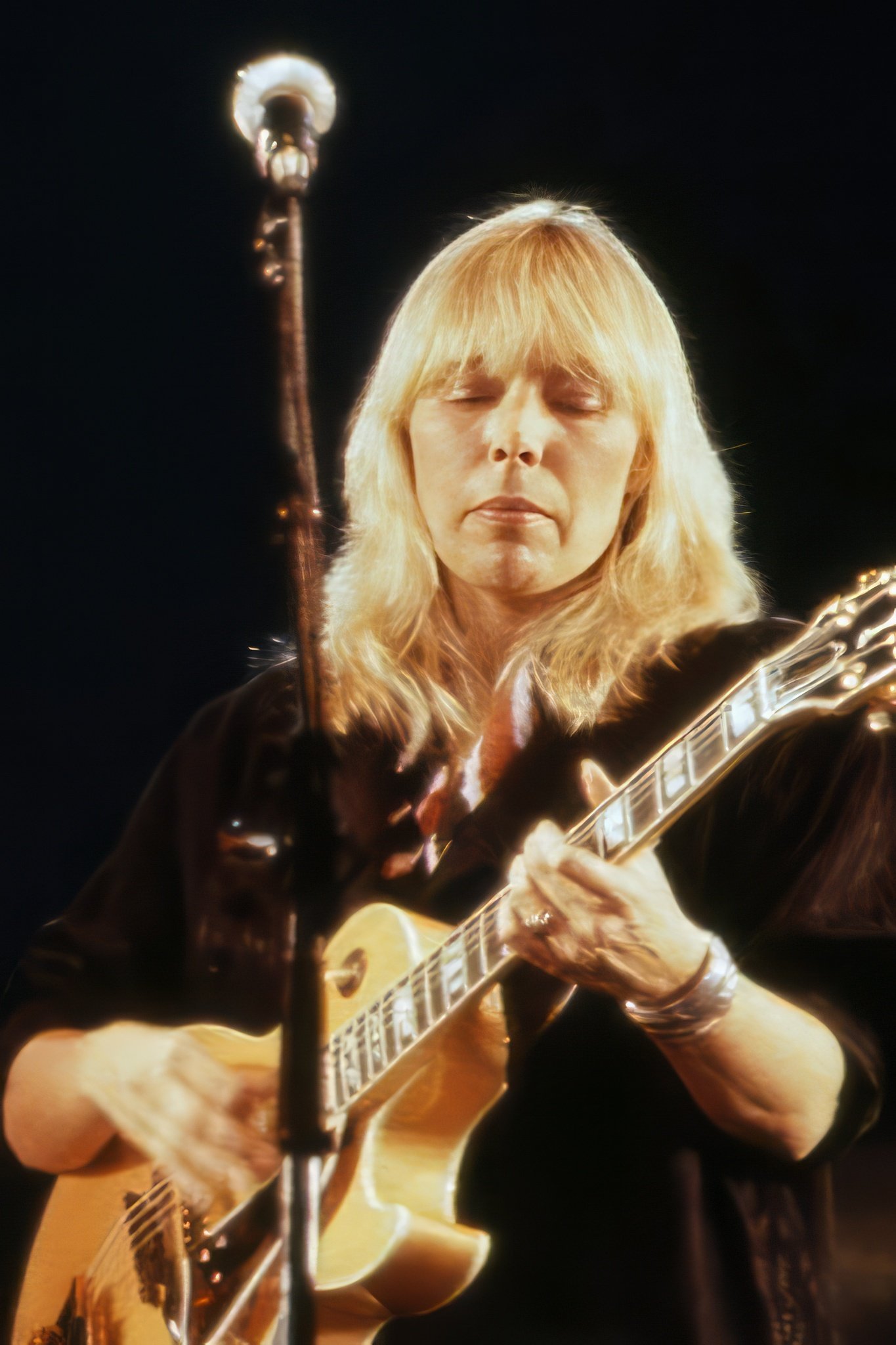
Here’s an ironic twist that’ll blow your mind. Joni Mitchell never actually attended or performed at Woodstock, and her famous hit “Woodstock” was based on the account of her boyfriend Graham Nash of the band Crosby Stills and Nash. She wrote one of the most iconic songs about the festival without ever setting foot there. She created this beautiful, idealistic vision of the event based entirely on secondhand information.
Her song became an anthem that defined the entire era and the spirit of the festival. Yet she experienced it all through stories and descriptions. Sometimes the most powerful art comes not from direct experience but from imagination filtered through someone else’s perspective. It’s kind of poetic when you think about it. The song captured something essential about Woodstock that transcended whether she was physically present or not.
Some Festivals Take Place in Truly Bizarre Locations
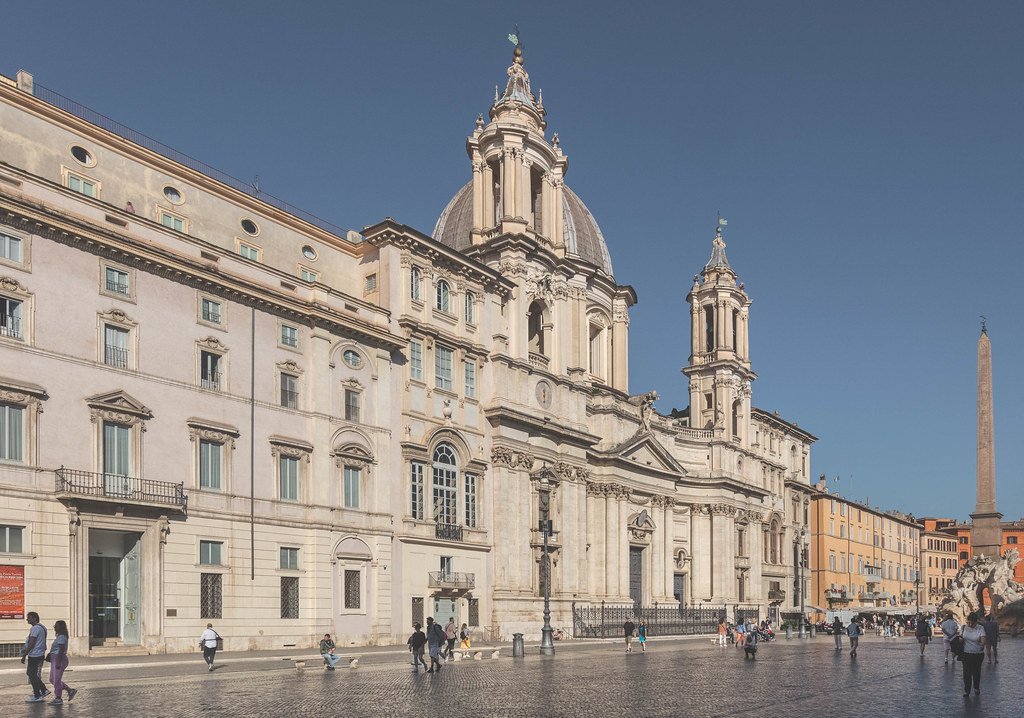
Forget fields and parks. Some festivals have gotten seriously creative with their venues. Into the Valley has arguably the most unique setting of any music festival on the planet: inside a limestone quarry in Rättvik, Sweden, with the venue itself centered around an amphitheater, and organizers managing to fit three other stages inside, with an aquamarine pool of water behind the main stage lending to the otherworldly feel. Dancing inside a giant quarry with water reflecting the lights? That’s next level.
Magnetic Fields festival is set in Rajasthan every December, literally inside a 17th century Indian palace, and guests can even stay in one of the rooms as their accommodation, part of the royal palace suite package for around £357. Imagine raving in actual royal chambers. The contrast between ancient architecture and modern electronic music creates an atmosphere you simply can’t replicate anywhere else.
Festival Clean-Up Crews Find the Strangest Things
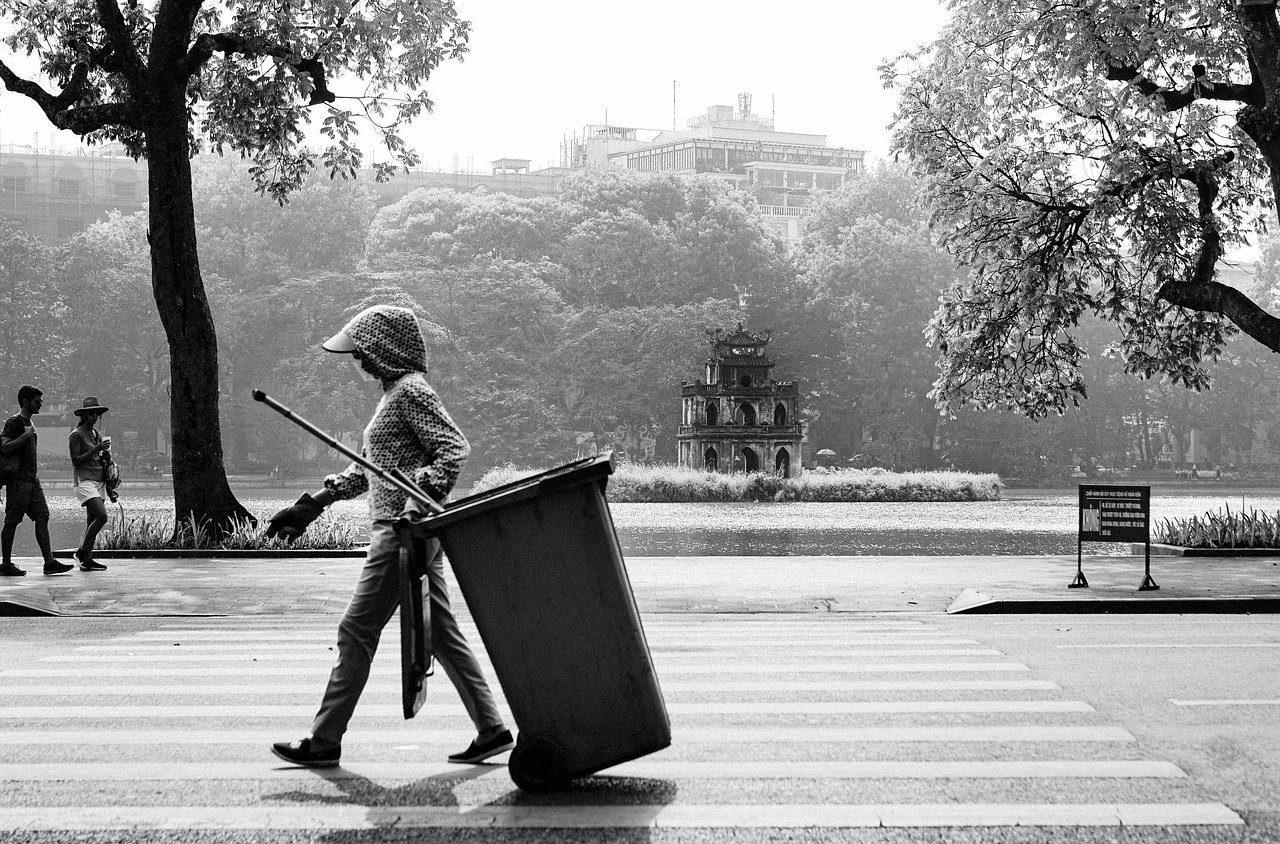
You wouldn’t believe what people leave behind at festivals. Prosthetic limbs are on the list of bizarre items found by festival site clean-up squads, as is an urn filled with human ashes. How exactly does someone lose a prosthetic leg or arm and not notice? Like, at what point during the weekend do you realize you’ve misplaced an entire limb?
The urn situation raises even more questions. Was it intentional? Did someone bring their deceased relative to experience one last festival? Or did it genuinely get lost among all the camping gear and muddy clothes? These are the mysteries that festival clean-up crews face every single year. Between abandoned tents, lost phones, and apparently body parts and cremated remains, these workers must have some absolutely wild stories to tell.
The Oldest Classical Music Festival Has Run Since 1719

While rock festivals get all the attention, classical music festivals have been going strong for centuries. The Three Choirs Festival is the oldest classical choral festival in the world, having run every year since 1719, rotating each summer between the English cathedral cities of Hereford, Gloucester and Worcester. That’s over 300 years of continuous musical tradition. The festival has survived wars, plagues, technological revolutions, and every conceivable change society could throw at it.
This festival represents an unbroken chain connecting modern audiences to musical traditions from the early 18th century. Three Choirs celebrated its 300th anniversary in 2015, and concert programmes combine favourites from British classical choral tradition with international works. The fact that people still gather in those same cathedral cities, listening to many of the same pieces that audiences heard hundreds of years ago, creates a profound connection across time. It’s a reminder that our modern festival culture is built on foundations laid centuries ago.
One Festival Was Born from Political Activism
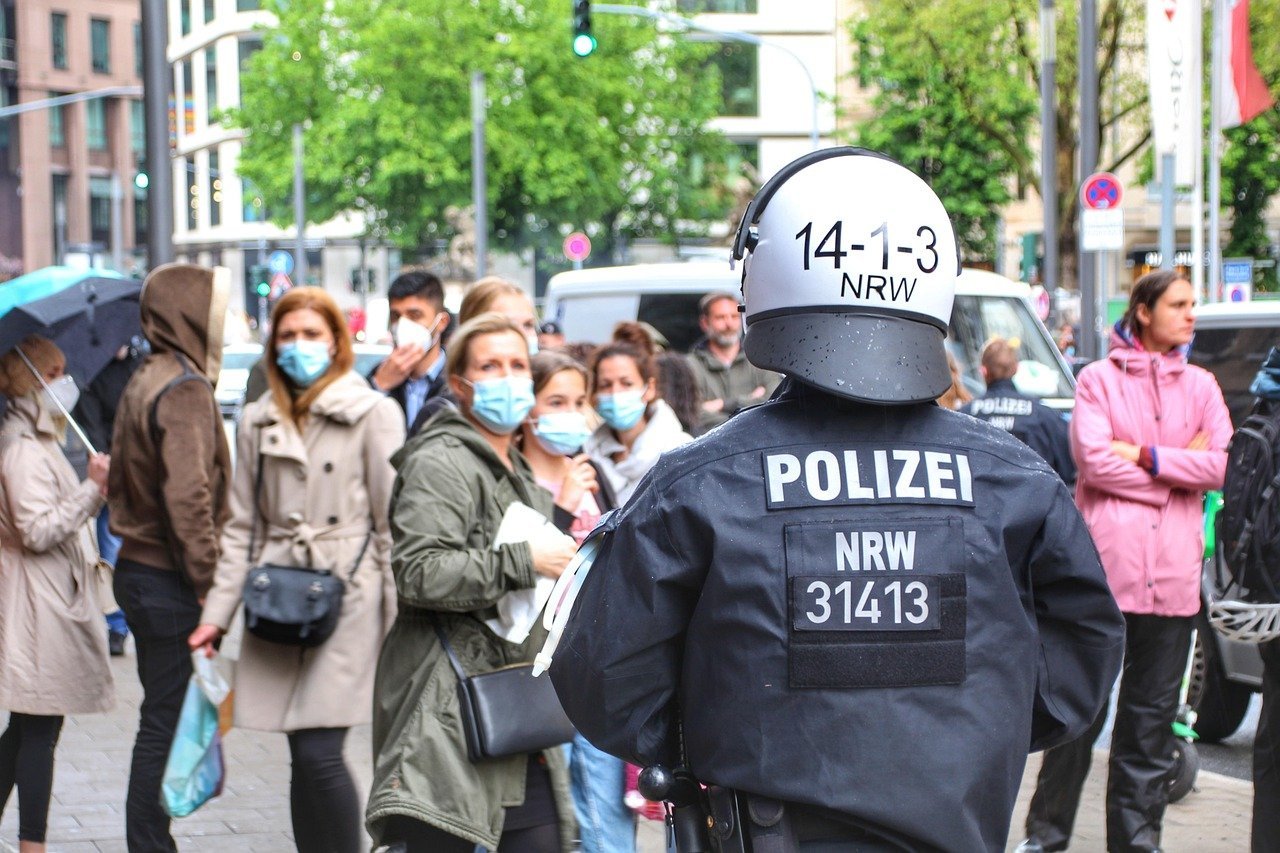
Not all festivals start because someone wants to make money or celebrate music. The award-winning EXIT festival, at the Petrovaradian Fortress, in Novi Sad, Serbia, was born out of political activism, with a couple of student friends organizing the first EXIT festival in the city’s University Park in 2000, protesting for democracy and freedom in Serbia and the Balkans. What began as a student movement transformed into one of Europe’s major music festivals.
The name EXIT itself refers to the students’ desire to exit the oppressive political system. Music became their tool for resistance and social change. The festival proved that large gatherings could be peaceful, positive forces for democratic values. It’s powerful when you realize that what started as a form of protest is now a massive celebration that brings people together from all over the world. The rebellious spirit remains, but channeled through art and community rather than confrontation.
Woodstock Tickets Cost Almost Nothing Compared to Today
Festival ticket prices have exploded over the decades. Woodstock concert tickets went on sale at $6 a day, while three-day advance tickets were priced at $18, with the price at the gate set at $24. Adjusted for inflation, that three-day pass would be roughly $150 in today’s money. Compare that to modern mega-festivals where tickets can easily run $400 or more for a single weekend.
The festival took six months’ preparation, and an estimated $50,000 was reportedly paid to rent around 600 acres of Max Yasgur’s farm. The entire production budget for one of history’s most legendary festivals would barely cover the cost of booking a single headliner at a modern major festival. The scale of festival economics has changed dramatically. What was once a relatively affordable counterculture gathering has evolved into premium-priced entertainment that requires substantial financial investment from attendees.
Music Festivals Are Projected to Be Worth Nearly $20 Billion
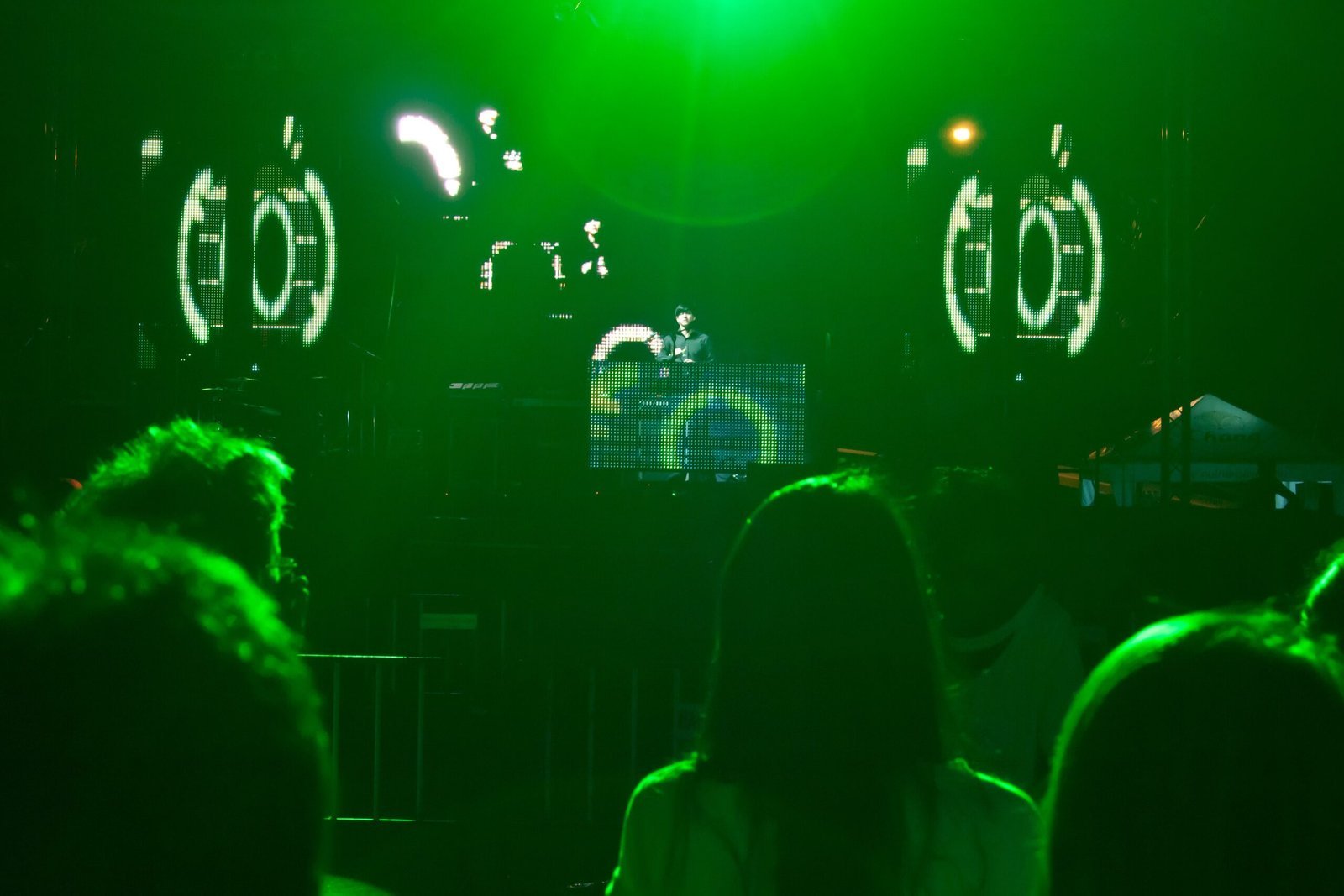
The festival industry isn’t slowing down anytime soon. By 2032 alone, the music festival market is predicted to be worth $19859.24 million. That’s nearly twenty billion dollars for an industry that didn’t really exist in its current form until the 1960s. We’re living through a golden age of festival culture, with events popping up in every corner of the globe celebrating every imaginable genre and subculture.
Revenue in the music events market is projected to reach U.S.$ 30.14 billion in 2023, with an annual growth of 5.03%, resulting in a projected market revenue of 36.71 billion dollars by 2027. The money flowing through this industry supports countless jobs, businesses, and entire economic ecosystems built around these temporary cities of music and celebration. What started as spontaneous gatherings has become a sophisticated global industry with serious economic muscle.
Festivals Create Thousands of Jobs Beyond Just Musicians

When you think about festival employment, musicians probably come to mind first. The reality is way more complex. Music festivals create employment opportunities across a wide range of sectors, including event planning, production, security, hospitality, catering, merchandising, and more. Every festival is essentially a temporary city that needs infrastructure, management, services, and support staff to function.
Stage builders, sound engineers, lighting technicians, medical personnel, sanitation workers, ticket sellers, security guards, food vendors, merchandise designers, photographers, social media managers, and hundreds of other roles are essential to making a festival happen. Festivals foster event tourism and bring tourists and revenue to a city, creating jobs, boosting tax revenues, and generating business for hoteliers and local businesses. The economic web extends far beyond the festival grounds themselves. Local hotels hire extra staff, restaurants stock up on supplies, taxi and rideshare drivers benefit from increased demand. One weekend event can support livelihoods for months.
Weather Has Caused Some Festival Disasters

Mother Nature doesn’t care about your perfectly planned festival schedule. The Woodstock festival was repeatedly stopped throughout the weekend due to rain and the risk of electrocution. Rain and mud became defining features of that festival, creating iconic images but also real dangers when you’re dealing with massive electrical equipment and hundreds of thousands of people.
Weather remains one of the biggest wildcards for outdoor festivals. Outdoor events face risks from weather and natural calamities, which can ruin music festivals and cause safety issues. Festivals have been cancelled, evacuated, or turned into dangerous situations because of unexpected storms, extreme heat, flooding, or other weather events. Organizers invest enormous amounts in contingency planning, but sometimes nature simply wins. It’s a gamble every outdoor festival takes, hoping the weather gods will be kind for just a few crucial days.
Conclusion: The Festival Legacy Continues
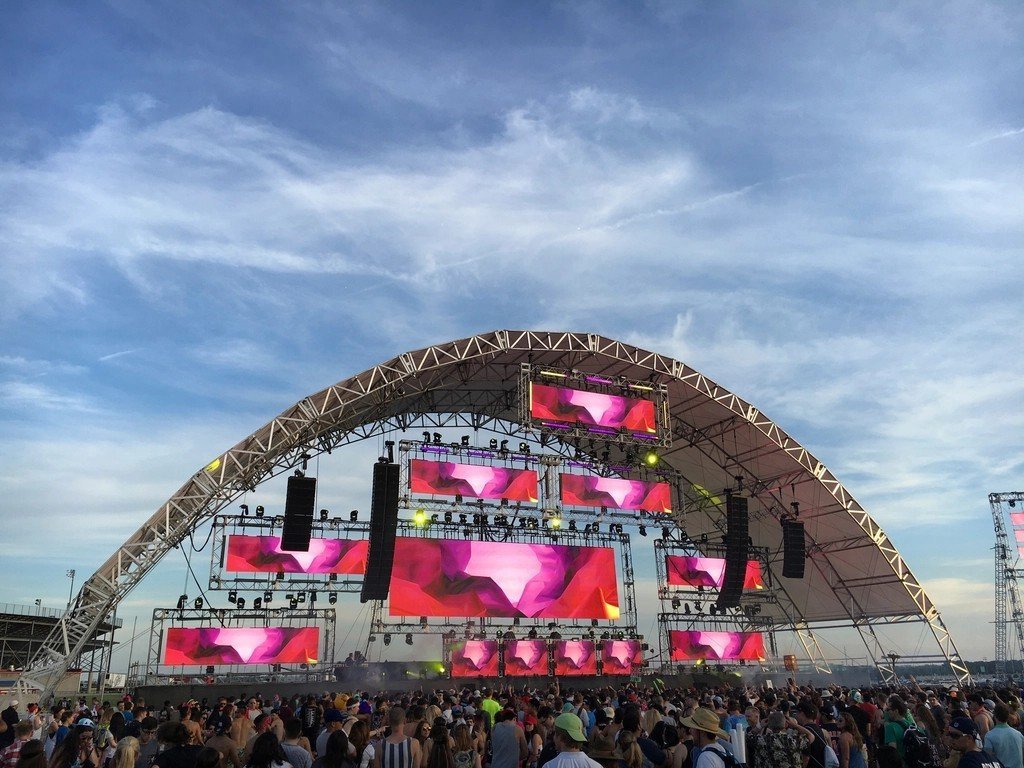
Music festivals have evolved from ancient religious ceremonies to modern cultural phenomena that shape economies, create communities, and define generations. They’ve survived wars, weather, financial challenges, and massive social changes, adapting and growing through it all. What began in ancient Greece continues today in forms those early festival organizers could never have imagined.
These facts barely scratch the surface of festival culture’s rich, weird, wonderful history. Every festival has its own stories, its own unexpected moments, its own place in the larger tapestry of how humans gather to celebrate music. From underwater concerts to ancient amphitheaters, from political statements to economic powerhouses, festivals remain one of humanity’s most enduring and evolving traditions. What’s your most memorable festival moment? Have any of these facts changed how you think about these massive gatherings?

Christian Wiedeck, all the way from Germany, loves music festivals, especially in the USA. His articles bring the excitement of these events to readers worldwide.
For any feedback please reach out to info@festivalinside.com
