

- 17 Song Lyrics Everyone Has Completely Wrong - September 1, 2026
- Some Historical Figures Lived Lives So Extraordinary, They Read Like Fiction. - September 1, 2026
- 28 Iconic Lyrics That Reveal a Completely Different Story Once You Read Them - September 1, 2026

A Staggering Shift in How We Live (Image Credits: Pixabay)
Picture the glow of streetlights stretching endlessly into the night, a far cry from the quiet fields of just a few decades ago.
A Staggering Shift in How We Live
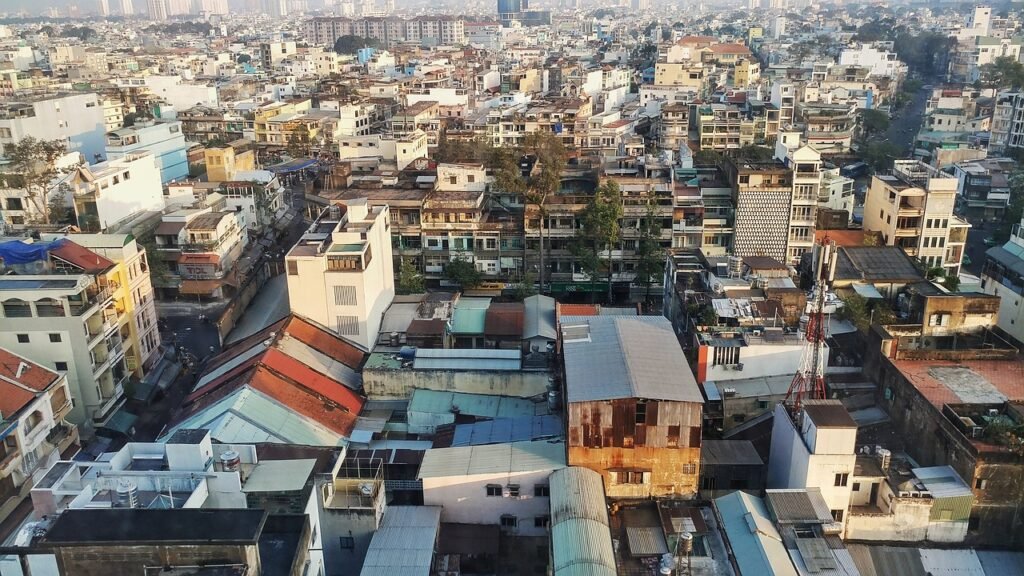
Right now, in 2025, something remarkable has happened. For the first time, four-fifths of the world’s 8.2 billion people – that’s about 6.6 billion folks – call urban areas home. This isn’t just cities anymore; it includes towns too, blending into a massive wave of human settlement.
Researchers crunched the numbers using fresh data and models that factor in everything from migration patterns to aging populations. The result? Urban dwellers make up 45% in actual cities, with another 36% in towns, leaving just 19% in truly rural spots. It’s a tipping point that changes everything about daily life.
This boom didn’t happen overnight. Back in 1950, only about a third of us lived this way. Today, it’s the norm, driven by jobs, education, and the pull of convenience.
Defining Urban: Cities, Towns, and the Gray Areas
Not all urban spots look the same. Cities pack in over 50,000 people, buzzing with skyscrapers and subways. Towns, on the other hand, hover between 5,000 and 50,000 souls, offering a cozier vibe but still connected to the urban grid.
The UN’s latest report shakes things up by using a grid-based method to map this out. It lowers the bar for what counts as a city and covers more ground globally. Suddenly, over 12,000 settlements pop into view, giving a clearer picture of where we’re headed.
This approach matters because it shows urbanization isn’t uniform. Some places explode with growth; others simmer slowly, reshaping landscapes in subtle ways.
Megacities Leading the Charge
Tokyo still reigns as the biggest, with over 37 million residents crammed into its metro area. But Asia dominates the megacity scene, home to most of the world’s giants over 10 million strong.
These powerhouses drive economies but strain resources. Think endless traffic, towering apartments, and the constant hum of activity. By 2050, the UN predicts even more will join the club, pulling in migrants from rural areas seeking better lives.
Yet, this growth sparks innovation too. Cities like these pioneer green tech, from rooftop farms to electric transit, trying to balance expansion with sustainability.
The Hidden Cost to Our Planet
Urban sprawl hits nature hard. Cities and towns cover just 3% of Earth’s land but gobble up 60-80% of its energy and spew 75% of carbon emissions. Wetlands, vital for biodiversity, vanish three times faster than forests under this pressure.
Population growth fuels it all. More people mean more housing, roads, and waste, chipping away at habitats. Urban trees help, soaking up CO2 and cooling streets, but they’re often outnumbered by concrete.
Still, cities offer chances to protect nature. Compact living cuts per-person emissions compared to sprawling suburbs, and green policies can turn rooftops into wildlife havens.
Challenges Piling Up in Urban Hotspots
Housing shortages top the list. With populations doubling in some areas, affordability craters, especially in booming megacities. Growth limits in places like major global markets only tighten the squeeze.
Then there’s the environmental strain. Congestion worsens air quality, and water demands outpace supply. Biodiversity suffers as green spaces shrink, pushing species to the edge.
Socially, it’s a mix. Urban life brings diversity and opportunity, but inequality festers in crowded slums. Planners now focus on inclusive designs to ease these pains.
Opportunities Amid the Urban Boom
Not all news is grim. Cities concentrate resources, making it easier to roll out solar panels or bike lanes. By 2050, when two-thirds of us – nearly 7 billion – will be urban, smart planning could slash emissions.
Here’s a quick look at potential wins:
- Energy efficiency: Dense areas use less per person for heating and transport.
- Biodiversity boosts: Urban parks and corridors link fragmented habitats.
- Innovation hubs: Tech solutions for waste and water emerge faster in populated spots.
- Sustainable migration: Policies guide rural folks to eco-friendly towns.
- Global networks: Cities share best practices, like Singapore’s green building standards.
Embracing these could turn the urban tide into a force for good.
Gazing Toward 2050 and Beyond
Projections paint a busier world. Urban populations will swell, especially in Africa and Asia, demanding resilient infrastructure. Climate change adds urgency, with floods and heatwaves hitting cities hardest.
Yet, hope lies in action. The UN’s report calls for better data and policies to build inclusive, green urban futures. It’s about harmonizing human needs with nature’s limits.
Key Takeaways
- 81% urban living marks a historic shift, reshaping economies and environments.
- Megacities drive growth but amplify nature’s losses – time for smarter expansion.
- With planning, urban areas can lead on sustainability, protecting biodiversity for all.
As we navigate this urban era, the real question is how we’ll coexist with the planet. What steps do you see cities taking next? Share in the comments.
CEO-Co-Founder
