


For any feedback please reach out to info@festivalinside.com
- These 10 Books Will Challenge Everything You Thought You Knew About History. - August 12, 2026
- 13 Top Trending Songs on Instagram Reels in 2026 - August 12, 2026
- The Best Rock Music Was Made When Nobody Was Watching - August 12, 2026
Taylor Swift Redefined What Success Looks Like
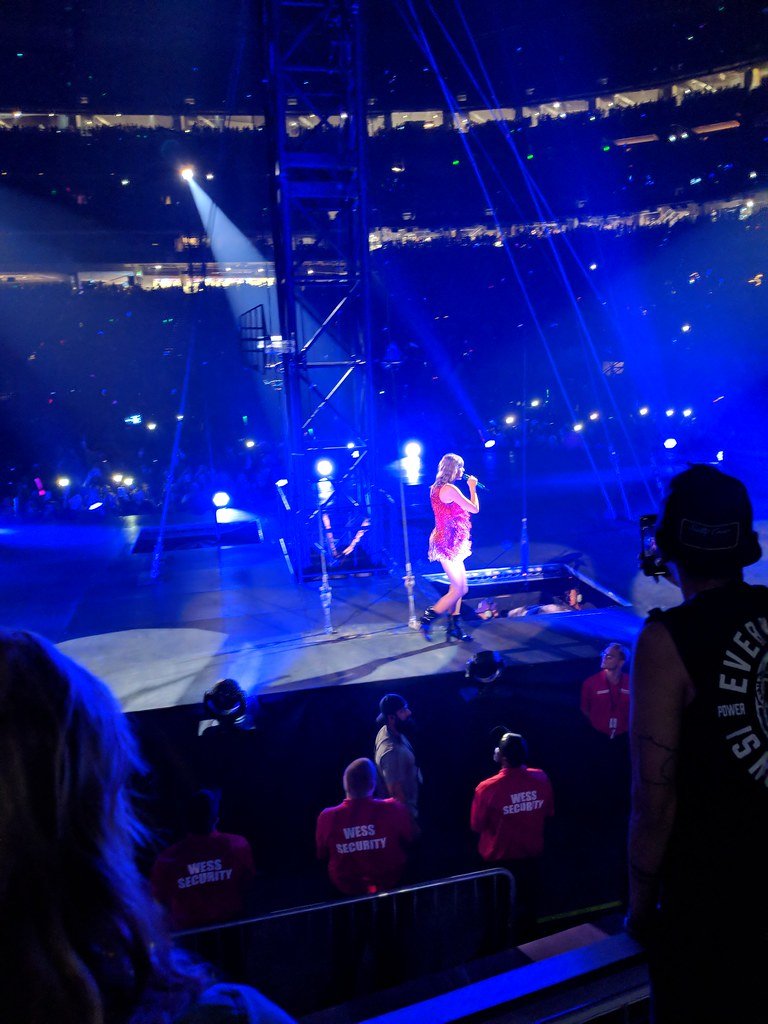
Think you know what a billion-dollar tour looks like? Taylor Swift’s Eras Tour shattered every record in existence, officially grossing $2,077,618,725 from 149 shows and 10,168,008 tickets sold. This isn’t just another concert tour – it’s a cultural phenomenon that literally broke the internet when tickets went on sale.
The economic impact extended far beyond ticket sales, generating close to $5 billion in consumer spending across the United States alone. Swift turned each concert into an entire weekend economy, with fans spending an average of $1,300 per show on everything from hotels to sequined outfits. Her opening night in Glendale brought in more revenue for local businesses than Super Bowl LVII held in the same stadium.
Beyoncé Proved Quality Beats Quantity Every Time
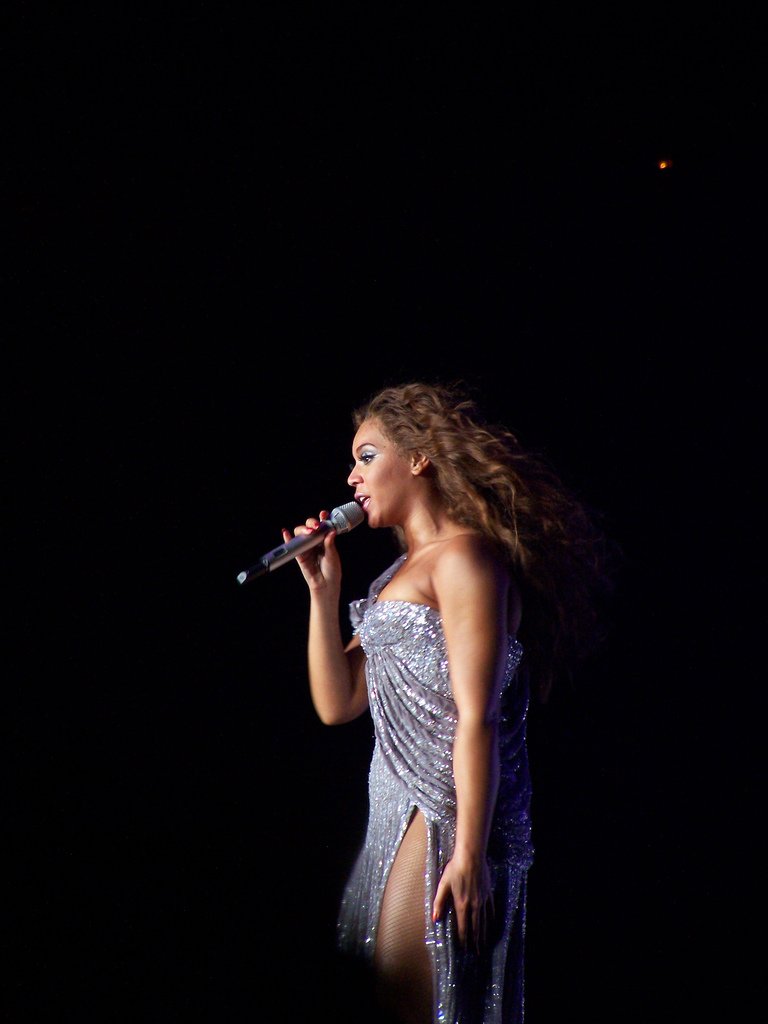
Beyoncé’s Renaissance World Tour earned over $579 million worldwide from just 56 dates across 39 cities, attracting 2.7 million fans. What makes this astronomical? Queen Bey averaged $10.3 million per show, compared to Elton John’s farewell tour which averaged $2.8 million across 330 shows.
Her July 2023 earnings of $127.6 million from 11 shows set the largest one-month sum for any artist in Billboard Boxscore history. The tour wasn’t just about the music – it was a full sensory experience with robotic arms, holographic horses, and costume changes that kept fashion magazines writing for months. At London’s Tottenham Hotspur Stadium, she performed five nights for 238,000 fans, the most any artist has played there since its 2019 opening.
Harry Styles Captured Lightning in a Bottle
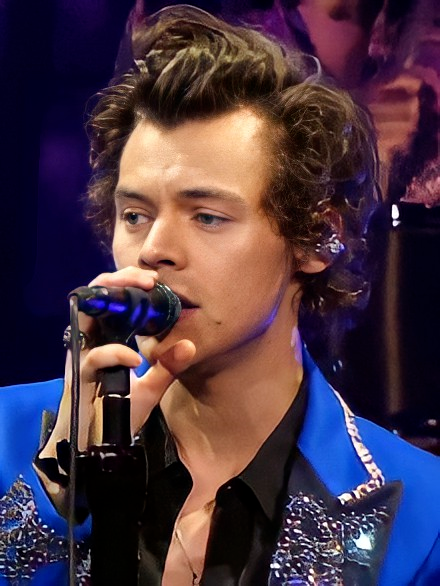
Harry Styles’ Love On Tour couldn’t have had better timing. Coming out of pandemic lockdowns when everyone was desperate for live music, his tour grossed $617 million between 2021 and 2023. The former One Direction member proved he could carry stadiums solo, with “As It Was” becoming the soundtrack of 2022.
His shows became a celebration of individuality and acceptance, with fans treating each concert like a fashion show. The tour’s success wasn’t just about nostalgia – it was about Styles redefining what masculinity looks like in pop music. Every night felt like a cultural statement wrapped in sequins and good vibes.
Bad Bunny Brought Latin Music to the Global Stage

Bad Bunny’s World’s Hottest Tour lived up to its name, earning $435 million in 2022. This wasn’t just another concert tour – it was proof that Latin music had officially conquered the world. The Puerto Rican superstar performed entirely in Spanish yet sold out stadiums from Los Angeles to London.
His success represents a seismic shift in the music industry. The Puerto Rican superstar’s Most Wanted Tour in 2024 brought in another $210.9 million, proving his staying power on the global stage. Bad Bunny didn’t just break language barriers – he obliterated them with reggaeton beats and unapologetic authenticity.
Ed Sheeran’s Mathematical Formula for Success
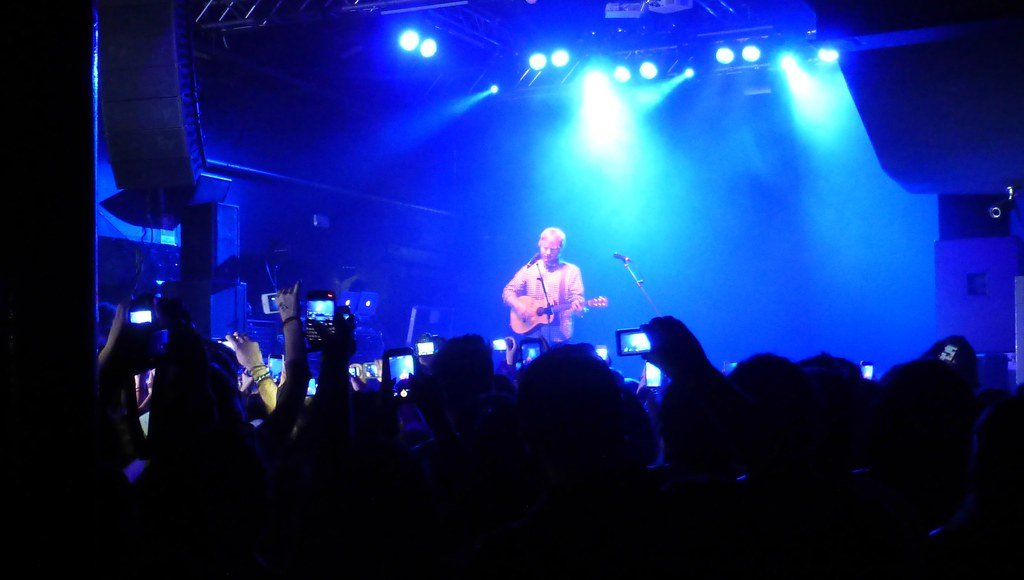
Ed Sheeran’s ÷ (Divide) Tour from 2017-2019 grossed $776 million, powered by “Shape of You” and “Perfect” dominating every radio station on Earth. What made this tour special wasn’t just the money – it was watching one guy with a guitar and a loop pedal fill stadiums night after night.
Sheeran proved that in an age of elaborate productions, sometimes authenticity trumps spectacle. His shows felt intimate even in 80,000-capacity venues. The tour’s success launched him from singer-songwriter to global superstar, setting the template for how acoustic artists could conquer the stadium circuit.
U2’s Revolutionary Stage Design Changed Everything
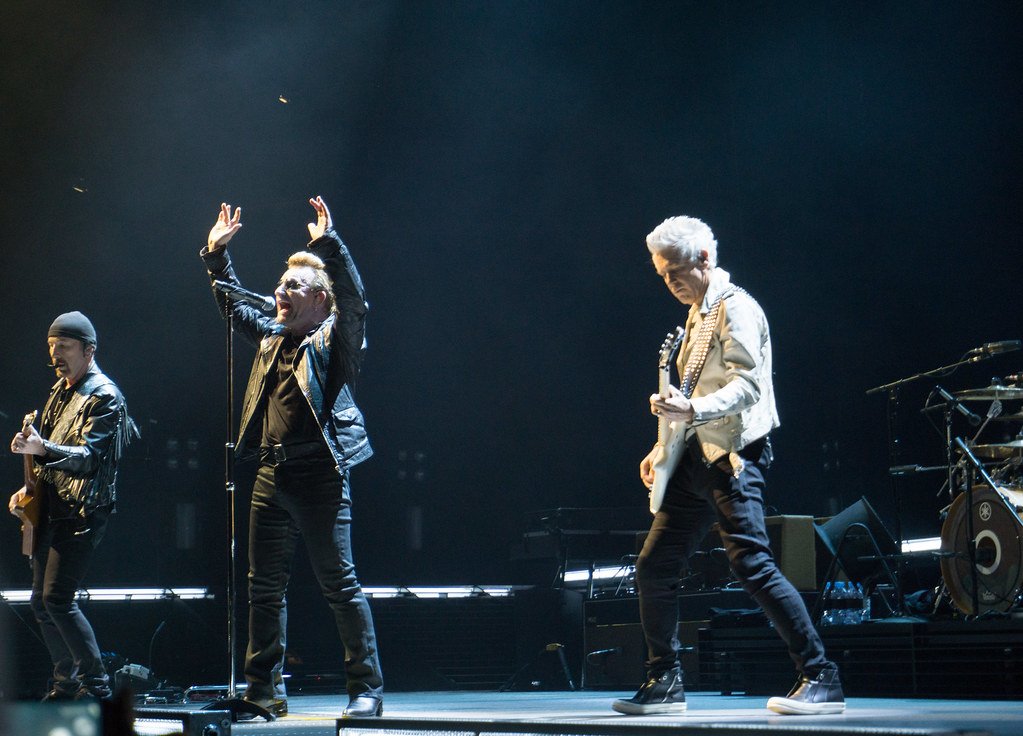
U2’s 360° Tour (2009-2011) earned $736 million thanks to “The Claw” – a massive four-legged stage structure that looked like it landed from outer space. This wasn’t just a concert; it was architectural theater that allowed 360-degree viewing and created an entirely new concert experience.
The Irish rockers proved that innovation sells tickets. Their stage design was so revolutionary that it influenced every major tour that followed. At a time when the music industry was struggling with digital piracy, U2 showed that live experiences could still generate massive revenue if you gave fans something they couldn’t download.
The Rolling Stones Refused to Act Their Age
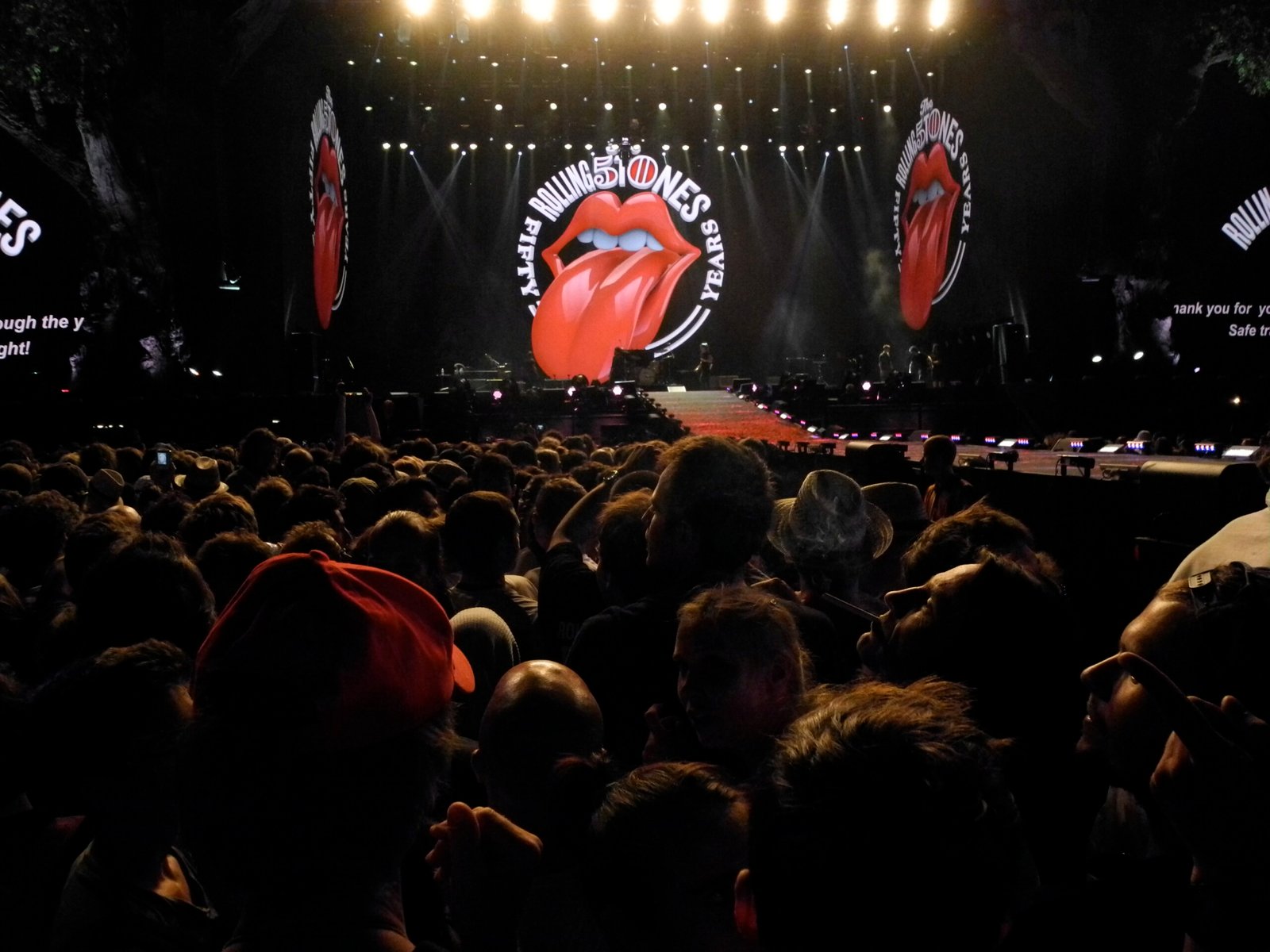
The Rolling Stones’ A Bigger Bang Tour (2005-2007) grossed $558 million, proving rock legends never really retire. Mick Jagger, then in his sixties, still had enough energy to sprint across football field-sized stages for two and a half hours. Keith Richards looked like he should have been in a museum, but played guitar like a man half his age.
This tour represented more than nostalgia – it was a masterclass in brand longevity. The Stones showed younger artists that with the right attitude and enough swagger, you can keep selling tickets for decades. Their recent Hackney Diamonds Tour earned another $235 million in 2024, proving they’re still not ready to slow down.
Elton John’s Victory Lap Lasted Five Years
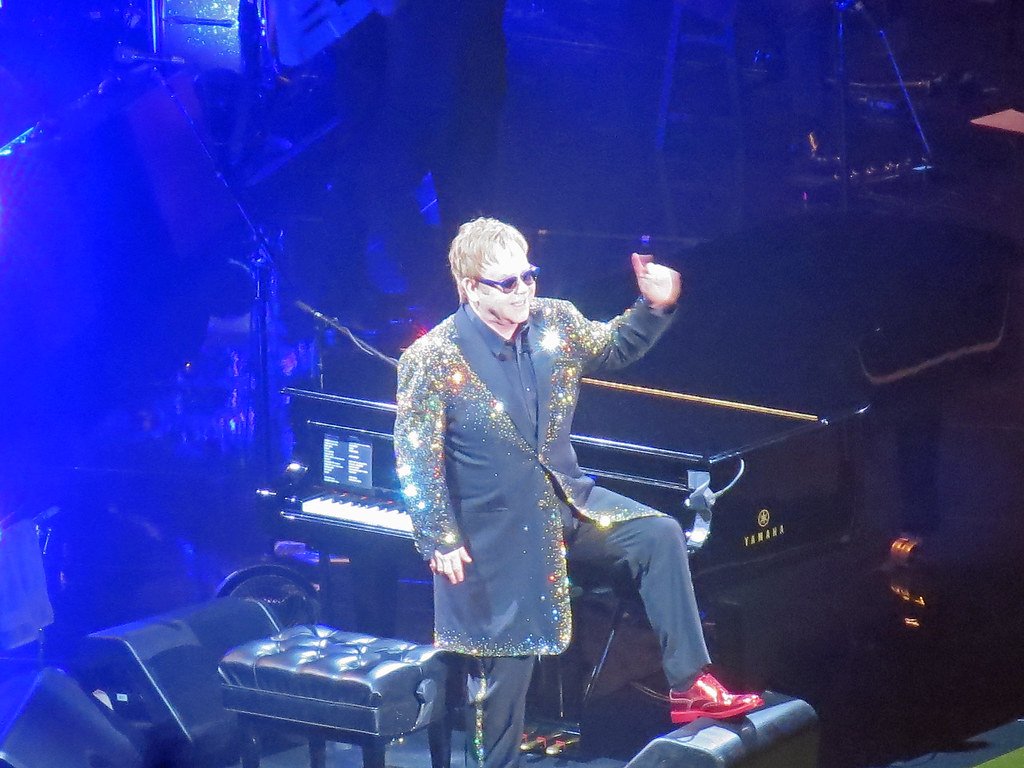
Elton John’s Farewell Yellow Brick Road Tour (2018-2023) generated $939 million over 330 shows, making it one of the longest goodbye parties in music history. The Rocket Man turned his retirement into a celebration of five decades of hits, complete with elaborate costumes and enough sequins to blind a small city.
What started as a farewell became a cultural phenomenon. John’s tour coincided perfectly with the “Rocketman” biopic, introducing his music to new generations. Every show felt like both a greatest hits collection and a master class in showmanship from one of music’s true legends.
Guns N’ Roses Proved Reunions Can Print Money
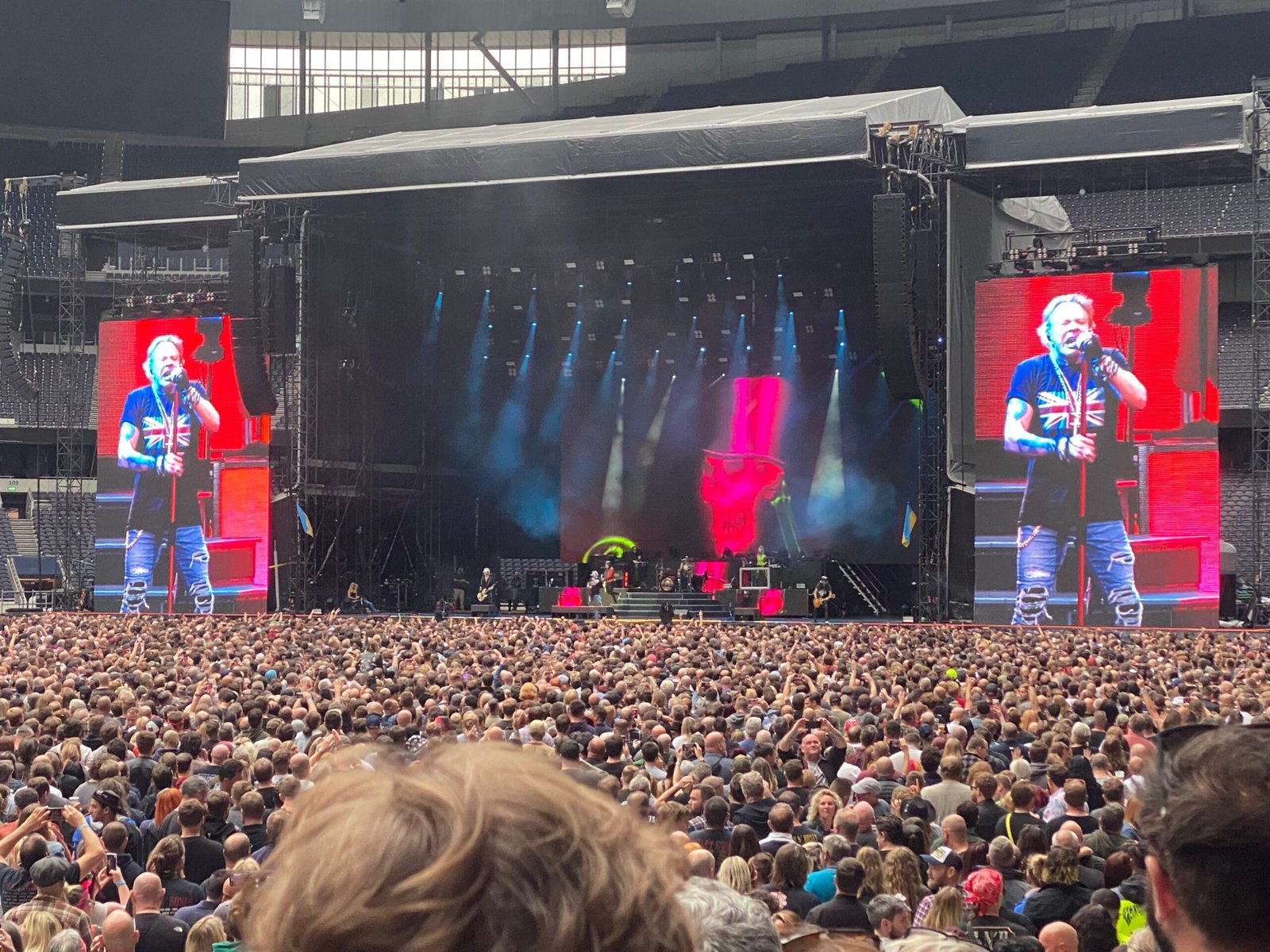
The Not In This Lifetime Tour (2016-2019) earned $584 million, making it one of the most profitable reunion tours ever. After decades of lawsuits, feuds, and public drama, Axl Rose and Slash sharing a stage again felt like witnessing a miracle. Fans who grew up with “Sweet Child O’ Mine” finally got to hear it performed by the original lineup.
The tour’s success proved that nostalgia is a powerful drug. These weren’t fresh-faced rockers – they were middle-aged men recapturing lightning in a bottle. But when Slash launched into that iconic “November Rain” solo, age became irrelevant. Sometimes the best business decision is admitting the magic was real the first time around.
Coldplay Went Green and Made Bank
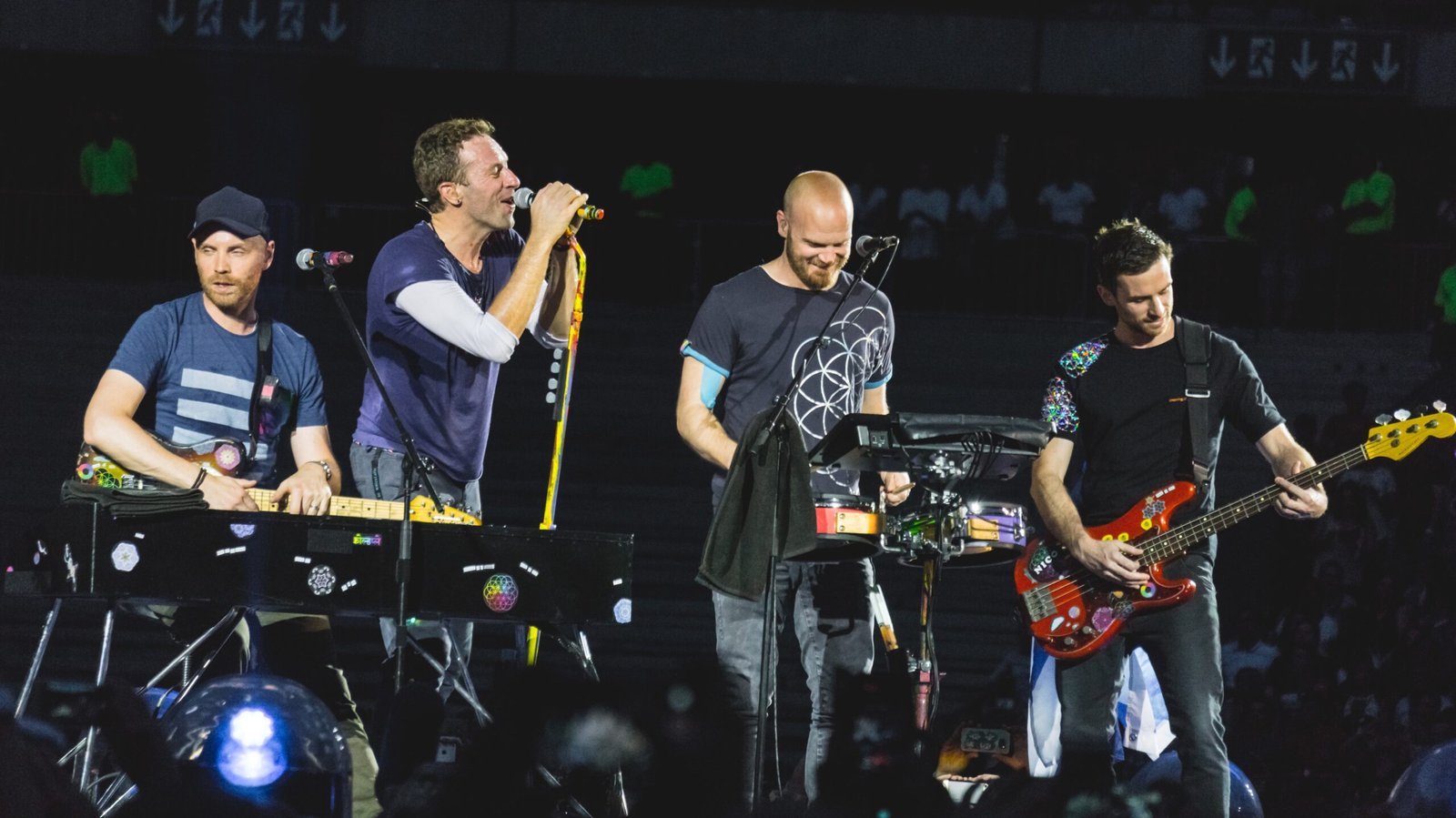
Coldplay’s Music of the Spheres World Tour has grossed over $1.14 billion since 2022, selling more than 10.3 million tickets – the most by any artist in history for a single tour. But what makes this tour revolutionary isn’t just the numbers – it’s their commitment to sustainability.
The environmentally-friendly production has reduced CO2 emissions by 59 percent compared to their previous tours. They turned concerts into climate action, proving you can save the planet and sell tickets simultaneously. Chris Martin and company created a template for how major tours can operate responsibly without sacrificing the spectacle fans expect.
Justin Bieber’s Comeback Story Worth Quarter Billion
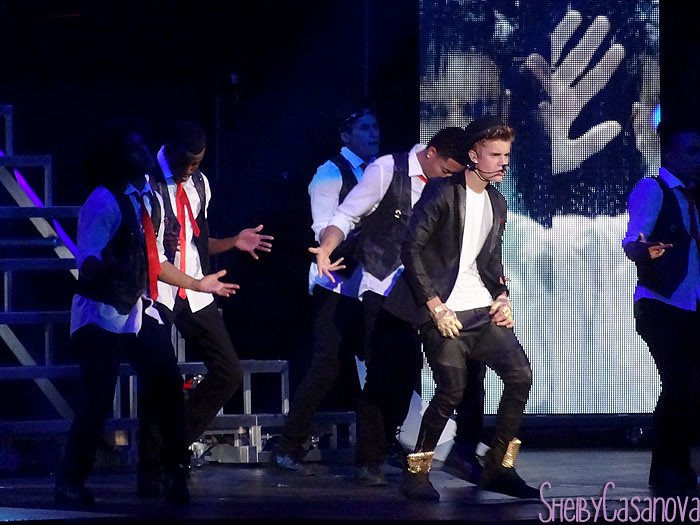
Justin Bieber’s Purpose World Tour (2016-2017) earned $257 million, marking his transformation from teen heartthrob to serious artist. Coming off years of tabloid troubles and career uncertainty, this tour proved Bieber could fill arenas with more than just screaming teenagers.
Songs like “Sorry” and “Love Yourself” showed a more mature artist dealing with real emotions. The tour’s success wasn’t just about redemption – it was about evolution. Bieber demonstrated that child stars could grow up in public and emerge stronger, setting the stage for his continued success into the 2020s.
Lady Gaga Built Her Empire on Monster Ball
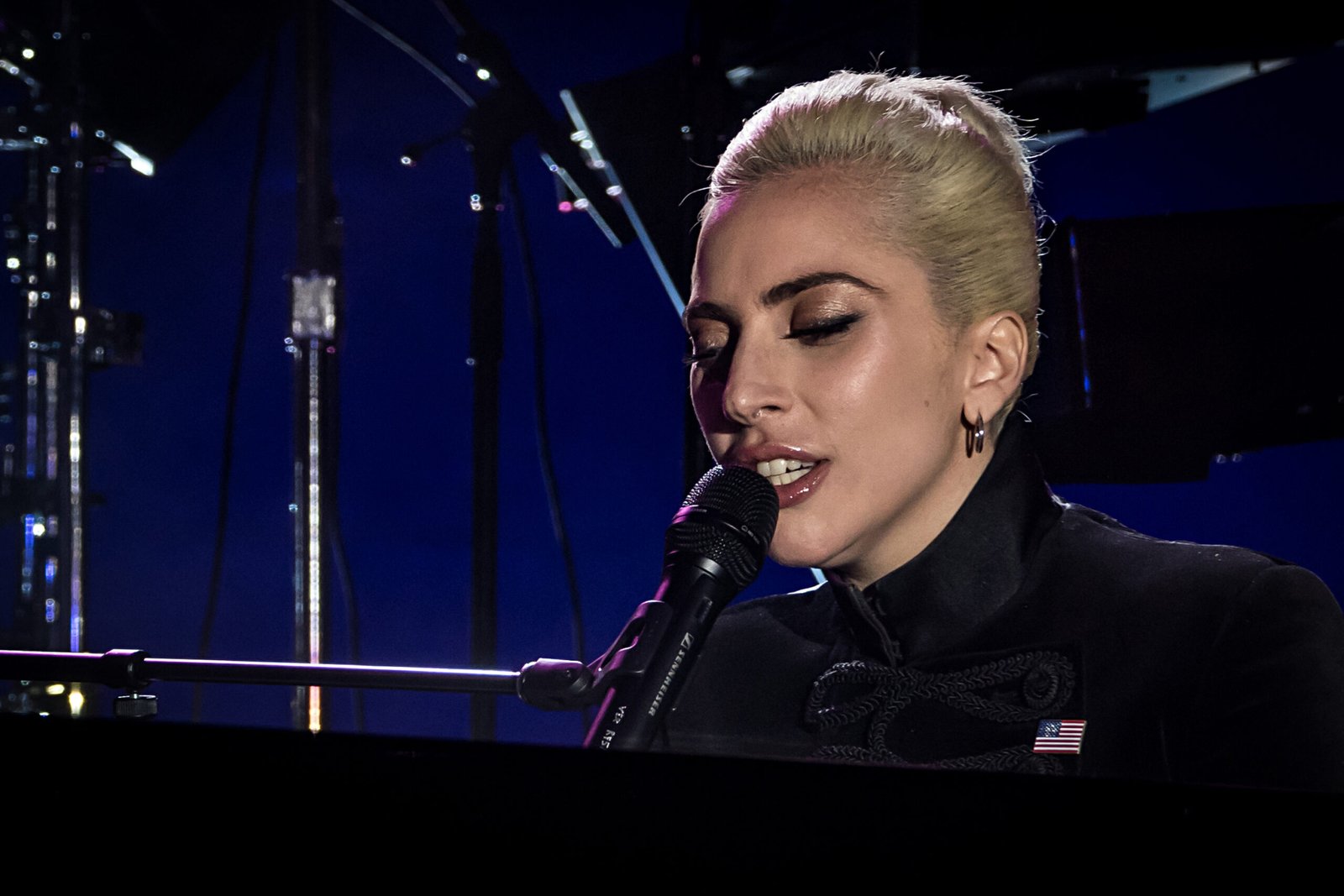
Lady Gaga’s Monster Ball Tour (2009-2011) grossed $227 million and established her as more than a one-hit wonder. Following “Poker Face” and “Bad Romance,” Gaga turned concerts into avant-garde theater pieces complete with costume changes, elaborate narratives, and enough shock value to keep entertainment reporters busy for months.
This tour proved that pop music could be both commercial and artistic. Gaga didn’t just perform songs – she created immersive experiences that blurred the line between concert and performance art. Every show felt like witnessing the birth of a new kind of pop star, one who refused to be contained by traditional expectations.
Bruno Mars Brought Old School Cool to New Crowds
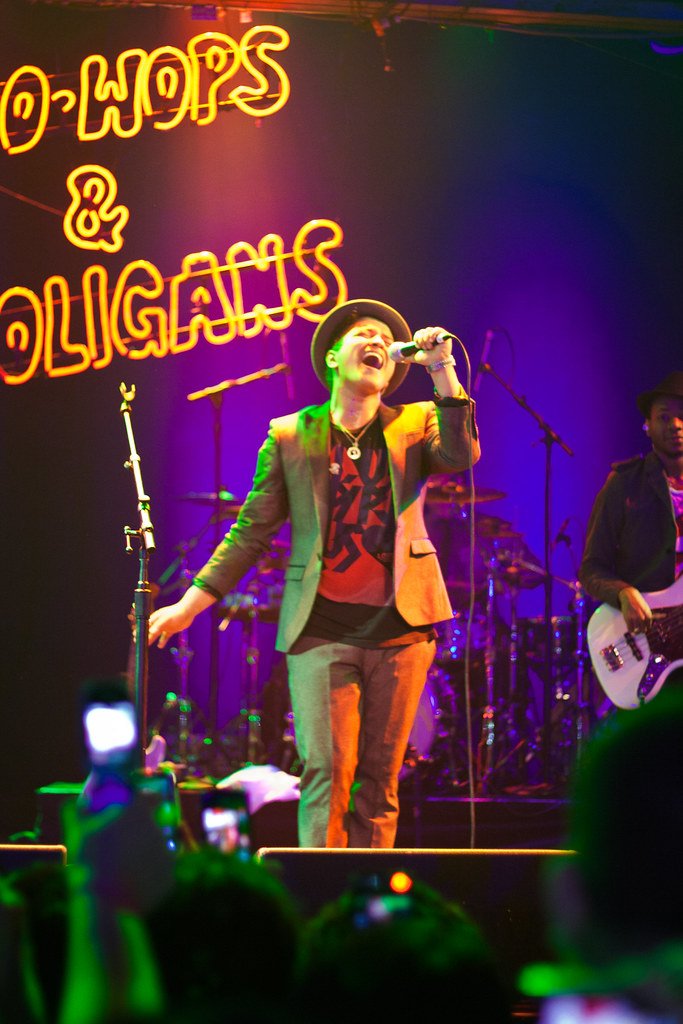
Bruno Mars’ 24K Magic World Tour (2017-2018) earned $367 million by making the past feel fresh again. With “Uptown Funk” and “That’s What I Like,” Mars channeled the spirit of James Brown and Prince while adding his own contemporary twist. His shows felt like time machines transporting audiences to funk’s golden age.
Mars proved that in an era of electronic music and streaming, live instruments and classic showmanship still had massive appeal. His concerts weren’t just performances – they were celebrations of music history, complete with choreography that would make the Godfather of Soul proud. Every night was a masterclass in entertaining people, old school style.
Metallica Proved Metal Still Moves Mountains
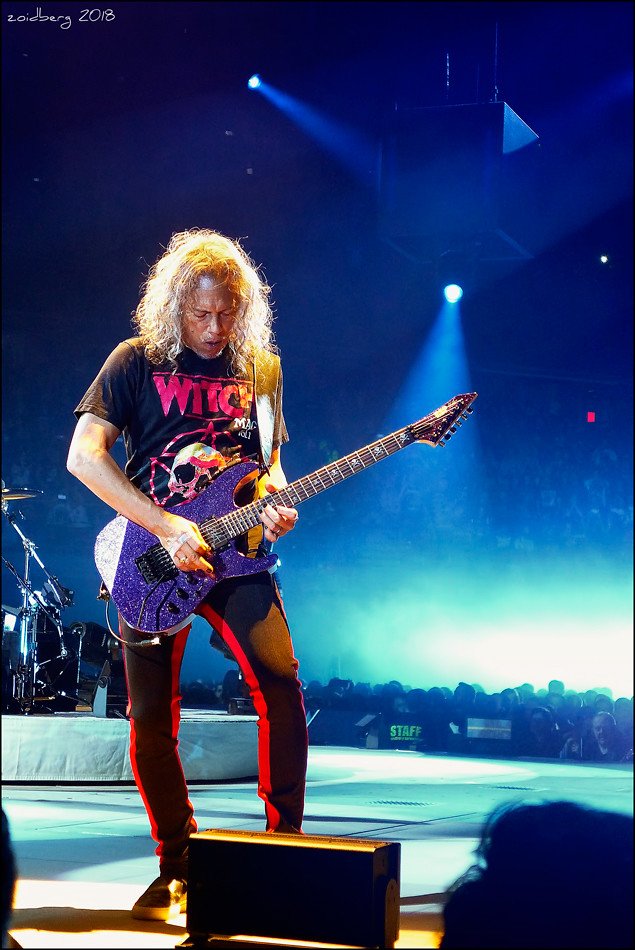
Metallica’s WorldWired Tour (2016-2019) generated $434 million, demonstrating that heavy metal never really goes out of style. Nearly four decades after forming, Lars Ulrich and James Hetfield were still selling out stadiums worldwide. Their elaborate stage productions featured massive video screens and pyrotechnics that could be seen from space.
The tour’s success represented more than nostalgia for aging metalheads. Metallica attracted multiple generations of fans, from original followers to kids discovering “Enter Sandman” for the first time. They proved that authentic heavy metal, played with conviction and proper volume, remains one of music’s most powerful forces.
Pink Defied Gravity and Expectations

Pink’s Beautiful Trauma World Tour (2018-2019) earned $397 million, powered by aerial acrobatics that turned concerts into Cirque du Soleil shows. The singer didn’t just perform her hits – she flew through the air while singing them, creating death-defying spectacles that had audiences holding their breath.
This tour proved that in an age of digital entertainment, nothing beats live human achievement. Pink’s combination of vocal talent and athletic ability created something genuinely unique in pop music. Every show felt like watching someone push the boundaries of what’s physically possible while delivering perfect vocals.
Paul McCartney Sold Beatlemania to New Generations
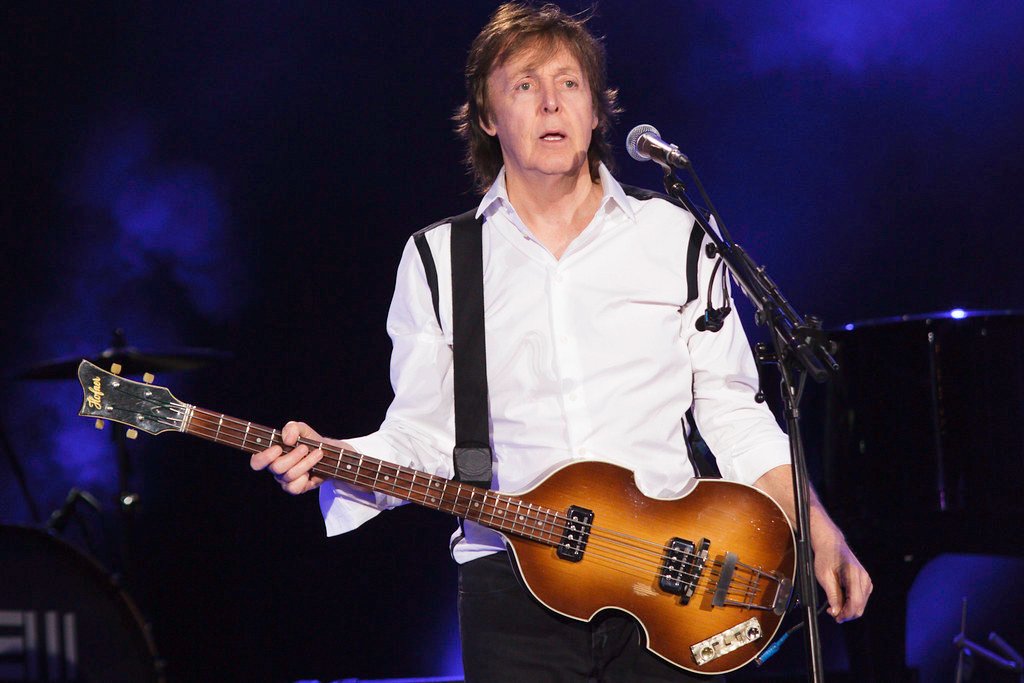
Paul McCartney’s Freshen Up Tour (2018-2019) grossed $216 million, proving that Beatles songs are eternal. At 76, McCartney still had the energy to perform three-hour shows mixing solo material with enough Beatles classics to make grown adults weep with nostalgia.
The tour represented a living connection to music history. For many fans, seeing McCartney perform “Yesterday” or “Let It Be” felt like touching the source of modern popular music. He didn’t just perform songs – he shared cultural artifacts that helped define the 20th century, making every show feel like a privilege to witness.
The Weeknd Brought Dark Pop to Stadium Scale
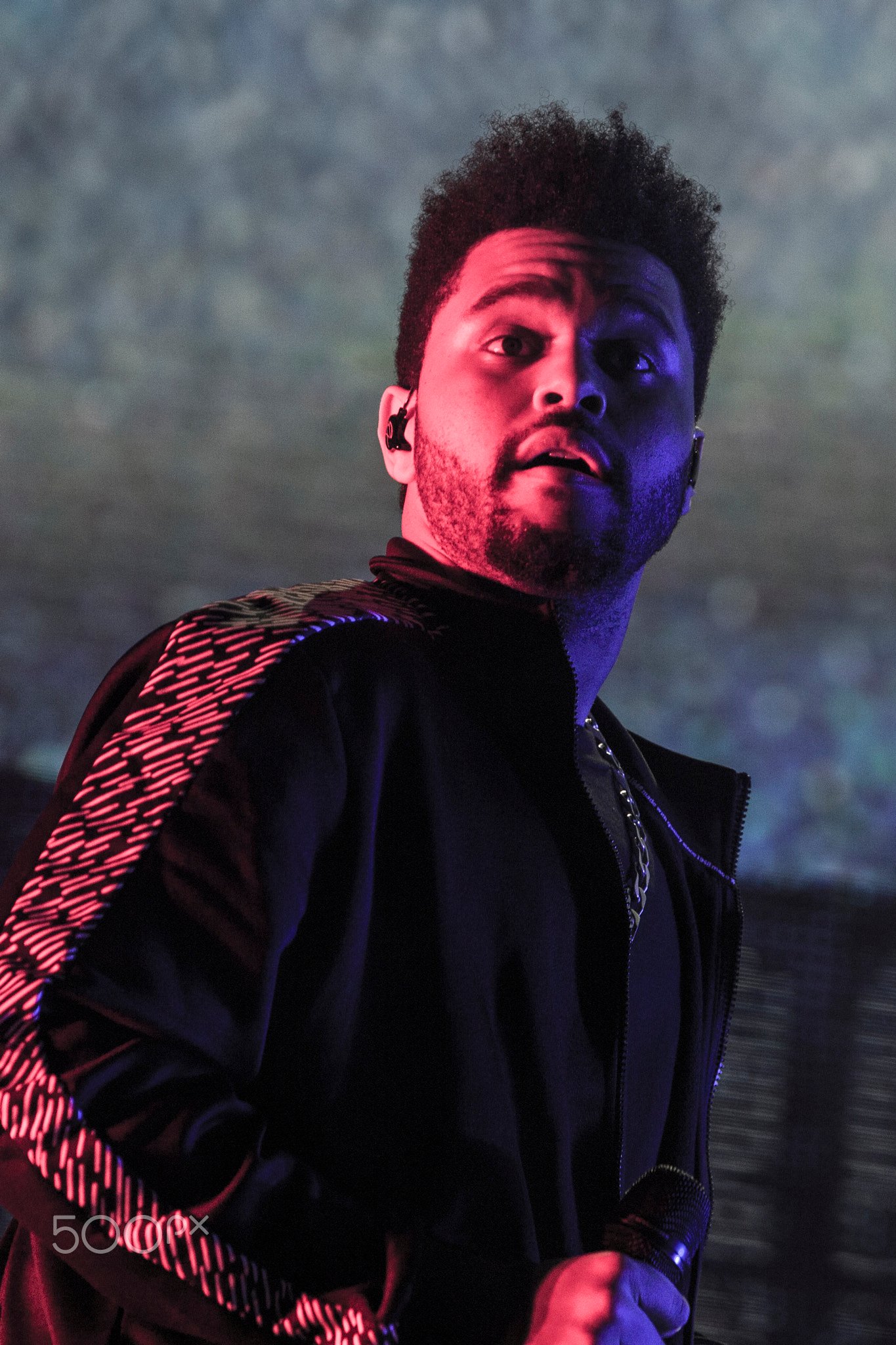
The Weeknd’s After Hours til Dawn Tour (2022-2023) earned $350 million, transforming his moody R&B into stadium-sized spectacle. Coming off the massive success of “Blinding Lights,” Abel Tesfaye proved that dark, introspective music could fill the world’s largest venues when packaged with proper production values.
The tour’s visual elements matched the music’s atmospheric quality, creating immersive experiences that felt more like entering a David Lynch film than attending a traditional concert. The Weeknd showed that pop music didn’t always need to be uplifting to be popular – sometimes audiences crave beautiful darkness delivered on a massive scale.
Madonna Reminded Everyone Who Invented Modern Pop
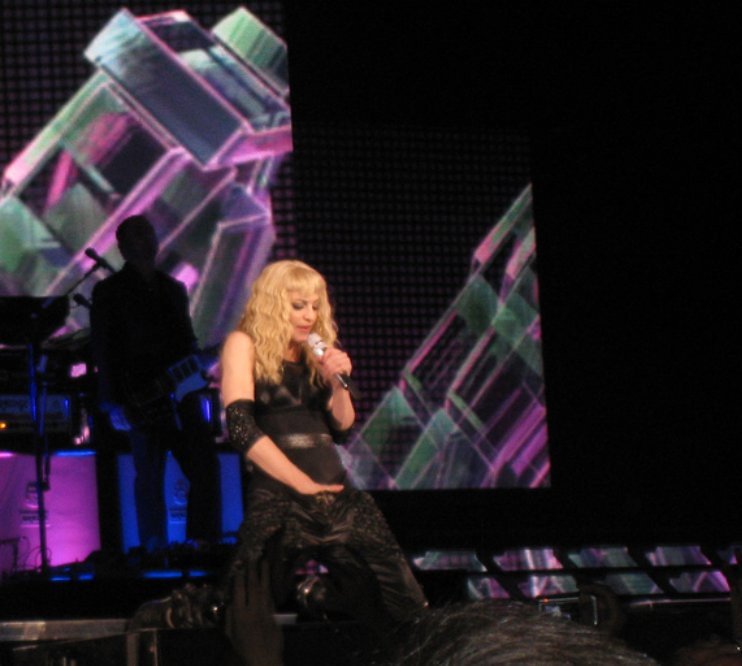
Madonna’s Sticky & Sweet Tour (2008-2009) grossed $411 million, proving the Queen of Pop still ruled her domain. At 50, Madonna delivered shows that were equal parts concert and fashion runway, featuring enough costume changes to stock a small boutique and choreography that influenced a generation of pop stars.
This tour served as a reminder of Madonna’s cultural impact. Every contemporary female pop star owes something to her blueprint of combining music, fashion, controversy, and spectacle. Her 2024 Celebration Tour brought in another $178.8 million, showing that even in her sixties, Madonna remains a force of nature who refuses to slow down.
Drake and J. Cole United Hip-Hop Royalty
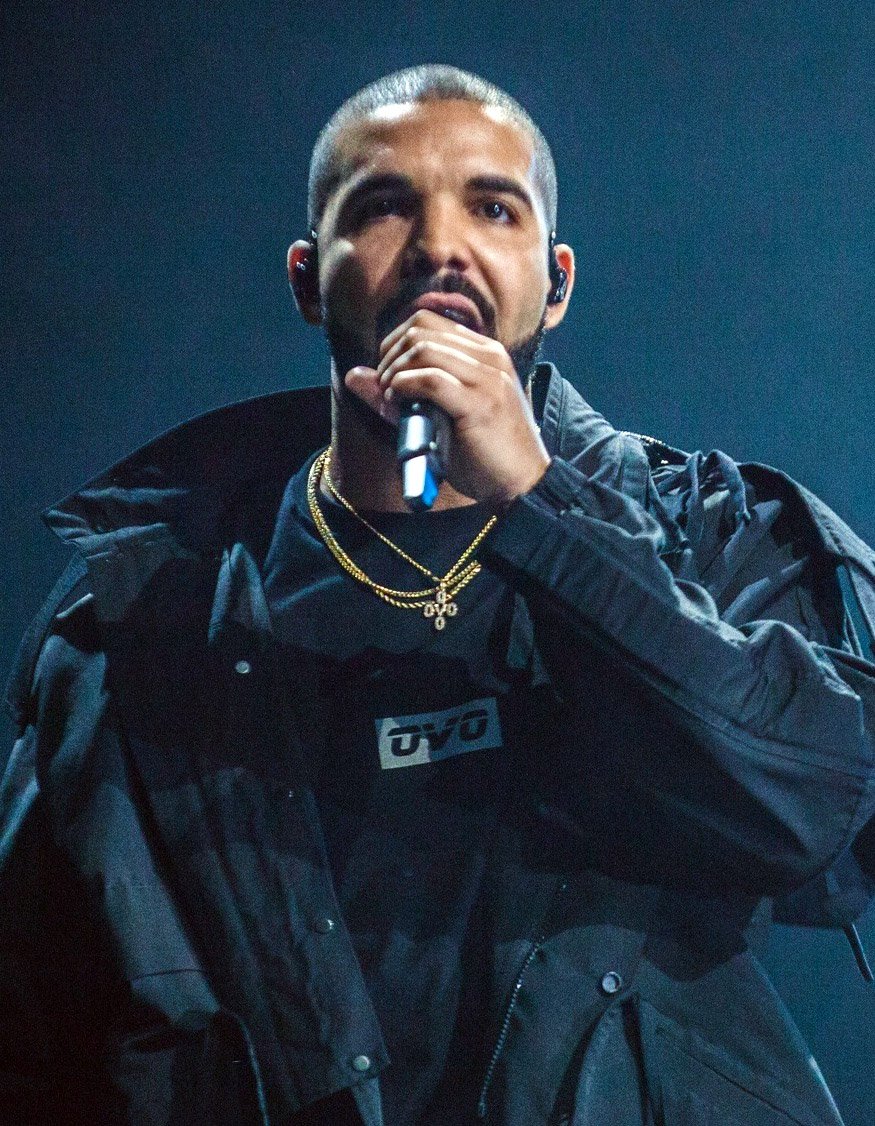
Drake & J. Cole’s It’s All A Blur Tour (2023-2024) earned over $100 million by bringing together two of rap’s biggest stars. The collaboration felt inevitable – both artists had spent the 2010s dominating charts and building massive fanbases, making their joint tour one of hip-hop’s most anticipated events.
The tour proved that collaboration beats competition in today’s music landscape. Instead of feuding, Drake and Cole showed how established artists could amplify each other’s success. Every show felt like a celebration of hip-hop’s evolution from underground movement to global cultural force.
BTS Conquered the World in Record Time
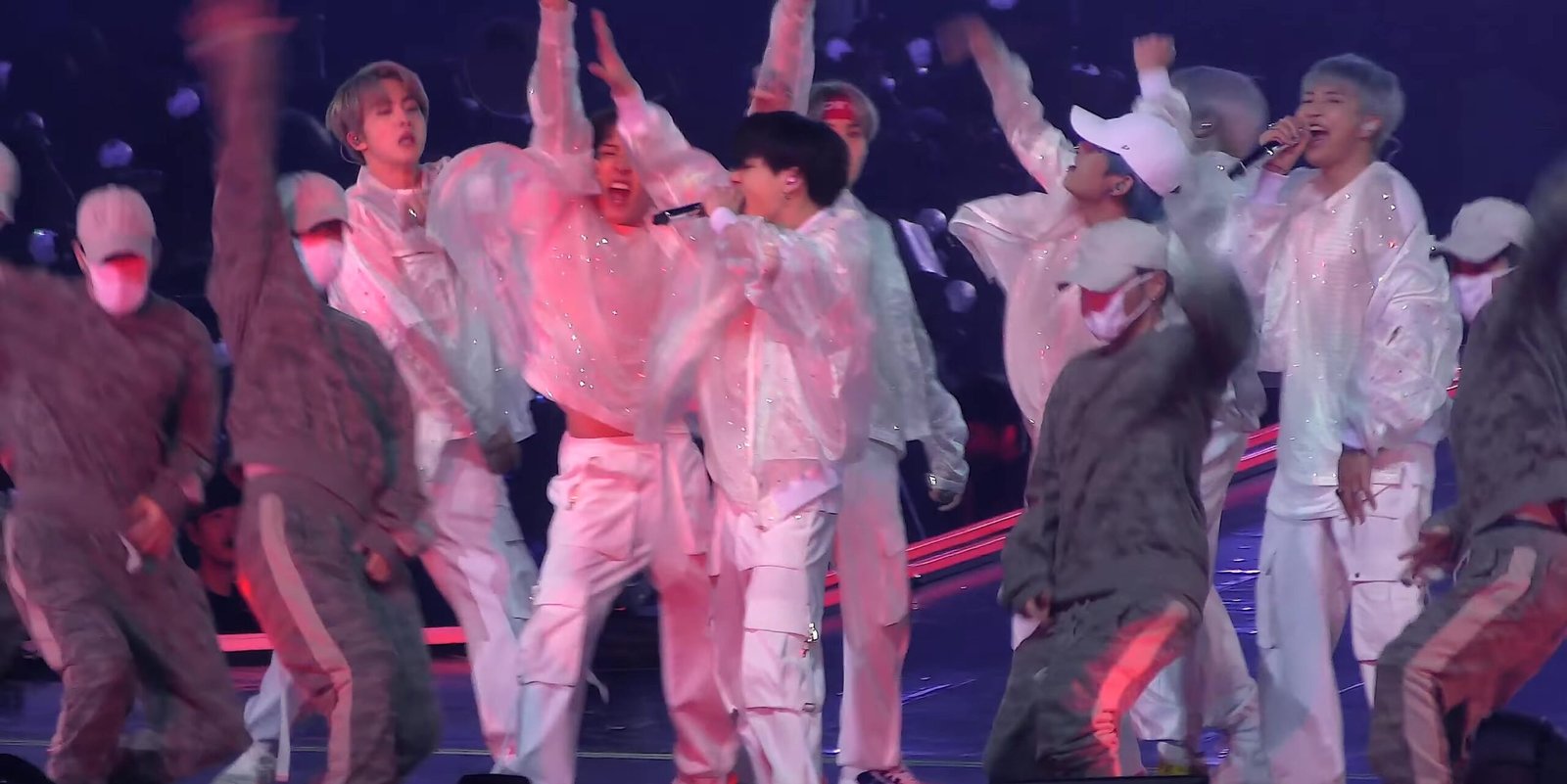
BTS’s Love Yourself: Speak Yourself Tour (2019) grossed $196 million in just a few months, demonstrating K-pop’s global takeover was complete. The South Korean septet didn’t just perform – they created cultural moments that transcended language barriers and introduced Western audiences to Korean culture on an unprecedented scale.
Their success represented more than music – it was a geopolitical shift. BTS proved that American dominance in pop culture wasn’t inevitable, that artists from anywhere could conquer the world with the right combination of talent, dedication, and devoted fanbase. Every sold-out stadium felt like watching history being written in real time.
The New Rules of Concert Success
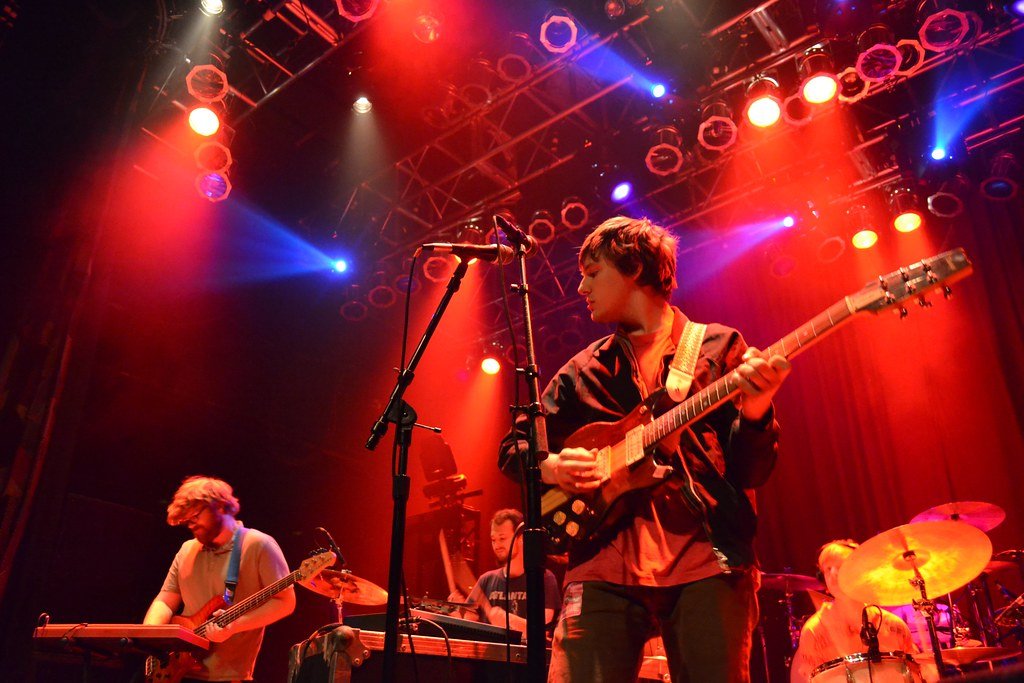
These tours didn’t just make money – they redefined what success looks like in the modern music industry. From Taylor Swift’s economic impact to Coldplay’s environmental consciousness, today’s biggest tours prove that audiences want more than just music. They want experiences, statements, and moments that feel larger than life.
The numbers tell only part of the story. Behind every billion-dollar tour lies a perfect storm of talent, timing, production values, and cultural relevance that can’t be manufactured or guaranteed. In an age when anyone can release music online, these artists proved that nothing replaces the magic of live performance done at the highest level.
What connects all these tours isn’t just their financial success – it’s their ability to create shared experiences in an increasingly fragmented world. Did you expect that live music would become this generation’s most valuable cultural currency?

Christian Wiedeck, all the way from Germany, loves music festivals, especially in the USA. His articles bring the excitement of these events to readers worldwide.
For any feedback please reach out to info@festivalinside.com
