

- The Stories Behind 12 Iconic Movie Props You Never Knew Existed. - August 12, 2026
- 10 Concerts So Legendary, They Defined the Sound of a Generation. - August 12, 2026
- 10 Heavy Metal Rock Songs of The 70’s That Still Dominate Charts Today. - August 12, 2026
Tulip Time Festival: Holland’s Dutch Revival
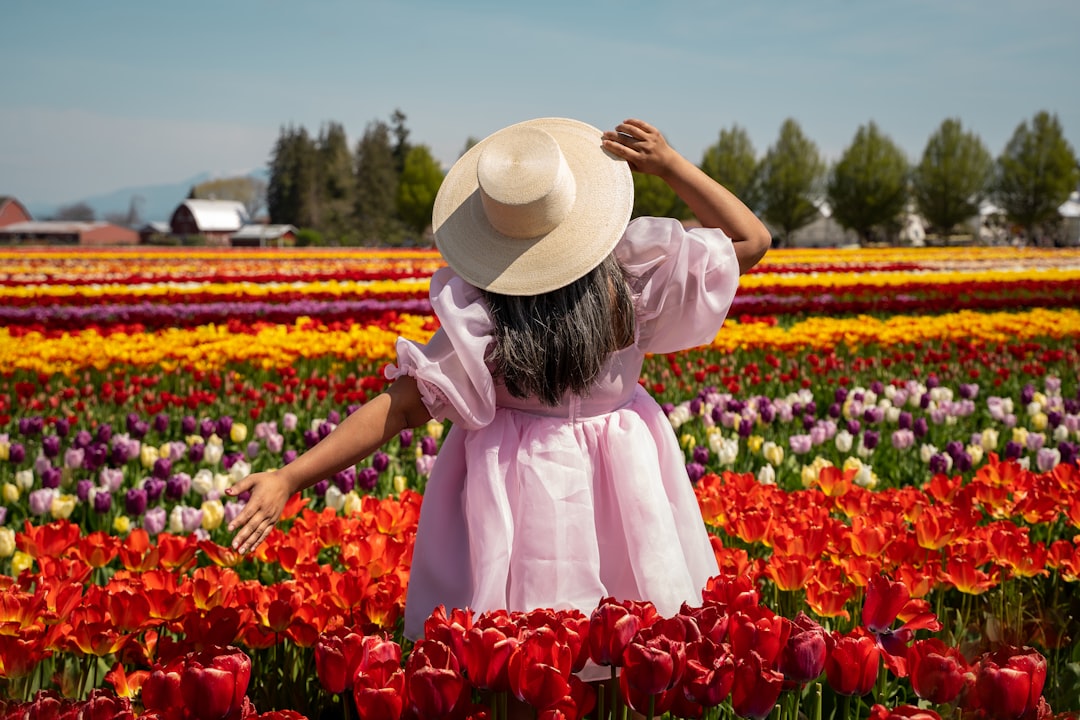
When the Great Depression devastated America in the 1930s, Holland, Michigan, was desperately searching for hope. The festival began in 1929 when the City of Holland saw its first crop of 100,000 tulips bloom, and the overwhelming number of visitors over the years as the Festival took shape resulted in the addition of programs, pageantry, costumes, parades, and the popular Dutch Dancers. What started as a simple flower display transformed into something much bigger than anyone imagined.
Around half-a-million people were expected to visit the city during its 10-day duration. The festival didn’t just boost morale; it literally saved Holland’s economy. More than 5 million tulips burst into bloom each spring in the greater Holland area—and that doesn’t count the city’s hyacinths, daffodils and blossoming fruit trees. Today, this celebration draws visitors from Australia and around the world, proving that sometimes the smallest seeds can grow into the biggest miracles.
Burning Man: Desert Dreams in Gerlach

The event is responsible for around 25% of the yearly sales at the few commercial establishments in the area, which include the closest permanent fuel and grocery stops to the Burning Man event site. As of 2023, the Burning Man Project owned about half the commercial property in Gerlach. For tiny Gerlach, Nevada, with just 130 residents, this temporary city in the Black Rock Desert became a lifeline they never expected.
Burning Man’s annual economic impact on Nevada is conservatively estimated at $60 million: approximately $50 million from participants and $10 million from the Burning Man organization. The festival creates a year-round economy that goes beyond just one week in the desert. The Gerlach Workforce Development Center leverages the knowledge and experience inside the Burning Man community to help workers ‘skill up’ and inspire social change. In 2022, more than 70 people acquired new skills and over half of those participants received a scholarship.
What makes this story remarkable isn’t just the money flowing through this desert town. It’s how a counterculture gathering transformed a forgotten railroad stop into something vibrant again. Since the Empire mine closed a few years ago, the economic impact has been enormous on both Empire and Gerlach, and the combined population of both towns has fallen nearly 80% to around 100. However, the economic impact of Burning Man has to helped keep both towns afloat, and many of the residents themselves have been to the event over its long history on the playa just to the north.
Dickens on the Strand: Galveston’s Victorian Comeback
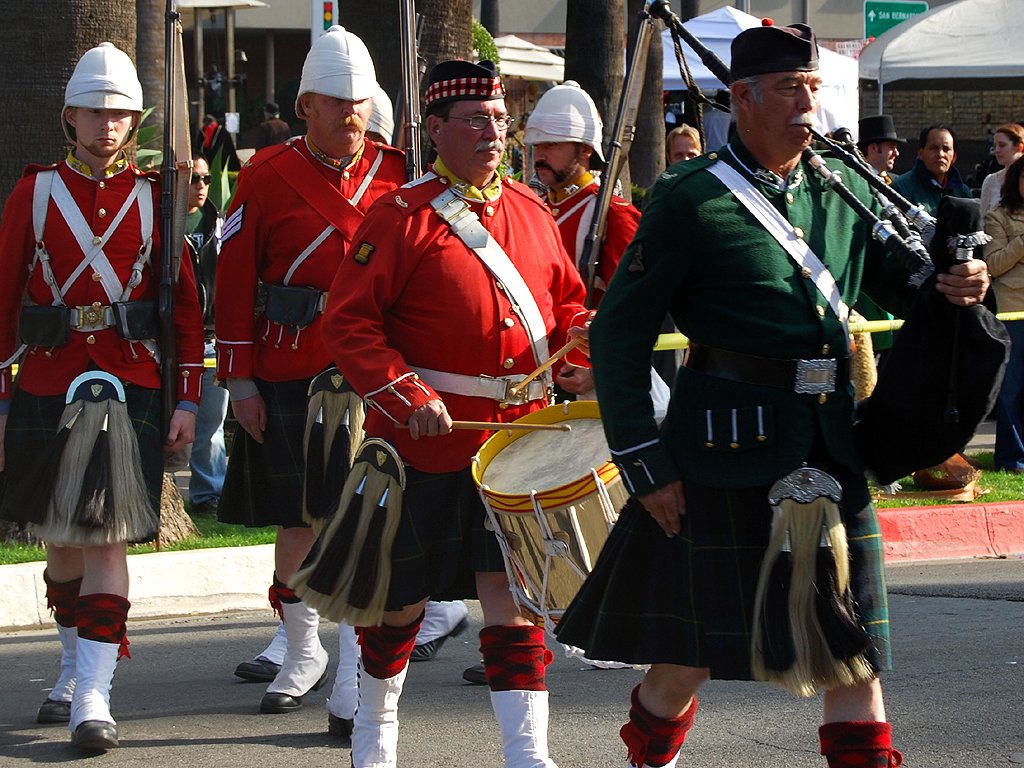
After Hurricane Ike nearly wiped Galveston off the map in 2008, locals wondered if their beloved Dickens festival would survive. Nearly three months ago, Hurricane Ike decimated the area. But despite the destruction, the festival will go on. This wasn’t the first time Galveston had to rebuild from disaster—the city still bears scars from the deadliest hurricane in U.S. history back in 1900.
First established in 1973 by the Galveston Historical Foundation, Dickens on the Strand was born from efforts to restore and revitalize the city’s historic downtown. This festival, rooted in history, is a testament to the city’s resilience and commitment to preserving its heritage, as Galveston’s economic heyday and stance as the largest city in Texas was during the late Victorian era. The festival transforms downtown Galveston into 19th-century London, complete with Victorian costumes and Charles Dickens’ descendants as special guests.
Since his last visit more than a decade ago, the city was battered by two massive hurricanes and has undergone a revitalization, particularly in the Strand area, now a hub of tourism and commerce. Indeed, the organizers, the Galveston Historical Foundation, made it clear that they hoped this year’s festival would serve as something of an escape from the hard reality of hurricane recovery. Sometimes the best way to heal is to celebrate what survived.
National Cornbread Festival: South Pittsburg’s Golden Recipe
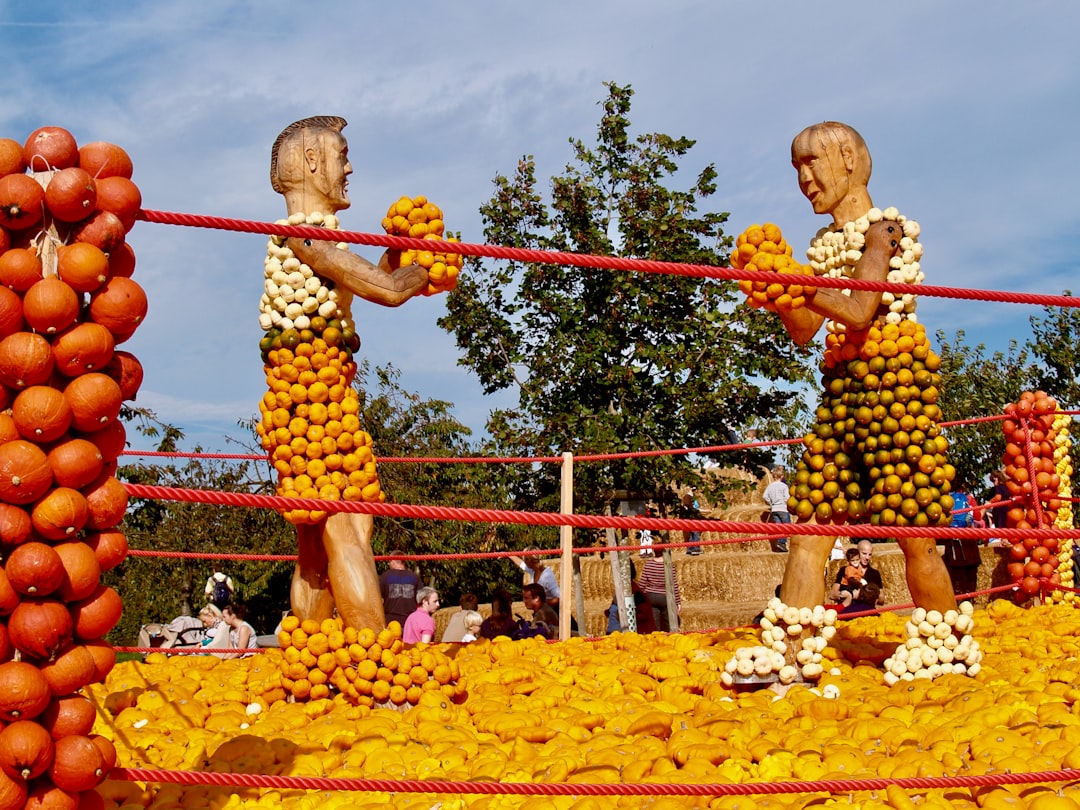
South Pittsburg, Tennessee, was like countless small American towns in the 1990s—losing population and struggling to find its identity. In 1996, a new couple who had just moved to town attended a party and mentioned how happy they were in their new community. They kept saying South Pittsburg was a ‘hidden gem’ and that it should be showcased. As that party continued, the ‘idea’ of a festival was born. Since South Pittsburg is the home of Lodge Cast Iron, and cast iron is cornbread’s best friend, it makes sense that the idea was parlayed into the first National Cornbread Festival in 1997.
The town of 3,000 people, located half an hour west of Chattanooga, swells to over 20,000 over two days, with visitors eager to have fun while working up an appetite for cornbread. The transformation is dramatic—imagine your quiet neighborhood suddenly hosting seven times its population for a weekend celebration of cornbread. It has since become one of the largest food festivals in the Southeast, and has raised more than $1.4 million to date for community improvement projects, including new athletic facilities, building restorations and programs for local theaters and libraries.
In the year 2000 the National Cornbread Festival was selected as one of the top 100 events in North America by the American Bus Association. What started as casual conversation at a house party became a nationally recognized event that literally rebuilt a town’s infrastructure and pride.
Gilroy Garlic Festival: From Farm Crisis to Fame

Gilroy, California, faced a harsh reality in the late 1970s—garlic farming was becoming unprofitable, and this agricultural community was watching its economic foundation crumble. Local farmers were abandoning their fields, and the “Garlic Capital of the World” title seemed like a joke rather than a source of pride. The solution came from an unexpected place: embracing what made them different instead of running from it.
The Gilroy Garlic Festival, launched in 1979, turned their agricultural identity into a celebration that attracted hundreds of thousands of visitors annually. Food vendors began creating garlic-infused everything—from garlic ice cream to garlic fries—and suddenly, what locals once considered a pungent embarrassment became their ticket to economic survival. The festival generated millions in revenue and kept family farms operational when market prices alone couldn’t sustain them.
This wasn’t just about economics; it was about community pride. Families who had farmed garlic for generations found new purpose in sharing their agricultural heritage with curious visitors. The festival created jobs in hospitality, food service, and tourism that sustained the local economy year-round. Today, the Gilroy Garlic Festival remains one of California’s most beloved food festivals, proving that sometimes your biggest perceived weakness can become your greatest strength.
Woodstock 1994 Revival: Saugerties’ Second Chance
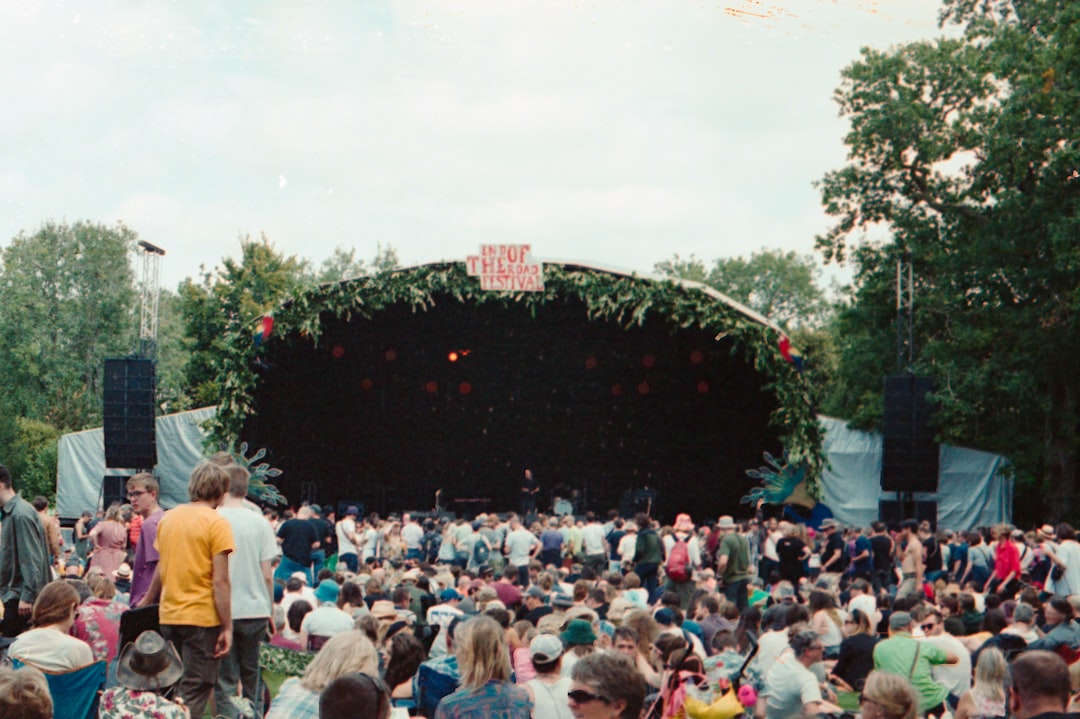
When Saugerties, New York, learned they would host Woodstock’s 25th anniversary concert in 1994, many residents were nervous about welcoming hundreds of thousands of music fans to their quiet Hudson Valley town. The original 1969 Woodstock had actually taken place in Bethel, about 60 miles away, but promoters chose Saugerties for the revival because of better infrastructure and local cooperation.
The three-day festival in August 1994 brought an estimated 350,000 people to the area, generating millions in revenue for local businesses. Hotels, restaurants, and shops experienced their busiest weekend in history. The event put Saugerties on the national map, attracting media attention that continued long after the last guitar was unplugged. Suddenly, this town that most Americans had never heard of was synonymous with one of the most famous music festivals in history.
The economic impact extended far beyond that single weekend. Saugerties became a destination for music fans making pilgrimages to the site, and the town capitalized on its newfound fame by developing music-related tourism. Local businesses learned they could thrive by embracing their role in music history, and the festival’s legacy continues to drive tourism and economic development decades later. Sometimes lightning does strike twice.
Frozen Dead Guy Days: Nederland’s Bizarre Bonanza
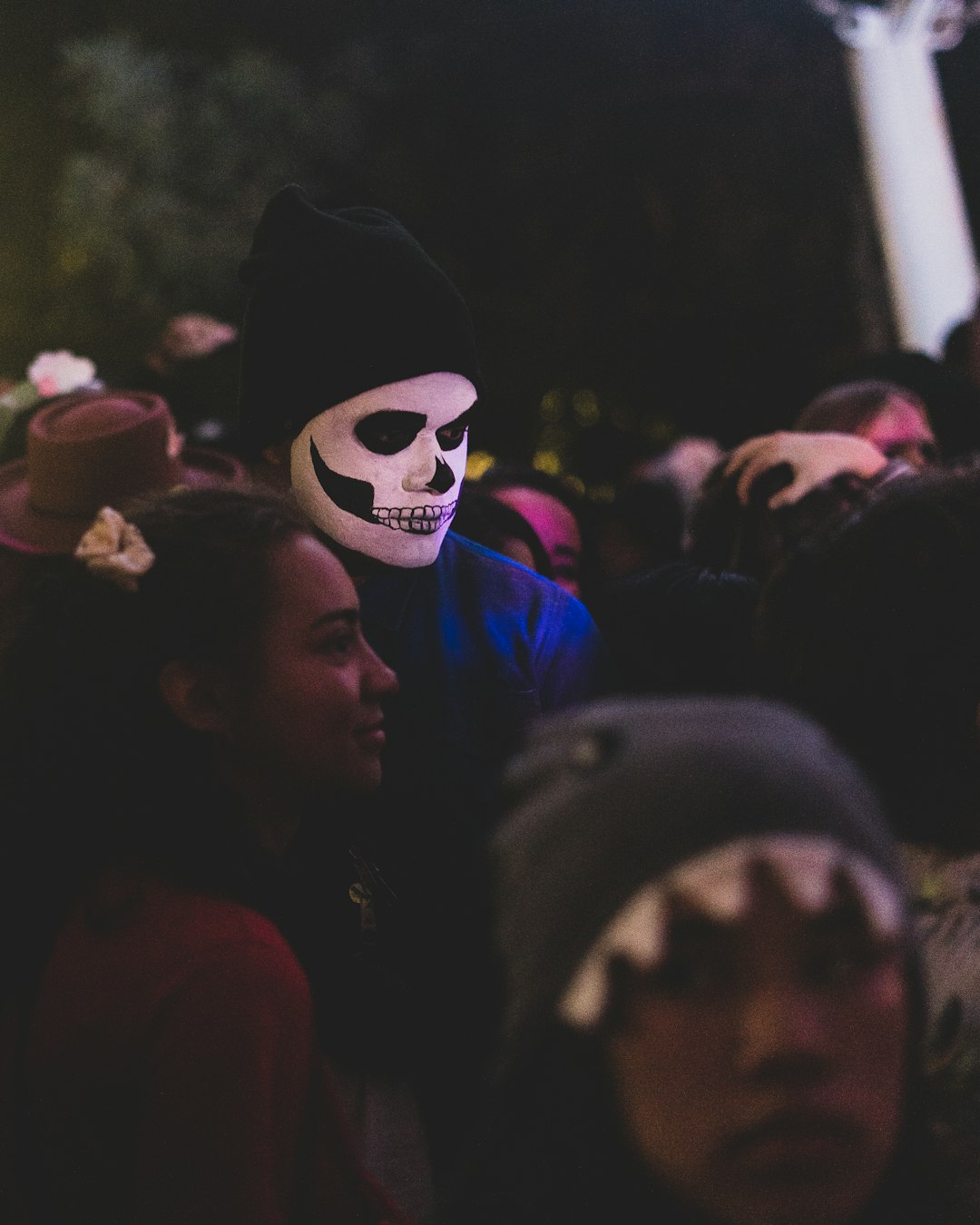
Nederland, Colorado, stumbled upon one of the strangest economic development strategies in American history—a festival celebrating a cryogenically frozen corpse stored in a local shed. The story began in the 1990s when a Norwegian immigrant brought his grandfather’s frozen body to Nederland, hoping to eventually revive him through future technology. When the family ran into visa problems, the grandfather remained frozen in a Tuff Shed, becoming the town’s most unusual resident.
Instead of treating this as a macabre embarrassment, Nederland embraced the absurdity. The first Frozen Dead Guy Days festival in 2002 featured coffin races, brain-eating contests, and tours of “Grandpa Bredo’s” icy resting place. What started as a tongue-in-cheek celebration of their weird claim to fame became Nederland’s biggest tourism draw, attracting thousands of visitors each March to this mountain town of 1,500 residents.
The festival generates hundreds of thousands of dollars in revenue for local businesses during what was traditionally the slowest time of year. Hotels book solid, restaurants run out of food, and souvenir shops can barely keep up with demand. Nederland discovered that sometimes the best marketing strategy is simply being authentically, unapologetically weird. The festival has become so popular that it sells out advance tickets and draws visitors from around the world who want to experience America’s most unusual winter celebration.
Bridge Day: Fayetteville’s Leap of Faith
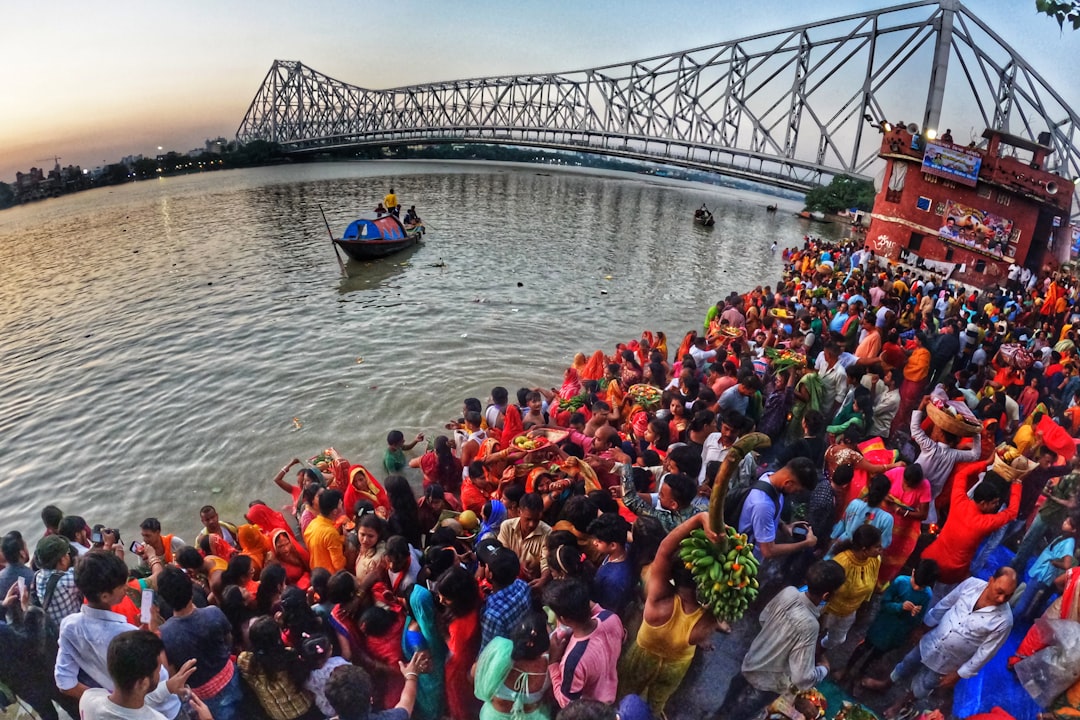
Fayetteville, West Virginia, was struggling with the decline of coal mining when local officials made a bold decision in 1980—they would turn their town’s most impressive feature, the New River Gorge Bridge, into the centerpiece of an extreme sports festival. Bridge Day, held every third Saturday in October, allows BASE jumpers and rappellers to legally leap from the 876-foot-high bridge, creating one of the most spectacular and terrifying festivals in America.
The festival attracts over 100,000 visitors annually, transforming this small Appalachian town into the adventure sports capital of the East Coast for one day each year. Hotels within 50 miles book solid months in advance, and local businesses generate as much revenue during Bridge Day weekend as they do in entire typical months. The economic impact extends throughout southern West Virginia, as visitors explore the broader region’s outdoor recreation opportunities.
Bridge Day didn’t just save Fayetteville’s economy; it completely redefined the town’s identity. Instead of being known as another struggling former coal town, Fayetteville became synonymous with adventure tourism and extreme sports. The festival helped establish the New River Gorge as a world-class outdoor recreation destination, leading to its designation as a National Park and Preserve in 2020. Sometimes you have to take a literal leap of faith to find economic salvation.
International Balloon Fiesta: Albuquerque’s Rise to the Sky
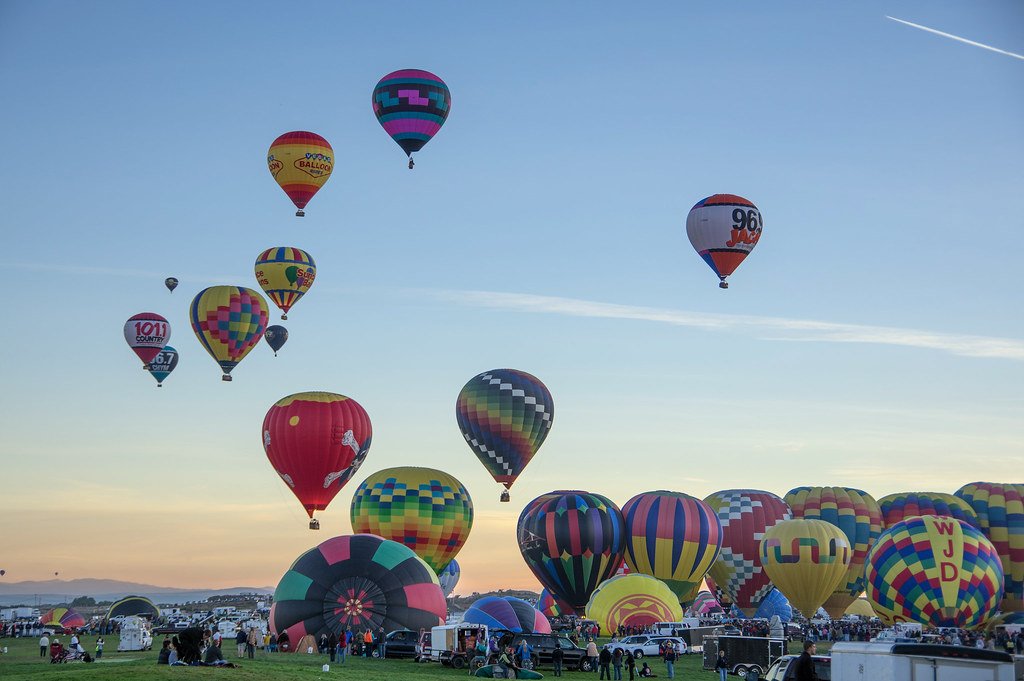
When Albuquerque launched its first balloon festival in 1972, organizers hoped to attract a few dozen hot air balloons and maybe a couple thousand spectators to celebrate the city’s radio station anniversary. They had no idea they were creating what would become the world’s largest ballooning event and one of the most photographed festivals on earth. The unique weather conditions in Albuquerque’s high desert create perfect flying conditions that balloon pilots call the “Albuquerque Box.”
Today, the nine-day International Balloon Fiesta attracts over 500 hot air balloons and nearly a million visitors, generating more than $200 million in economic impact for the Albuquerque metro area. Hotels throughout the city book solid a year in advance, restaurants hire extra staff for the October event, and the iconic images of hundreds of colorful balloons floating over the Sandia Mountains appear in tourism materials worldwide.
The festival transformed Albuquerque from a sleepy desert city into an internationally recognized destination. The mass ascension of balloons at sunrise has become one of the most spectacular sights in America, regularly featured in movies, commercials, and travel documentaries. The economic impact extends year-round, as the festival’s fame attracts visitors who come specifically to experience the city that hosts the world’s most beautiful balloon celebration. Albuquerque proved that sometimes the sky really is the limit.
Eli Banana Festival: Martin’s Sweet Revival
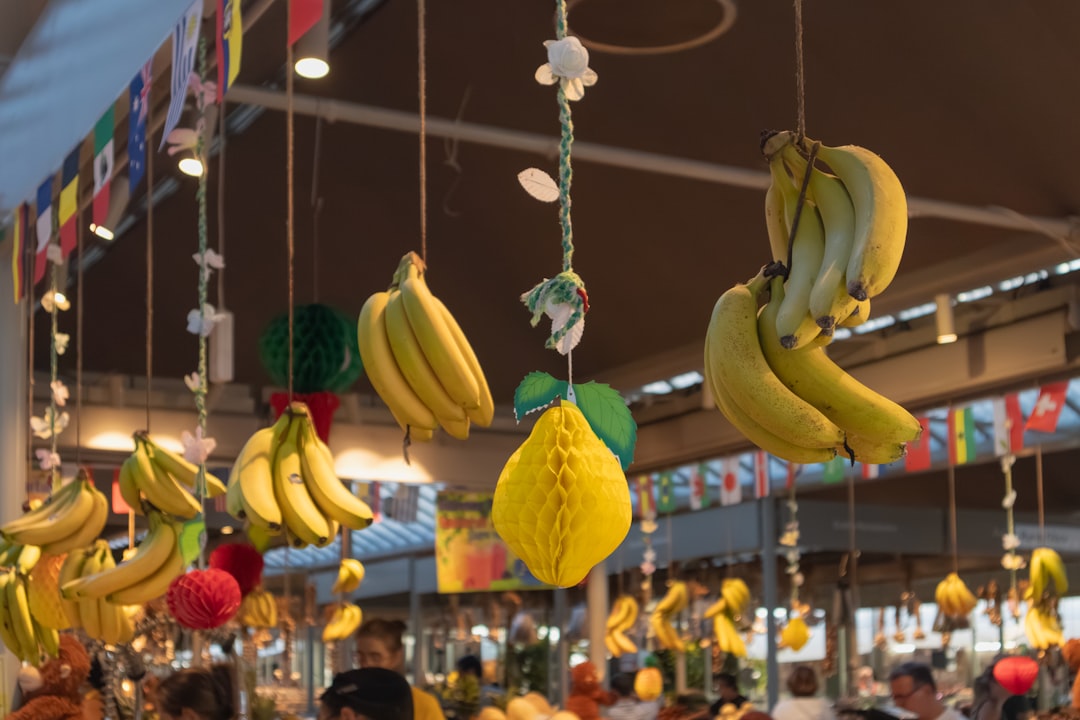
Martin, Tennessee, was facing an identity crisis in the 1980s when major employers left town and the downtown area was becoming a collection of empty storefronts. The city needed something, anything, to attract visitors and generate economic activity. In a stroke of creative desperation, local officials decided to celebrate the banana—not because Martin had any particular connection to tropical fruit, but because it was different, memorable, and utterly unexpected for a small West Tennessee town.
The Eli Banana Festival, named after a University of Tennessee fraternity cheer, began in 1984 as a weekend celebration featuring banana-themed activities, live music, and arts and crafts vendors. The festival’s absurd premise—celebrating bananas in a town that couldn’t grow them—became its greatest strength. Visitors came out of curiosity and returned because of the genuine community spirit and quirky charm they discovered.
The festival generates significant revenue for local businesses and has helped revitalize Martin’s downtown area. Restaurants create special banana-themed menus, shops sell banana merchandise, and the entire community participates in the celebration. The festival’s success helped Martin develop a reputation as a fun, welcoming destination, attracting other events and business development. Sometimes the best marketing strategy is simply being brave enough to be completely silly.
National Hobo Convention: Britt’s Rail Town Renaissance

Britt, Iowa, was a forgotten railroad town slowly withering away when local residents made an unusual decision in 1900—they would welcome the nation’s hoboes for an annual convention. While other towns were trying to keep transient workers away, Britt embraced them, offering a safe gathering place where traveling workers could share stories, find employment opportunities, and celebrate their nomadic lifestyle.
The National Hobo Convention, held every August since 1900, has become one of America’s most unique cultural celebrations. Thousands of visitors descend on this town of 2,000 residents to witness the crowning of the Hobo King and Queen, enjoy mulligan stew served from massive kettles, and experience authentic hobo culture. The festival attracts visitors from around the world who are fascinated by this distinctly American subculture.
The convention generates substantial revenue for Britt during what would otherwise be a quiet summer weekend. Local businesses stock up on supplies, restaurants hire extra help, and the town’s few hotels book solid months in advance. More importantly, the festival has given Britt a unique identity that sets it apart from hundreds of other small Iowa farming communities. The town has become synonymous with hobo culture, attracting year-round visitors to its Hobo Museum and generating ongoing tourism revenue. Britt discovered that sometimes the best way to stand out is to welcome those whom others turn away.
Rattlesnake Roundup: Sweetwater’s Controversial Cash Cow
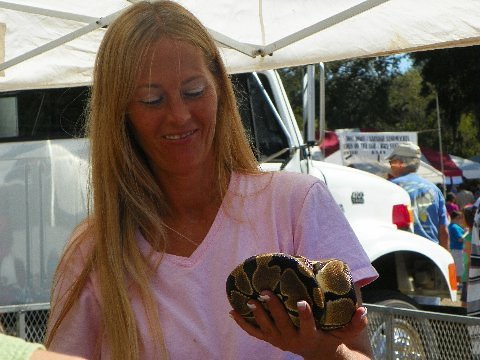
Sweetwater, Texas, was struggling economically in the 1950s when local ranchers were dealing with serious rattlesnake problems that threatened livestock and human safety. What started as a practical solution to a dangerous situation evolved into one of America’s most controversial festivals. The Sweetwater Jaycees organized the first Rattlesnake Roundup in 1958, combining snake removal with community fundraising and entertainment.
The annual March festival attracts over 25,000 visitors to this West Texas town of 11,000 residents, generating millions in economic impact. Visitors come to witness snake-handling demonstrations, taste rattlesnake meat, and participate in various snake-themed activities. The festival has become Sweetwater’s biggest tourism draw and primary fundraising event, supporting numerous community projects and scholarships over the decades.
While animal rights activists have criticized the roundup’s treatment of snakes, local supporters argue that the festival provides essential economic support for their community while addressing legitimate safety concerns about venomous snake populations. The controversy itself has generated media attention that keeps Sweetwater in the national spotlight, attracting visitors who want to experience this uniquely Texas celebration. The festival demonstrates how communities sometimes must navigate complex ethical questions while pursuing economic survival.
Winter Carnival: St. Paul’s Cold Cash Strategy
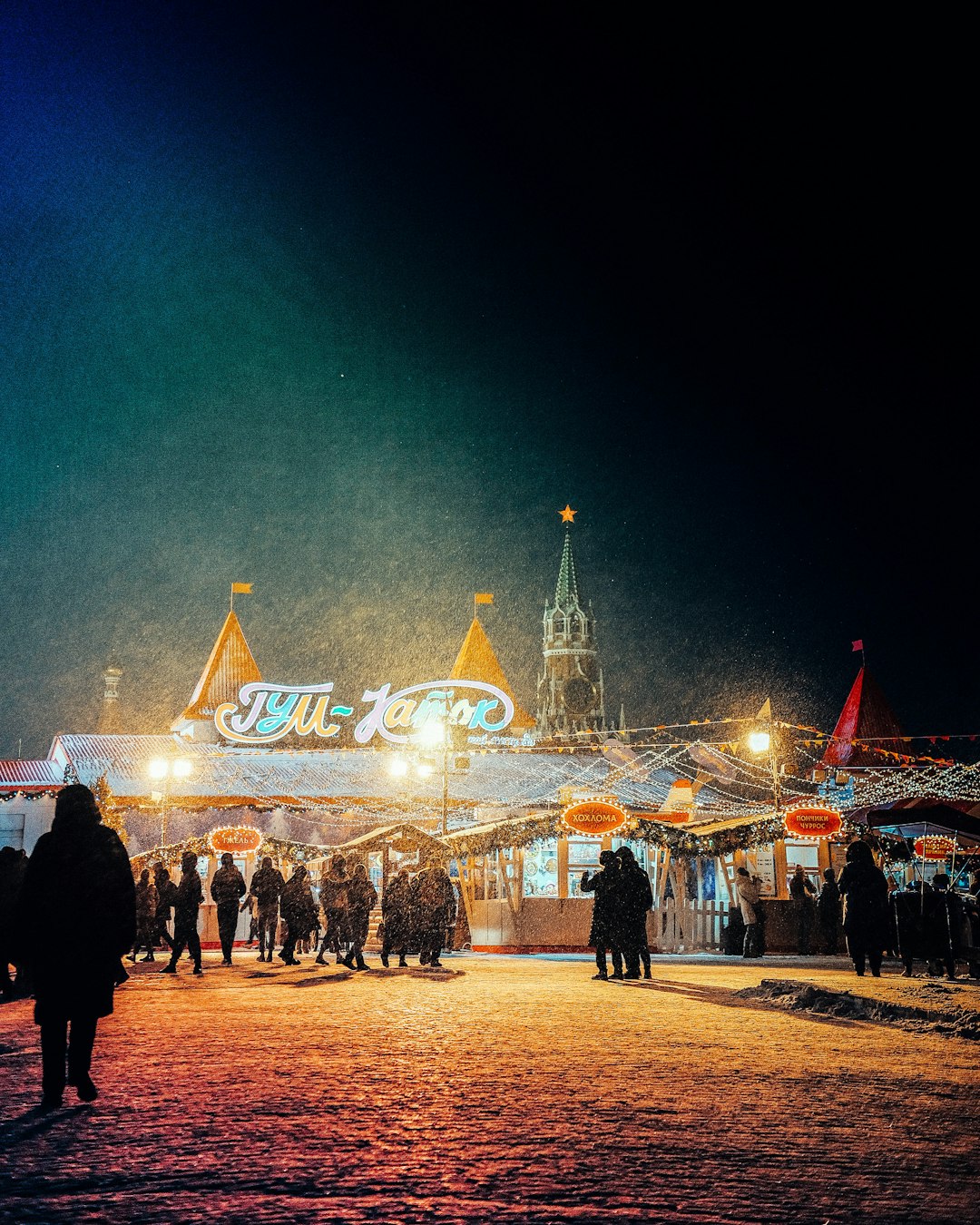
St. Paul, Minnesota, was tired of being mocked by rival Minneapolis and East Coast cities for its brutal winters when local business leaders decided to embrace the cold instead of enduring it. The St. Paul Winter Carnival, launched in 1886, was conceived as a direct response to a New York reporter who described St. Paul as “another Siberia, unfit for human habitation.” Instead of being defensive, St. Paul decided to prove that winter could be fun, profitable, and even glamorous.
The 10-day festival features ice sculpture competitions, winter sports demonstrations, and the famous Ice Palace—a massive structure built entirely from ice blocks that serves as the carnival’s centerpiece. The festival attracts hundreds of thousands of visitors during what was traditionally the city’s slowest tourism season, generating tens of millions in economic impact for the Twin Cities metro area.
The Winter Carnival helped establish St. Paul’s reputation as a city that thrives in winter rather than merely surviving it. Hotels, restaurants, and attractions throughout the metro area benefit from increased winter tourism, and the festival has inspired similar winter celebrations throughout the Upper Midwest. St. Paul proved that sometimes the best response to criticism is to turn your supposed weakness into your greatest strength. The festival continues to attract visitors who want to experience how Americans can make winter genuinely enjoyable.
Shrimp and Petroleum Festival: Morgan City’s Industrial Pride
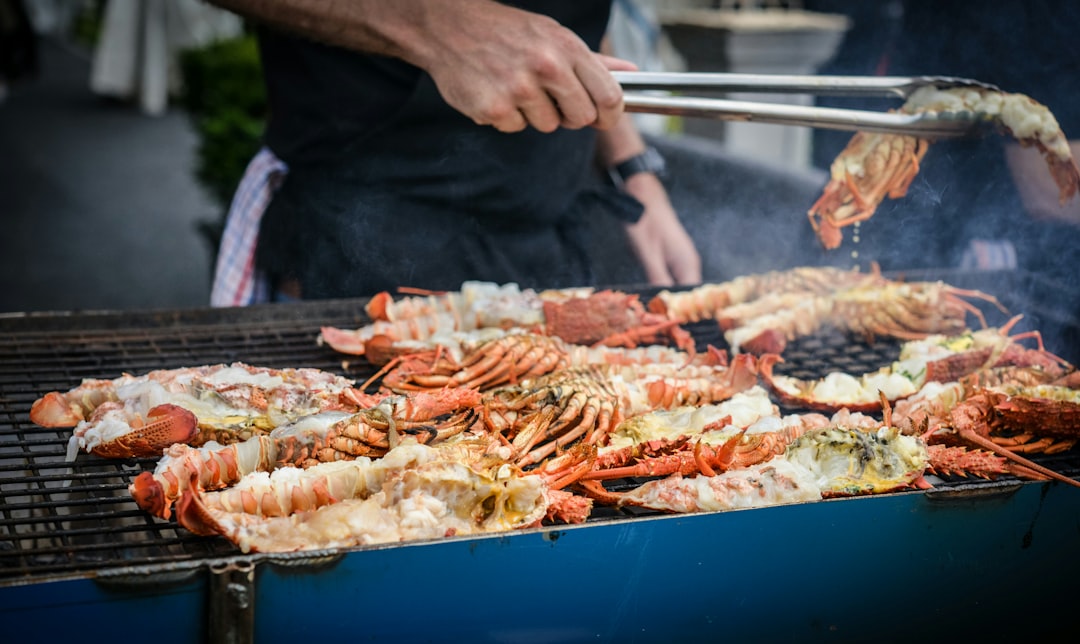
Morgan City, Louisiana, could have easily been embarrassed by its dual identity as both a fishing community and an oil industry hub—two industries that often conflict over environmental concerns. Instead, the city decided to celebrate both simultaneously with the Shrimp and Petroleum Festival, one of America’s most unique industrial celebrations. Launched in 1936, the festival honors the two industries that built this Atchafalaya River town.
The Labor Day weekend festival attracts over 100,000 visitors to this city of 12,000 residents, generating millions in economic impact. Visitors enjoy fresh Gulf seafood, learn about offshore oil drilling technology, and participate in activities that celebrate both maritime and industrial heritage. The festival features a blessing of the fleet ceremony alongside displays of oil rig equipment, creating a uniquely Louisiana blend of traditions.
The festival has helped Morgan City maintain its economic relevance as both industries have faced challenges from automation, environmental regulations, and market fluctuations. By celebrating their industrial heritage, Morgan City has attracted tourism revenue while maintaining pride in the work that built their community. The festival demonstrates how industrial communities can embrace their identity without apologizing for the work that sustains them, creating economic opportunities while honoring their unique cultural contributions.
Mule Day: Columbia’s Agricultural Awakening
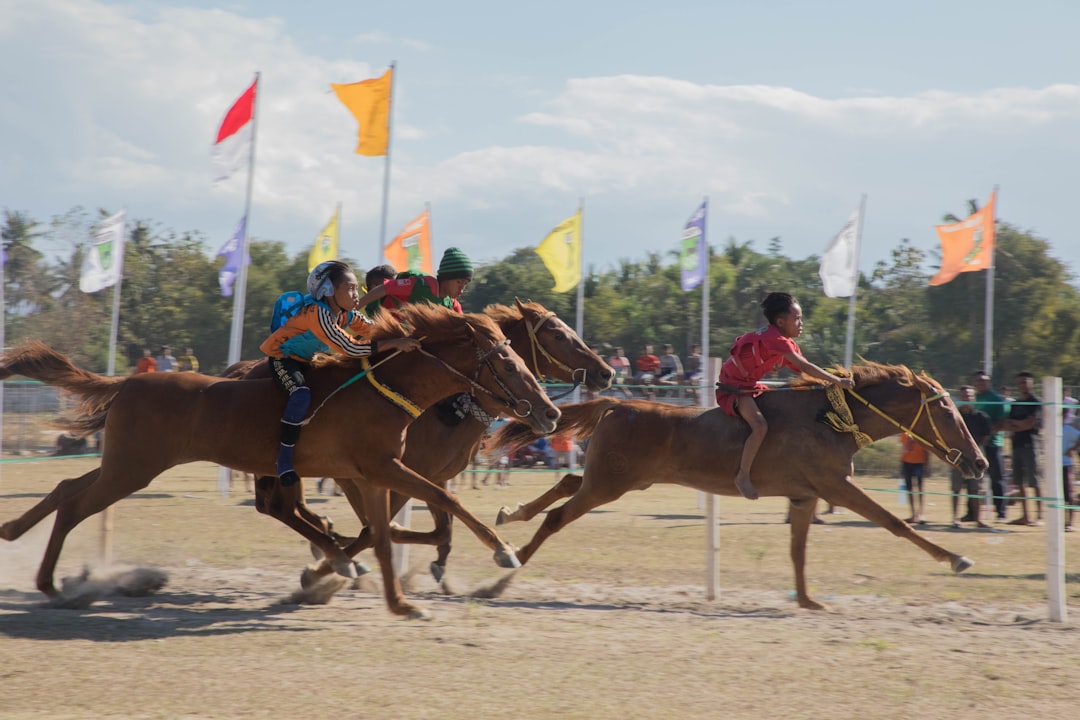
Columbia, Tennessee, was watching its agricultural economy fade in the 1930s when local leaders decided to honor the working animals that had built Middle Tennessee—mules. The first Mule Day celebration in 1840 was a practical event where farmers came to buy, sell, and trade mules for spring planting. As mechanization reduced the need for draft animals, the event evolved into a celebration of rural heritage and community pride.
Modern Mule Day, held each April, attracts over 200,000 visitors to this city of 35,000 residents, making it one of Tennessee’s largest festivals. The four-day celebration features mule shows, country music, crafts
CEO-Co-Founder
